𝗪𝗵𝗮𝘁 𝗮𝗿𝗲 𝗖𝗼𝗻𝘀𝘁𝗿𝘂𝗰𝘁𝗶𝗼𝗻 𝗥𝗮𝘄 𝗠𝗮𝘁𝗲𝗿𝗶𝗮𝗹𝘀?
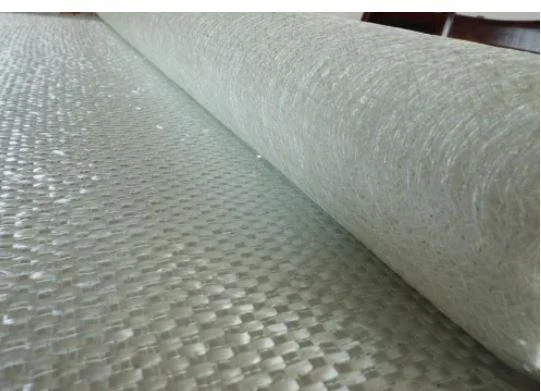
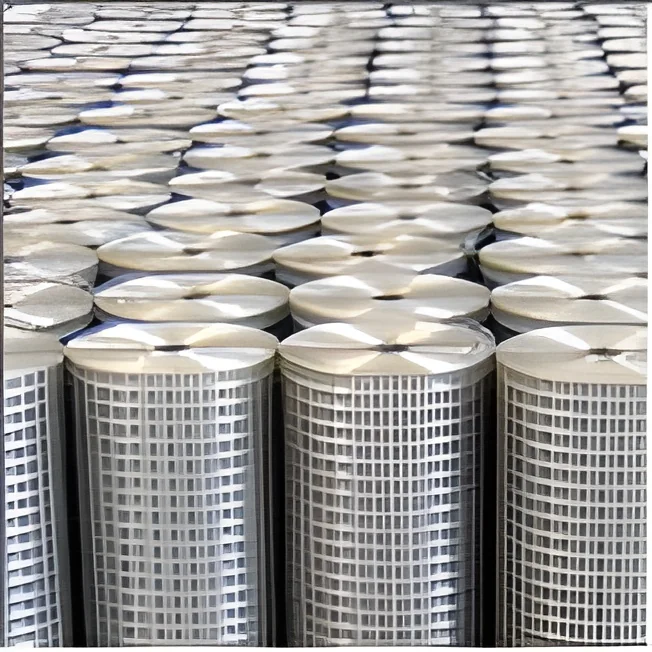
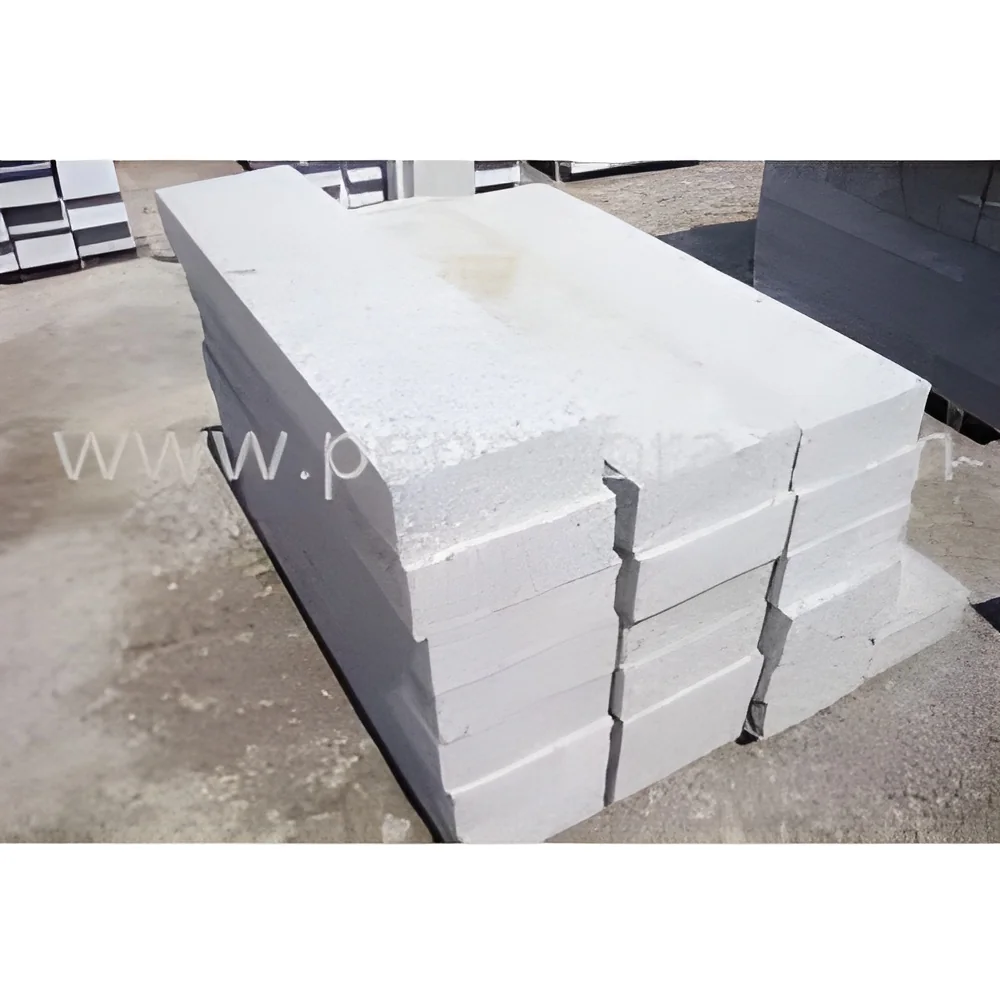
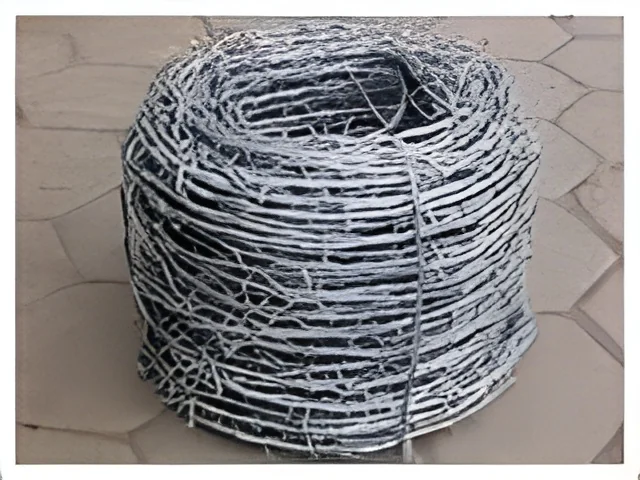
Construction raw materials are the fundamental components used in building and construction projects. These materials serve as the basic building blocks for various structures and infrastructure, ranging from residential homes to commercial buildings and large infrastructure projects. Common examples include aggregates, cement, bricks, steel, and timber, among others. Each type of raw material has specific properties that make it suitable for various construction applications.
The primary uses of construction raw materials include creating structural frameworks, providing insulation, and offering aesthetic finishes. In the construction industry, these materials are vital for ensuring the durability, safety, and integrity of buildings and infrastructure. Businesses in sectors such as civil engineering, architecture, and construction rely heavily on these materials to meet project specifications and timelines. The industry is continuously evolving, with a growing emphasis on sustainable practices and alternative materials to address environmental concerns.
The construction raw materials market is influenced by various factors, including economic conditions, demand for housing, and urban development trends. As construction activities increase globally, the need for reliable and high-quality raw materials continues to grow, making this sector critical for economic development. Understanding the characteristics and applications of these materials is essential for businesses looking to thrive in the construction landscape.
𝗞𝗲𝘆 𝗙𝗲𝗮𝘁𝘂𝗿𝗲𝘀 𝗮𝗻𝗱 𝗦𝗽𝗲𝗰𝗶𝗳𝗶𝗰𝗮𝘁𝗶𝗼𝗻𝘀
Construction raw materials come with several key features and specifications that define their quality and usability. These specifications provide essential information for buyers to make informed purchasing decisions.
Key specifications include:
1. Material Type
- Different raw materials such as concrete, wood, steel, and composites have unique properties.
- Each material type is suited for specific construction applications based on strength and durability.
2. Strength and Load-Bearing Capacity
- This specification indicates how much weight a material can support without failing.
- Typical ranges vary by material, with concrete often rated for compressive strength in megapascals.
3. Thermal Conductivity
- This measures a material's ability to conduct heat, affecting energy efficiency.
- Different materials have varying thermal resistance ratings.
4. Moisture Resistance
- Some materials are designed to resist moisture, which is crucial for structural integrity.
- Specifications may include ratings for water absorption or permeability.
5. Fire Resistance Rating
- This indicates how well a material can withstand fire exposure.
- Commonly, materials are rated based on time to failure under standardized fire tests.
6. Sustainability Certifications
- Many materials now come with certifications for environmental impact.
- Certifications may include LEED, BREEAM, or similar standards.
7. Compliance Standards
- Materials must meet specific legal and safety standards, such as CE marking in Europe.
- Compliance ensures they are safe for use in construction.
8. Cost and Availability
- Pricing can vary significantly based on material type and market conditions.
- Buyers should consider minimum order quantities and lead times when sourcing.
Understanding these specifications helps buyers select the right materials that meet their project requirements and regulatory standards.
𝗖𝗼𝗺𝗺𝗼𝗻 𝗔𝗽𝗽𝗹𝗶𝗰𝗮𝘁𝗶𝗼𝗻𝘀 𝗮𝗻𝗱 𝗨𝘀𝗲 𝗖𝗮𝘀𝗲𝘀
Construction raw materials serve a wide range of industries and applications.
1. Residential Construction: Raw materials like concrete, wood, and steel are used to build homes, ensuring structural integrity and safety.
2. Commercial Construction: Materials such as glass, steel, and drywall are essential for creating office buildings, retail spaces, and industrial facilities.
3. Infrastructure Development: Raw materials play a crucial role in building roads, bridges, and tunnels, where durability and load-bearing capacity are vital.
4. Landscaping and Outdoor Structures: Products like gravel, soil, and timber are used for outdoor construction, including parks and recreational facilities.
5. Renovation and Remodeling: Construction materials are also key in updating existing structures, enabling improvements in energy efficiency and aesthetics.
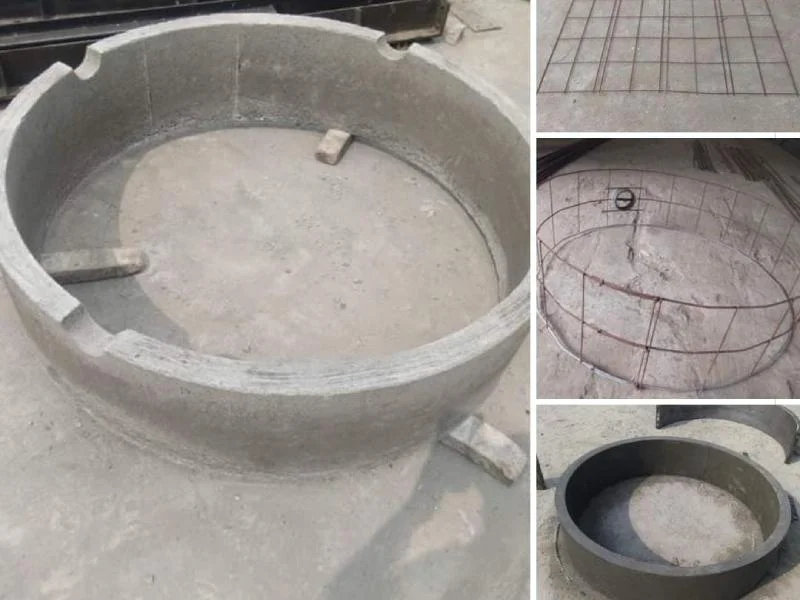
6. Industrial Applications: Certain materials are utilized in manufacturing processes, including precast concrete elements for various structures.
7. Energy Sector: Raw materials such as steel and concrete are critical in constructing power plants and renewable energy installations.
Understanding these applications allows businesses to tailor their sourcing strategies effectively.
𝗣𝗿𝗼𝗱𝘂𝗰𝘁 𝗩𝗮𝗿𝗶𝗮𝗻𝘁𝘀 𝗮𝗻𝗱 𝗦𝘂𝗯𝗰𝗮𝘁𝗲𝗴𝗼𝗿𝗶𝗲𝘀
Construction raw materials come in various forms and types, catering to different construction needs.
Concrete
Concrete is a composite material used extensively in construction. It is known for its strength, durability, and versatility. Applications include foundations, pavements, and structural components.
Steel
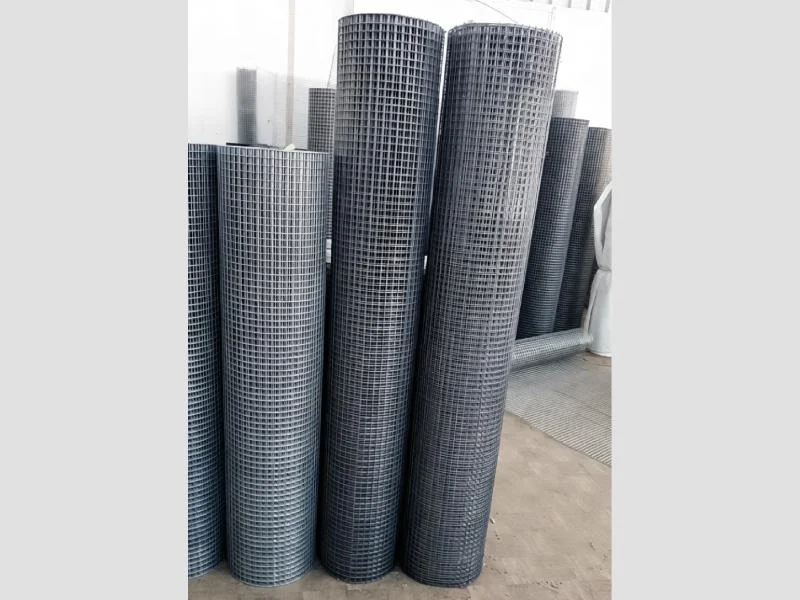
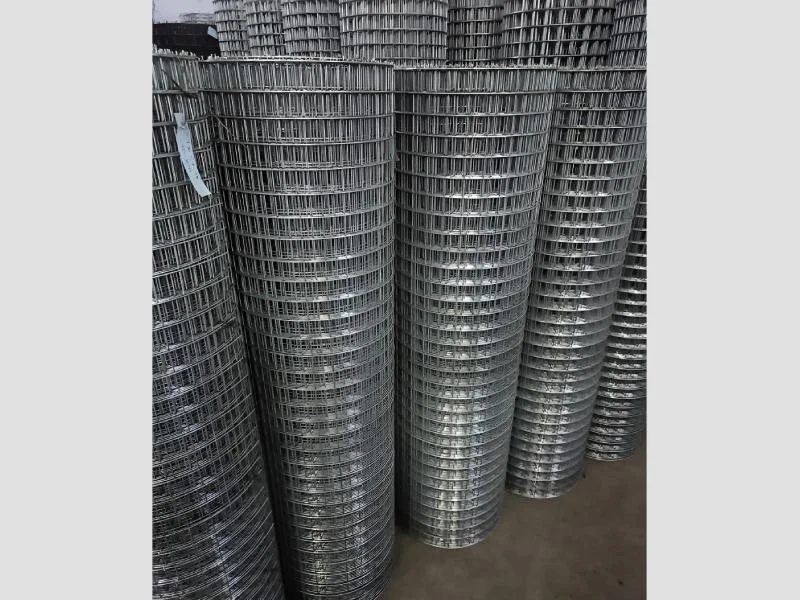
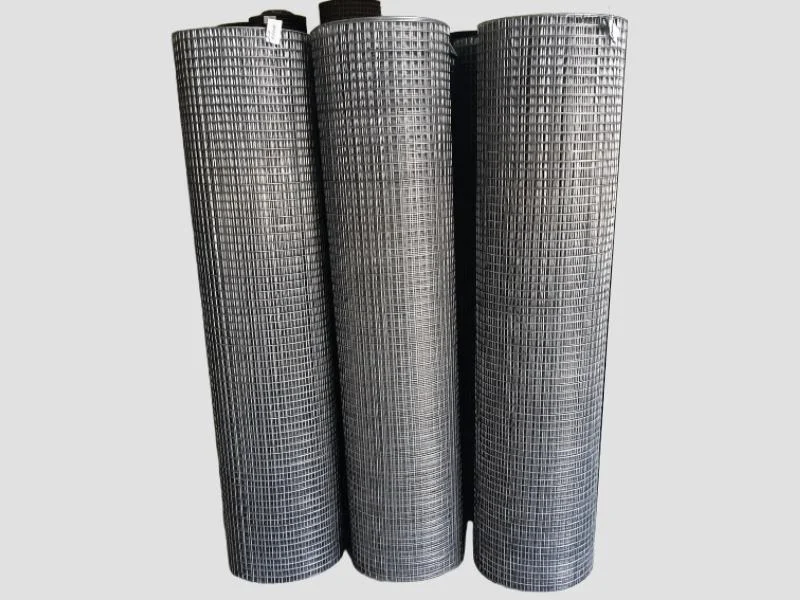
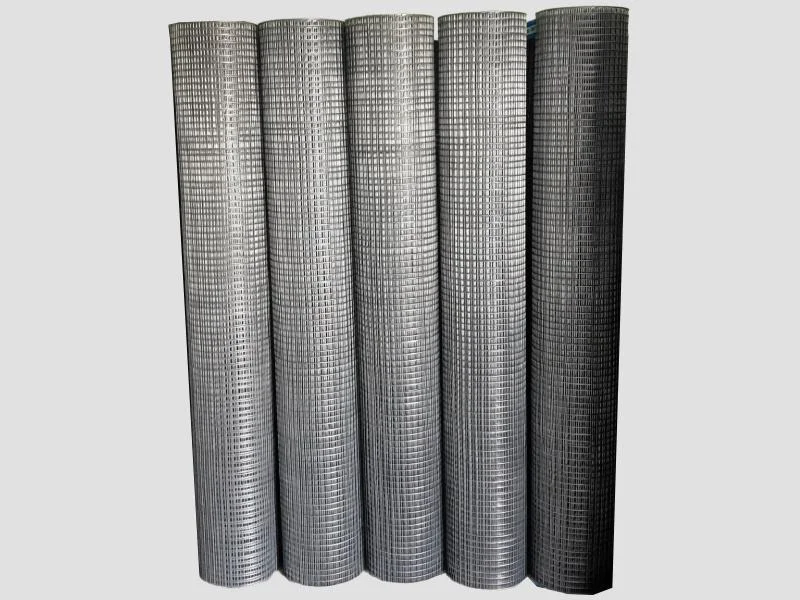
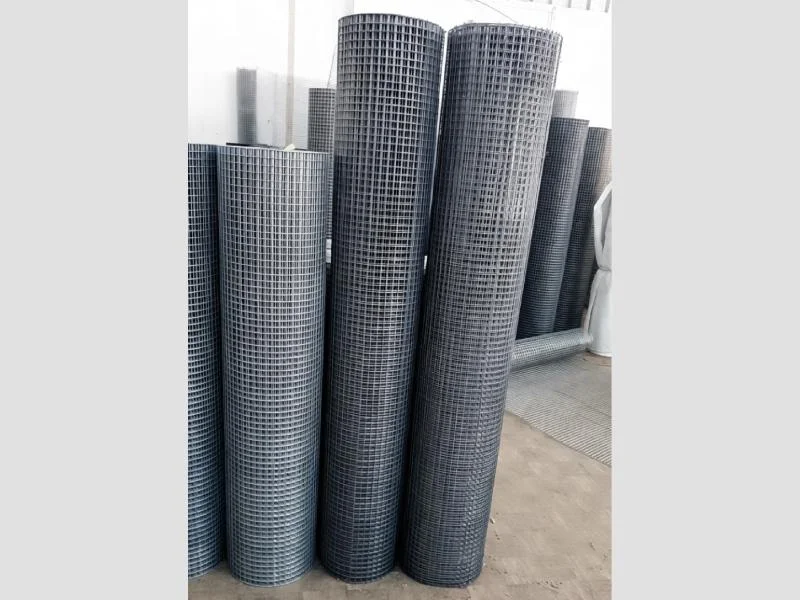
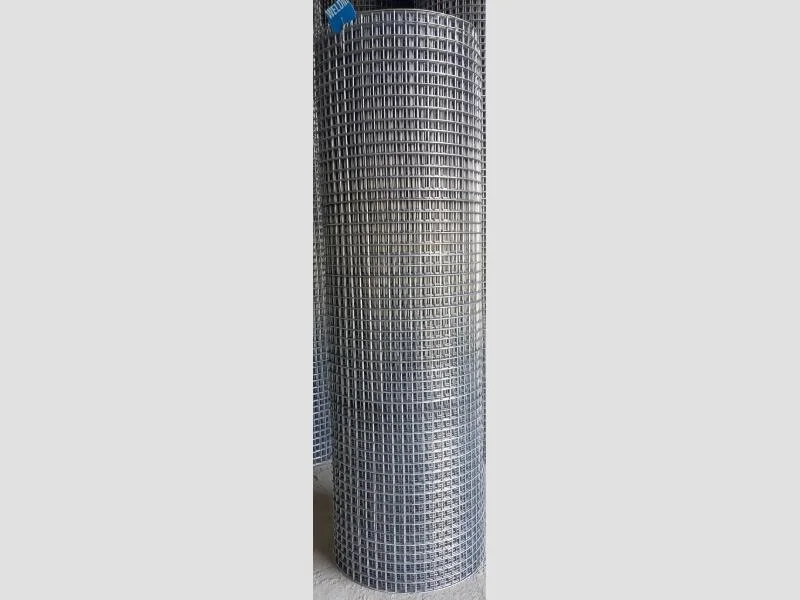
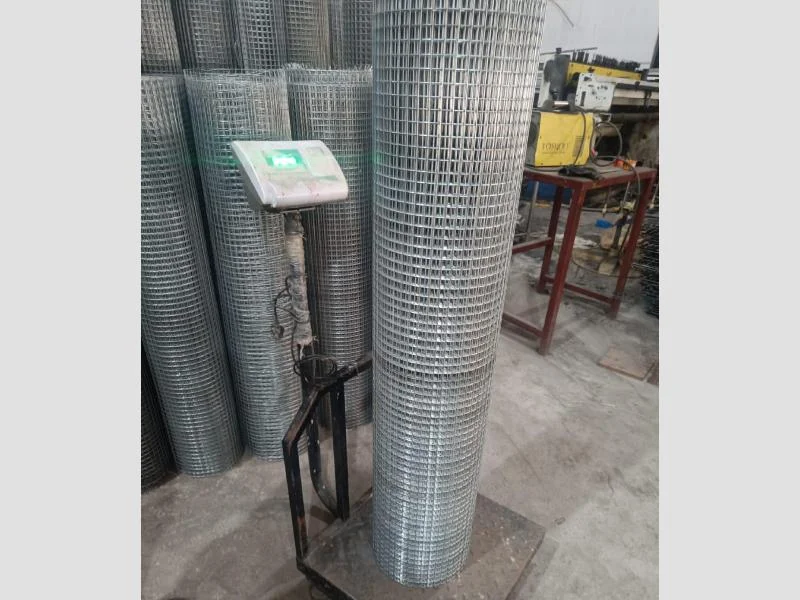
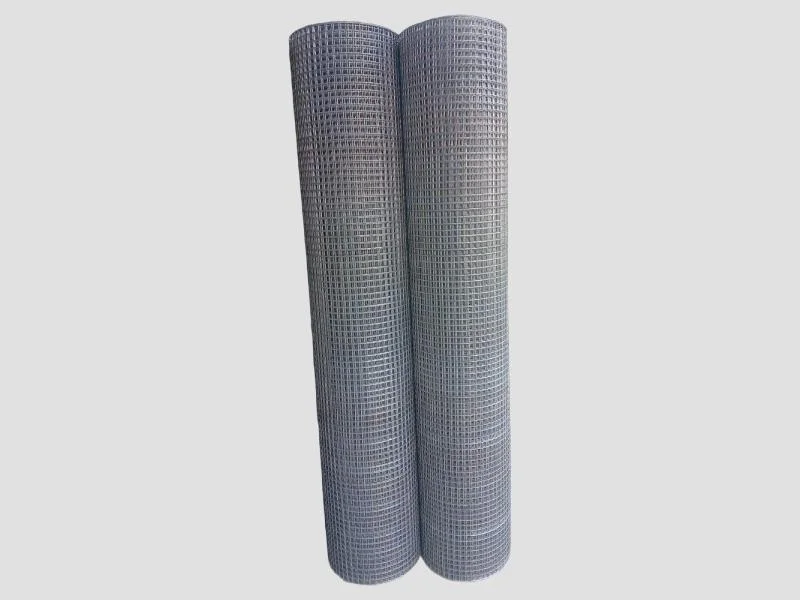
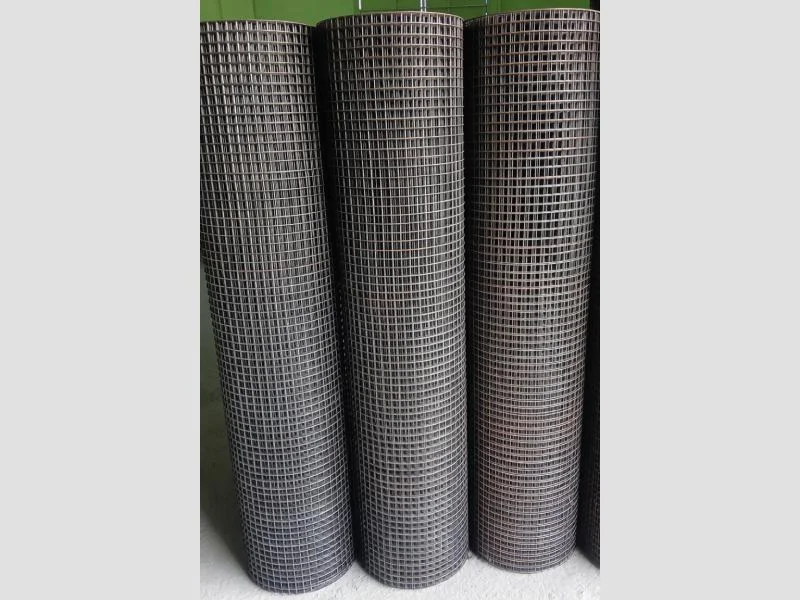
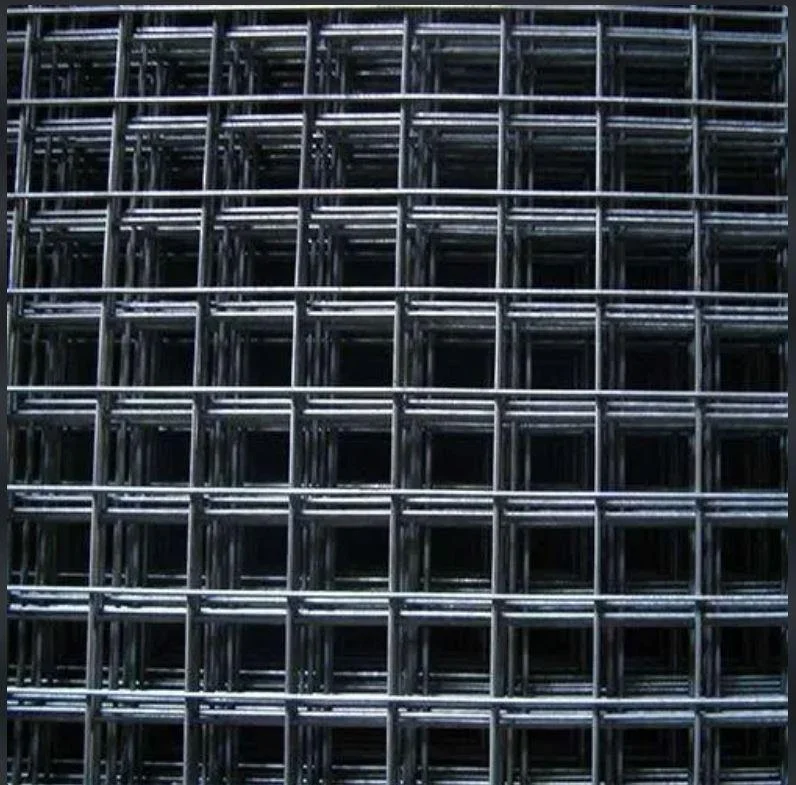
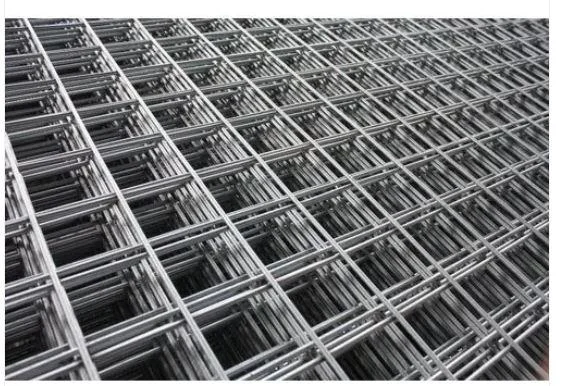
Steel is a strong and flexible material that is essential in modern construction. It is used in beams, reinforcements, and frames for buildings and infrastructure projects due to its load-bearing capacity.
Timber
Timber is a traditional construction material valued for its natural aesthetic and sustainability. It is commonly used in residential construction, flooring, and furniture.
Bricks
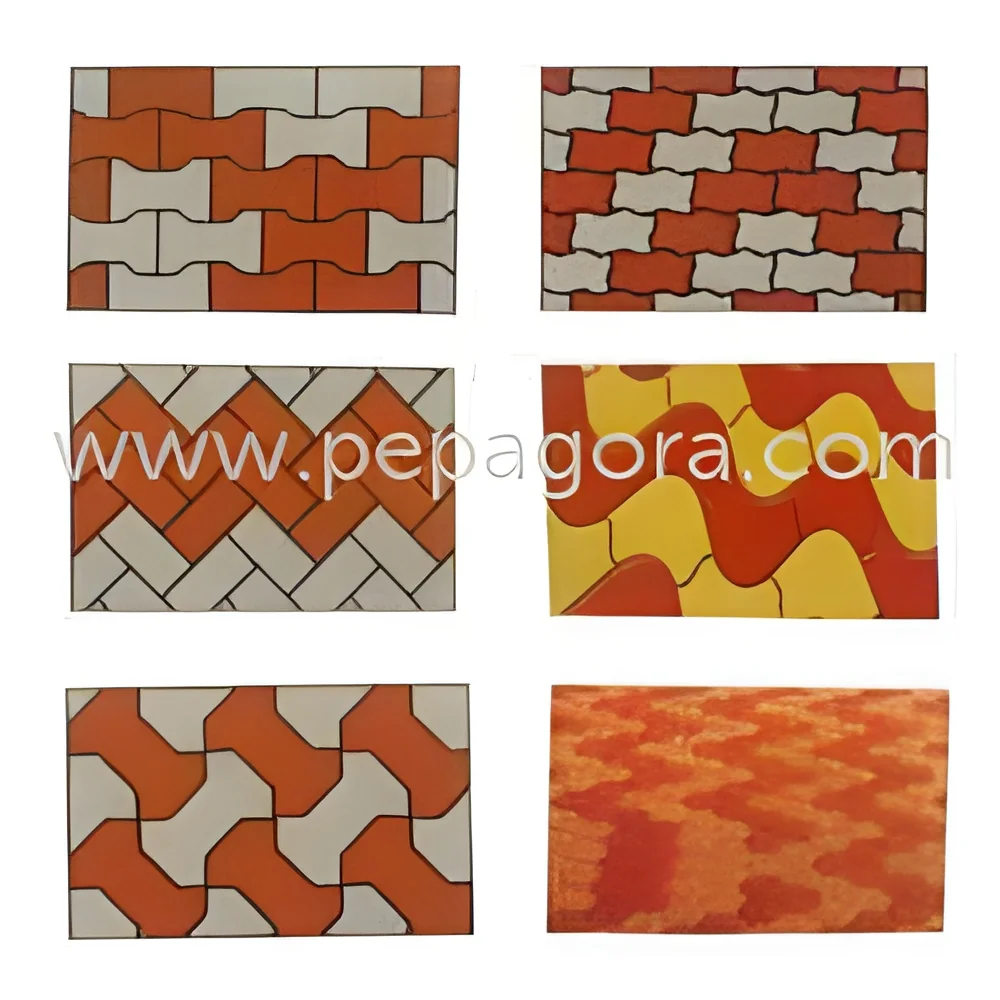
Bricks are used for walls and facades. They offer excellent thermal properties and are widely recognized for their durability and design flexibility.
Aggregates
Aggregates, such as sand, gravel, and crushed stone, are fundamental in concrete production and as base materials for roads and buildings.
𝗕𝗲𝗻𝗲𝗳𝗶𝘁𝘀 𝗮𝗻𝗱 𝗔𝗱𝘃𝗮𝗻𝘁𝗮𝗴𝗲𝘀
Sourcing construction raw materials offers numerous benefits for businesses.
1. Durability: High-quality raw materials ensure longevity and reduced maintenance costs for structures.
2. Versatility: A wide range of materials allows for flexibility in design and construction methods.
3. Cost-Effectiveness: Sourcing the right materials can lead to savings in project costs through efficient use and reduced waste.
4. Sustainability: Many suppliers now offer eco-friendly options that contribute to reducing the environmental impact of construction.
5. Compliance Assurance: Choosing certified materials ensures adherence to industry standards and regulations.
6. Improved Performance: Quality raw materials enhance the overall performance and safety of construction projects.
𝗕𝘂𝘆𝗶𝗻𝗴 𝗚𝘂𝗶𝗱𝗲 𝗳𝗼𝗿 𝗕𝟮𝗕 𝗕𝘂𝘆𝗲𝗿𝘀
When sourcing construction raw materials, businesses must consider several important factors to ensure quality and compliance.
1. Quality Assessment: Evaluate the material's specifications, including strength, durability, and certifications. Conduct tests or request samples to ensure they meet project requirements.
2. Supplier Verification: Research suppliers to confirm their reputation and reliability. Check references, reviews, and their history of delivering quality materials.
3. Pricing and MOQ: Understand the pricing structure and any minimum order quantities to plan budgets effectively. Compare quotes from multiple suppliers for the best value.
4. Delivery and Lead Times: Consider logistics and lead times when planning projects. Ensure suppliers can meet deadlines to avoid project delays.
5. Compliance Requirements: Familiarize yourself with local regulations and standards that apply to construction materials. Ensure suppliers provide materials that comply with these requirements.
𝗖𝗼𝗺𝗽𝗹𝗶𝗮𝗻𝗰𝗲 𝗮𝗻𝗱 𝗖𝗲𝗿𝘁𝗶𝗳𝗶𝗰𝗮𝘁𝗶𝗼𝗻𝘀
Compliance and certifications are essential in the construction industry to ensure safety and quality.
Relevant quality standards, such as ISO 9001, ensure that manufacturers meet international benchmarks for quality management systems. Additionally, certifications like CE mark are vital in the European market, indicating that products meet safety and performance requirements.
Industry certifications provide assurance that materials are tested and meet specific standards for use in construction. These may include fire resistance, environmental impact, and structural integrity testing.
Safety and testing requirements vary by region and material type. It is crucial to understand local regulations governing construction materials to ensure compliance and reduce liability risks.
𝗪𝗵𝘆 𝗦𝗼𝘂𝗿𝗰𝗲 𝗖𝗼𝗻𝘀𝘁𝗿𝘂𝗰𝘁𝗶𝗼𝗻 𝗥𝗮𝘄 𝗠𝗮𝘁𝗲𝗿𝗶𝗮𝗹𝘀 𝗳𝗿𝗼𝗺 𝗣𝗲𝗽𝗮𝗴𝗼𝗿𝗮?
Pepagora offers a trusted platform for sourcing construction raw materials with several key advantages.
Verified Supplier Network: Pepagora connects buyers with a network of verified suppliers. This ensures that businesses can find reliable partners who provide high-quality materials.
Streamlined RFQ Process: The platform simplifies the request for quotation process, allowing buyers to receive competitive quotes from multiple suppliers quickly. This efficiency helps businesses save time and resources.
Trade Assurance and Support: Pepagora provides buyer protection through trade assurance, ensuring that transactions are secure. The platform also offers support to address any concerns or issues that may arise during the sourcing process.
Regional Coverage: With a strong presence in India, the GCC, and Southeast Asia, Pepagora enables businesses to access a diverse range of construction raw materials. This geographic reach ensures that buyers can find materials suited to their specific project needs while benefiting from local market knowledge.

 IN
IN