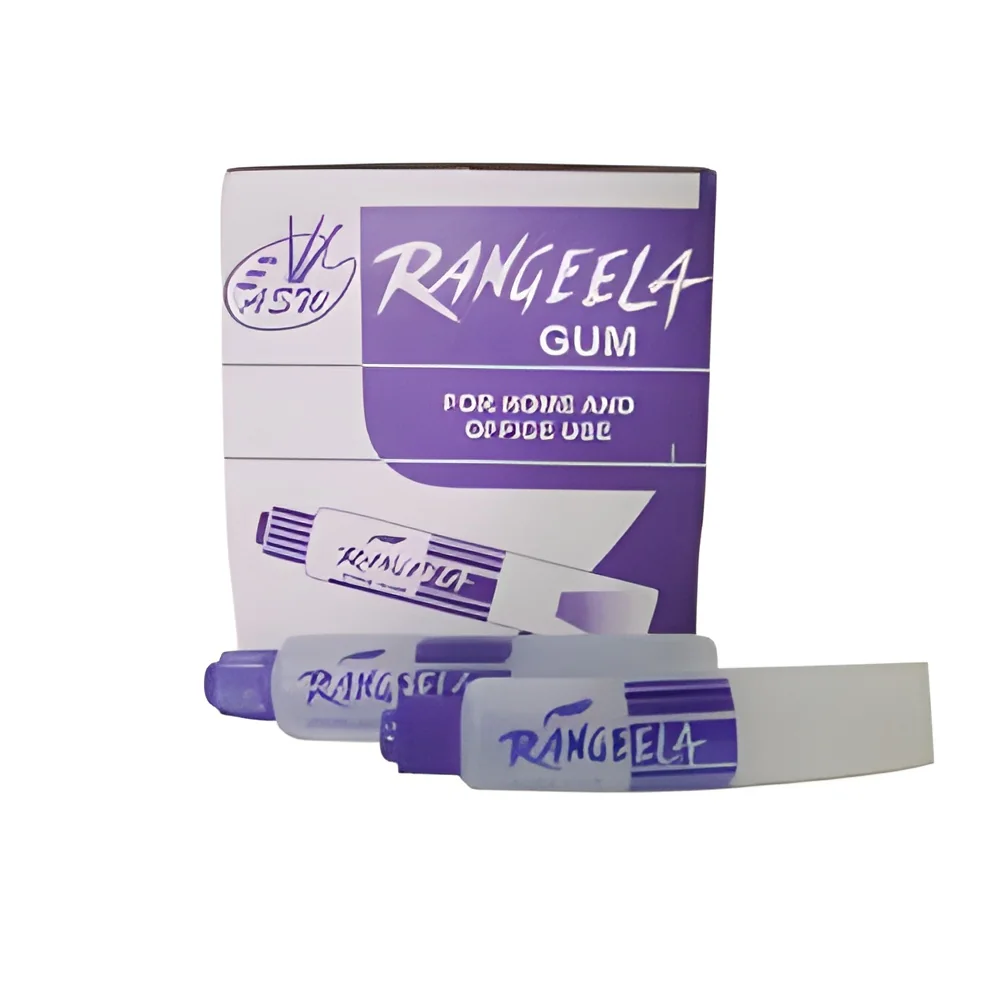
What are Bonding Agents?
Bonding agents are specialized substances used to create strong adhesive connections between different materials. These agents facilitate the bonding process by enhancing adhesion, ensuring that surfaces stick together effectively and securely. Various formulations exist depending on the specific materials being joined, the desired strength of the bond, and the application environment. Bonding agents can be found in liquid, paste, or spray forms, each tailored for unique requirements in industrial and commercial settings.
The primary uses of bonding agents encompass a wide range of applications across various industries. They are crucial in construction for adhering tiles, wood, and other materials. In manufacturing, bonding agents are essential for assembling components in automotive, electronics, and furniture industries. This versatility makes them a vital tool in enhancing product durability and performance. Within the market context, the demand for bonding agents continues to grow as industries evolve, requiring innovative and reliable solutions to meet specific bonding needs.
Key Features and Specifications
Bonding agents come with several important features and specifications that are critical in ensuring their effectiveness in various applications. Understanding these specifications helps businesses choose the right bonding agent for their specific needs.
Key specifications include:
1. Adhesive Strength
- Measures the ability of the bonding agent to hold materials together.
- Typically measured in pounds per square inch (PSI).
2. Cure Time
- Indicates how long the bonding agent takes to set and achieve maximum strength.
- Ranges from minutes to hours, depending on the formulation.
3. Temperature Resistance
- Determines the range of temperatures the bond can withstand without failure.
- Specifications can vary widely based on the product.
4. Viscosity
- Refers to the thickness of the bonding agent and affects its application.
- Measured in centipoise (cP).
5. Solvent Resistance
- Indicates the bonding agent's ability to resist degradation when exposed to various solvents.
- Important for applications in chemical processing.
6. Environmental Resistance
- Specifies the ability to withstand humidity, UV exposure, and other environmental factors.
- Critical for outdoor applications.
7. Shelf Life
- Defines how long the bonding agent can be stored without losing effectiveness.
- Typically ranges from several months to years.
In summary, understanding these specifications helps businesses select the right bonding agents for their specific applications, ensuring optimal performance and reliability.
Common Applications and Use Cases
Bonding agents play a critical role across numerous industries, serving various needs and applications.
1. Construction: Bonding agents are extensively used for tile adhesion, sealing joints, and securing structural elements, ensuring durability and stability.
2. Automotive: In the automotive industry, bonding agents are essential for assembling parts, including interior components and body panels, enhancing structural integrity.
3. Electronics: Bonding agents are used for potting and encapsulating electronic components, providing protection and enhancing performance.
4. Furniture: In the furniture manufacturing sector, these agents are used to bond wood, laminates, and upholstery, ensuring long-lasting products.
5. Aerospace: Bonding agents are crucial for assembling aircraft components, where lightweight and strong bonds are necessary for safety and performance.
6. Packaging: In packaging, bonding agents are used for sealing and securing materials, contributing to product integrity during transportation.
7. Marine: Marine applications utilize bonding agents for securing components in boats and ships, providing resistance to water and environmental factors.
Product Variants and Subcategories
Bonding agents come in a variety of formulations, each tailored to different applications and performance requirements.
Polyurethane Adhesives: This variant is known for its exceptional flexibility and waterproof properties, making it ideal for construction and automotive applications. It can bond a wide range of materials, including wood, metal, and plastics.
Epoxy Adhesives: Epoxy-based bonding agents are recognized for their high strength and chemical resistance. They are commonly used in manufacturing and repair applications, providing robust bonds under various conditions.
Acrylic Adhesives: These agents offer fast curing times and excellent clarity, making them suitable for applications in electronics and glass bonding. Their versatility allows for bonding a wide range of substrates.
Silicone Adhesives: Silicone-based bonding agents are valued for their high-temperature resistance and flexibility. They are often used in automotive and construction industries, especially for sealing applications.
Benefits and Advantages
Bonding agents provide numerous benefits that enhance their value in various applications.
1. Enhanced Durability: Bonding agents create strong bonds that improve the lifespan of products, reducing the need for repairs and replacements.
2. Versatility: These agents can bond a wide variety of materials, making them suitable for diverse applications across multiple industries.
3. Improved Efficiency: With quick setting times, bonding agents facilitate faster production processes, allowing businesses to meet tight deadlines.
4. Cost-Effectiveness: By reducing material waste and enhancing product durability, bonding agents contribute to overall cost savings in production.
5. Environmental Resistance: Many bonding agents are designed to withstand harsh environmental conditions, ensuring reliable performance in outdoor applications.
6. Customization: Businesses can often find bonding agents tailored to specific needs, allowing for optimized performance in unique applications.
Buying Guide for B2B Buyers
When sourcing bonding agents, businesses should carefully consider several factors to ensure they select the most suitable product.
1. Quality Assessment: Evaluate the bonding agent's performance through laboratory testing and product reviews. Look for proven track records in similar applications.
2. Supplier Verification: Vet suppliers by checking their credentials, customer feedback, and compliance with industry standards to ensure reliability and quality.
3. Pricing and MOQ: Understand the pricing structure and minimum order quantities (MOQ) to align with budget and inventory strategies.
4. Delivery and Lead Times: Consider logistics and delivery times to ensure that sourcing meets project schedules and production timelines.
5. Compliance Requirements: Verify that the bonding agents meet relevant regulatory and industry standards to ensure safety and effectiveness.
Compliance and Certifications
Bonding agents must adhere to various quality standards and certifications to ensure safety and performance.
Relevant quality standards, such as ISO 9001, guarantee that products meet consistent quality management principles. Compliance with these standards is essential for ensuring reliability in bonding applications.
Industry certifications, including CE marking, indicate that bonding agents meet European safety, health, and environmental protection requirements. This is crucial for businesses operating in regions that require such certifications.
Additionally, safety and testing requirements often involve rigorous assessments to ensure that bonding agents perform as expected under diverse conditions. Businesses must also consider regional compliance, as regulations may vary by location, impacting sourcing decisions.
Why Source Bonding Agents from Pepagora?
Pepagora offers a trusted platform for sourcing bonding agents, providing several significant advantages to businesses.
Verified Supplier Network: Pepagora connects buyers with a network of verified suppliers, ensuring that businesses can source high-quality bonding agents with confidence. This network helps mitigate risks associated with sourcing from unverified suppliers.
Streamlined RFQ Process: The Request for Quotation (RFQ) process is designed to be efficient, allowing businesses to quickly obtain competitive quotes from multiple suppliers. This simplifies procurement and helps buyers make informed decisions.
Trade Assurance and Support: Pepagora provides trade assurance and support, protecting buyers' investments. This includes assistance with transaction disputes and ensuring that products meet specified quality standards.
Regional Coverage: With a broad geographic reach in regions such as India, the GCC, and Southeast Asia, Pepagora enables businesses to find bonding agents that cater to local market requirements while ensuring timely delivery and support.

 IN
IN