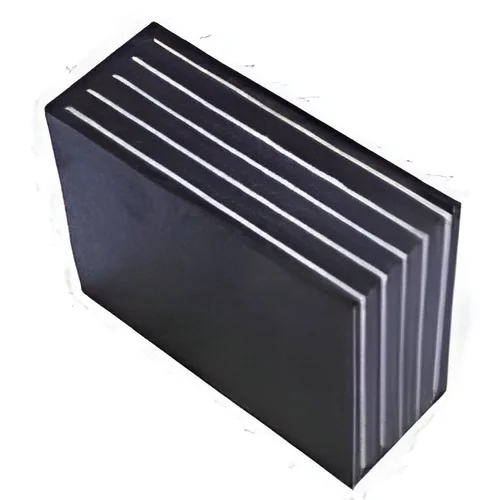
What are Bridge Construction Raw Materials?
Bridge construction raw materials encompass a variety of essential components used in the building and maintenance of bridges. These materials are crucial for ensuring the structural integrity, durability, and longevity of bridge infrastructure. Common raw materials include concrete, steel, asphalt, and various aggregates. Each of these materials plays a unique role in the construction process, contributing to the overall strength and stability of the bridge.
In the context of business applications, bridge construction raw materials are utilized by contractors, engineers, and construction firms involved in infrastructure projects. These materials are integral to both new bridge construction and the rehabilitation of existing structures. The industry is significantly influenced by technological advancements and regulatory standards, which require ongoing innovation and adherence to safety protocols. As urbanization increases, the demand for efficient and reliable bridge construction raw materials continues to grow, reflecting the critical nature of infrastructure development in modern economies.
Key Features and Specifications
Bridge construction raw materials feature a range of specifications that ensure their suitability for various applications. Understanding these specifications can aid businesses in selecting the right materials for their projects.
Key specifications include:
1. Concrete Composition
- Typically composed of cement, aggregates, and water
- Compressive strength ranges from 20 to 40 MPa
2. Steel Grade
- Common grades include ASTM A36, A992, and A572
- Yield strength typically ranges from 250 MPa to 450 MPa
3. Asphalt Properties
- Must meet standards for viscosity and temperature susceptibility
- Common grades include PG 64-22 and PG 76-22
4. Aggregate Size
- Varies based on application, commonly between 4.75 mm and 19 mm
- Must comply with gradation standards
5. Durability Standards
- Materials should withstand environmental conditions
- Factors include freeze-thaw cycles and chemical exposure
6. Weight Specifications
- Critical for load-bearing calculations
- Varies by material type
7. Thickness Requirements
- Varies based on structural design
- Typically ranges from 100 mm to 300 mm for concrete elements
8. Compliance with Safety Standards
- Must adhere to local and international safety regulations
- Regular testing and quality assurance are required
In summary, the specifications of bridge construction raw materials are vital for ensuring the quality and performance of infrastructure projects. Understanding these specifications allows businesses to make informed decisions when sourcing materials.
Common Applications and Use Cases
Bridge construction raw materials find applications across various industries, reflecting their importance in infrastructure development.
1. Civil Engineering: These materials are essential for constructing new bridges, ensuring they meet safety and performance standards.
2. Transportation: Raw materials are used in the maintenance and rehabilitation of existing bridges, enhancing their capacity to handle increased traffic loads.
3. Public Works: Municipalities rely on these materials for building and maintaining public bridges, which are crucial for community connectivity.
4. Commercial Construction: Developers use bridge construction materials in projects that require overpasses and pedestrian bridges, integrating them into urban planning.
5. Heavy Industry: Manufacturing facilities utilize bridge construction materials for supporting structures in their operations, ensuring safe transport of goods.
6. Environmental Engineering: These materials are used in constructing eco-friendly bridges that minimize environmental impact.
7. Mining: Bridge construction materials support infrastructure for accessing remote mining sites, ensuring transportation efficiency.
Product Variants and Subcategories
Bridge construction raw materials come in various forms to meet specific project needs. This diversity allows for tailored solutions in construction.
Concrete Mixes: Different concrete mixes, such as high-strength or lightweight concrete, cater to specific structural requirements. These mixes offer varying properties, such as enhanced load-bearing capabilities or reduced weight for specific applications.
Structural Steel Types: Various types of structural steel, including weathering steel and stainless steel, are utilized based on environmental conditions. Each type provides distinct advantages, such as corrosion resistance or enhanced durability.
Asphalt Varieties: Different grades of asphalt are formulated for specific climate conditions and traffic loads. These formulations ensure optimal performance and longevity in various environments.
Aggregate Types: A range of aggregates, including recycled materials, can be used to enhance sustainability in construction. Selecting the right type of aggregate impacts the final strength and durability of the structure.
Benefits and Advantages
Bridge construction raw materials offer several key benefits that enhance their value in infrastructure projects.
1. Strength and Durability: These materials provide the necessary strength to support heavy loads and resist environmental stresses, ensuring longevity.
2. Cost-Effectiveness: Utilizing high-quality raw materials can reduce maintenance costs over time, making them a financially sound investment.
3. Versatility: A wide range of materials allows for flexibility in design and application, accommodating various project requirements.
4. Environmental Considerations: Many modern raw materials incorporate sustainable practices, contributing to eco-friendly construction methods.
5. Compliance Assurance: Sourcing compliant materials ensures adherence to safety and quality standards, reducing risks during construction.
6. Advanced Technology: Innovations in material science enhance performance characteristics, such as improved weather resistance and load-bearing capacity.
Buying Guide for B2B Buyers
When sourcing bridge construction raw materials, it's crucial for B2B buyers to consider several factors to ensure optimal procurement.
1. Quality Assessment: Buyers should evaluate materials based on established quality standards. Look for certifications and testing results that confirm reliability and performance.
2. Supplier Verification: Conduct thorough due diligence on suppliers. Assess their reputation, experience, and compliance with industry standards to ensure a reliable partnership.
3. Pricing and MOQ: Understand pricing structures and minimum order quantities. This knowledge helps in budgeting and negotiating favorable terms.
4. Delivery and Lead Times: Inquire about logistics capabilities and lead times to ensure timely delivery of materials, which is critical for project scheduling.
5. Compliance Requirements: Familiarize yourself with local regulations that impact material sourcing. Ensuring compliance can prevent costly delays and legal issues.
Compliance and Certifications
Compliance and certifications play a vital role in the procurement of bridge construction raw materials. Adhering to relevant quality standards is essential for ensuring safety and performance.
ISO 9001 is a widely recognized standard that outlines quality management systems. Compliance with this standard indicates that a supplier has implemented effective processes to ensure product quality.
CE certification is crucial for materials used in construction within the European market. This certification ensures that products meet safety and environmental protection standards.
Safety and testing requirements are also paramount. Materials must undergo rigorous testing to guarantee they can withstand various stressors, including environmental conditions and heavy loads.
Regional compliance considerations must be taken into account as regulations may vary significantly between regions. Understanding local requirements ensures that materials are sourced appropriately, avoiding potential compliance issues.
Why Source Bridge Construction Raw Materials from Pepagora?
Pepagora provides a trusted platform for sourcing bridge construction raw materials, offering several key advantages for businesses in the industry.
Verified Supplier Network: Pepagora connects buyers with a robust network of verified suppliers. This network ensures that businesses can access high-quality materials from reputable sources, reducing procurement risks.
Streamlined RFQ Process: The platform features a simplified Request for Quotation (RFQ) process. This system allows buyers to quickly and easily obtain quotes from multiple suppliers, facilitating informed decision-making.
Trade Assurance and Support: Pepagora offers trade assurance and support services to protect buyers during transactions. This assurance includes dispute resolution and guarantees on product quality, enhancing buyer confidence.
Regional Coverage: With a strong presence in India, the GCC, and Southeast Asia, Pepagora provides extensive regional coverage. This geographic reach allows businesses to source materials locally, reducing lead times and shipping costs while ensuring compliance with regional regulations.

 IN
IN