IN
IN₹
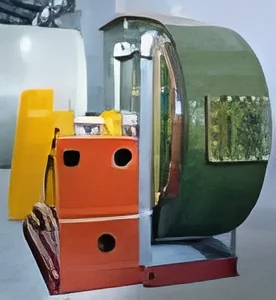
Description
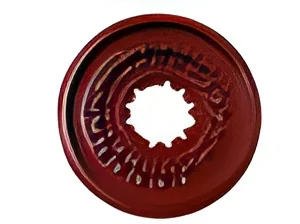
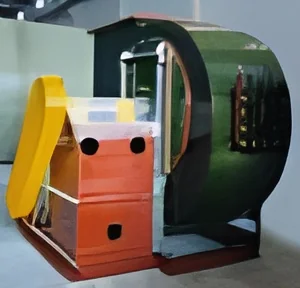
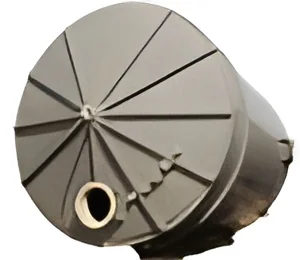
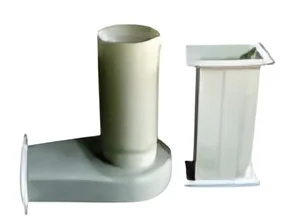
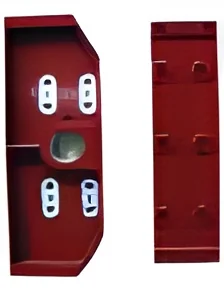
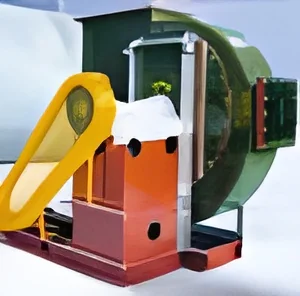
Industrial fiberglass equipment represents advanced material engineering for demanding operational environments. These high-strength components combine exceptional durability with corrosion resistance, offering superior alternatives to traditional metal solutions. Manufactured through precision molding processes, each part delivers consistent performance while withstanding harsh conditions that would degrade other materials. The inherent properties of fiberglass—including its lightweight nature, structural integrity, and chemical inertness—make it ideal for applications where reliability and longevity are critical. These components undergo rigorous quality control to ensure they meet strict industrial standards, providing peace of mind for operations that cannot afford equipment failures.

These fiberglass solutions serve essential roles across multiple industrial sectors. Chemical processing facilities utilize them for handling aggressive substances in tanks, pipes, and ventilation sy...
Industrial fiberglass equipment represents advanced material engineering for demanding operational environments. These high-strength components combine exceptional durability with corrosion resistance, offering superior alternatives to traditional metal solutions. Manufactured through precision molding processes, each part delivers consistent performance while withstanding harsh conditions that would degrade other materials. The inherent properties of fiberglass—including its lightweight nature, structural integrity, and chemical inertness—make it ideal for applications where reliability and longevity are critical. These components undergo rigorous quality control to ensure they meet strict industrial standards, providing peace of mind for operations that cannot afford equipment failures.

These fiberglass solutions serve essential roles across multiple industrial sectors. Chemical processing facilities utilize them for handling aggressive substances in tanks, pipes, and ventilation systems where corrosion resistance is paramount. The marine industry relies on their water-resistant properties for structural components exposed to saltwater environments. Water treatment plants implement them in filtration systems and containment vessels that require durability in wet conditions. Construction projects benefit from weather-resistant architectural elements and structural supports, while manufacturing operations incorporate custom-molded parts for specialized equipment. Each application leverages the material's unique combination of strength, resistance, and adaptability to challenging environments.

Businesses investing in industrial fiberglass equipment gain significant operational advantages through reduced maintenance requirements and extended service life. The material's corrosion resistance eliminates concerns about rust and degradation, minimizing downtime and replacement costs associated with metal alternatives. This reliability translates directly into cost savings and operational efficiency for facilities that depend on consistent equipment performance. The non-conductive properties enhance electrical safety in various settings, while the lightweight nature simplifies installation and handling. These components deliver long-term value through their ability to maintain performance in conditions that would compromise other materials, making them a smart investment for serious industrial buyers.

Key Features:
- Exceptional corrosion resistance for handling aggressive chemicals and substances
- High strength-to-weight ratio providing durability without excessive weight
- Custom molding capabilities for precise fit and application-specific designs
- Excellent weather and UV resistance suitable for outdoor installations
- Non-conductive properties ensuring electrical safety in operational environments

Benefits:
- Reduced maintenance costs and extended equipment lifespan through corrosion resistance
- Lightweight construction enabling easier installation and handling
- Customizable designs that fit specific operational requirements and spaces
- Reliable performance in harsh environments including chemical exposure and weather extremes
- Enhanced safety through non-conductive properties and structural integrity
Specifications
| Additional Information | |
|---|---|
| Country of Origin | India |
Application
Our industrial fiberglass components excel in environments where traditional materials fail. They provide exceptional durability against corrosive chemicals, saltwater exposure, and extreme weather conditions while maintaining structural integrity. These characteristics make them ideal for long-term installations where reliability cannot be compromised.
Manufacturers and industrial operators choose these components for their consistent performance and reduced maintenance needs. The material's resistance to rust, degradation, and electrical conductivity enhances safety and operational efficiency. From processing facilities to outdoor installations, these fiberglass solutions deliver dependable service across diverse operational settings.
- Chemical plants using corrosion-resistant storage tanks, pipes, and ductwork systems
- Marine industry applications including boat hulls, decks, hatches, and structural supports
- Water treatment facilities employing filtration housings, troughs, and containment vessels
- Construction projects utilizing weather-resistant panels, gratings, and architectural elements
- Manufacturing operations incorporating custom-molded machine guards, covers, and enclosures
Trade Details
| Available Stock | In Stock |
| Sample Availability | No |
Payment Terms
| Payment Terms |
|
Company Profile
Dolf Industries, Gujarat
 Gujarat, India
Gujarat, IndiaManufacturer
Factory Details
Factory SizeBelow 1000 sqm
Annual Production Capacity0
Main Markets
South Asia
Industrial Fiberglass Equipment High Strength Corrosion Resistant Components
Industrial fiberglass equipment offers high-strength corrosion-resistant components for demanding industrial applications. These durable custom-molded parts provide reliable performance across chemical, marine, water treatment, and construction sectors.
Min. Order Quantity: 1 unit
Shipping
Shipping fee and delivery date to be negotiated. Contact supplier now for more details.
Dolf Industries
 Gujarat, India
Gujarat, IndiaManufacturer