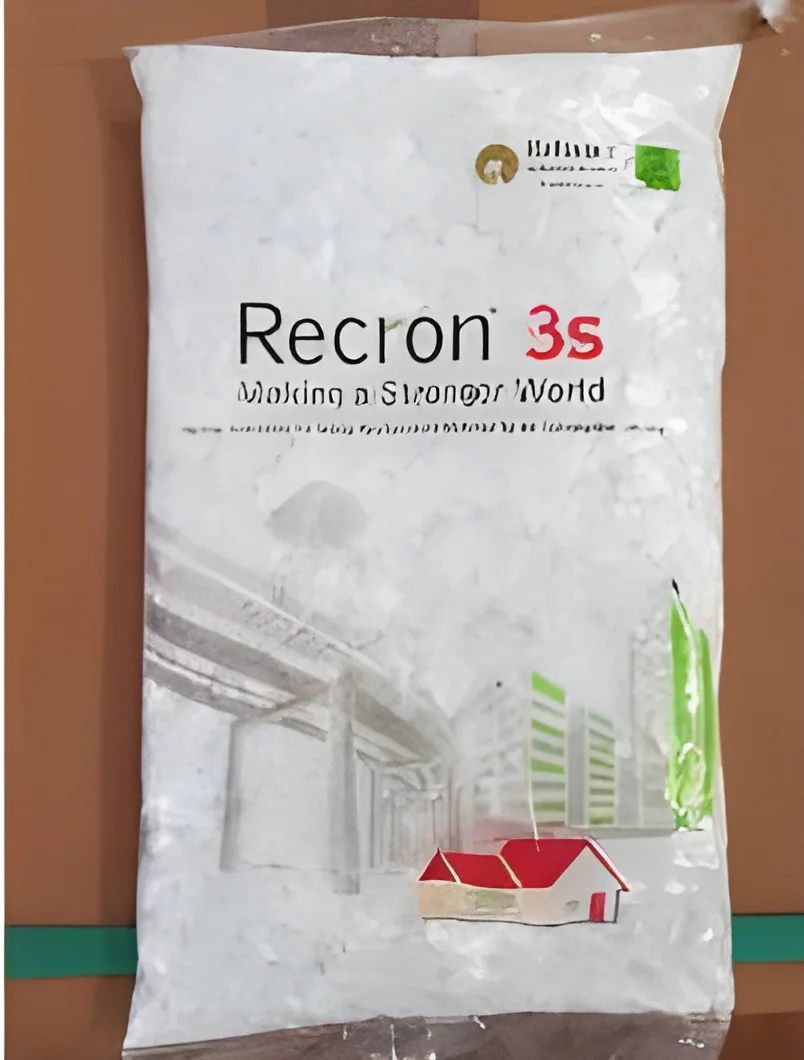
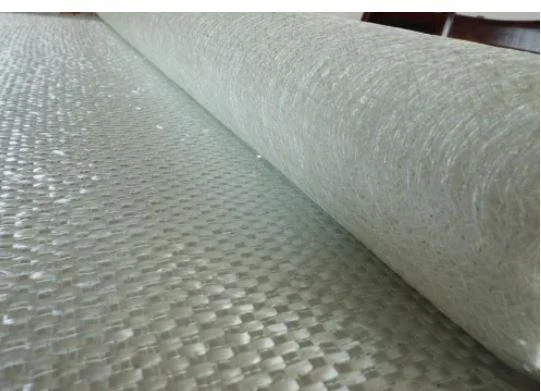
What are Fibre Reinforcement Materials?
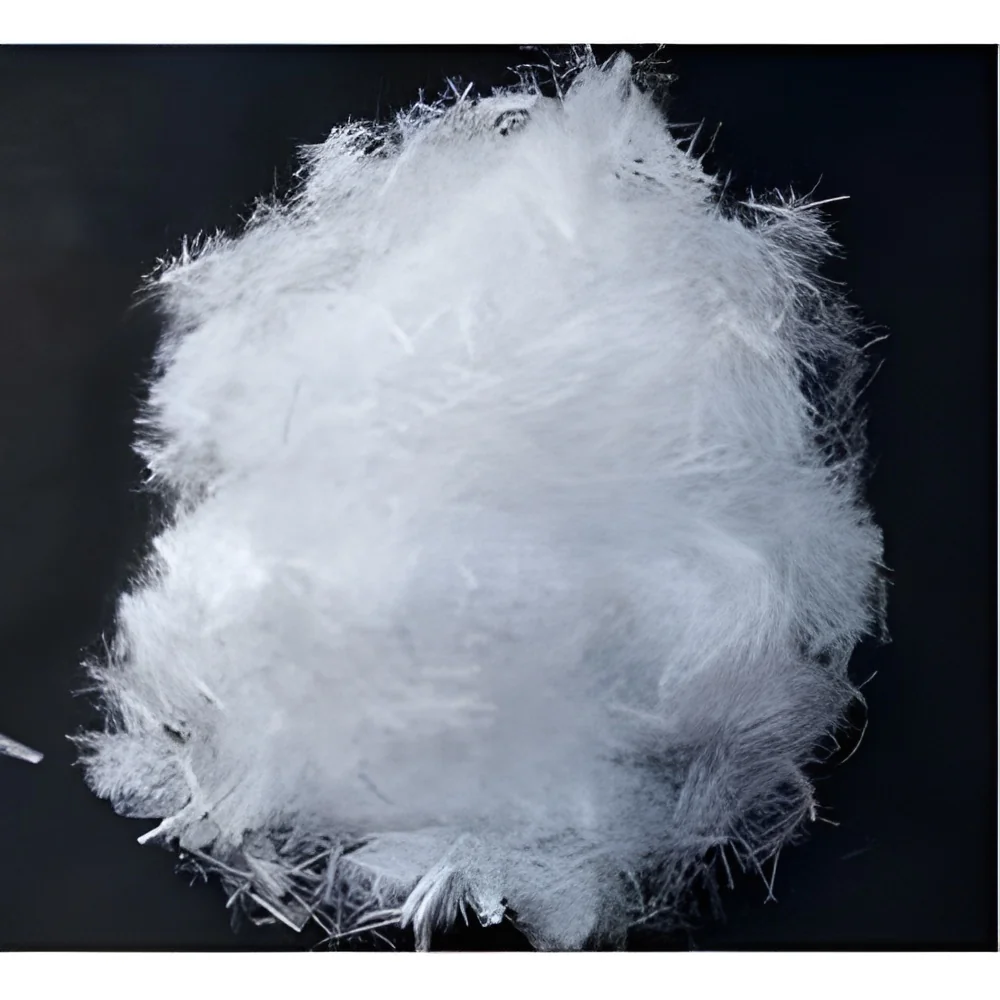
Fibre Reinforcement Materials are advanced composites designed to enhance the mechanical properties of various substrates. These materials incorporate fibers, such as glass, carbon, or synthetic fibers, which provide strength, stiffness, and durability. By distributing stress more evenly across a material, they help to improve its overall performance, making them essential in many industrial applications.
These materials are primarily used in construction, automotive, aerospace, and manufacturing sectors. In construction, they reinforce concrete structures, enhancing load-bearing capabilities. In the automotive and aerospace industries, they contribute to lightweight components that maintain strength and integrity. As industries push for materials that offer both performance and sustainability, Fibre Reinforcement Materials are becoming increasingly relevant in the market.
The demand for these materials is driven by the need for improved structural performance, reduced weight, and enhanced durability. The global market for Fibre Reinforcement Materials is expanding, as businesses seek to innovate and improve product offerings through advanced composite technologies.
Key Features and Specifications
Fibre Reinforcement Materials come with a range of features that make them suitable for various applications. These features contribute to their performance characteristics and usability across different industries.
Key specifications include:
1. Composition
- Combines various types of fibers such as glass, carbon, or synthetic materials
- Each composition provides distinct mechanical properties
2. Tensile Strength
- High tensile strength to withstand heavy loads without failure
- Typically exceeds 200 MPa depending on the type of fiber used
3. Flexural Modulus
- Measures the material's stiffness when subjected to bending
- Values can vary from 10 GPa to over 50 GPa based on fiber type and configuration
4. Impact Resistance
- Ability to absorb energy upon impact without fracturing
- Important for applications in automotive and aerospace sectors
5. Weight Reduction
- Lightweight materials reduce overall mass without compromising strength
- Essential for improving fuel efficiency in transportation applications
6. Environmental Resistance
- Resistant to moisture, chemicals, and temperature fluctuations
- Suitable for outdoor or harsh environments
7. Thermal Stability
- Maintains integrity under high-temperature conditions
- Important for applications in thermal management
8. Customization Options
- Available in various shapes and sizes to meet specific project requirements
- Can be tailored for unique applications
These features ensure that Fibre Reinforcement Materials meet the demanding requirements of modern industries.
Common Applications and Use Cases
Fibre Reinforcement Materials serve various industries, each benefiting from their unique properties.
1. Construction: Used to reinforce concrete and masonry structures, improving load-bearing capacity and durability.
2. Automotive: Incorporated into vehicle components to reduce weight while maintaining structural integrity, enhancing fuel efficiency.
3. Aerospace: Utilized in aircraft components for their lightweight and high-strength characteristics, crucial for performance and safety.
4. Marine: Applied in boat hulls and other structures to provide resistance to corrosion and improve strength-to-weight ratios.
5. Sports Equipment: Used in high-performance gear, such as bicycles and helmets, to enhance durability and reduce weight.
6. Wind Energy: Employed in the manufacturing of turbine blades, where strength and lightness are critical for energy efficiency.
7. Electronics: Integrated into casings and components for improved thermal management and impact resistance.
Product Variants and Subcategories
Fibre Reinforcement Materials come in various forms to meet specific industrial needs. Their diversity allows businesses to select the most suitable type for their applications.
Glass Fibre Reinforcement
This variant offers excellent strength and is widely used in construction and automotive applications. It is cost-effective and provides good corrosion resistance.
Carbon Fibre Reinforcement
Known for its exceptional strength-to-weight ratio, carbon fibre is ideal for aerospace and high-performance automotive applications. It enhances performance while minimizing weight.
Synthetic Fibre Reinforcement
Includes materials like aramid and polypropylene fibres, which provide unique properties such as flexibility and resistance to abrasion. These are often employed in industrial textiles and protective gear.
Benefits and Advantages
Fibre Reinforcement Materials offer numerous advantages that enhance their appeal to businesses.
1. Enhanced Strength: The incorporation of fibers significantly increases the tensile and flexural strength of materials, making them more resilient.
2. Weight Efficiency: These materials provide high strength without adding weight, crucial for applications in transportation and aerospace.
3. Durability: Fibre Reinforcement Materials are resistant to environmental factors, ensuring longevity and reduced maintenance costs.
4. Versatility: They can be customized to fit various applications, making them suitable for a wide range of industries.
5. Improved Performance: The use of these materials leads to better performance in terms of load-bearing capacity and impact resistance.
6. Cost-Effectiveness: While initial costs may be higher, the enhanced durability and reduced maintenance lead to long-term savings.
Buying Guide for B2B Buyers
When sourcing Fibre Reinforcement Materials, it is essential to consider several factors to ensure the best fit for your needs.
1. Quality Assessment: Evaluate the quality of materials through certifications and performance data. Look for compliance with industry standards to ensure reliability.
2. Supplier Verification: Vet potential suppliers by reviewing their market presence, customer feedback, and certifications. A verified supplier can offer better service and support.
3. Pricing and MOQ: Understand the pricing structure and minimum order quantities. Compare offers from different suppliers to find the best deal while considering quality.
4. Delivery and Lead Times: Assess logistics capabilities and lead times to ensure timely delivery. Efficient supply chain management is crucial for project timelines.
5. Compliance Requirements: Be aware of regulatory standards applicable to your industry. Ensure that the materials meet necessary safety and compliance guidelines.
Compliance and Certifications
Fibre Reinforcement Materials must adhere to several quality standards to ensure safety and performance.
ISO 9001 is a key quality management standard that ensures consistent production practices. Compliance with this standard indicates a commitment to quality and customer satisfaction.
CE certification is crucial for demonstrating compliance with European safety, health, and environmental protection standards. This certification is essential for materials used in the EU market.
Safety and testing requirements are paramount, especially in industries like aerospace and automotive, where failure can have severe consequences. Regular testing ensures that materials meet or exceed performance expectations.
Regional compliance considerations may vary, so it is important to understand specific regulations that apply in different markets, especially for international sourcing.
Why Source Fibre Reinforcement Materials from Pepagora?
Pepagora provides a trusted platform for sourcing Fibre Reinforcement Materials, offering distinct advantages for B2B buyers.
Verified Supplier Network: Pepagora connects businesses with a network of verified suppliers. This ensures that buyers can find reliable partners who meet quality standards.
Streamlined RFQ Process: The platform simplifies the request for quotation process, allowing buyers to receive competitive quotes efficiently. This accelerates the sourcing decision-making.
Trade Assurance and Support: Pepagora offers trade assurance, protecting buyers from potential risks. Comprehensive support ensures that any issues are addressed promptly.
Regional Coverage: With a strong presence in India, GCC, and Southeast Asia, Pepagora facilitates sourcing across multiple regions, making it easier for businesses to find the right materials for their needs.

 IN
IN