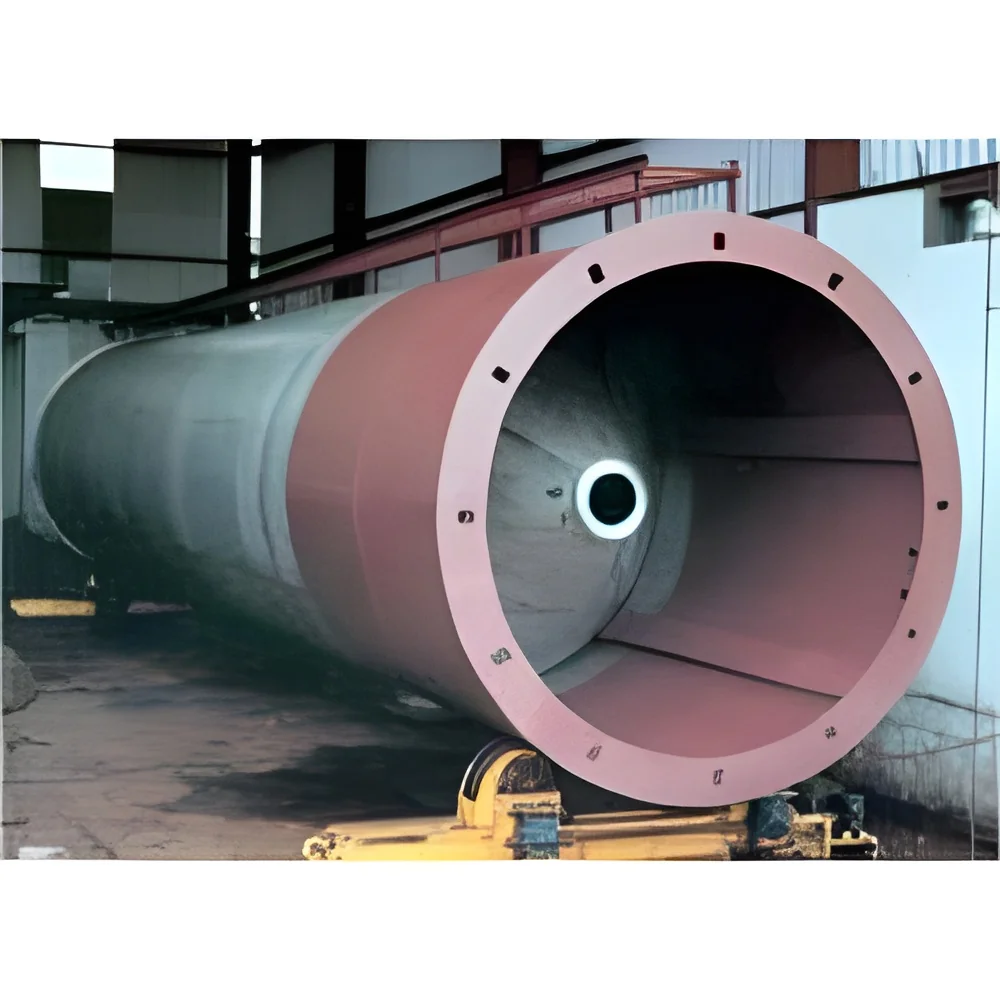
What are Building Lime & Hydrated Lime?
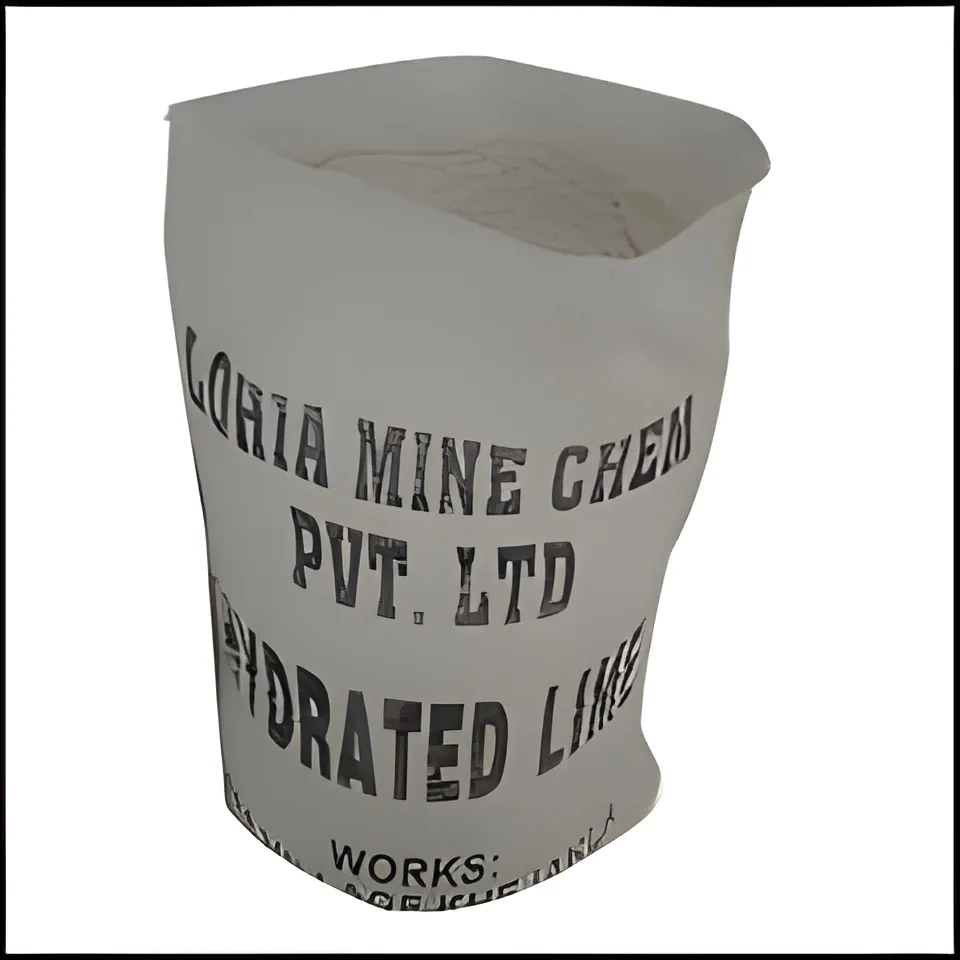
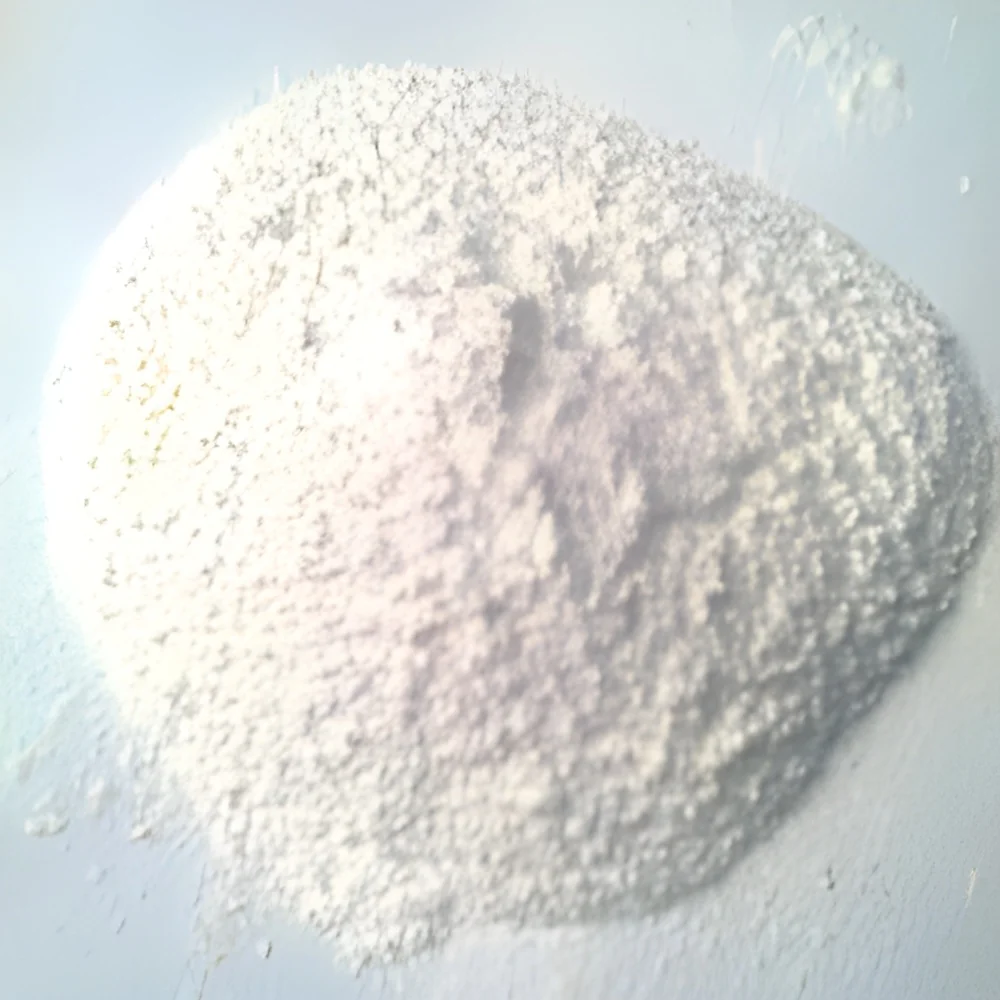
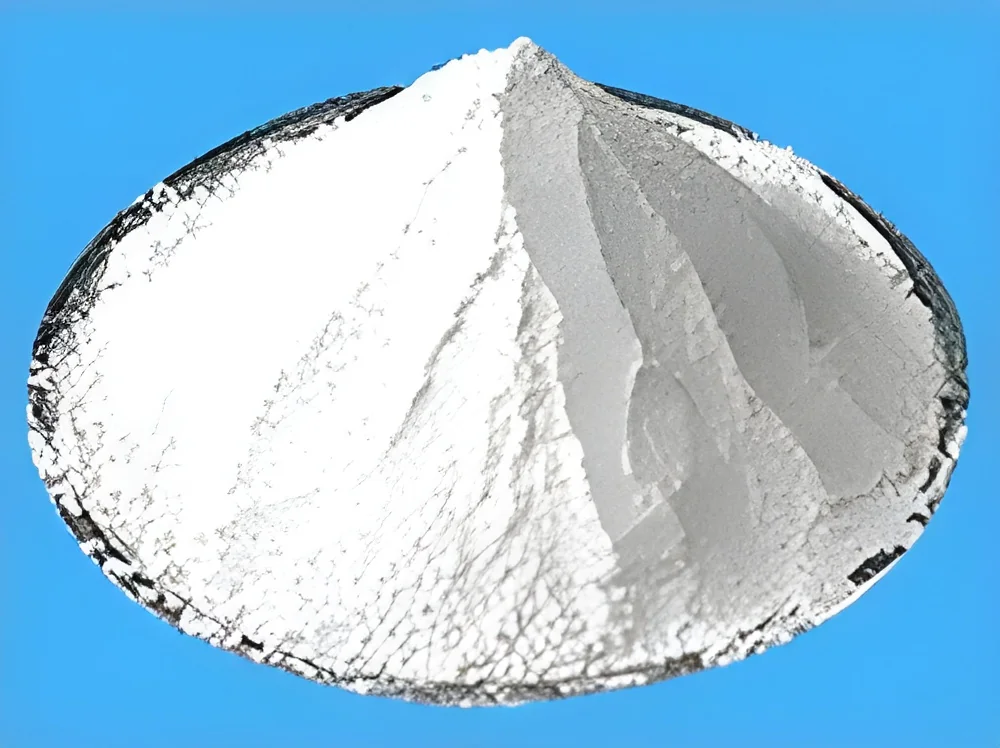
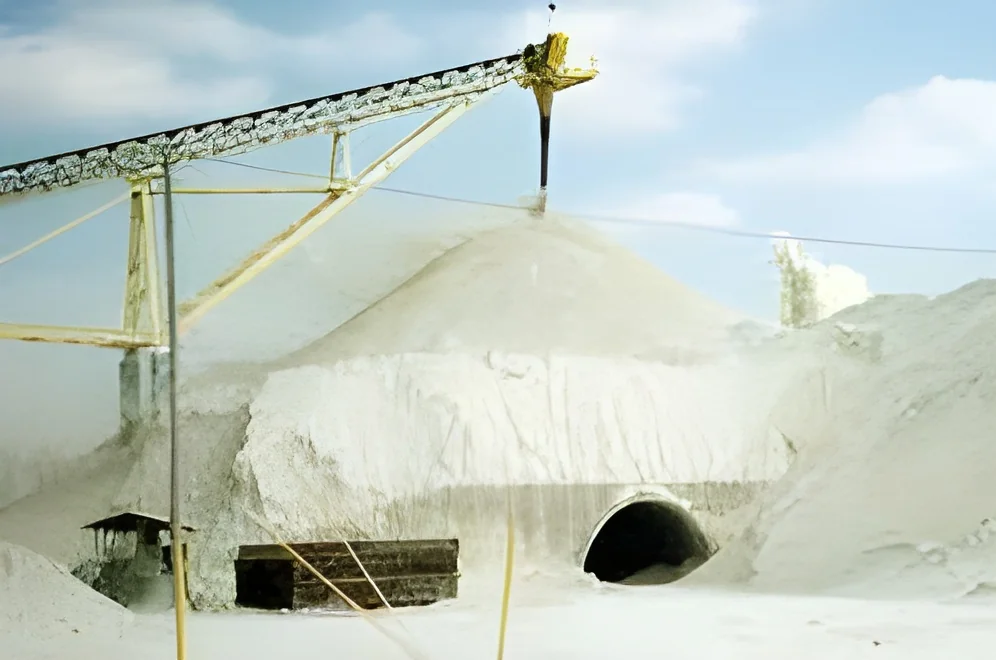
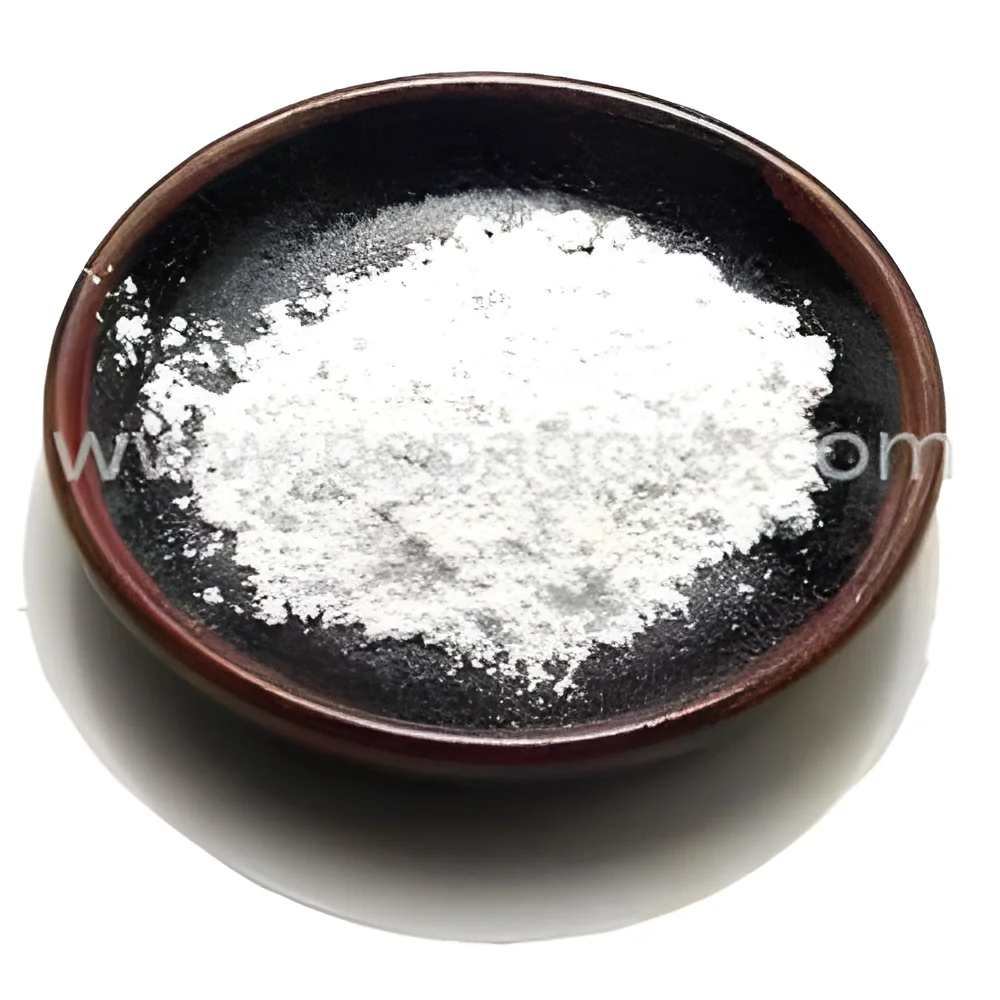
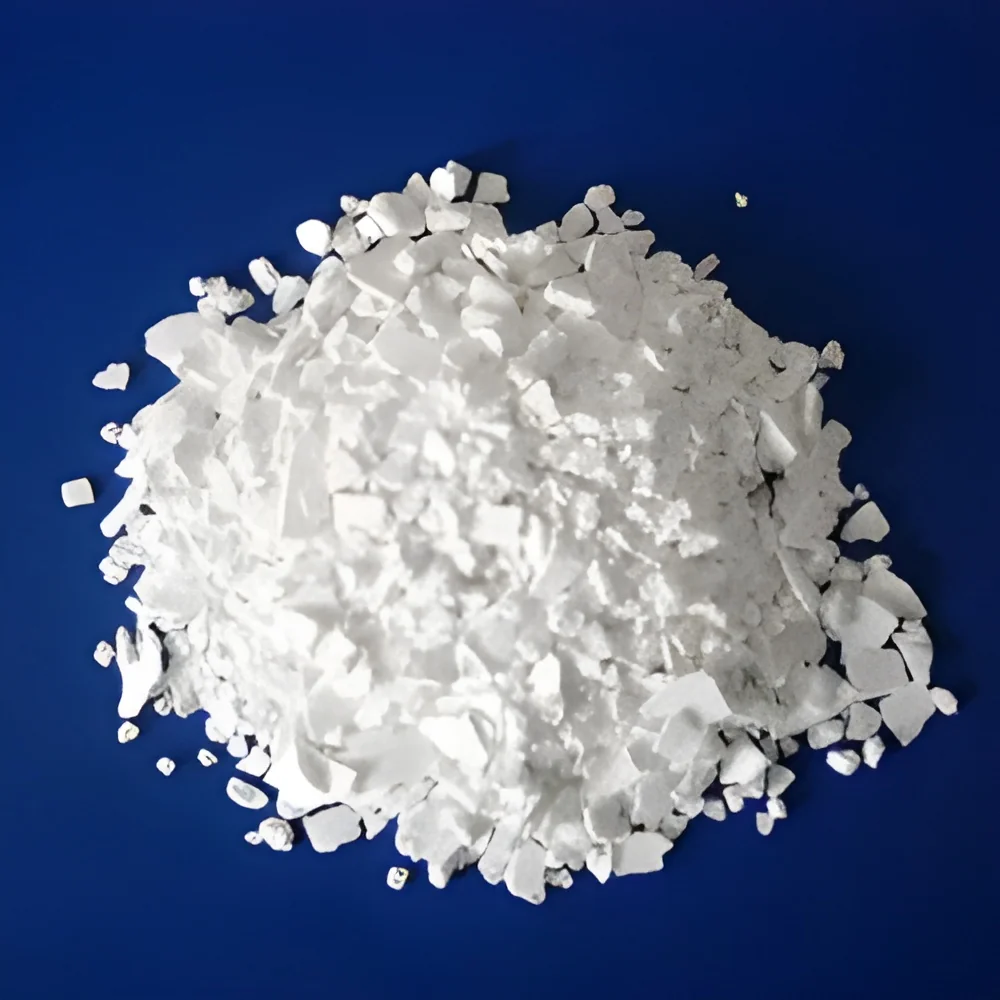
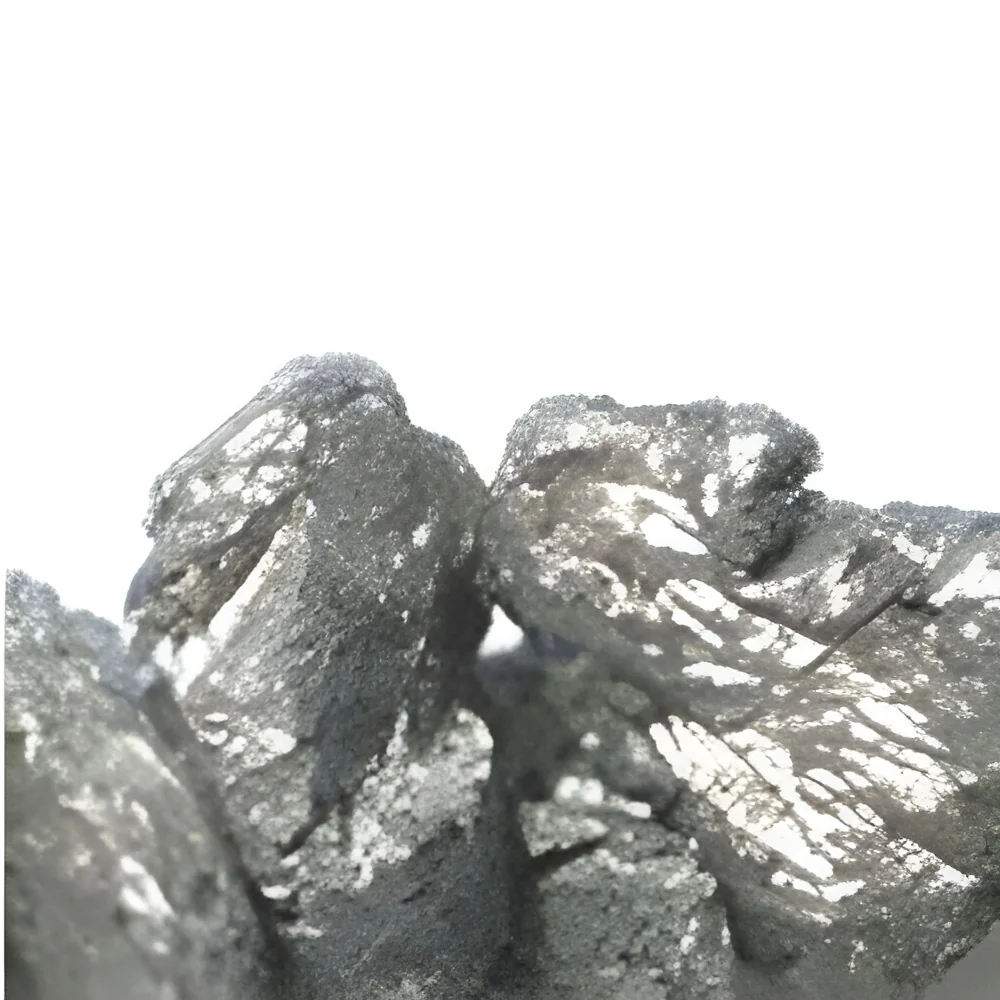
Building Lime, also known as lime putty, is a soft, malleable substance derived from limestone. When limestone is heated, it undergoes a process called calcination, resulting in quicklime. This quicklime can then be mixed with water to produce hydrated lime. Hydrated lime, also known as calcium hydroxide, is a dry powder that is used extensively in various construction and industrial applications.
The primary uses of Building Lime and Hydrated Lime include mortar and plaster production, soil stabilization, and as an additive in concrete. These materials help improve the workability and durability of construction mixtures. Additionally, hydrated lime is utilized in water treatment processes, paper manufacturing, and as a pH regulator in various chemical processes. Their importance in the construction and industrial sectors makes them a staple for many businesses.
In market context, the demand for Building Lime and Hydrated Lime continues to grow due to the expansion of infrastructure projects and the increasing need for sustainable building materials. As industries seek to enhance the strength and longevity of their products, the relevance of these limes in construction, agriculture, and environmental applications is becoming more pronounced.
Key Features and Specifications
Building Lime and Hydrated Lime come with several key features that enhance their usability in various applications. Understanding these specifications is vital for businesses looking to incorporate them into their projects.
Key specifications include:
1. Purity Level
- Building Lime and Hydrated Lime must have a high purity level to ensure quality.
- Typical purity levels range from 80% to 95%.
2. Particle Size
- The effectiveness of lime products is often dependent on their particle size.
- Common ranges include fine powders (90% passing through 325 mesh) for better reactivity.
3. Water Retention
- Adequate water retention is crucial for ensuring workability.
- Products typically exhibit high water retention properties.
4. Setting Time
- The setting time influences how quickly the material hardens.
- Typical setting times vary from a few hours to several days, depending on formulation.
5. Compressive Strength
- This indicates the material's ability to withstand loads.
- Compressive strength can reach up to 5 MPa after curing.
6. Reactivity
- The reactivity of hydrated lime is essential for its performance in chemical processes.
- Generally, it is classified as highly reactive for effective application.
7. Environmental Compliance
- Many products meet environmental standards for safety and sustainability.
- Compliance with local regulations is often necessary.
8. Packaging Options
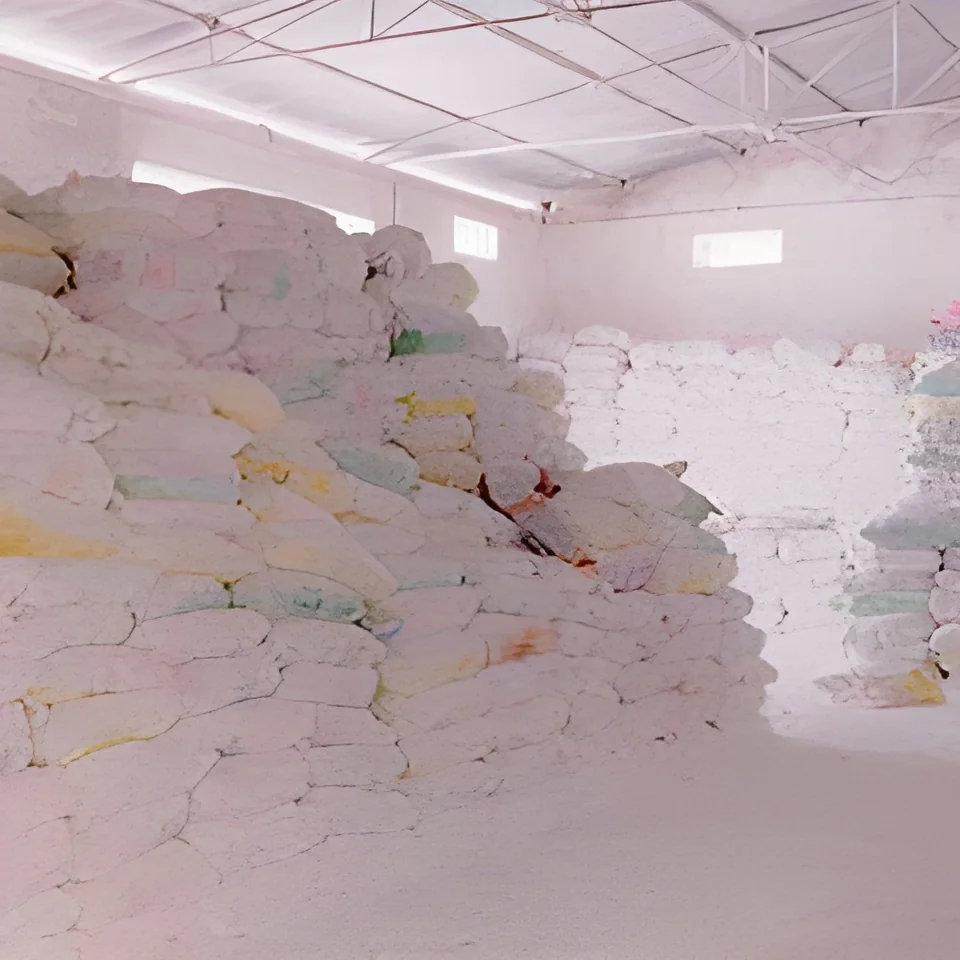
- Lime products are available in various packaging formats, including bags and bulk containers.
- This diversity allows for tailored logistics based on project requirements.
In summary, understanding the key features and specifications of Building Lime and Hydrated Lime enables businesses to select the right products for their specific applications.
Common Applications and Use Cases
Building Lime and Hydrated Lime have a wide range of applications across various industries.
1. Construction: In construction, these limes are primarily used for making mortar, plaster, and concrete. Their ability to enhance workability and durability makes them essential materials.
2. Agriculture: Hydrated lime is used to improve soil quality by adjusting pH levels, promoting better crop yields and healthier soil conditions.
3. Water Treatment: These limes are employed in water treatment facilities to neutralize acidity and remove impurities, ensuring safe drinking water.
4. Chemical Manufacturing: Hydrated lime plays a role as a pH adjuster in numerous chemical processes, contributing to product stability and quality.
5. Environmental Remediation: Lime is often used to stabilize contaminated soils and treat industrial waste, helping to mitigate environmental impacts.
6. Paper Production: In the paper industry, lime is utilized in the pulping process to enhance fiber quality and improve the overall strength of paper products.
7. Mining: Building Lime is used in mineral processing to extract metals and improve ore recovery rates.
In each of these applications, the unique properties of Building Lime and Hydrated Lime contribute significantly to operational efficiency and product quality.
Product Variants and Subcategories
Building Lime and Hydrated Lime come in various forms, each tailored to meet specific industry needs.
Hydrated Lime
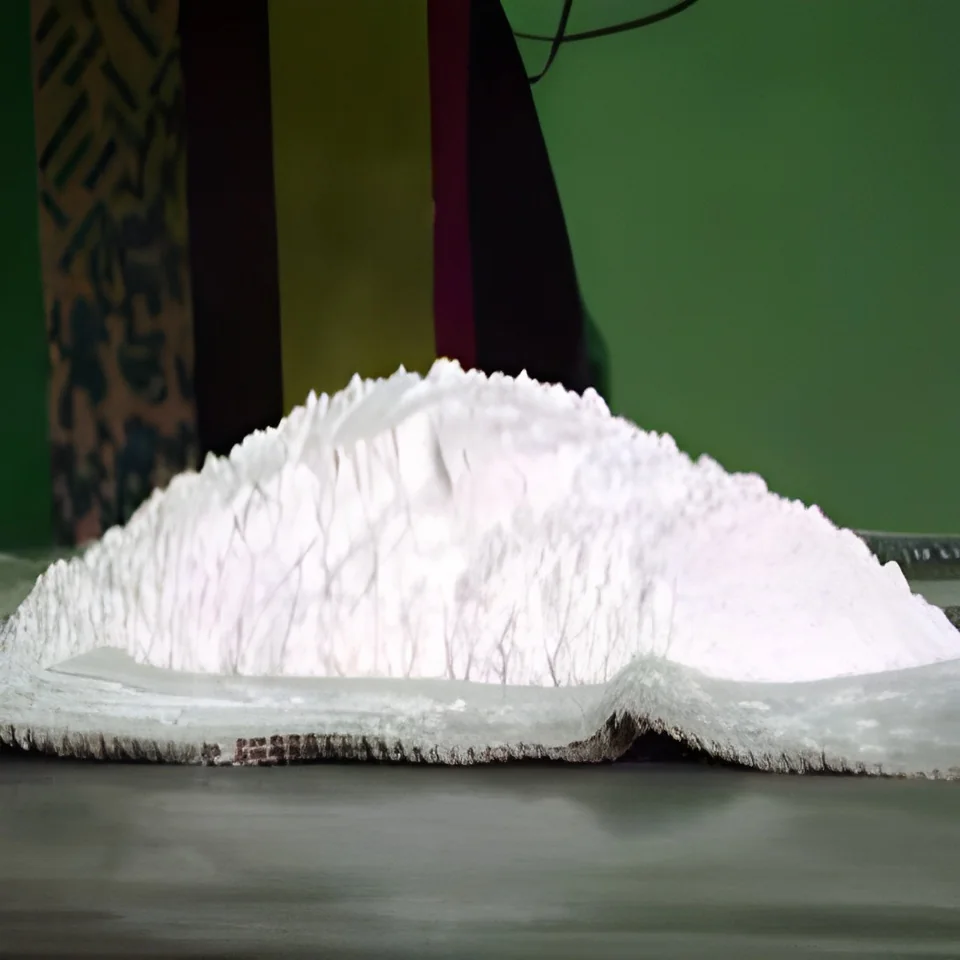
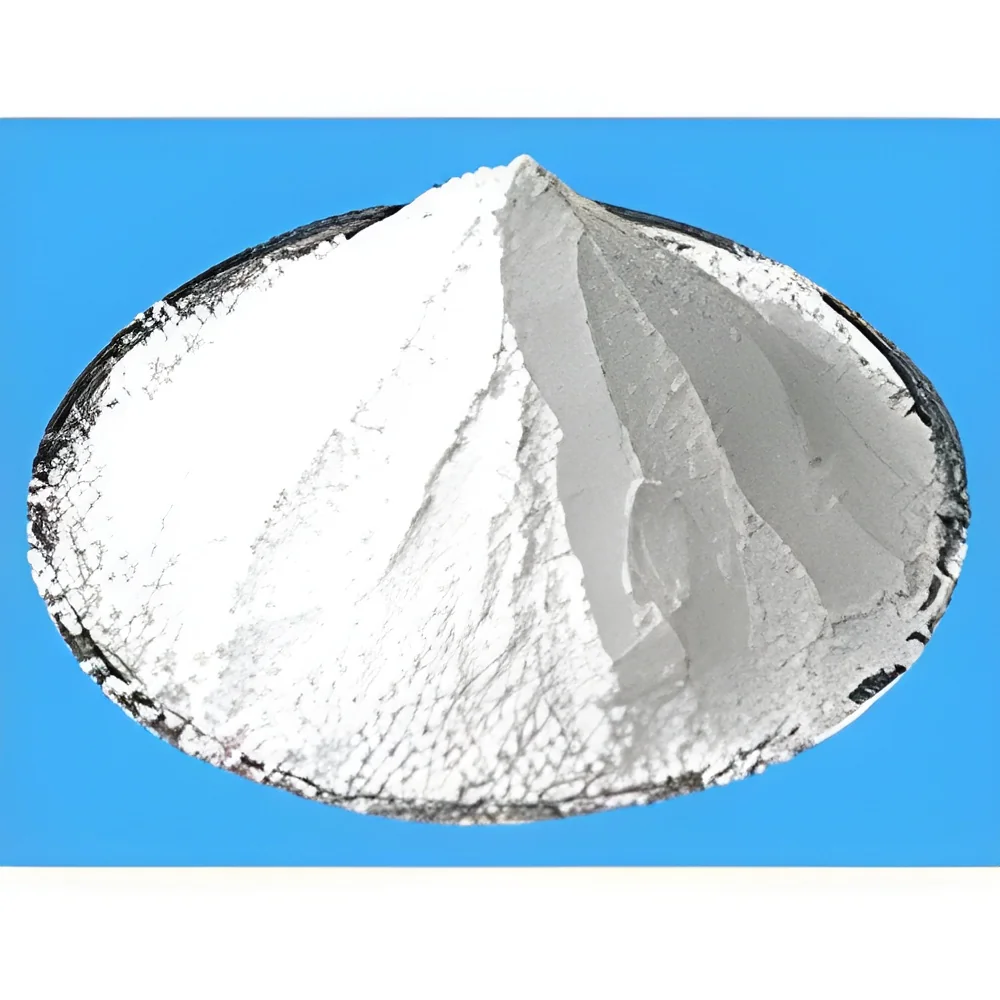
Hydrated lime is a dry powder that is known for its high reactivity. It is commonly used in construction for making slurries and as an ingredient in various chemical processes. Its fine particle size allows for better performance in applications requiring quick setting and enhanced workability.
Quicklime
Quicklime, or calcium oxide, is the product of heating limestone. This variant is often used in industrial applications requiring high temperatures and is pivotal in processes such as steel manufacturing and chemical production.
Lime Putty
Lime putty is a form of Building Lime that is mixed with water to create a workable paste. It is primarily used in historical restoration projects and traditional plastering techniques, valued for its breathability and flexibility.
Lime Mortar
Lime mortar is a mixture of lime, sand, and water, used extensively in masonry. It is appreciated for its compatibility with historical buildings and its ability to allow structures to breathe, reducing moisture damage.
Benefits and Advantages
Building Lime and Hydrated Lime offer numerous benefits that make them valuable in various applications.
1. Environmental Sustainability: These limes are natural materials, making them eco-friendly options for construction and industrial applications.
2. Flexibility: Lime products provide flexibility in application, allowing them to be used in diverse settings, from construction to agriculture.
3. Durability: The use of lime improves the long-term durability of structures, helping to reduce maintenance costs.
4. Workability: Building Lime enhances the workability of mixtures, making them easier to apply and finish.
5. Cost-Effectiveness: Lime products are generally cost-effective, providing good value for businesses looking to optimize their budgets.
6. Health and Safety: When used correctly, lime products pose minimal health risks, adhering to safety standards in various industries.
In summary, the benefits of using Building Lime and Hydrated Lime contribute significantly to their popularity across multiple sectors.
Buying Guide for B2B Buyers
When sourcing Building Lime and Hydrated Lime, businesses should consider several critical factors to ensure they make informed purchasing decisions.
1. Quality Assessment: It is essential to evaluate the quality of lime products based on purity levels, particle size, and compliance with industry standards. Conducting tests or requesting certifications can help ascertain quality.
2. Supplier Verification: Vetting suppliers is crucial to ensure reliability. Look for suppliers with a proven track record, positive reviews, and compliance with safety and quality regulations.
3. Pricing and MOQ: Understanding the pricing structure and minimum order quantities (MOQ) is vital for budgeting. Compare quotes from multiple suppliers to find competitive pricing.
4. Delivery and Lead Times: Consider the logistics involved in sourcing lime products. Confirm delivery times and ensure that suppliers can meet your project deadlines.
5. Compliance Requirements: Be aware of any regional compliance requirements for using lime products in your industry. Compliance with local regulations is essential to avoid potential legal issues.
Compliance and Certifications
Building Lime and Hydrated Lime are subject to various compliance and certification requirements that ensure product quality and safety.
Relevant quality standards such as ISO 9001 help ensure that suppliers maintain consistent quality in production processes. Compliance with HACCP (Hazard Analysis Critical Control Point) guidelines is also crucial for products used in food-related applications.
Industry certifications like CE indicate that products meet European safety standards, making them suitable for use in construction and other applications across Europe.
Additionally, safety and testing requirements must be adhered to, ensuring that the products are safe for handling and use. Regional compliance considerations may vary, so it is essential for buyers to verify that their suppliers meet local regulations and standards.
Why Source Building Lime & Hydrated Lime from Pepagora?
Pepagora provides a trusted platform for sourcing Building Lime and Hydrated Lime, offering several key advantages to buyers.
Verified Supplier Network: Pepagora connects businesses with a network of verified suppliers who have undergone rigorous checks for quality and reliability. This ensures that buyers can source products with confidence.
Streamlined RFQ Process: The platform simplifies the request for quotation (RFQ) process, allowing buyers to easily compare offers from multiple suppliers. This efficiency helps businesses make quicker decisions.
Trade Assurance and Support: Pepagora offers trade assurance measures that protect buyers from potential risks. Support services assist in navigating procurement challenges and ensuring smooth transactions.
Regional Coverage: With a strong presence in India, the GCC, and Southeast Asia, Pepagora provides extensive regional coverage. This geographical reach allows businesses to source locally, reducing logistics costs and improving supply chain efficiency.
Overall, sourcing Building Lime and Hydrated Lime from Pepagora enhances the purchasing experience, ensuring quality, support, and competitive pricing.

 IN
IN