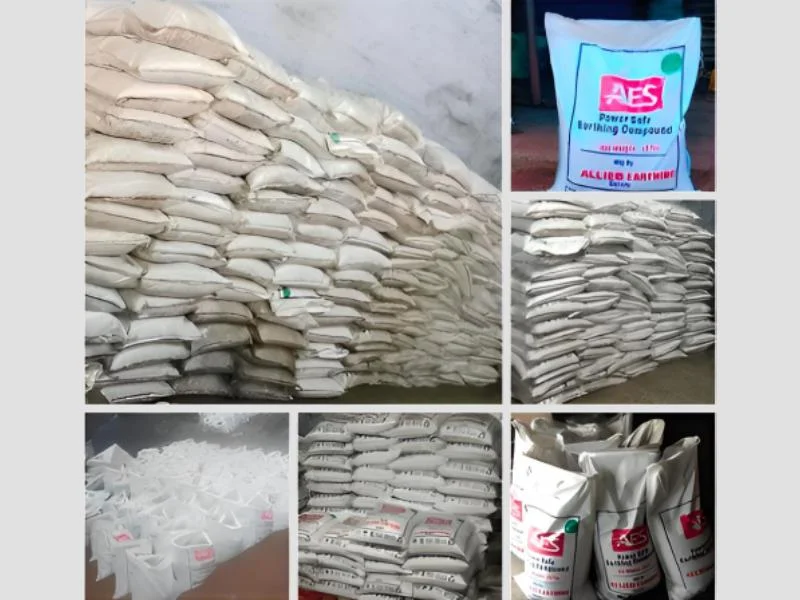
What are Backfill Materials?
Backfill materials are essential construction components used to refill excavated areas, providing support and stability to various structures. These materials are typically comprised of soil, gravel, sand, or engineered fill that is strategically placed around foundations, pipelines, and retaining walls. Their primary purpose is to restore the ground to its original elevation while ensuring adequate drainage and preventing soil erosion.
In business applications, backfill materials serve multiple industries, including construction, civil engineering, and landscaping. They play a critical role in infrastructure development, as they help maintain the integrity of structures during and after the construction process. The demand for backfill materials continues to grow as urbanization and infrastructure projects increase globally, making them a key component in the construction supply chain.
With a focus on sustainability and efficiency, the market for backfill materials is evolving. Companies are increasingly seeking eco-friendly options that minimize environmental impact while meeting regulatory standards. This trend is shaping the industry, driving innovation in material sourcing and application.
Key Features and Specifications
Backfill materials come with a variety of features and specifications that make them suitable for different applications. Understanding these specifications is crucial for selecting the right material for specific projects.
Key specifications include:
1. Material Composition
- Commonly includes soil, gravel, sand, or engineered fill
- Varies based on project requirements and location
2. Compaction Density
- Important for ensuring stability and load-bearing capacity
- Typically measured in pounds per cubic foot (pcf)
3. Grain Size Distribution
- Affects drainage properties and stability
- Usually specified in sieve analysis results
4. Moisture Content
- Influences compaction and stability
- Measured as a percentage of the total weight
5. Plasticity Index
- Indicates the plasticity of the material
- Important for understanding behavior under varying moisture conditions
6. Permeability
- Affects drainage capabilities
- Measured in terms of hydraulic conductivity
7. Compliance with Standards
- Must adhere to relevant industry standards and regulations
- Certifications like CE may apply
8. Environmental Impact
- Consideration for sustainable sourcing and use
- Impact assessments may be required in certain projects
In summary, knowing the key features and specifications of backfill materials helps businesses select the most appropriate product for their construction needs.
Common Applications and Use Cases
Backfill materials are utilized across various industries due to their versatility and importance in construction and engineering projects.
1. Construction: Backfill materials are primarily used to support foundations and structures during construction, providing stability and preventing settling.
2. Civil Engineering: These materials are essential in road construction, where they are used to fill trenches and maintain the integrity of road surfaces.
3. Landscaping: In landscaping projects, backfill materials are used to create contours and elevations, supporting plant growth and aesthetic designs.
4. Utility Installation: During the installation of pipelines and cables, backfill materials are crucial for refilling trenches and protecting utilities.
5. Retaining Walls: Backfill materials are placed behind retaining walls to provide support and prevent soil erosion.
6. Environmental Remediation: Backfill materials can be used in remediation projects to restore contaminated sites, ensuring safe and stable conditions.
7. Mining: In mining operations, backfill materials are used to fill voids left after material extraction, enhancing site safety and stability.
Product Variants and Subcategories
Backfill materials come in various forms to cater to specific project requirements. While specific subcategories are not available, the diversity in material types allows for tailored solutions.
Natural Soil Backfill
This variant consists of native soil that has been excavated from a site. It is often used for its availability and cost-effectiveness. Natural soil backfill is suitable for residential and light commercial projects.
Crushed Stone Backfill
Made from crushed rock, this variant provides excellent drainage and structural support. It is commonly used in heavy construction projects, including roadways and foundations, due to its durability.
Sand Backfill
This variant offers high permeability and is often used in areas requiring quick drainage. Sand backfill is suitable for utility installation and landscaping projects.
Engineered Fill
Engineered fill is a manufactured product designed to meet specific performance criteria. It is commonly used in large-scale construction projects where precise specifications are required.
Benefits and Advantages
Using backfill materials provides numerous advantages in construction and engineering projects.
1. Enhanced Stability: Properly selected backfill materials improve the stability of structures, reducing the risk of settling and shifting.
2. Cost-Effectiveness: Sourcing backfill materials locally can minimize transportation costs and overall project expenses.
3. Improved Drainage: Many backfill materials are designed to facilitate drainage, preventing water accumulation and erosion.
4. Versatility: Backfill materials can be used in a variety of applications, making them a flexible solution for many projects.
5. Environmental Considerations: Sustainable sourcing of backfill materials can reduce environmental impact, supporting green building practices.
6. Compliance Assurance: Using certified backfill materials ensures adherence to industry standards and regulations, enhancing project credibility.
Buying Guide for B2B Buyers
When sourcing backfill materials, it is important for buyers to consider several key factors to ensure the selection of the right product.
1. Quality Assessment: Evaluate the quality of backfill materials based on composition, density, and compliance with industry standards. Conduct tests to ensure they meet project specifications.
2. Supplier Verification: Vet potential suppliers to ensure they have a good reputation and provide reliable products. Check for certifications and past project references.
3. Pricing and MOQ: Understand the pricing structure and minimum order quantities (MOQ) to ensure the materials fit your budget and project requirements.
4. Delivery and Lead Times: Evaluate logistics options, including delivery times and transportation methods, to ensure timely availability of materials on-site.
5. Compliance Requirements: Be aware of any regulatory requirements that may apply to backfill materials in your region, including environmental and safety standards.
Compliance and Certifications
Backfill materials must adhere to various quality standards and certifications to ensure safety and reliability.
Relevant quality standards include ISO 9001, which focuses on quality management systems, ensuring that materials meet international quality benchmarks. Additionally, compliance with HACCP (Hazard Analysis Critical Control Points) guidelines may be necessary in environmental projects to ensure materials do not pose risks to health and safety.
Industry certifications, such as CE, indicate that backfill materials meet European safety and performance standards. This certification is particularly important for projects in Europe, ensuring that materials are safe for use in construction.
Safety and testing requirements also play a crucial role in the sourcing of backfill materials. Regular testing for parameters like compaction density and moisture content ensures that materials perform as expected.
Regional compliance considerations are essential, as different regions may have specific regulations governing the use and sourcing of backfill materials. Buyers should familiarize themselves with local laws to avoid potential compliance issues.
Why Source Backfill Materials from Pepagora?
Pepagora provides a trusted platform for sourcing backfill materials with several key advantages that benefit B2B buyers.
Verified Supplier Network: Pepagora connects buyers with a network of verified suppliers, ensuring that you receive quality materials from reputable sources. This verification process helps mitigate risks associated with supplier reliability.
Streamlined RFQ Process: The platform features a streamlined Request for Quotation (RFQ) system that allows buyers to easily request pricing and availability from multiple suppliers. This efficiency simplifies the sourcing process and enables informed decision-making.
Trade Assurance and Support: With trade assurance features, Pepagora aims to protect buyers by ensuring that transactions are secure. Support services are also available to assist buyers throughout the purchasing process.
Regional Coverage: Pepagora has a strong presence in India, the Gulf Cooperation Council (GCC) countries, and Southeast Asia. This regional reach allows buyers to access local suppliers and materials, enhancing convenience and reducing shipping costs.
By choosing Pepagora, buyers can benefit from a comprehensive sourcing experience, gaining access to quality backfill materials that meet their project needs.

 IN
IN