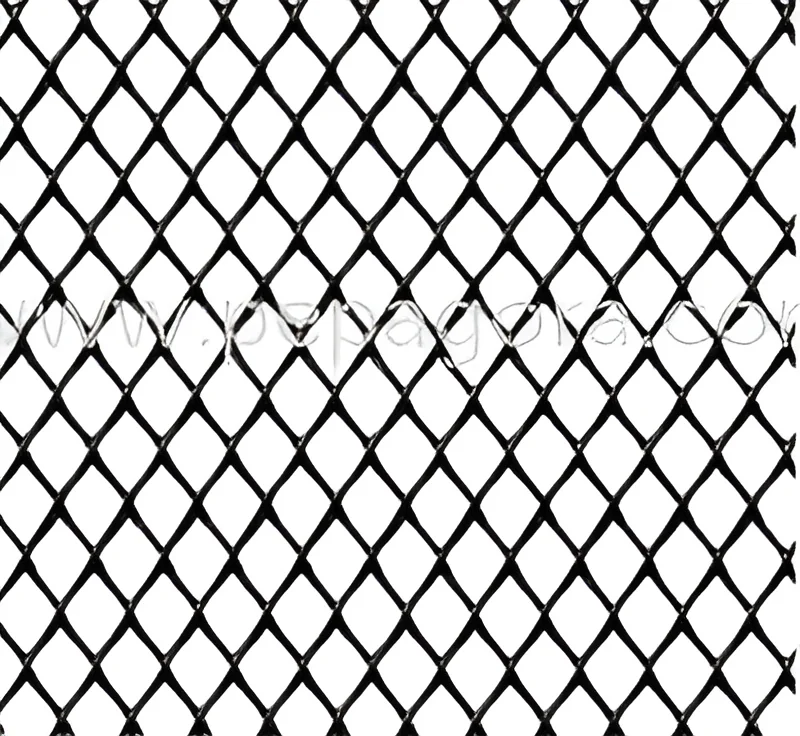
What are Geotextiles & Geogrids?
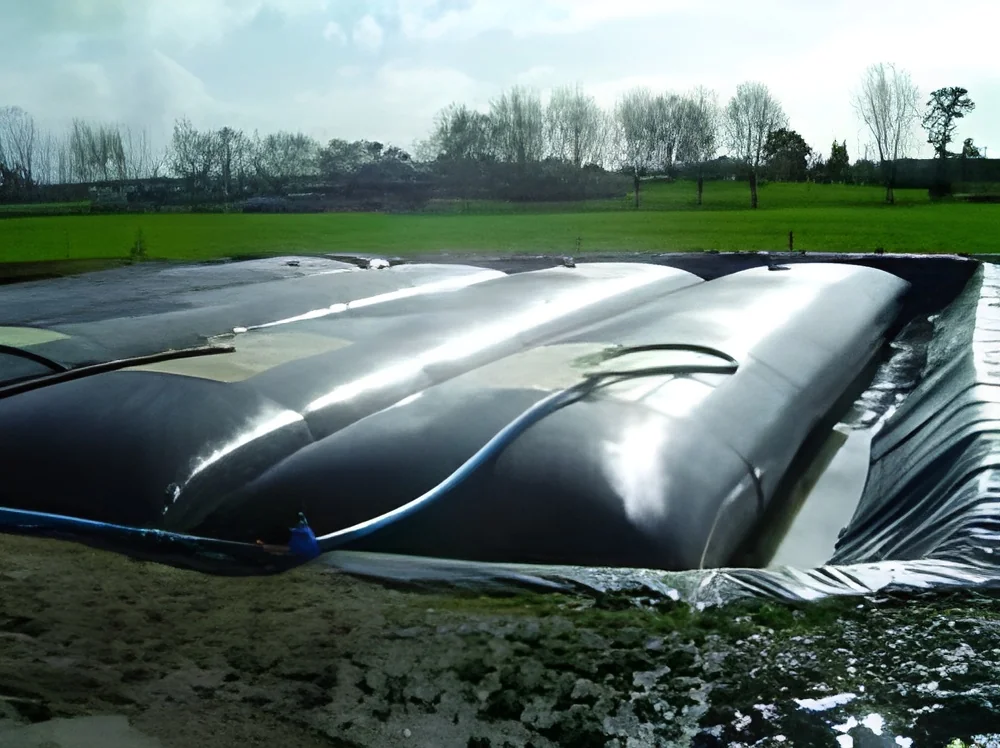
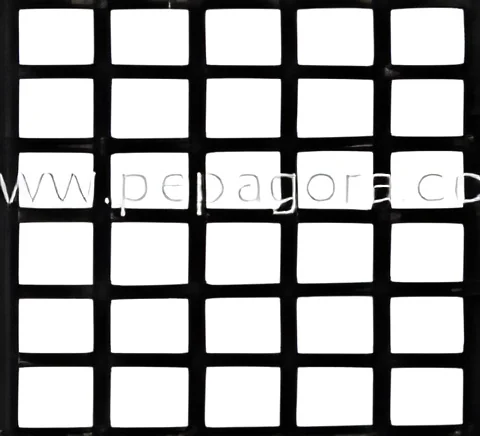
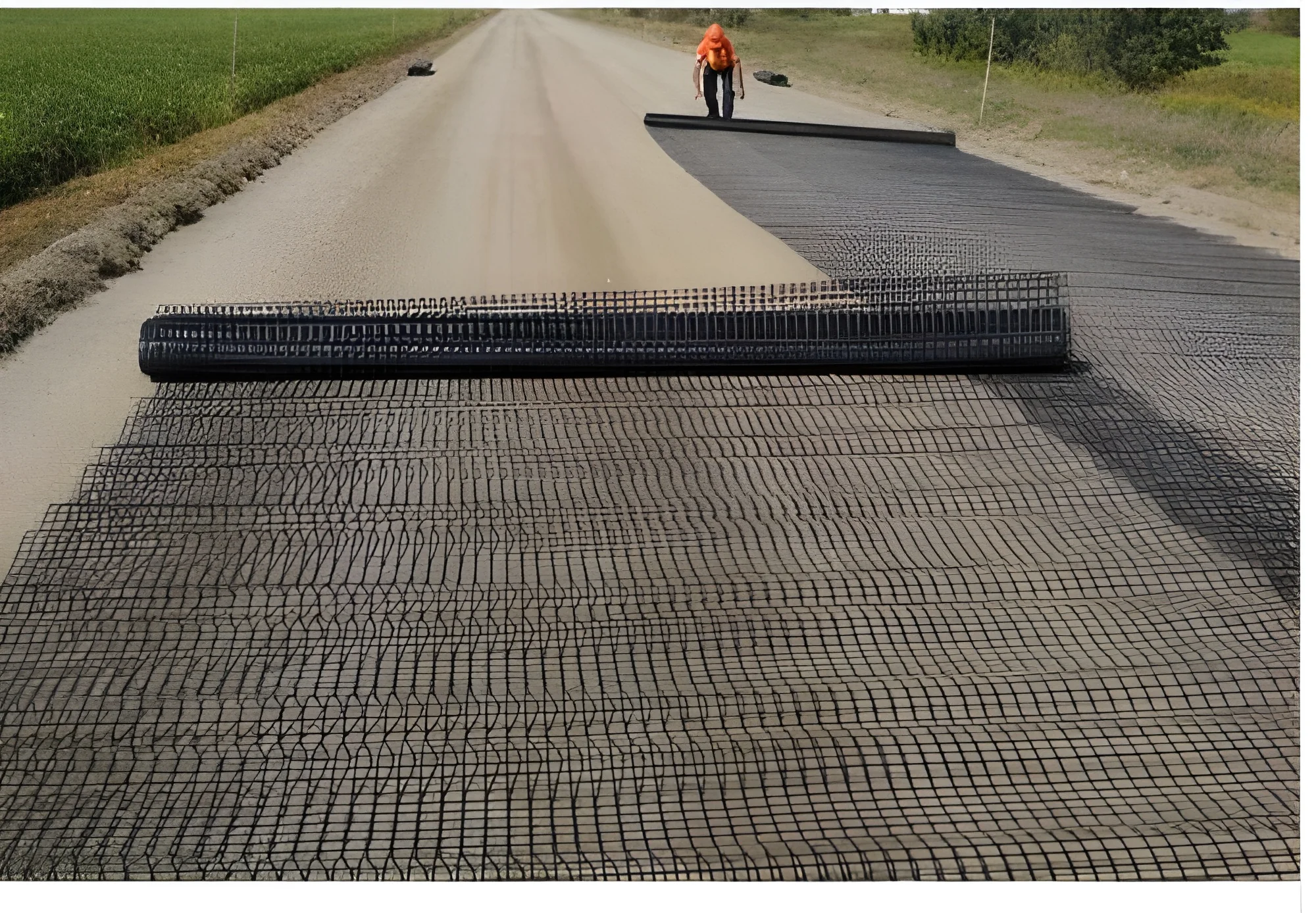
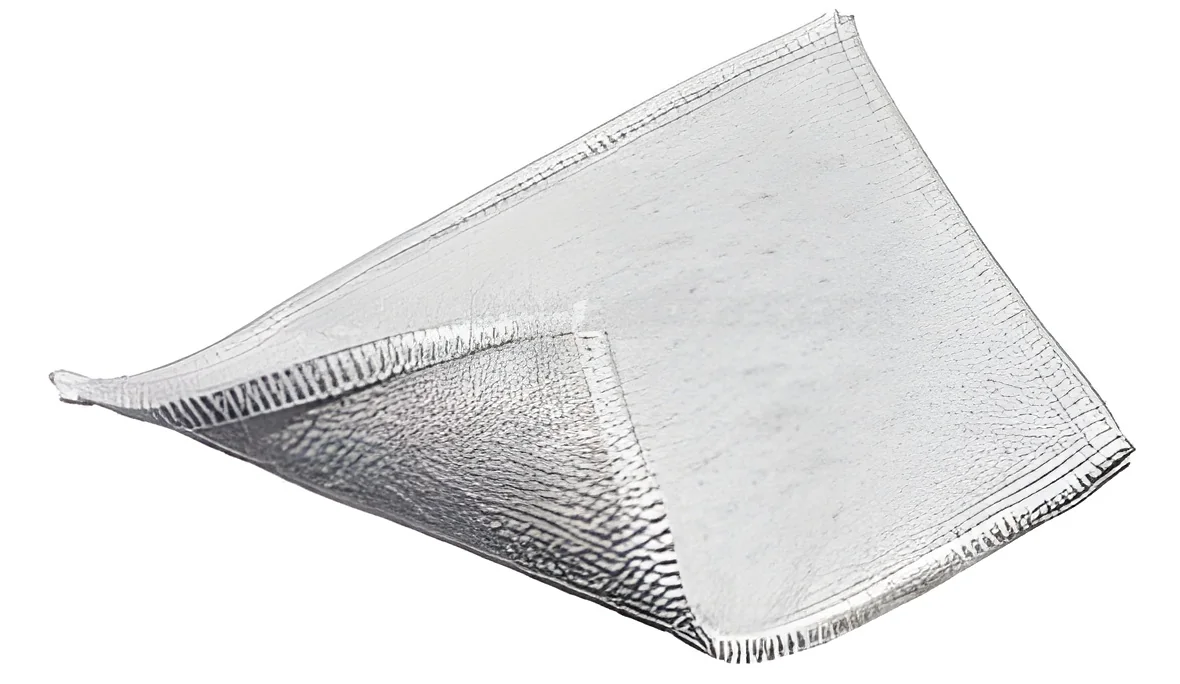
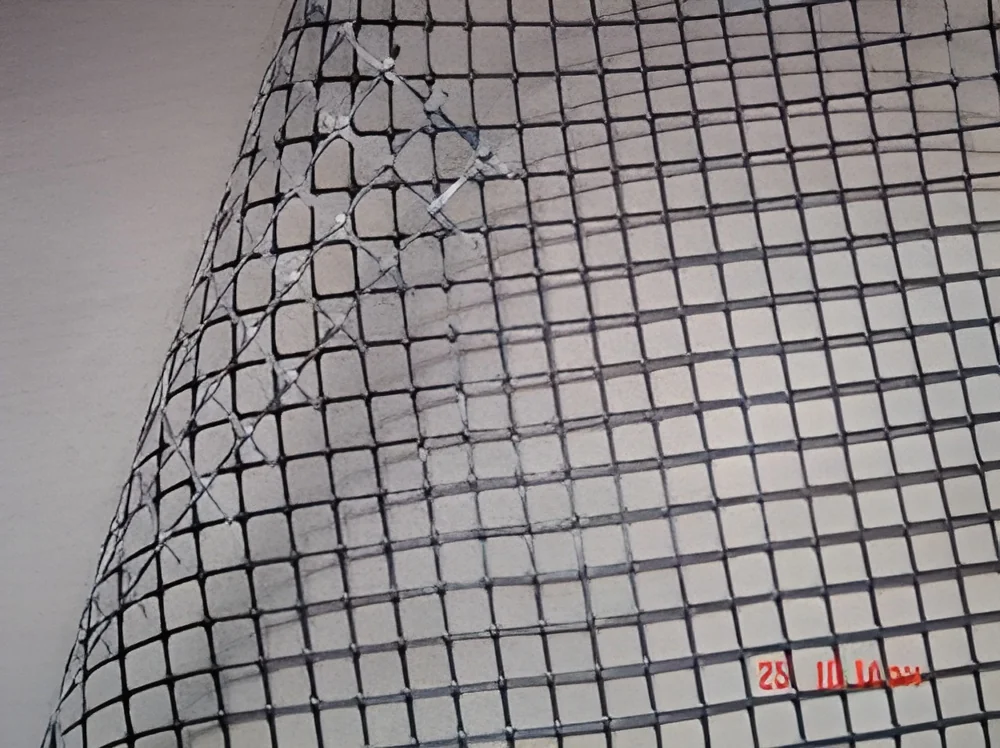
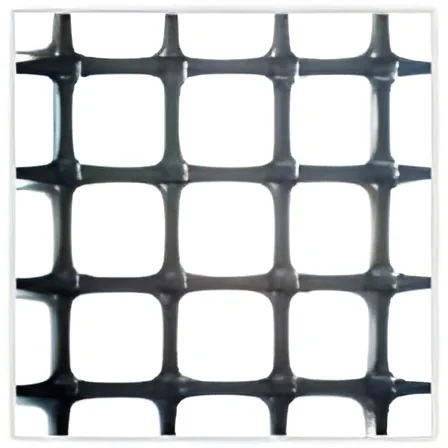
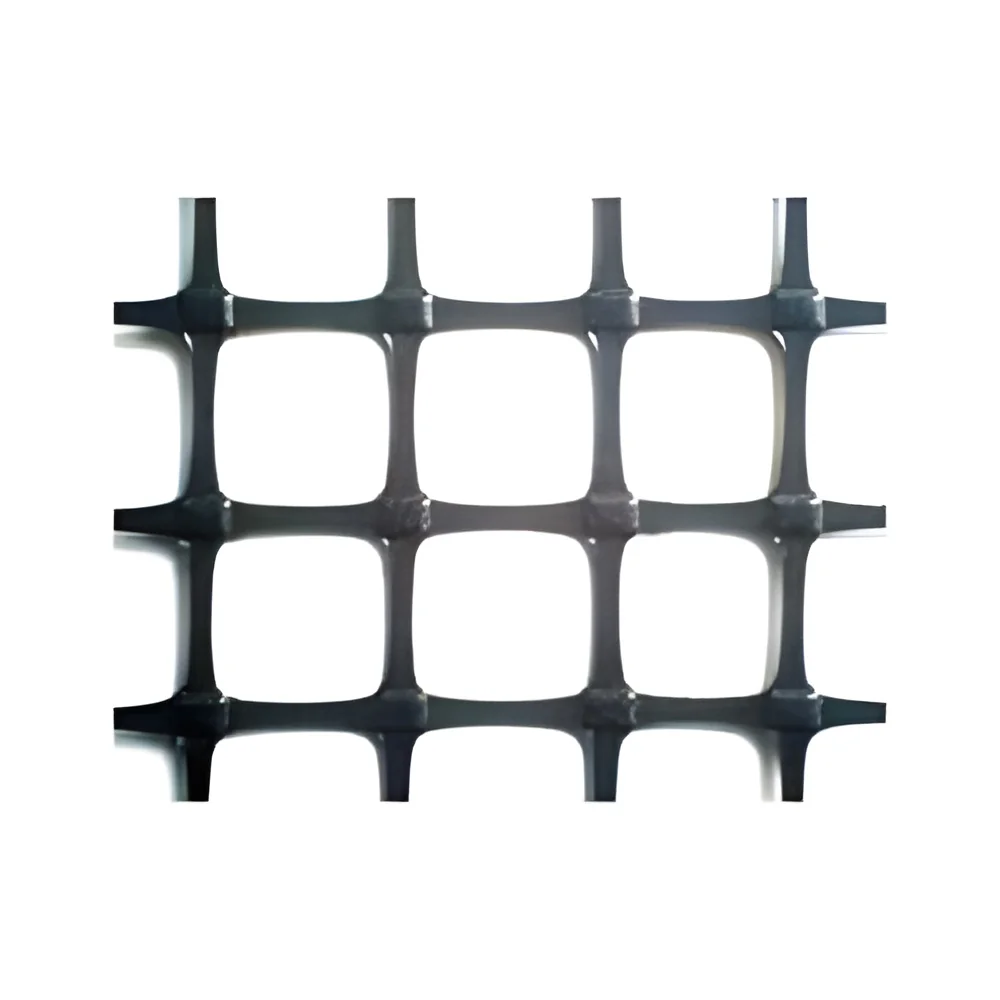
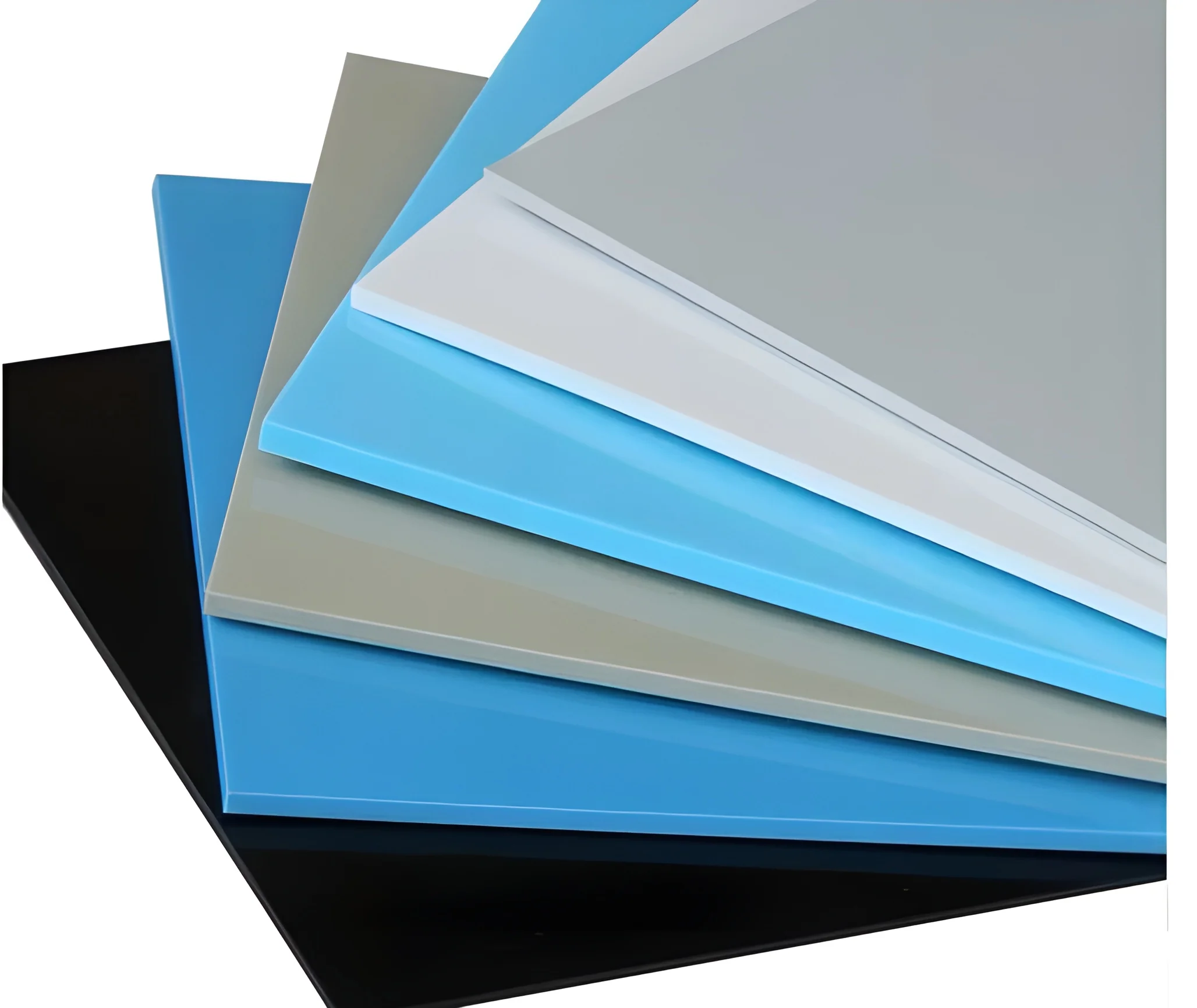
Geotextiles and geogrids are essential components in civil engineering and construction projects. Geotextiles are permeable fabrics that, when used in association with soil, provide various functions such as filtration, separation, and reinforcement. They are made from synthetic fibers and can be woven or non-woven. Geogrids, on the other hand, are geosynthetic materials used to reinforce soils and similar materials through the interlocking mechanism. They enhance the load-bearing capacity of structures and help in soil stabilization.
These products are widely utilized in a variety of applications, including roadway construction, erosion control, and foundation stabilization. Industries such as construction, transportation, and environmental management leverage the benefits of geotextiles and geogrids to improve project efficiency and effectiveness. Their ability to enhance soil performance and manage water flow makes them critical in ensuring the longevity and sustainability of infrastructure.
As the construction sector continues to grow, the demand for innovative geosynthetic materials like geotextiles and geogrids is increasing. The market is evolving with technological advancements that improve material properties and expand their applications. This relevance in the industry underscores the importance of these products in modern engineering solutions.
Key Features and Specifications
Geotextiles and geogrids possess several defining features and specifications that make them suitable for various applications. Understanding these specifications is crucial for selecting the right product for specific needs.
Key specifications include:
1. Material Composition
- Typically made from polypropylene, polyester, or polyethylene.
- Offers strength and durability under different environmental conditions.
2. Tensile Strength
- Measures the maximum stress that a material can withstand while being stretched.
- Ranges from 10 kN/m to over 100 kN/m depending on the product type.
3. Puncture Resistance
- Indicates the material's ability to withstand puncturing forces.
- Generally ranges from 100 N to 2000 N based on thickness and composition.
4. Permeability
- Refers to the ability of the geotextile to allow water flow while retaining soil particles.
- Varies significantly based on the fabric structure, typically measured in cm/s.
5. Elongation at Break
- Shows how much the material can stretch before breaking.
- Generally ranges from 10% to 50%, indicating flexibility.
6. UV Resistance
- Indicates the material's ability to withstand degradation from ultraviolet light exposure.
- Typically rated for up to 500 hours of UV exposure.
7. Weight
- Varies depending on the type and application, usually measured in grams per square meter (g/m²).
- Ranges from 100 g/m² to 1000 g/m².
8. Standard Compliance
- Must comply with relevant industry standards (such as CE certification) to ensure quality and performance.
In summary, knowing the key features and specifications of geotextiles and geogrids is fundamental in selecting the right products for engineering and construction projects.
Common Applications and Use Cases
Geotextiles and geogrids have a wide range of applications across various industries, highlighting their versatility and functionality.
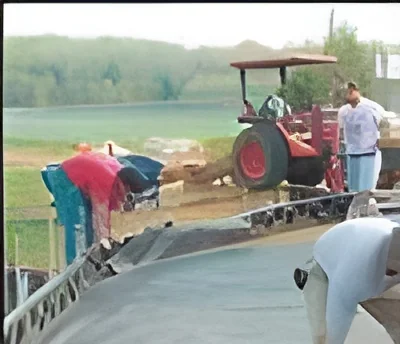
1. Civil Engineering: Used in road construction for base stabilization, enhancing load distribution, and preventing soil erosion.
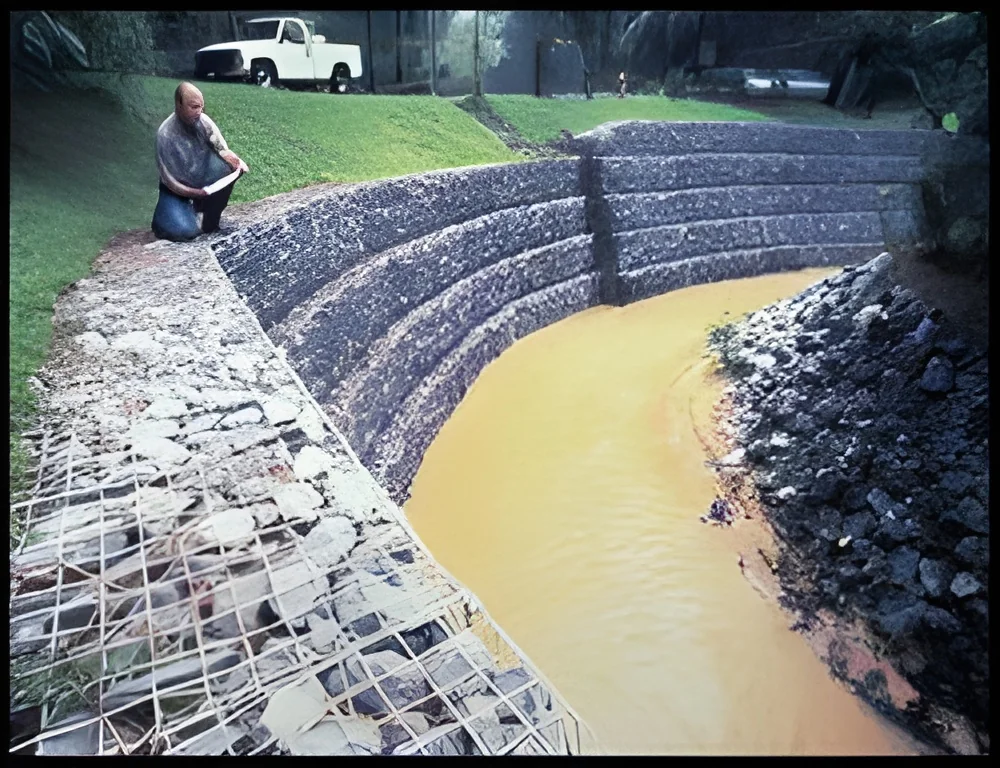
2. Environmental Protection: Employed in erosion control measures such as slope stabilization and sediment control in waterways.
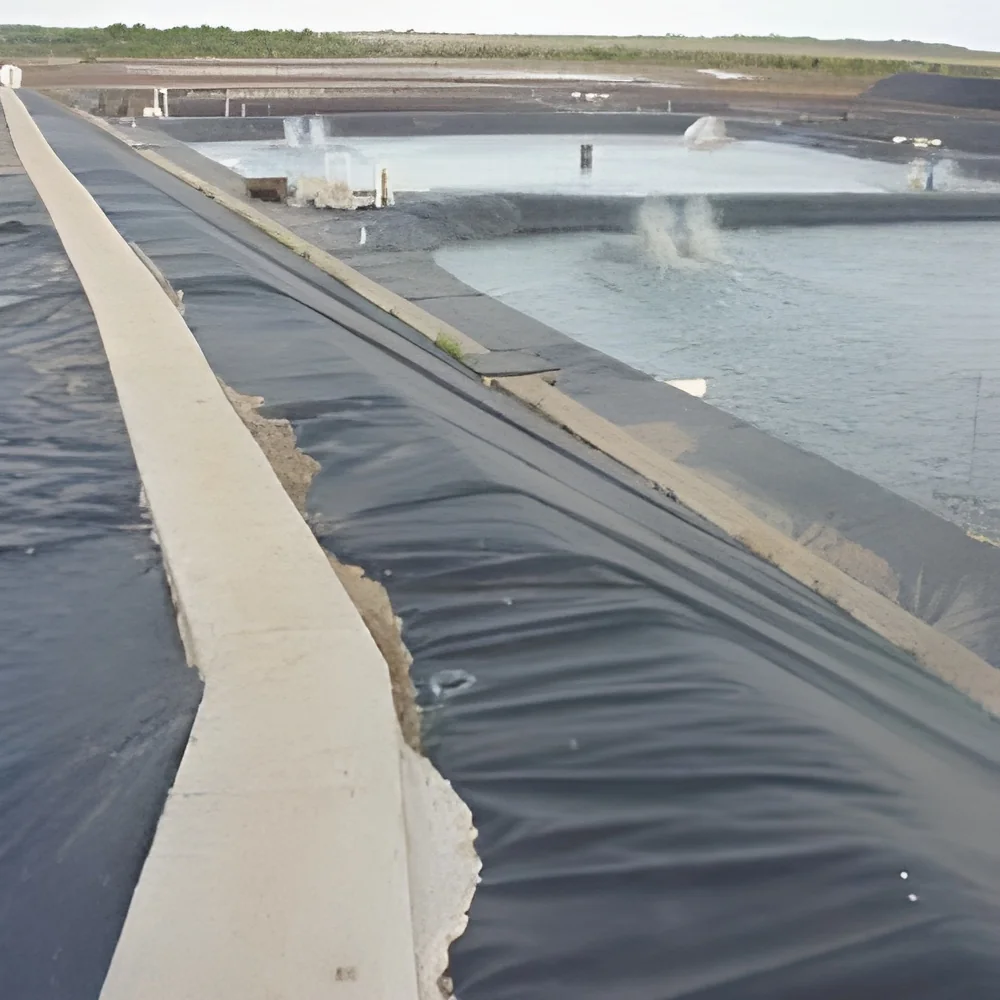
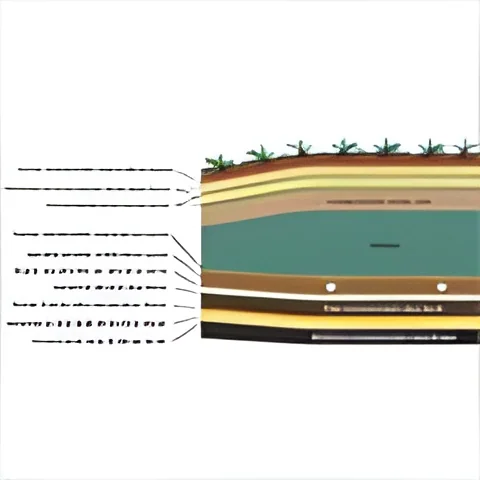
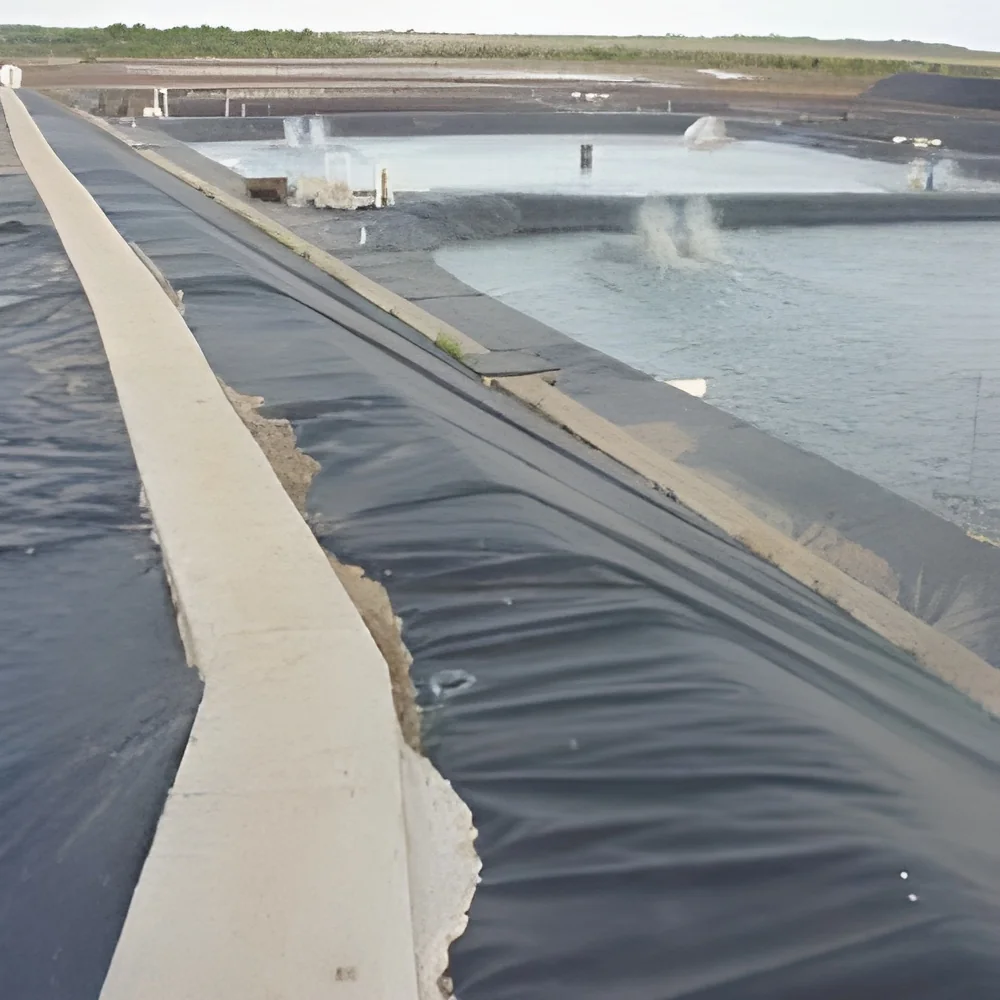
3. Landfills: Serve as liners and covers, effectively managing leachate and preventing contamination of surrounding environments.
4. Agriculture: Utilized in agricultural drainage systems to enhance water management and soil health.
5. Retaining Walls: Used to reinforce retaining structures by providing lateral support and improving overall stability.
6. Railways: Help in stabilizing the rail bed, reducing maintenance needs, and improving longevity.
7. Mining: Employed in tailings management and slope stabilization to minimize environmental impact.
Product Variants and Subcategories
Geotextiles and geogrids come in various forms to cater to different requirements and applications. The diversity in product variants allows for specific solutions tailored to unique project demands.
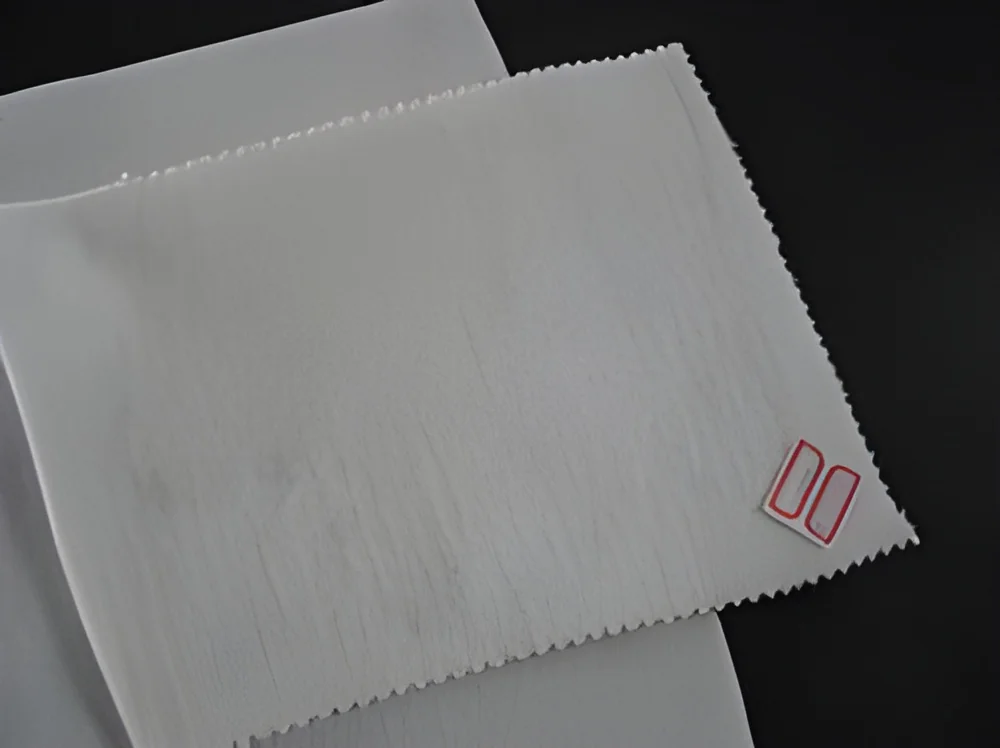
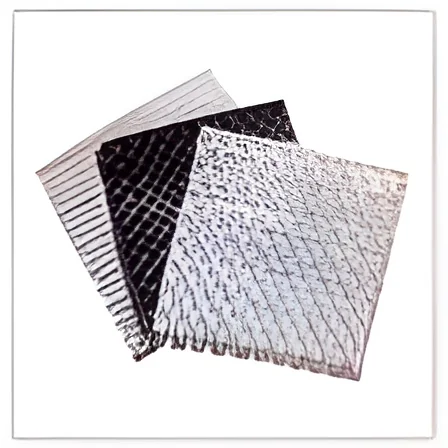
Non-Woven Geotextiles: These are made from bonded fibers and are ideal for drainage, filtration, and separation applications. They offer excellent permeability and are commonly used in erosion control and landscaping projects.
Woven Geotextiles: Constructed from woven fibers, these geotextiles are designed for high-strength applications such as road construction and soil stabilization. They provide superior tensile strength and puncture resistance.
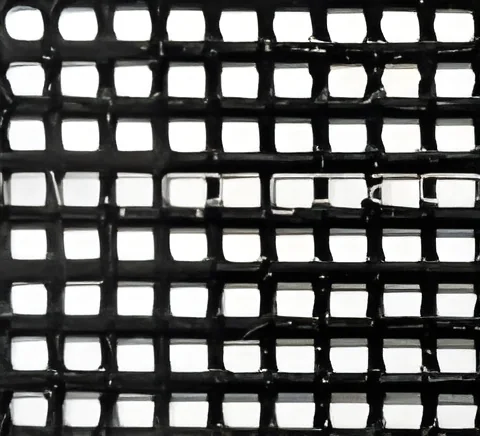
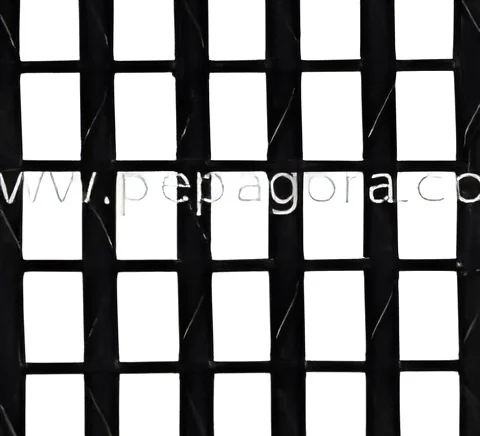
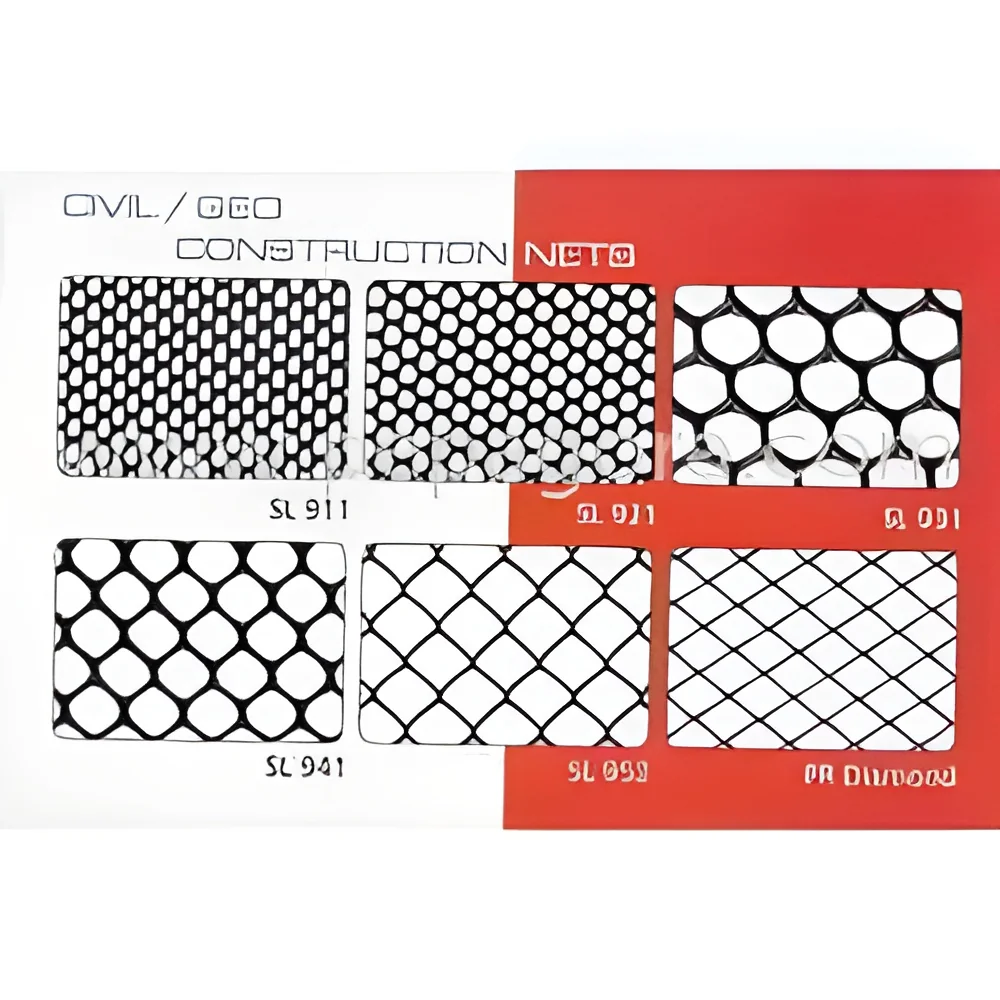
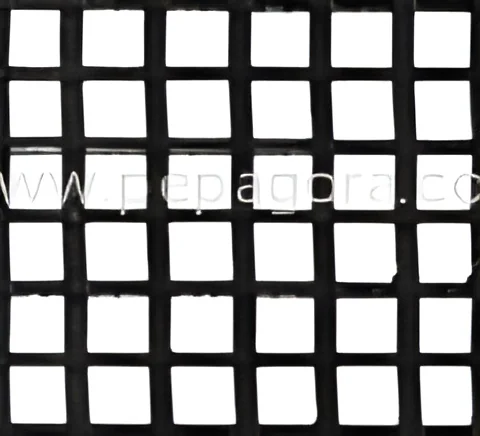
Uniaxial Geogrids: These geogrids are designed to provide high strength in one direction, making them suitable for applications like slope reinforcement and earth retention.
Biaxial Geogrids: Offering strength in both directions, these geogrids are ideal for subgrade stabilization and base reinforcement in road construction.
Benefits and Advantages
The use of geotextiles and geogrids offers numerous advantages that enhance project outcomes.
1. Enhanced Soil Stability: They improve the load-bearing capacity of soils, reducing settlement and enhancing structural integrity.
2. Erosion Control: These products effectively prevent soil erosion, safeguarding landscapes and waterways.
3. Cost Efficiency: By improving durability and reducing maintenance needs, they lead to significant cost savings in the long term.
4. Environmental Protection: They help in managing water flow and minimizing pollution, making them environmentally friendly options.
5. Versatility: Suitable for a wide range of applications across multiple industries, offering solutions for various engineering challenges.
6. Quick Installation: Designed for easy installation, they help reduce project timelines and labor costs.
Buying Guide for B2B Buyers
When sourcing geotextiles and geogrids, B2B buyers should consider several key factors to ensure they choose the right products.
1. Quality Assessment: Evaluate the quality of materials based on specifications such as tensile strength and puncture resistance to meet project requirements.
2. Supplier Verification: Conduct thorough vetting of suppliers to ensure they have a proven track record of reliability and product quality.
3. Pricing and MOQ: Consider pricing structures and minimum order quantities to align with project budgets and purchasing capabilities.
4. Delivery and Lead Times: Assess logistics capabilities to ensure timely delivery of materials to avoid project delays.
5. Compliance Requirements: Verify that products meet necessary regulatory standards and certifications for industry-specific applications.
Compliance and Certifications
Geotextiles and geogrids must meet various compliance and certification standards to assure quality and safety. ISO 9001 is a widely recognized standard that ensures consistent quality management practices across manufacturing processes. The CE marking indicates that products meet European safety, health, and environmental protection standards, making them suitable for use in European markets.
Additionally, products must undergo rigorous safety and testing requirements to ensure they perform effectively under different conditions. Compliance with these standards not only enhances product credibility but also helps in mitigating risks associated with material failure. Regional compliance considerations may vary, so understanding local regulations is crucial for businesses operating in different geographical areas.
Why Source Geotextiles & Geogrids from Pepagora?
Pepagora offers a reliable platform for sourcing geotextiles and geogrids, ensuring that buyers have access to high-quality products and trusted suppliers. The verified supplier network is a significant advantage, as it allows buyers to connect with reputable manufacturers and distributors who adhere to industry standards.
The streamlined Request for Quotation (RFQ) process simplifies procurement for buyers, enabling them to quickly receive competitive quotes and make informed purchasing decisions. This efficiency is critical in today’s fast-paced market, where timely procurement can impact project success.
Trade assurance and support further enhance the buying experience, providing buyers with protection against potential risks in transactions. This assurance fosters confidence in sourcing decisions, allowing businesses to focus on their core operations.
Finally, Pepagora’s regional coverage across India, the GCC, and Southeast Asia ensures that buyers have access to a diverse range of products, catering to various geographical needs. This extensive reach supports businesses in implementing effective solutions tailored to local market conditions.

 IN
IN