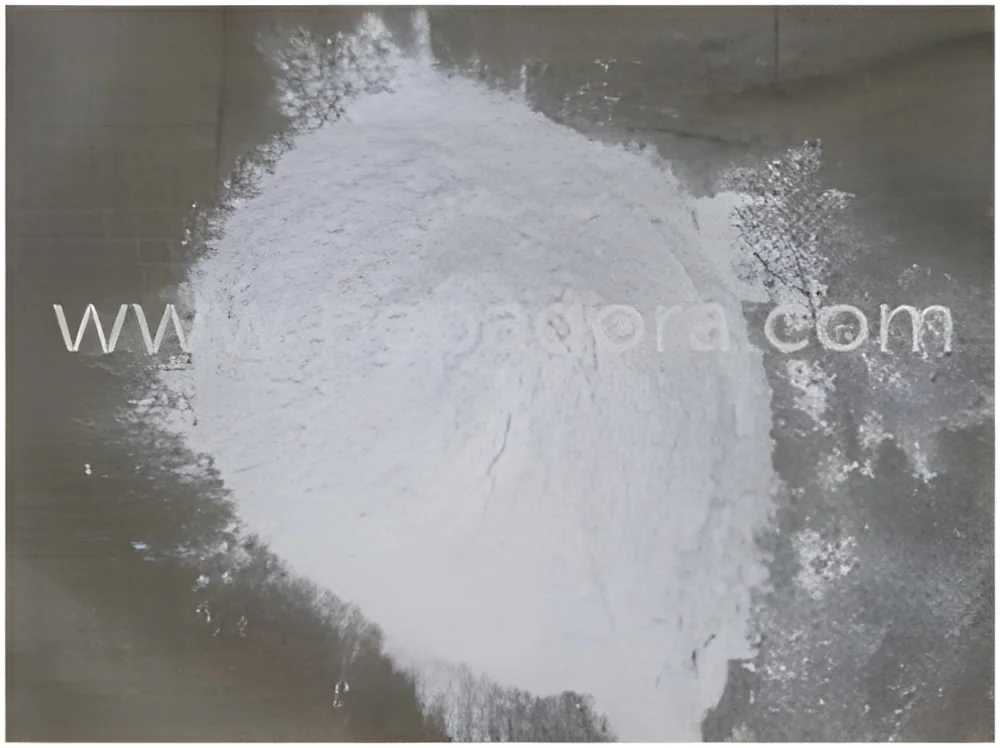
What are Gypsum Powder?
Gypsum powder is a fine white powder derived from gypsum, a naturally occurring mineral composed of calcium sulfate dihydrate. This powder is produced through the heating process of gypsum rock, which drives off water content and results in the formation of calcium sulfate hemihydrate. Gypsum powder is recognized for its non-toxic, eco-friendly properties, making it a popular choice in various industries.
Primarily, gypsum powder is used in construction, agriculture, and manufacturing. In construction, it serves as a key ingredient in drywall and plaster products. In agriculture, it is used to improve soil quality and provide essential nutrients to crops. Additionally, it plays a vital role in the production of cement and as a filler in various industrial applications. Given its diverse applications, gypsum powder holds significant relevance in the global market, particularly as the demand for sustainable and efficient building materials continues to rise.
Key Features and Specifications
Gypsum powder is characterized by several important features that enhance its applicability across various sectors. Understanding these specifications is crucial for businesses looking to source quality gypsum powder for their operations.
Key specifications include:
1. Purity Level
- Gypsum powder should contain a high level of purity, typically over 90%.
- This ensures minimal impurities that could affect performance.
2. Particle Size
- The particle size can range from 100 to 200 mesh.
- Finer particles improve the powder's reactivity and application efficiency.
3. Solubility
- Gypsum powder is moderately soluble in water, facilitating ease of mixing and application.
- This property is essential for construction and agricultural applications.
4. pH Level
- The pH is typically neutral, around 7.
- This makes it safe for use in various settings, including agriculture.
5. Color
- Gypsum powder is usually white or off-white.
- Consistent color indicates quality and purity.
6. Moisture Content
- The moisture content should be below 5%.
- Low moisture is essential to prevent clumping and ensure product quality.
7. Compliance with Standards
- Gypsum powder should comply with relevant industry standards such as CE.
- Compliance ensures safety and quality assurance.
In summary, the features and specifications of gypsum powder contribute to its effectiveness and versatility in numerous applications, making it a valuable material for various industries.
Common Applications and Use Cases
Gypsum powder serves numerous industries due to its versatile properties and benefits.
1. Construction: Gypsum powder is primarily used in the manufacture of drywall and plaster, providing a smooth finish and excellent fire resistance.
2. Agriculture: It is applied as a soil amendment to improve soil structure and nutrient availability, enhancing crop yield.
3. Cement Production: Gypsum powder is an essential ingredient in cement, helping to control the setting time and improve strength.
4. Interior Design: It is used in creating decorative elements like moldings and ceiling tiles, adding aesthetic appeal to interiors.
5. Food Industry: Gypsum powder is utilized as a coagulant in food products such as tofu, where it aids in the binding process.
6. Pharmaceuticals: It is used in producing specific medications and supplements due to its non-toxic nature.
7. Arts and Crafts: Gypsum powder is popular in creating sculptures and molds in the artistic community.
Product Variants and Subcategories
Gypsum powder comes in various forms and variants, allowing for tailored solutions to meet specific industry needs.
Construction Gypsum Powder
This variant is specifically formulated for construction applications. It offers high strength and is ideal for producing drywall and plaster products.
Agricultural Gypsum Powder
Designed for agricultural use, this variant enhances soil quality and provides essential nutrients to crops. It is effective in reducing soil acidity and improving drainage.
Industrial Gypsum Powder
This variant is tailored for industrial applications, including cement production and as a filler in various manufacturing processes. It provides consistency and quality in production.
Benefits and Advantages
Gypsum powder offers several benefits that make it a preferred choice across different sectors.
1. Eco-Friendly: It is a natural mineral, making it a sustainable option for construction and agriculture.
2. Versatility: Gypsum powder can be used in various applications, from construction to agriculture, providing flexibility for businesses.
3. Easy to Use: It can be easily mixed with water and applied, streamlining processes in construction and agricultural practices.
4. Fire Resistance: Gypsum powder has inherent fire-resistant properties, enhancing safety in building materials.
5. Soil Improvement: In agriculture, it improves soil structure and nutrient availability, leading to better crop yields.
6. Cost-Effective: Its affordability makes gypsum powder an economical choice for businesses looking to optimize their material costs.
Buying Guide for B2B Buyers
When sourcing gypsum powder, it is essential to consider several key factors to ensure quality and reliability.
1. Quality Assessment: Evaluate the purity and consistency of the gypsum powder. High-quality powder should have a purity level above 90% and low moisture content.
2. Supplier Verification: Vet suppliers to ensure they have a proven track record of reliability and quality. Look for certifications and customer reviews.
3. Pricing and MOQ: Consider the pricing structure and minimum order quantities (MOQ). Compare prices across suppliers to find the best value.
4. Delivery and Lead Times: Discuss delivery options and lead times with suppliers to ensure timely availability of products for your projects.
5. Compliance Requirements: Ensure that the gypsum powder meets all relevant industry compliance standards and safety regulations.
Compliance and Certifications
Gypsum powder must adhere to various quality standards to guarantee its safety and effectiveness. Relevant quality standards include ISO 9001, which focuses on quality management systems, ensuring consistent product quality.
Additionally, certifications like CE indicate compliance with European safety standards, affirming the product's reliability in construction and manufacturing applications.
Safety and testing requirements are crucial for gypsum powder, particularly when used in food and agricultural industries. It is essential to comply with local regulations and industry standards to ensure safe usage.
Regional compliance must also be considered, as different regions may have specific requirements that must be met to avoid legal complications and ensure market access.
Why Source Gypsum Powder from Pepagora?
Pepagora provides a trusted platform for sourcing gypsum powder, offering several key advantages for businesses seeking reliable suppliers.
Verified Supplier Network: Pepagora has a comprehensive network of verified suppliers, ensuring that buyers have access to quality products and reliable service.
Streamlined RFQ Process: The platform features a streamlined request for quotation (RFQ) process, enabling buyers to quickly obtain quotes and make informed purchasing decisions.
Trade Assurance and Support: Pepagora offers trade assurance and support, providing buyers with protection and assistance throughout the sourcing process.
Regional Coverage: With a geographic reach that includes India, the Gulf Cooperation Council (GCC) countries, and Southeast Asia, Pepagora ensures access to a wide range of suppliers and products, catering to diverse market needs.

 IN
IN