What are Paver Blocks?
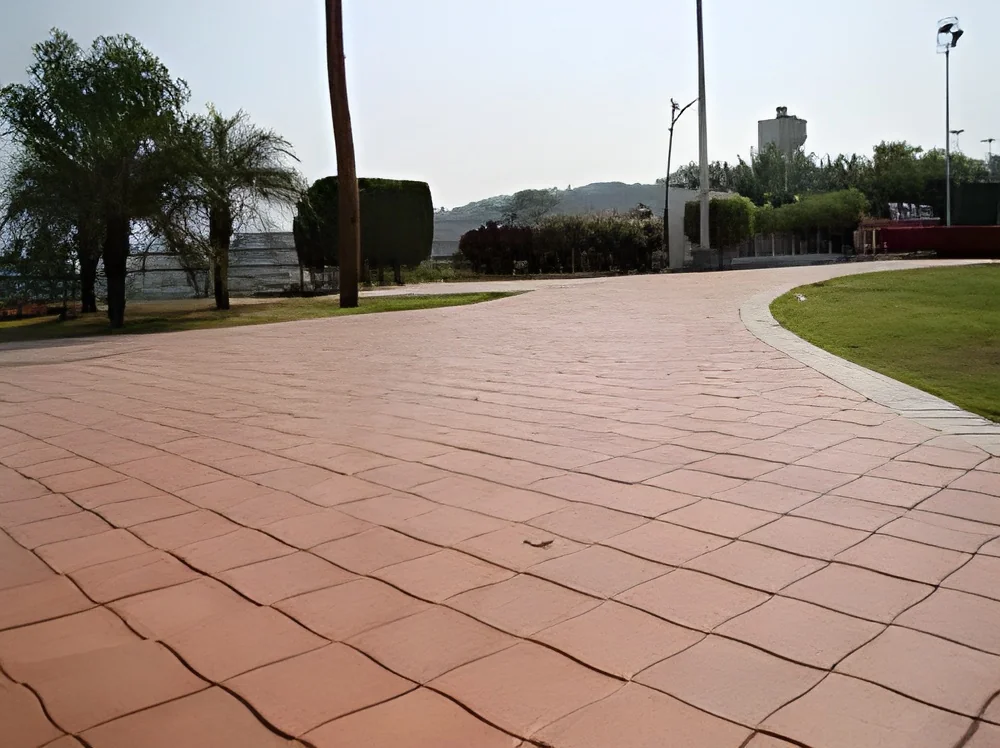
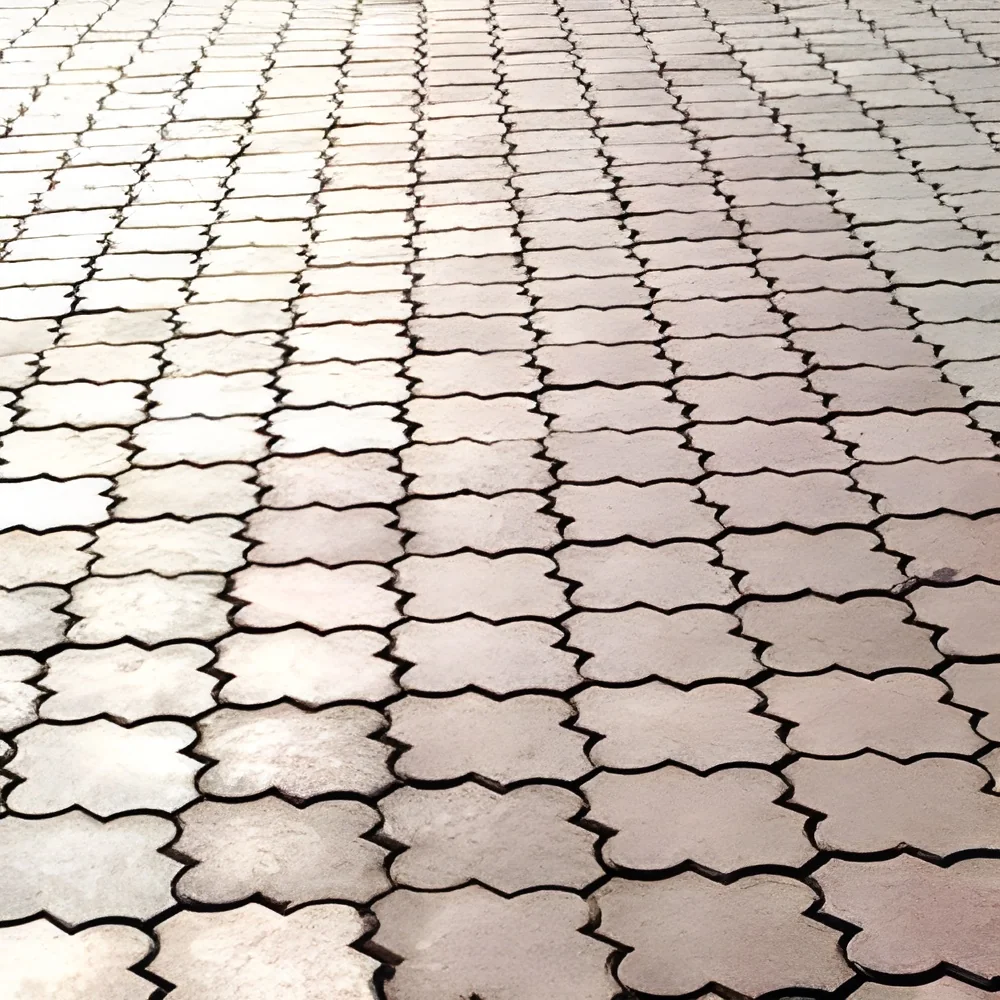
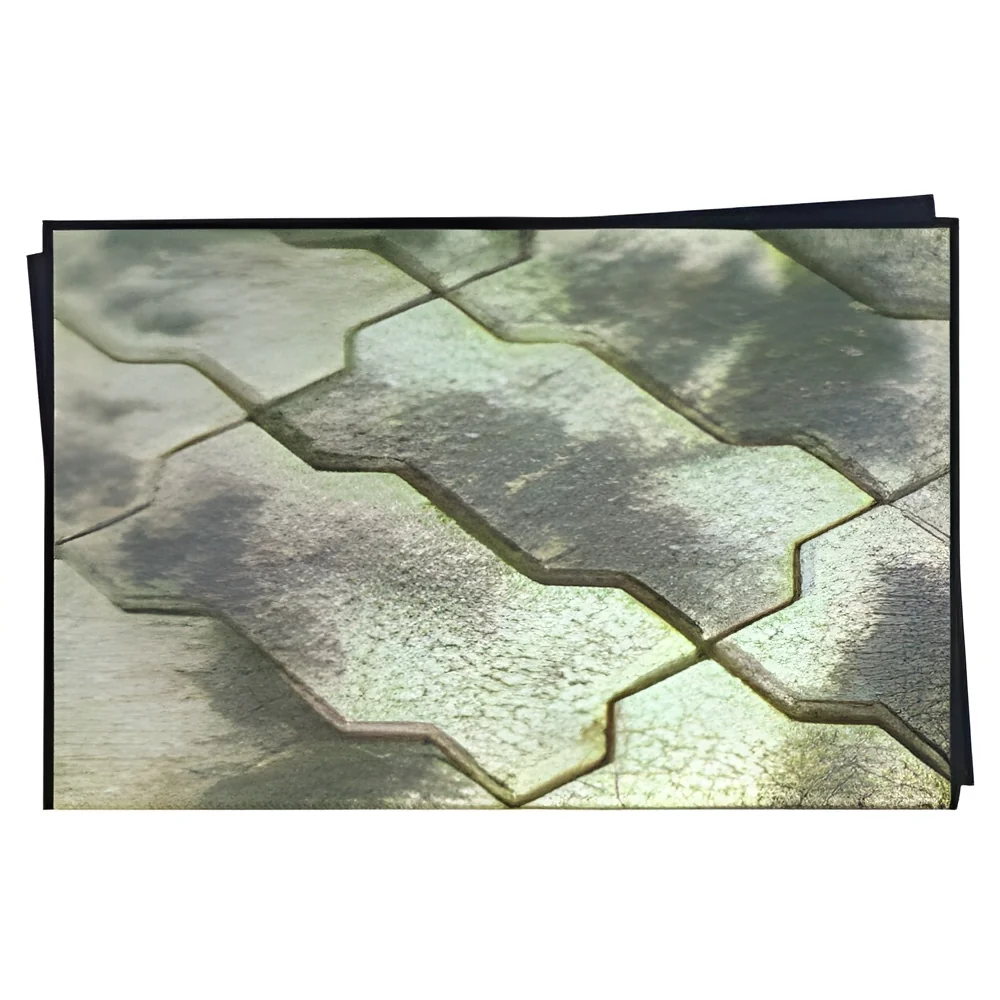
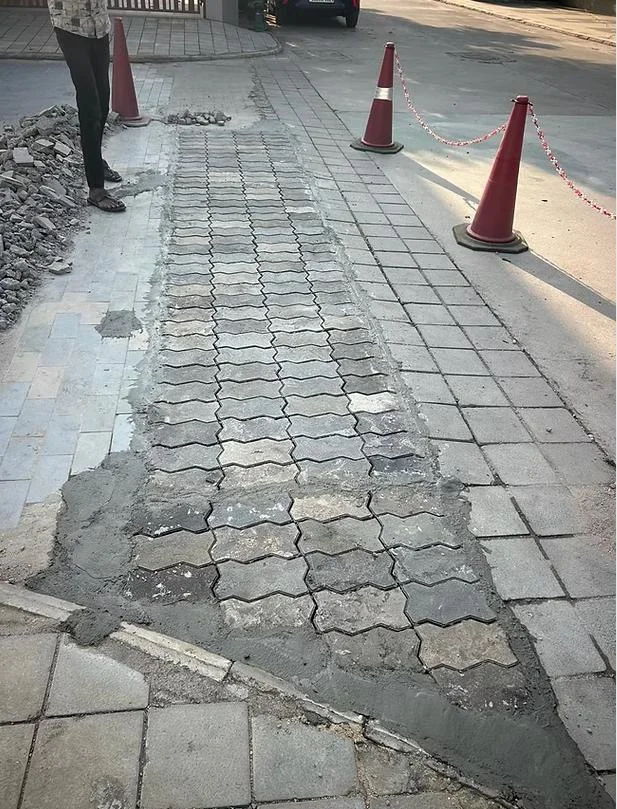
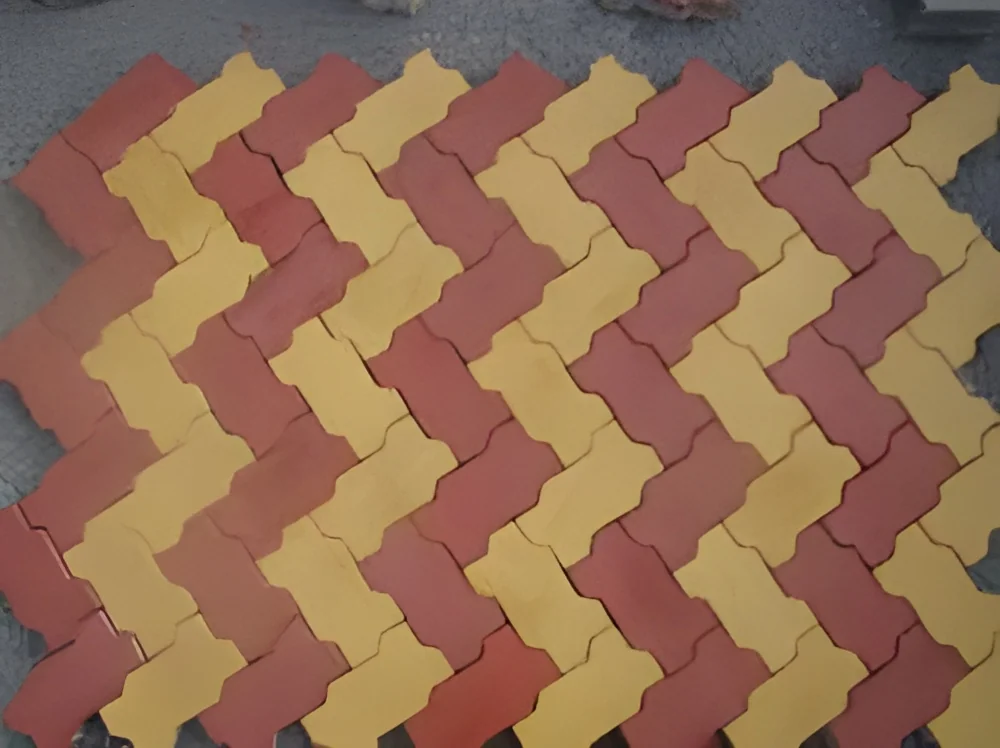
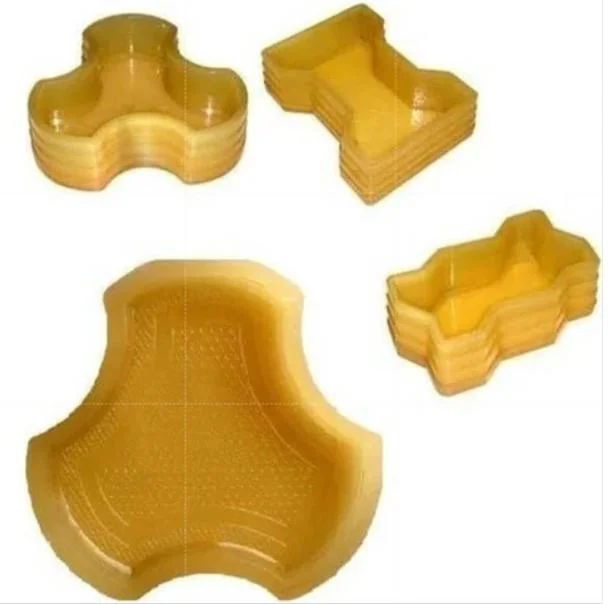
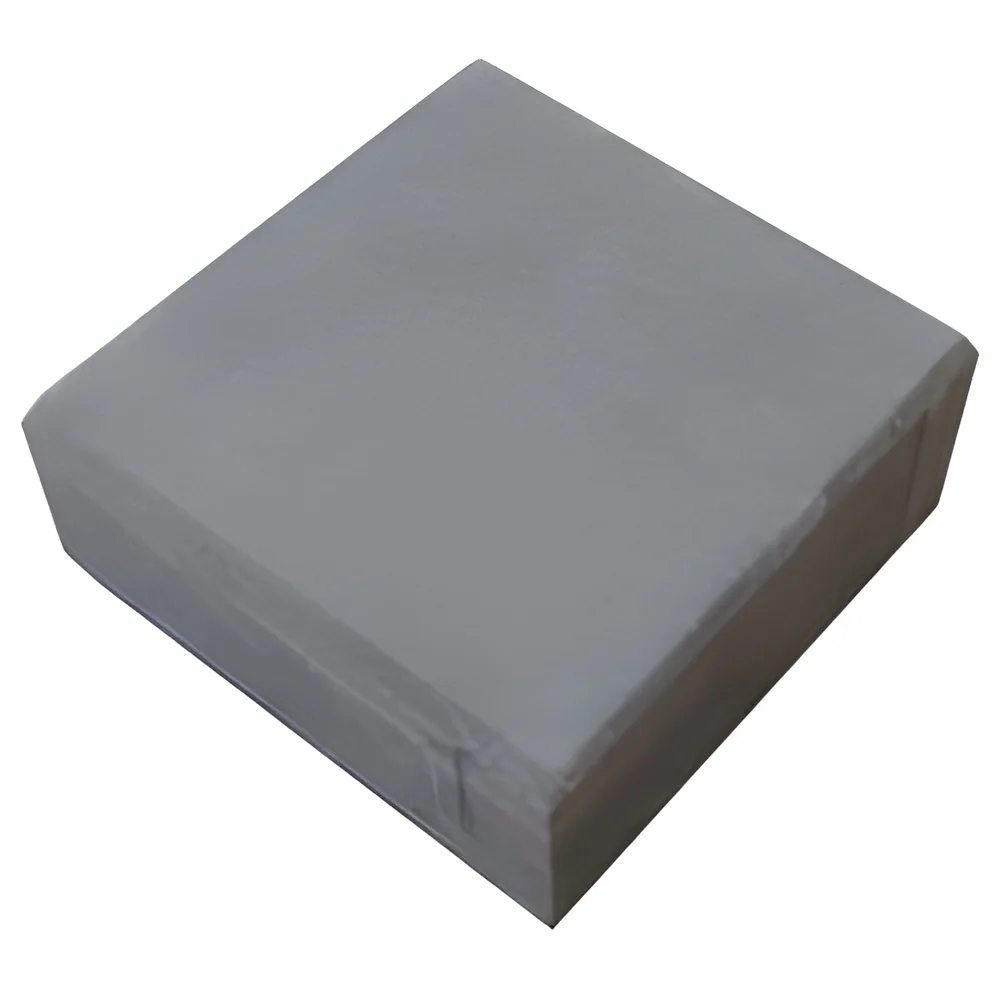
Paver blocks are durable, interlocking concrete units designed primarily for outdoor surfacing applications. They are manufactured using high-quality concrete mixtures, often incorporating aggregates and color pigments to achieve varying aesthetics and functional characteristics. Paver blocks come in various shapes, sizes, and colors, making them versatile for different design needs.
These blocks are commonly used in various industries, including construction, landscaping, and urban development. They serve as effective solutions for driveways, walkways, patios, and other surfaces where a stable, durable, and attractive finish is required. The ease of installation and the ability to replace individual units without disturbing the surrounding area further enhance their appeal in both commercial and residential projects.
In today’s market, paver blocks are increasingly relevant due to the ongoing demand for sustainable and aesthetically pleasing outdoor spaces. Their durability and low maintenance requirements make them a preferred choice for contractors and developers looking for long-lasting surfacing solutions. As urban areas expand, the need for effective surfacing materials continues to grow, ensuring a steady market for paver blocks.
Key Features and Specifications
Paver blocks boast several key features that make them suitable for a variety of applications. Understanding these specifications is vital for selecting the right product for specific needs.
Key specifications include:
1. Material Composition
- Made from high-strength concrete
- Typically reinforced with additives for enhanced durability
2. Size and Thickness
- Common sizes range from 60mm to 80mm thickness
- Various shapes available, including square, rectangular, and hexagonal
3. Load-Bearing Capacity
- Designed to withstand heavy traffic loads
- Capable of supporting weights exceeding 4000 kg per square meter
4. Surface Texture
- Available in various finishes, including smooth, textured, and stamped
- Textured surfaces provide better grip and slip resistance
5. Color Options
- Wide range of colors available to match design preferences
- Pigments used are UV resistant to prevent fading
6. Environmental Impact
- Often made using recycled materials
- Permeable options available to reduce stormwater runoff
7. Installation Method
- Dry-cast installation method for easy placement
- Can be installed on compacted sub-base or sand
In summary, the combination of material quality, design versatility, and load capacity makes paver blocks a reliable choice for various applications in both residential and commercial projects.
Common Applications and Use Cases
Paver blocks serve various industries, providing durable and aesthetically pleasing solutions for outdoor surfaces.
1. Construction: Paver blocks are widely used in constructing driveways and parking lots due to their strength and ability to withstand heavy loads.
2. Landscaping: They enhance garden pathways, patios, and outdoor entertainment areas, adding beauty and functionality to residential properties.
3. Urban Development: Cities utilize paver blocks for pedestrian walkways and public spaces, contributing to urban aesthetics while ensuring durability.
4. Retail and Commercial Spaces: Shopping malls and commercial properties often feature paver blocks for their attractive appearance and ease of maintenance.
5. Industrial Sites: Paver blocks are suitable for factory floors and loading areas where heavy machinery operates, providing a strong and stable surface.
6. Recreational Areas: Parks and recreational spaces use paver blocks for trails and seating areas, promoting outdoor activities in a safe environment.
7. Educational Institutions: Schools and universities incorporate paver blocks in courtyards and pathways, enhancing the campus' visual appeal while ensuring safety.
Product Variants and Subcategories
Paver blocks come in various forms to suit different needs and preferences. Each variant offers unique features and applications.
Standard Paver Blocks
These are the most common type, available in multiple shapes and colors. They are ideal for general use in driveways, walkways, and patios. Their versatility makes them a popular choice among contractors and homeowners.
Permeable Paver Blocks
Designed to allow water to flow through, these blocks are ideal for areas prone to flooding. They help manage stormwater runoff, making them suitable for environmentally conscious projects.
Textured Paver Blocks
These blocks feature a textured surface for enhanced grip, making them perfect for walkways and poolside areas. Their slip-resistant properties enhance safety in high-traffic areas.
Colored Paver Blocks
Available in a wide range of colors, these blocks allow for creative designs and patterns. They are often used in landscaping and decorative applications to enhance outdoor aesthetics.
Benefits and Advantages
Paver blocks offer a range of benefits that make them a preferred choice for various applications.
1. Durability: Paver blocks are designed to withstand heavy traffic and harsh weather conditions, ensuring a long lifespan.
2. Low Maintenance: They require minimal upkeep, making them a cost-effective option for homeowners and businesses alike.
3. Aesthetic Appeal: Available in numerous colors and designs, paver blocks can enhance the visual appeal of any outdoor space.
4. Easy Installation: The interlocking design allows for quick and straightforward installation, reducing labor costs and project timelines.
5. Environmental Benefits: Permeable options help manage stormwater and reduce runoff, contributing to sustainable landscaping practices.
6. Repairability: Individual blocks can be easily replaced if damaged, minimizing disruption compared to traditional paving methods.
Buying Guide for B2B Buyers
When sourcing paver blocks, it is crucial for B2B buyers to consider several factors to ensure they make informed decisions.
1. Quality Assessment: Evaluate the quality of materials used in manufacturing paver blocks. Look for certifications that indicate compliance with industry standards.
2. Supplier Verification: Vet suppliers thoroughly to ensure reliability and reputation. Check references and reviews to gauge their performance and service levels.
3. Pricing and MOQ: Understand the pricing structure and minimum order quantities required. Compare quotes from different suppliers to find competitive rates.
4. Delivery and Lead Times: Confirm the delivery timelines to ensure they align with project schedules. Consider logistics and potential delays in transportation.
5. Compliance Requirements: Be aware of any regulatory requirements or standards that your paver blocks must meet for safety and performance.
Compliance and Certifications
Paver blocks must adhere to several relevant quality standards and certifications to ensure safety and performance in various applications.
ISO 9001 is a well-known standard that outlines the requirements for a quality management system. Manufacturers of paver blocks that comply with this standard demonstrate a commitment to quality assurance in their production processes.
The CE marking signifies that the product meets European Union safety, health, and environmental protection requirements. This certification is essential for paver blocks intended for markets within the EU.
Safety and testing requirements are critical for ensuring that paver blocks can withstand environmental and physical stresses. Regular testing for load-bearing capacity and material integrity is necessary to maintain high standards.
Regional compliance considerations vary by locality. It is essential for buyers to be aware of local regulations regarding construction materials to ensure that the paver blocks used in their projects are compliant.
Why Source Paver Blocks from Pepagora?
Pepagora provides a trusted platform for sourcing paver blocks, offering several key advantages to B2B buyers.
Verified Supplier Network: Pepagora connects buyers with a network of verified suppliers, ensuring that all listed manufacturers meet rigorous quality standards. This verification process helps buyers find reliable partners for their projects.
Streamlined RFQ Process: The request for quotation process on Pepagora is designed to be user-friendly. Buyers can easily submit their requirements and receive competitive quotes from multiple suppliers, saving time and effort.
Trade Assurance and Support: Pepagora offers trade assurance to protect buyers against potential disputes. With dedicated support, buyers can navigate the sourcing process with confidence, knowing they have assistance when needed.
Regional Coverage: Pepagora has a strong presence in regions like India, the GCC, and Southeast Asia. This geographic reach allows buyers to access a diverse range of suppliers and products that meet their specific needs.

 IN
IN