Key Features and Specifications
Concrete blocks come with a range of features and specifications that cater to different construction requirements. These specifications ensure that the blocks meet industry standards and provide reliable performance in various applications.
Key specifications include:
1. Compressive Strength
- Solid blocks typically have higher compressive strength compared to hollow blocks.
- Strength ratings can range from 3.5 MPa to 20 MPa or higher, depending on the application.
2. Density
- Solid blocks usually have a higher density, providing better load-bearing capacity.
- Density can vary from 1,800 kg/m³ to 2,400 kg/m³.
3. Dimensions
- Standard sizes for blocks often include 400 mm x 200 mm x 200 mm for solid blocks and 400 mm x 200 mm x 300 mm for hollow blocks.
- Custom sizes may also be available based on project requirements.
4. Thermal Insulation
- Hollow blocks generally offer better thermal insulation properties.
- Insulation values can vary based on the block's design and material composition.
5. Fire Resistance
- Concrete blocks provide excellent fire resistance, which is crucial for safety in construction.
- Fire ratings can range from 1 hour to over 4 hours, depending on block thickness.
6. Moisture Resistance
- Both solid and hollow blocks can be designed to resist moisture infiltration.
- Proper curing and treatment enhance moisture resistance.
7. Acoustic Properties
- Hollow blocks can provide superior sound insulation due to their design.
- Sound reduction values vary based on block type and thickness.
8. Surface Finish
- Blocks can come with various surface finishes, enhancing aesthetics and functionality.
- Finishes may include smooth, textured, or painted surfaces.
In summary, the features and specifications of concrete blocks play a crucial role in their performance and suitability for different applications. Understanding these attributes helps buyers make informed decisions based on their project requirements.
Common Applications and Use Cases
Concrete blocks serve a wide range of industries, each benefiting from their unique properties.
1. Construction: Concrete blocks are extensively used for constructing walls, foundations, and other structural elements. Their strength and durability make them ideal for both residential and commercial buildings.
2. Infrastructure: These blocks are employed in infrastructure projects such as bridges, tunnels, and retaining walls. Their ability to withstand heavy loads and harsh environmental conditions is essential in these applications.
3. Landscaping: Concrete blocks are often used in landscaping for features like garden walls, planters, and other decorative structures. Their versatility allows for creative designs and practical solutions.
4. Industrial: In industrial settings, concrete blocks are used for creating partitions and storage areas within warehouses and factories. Their robustness contributes to safe and efficient work environments.
5. Agricultural: Concrete blocks can be used in agricultural applications, such as building silos or livestock housing. Their durability ensures long-lasting structures in various climate conditions.
6. Sound Barriers: Hollow concrete blocks are often utilized in constructing sound barriers along highways and railways. Their acoustic properties help reduce noise pollution.
7. Retaining Walls: In civil engineering, concrete blocks are commonly used for retaining walls to prevent soil erosion and manage water flow effectively.
Product Variants and Subcategories
Concrete blocks come in various variants, offering a range of features to meet specific construction needs.
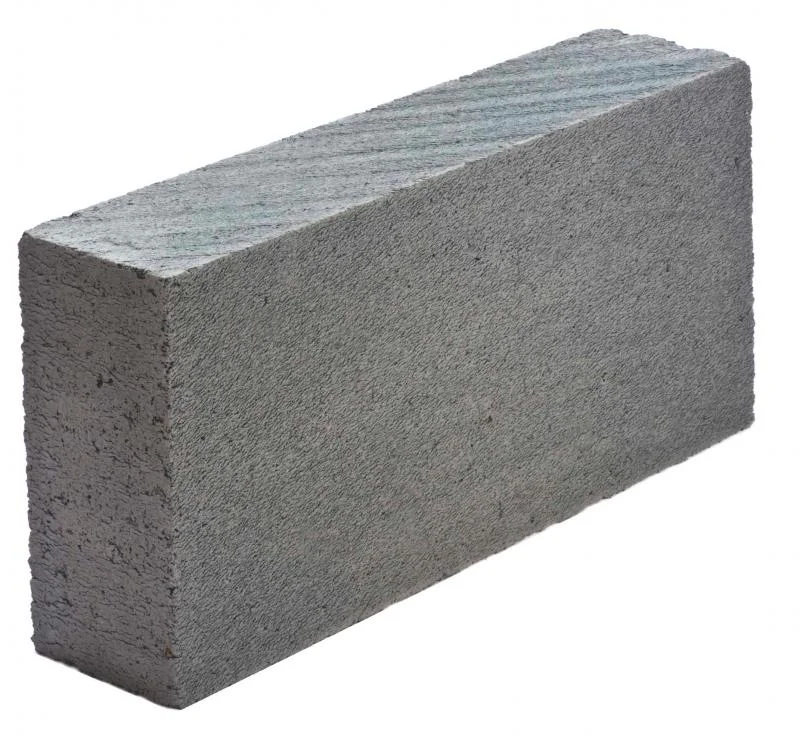
Solid Concrete Blocks: Solid concrete blocks are dense and strong, making them ideal for load-bearing applications. They provide excellent sound insulation and fire resistance, making them suitable for both residential and commercial construction.
Hollow Concrete Blocks: Hollow blocks are lighter and designed with cavities that enhance thermal insulation. They are often used in non-load-bearing walls and partitions, providing efficient energy use and cost savings.
Benefits and Advantages
Concrete blocks offer numerous benefits that make them a preferred choice in the construction industry.
1. Durability: Concrete blocks are known for their strength and longevity, capable of withstanding harsh weather conditions and physical stress.
2. Energy Efficiency: Hollow blocks provide excellent insulation, reducing energy consumption for heating and cooling in buildings.
3. Fire Resistance: The non-combustible nature of concrete blocks enhances building safety by providing fire resistance.
4. Cost-Effectiveness: Concrete blocks are economical in terms of material costs and labor, making them a budget-friendly option for construction projects.
5. Versatility: Available in various sizes and configurations, concrete blocks can be used for diverse applications, from residential walls to industrial structures.
6. Low Maintenance: Concrete blocks require minimal upkeep due to their robust nature and resistance to pests and rot.
Buying Guide for B2B Buyers
When sourcing Concrete Blocks (Solid, Hollow), it is essential for B2B buyers to consider several factors to ensure they make informed purchasing decisions.
1. Quality Assessment: Buyers should evaluate the quality of concrete blocks by reviewing their compressive strength, density, and adherence to industry standards. Testing samples before bulk purchase can ensure they meet project requirements.
2. Supplier Verification: Vetting suppliers is crucial to ensure reliability and consistency. Buyers should check supplier credentials, certifications, and customer reviews to establish trustworthiness.
3. Pricing and MOQ: Understanding the pricing structure and minimum order quantities (MOQ) is vital for budgeting. Buyers should compare quotes from multiple suppliers to secure competitive pricing.
4. Delivery and Lead Times: Timely delivery is critical in construction projects. Buyers should inquire about lead times and logistics to ensure the blocks arrive on schedule.
5. Compliance Requirements: Buyers must be aware of any regulatory compliance requirements specific to their region. This includes certifications like CE and adherence to local building codes.
Compliance and Certifications
Compliance and certifications play a significant role in the quality and safety of concrete blocks. Relevant quality standards such as ISO 9001 ensure that manufacturing processes meet international quality management requirements. Additionally, industry certifications like CE signify that products conform to European safety standards.
Safety and testing requirements are paramount to ensure that concrete blocks perform as expected under various conditions. This includes evaluations for compressive strength, fire resistance, and moisture resistance, which are often verified through third-party testing.
Regional compliance considerations must also be taken into account, as different countries may have unique regulations governing construction materials. Buyers should ensure that the products they purchase comply with local laws to avoid potential legal issues.
Why Source Concrete Blocks (Solid, Hollow) from Pepagora?
Pepagora provides a trusted platform for sourcing Concrete Blocks (Solid, Hollow), offering several key advantages that enhance the purchasing experience for B2B buyers.
Verified Supplier Network: Pepagora has a robust network of verified suppliers, ensuring that buyers can connect with reputable manufacturers. This verification process helps mitigate risks associated with sourcing materials.
Streamlined RFQ Process: The Request for Quotation (RFQ) system simplifies the procurement process, allowing buyers to receive competitive quotes quickly. This efficiency saves time and facilitates better decision-making.
Trade Assurance and Support: Pepagora offers trade assurance, providing buyers with protection against potential disputes. This support fosters a safe environment for transactions and builds confidence in sourcing from the platform.
Regional Coverage: With a focus on geographic regions such as India, the GCC, and Southeast Asia, Pepagora ensures that buyers can find local suppliers. This regional coverage helps reduce transportation costs and supports local economies.
In conclusion, Pepagora stands out as a reliable source for Concrete Blocks (Solid, Hollow), providing buyers with the tools and resources needed to make informed purchasing decisions.

 IN
IN