IN
IN₹
Apparel & Fashion
Description
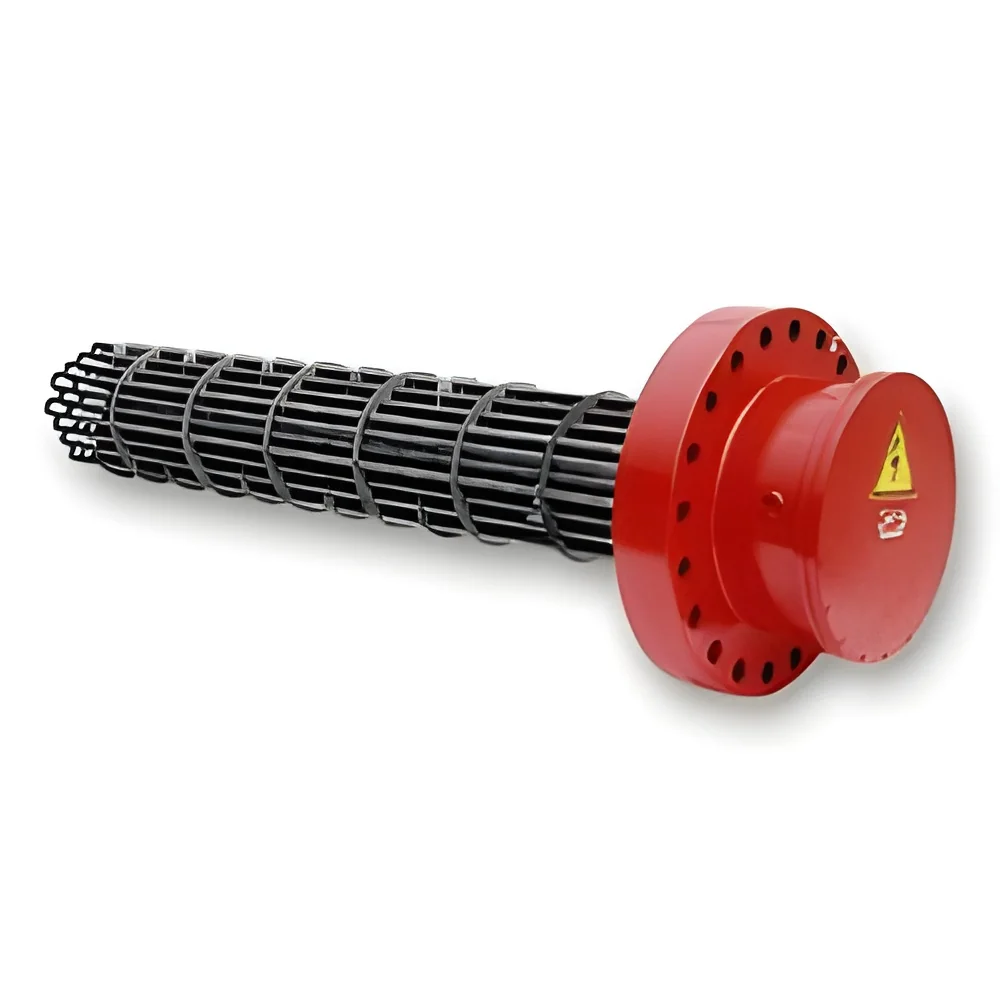
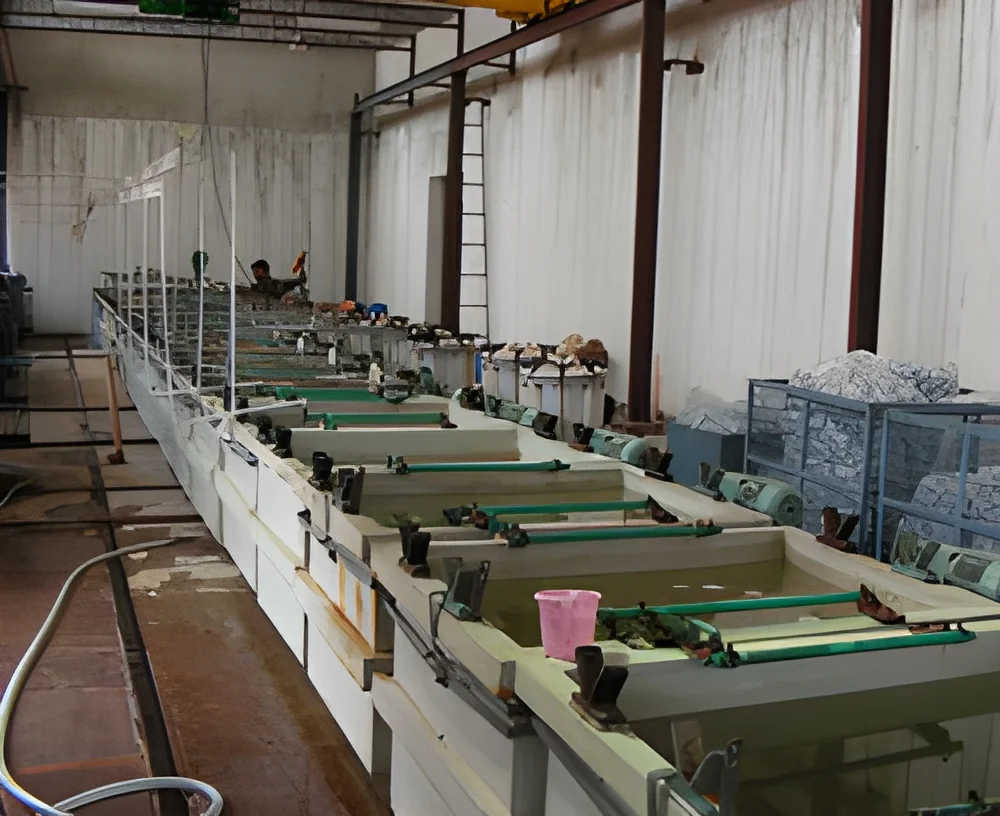
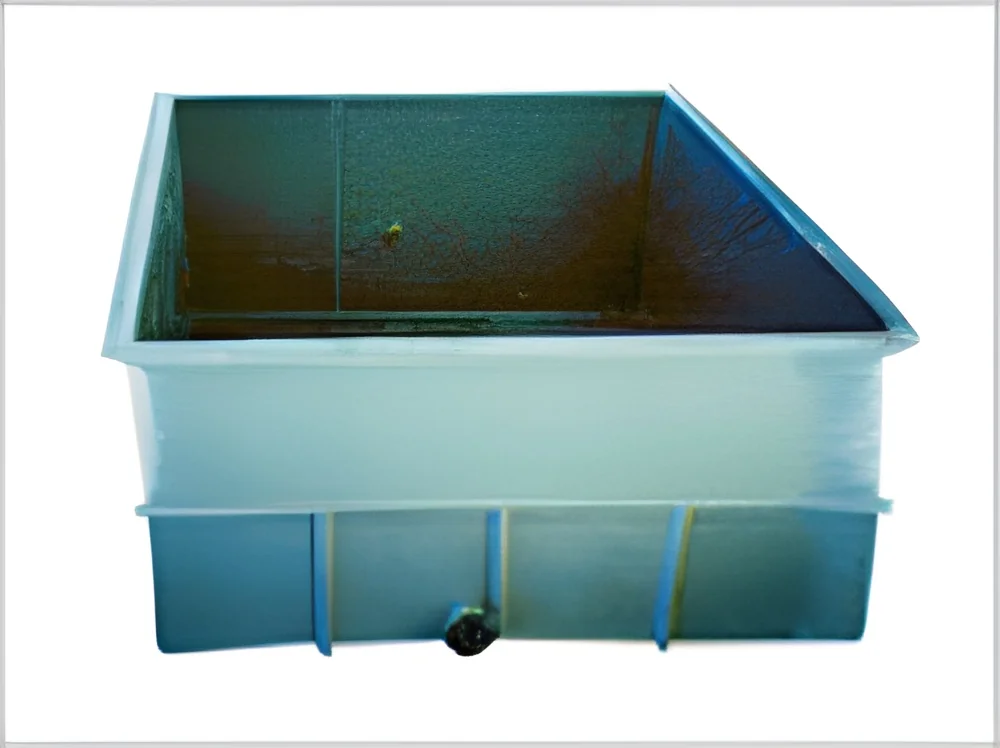
Industrial FRP equipment represents advanced engineering solutions for demanding industrial environments where corrosion resistance and durability are critical. Manufactured from fiber-reinforced polymer composites, these products combine exceptional strength with remarkable chemical resistance, delivering superior performance compared to traditional materials like steel or concrete. The manufacturing process involves precise layering of fiberglass reinforcement with high-grade resin systems, creating components that withstand aggressive chemicals, extreme temperatures, and mechanical stress while maintaining structural integrity. This material technology produces products that are both durable and lightweight, making installation and maintenance significantly more efficient than heavier alternatives. The engineering approach ensures solutions that perfectly match specific operational requirements, guaranteeing optimal performance in even the most challenging industrial settings.

Mult...
Industrial FRP equipment represents advanced engineering solutions for demanding industrial environments where corrosion resistance and durability are critical. Manufactured from fiber-reinforced polymer composites, these products combine exceptional strength with remarkable chemical resistance, delivering superior performance compared to traditional materials like steel or concrete. The manufacturing process involves precise layering of fiberglass reinforcement with high-grade resin systems, creating components that withstand aggressive chemicals, extreme temperatures, and mechanical stress while maintaining structural integrity. This material technology produces products that are both durable and lightweight, making installation and maintenance significantly more efficient than heavier alternatives. The engineering approach ensures solutions that perfectly match specific operational requirements, guaranteeing optimal performance in even the most challenging industrial settings.

Multiple industries depend on FRP equipment for essential operations where material failure is not an option. The chemical processing industry utilizes FRP tanks, vessels, and piping systems to handle corrosive acids, solvents, and aggressive process fluids safely and reliably. Water and wastewater treatment plants implement FRP scrubbers, ducts, and containment structures for air pollution control and chemical storage applications. Manufacturing facilities benefit from FRP grating, platforms, and enclosures in areas where corrosion resistance and electrical insulation are paramount for operational safety. The power generation sector employs FRP components in cooling towers, cable management systems, and substation equipment. Marine and offshore industries select FRP for its resistance to saltwater corrosion and minimal maintenance requirements in harsh environmental conditions.

The operational value of FRP industrial equipment extends well beyond initial acquisition costs, delivering substantial long-term advantages. These products significantly reduce maintenance expenses by eliminating the need for frequent painting, coating renewal, or corrosion repairs associated with metal alternatives. Their exceptional durability translates to extended service life, often exceeding 25 years with proper installation and minimal upkeep. The lightweight nature of FRP components reduces transportation costs and simplifies installation procedures, cutting down on labor requirements and project timelines. Operations benefit from improved safety compliance through FRP's non-conductive properties and resistance to chemical exposure. The reliability of these systems ensures consistent operational performance while reducing unexpected downtime, ultimately protecting production schedules and maintaining operational efficiency.

Key Features:
- Superior corrosion resistance against acids, alkalis, and chemical solvents
- High strength-to-weight ratio providing structural integrity with reduced mass
- Custom fabrication capabilities for tailored dimensional specifications
- Excellent electrical insulation properties for enhanced safety compliance
- UV-resistant formulations for outdoor applications without degradation

Benefits:
- Extended service life with minimal maintenance requirements over decades
- Reduced operational costs through elimination of corrosion-related repairs
- Enhanced safety through non-conductive properties and chemical resistance
- Simplified installation and handling due to lightweight construction
- Consistent performance reliability in demanding industrial environments
Specifications
| Additional Information | |
|---|---|
| Country of Origin | India |
Application
FRP industrial equipment delivers critical performance in environments where corrosion resistance and structural durability are essential. These components withstand aggressive chemicals, extreme temperatures, and mechanical stress while maintaining their properties over decades of service. Their non-conductive nature and minimal maintenance requirements make them ideal for safety-critical applications and installations where frequent servicing presents challenges.
From chemical manufacturing plants to water treatment facilities, FRP equipment ensures reliable operation where traditional materials would deteriorate rapidly. The material's adaptability allows for fabrication of tanks, ducts, scrubbers, and structural supports customized to specific operational needs. Industries achieve reduced downtime, lower maintenance costs, and enhanced safety compliance when implementing these corrosion-resistant solutions in their operations.
- Chemical processing facilities using FRP tanks and vessels for acid storage and reaction processes
- Water treatment plants employing FRP scrubbers and ductwork for air pollution control systems
- Manufacturing operations utilizing FRP grating and platforms in corrosive production areas
- Electrical installations implementing FRP enclosures and cable management for safety compliance
- Marine and coastal projects using FRP structures for corrosion-resistant infrastructure
Trade Details
| Available Stock | In Stock |
| Sample Availability | No |
Payment Terms
| Payment Terms |
|
Company Profile
Balaji Enterprises Krishna & Co, Maharashtra
 Maharashtra, India
Maharashtra, IndiaManufacturer•Distributor / Wholesaler
Factory Details
Factory SizeBelow 1000 sqm
Annual Production Capacity0
Industrial FRP Equipment Corrosion Resistant Durable Chemical Water Treatment
Industrial FRP equipment provides corrosion-resistant durable solutions for chemical processing and water treatment applications. These high-strength components offer reliable performance in demanding environments with long-term structural integrity.
Min. Order Quantity: 1 unit
Shipping
Shipping fee and delivery date to be negotiated. Contact supplier now for more details.
Balaji Enterprises Krishna & Co
 Maharashtra, India
Maharashtra, IndiaManufacturer