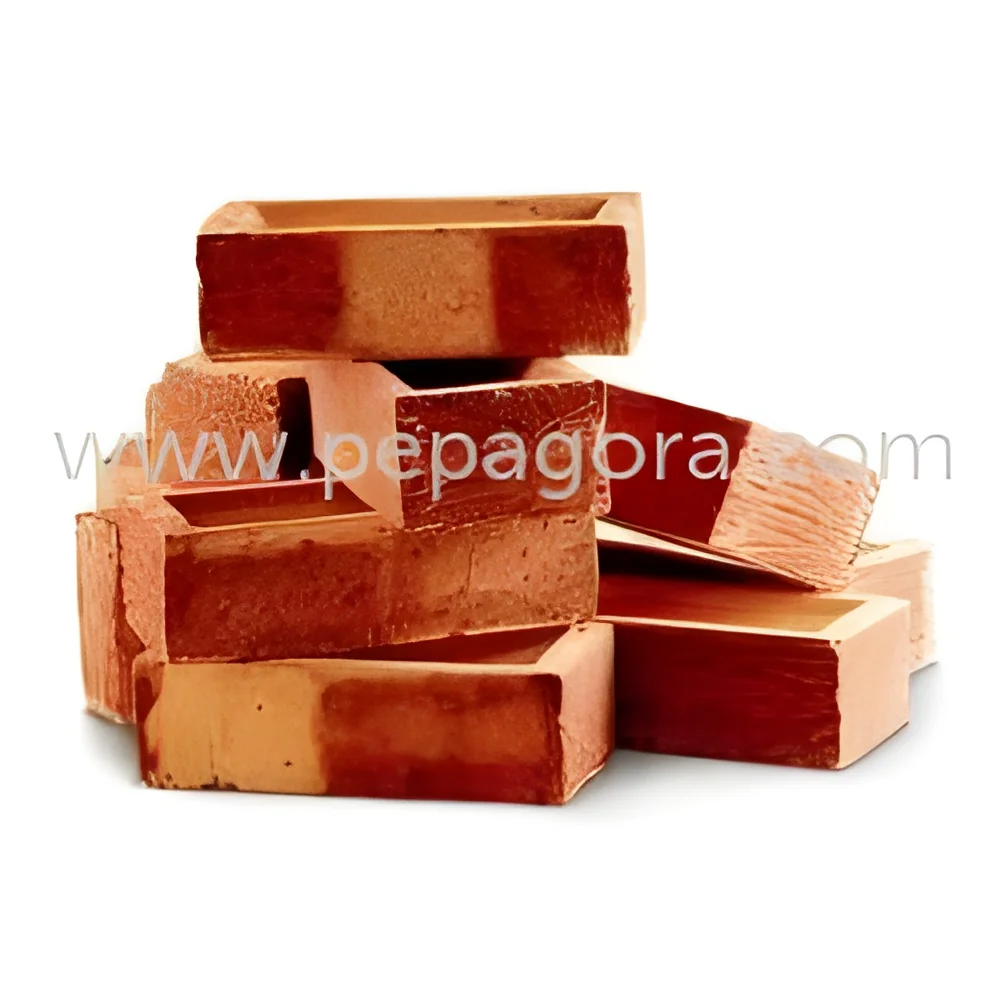
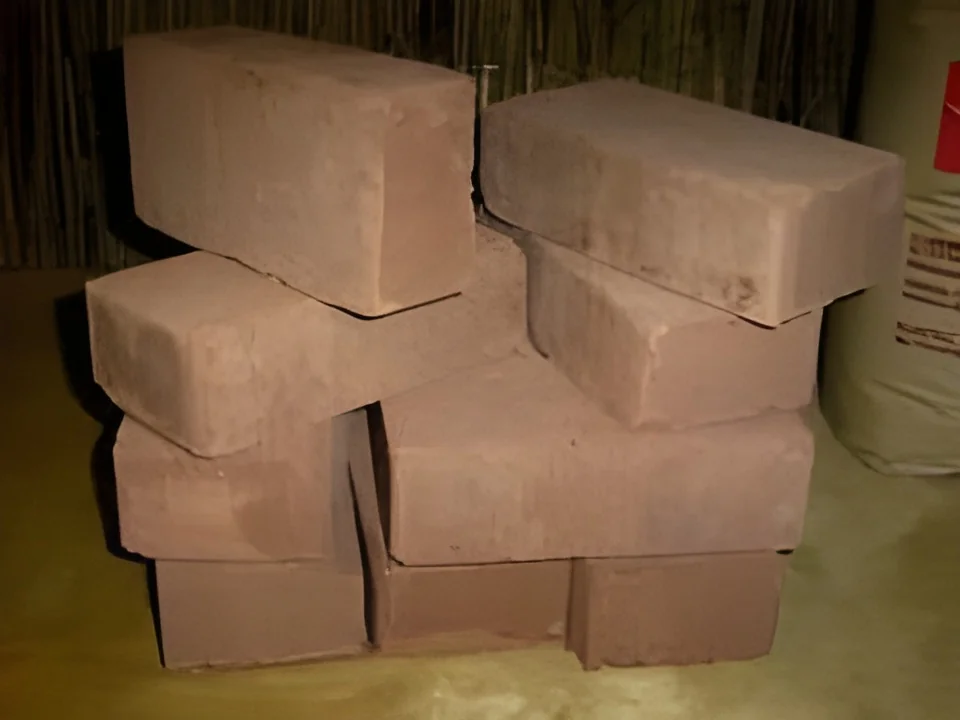
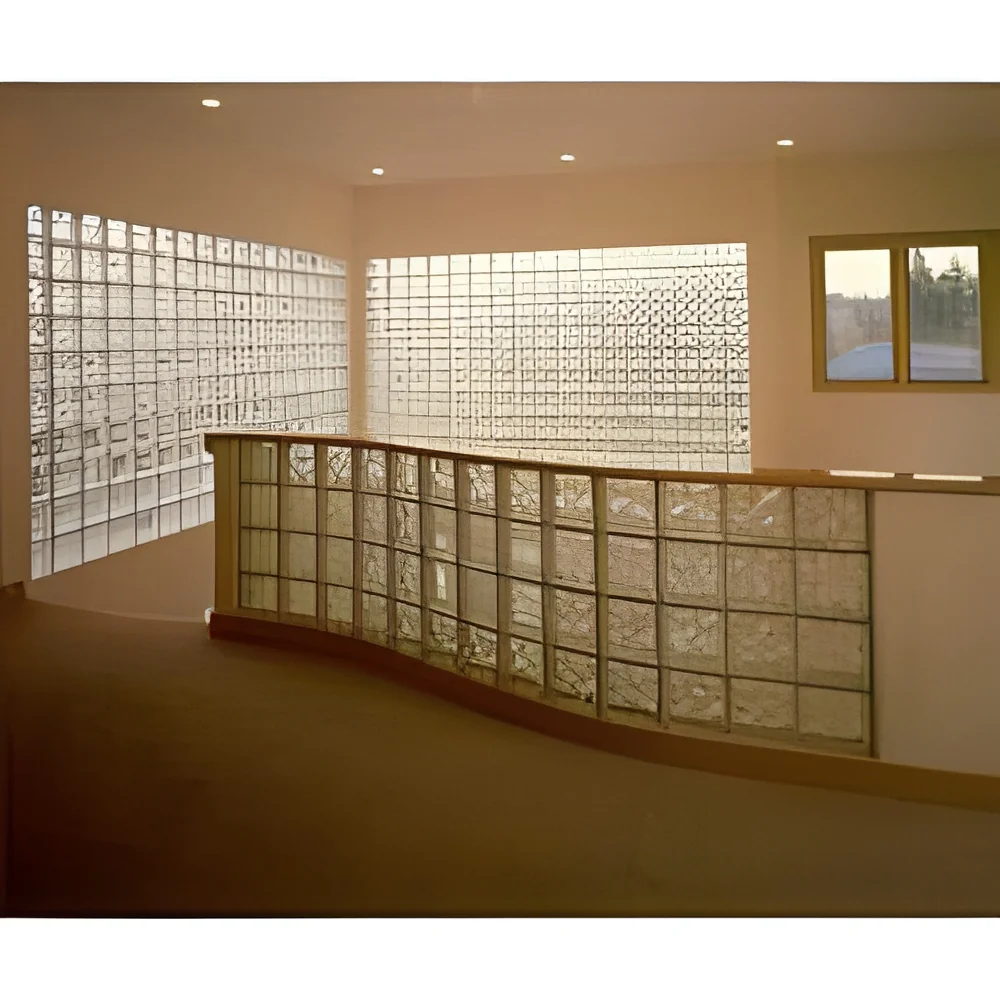
What are Bricks (Clay, Fly Ash, Concrete)?
Bricks are essential building materials made from various raw materials, primarily clay, fly ash, and concrete. Clay bricks are formed from natural clay, molded, and fired in kilns to achieve durability and strength. Fly ash bricks utilize industrial waste, primarily from coal combustion, which contributes to sustainability efforts. Concrete bricks, made from a mixture of cement, sand, and aggregates, are known for their versatility and strength. Each type offers unique properties suited for different construction needs.
These bricks serve numerous functions in the construction industry, including structural support, aesthetic applications, and thermal insulation. They are used in residential, commercial, and industrial buildings. The choice of brick type often depends on the specific requirements of a project, such as load-bearing capacity, insulation properties, and environmental considerations. In the current market, the demand for sustainable construction materials has increased, making fly ash bricks particularly relevant.
The brick industry is experiencing growth due to urbanization and infrastructure development. With a focus on sustainability, manufacturers are innovating to improve the efficiency and environmental impact of brick production. This includes the use of recycled materials and energy-efficient processes. Overall, bricks play a vital role in modern construction, ensuring safety, durability, and aesthetic appeal.
๐๐ฒ๐ ๐๐ฒ๐ฎ๐๐๐ฟ๐ฒ๐ ๐ฎ๐ป๐ฑ ๐ฆ๐ฝ๐ฒ๐ฐ๐ถ๐ณ๐ถ๐ฐ๐ฎ๐๐ถ๐ผ๐ป๐
Bricks (Clay, Fly Ash, Concrete) possess a range of features that make them suitable for various construction applications. Understanding these specifications helps buyers select the right type of brick for their projects.
Key specifications include:
1. Compressive Strength
- Indicates the load-bearing capacity of the brick.
- Typically measured in megapascals (MPa).
2. Water Absorption
- Reflects the brick's ability to resist moisture.
- Standard values range from 5% to 20%.
3. Thermal Conductivity
- Measures the heat transfer efficiency.
- Important for energy efficiency in buildings.
4. Size and Dimensions
- Common sizes include standard modular dimensions.
- Variations may exist based on regional standards.
5. Density
- Determines the weight and strength of the brick.
- Measured in kilograms per cubic meter (kg/m3).
6. Aesthetic Finishes
- Available in various colors and textures for design flexibility.
- Can be customized based on project requirements.
7. Fire Resistance
- Important for safety in construction.
- Typically rated based on fire performance standards.
8. Eco-friendliness
- Fly ash bricks promote sustainability by recycling industrial waste.
- Compliance with environmental regulations is crucial.
In summary, the specifications of bricks play a significant role in determining their suitability for specific applications. Buyers should carefully evaluate these features to ensure they meet project requirements.
๐๐ผ๐บ๐บ๐ผ๐ป ๐๐ฝ๐ฝ๐น๐ถ๐ฐ๐ฎ๐๐ถ๐ผ๐ป๐ ๐ฎ๐ป๐ฑ ๐จ๐๐ฒ ๐๐ฎ๐๐ฒ๐
Bricks are widely used across various industries, serving specific applications that highlight their versatility.
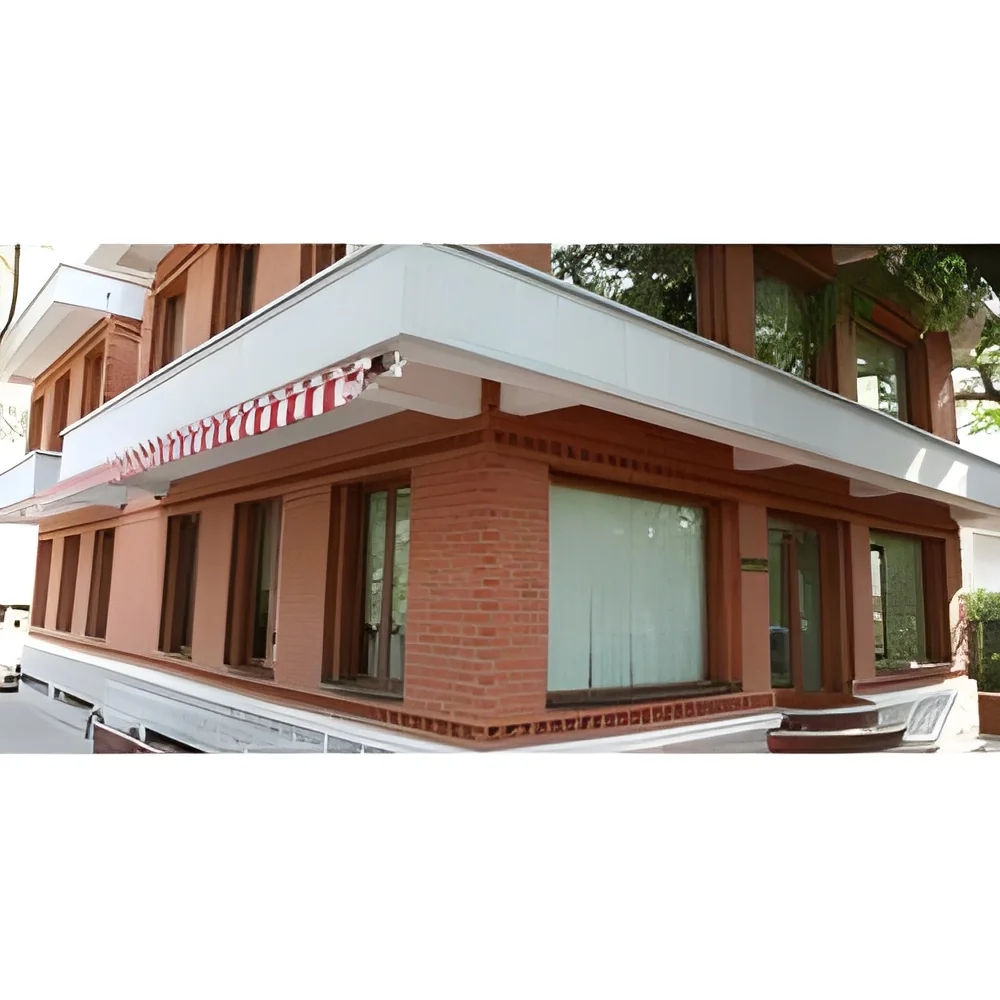
1. Construction: Bricks are primarily used for building walls, foundations, and structures in residential and commercial buildings. Their strength and durability make them ideal for load-bearing applications.
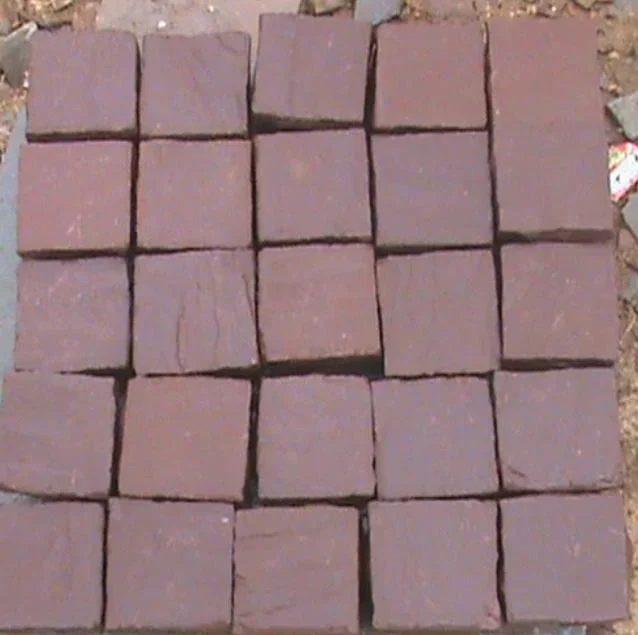
2. Landscaping: Clay and concrete bricks are often utilized in outdoor spaces for patios, walkways, and garden walls. Their aesthetic appeal adds value to landscaping designs.
3. Fireplaces and Chimneys: Fire-resistant bricks are essential for constructing fireplaces and chimneys, providing safety and efficiency in heat management.
4. Infrastructure: Bricks are employed in public infrastructure projects, including bridges and retaining walls, where structural integrity is critical.
5. Modular and Prefabricated Buildings: Bricks can be used in prefabricated construction, allowing for quick assembly and efficient building processes.
6. Historical Restoration: Original bricks are often used in restoration projects to preserve the historical integrity of buildings.
7. Industrial Applications: Certain bricks are designed for industrial use, such as in kilns or furnaces, where high-temperature resistance is necessary.
๐ฃ๐ฟ๐ผ๐ฑ๐๐ฐ๐ ๐ฉ๐ฎ๐ฟ๐ถ๐ฎ๐ป๐๐ ๐ฎ๐ป๐ฑ ๐ฆ๐๐ฏ๐ฐ๐ฎ๐๐ฒ๐ด๐ผ๐ฟ๐ถ๐ฒ๐
Bricks come in various types, each with distinct characteristics that cater to different construction needs.
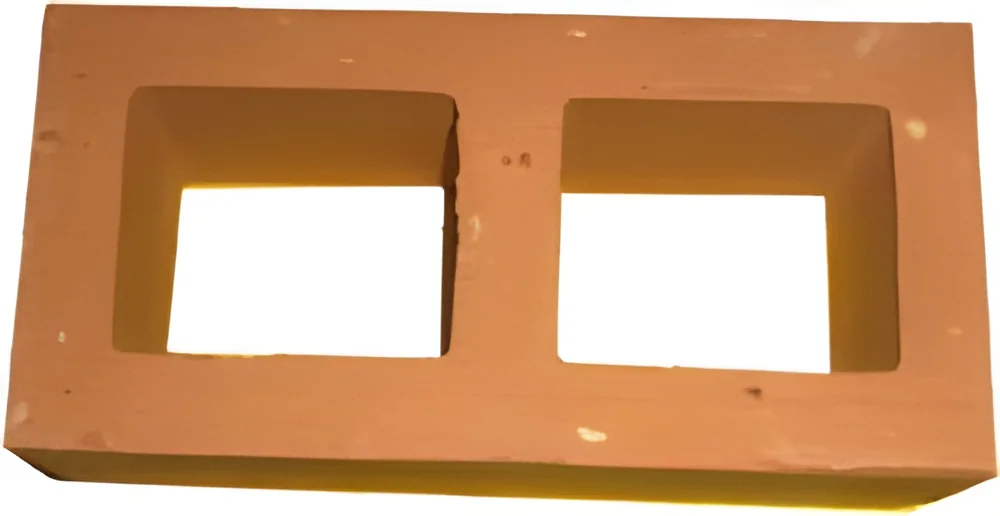
Clay Bricks: These traditional bricks are made from natural clay and are known for their durability, thermal insulation, and aesthetic appeal. They are often used in residential buildings and heritage structures.
Fly Ash Bricks: Made from recycled fly ash, these bricks are eco-friendly and lightweight. They offer good insulation properties and are commonly used in modern construction as sustainable alternatives.
Concrete Bricks: These bricks are made from a mixture of cement, sand, and aggregates. They offer high strength and versatility, making them suitable for a variety of applications, from structural to decorative uses.
๐๐ฒ๐ป๐ฒ๐ณ๐ถ๐๐ ๐ฎ๐ป๐ฑ ๐๐ฑ๐๐ฎ๐ป๐๐ฎ๐ด๐ฒ๐
Choosing the right type of brick can provide numerous benefits for construction projects.
1. Durability: Bricks are known for their long-lasting properties, making them a reliable choice for building structures that withstand the test of time.
2. Energy Efficiency: Many bricks offer excellent thermal insulation, reducing energy costs for heating and cooling.
3. Fire Resistance: Bricks are inherently fire-resistant, adding a layer of safety to buildings.
4. Low Maintenance: Bricks require minimal maintenance, making them a cost-effective option in the long run.
5. Aesthetic Versatility: With various colors and finishes available, bricks can enhance the visual appeal of any project.
6. Sustainability: Using fly ash bricks contributes to environmental sustainability by recycling waste materials and reducing carbon footprints.
๐๐๐๐ถ๐ป๐ด ๐๐๐ถ๐ฑ๐ฒ ๐ณ๐ผ๐ฟ ๐๐ฎ๐ ๐๐๐๐ฒ๐ฟ๐
When sourcing Bricks (Clay, Fly Ash, Concrete), businesses should consider several key factors to ensure they make informed purchasing decisions.
1. Quality Assessment: Evaluate the quality of bricks based on their physical properties, including compressive strength and water absorption. Request samples to verify performance.
2. Supplier Verification: Research and vet suppliers to ensure they have a track record of reliability and quality. Check for certifications and customer reviews.
3. Pricing and MOQ: Understand the pricing structure and minimum order quantities (MOQ) required by suppliers. Compare costs to ensure competitiveness.
4. Delivery and Lead Times: Confirm delivery schedules and lead times to align with project timelines. Timely delivery is crucial for maintaining project schedules.
5. Compliance Requirements: Ensure that the bricks meet local and national building regulations. Compliance with industry standards is essential for safety and legality.
๐๐ผ๐บ๐ฝ๐น๐ถ๐ฎ๐ป๐ฐ๐ฒ ๐ฎ๐ป๐ฑ ๐๐ฒ๐ฟ๐๐ถ๐ณ๐ถ๐ฐ๐ฎ๐๐ถ๐ผ๐ป๐
Bricks (Clay, Fly Ash, Concrete) must adhere to various quality standards and certifications to ensure their safety and performance in construction.
Relevant quality standards include ISO 9001, which outlines the requirements for a quality management system, ensuring consistent quality in production. Additionally, HACCP and GDP standards may apply in specific contexts to ensure safety and efficiency in production processes.
Industry certifications, such as CE marking, indicate conformity with European health, safety, and environmental protection standards. This certification assures buyers of the brick's compliance with applicable regulations.
Safety and testing requirements are critical for bricks, particularly those used in load-bearing or high-temperature applications. Regular testing for properties like compressive strength and fire resistance is vital.
Regional compliance considerations may vary. Buyers should be aware of local regulations and standards that apply to their specific geographic area to ensure compliance and avoid potential legal issues.
Why Source Bricks (Clay, Fly Ash, Concrete) from Pepagora?
Pepagora provides a trusted platform for sourcing Bricks (Clay, Fly Ash, Concrete) with several key advantages that cater to the needs of B2B buyers.
Verified Supplier Network: Pepagora connects buyers with a network of verified suppliers, ensuring that quality and reliability are prioritized. This reduces the risk of sourcing from untrusted manufacturers.
Streamlined RFQ Process: The platform offers a user-friendly request for quotation (RFQ) process, allowing buyers to easily specify their requirements and receive competitive quotes from multiple suppliers.
Trade Assurance and Support: Pepagora provides trade assurance, offering buyer protection throughout the sourcing process. Support services are available to address any concerns that may arise.
Regional Coverage: With a reach that spans India, the GCC, and Southeast Asia, Pepagora ensures that buyers can source bricks conveniently, regardless of their location. This broad geographic coverage facilitates efficient procurement for diverse projects.