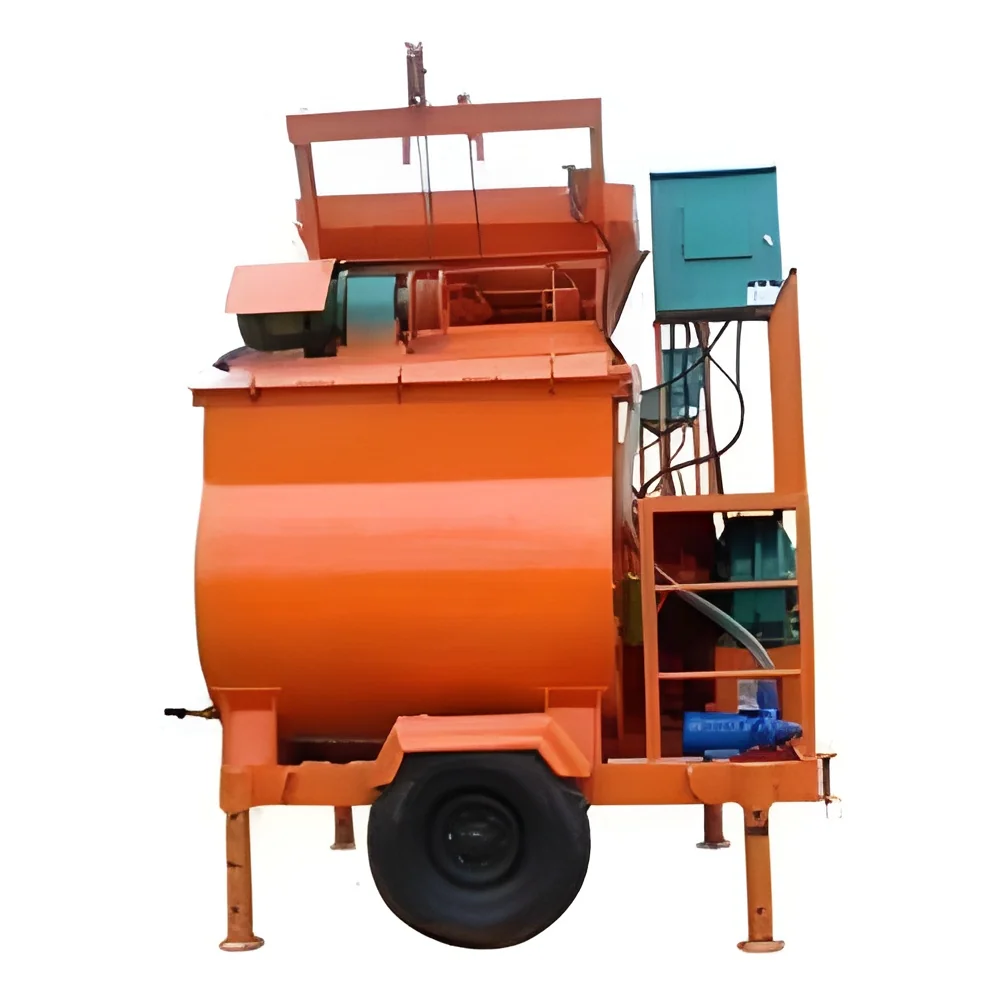
What are AAC Blocks?
AAC blocks, or Autoclaved Aerated Concrete blocks, are lightweight precast building materials made from a mixture of cement, lime, water, and a small amount of aluminum powder. The aluminum reacts with the other ingredients to create air bubbles, which makes the blocks both light and highly insulated. These blocks are known for their strong thermal and acoustic properties, making them a popular choice in modern construction practices.
AAC blocks are primarily used in the construction of walls, floors, and roofs in both residential and commercial buildings. Their lightweight nature allows for easier handling and reduces the overall weight of structures, leading to lower transportation and foundation costs. Additionally, AAC blocks are environmentally friendly, as they can be produced with recycled materials and have a lower carbon footprint compared to traditional building materials. The increasing demand for sustainable construction solutions has positioned AAC blocks as a key player in the building materials market.
In the current market, AAC blocks are gaining traction due to their superior insulation properties and energy efficiency. As businesses and consumers alike become more conscious of energy consumption and sustainability, the utilization of AAC blocks is expected to grow, creating new opportunities for manufacturers and suppliers within the construction industry.
Key Features and Specifications
AAC blocks are engineered to meet specific construction needs and come with various features that enhance their applicability. Understanding these specifications is essential for businesses looking to incorporate AAC blocks into their projects.
Key specifications include:
1. Density
- Typically ranges from 400 to 700 kg/m3
- Provides lightweight properties that ease handling and reduce structural load
2. Compressive Strength
- Generally ranges from 3 to 7 N/mm2
- Ensures structural integrity and durability in construction applications
3. Thermal Conductivity
- Ranges from 0.09 to 0.16 W/mK
- Offers excellent insulation, reducing energy costs for heating and cooling
4. Fire Resistance
- Rated as non-combustible with a fire rating of up to 4 hours
- Enhances safety in building designs
5. Water Absorption
- Typically less than 10%
- Helps prevent moisture-related issues in buildings
6. Sound Insulation
- Provides a sound reduction index of 40 dB or more
- Improves acoustic comfort in residential and commercial spaces
7. Eco-Friendliness
- Made from natural materials and can include recycled content
- Supports sustainable building practices
AAC blocks are designed to provide both versatility and efficiency in construction. Their specifications make them suitable for a wide range of applications, providing solutions to modern building challenges.
Common Applications and Use Cases
AAC blocks serve various industries due to their unique properties and advantages.
1. Residential Construction: Used extensively in building homes, AAC blocks provide excellent insulation and soundproofing, enhancing living conditions.
2. Commercial Buildings: Ideal for offices and retail spaces, AAC blocks help in creating energy-efficient structures that comply with modern building regulations.
3. Industrial Facilities: Employed in warehouses and factories, AAC blocks offer durability and fire resistance, ensuring safety and longevity.
4. Educational Institutes: Schools and universities benefit from AAC blocks as they create quiet and comfortable learning environments.
5. Hospitals: The lightweight nature and thermal properties of AAC blocks make them suitable for healthcare facilities, optimizing energy use and patient comfort.
6. Infrastructure Projects: Used in roads and bridges, AAC blocks contribute to lighter structures, reducing the load on foundations.
7. Renovation Projects: AAC blocks can be used to replace traditional materials in existing structures, enhancing performance without significant alterations.
Product Variants and Subcategories
AAC blocks come in various forms to cater to different construction needs.
Standard AAC Block: This is the most common variant, used for walls and partitions. It offers excellent thermal insulation and is easy to install.
AAC Block Panels: These larger panels are designed for quick assembly in large projects, providing significant time savings during construction.
AAC Block Bricks: Smaller versions of AAC blocks, these are ideal for intricate designs and detailed work within structures.
AAC Lintels: Specifically designed for door and window openings, AAC lintels provide support while maintaining the lightweight benefits of AAC material.
Benefits and Advantages
AAC blocks offer numerous benefits that make them an attractive choice for construction projects.
Key benefits include:
1. Lightweight: AAC blocks weigh significantly less than traditional concrete, making them easier to transport and handle during installation.
2. Energy Efficient: Their excellent thermal properties lead to reduced energy consumption for heating and cooling, resulting in cost savings.
3. Fire Resistant: AAC blocks provide superior fire resistance, enhancing safety in buildings and compliance with fire codes.
4. Sound Proofing: The acoustic insulation properties of AAC blocks minimize noise transmission, creating quieter living and working environments.
5. Environmentally Friendly: Made from natural materials, AAC blocks contribute to sustainable building practices and reduced carbon footprints.
6. Versatile Applications: Suitable for a range of construction needs, AAC blocks can be used in various types of buildings and projects.
Buying Guide for B2B Buyers
When sourcing AAC blocks, businesses should consider several critical factors to ensure they make informed purchasing decisions.
1. Quality Assessment: Review the quality of AAC blocks by checking certifications and industry standards. Look for blocks that meet the required compressive strength and thermal properties.
2. Supplier Verification: Vet suppliers by checking their reputation, customer reviews, and compliance with industry standards. A reliable supplier will have a proven track record in quality and service.
3. Pricing and MOQ: Understand the pricing structure and any minimum order quantities (MOQ) required by suppliers. Compare quotes to ensure you are getting a competitive rate.
4. Delivery and Lead Times: Inquire about logistics and delivery times to ensure the blocks can be received within your project timelines. Timely delivery is crucial to avoid construction delays.
5. Compliance Requirements: Ensure that the AAC blocks meet local building codes and regulations. This may involve checking for specific certifications or testing results.
Compliance and Certifications
AAC blocks are subject to various quality standards and certifications that ensure their safety and performance in construction applications.
Relevant quality standards include ISO 9001, which emphasizes quality management systems, and CE marking, which indicates compliance with European Union health, safety, and environmental protection standards.
Industry certifications such as CE signify that AAC blocks have been tested and meet specific performance criteria. These certifications are crucial for ensuring that products are safe and reliable for use in construction.
Additionally, safety and testing requirements must be adhered to, which may vary by region. Compliance with local regulations is essential for ensuring that AAC blocks are suitable for the intended applications.
Regional compliance considerations are also important, as different areas may have specific building codes that must be met. Buyers should consult local authorities to ensure that the AAC blocks they source comply with all applicable standards.
Why Source AAC Blocks from Pepagora?
Pepagora provides a trusted platform for sourcing AAC blocks, offering several key advantages to B2B buyers.
Verified Supplier Network: Pepagora connects buyers with a network of verified suppliers, ensuring that all suppliers meet stringent quality and compliance standards. This reduces the risk associated with sourcing materials.
Streamlined RFQ Process: The Request for Quotation (RFQ) process is designed to be efficient, allowing buyers to quickly receive quotes from multiple suppliers. This competitive environment encourages better pricing and terms.
Trade Assurance and Support: Buyers are protected through trade assurance policies that cover payment security and dispute resolution. Pepagora’s support team is available to assist with any issues that may arise during the sourcing process.
Regional Coverage: With a presence in India, the GCC, and Southeast Asia, Pepagora offers broad geographic reach. This enables buyers to access AAC blocks from local suppliers, reducing shipping costs and lead times.
By choosing Pepagora, businesses can ensure they are sourcing high-quality AAC blocks while benefiting from a reliable and efficient procurement process.

 IN
IN