What are Construction Aggregates?
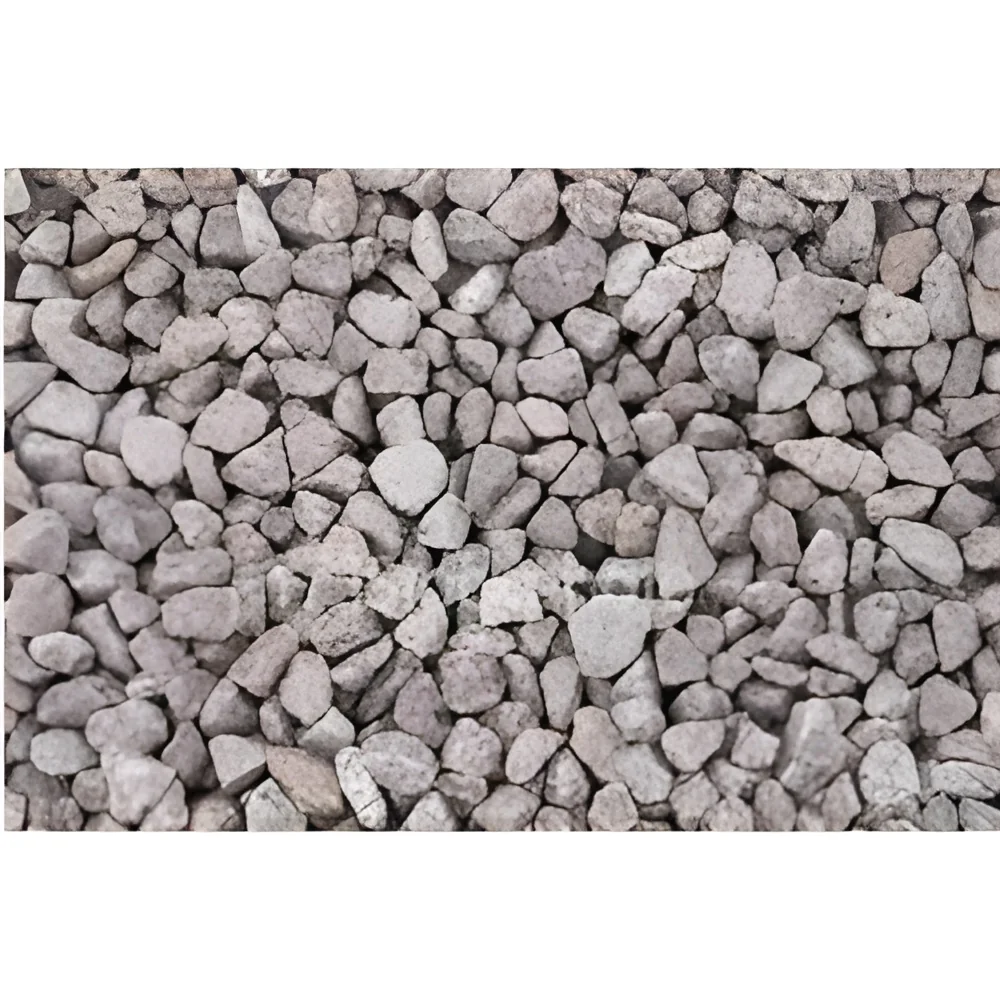
Construction aggregates are materials used in the construction and civil engineering industries. They typically include a variety of materials such as sand, gravel, crushed stone, and recycled concrete. These aggregates serve as the foundation for building materials and structures, providing essential support and stability. They are often mixed with other components like cement and water to create concrete, asphalt, and other composite materials.
The primary applications of construction aggregates extend across various sectors, including residential, commercial, and infrastructure development. They are critical in road construction, concrete production, drainage systems, and landscaping projects. The importance of construction aggregates cannot be overstated, as they comprise a significant portion of the volume of construction materials used worldwide. The demand for these materials is closely linked to the overall health of the construction industry, making them vital in economic assessments.
Key Features and Specifications
When evaluating construction aggregates, it is essential to understand their key features and specifications. The right aggregates can significantly impact the performance and durability of construction projects.
Key specifications include:
1. Material Composition
- Typically includes crushed stone, gravel, sand, and recycled materials
- Varies based on the intended application and local availability
2. Particle Size Distribution
- Aggregate sizes range from fine particles (less than 4.75 mm) to coarse materials (greater than 4.75 mm)
- Influences the strength and stability of the final product
3. Specific Gravity
- A measure of the density of the aggregate material
- Important for calculating mix designs and material quantities
4. Water Absorption
- Indicates the amount of water the aggregate can absorb
- Affects the performance of concrete and mortar mixes
5. Cleanliness
- Refers to the amount of impurities such as clay, silt, and organic materials present
- Clean aggregates ensure better bonding and strength in concrete
6. Freeze-Thaw Stability
- Assesses the aggregate's ability to resist degradation from freeze-thaw cycles
- Important for projects in regions subject to extreme weather
7. Abrasion Resistance
- Measures how well the aggregate withstands wear and tear
- Essential for road base and high-traffic areas
8. Compliance with Standards
- Must meet local and international standards, including CE certification
- Ensures the aggregates are suitable for construction use
In summary, understanding these specifications is crucial for selecting the right construction aggregates for various projects.
Common Applications and Use Cases
Construction aggregates are used across multiple industries, each with specific applications.
1. Residential Construction: Used in the foundations, driveways, and landscaping of homes, aggregates provide the necessary support and aesthetic appeal.
2. Commercial Development: Aggregates are vital in the construction of commercial buildings, including offices and retail spaces, ensuring structural integrity and durability.
3. Road Construction: They form the base material for roads and highways, providing stability and drainage.
4. Infrastructure Projects: Used in bridges, tunnels, and dams, aggregates are essential for the longevity and reliability of critical infrastructure.
5. Landscaping: Decorative gravel and stones are utilized in gardens and outdoor spaces for both aesthetic and functional purposes.
6. Concrete Production: Aggregates are mixed with cement and water to produce concrete for various structural applications.
7. Environmental Projects: Recycled aggregates are increasingly used in eco-friendly construction practices, promoting sustainability.
Product Variants and Subcategories
Construction aggregates come in various forms to suit different needs.
Crushed Stone
Crushed stone is a versatile and commonly used aggregate in construction. It is produced by crushing larger rocks into smaller pieces, offering a range of sizes suitable for different applications, from concrete to road base.
Gravel
Gravel is another popular aggregate type, known for its round pebbles and ease of use. It is often used in drainage systems, landscaping, and as a base material for roads.
Sand
Sand is primarily used in concrete production and as a base for laying bricks and pavers. It can be fine or coarse, depending on the specific requirements of the project.
Recycled Aggregates
Recycled aggregates are made from reclaimed construction materials, such as concrete and asphalt. They provide a sustainable alternative and can significantly reduce environmental impact.
Benefits and Advantages
Sourcing construction aggregates offers several key benefits.
1. Strength and Durability: Quality aggregates enhance the strength and durability of construction materials, ensuring long-lasting structures.
2. Versatility: Available in various types and sizes, aggregates can be used for numerous applications across different industries.
3. Cost-Effectiveness: Using locally sourced aggregates can reduce transportation costs and project expenses.
4. Sustainability: Recycled aggregates contribute to eco-friendly construction practices, helping to conserve natural resources.
5. Compliance with Standards: Quality aggregates meet local and international standards, ensuring safety and reliability in construction.
6. Improved Workability: Properly graded aggregates enhance the workability of concrete and other mixes, making them easier to handle and apply.
Buying Guide for B2B Buyers
When sourcing construction aggregates, several factors should be considered to ensure the best selection for your projects.
1. Quality Assessment: Evaluate the quality of aggregates based on their composition, cleanliness, and adherence to industry standards. Proper testing can help confirm their suitability.
2. Supplier Verification: Vet potential suppliers to ensure they have a reliable track record and can provide consistent quality and supply.
3. Pricing and MOQ: Understand the pricing structure and minimum order quantities to ensure your project remains within budget while meeting material needs.
4. Delivery and Lead Times: Assess logistics capabilities, including delivery schedules and lead times, to ensure timely project completion.
5. Compliance Requirements: Familiarize yourself with local regulations and standards related to construction aggregates to ensure compliance and avoid penalties.
Compliance and Certifications
Construction aggregates must meet various quality standards and certifications to ensure safety and reliability.
Relevant quality standards include ISO 9001, which focuses on quality management systems, and CE certification, which indicates compliance with European safety standards. These certifications ensure that the aggregates are tested and verified for their intended use.
Additionally, safety and testing requirements are critical in verifying the performance of aggregates. This includes assessments for freeze-thaw resistance, abrasion resistance, and overall material quality.
Regional compliance considerations may vary based on local regulations, making it essential for buyers to understand the specific requirements in their area. This knowledge helps in selecting compliant aggregates and avoiding potential legal issues.
Why Source Construction Aggregates from Pepagora?
Pepagora provides a trusted platform for sourcing construction aggregates with several key advantages.
Verified Supplier Network: Our platform connects buyers with a network of verified suppliers, ensuring quality and reliability in your sourcing decisions.
Streamlined RFQ Process: The request for quotation process is simplified, allowing buyers to receive competitive bids from multiple suppliers quickly, saving time and effort.
Trade Assurance and Support: Pepagora offers trade assurance and buyer protection, giving you peace of mind when engaging with suppliers.
Regional Coverage: With a broad geographic reach across India, the GCC, and Southeast Asia, Pepagora facilitates sourcing for projects of all sizes, ensuring you can find the right materials wherever you are located.

 IN
IN