IN
IN₹
Description
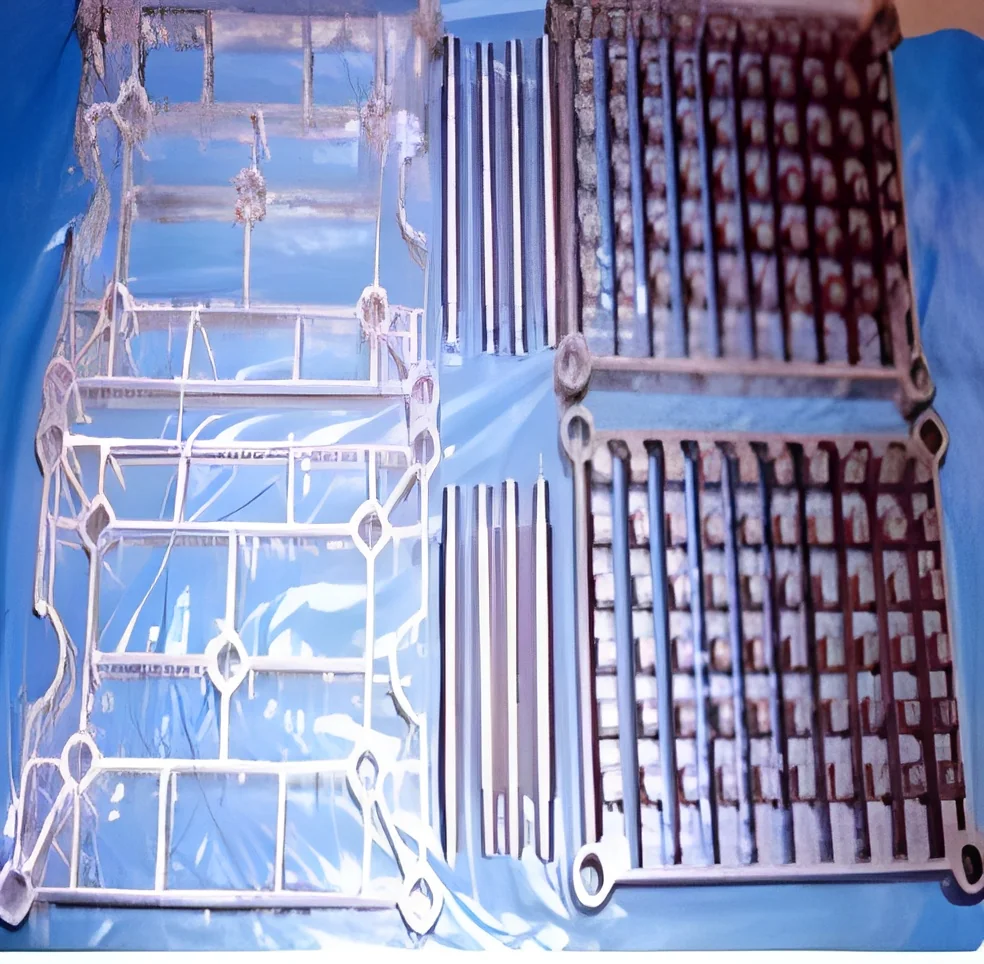
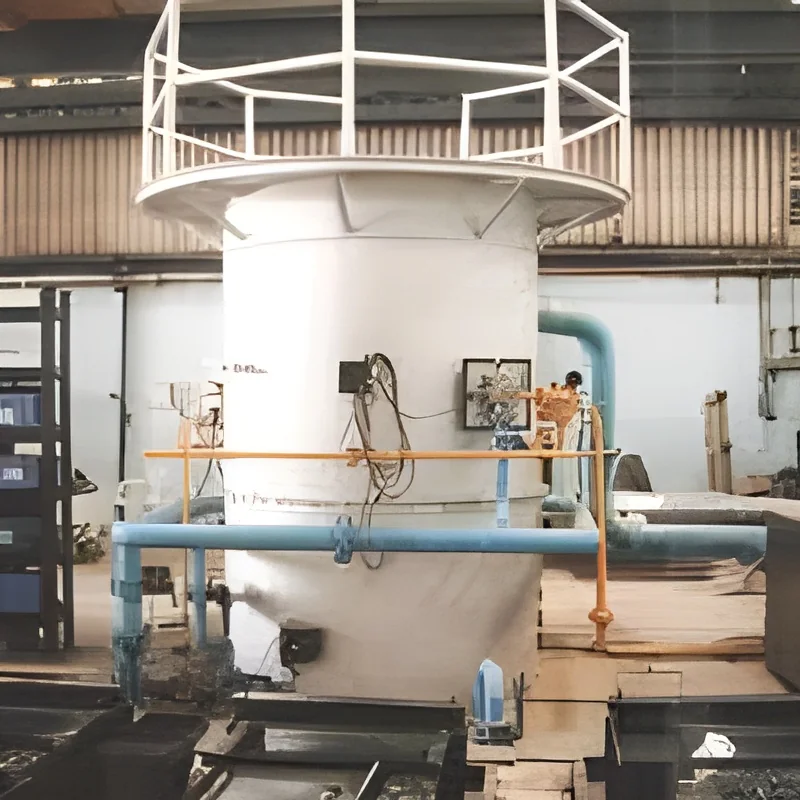
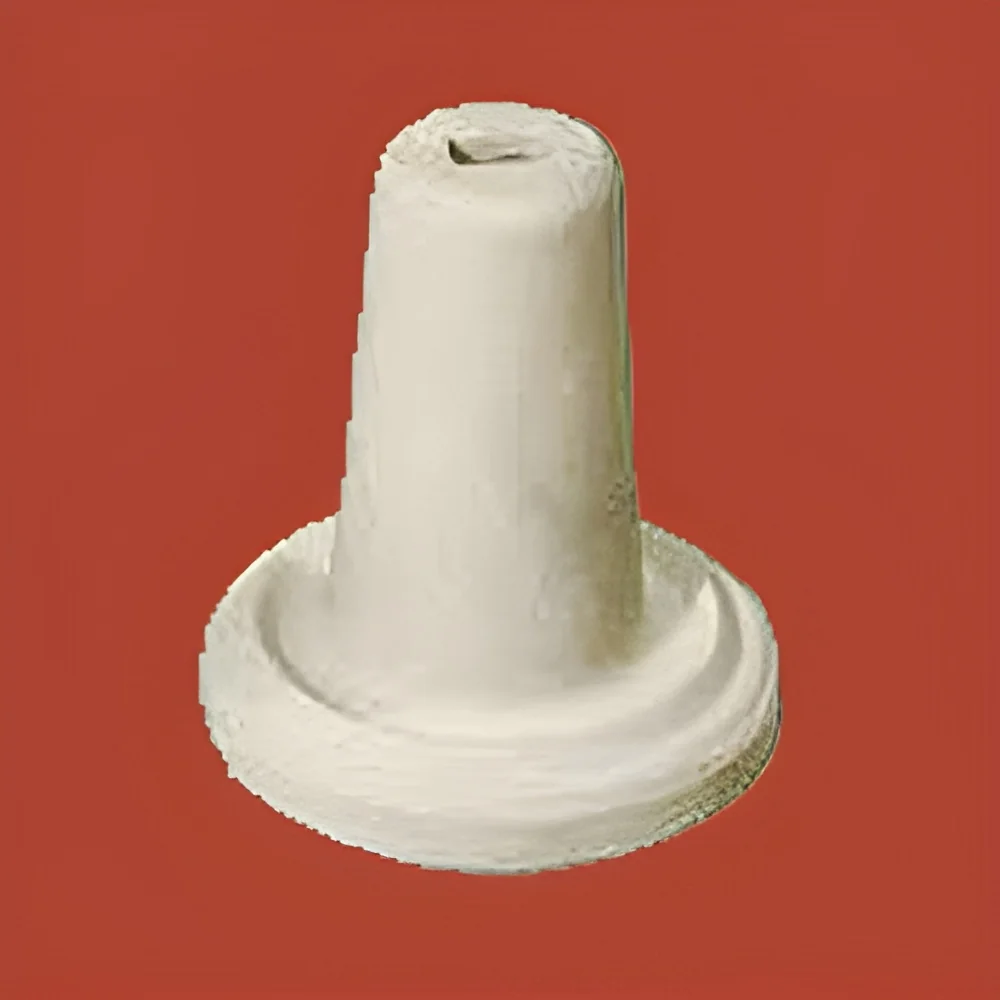
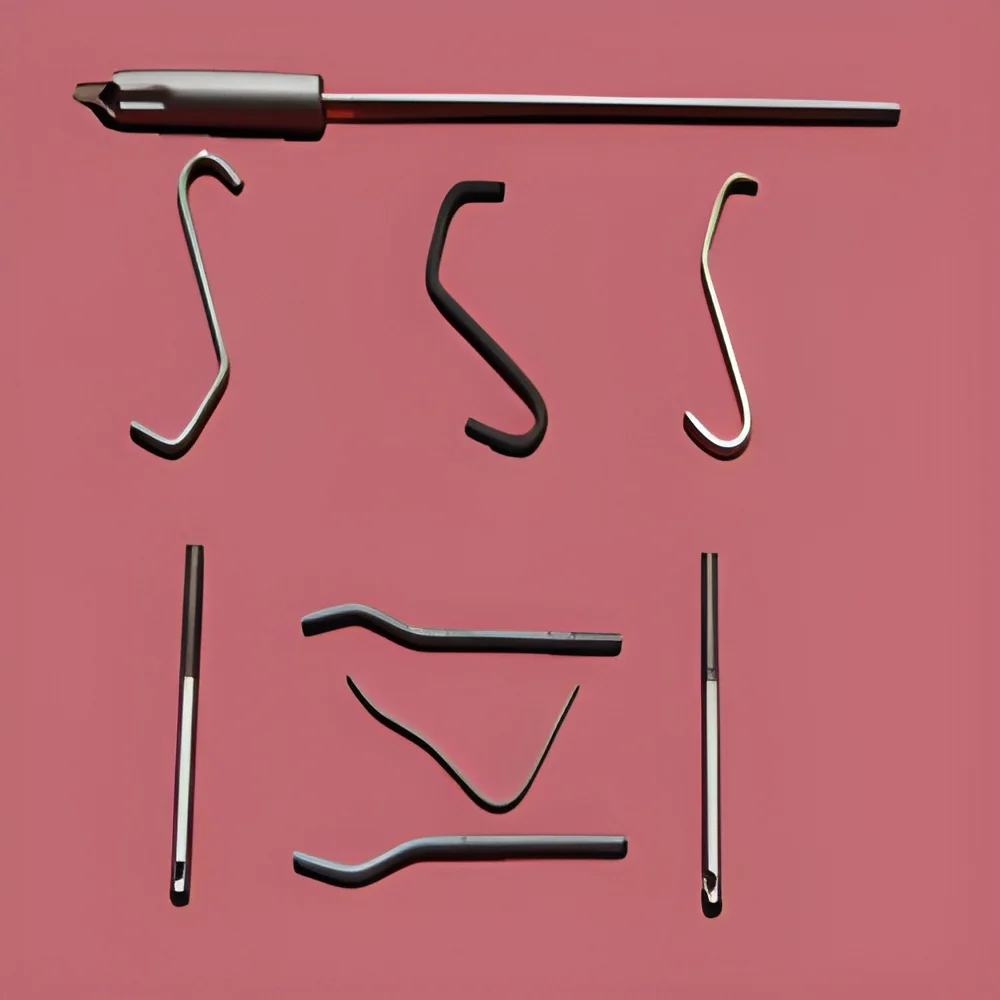
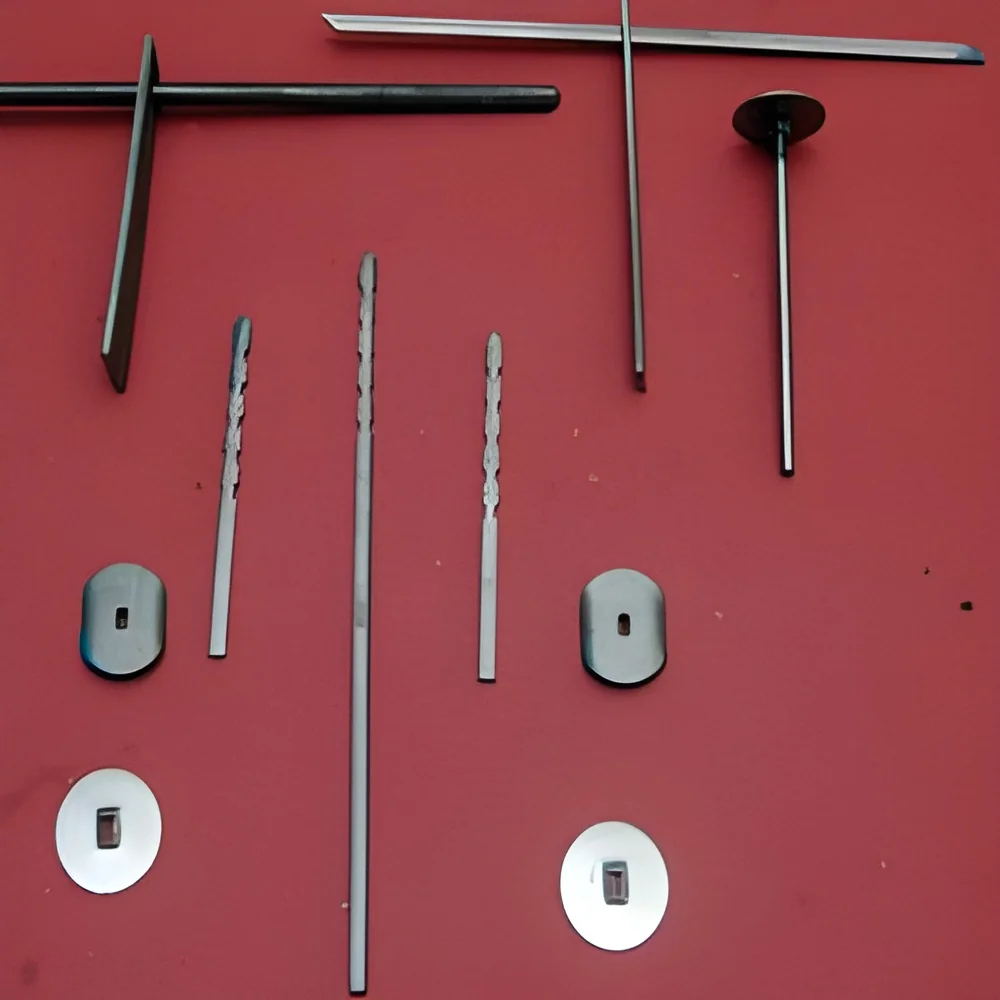
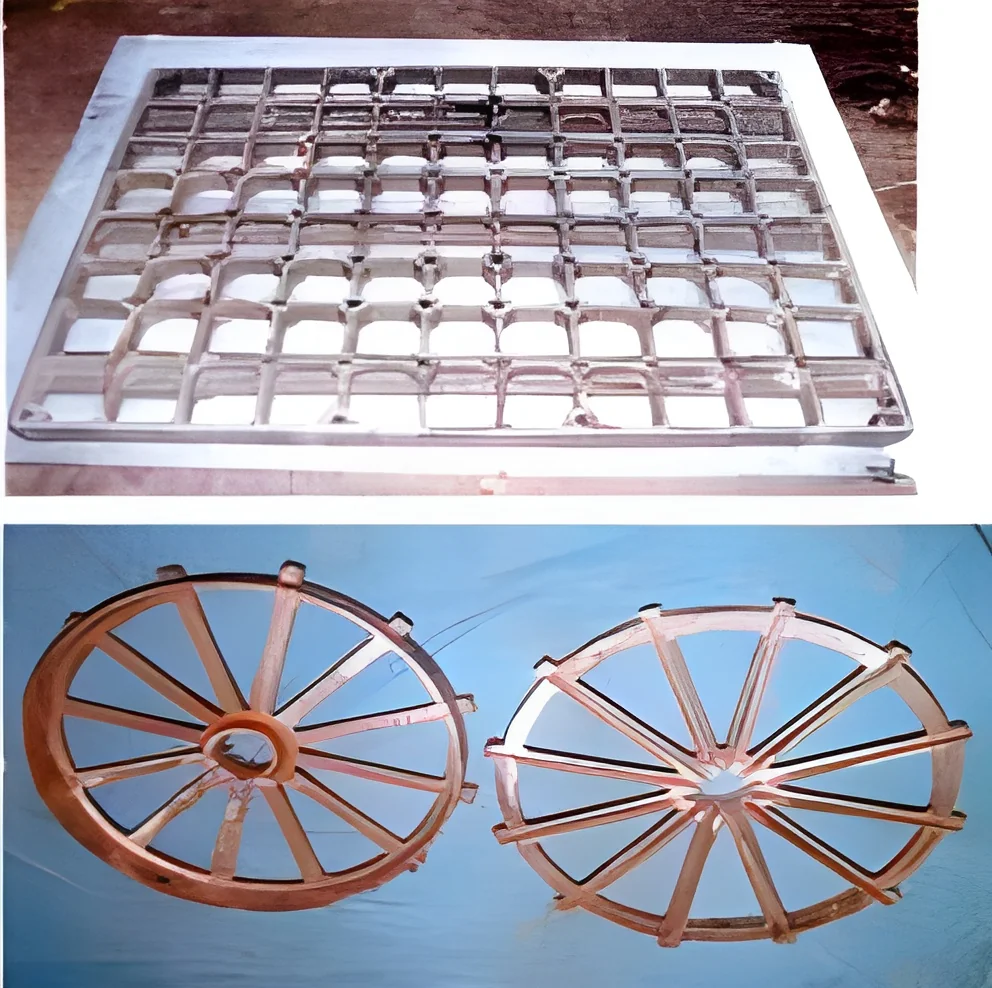
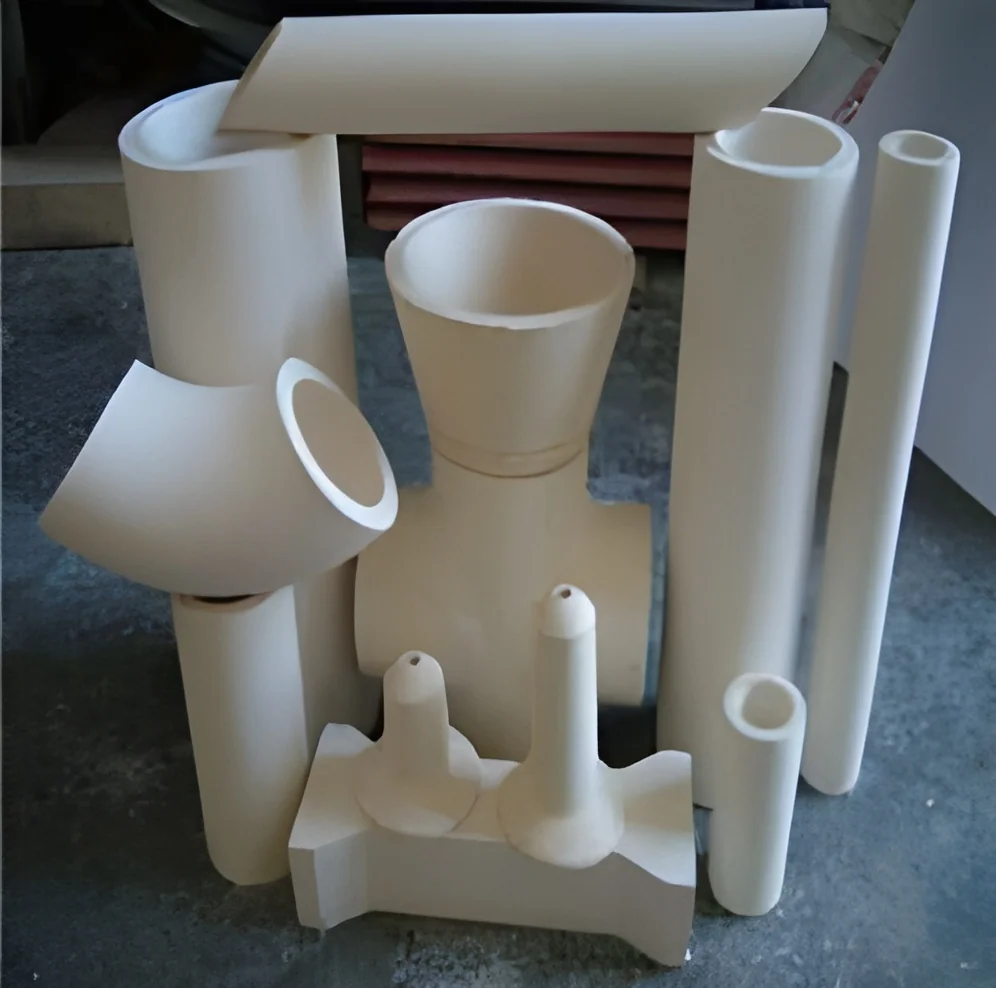
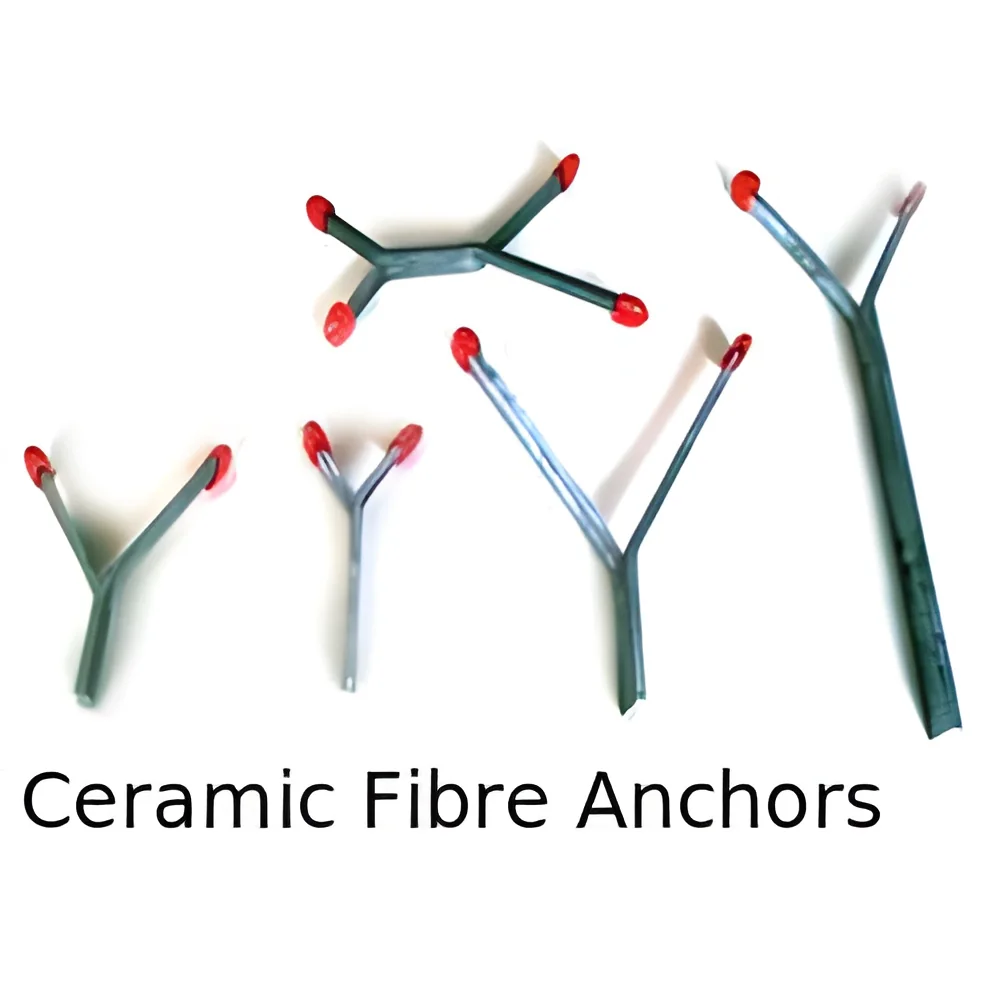
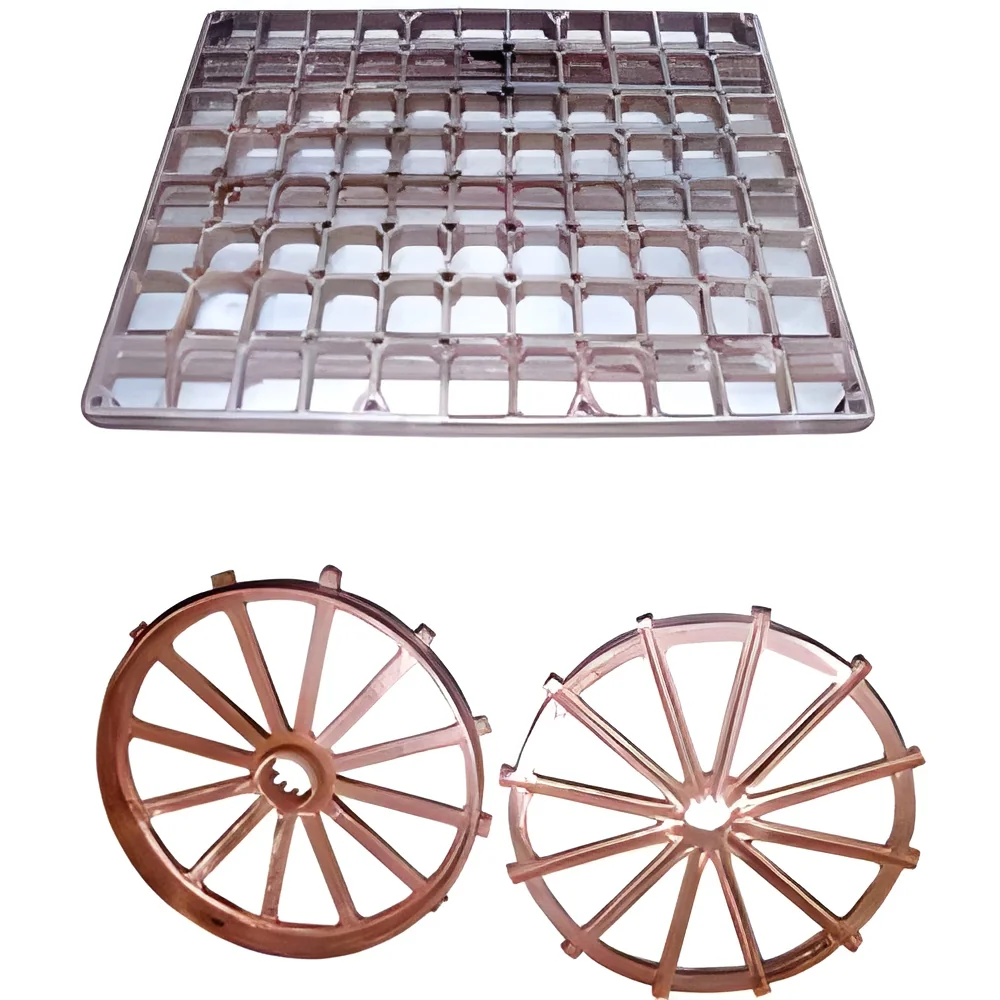
Industrial Ferrous Castings are precision-engineered metal components manufactured to provide unmatched durability and longevity in the most demanding operational environments. Unlike standard parts, these castings are produced with a focus on metallurgical integrity, ensuring consistent grain structure and material properties that translate directly to performance. They are specifically formulated to resist the twin challenges of corrosion and abrasion, which are primary causes of component failure in industrial settings. This results in parts that not only fit perfectly due to precise dimensional tolerances but also last significantly longer, reducing the frequency of replacement and associated downtime. The reliability built into each casting comes from controlled manufacturing processes and rigorous quality checks at every stage.

These castings serve as the backbone for machinery in capital-intensive industries. In automotive and heavy equipment manufacturing, they form the core o...
Industrial Ferrous Castings are precision-engineered metal components manufactured to provide unmatched durability and longevity in the most demanding operational environments. Unlike standard parts, these castings are produced with a focus on metallurgical integrity, ensuring consistent grain structure and material properties that translate directly to performance. They are specifically formulated to resist the twin challenges of corrosion and abrasion, which are primary causes of component failure in industrial settings. This results in parts that not only fit perfectly due to precise dimensional tolerances but also last significantly longer, reducing the frequency of replacement and associated downtime. The reliability built into each casting comes from controlled manufacturing processes and rigorous quality checks at every stage.

These castings serve as the backbone for machinery in capital-intensive industries. In automotive and heavy equipment manufacturing, they form the core of powertrains and structural assemblies. The mining and quarrying sector depends on their abrasion resistance for equipment that processes tons of raw material daily. For the construction industry, they provide the necessary strength for excavator arms, crane components, and concrete machinery parts that bear immense loads. Energy and chemical plants utilize their corrosion resistance in pumps and valves handling aggressive fluids. This widespread use across diverse, heavy-use sectors is a testament to their fundamental role in keeping industrial operations running smoothly and efficiently.

The primary business value of these ferrous castings lies in their contribution to total cost of ownership and operational uptime. By specifying high-performance castings, businesses effectively reduce long-term expenses related to maintenance, part replacement, and production halts. The initial investment is offset by extended service intervals and the prevention of catastrophic equipment failures that can lead to costly repairs. Their reliability ensures that machinery meets production targets consistently, supporting just-in-time manufacturing and logistics. For equipment manufacturers, using proven, durable components enhances the market reputation of their final products, leading to greater customer satisfaction and repeat business. This makes them a strategic procurement choice for serious buyers focused on value and risk mitigation.

Key Features:
- Precision engineering ensures exact dimensional tolerances for reliable fit and function.
- Superior metallurgical composition provides exceptional corrosion and abrasion resistance.
- Manufactured using controlled processes for consistent quality and material properties.
- Designed to withstand extreme mechanical stress, impact, and high-load environments.
- Available in various grades and specifications to match specific application requirements.

Benefits:
- Significantly extends the service life of machinery and reduces frequency of part replacement.
- Minimizes unplanned downtime and maintenance costs by preventing premature component failure.
- Enhances operational safety by providing reliable performance under demanding conditions.
- Protects larger capital investments in equipment by ensuring critical components are durable.
- Delivers consistent performance that supports predictable production planning and output.
Specifications
| Additional Information | |
|---|---|
| Country of Origin | India |
Application
Our industrial ferrous castings are engineered components designed for applications where standard materials fail. They provide critical structural integrity and operational reliability in systems exposed to extreme mechanical stress, corrosive environments, and continuous wear. The precise manufacturing ensures dimensional accuracy for seamless assembly into complex machinery, reducing installation time and potential for operational errors.
These components are fundamental across sectors that rely on heavy-duty equipment. From the repetitive impacts in mining to the constant friction in material handling, our castings maintain performance. Industries utilize them not just as parts, but as solutions to extend equipment lifespan, minimize unplanned maintenance stops, and protect larger capital investments from premature failure due to component wear.
- Engine blocks, cylinder heads, and gearbox housings in automotive and heavy vehicle manufacturing.
- Crusher jaws, mill liners, and shovel teeth for mining and mineral processing equipment.
- Pump casings, impellers, and valve bodies in chemical processing and water treatment plants.
- Drive sprockets, track links, and idlers for construction and agricultural machinery undercarriages.
- Press frames, mold bases, and anvil blocks in forging, stamping, and metal forming operations.
Trade Details
| Available Stock | In Stock |
| Sample Availability | No |
Payment Terms
| Payment Terms |
|
Company Profile
Anchors Tech, Tamil Nadu
 Tamil Nadu, India
Tamil Nadu, IndiaManufacturer•Distributor / Wholesaler
Factory Details
Factory SizeBelow 1000 sqm
Annual Production Capacity0
Industrial Ferrous Castings For Precision Durability Corrosion Resistance
Industrial Ferrous Castings deliver precision durability and corrosion resistance for demanding applications. Engineered for reliability in heavy machinery, automotive, and mining equipment requiring superior abrasion resistance.
Min. Order Quantity: 1 unit
Shipping
Shipping fee and delivery date to be negotiated. Contact supplier now for more details.
Anchors Tech
 Tamil Nadu, India
Tamil Nadu, IndiaManufacturer