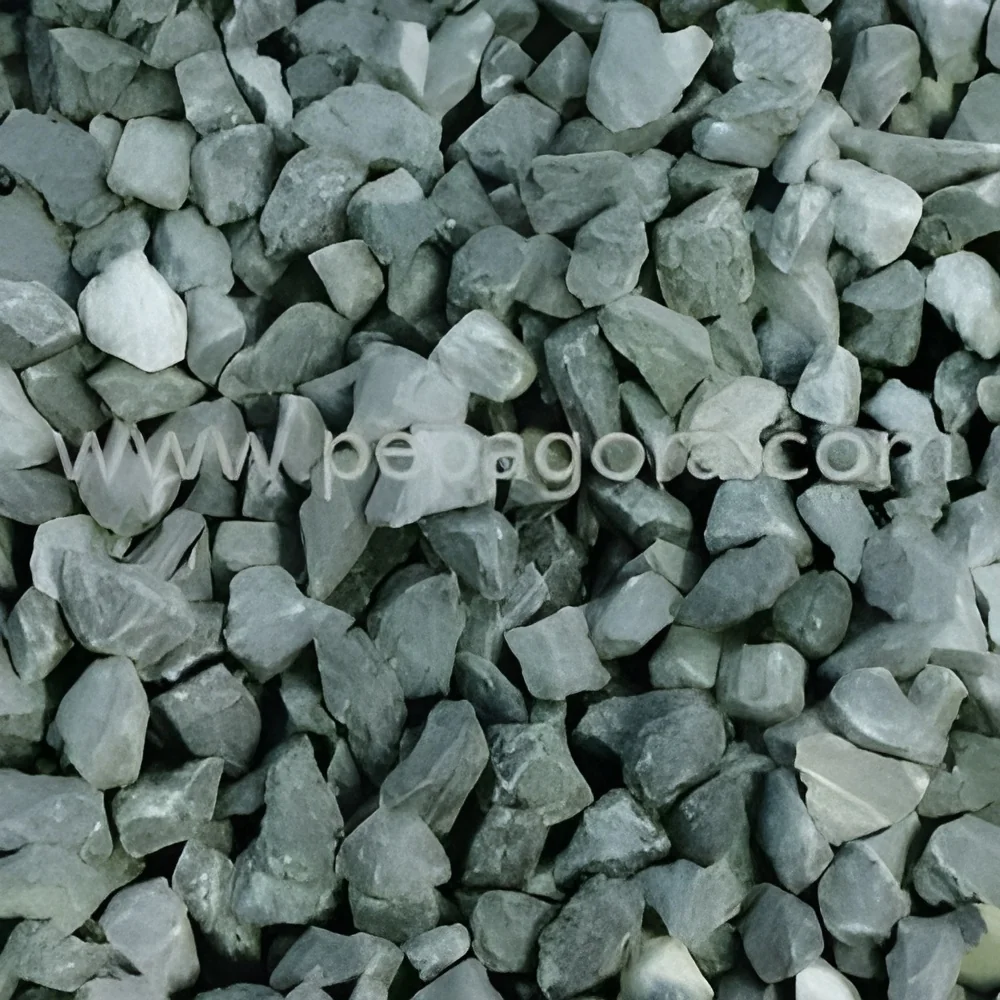
What are Gravel & Crushed Stone?
Gravel and crushed stone are essential construction materials derived from natural rocks and minerals. Gravel is typically composed of rounded stones, while crushed stone is made from larger rocks that have been mechanically broken down into smaller pieces. These materials are widely recognized for their versatility, strength, and durability, making them crucial for various construction and landscaping projects.
The primary uses of gravel and crushed stone include applications in road construction, building foundations, and drainage systems. They serve as base materials for asphalt and concrete, as well as decorative elements in landscaping. Businesses in industries such as construction, landscaping, and civil engineering regularly utilize these materials for their projects. The demand for gravel and crushed stone continues to grow, driven by infrastructure development and urbanization trends across the globe.
In terms of market context, the gravel and crushed stone industry is influenced by the overall construction market. As economies grow and construction activity increases, so does the need for these foundational materials. This makes them relevant not only for immediate projects but also for long-term infrastructure planning and development.
Key Features and Specifications
Gravel and crushed stone are characterized by several key features that define their suitability for various applications. Understanding these specifications is crucial for businesses looking to source these materials effectively.
Key specifications include:
1. Particle Size Distribution
- This specification refers to the gradation of particle sizes within the material.
- It typically ranges from fine gravel (2 mm) to larger stones (up to 40 mm or more).
2. Cleanliness
- This specification assesses the presence of impurities or contaminants in the material.
- Clean gravel and crushed stone contain minimal clay, silt, or organic matter.
3. Compressive Strength
- This specification indicates the material's ability to withstand loads.
- Values can vary widely based on the source, with higher quality materials offering greater strength.
4. Moisture Content
- This specification measures the amount of water present in the material.
- Typically expressed as a percentage, moisture content affects handling and compaction.
5. Specific Gravity
- This specification measures the density of the material relative to water.
- Values generally range from 2.5 to 3.0 for gravel and crushed stone.
6. Absorption Rate
- This specification indicates how much water the material can absorb.
- Lower absorption rates are preferred for applications where moisture resistance is critical.
7. Acid Resistance
- This specification evaluates the material's durability in acidic environments.
- Certain applications may require materials with high acid resistance.
8. Environmental Impact
- This specification considers the sustainability of sourcing methods.
- Companies increasingly seek materials with lower environmental footprints.
In summary, understanding these features and specifications helps businesses select the right type of gravel or crushed stone for their specific needs.
Common Applications and Use Cases
Gravel and crushed stone serve a wide range of industries, each with its unique applications.
1. Construction: Gravel and crushed stone are fundamental in building roads and highways. They provide essential structural support for asphalt and concrete layers.
2. Landscaping: These materials are frequently used for decorative purposes, such as pathways, driveways, and garden beds. They enhance visual appeal while offering functional benefits.
3. Agriculture: Gravel is often utilized in drainage systems to manage excess water in fields. It helps prevent soil erosion and maintains soil structure.
4. Mining: Crushed stone is used as an aggregate in mining operations. It aids in the transportation of materials and provides a stable base for equipment.
5. Water Management: Gravel is essential in filtration systems, stormwater management, and sewage systems. It helps maintain water quality and flow.
6. Railways: Crushed stone serves as track ballast, providing stability and drainage for railway tracks. It is vital for maintaining the integrity of rail infrastructure.
7. Industrial: Gravel and crushed stone are used in various industrial processes, including the production of concrete and asphalt. They are also essential in manufacturing aggregates for different products.
Product Variants and Subcategories
Gravel and crushed stone are available in various forms, catering to different industry needs. Each variant has unique characteristics and applications.
Gravel Aggregate
This variant includes a mix of different sizes of naturally occurring stones. It is commonly used in construction and landscaping projects due to its versatility.
Crushed Stone Aggregate
This variant consists of crushed rock fragments and is typically used in concrete production and as a base material for roads and pavements. Its angular shape provides excellent interlocking properties.
Pea Gravel
This small, rounded variant is ideal for decorative landscaping and drainage applications. It provides aesthetic value while ensuring effective water management.
Limestone Gravel
This type of gravel is made from limestone and is known for its durability. It is often used in construction and as a base for driveways and pathways.
Benefits and Advantages
Sourcing gravel and crushed stone offers numerous benefits for businesses.
1. Versatility: Gravel and crushed stone can be used in a wide range of applications, making them valuable for various industries.
2. Strength and Durability: These materials provide excellent structural support, ensuring the longevity of construction projects.
3. Cost-Effectiveness: Gravel and crushed stone are generally more affordable than alternative materials, providing a cost-effective solution for large-scale projects.
4. Easy Availability: These materials are widely available from numerous suppliers, ensuring that businesses can source them conveniently.
5. Environmental Benefits: When sourced responsibly, gravel and crushed stone can have a lower environmental impact compared to other construction materials.
6. Aesthetic Appeal: Decorative gravel options enhance landscaping designs, adding visual interest to outdoor spaces.
Buying Guide for B2B Buyers
When sourcing gravel and crushed stone, businesses should consider several key factors to ensure they make informed purchasing decisions.
1. Quality Assessment: Evaluate the quality of the material based on specifications such as cleanliness, compressive strength, and particle size. Request samples to ensure they meet project requirements.
2. Supplier Verification: Vet potential suppliers by checking their reputation, certifications, and past project experience. This helps ensure reliability and quality.
3. Pricing and MOQ: Understand the pricing structure and minimum order quantities (MOQ) to align with budget constraints and project scale. Consider bulk pricing options for larger orders.
4. Delivery and Lead Times: Discuss logistics with suppliers, including delivery schedules and lead times to ensure timely project execution.
5. Compliance Requirements: Ensure that the gravel and crushed stone meet relevant industry standards and regulatory requirements to avoid potential legal issues.
Compliance and Certifications
Gravel and crushed stone materials must adhere to various quality standards and certifications to ensure their suitability for construction and landscaping applications.
Relevant quality standards include ISO 9001, which focuses on quality management systems, and CE marking, which indicates compliance with European safety and environmental requirements.
Industry certifications may also encompass safety and testing requirements to ensure that materials are free from harmful contaminants.
Additionally, businesses should consider regional compliance regulations, which may vary based on local laws and environmental guidelines. Ensuring compliance with these standards is critical for maintaining industry credibility and ensuring product reliability.
Why Source Gravel & Crushed Stone from Pepagora?
Pepagora provides a trusted platform for sourcing gravel and crushed stone, offering several key advantages to B2B buyers.
Verified Supplier Network: Pepagora connects businesses with a network of verified suppliers, ensuring that buyers can source high-quality materials from reputable sources. This verification process helps mitigate risks associated with quality and reliability.
Streamlined RFQ Process: The request for quotation (RFQ) system simplifies the sourcing process. Buyers can easily submit requests and receive competitive quotes, allowing for informed decision-making.
Trade Assurance and Support: Pepagora offers trade assurance programs to protect buyers during transactions. This support ensures a secure purchasing experience and builds trust between buyers and suppliers.
Regional Coverage: With a strong presence in regions such as India, the Gulf Cooperation Council (GCC), and Southeast Asia, Pepagora provides extensive geographic coverage. This enables businesses to source materials efficiently, regardless of their location.

 IN
IN