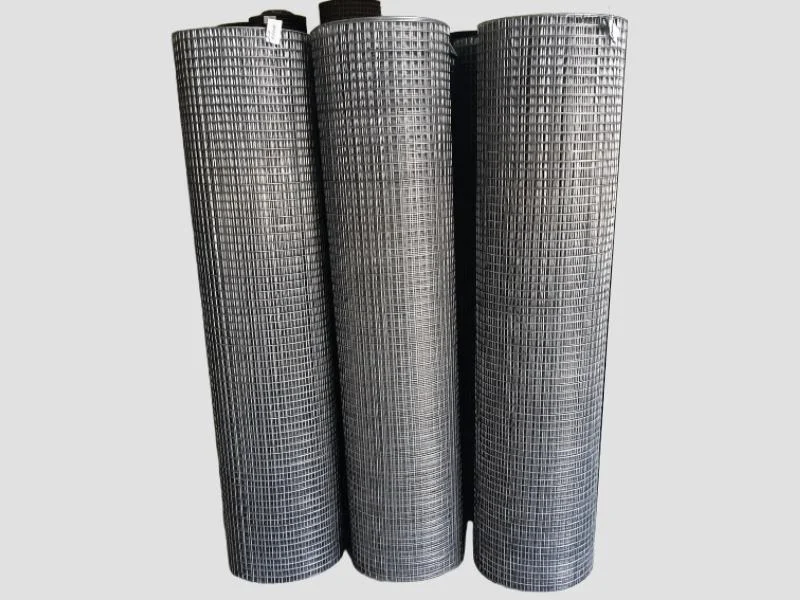
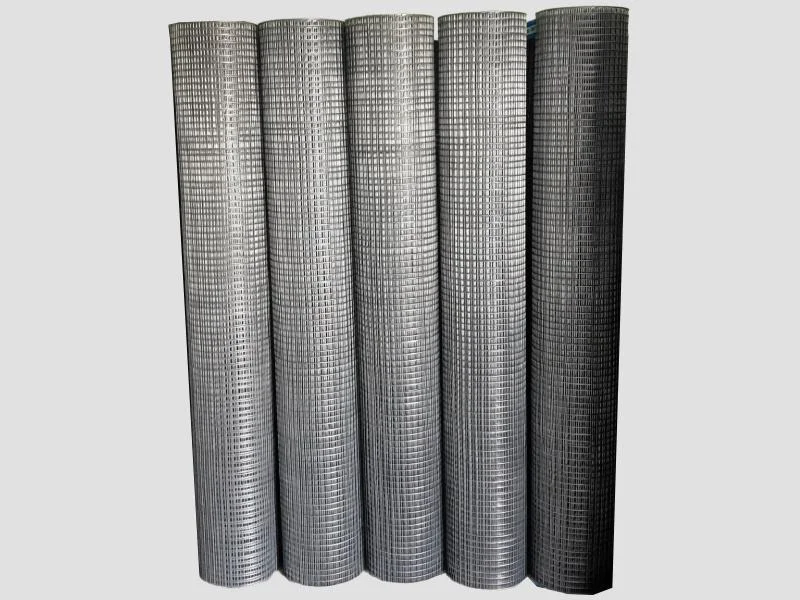
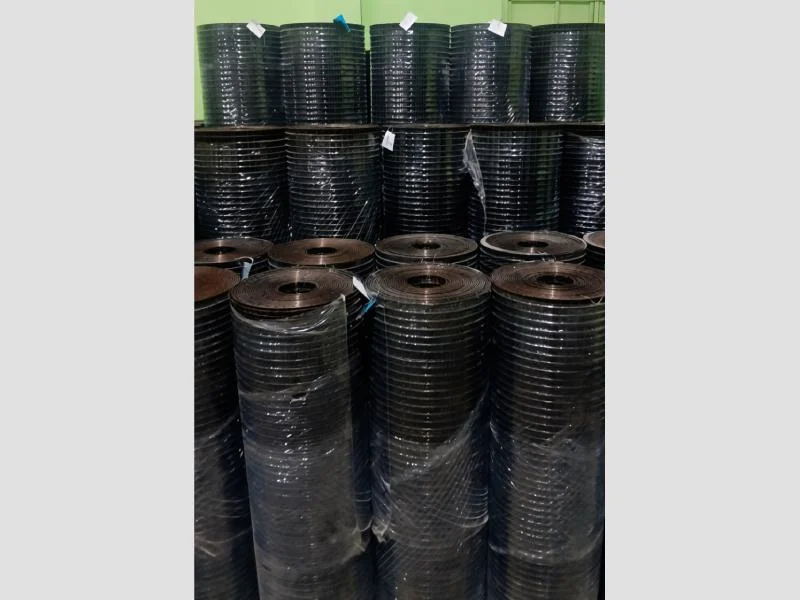
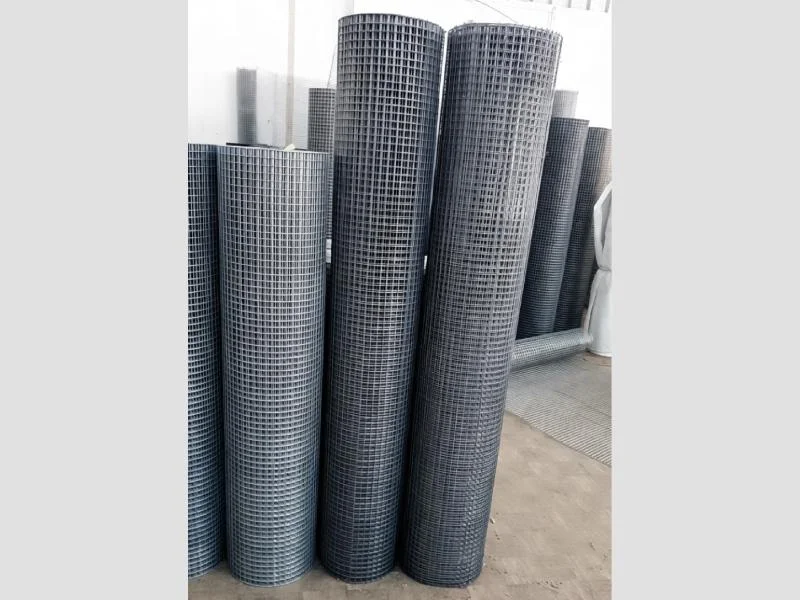
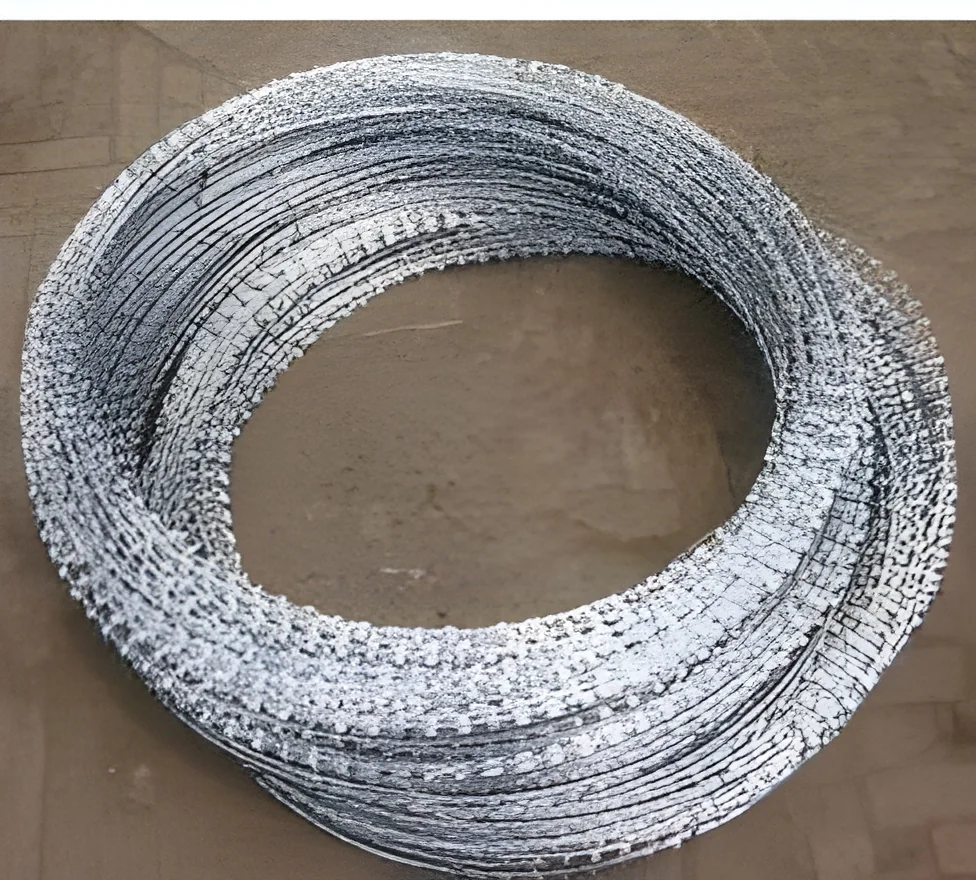
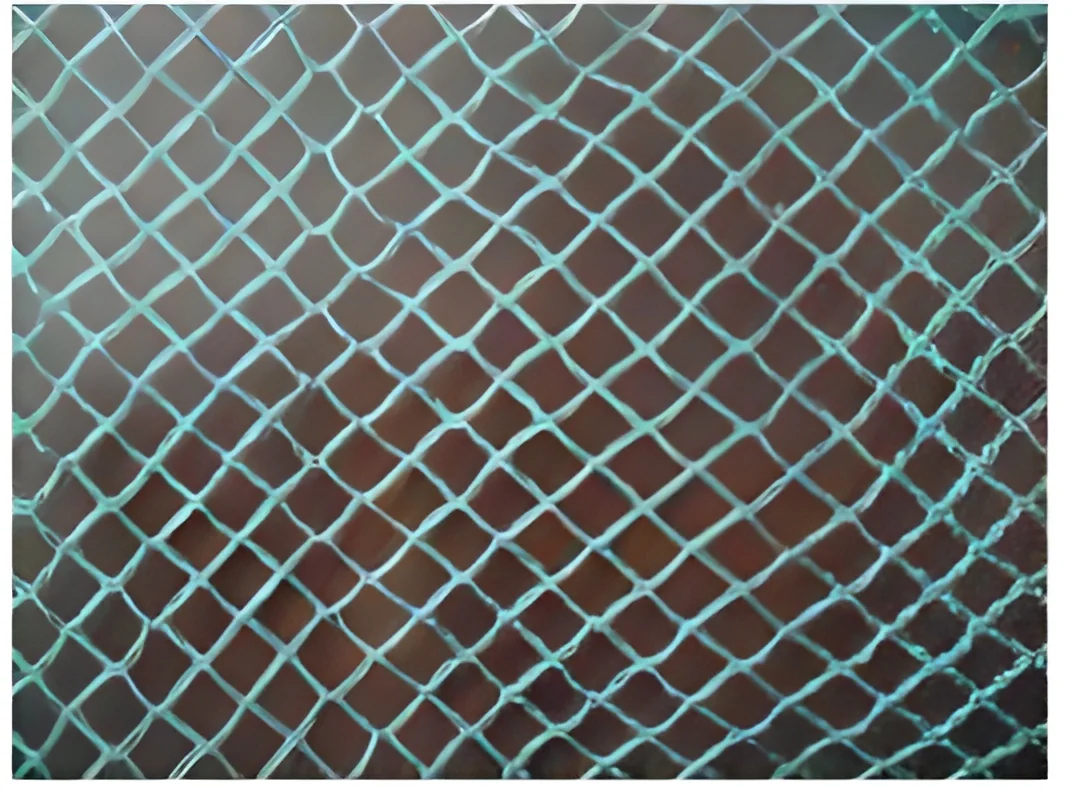
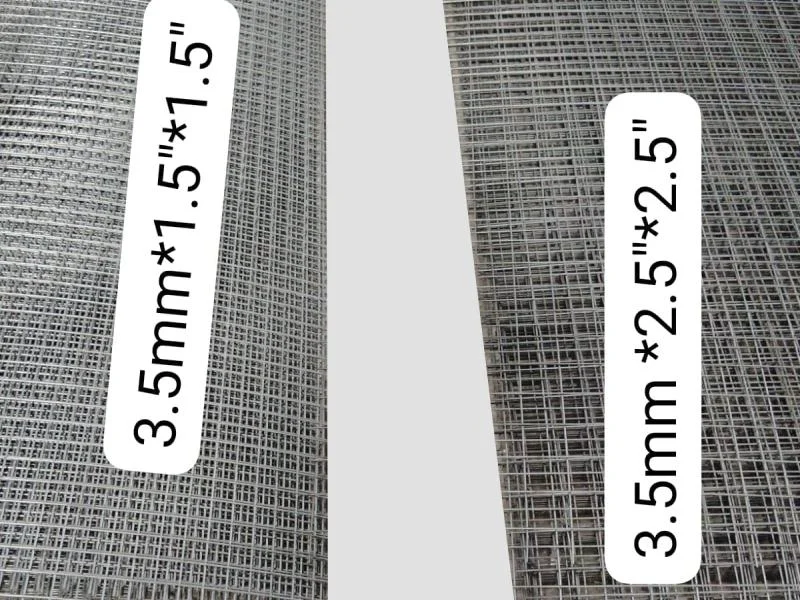
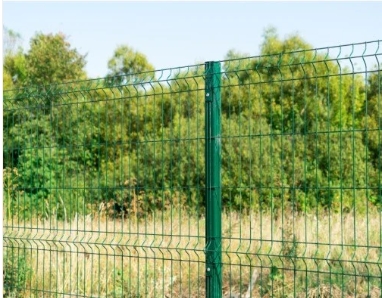
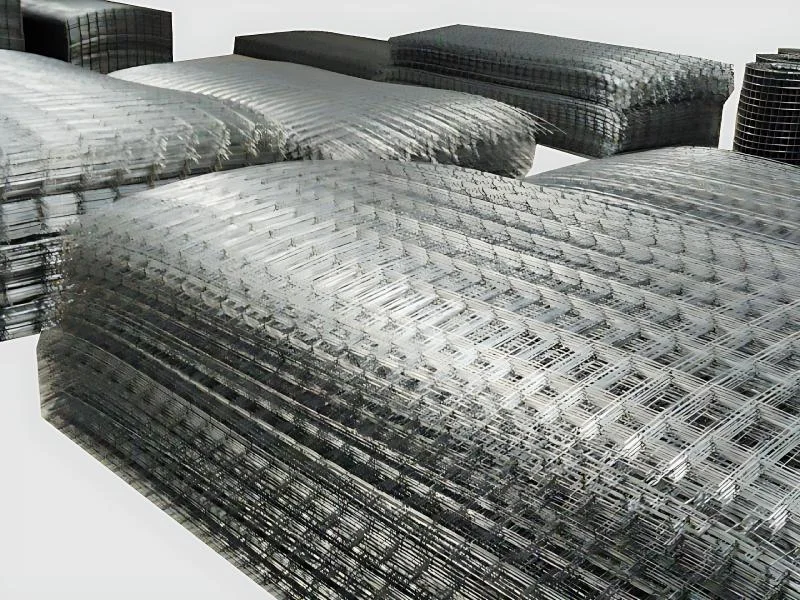
What are Welded Wire Mesh?
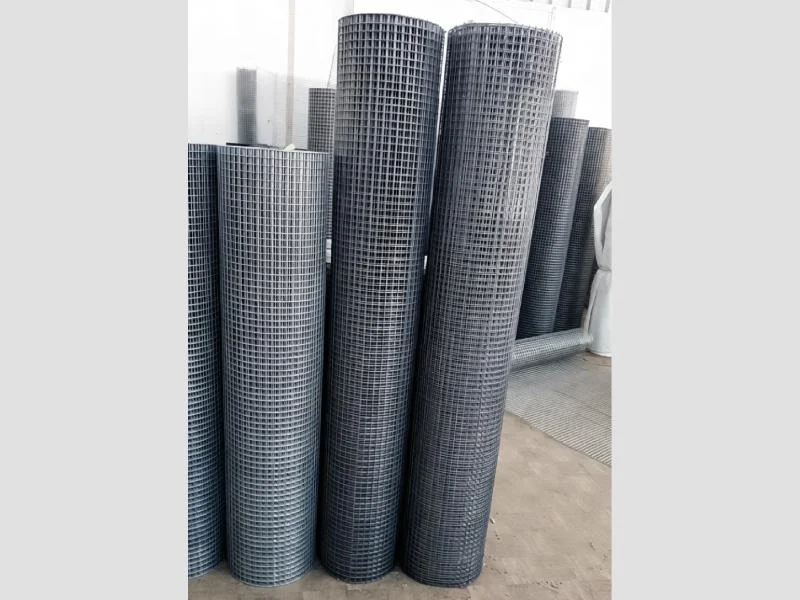
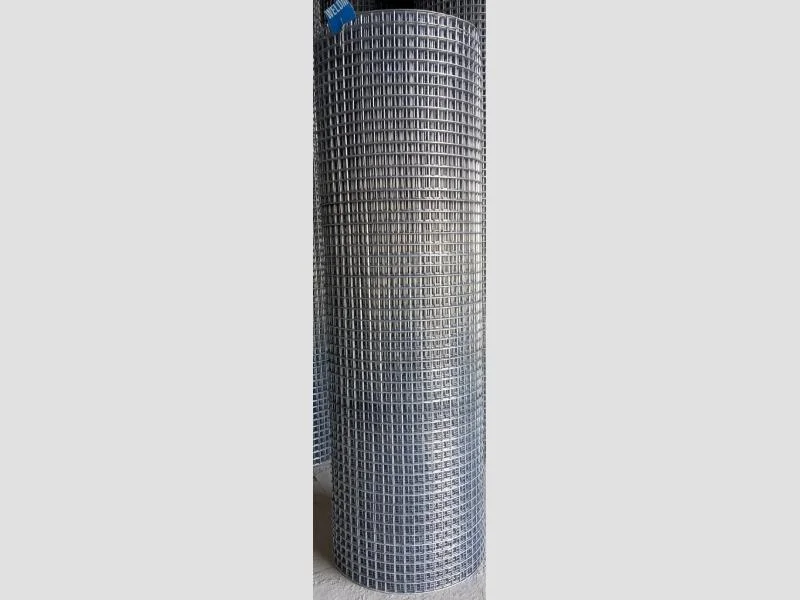
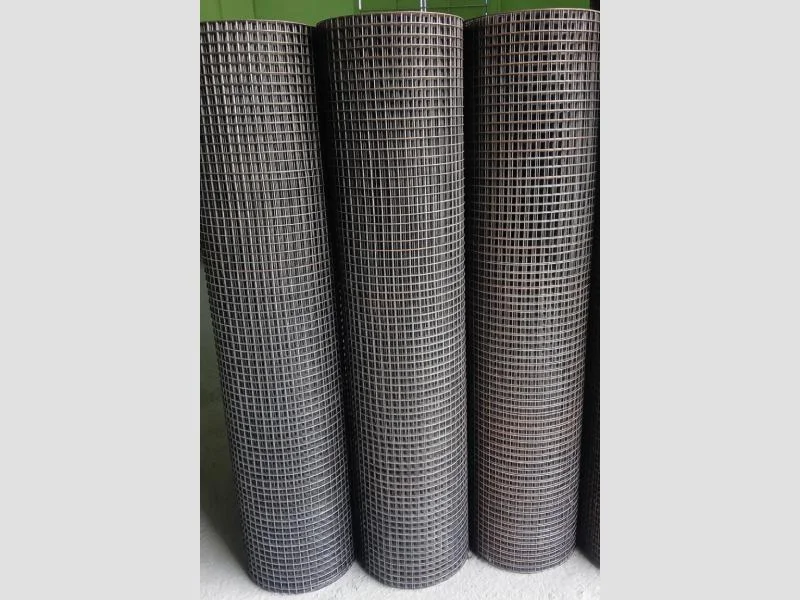
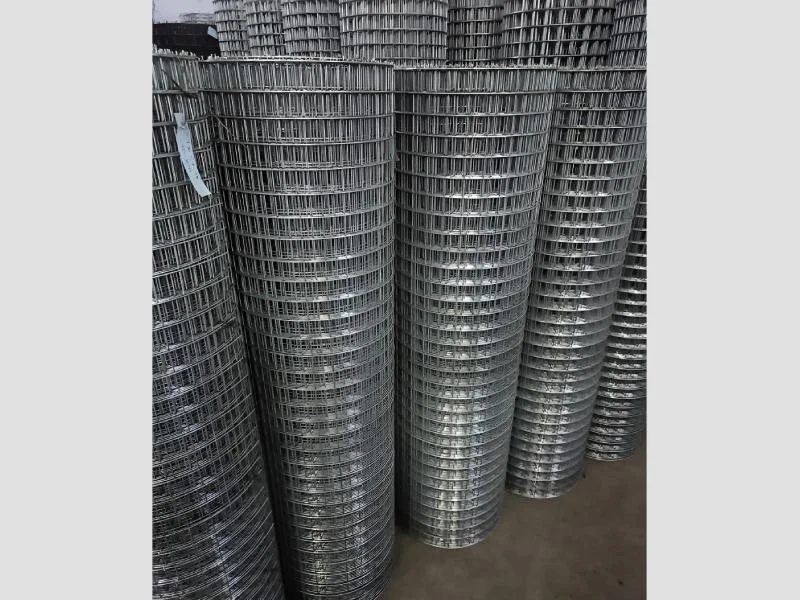
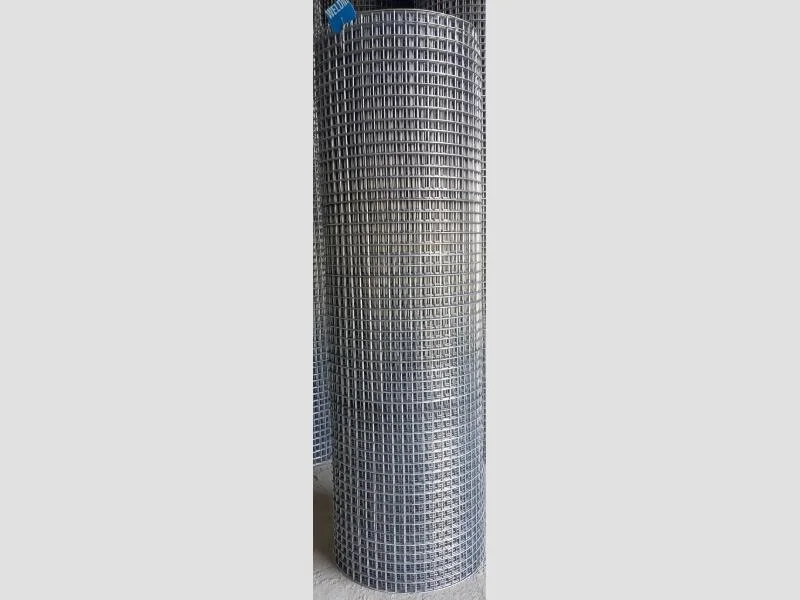
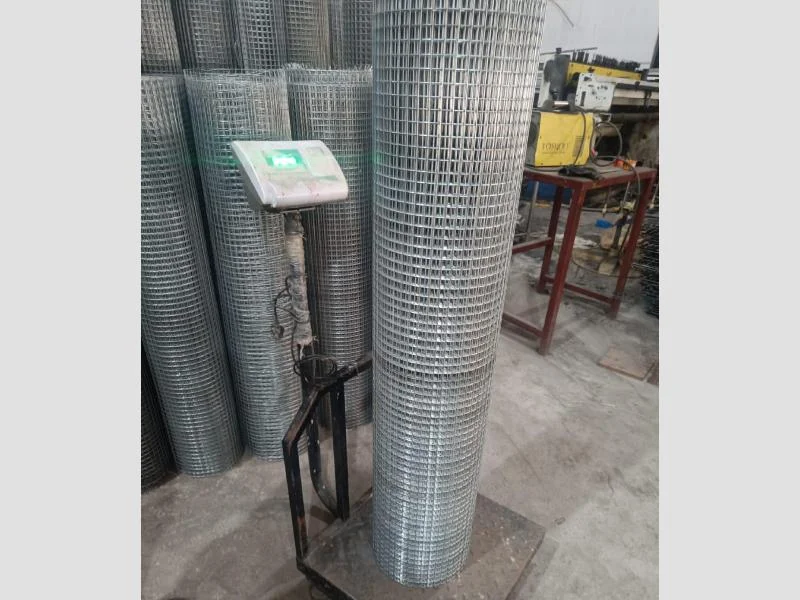
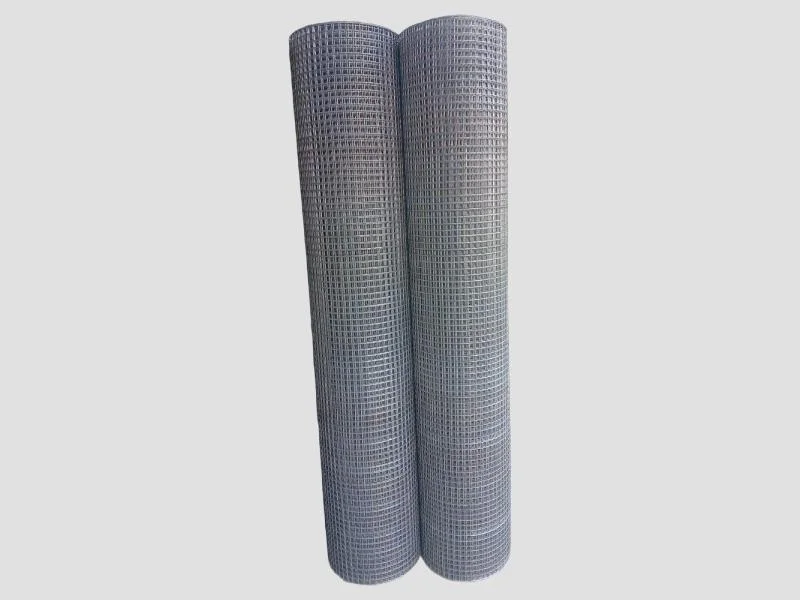
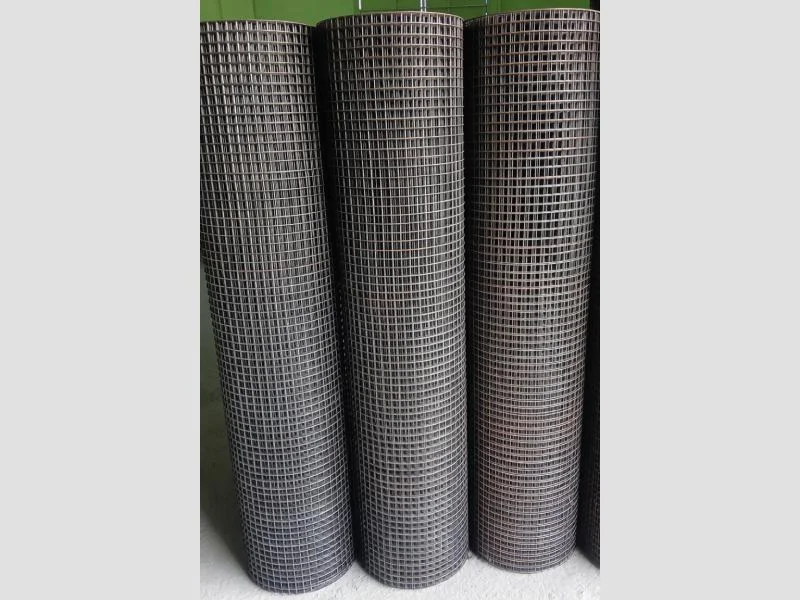
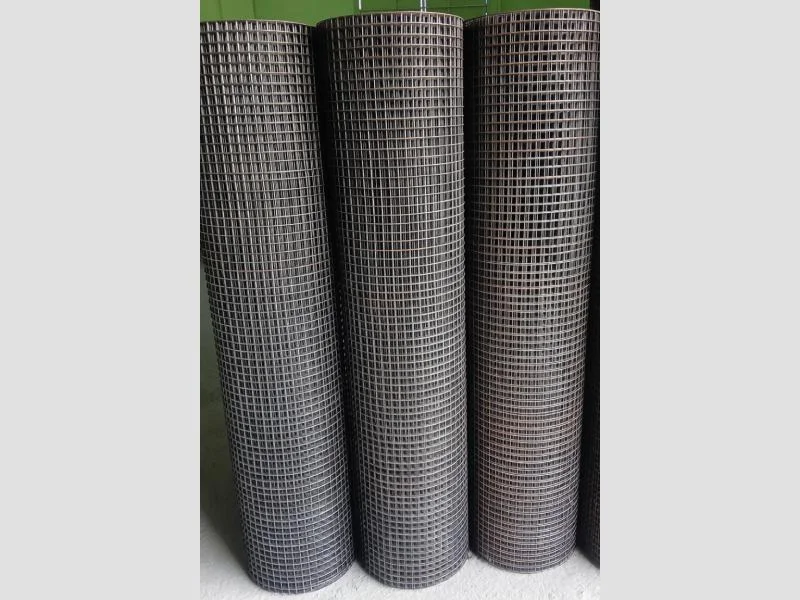
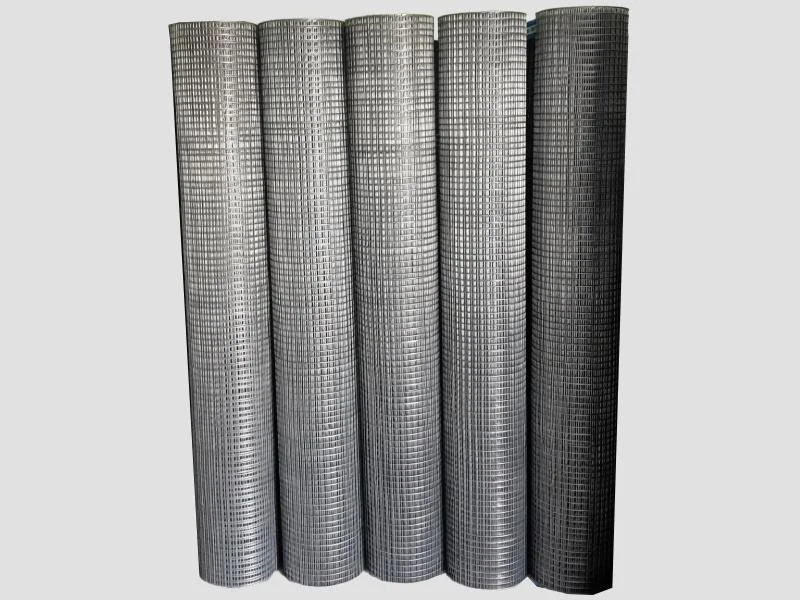
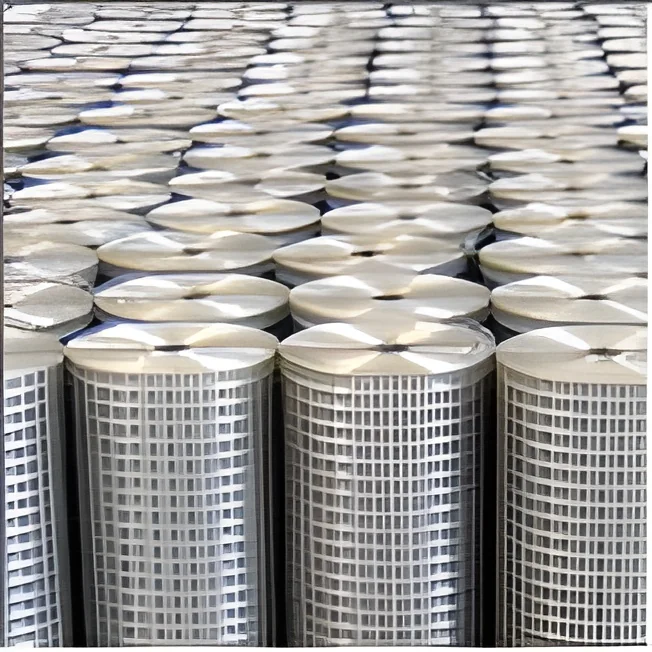
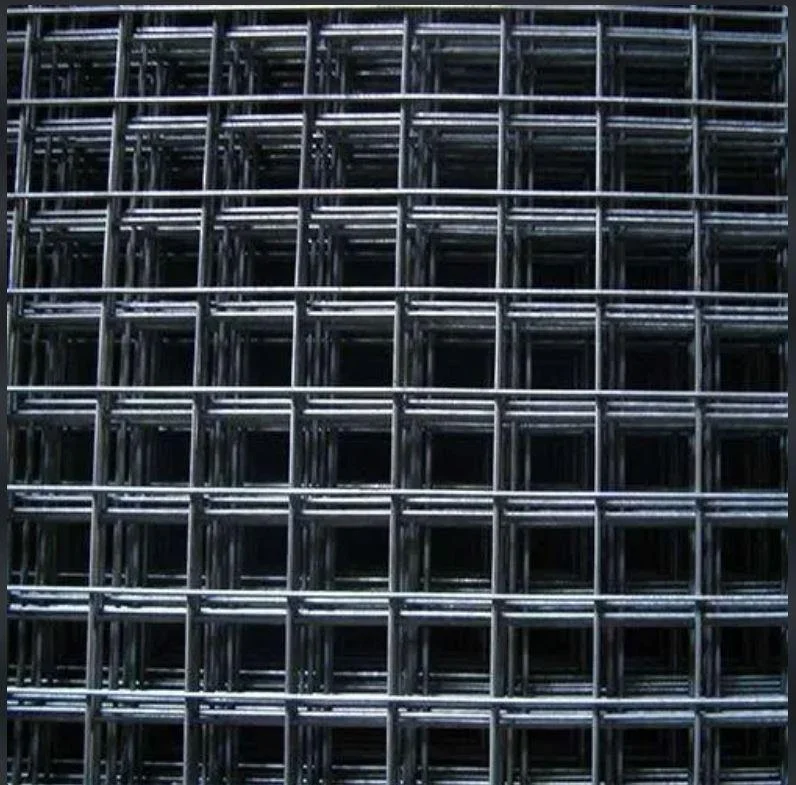
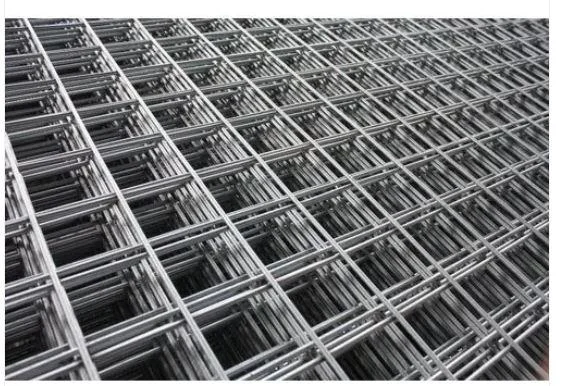
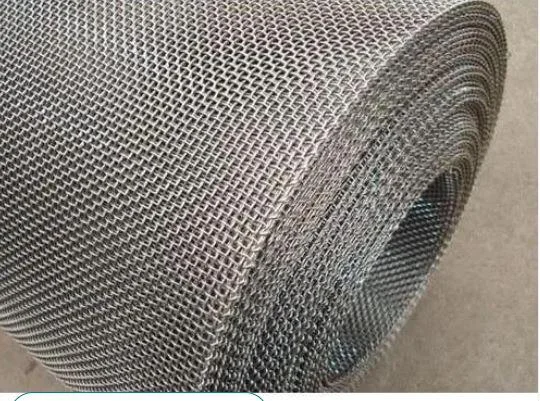
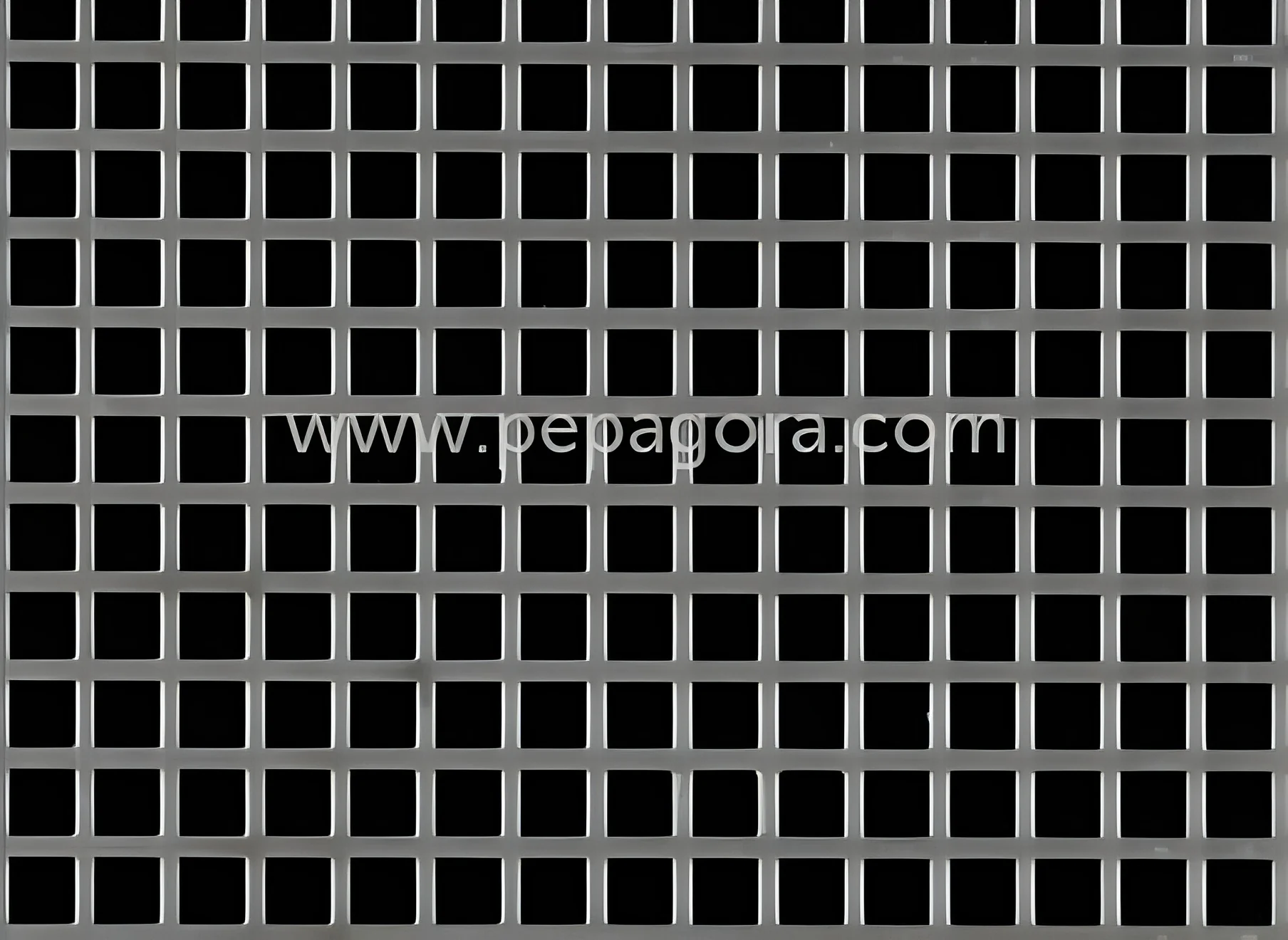
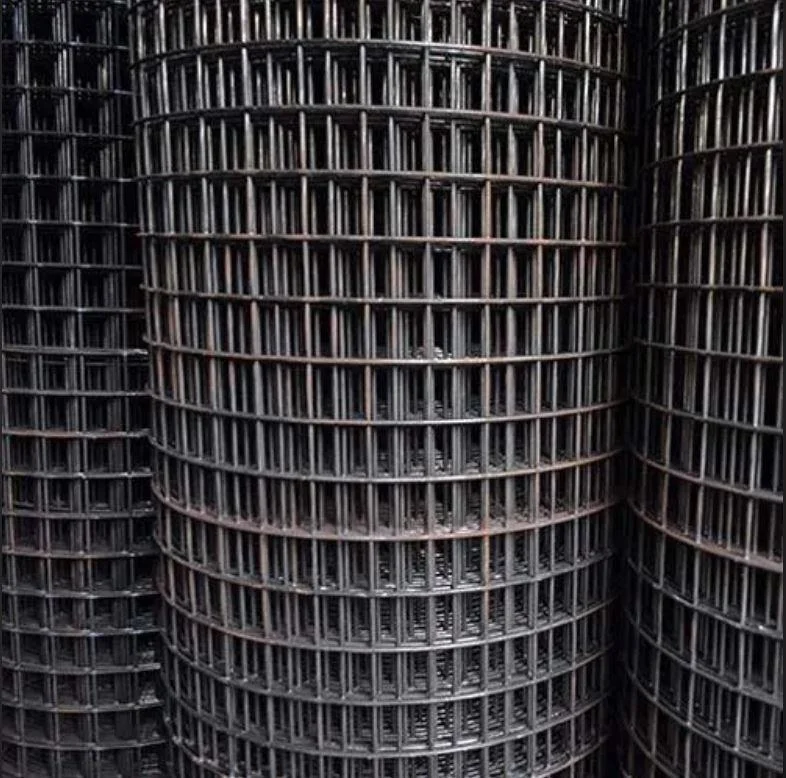
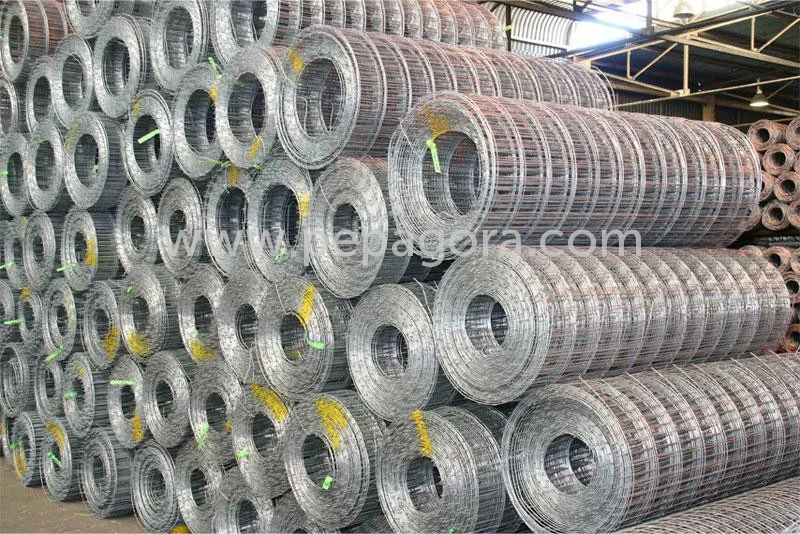
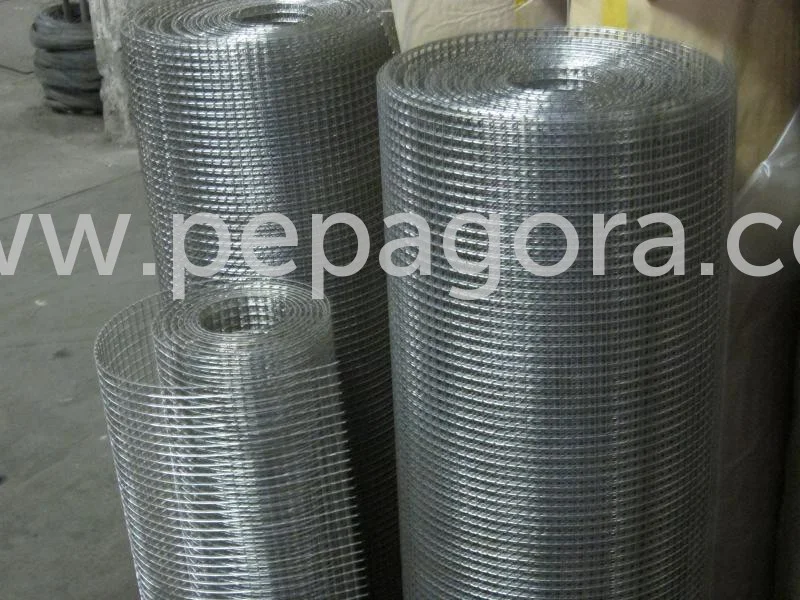
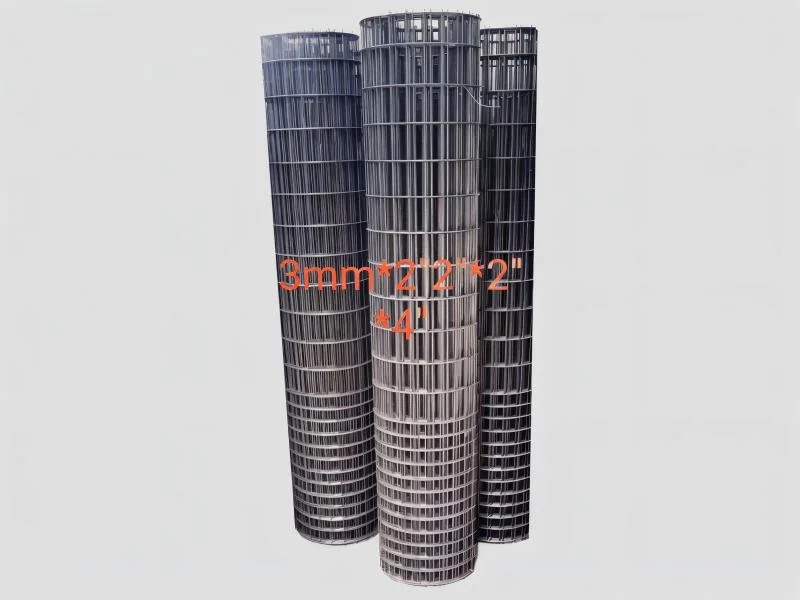
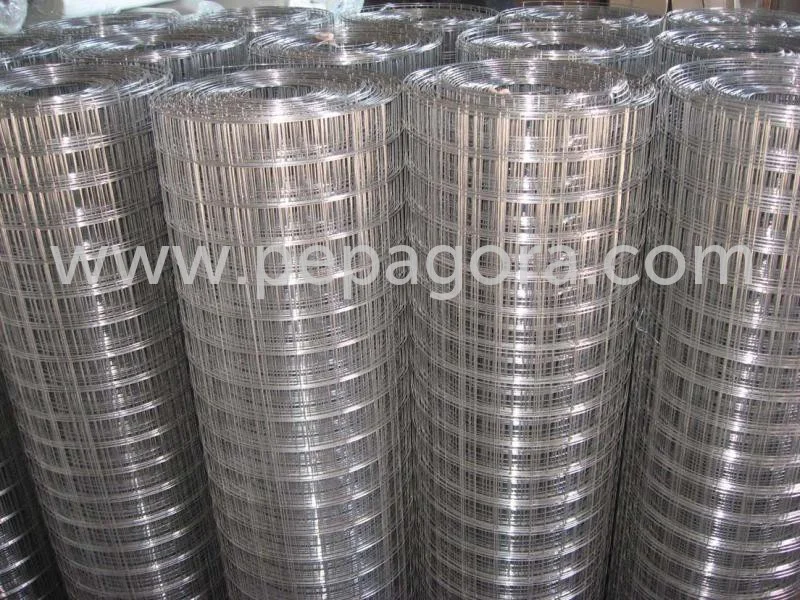
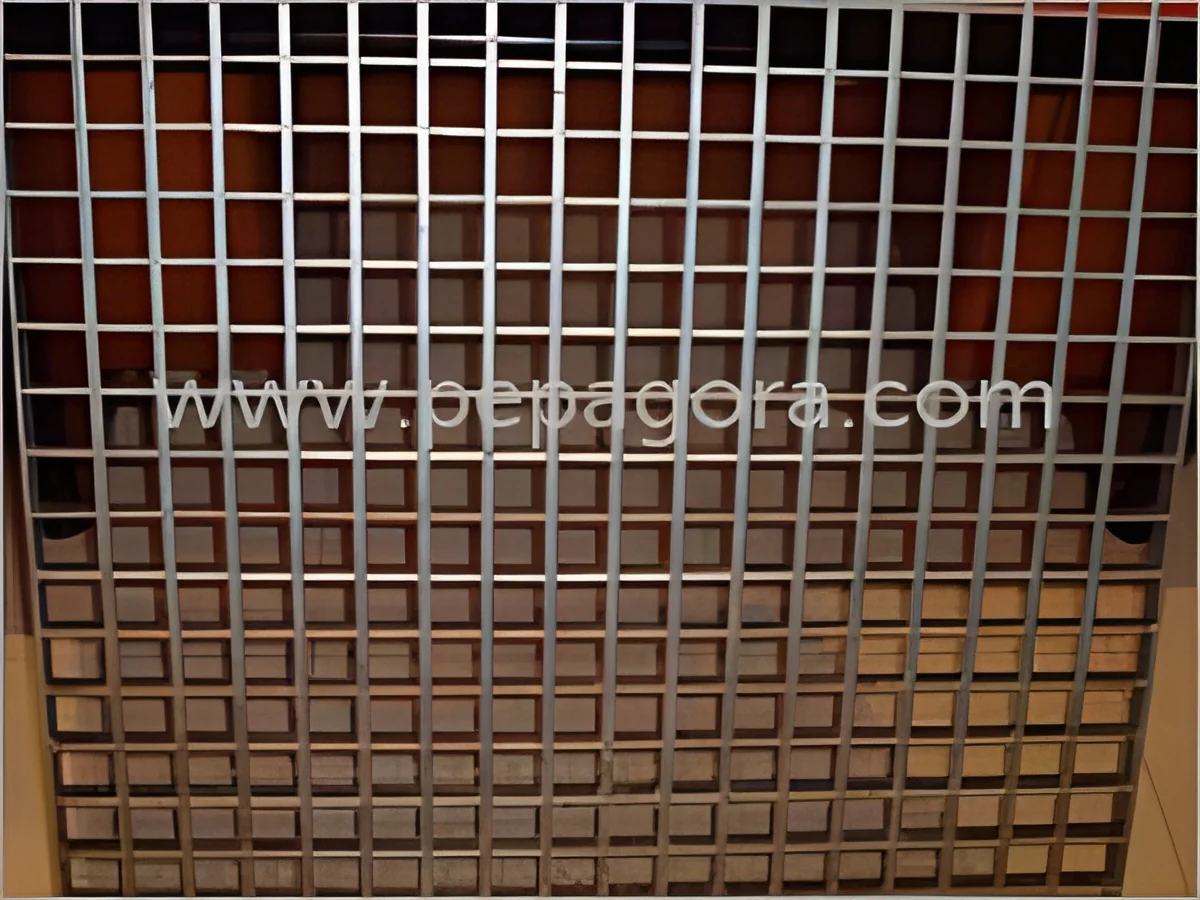
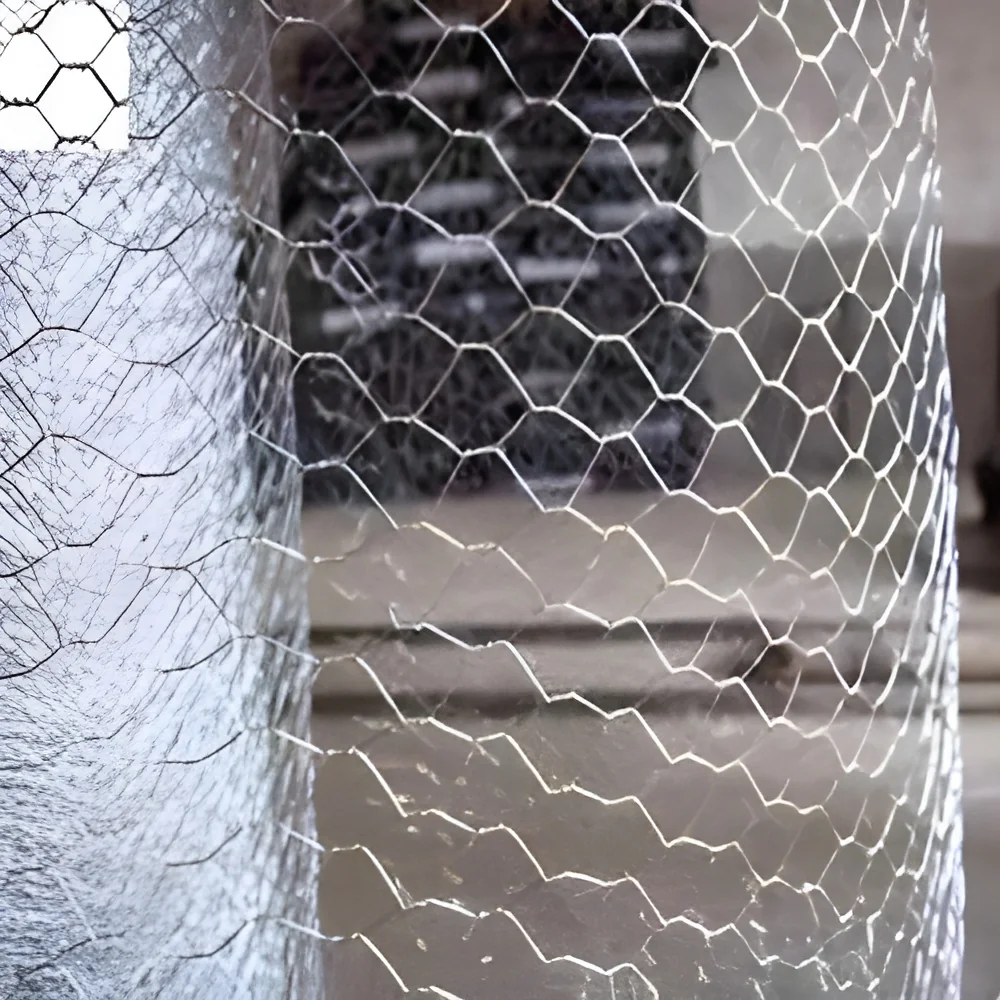
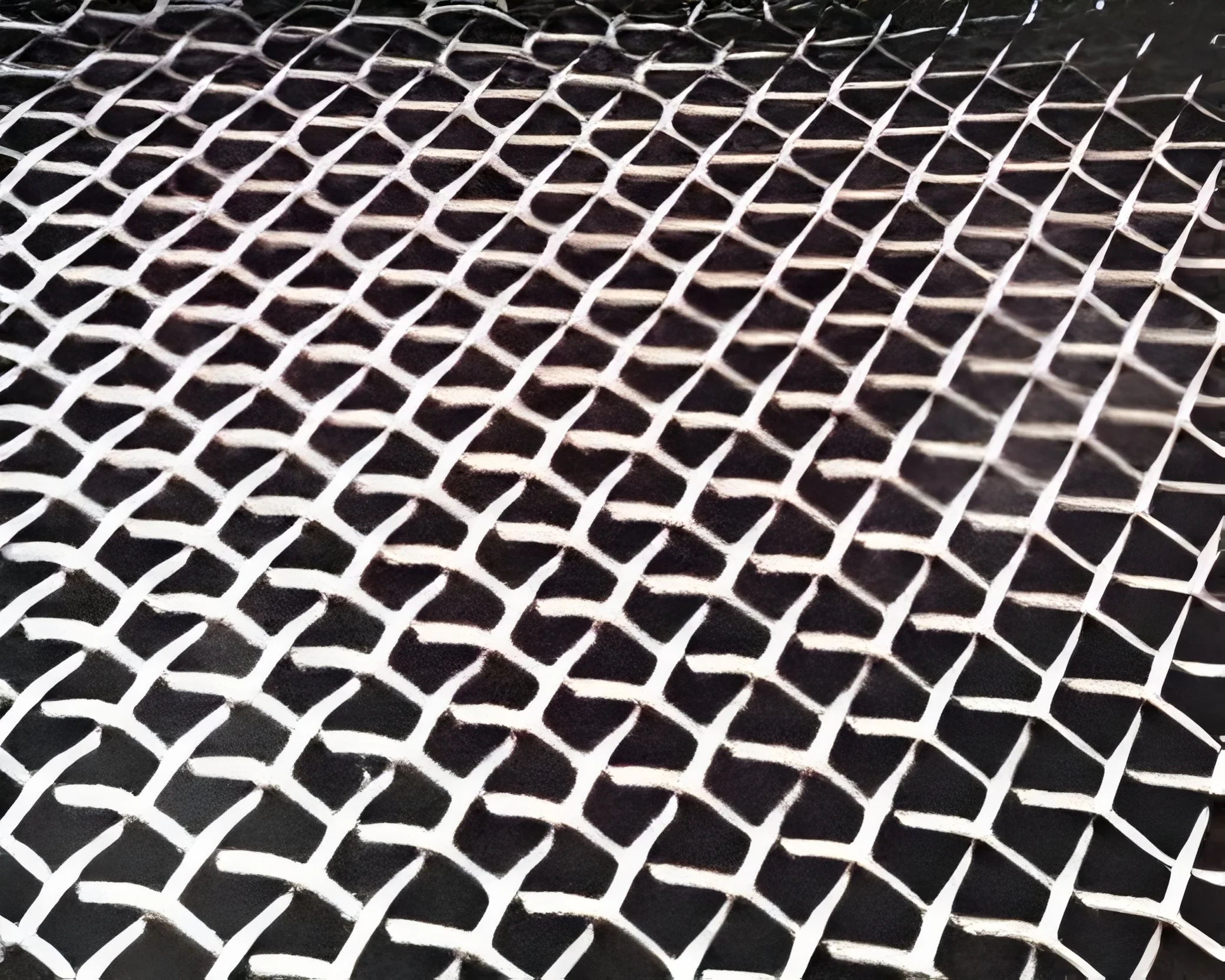
Welded wire mesh is a type of fencing material made from a grid of steel wires that are welded together at their intersections. The product is produced in various sizes and configurations, providing different degrees of strength and flexibility. The welding process ensures that the wires are securely bonded, resulting in a strong and durable material. This mesh is typically available in different gauges, wire diameters, and mesh openings to cater to specific applications.
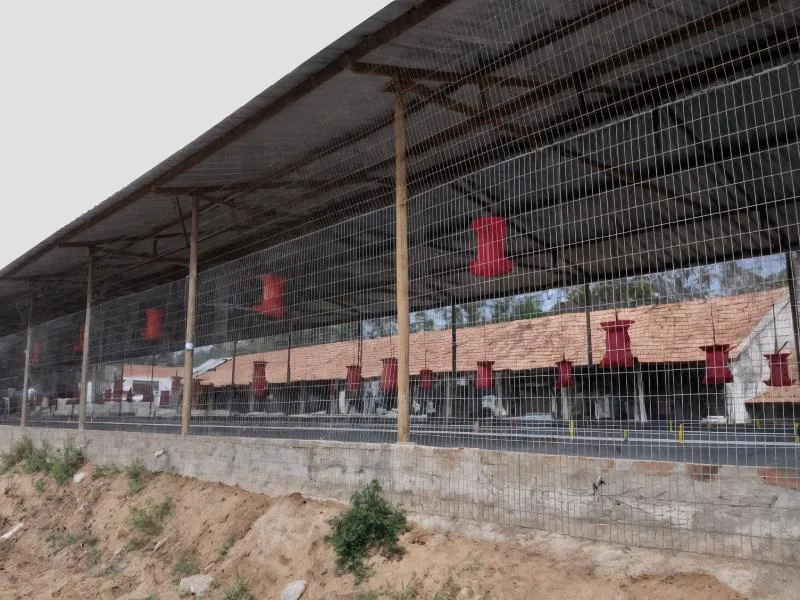
Welded wire mesh is widely used in construction, agriculture, and industrial applications. It serves as a reinforcement material in concrete structures, as well as a fencing solution for livestock and property boundaries. Additionally, it is employed in the manufacturing of enclosures, partitions, and screens. The versatility of welded wire mesh makes it a crucial product across various sectors, ensuring its relevance in the market.
Key Features and Specifications
Welded wire mesh offers a range of features that make it suitable for diverse applications. Its strength, durability, and adaptability to different environments are among its key advantages. The specifications of welded wire mesh can vary significantly depending on the intended use.
Key specifications include:
1. Wire Gauge
- The thickness of the wire used, typically ranging from 6 to 12 gauge.
- Determines the strength and weight-bearing capability of the mesh.
2. Mesh Opening Size
- The distance between adjacent wires, usually available in sizes ranging from 1 inch to 6 inches.
- Affects the mesh's suitability for various applications, such as animal enclosures or concrete reinforcement.
3. Sheet Size
- Standard sheet sizes can range from 4 feet by 8 feet to custom dimensions.
- Allows for flexibility in installation and fitting into specific areas.
4. Weld Type
- Commonly available in spot weld and continuous weld options.
- Influences the overall strength and rigidity of the mesh.
5. Material Type
- Generally made from carbon steel, stainless steel, or galvanized steel.
- Each material type has distinct properties suited for different environments.
6. Coating Options
- Available in galvanized, PVC coated, or epoxy coated finishes.
- Enhances corrosion resistance and longevity in various settings.
In summary, welded wire mesh is characterized by its strength, versatility, and range of specifications that cater to multiple industries and applications.
Common Applications and Use Cases
Welded wire mesh serves various industries, demonstrating its versatility and essential role in multiple applications.
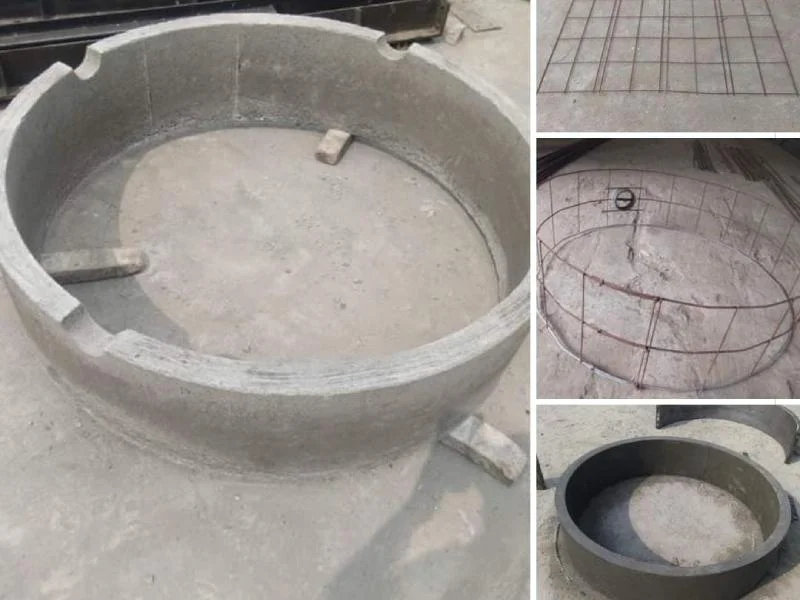
1. Construction: Used for reinforcing concrete slabs, walls, and structures to enhance strength and stability.
2. Agriculture: Employed in fencing for livestock and crop protection, preventing animal ingress and crop damage.
3. Industrial: Utilized for creating partitions, safety barriers, and storage systems in warehouses and manufacturing facilities.
4. Landscaping: Serves as trellising for plants and as decorative fencing to enhance garden aesthetics.
5. Transportation: Used to construct safety barriers on highways and roadways, ensuring vehicle safety.
6. Mining: Provides stability in underground operations and acts as a support structure in tunnels.
7. Retail: Used in display units and shelving systems to showcase products while maintaining visibility.
Product Variants and Subcategories
Welded wire mesh comes in various configurations to meet specific needs, ensuring its adaptability for different applications.
Galvanized Welded Wire Mesh: This variant features a zinc coating that protects against corrosion. It is ideal for outdoor applications where exposure to moisture is a concern.
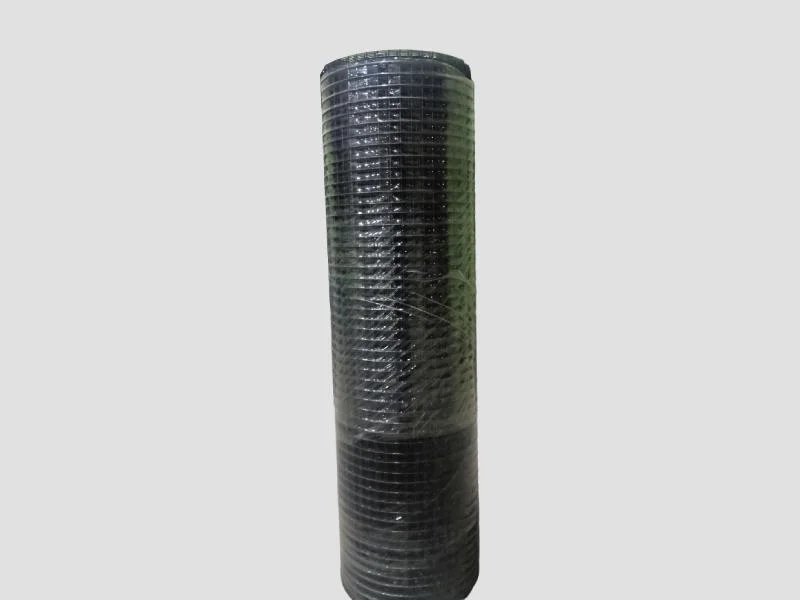
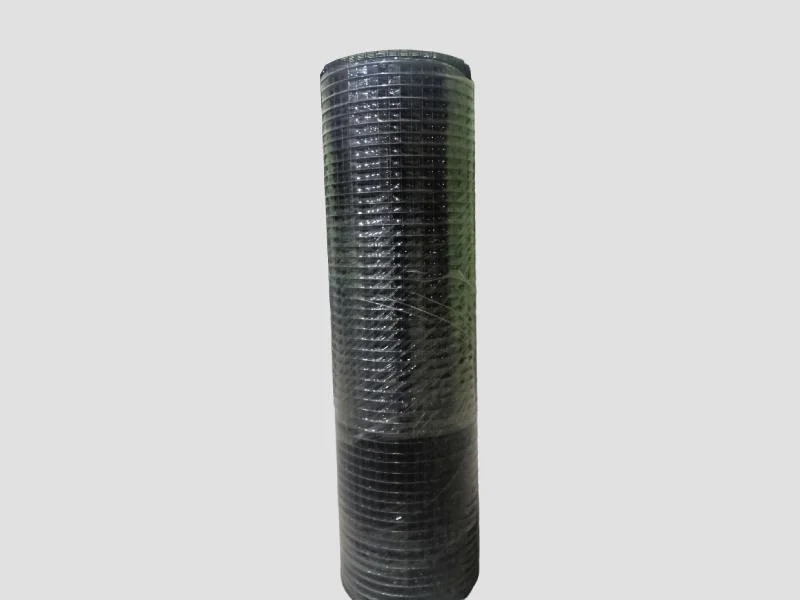
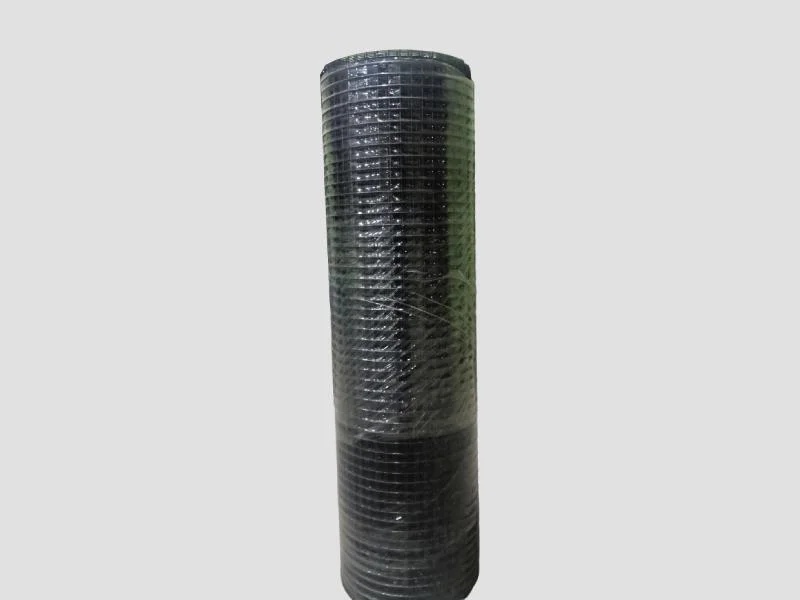
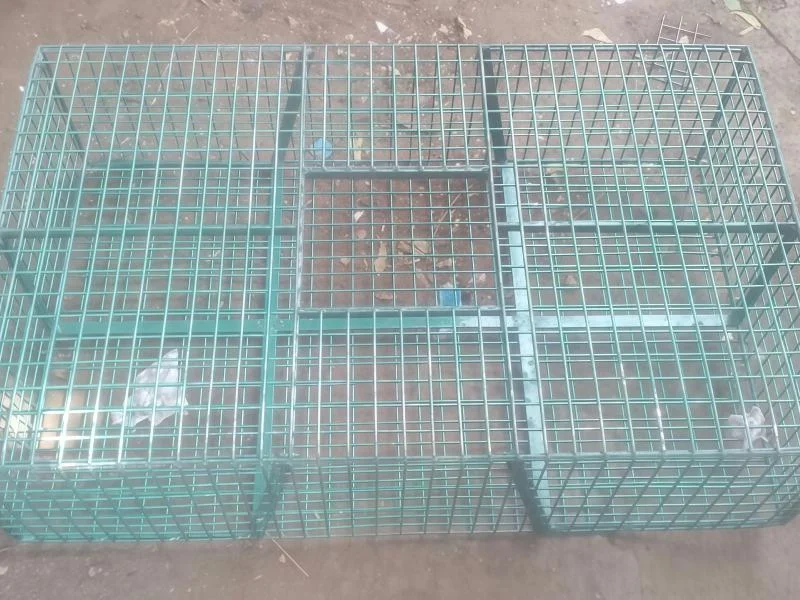
PVC Coated Welded Wire Mesh: This type offers additional protection with a PVC coating. It is commonly used in agricultural and residential fencing, providing both durability and aesthetic appeal.
Stainless Steel Welded Wire Mesh: Known for its superior corrosion resistance, this variant is suitable for environments with high humidity or exposure to chemicals. It is often utilized in food processing and pharmaceutical industries.
Benefits and Advantages
Welded wire mesh offers several benefits that make it a preferred choice for many industrial applications.
1. Strength and Durability: The welded intersections provide enhanced strength, making it suitable for demanding environments.
2. Versatility: Available in various sizes and materials, welded wire mesh can be customized for different applications.
3. Cost-Effective: Its long lifespan and minimal maintenance requirements make it an economical choice over time.
4. Easy Installation: The lightweight nature of the mesh allows for quick and straightforward installation.
5. Security: Provides a reliable barrier against intruders, making it ideal for fencing and enclosures.
6. Aesthetic Options: Available in various coatings and finishes, it can be tailored to fit the aesthetic needs of any project.
Buying Guide for B2B Buyers
When sourcing welded wire mesh, several factors should be considered to ensure the best product for your needs.
1. Quality Assessment: Evaluate the quality of the mesh based on its wire gauge, weld type, and material. This is crucial for ensuring that the product meets the specific demands of your application.
2. Supplier Verification: Research and vet suppliers to ensure they have a reliable track record and positive reviews. This can help prevent issues with product quality and delivery.
3. Pricing and MOQ: Consider the pricing structure and minimum order quantities. This can vary significantly between suppliers and can impact your budget.
4. Delivery and Lead Times: Confirm the logistics and expected lead times for delivery. Timely availability is often critical for project schedules.
5. Compliance Requirements: Ensure that the welded wire mesh meets industry standards and certifications, including any regional compliance needs that may apply to your project.
Compliance and Certifications
Welded wire mesh must adhere to various quality standards to ensure safety and reliability in its applications. Relevant standards include ISO 9001, which outlines quality management systems that manufacturers should follow to maintain consistent quality.
Additionally, certifications such as CE demonstrate compliance with European safety and health standards, ensuring that products are safe for use in various applications.
It is also essential to consider safety and testing requirements to guarantee that the welded wire mesh meets the necessary performance specifications. Depending on the region, compliance with local regulations may be required, impacting both the manufacturing process and the final product specifications.
Why Source Welded Wire Mesh from Pepagora?
Pepagora provides a trusted platform for sourcing welded wire mesh, offering several key advantages to B2B buyers.
Verified Supplier Network: Our platform connects buyers with a network of verified suppliers, ensuring that each vendor meets stringent quality standards. This helps mitigate risks associated with supplier reliability.
Streamlined RFQ Process: The request for quotation (RFQ) process on Pepagora is designed to be efficient and user-friendly. Buyers can easily obtain multiple quotes, allowing for informed decision-making.
Trade Assurance and Support: Pepagora offers trade assurance, providing peace of mind to buyers through buyer protection measures. Our dedicated support team is available to assist with any inquiries or issues that may arise during the sourcing process.
Regional Coverage: With a strong presence in India, the GCC, and Southeast Asia, Pepagora ensures a wide geographic reach. This allows for easier access to local suppliers and faster delivery times.
By choosing Pepagora as your sourcing partner for welded wire mesh, you can be confident in receiving high-quality products tailored to your specific needs.

 IN
IN