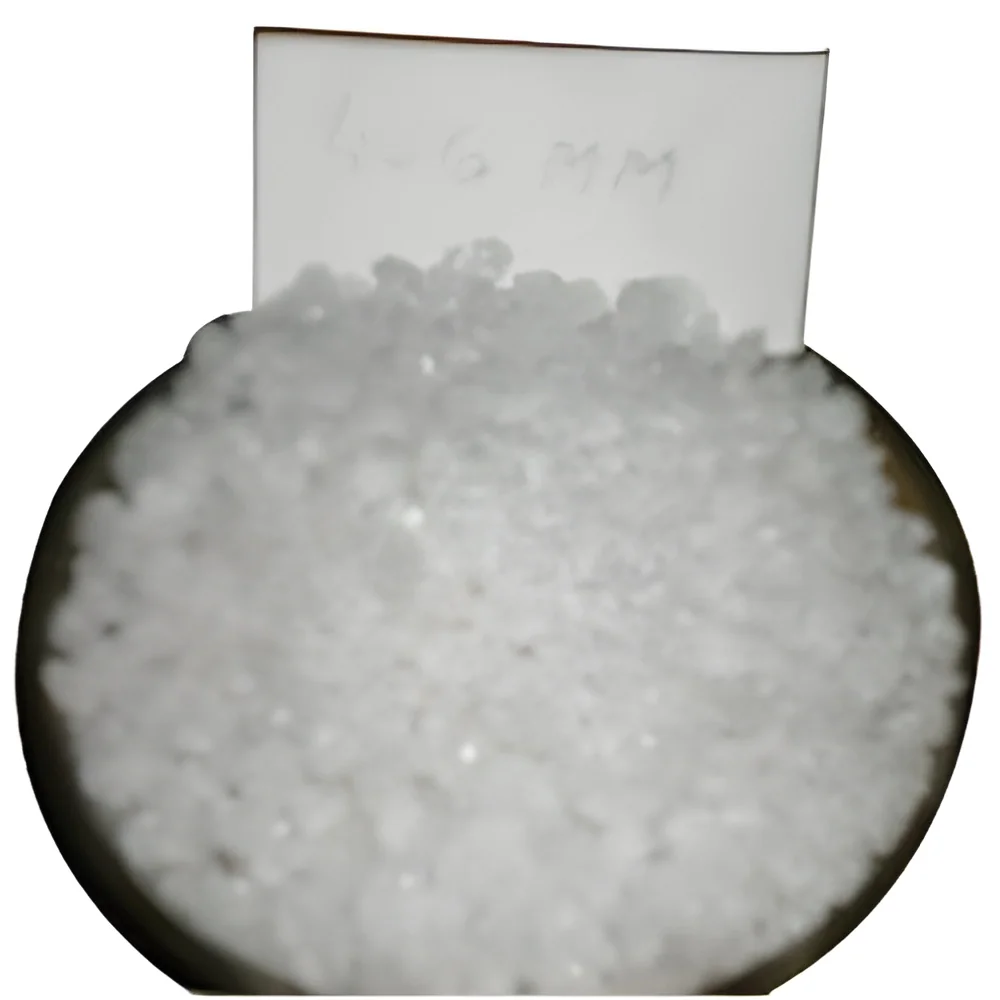
What are Construction Sands & Silts?
Construction sands and silts are essential materials used in various construction processes. Sands are granular materials composed of finely divided rock and mineral particles, typically ranging in size from 0.0625 mm to 2 mm. Silts, on the other hand, consist of finer particles measuring between 0.002 mm and 0.0625 mm. Both materials play a crucial role in providing structural integrity and stability to construction projects.
These materials are primarily used in concrete production, road construction, and as backfill in excavation sites. Construction sands improve drainage and provide a solid base for pavements and foundations, while silts are often utilized for their ability to retain moisture and nutrients in soil. The demand for high-quality construction sands and silts is ever-increasing in the construction industry, driven by urbanization and infrastructure development globally.
Key Features and Specifications
Construction sands and silts come with specific features and specifications that make them suitable for various applications. Understanding these specifications is essential for businesses looking to source these materials effectively.
Key specifications include:
1. Particle Size Distribution
- Ensures optimal performance in construction applications
- Typical ranges include coarse, medium, and fine grades
2. Purity Level
- Indicates the absence of contaminants
- Must meet industry standards for quality
3. Moisture Content
- Affects the workability of the material
- Should be controlled within designated limits
4. Specific Gravity
- Determines the density of the material
- Critical for calculating load-bearing capabilities
5. Compaction Characteristics
- Influences stability and strength when used in foundations
- Must meet compaction criteria for specific applications
6. Chemical Composition
- Impacts the material's durability and performance
- Commonly includes silica and silicates
7. Environmental Compliance
- Must adhere to local regulations regarding extraction and use
- Important for sustainable sourcing practices
In summary, understanding these key features and specifications helps businesses select the right construction sands and silts for their projects.
Common Applications and Use Cases
Construction sands and silts serve various industries and applications, making them versatile materials in building and infrastructure projects.
1. Civil Engineering: Used in concrete mixes for foundations, pavements, and structural components. Properly graded sand provides the strength required for heavy loads.
2. Landscaping: Utilized in gardens and public parks for soil improvement and drainage solutions. Silts can enhance soil fertility and moisture retention.
3. Road Construction: Essential for creating stable road bases and asphalt mixtures. Sands improve the overall durability of road surfaces.
4. Water Management: Employed in filtration systems and drainage applications. Sands help manage stormwater runoff and protect water quality.
5. Mining and Quarrying: Used in various processes to separate minerals. Sands and silts are vital in the extraction and processing of raw materials.
6. Manufacturing: Essential in producing glass, ceramics, and other industrial products. The purity and quality of sand are critical for these applications.
7. Environmental Remediation: Applied in projects aimed at restoring contaminated sites. Silts can aid in soil stabilization and pollutant absorption.
Product Variants and Subcategories
Construction sands and silts come in various types to meet specific industry needs. Understanding these variants helps businesses choose the right materials for their projects.
Coarse Sand
Coarse sand features larger particles that provide excellent drainage and stability. It is often used in concrete production and as a base material for roads and foundations.
Fine Sand
Fine sand has smaller particle sizes and is ideal for applications requiring smooth finishes. It is commonly used in plastering, masonry, and as a top dressing in landscaping.
Silt
Silt is characterized by its fine texture and ability to retain moisture. It is often used in agricultural applications to improve soil quality and in construction for backfill purposes.
Benefits and Advantages
Sourcing high-quality construction sands and silts offers several advantages that can enhance project outcomes.
1. Improved Durability: Quality sands and silts contribute to the longevity of structures by providing strength and stability.
2. Enhanced Workability: Materials that meet specified standards ensure ease of use in mixing and application processes.
3. Cost Efficiency: Sourcing the right materials can reduce waste and lower overall project costs, benefiting the bottom line.
4. Environmental Sustainability: Quality products sourced from reputable suppliers often adhere to environmental standards, promoting sustainable practices.
5. Versatility: The diverse applications of construction sands and silts allow businesses to utilize them across multiple projects.
Buying Guide for B2B Buyers
When sourcing construction sands and silts, businesses should consider several critical factors to ensure they make informed purchasing decisions.
1. Quality Assessment: Evaluate the quality of sands and silts based on particle size, purity, and moisture content. These criteria are vital for ensuring material performance.
2. Supplier Verification: Vet potential suppliers by checking their credentials, certifications, and reputation in the industry. A reliable supplier can significantly impact project success.
3. Pricing and MOQ: Understand the pricing structure and minimum order quantities. This helps in budgeting and ensures that the procurement process aligns with project requirements.
4. Delivery and Lead Times: Consider logistics and transportation capabilities of suppliers. Timely delivery is crucial for maintaining project schedules.
5. Compliance Requirements: Ensure that the materials meet local and regional regulations. This includes environmental compliance and safety standards necessary for construction.
Compliance and Certifications
Construction sands and silts must adhere to various compliance and certification standards to ensure quality and safety. These include internationally recognized quality standards such as ISO 9001, which emphasizes quality management systems. Additionally, CE certification indicates that products meet European safety and environmental requirements.
Safety and testing requirements are paramount, especially in construction applications where material integrity is critical. Regular testing for contaminants and performance metrics is essential to maintain compliance.
Regionally, compliance considerations may vary, requiring businesses to be aware of local laws governing the extraction and use of construction materials. Adhering to these regulations ensures sustainable practices and protects the environment.
Why Source Construction Sands & Silts from Pepagora?
Pepagora offers a trusted platform for sourcing construction sands and silts, providing several key advantages for B2B buyers.
Verified Supplier Network: Pepagora collaborates with a network of verified suppliers. This ensures that buyers have access to high-quality materials from reputable sources, reducing the risk associated with procurement.
Streamlined RFQ Process: The platform features an efficient Request for Quotation (RFQ) system. This allows buyers to obtain competitive quotes quickly and easily, simplifying the procurement process.
Trade Assurance and Support: Pepagora provides trade assurance to buyers, ensuring protection throughout the purchasing journey. Support services are available to address any concerns or issues that may arise.
Regional Coverage: With a strong presence in India, the GCC, and Southeast Asia, Pepagora offers extensive geographic reach. This allows businesses to source construction sands and silts tailored to their specific regional needs and market conditions.

 IN
IN