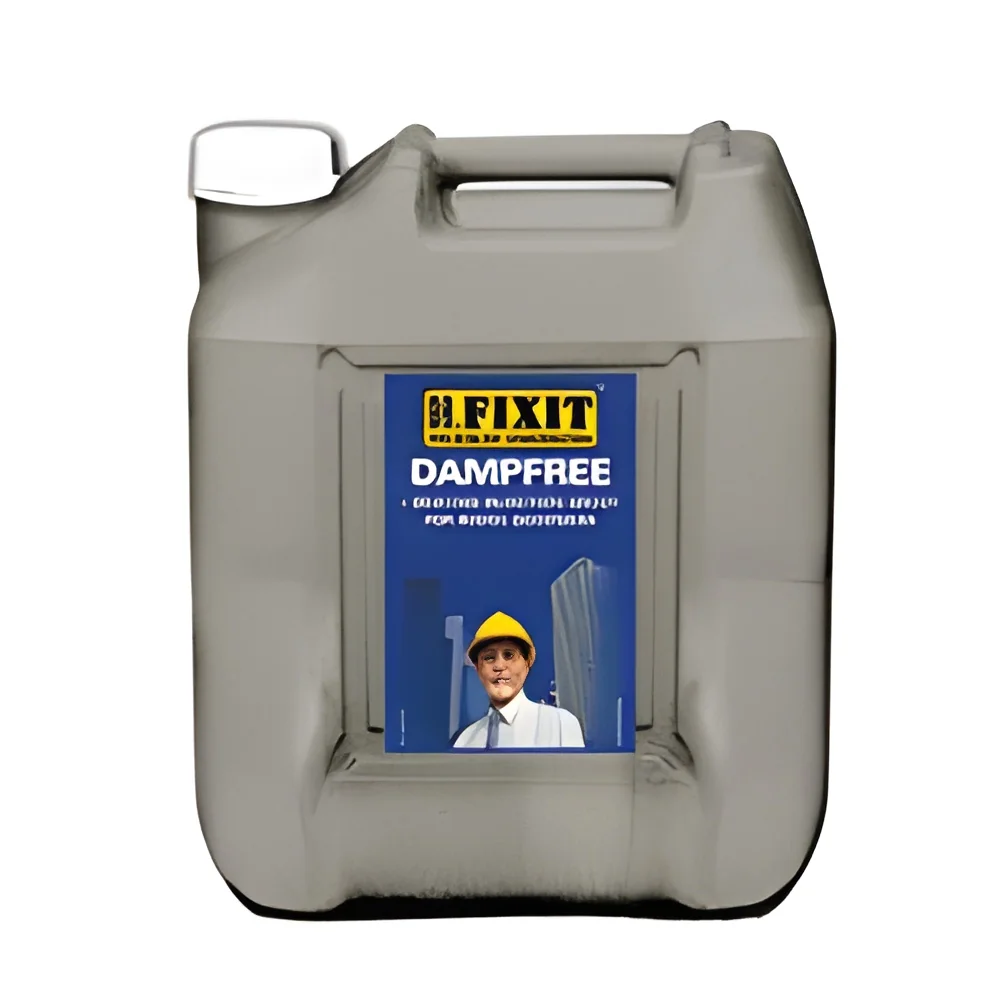
What are Grouting Compounds?
Grouting compounds are specialized materials used to fill gaps and voids in construction projects. They are typically composed of various binders, aggregates, and additives that enhance their performance characteristics. These compounds are formulated to provide strong adhesion, resistance to water and chemicals, and durability in various environmental conditions.
Grouting compounds are primarily used in the construction and repair of concrete structures, such as bridges, tunnels, and foundations. They serve to stabilize and strengthen structures by filling in cracks, joints, and other imperfections. Additionally, they are essential in applications like tile setting, where they help secure tiles in place and prevent moisture from penetrating beneath them. The growing demand for durable and resilient construction materials has made grouting compounds increasingly relevant in the industry.
As construction projects become more complex and demanding, the market for grouting compounds continues to expand. Companies are looking for high-quality products that can withstand harsh conditions and meet various regulatory standards. This trend is driving innovation and the development of new formulations that cater to specific needs, making grouting compounds a crucial component in modern construction.
Key Features and Specifications
Grouting compounds come with a range of features and specifications that make them suitable for various applications. These specifications help buyers choose the right product for their specific needs.
Key specifications include:
1. Composition
- Typically consists of binders, aggregates, and additives
- Designed for optimal performance in specific environments
2. Adhesion Strength
- High initial and final adhesion to various substrates
- Measured in psi or MPa, depending on the formulation
3. Curing Time
- Varies based on type, typically ranges from a few hours to several days
- Affects the speed of application and project timelines
4. Water Resistance
- Resistance to moisture penetration
- Important for applications in wet or submerged conditions
5. Temperature Range
- Suitable for application in a range of temperatures
- Ensures effectiveness in varying environmental conditions
6. Chemical Resistance
- Ability to withstand exposure to various chemicals
- Key for industrial applications where chemical exposure is common
7. Flexibility
- Some formulations offer flexibility to accommodate movement
- Reduces the risk of cracking in dynamic environments
8. Compliance Standards
- Many products meet industry standards and certifications
- Ensures reliability and safety for users
In summary, understanding the key features and specifications of grouting compounds is essential for selecting the appropriate product for specific applications. These specifications ensure that the compounds meet the required performance standards for durability and effectiveness.
Common Applications and Use Cases
Grouting compounds are versatile materials used across multiple industries. They serve various functions depending on the application.
1. Construction: In construction, grouting compounds are used for filling gaps in concrete, stabilizing foundations, and providing support in structures like bridges and tunnels.
2. Tile Installation: Grouting compounds play a critical role in tiling projects, securing tiles in place and preventing water damage by sealing gaps between tiles.
3. Road and Bridge Maintenance: These compounds are often used in the repair and maintenance of roads and bridges, ensuring longevity and safety in high-traffic areas.
4. Industrial Applications: In industrial settings, grouting compounds are utilized for anchoring machinery and equipment, providing stability and reducing vibration.
5. Marine Applications: Grouting compounds are employed in marine environments to secure structures and equipment, ensuring resistance to saltwater and other harsh conditions.
6. Water Treatment Facilities: In these facilities, grouting compounds are used to seal and protect structures from water infiltration and chemical exposure.
7. Oil and Gas Industry: Grouting compounds are vital in the oil and gas industry for sealing well casings and providing structural integrity in drilling operations.
Product Variants and Subcategories
Grouting compounds come in various formulations to cater to specific needs and applications. This diversity allows buyers to choose products that best suit their requirements.
Waterproof Grouting Compound: This variant is designed for applications in wet environments. It offers superior water resistance and is ideal for use in bathrooms, kitchens, and outdoor spaces.
High-Strength Grouting Compound: Formulated for heavy-duty applications, this type provides exceptional adhesion and durability. It is commonly used in industrial settings where heavy machinery is involved.
Flexible Grouting Compound: This variant accommodates movement and is ideal for areas prone to expansion and contraction. It is commonly used in flooring applications where temperature fluctuations occur.
Rapid-Setting Grouting Compound: Known for its quick curing time, this product is suitable for projects requiring fast completion. It is often used in emergency repairs or when time constraints are critical.
Benefits and Advantages
Grouting compounds offer numerous benefits that enhance their value in various applications.
Key benefits include:
1. Enhanced Stability: Grouting compounds provide additional support to structures, ensuring stability and longevity.
2. Moisture Protection: These compounds effectively seal gaps and prevent water infiltration, reducing the risk of damage.
3. Versatility: Grouting compounds can be used in a wide range of applications, making them suitable for various industries.
4. Easy Application: Many formulations are user-friendly and can be applied with standard tools, streamlining the installation process.
5. Cost-Effectiveness: The durability and performance of grouting compounds often lead to reduced maintenance costs over time.
6. Compliance with Standards: Many products meet industry regulations, ensuring safety and reliability for users.
Buying Guide for B2B Buyers
When sourcing grouting compounds, it is crucial for buyers to consider several key factors to ensure they make informed decisions.
1. Quality Assessment: Evaluate the quality of grouting compounds by reviewing product specifications, performance tests, and customer reviews. High-quality compounds will have established performance metrics.
2. Supplier Verification: Vet potential suppliers by checking their credentials, certifications, and past performance. Ensure they have a reliable track record in the industry.
3. Pricing and MOQ: Consider the cost of grouting compounds and the minimum order quantity (MOQ). Look for suppliers that offer competitive pricing without compromising quality.
4. Delivery and Lead Times: Assess the logistics and delivery timelines. Ensure that suppliers can meet project deadlines and have the capacity to deliver orders on time.
5. Compliance Requirements: Be aware of any regulatory requirements that may apply to the use of grouting compounds in your specific industry. Ensure that the products you choose comply with necessary standards.
Compliance and Certifications
Grouting compounds must meet various compliance standards and certifications to ensure their safety and effectiveness in applications.
Relevant quality standards include ISO 9001, which ensures that manufacturers adhere to quality management systems. This standard helps guarantee that products are consistently produced and controlled according to quality standards.
Industry certifications, such as CE marking, indicate that the products meet European Union safety and environmental protection requirements. This certification is crucial for ensuring that the products are fit for purpose in various applications.
Safety and testing requirements are also essential, as they ensure that the compounds are safe for use and do not pose health risks to users. Manufacturers often conduct rigorous testing to verify performance claims and compliance with safety regulations.
Regional compliance considerations vary by location, and buyers must be aware of local regulations that may impact the use of grouting compounds in construction and other industries.
Why Source Grouting Compounds from Pepagora?
Pepagora provides a trusted platform for sourcing grouting compounds with several key advantages that benefit B2B buyers.
Verified Supplier Network: Pepagora has established a network of verified suppliers, ensuring that buyers can find high-quality grouting compounds from reputable manufacturers. This verification process helps build trust and confidence in the sourcing process.
Streamlined RFQ Process: The platform offers a streamlined Request for Quotation (RFQ) system that simplifies the process of obtaining quotes from multiple suppliers. This efficiency allows buyers to compare options and make informed decisions quickly.
Trade Assurance and Support: Pepagora provides trade assurance and support, protecting buyers against potential risks. This assurance gives buyers peace of mind when sourcing products through the platform.
Regional Coverage: The platform has a broad geographic reach, covering regions such as India, the Gulf Cooperation Council (GCC), and Southeast Asia. This coverage ensures that buyers can access grouting compounds tailored to their local markets and needs.

 IN
IN