IN
IN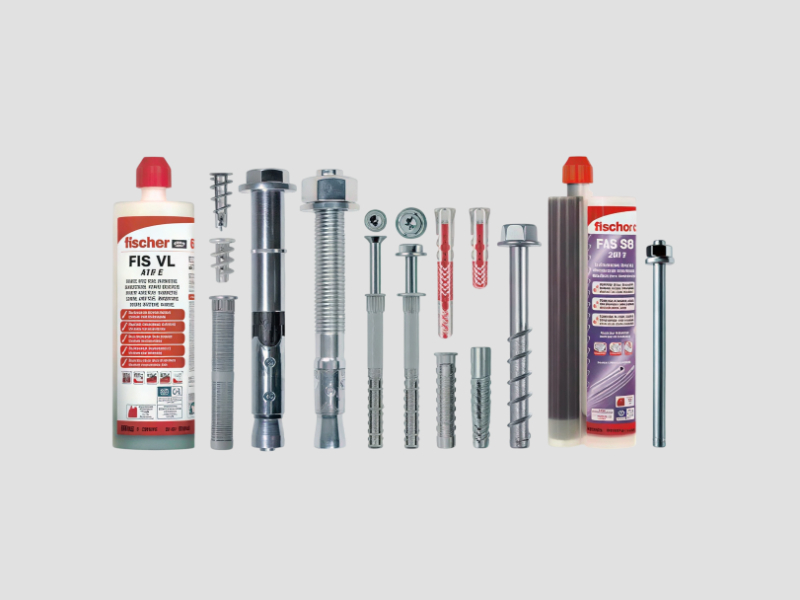
Description
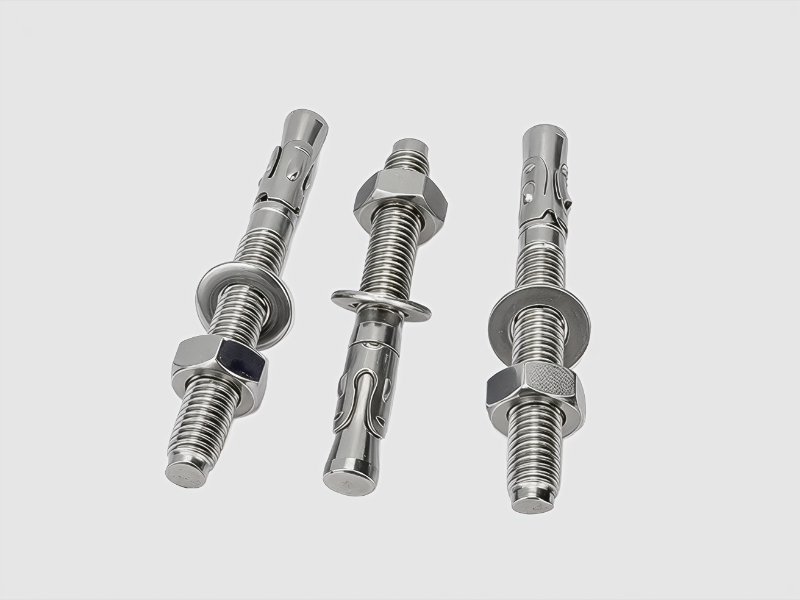
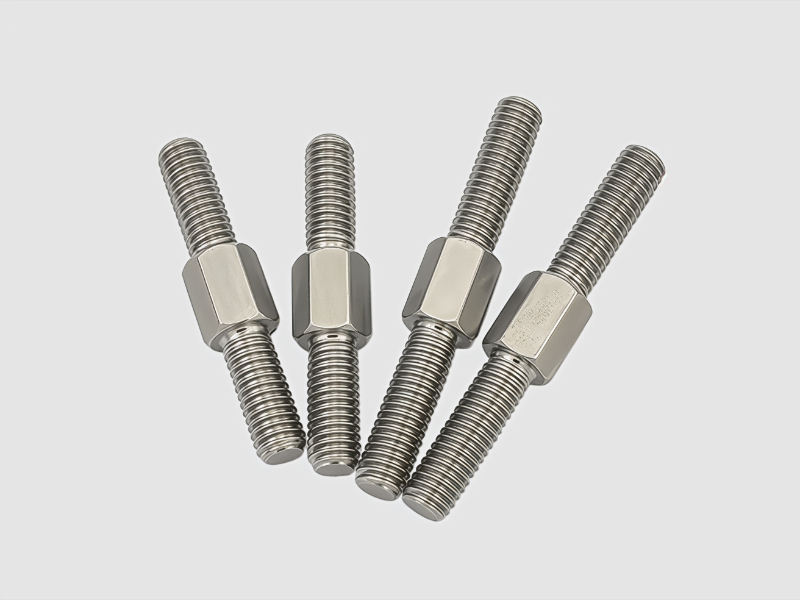
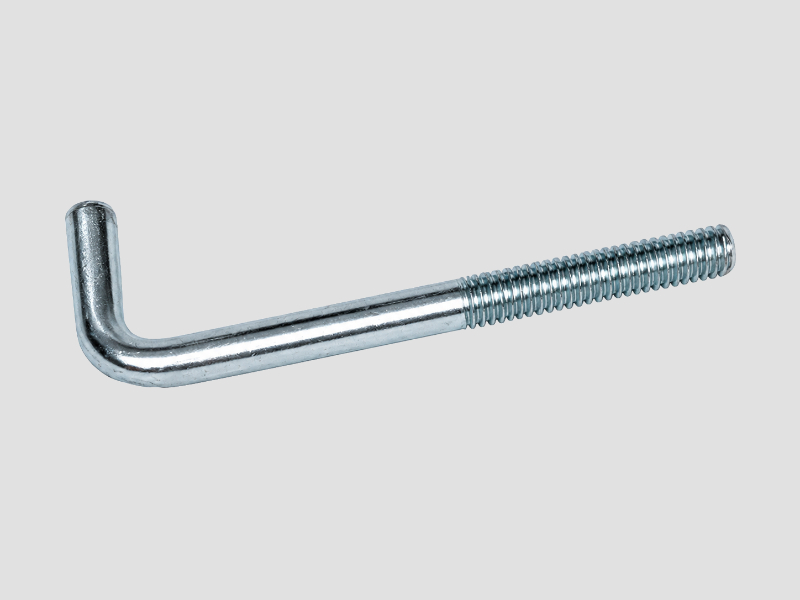
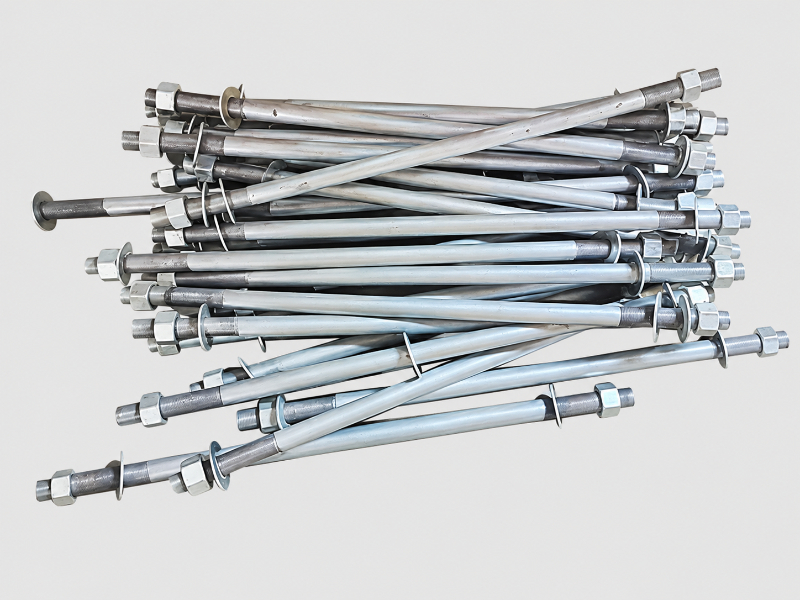
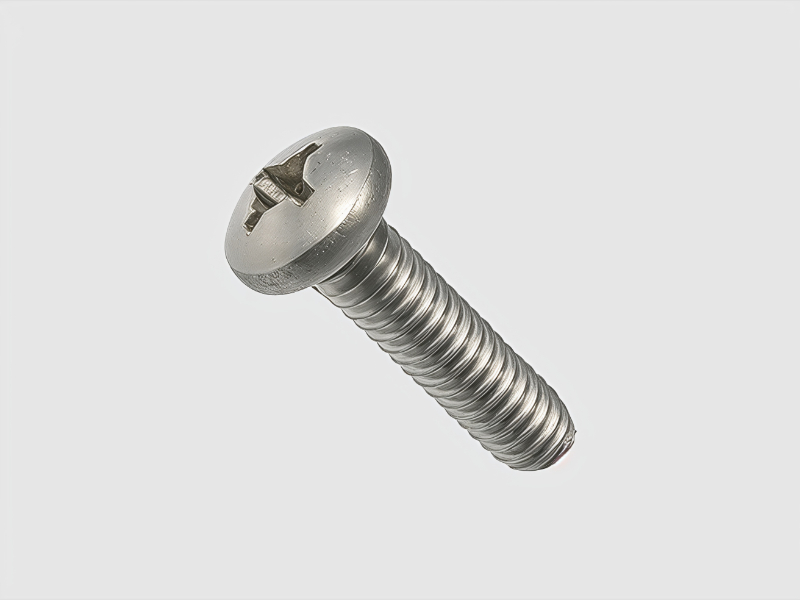
The Chemical Anchor Fastener is designed to provide strong and durable connections in concrete, utilizing advanced epoxy or resin technology for optimal bonding. This fastener is suitable for a wide range of applications including construction, infrastructure, and industrial projects where reliability under high loads is critical.
• Constructed from stainless steel, ensuring excellent corrosion resistance for longevity.
• Capable of supporting loads up to 250 kg, making it ideal for securing heavy structural components.
• Versatile installation methods available: hammer-in or screw-in options accommodate varying project requirements.
The robustness of the Chemical Anchor Fastener enhances safety and performance across various industries. It’s an essential choice for procurement departments seeking reliable hardware solutions that meet stringent industry standards.
Specifications
| Key Attributes | |
|---|---|
| Material Type | Stainless Steel |
| Load Capacity | 250 kg |
| Installation Method | Hammer-in, Screw-in |
| Corrosion Resistance | High |
| Additional Information | |
|---|---|
| Country of Origin | India |
Application
Trade Details
| Production Lead Time | 8-14 Days |
| Available Stock | In Stock |
| Sample Availability | No |
Payment Terms
| Payment Methods |
|
Shipping & Logistics
| Shipping Internationally | No | |
| Methods |
| |
| Dispatch Lead time | Ships in 14+ Days |
Company Profile


 Tamil Nadu, India
₹5 Crore – ₹10 Crore
Factory Details
Frequently Asked Questions
What is a chemical anchor fastener?
A chemical anchor fastener is a type of anchoring system that uses a special adhesive to bond the anchor securely to the substrate, providing strong hold in various materials like concrete, brick, and stone.
What materials can I use the chemical anchor fastener with?
Chemical anchor fasteners are effective for use with materials such as concrete, masonry, brick, and certain types of stone. Always check compatibility before installation.
How do I install a chemical anchor fastener?
To install a chemical anchor fastener, first drill the appropriate hole in your substrate, clean it out thoroughly, mix the adhesive per instructions, inject into the hole or onto the bolt as directed, then insert the bolt or rod and allow it to cure as specified.
Can I remove a chemical anchor once it's installed?
Removing a chemical anchor can be challenging due to its strong bond. It's generally not recommended for projects that may require future adjustments; however, if needed, specific tools might help break the bond depending on your setup.
What payment methods do you accept for purchasing this product?
We accept cash payments along with demand drafts and checks for purchasing our products. Please ensure to choose an accepted method during checkout.
Chemical Anchor Fastener
Chemical Anchor Fasteners use epoxy or resin to create a strong and durable bond in concrete, providing a secure and stable connection. These fasteners are widely used in construction, infrastructure, and industrial projects, where their ability to withstand high loads and vibrations is essential. Chemical Anchors are ideal for securing structural steel, machinery, and equipment to concrete foundations. Their robust design ensures long-lasting performance, making them a trusted choice in industries that prioritize safety and durability.
Shipping
Shipping fee and delivery date to be negotiated. Contact supplier now for more details.

 Tamil Nadu, India