
 IN
Fresh Fruits & Vegetables
515 products available
𝗪𝗵𝗮𝘁 𝗮𝗿𝗲 𝗙𝗿𝗲𝘀𝗵 𝗙𝗿𝘂𝗶𝘁𝘀 & 𝗩𝗲𝗴𝗲𝘁𝗮𝗯𝗹𝗲𝘀?
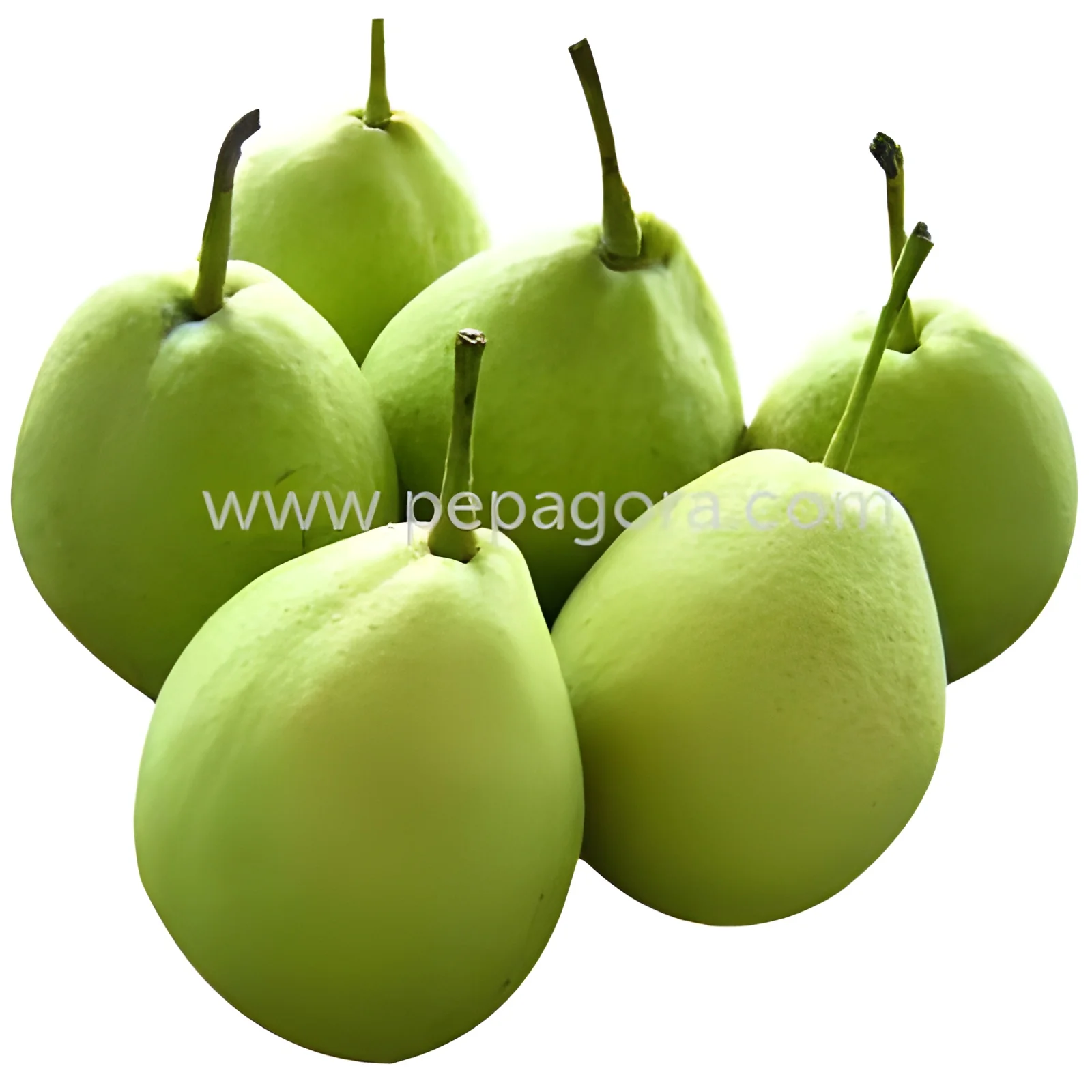
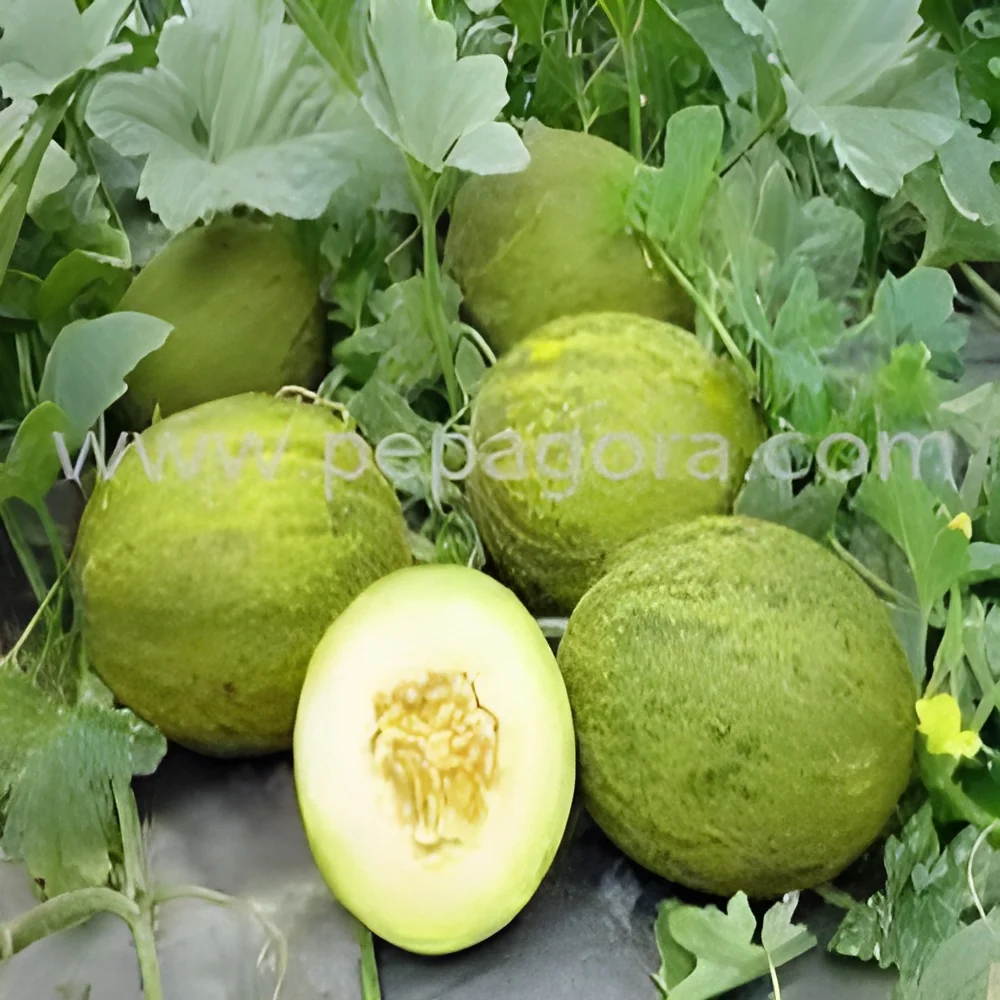
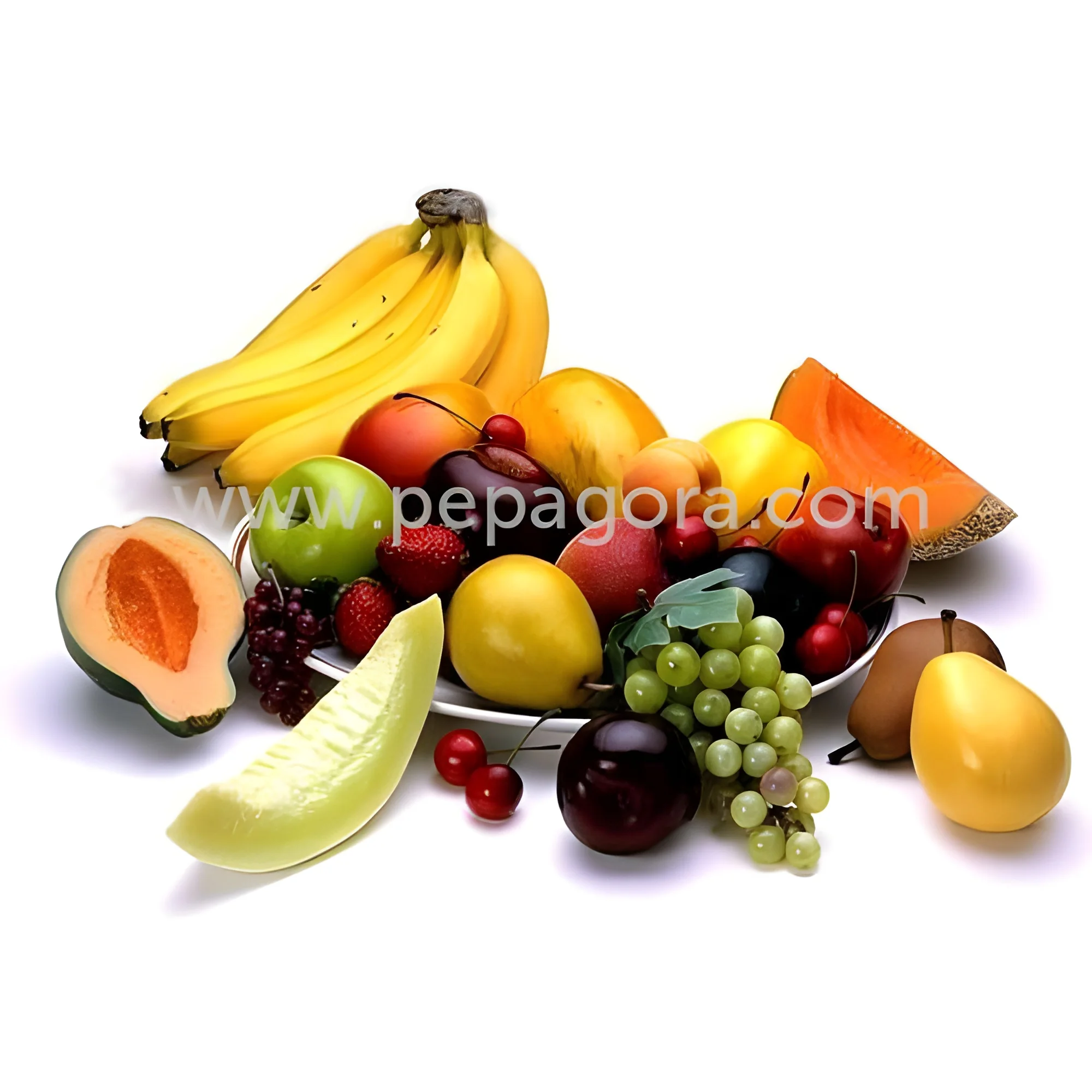
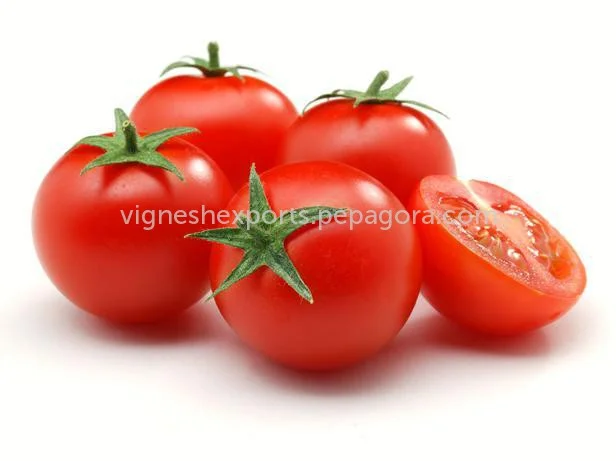
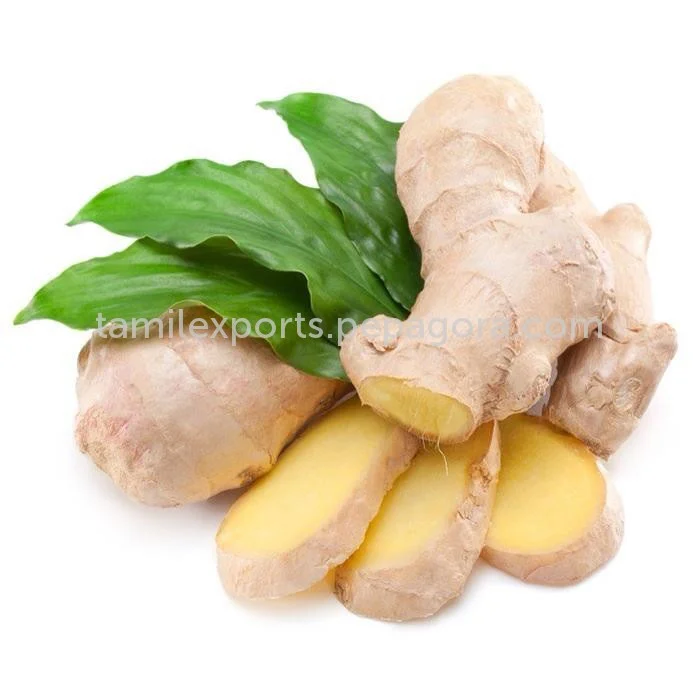
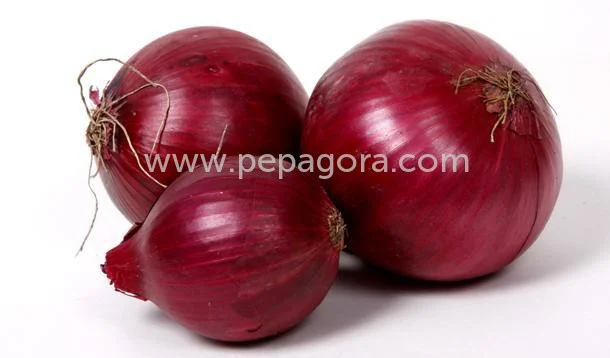
Fresh fruits and vegetables are natural, unprocessed products harvested from plants, used widely in various culinary and industrial applications. They are characterized by their rich nutritional content, including vitamins, minerals, fiber, and antioxidants. Fresh fruits generally include products like apples, oranges, and berries, while vegetables encompass items such as carrots, spinach, and broccoli. The freshness of these products is often determined by their harvest time, storage conditions, and transportation processes, making them perishable goods that require careful handling.
These products play a crucial role in many businesses, particularly in the food service industry, grocery retail, and food processing sectors. Restaurants and catering services rely on fresh produce for meal preparations, while supermarkets and wholesalers focus on providing a wide variety of fruits and vegetables to consumers. The demand for fresh produce is continuously growing, driven by increasing health consciousness among consumers and the trend toward plant-based diets. As a result, the fresh produce market is a significant sector within the global food industry.
𝗞𝗲𝘆 𝗙𝗲𝗮𝘁𝘂𝗿𝗲𝘀 𝗮𝗻𝗱 𝗦𝗽𝗲𝗰𝗶𝗳𝗶𝗰𝗮𝘁𝗶𝗼𝗻𝘀
Fresh fruits and vegetables are distinguished by several key features and specifications that influence their quality and usability in various applications. Understanding these specifications is essential for B2B buyers to ensure they are sourcing the best products for their needs.
Key specifications include:
1. Quality Assessment
- Freshness indicators include color, firmness, and absence of blemishes.
- Products must meet specified ripeness levels for optimal taste and nutrition.
2. Shelf Life
- Typical shelf life varies by product type, with some fruits lasting a few days and others up to several weeks.
- Proper storage conditions can significantly enhance shelf life.
3. Nutritional Content
- Fruits and vegetables are evaluated based on their vitamin and mineral content.
- Organic options may offer higher nutritional value without chemical residues.
4. Packaging Standards
- Packaging must protect produce during transit and storage.
- Eco-friendly options are increasingly preferred by consumers and businesses.
5. Temperature Control
- Recommended storage temperatures vary; for example, most fruits should be kept between 0-4 degrees Celsius.
- Temperature monitoring during transit is crucial to maintain freshness.
6. Compliance with Safety Standards
- Products should comply with quality standards such as ISO 9001 and HACCP.
- Certifications like CE indicate adherence to safety regulations.
In summary, understanding these specifications helps businesses make informed decisions when sourcing fresh fruits and vegetables.
𝗖𝗼𝗺𝗺𝗼𝗻 𝗔𝗽𝗽𝗹𝗶𝗰𝗮𝘁𝗶𝗼𝗻𝘀 𝗮𝗻𝗱 𝗨𝘀𝗲 𝗖𝗮𝘀𝗲𝘀
Fresh fruits and vegetables have a wide range of applications across various industries. They are integral to numerous sectors, providing essential nutrients and flavors.
1. Food Service Industry: Restaurants and catering services utilize fresh produce to create diverse and healthy menus, enhancing the dining experience.
2. Grocery Retail: Supermarkets and local markets stock fresh fruits and vegetables to meet consumer demands for healthy eating options.
3. Food Processing: Manufacturers use fresh produce to create sauces, juices, and other processed foods, adding value to raw ingredients.
4. Health and Wellness: Health-focused businesses incorporate fresh fruits and vegetables into smoothies, meal plans, and nutritional supplements.
5. Hospitality: Hotels and resorts prioritize fresh produce in their kitchens to offer high-quality dining experiences to guests.
6. Export Markets: Countries with abundant agricultural produce supply fresh fruits and vegetables to international markets, boosting their economies.
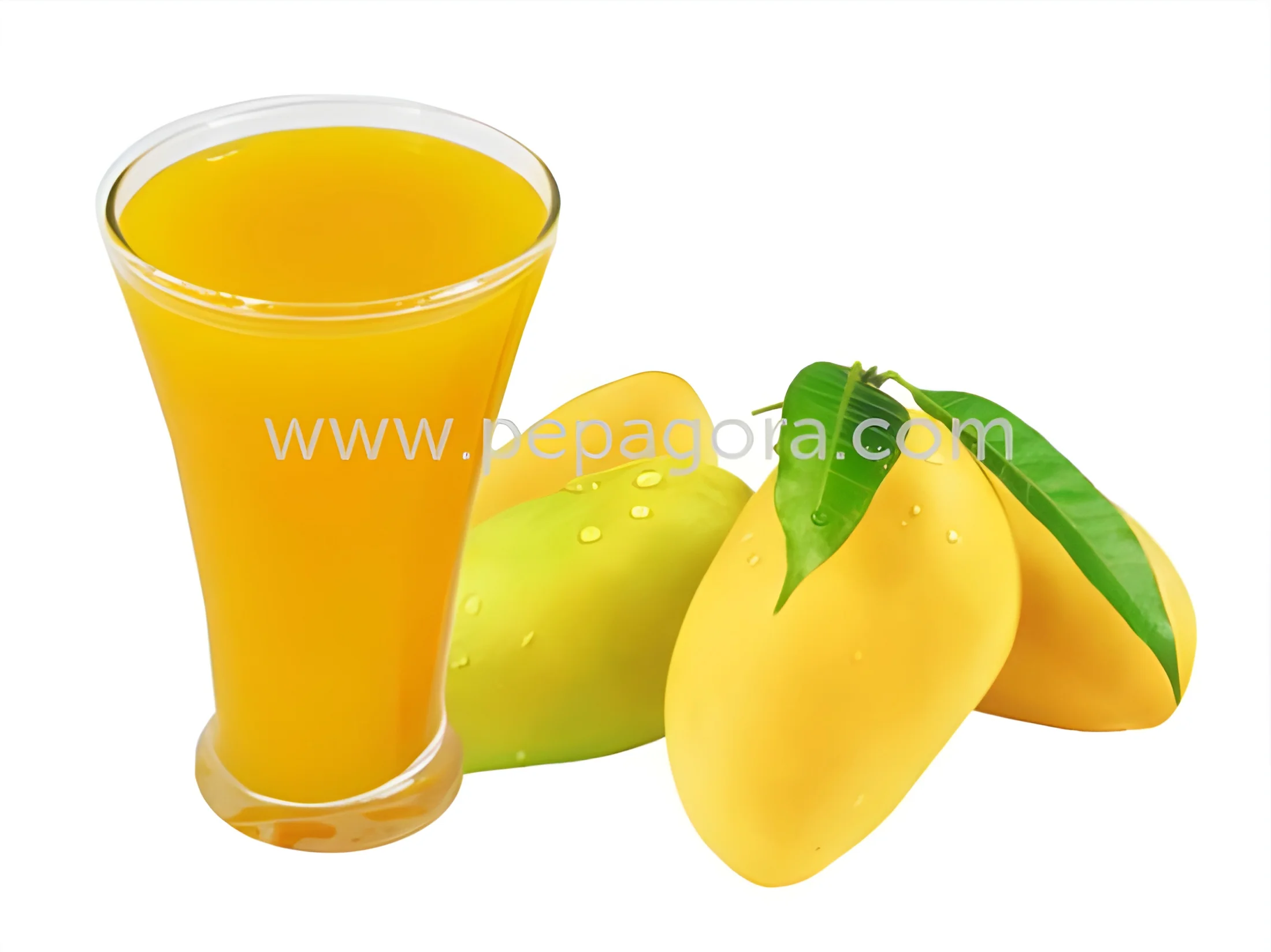
7. Juice and Beverage Industry: Fresh produce is the primary ingredient in many natural juices and smoothies, appealing to health-conscious consumers.
𝗣𝗿𝗼𝗱𝘂𝗰𝘁 𝗩𝗮𝗿𝗶𝗮𝗻𝘁𝘀 𝗮𝗻𝗱 𝗦𝘂𝗯𝗰𝗮𝘁𝗲𝗴𝗼𝗿𝗶𝗲𝘀
Fresh fruits and vegetables come in various forms and types, catering to different consumer preferences and market demands. This diversity ensures that businesses can find the right products for their specific needs.
Whole Fruits
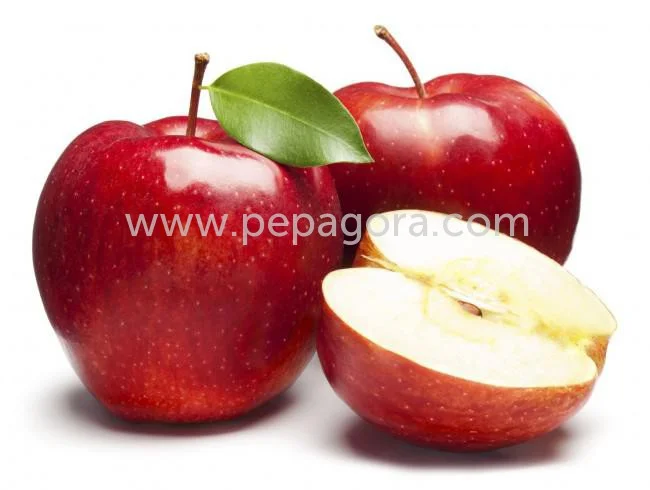
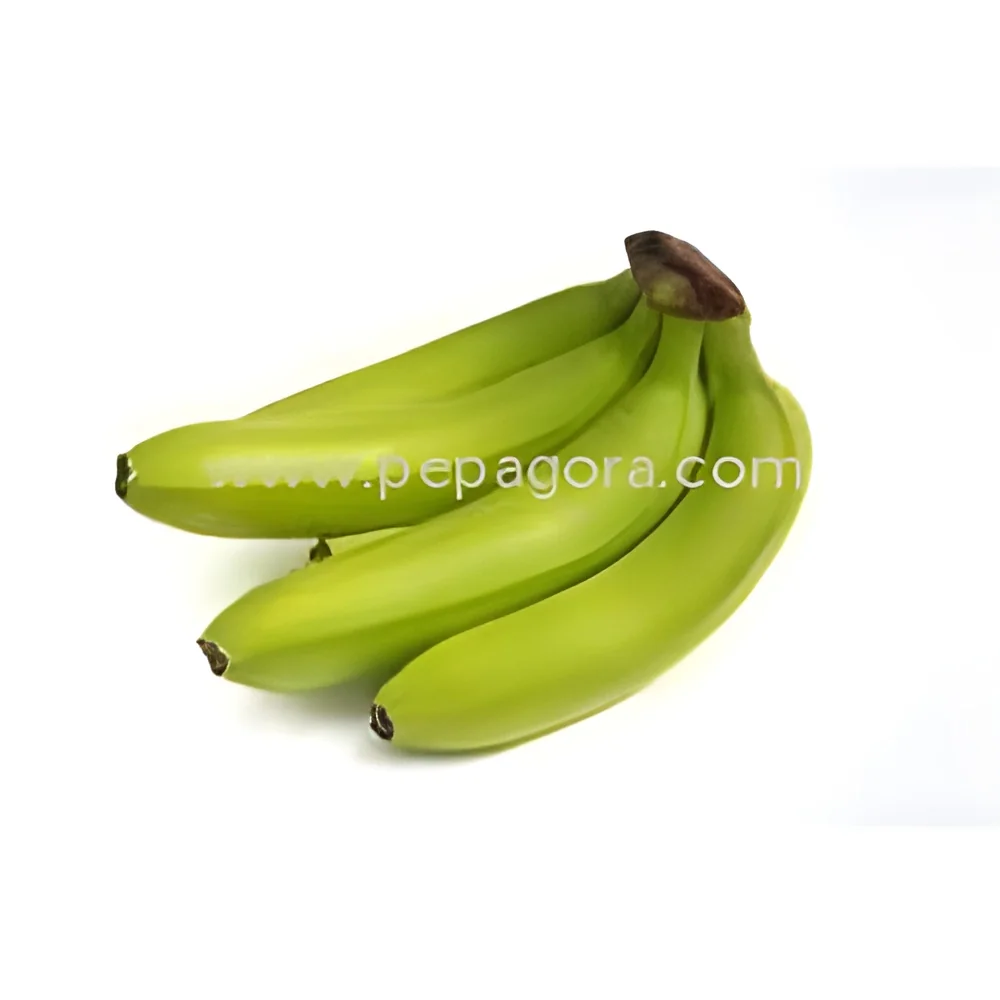
Whole fruits are sold in their natural form, providing convenience and immediate use for consumers. Common varieties include apples, bananas, and oranges, which are popular for snacking and meal preparation.
Pre-Cut Fruits
Pre-cut fruits are packaged for convenience, allowing for easy consumption and use in recipes. They are ideal for busy consumers and food service operations looking to save preparation time.
Organic Fruits and Vegetables
Organic options are grown without synthetic pesticides or fertilizers, appealing to health-conscious buyers. These products often command higher prices due to their perceived quality and environmental benefits.
Exotic Fruits and Vegetables
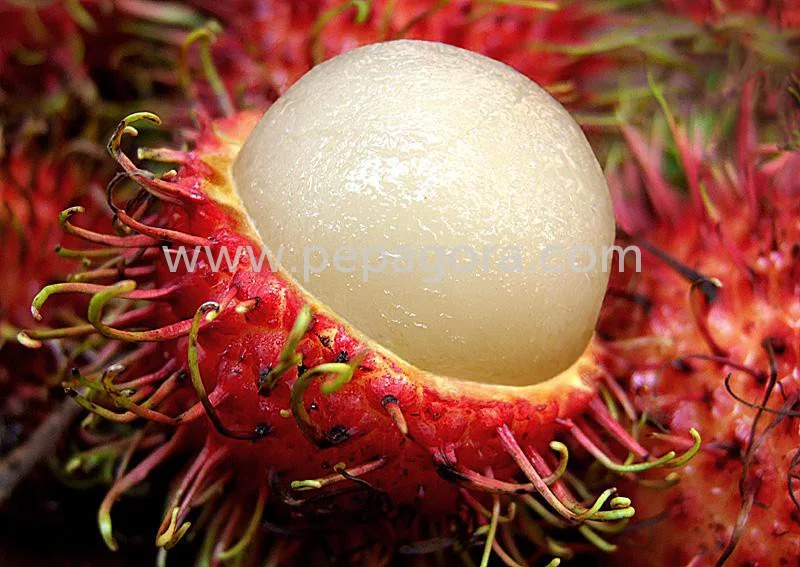
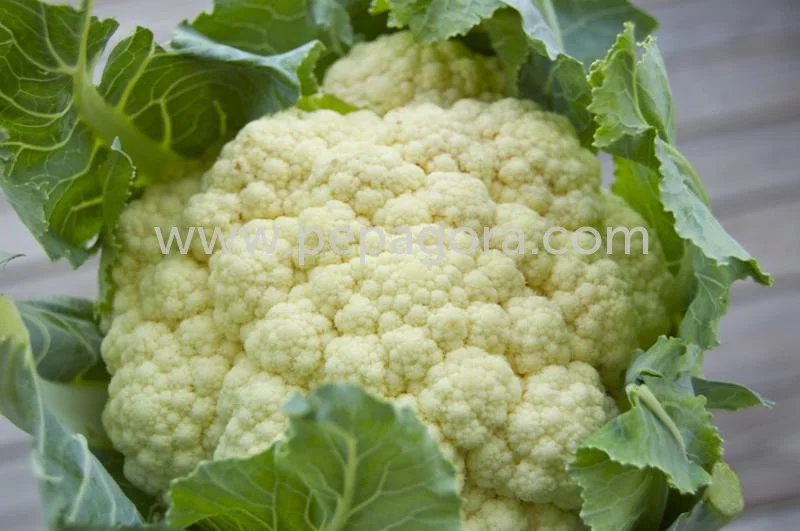
These are less common varieties that add unique flavors and colors to dishes. Examples include dragon fruit, rambutan, and purple cauliflower, which can attract consumers looking for novelty.
Frozen Fruits and Vegetables
Frozen options retain nutritional value while providing extended shelf life. They are popular in food service and retail for use in smoothies, soups, and entrees.
𝗕𝗲𝗻𝗲𝗳𝗶𝘁𝘀 𝗮𝗻𝗱 𝗔𝗱𝘃𝗮𝗻𝘁𝗮𝗴𝗲𝘀
Sourcing fresh fruits and vegetables offers numerous benefits for businesses across various sectors. Understanding these advantages can help decision-makers prioritize their procurement strategies.
1. Nutritional Value: Fresh produce is rich in vitamins and minerals essential for health and well-being, making them a crucial part of any diet.
2. Versatility: Fresh fruits and vegetables can be used in a variety of dishes, from salads to desserts, enhancing culinary creativity.
3. Consumer Demand: Increasing health awareness drives demand for fresh produce, providing businesses with opportunities for growth and profit.
4. Seasonal Variety: Different fruits and vegetables are available throughout the year, allowing businesses to offer seasonal specialties that attract customers.
5. Eco-Friendly Options: Sourcing local or organic produce can appeal to environmentally conscious consumers, improving brand reputation.
6. Competitive Advantage: Businesses that prioritize fresh, high-quality produce can differentiate themselves in the marketplace, attracting more customers.
𝗕𝘂𝘆𝗶𝗻𝗴 𝗚𝘂𝗶𝗱𝗲 𝗳𝗼𝗿 𝗕𝟮𝗕 𝗕𝘂𝘆𝗲𝗿𝘀
When sourcing fresh fruits and vegetables, B2B buyers should consider several key factors to ensure they are making informed decisions.
1. Quality Assessment: Evaluate the freshness, appearance, and nutritional content of produce. Buyers should ask for samples when possible to assess quality firsthand.
2. Supplier Verification: Conduct thorough vetting of suppliers to ensure they adhere to industry standards and regulations. Look for reputable certifications and reviews.
3. Pricing and MOQ: Understand the pricing structure and minimum order quantities (MOQ) required by suppliers. This information is crucial for budget planning.
4. Delivery and Lead Times: Consider the logistics of delivery, including lead times and transportation methods. Timely delivery is essential to maintain product freshness.
5. Compliance Requirements: Stay informed about regulatory standards that apply to fresh produce, including safety certifications and import/export regulations.
𝗖𝗼𝗺𝗽𝗹𝗶𝗮𝗻𝗰𝗲 𝗮𝗻𝗱 𝗖𝗲𝗿𝘁𝗶𝗳𝗶𝗰𝗮𝘁𝗶𝗼𝗻𝘀
Compliance with quality standards and certifications is vital in ensuring the safety and quality of fresh fruits and vegetables. Various relevant standards govern the industry.
ISO 9001 is a standard that outlines quality management principles, ensuring consistent quality and continuous improvement in processes. Adherence to this standard helps businesses maintain high quality in their products.
HACCP is a systematic approach to food safety that identifies potential hazards in the production process. Compliance with HACCP guidelines ensures that fresh produce is handled safely from farm to consumer.
Good Distribution Practices (GDP) ensure that products are stored and transported under appropriate conditions to maintain quality. Compliance with GDP is crucial in the fresh produce industry to prevent spoilage.
The CE certification indicates that products meet EU safety and health requirements. This certification is important for businesses exporting fresh produce to European markets.
Regional compliance considerations may vary based on local regulations and standards, making it essential for businesses to stay informed about the specific requirements in their areas of operation.
𝗪𝗵𝘆 𝗦𝗼𝘂𝗿𝗰𝗲 𝗙𝗿𝗲𝘀𝗵 𝗙𝗿𝘂𝗶𝘁𝘀 & 𝗩𝗲𝗴𝗲𝘁𝗮𝗯𝗹𝗲𝘀 𝗳𝗿𝗼𝗺 𝗣𝗲𝗽𝗮𝗴𝗼𝗿𝗮?
Pepagora provides a trusted platform for sourcing fresh fruits and vegetables, enabling businesses to connect with verified suppliers across various regions.
The verified supplier network ensures that buyers can access high-quality products from reputable sources. Pepagora conducts thorough checks to guarantee that suppliers meet industry standards, giving buyers confidence in their purchases.
The streamlined RFQ process simplifies the procurement experience. Buyers can easily request quotations from multiple suppliers, helping them compare prices and options efficiently.
Pepagora also offers trade assurance and support, protecting buyers through secure transactions and reliable customer service. This added layer of security enhances the overall purchasing experience.
With regional coverage extending to India, the GCC, and Southeast Asia, Pepagora facilitates connections between buyers and suppliers, ensuring access to fresh produce in various markets. This geographic reach allows businesses to source products that meet their specific needs while promoting efficiency and convenience in their purchasing processes.















Frequently Asked Questions
What are Fresh Fruits & Vegetables?
Fresh Fruits & Vegetables refer to the edible parts of plants that are consumed either raw or cooked. They are rich in vitamins, minerals, and dietary fiber and are essential for a balanced diet.
What are the different types of Fresh Fruits & Vegetables?
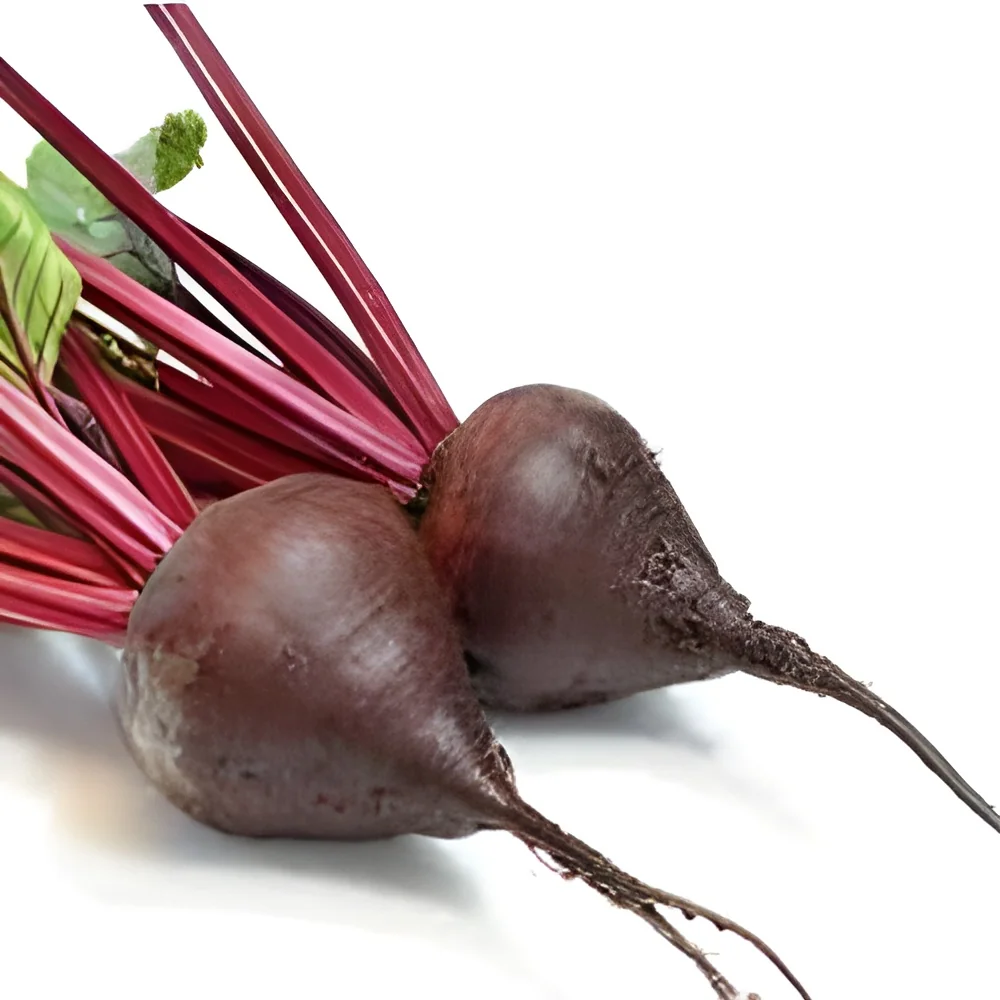
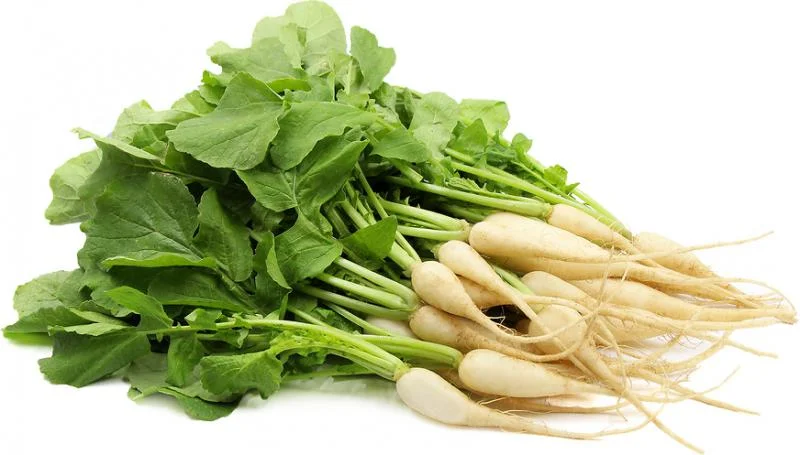
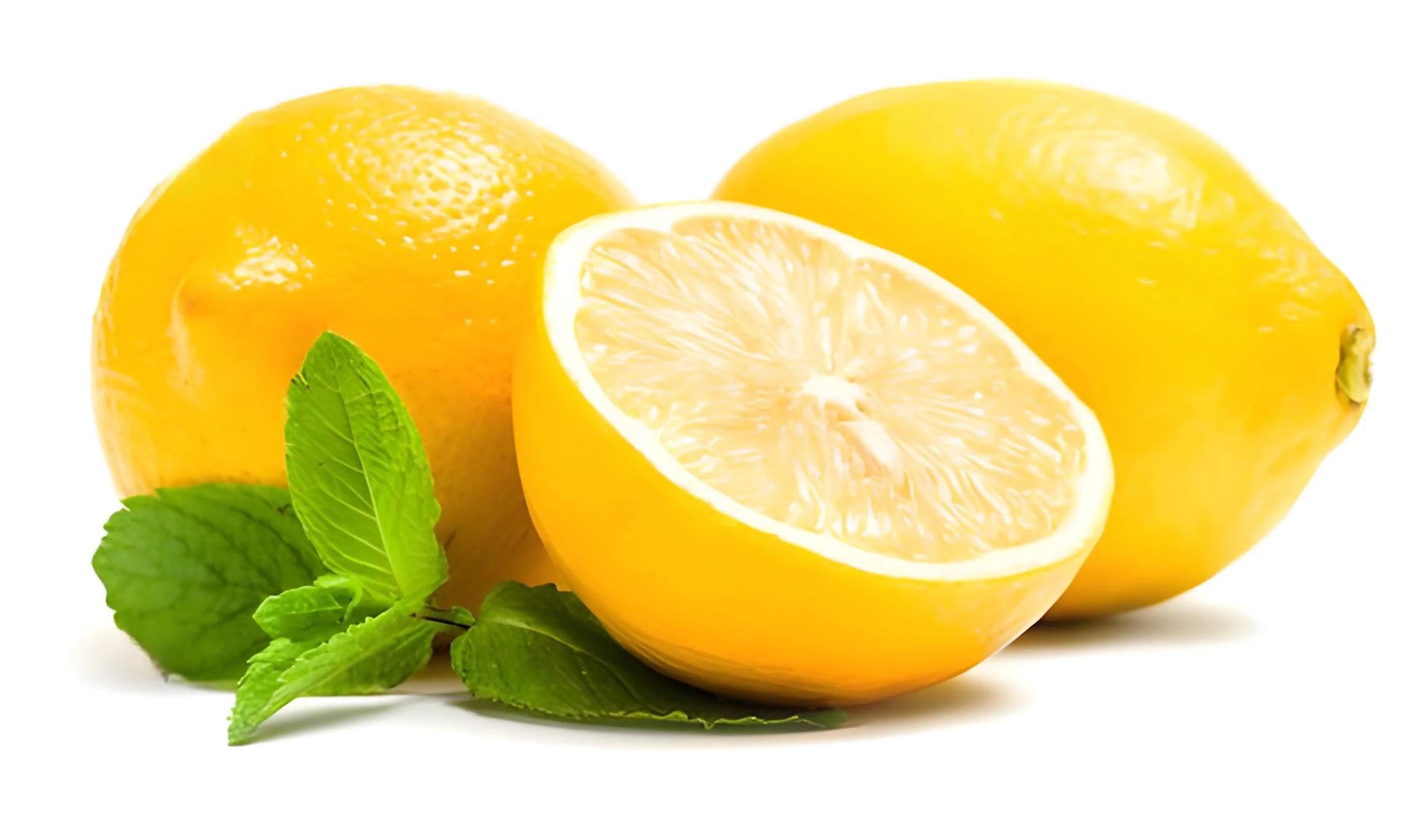
Fresh Fruits & Vegetables can be categorized into various types, including leafy greens, root vegetables, tubers, citrus fruits, berries, and stone fruits. Each category has unique characteristics and nutritional benefits.
How do I choose the right Fresh Fruits & Vegetables?
When selecting Fresh Fruits & Vegetables, look for items that are firm, vibrant in color, and free of blemishes. Additionally, consider the seasonality of the produce, as seasonal items tend to be fresher and more flavorful.
What are the standard specifications for Fresh Fruits & Vegetables?
Standard specifications for Fresh Fruits & Vegetables include size, weight, color, and absence of damage or decay. These specifications ensure that the products meet quality and safety standards for consumer consumption.
What is the price range for Fresh Fruits & Vegetables?
The price range for Fresh Fruits & Vegetables varies based on the type, quality, and region. Generally, prices can range from a few rupees to several hundred rupees per kilogram, depending on the variety and season.
What quality standards apply to Fresh Fruits & Vegetables?
Quality standards for Fresh Fruits & Vegetables include adherence to safety regulations, proper handling, and storage conditions. They should also meet acceptable levels for pesticide residues and be free from contaminants.
Where can I find Fresh Fruits & Vegetables suppliers in India?
You can find Fresh Fruits & Vegetables suppliers in India through online marketplaces, local agricultural cooperatives, and wholesale markets. Websites like Pepagora provide a platform to connect with verified suppliers and manufacturers.
Can Fresh Fruits & Vegetables be customized?
Fresh Fruits & Vegetables are typically sold as-is, but some suppliers may offer customization options such as packaging or specific varieties. It is advisable to discuss any customization needs directly with the supplier.
What is the typical minimum order quantity for Fresh Fruits & Vegetables?
The typical minimum order quantity (MOQ) for Fresh Fruits & Vegetables can vary depending on the supplier and product type. Generally, MOQs can range from a few kilograms to larger bulk orders.
What is the typical lead time for Fresh Fruits & Vegetables?
The typical lead time for Fresh Fruits & Vegetables depends on factors such as supplier location and availability. Generally, lead times can range from a few days to a couple of weeks.
Why Businesses Trust Pepagora
Thousands of companies trust Pepagora to source smarter and sell faster
Expand Your Sales Globally

Source Smarter,Grow Faster
