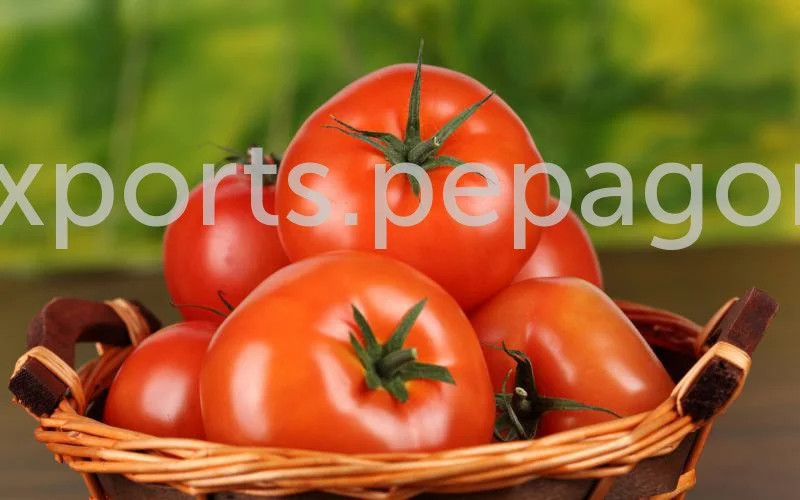
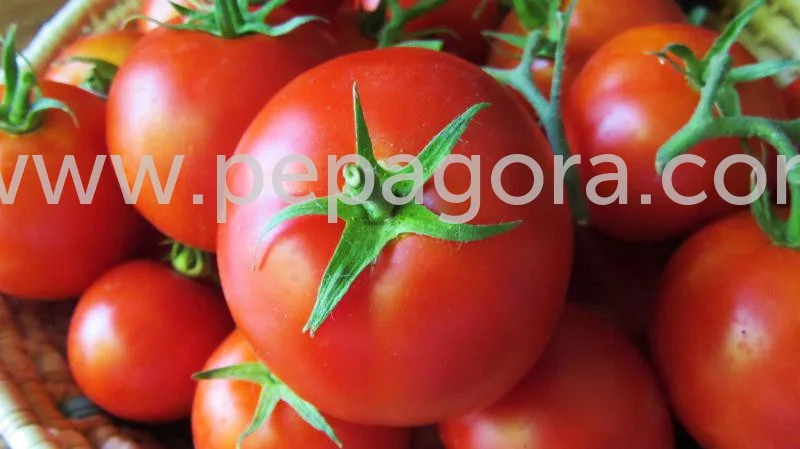
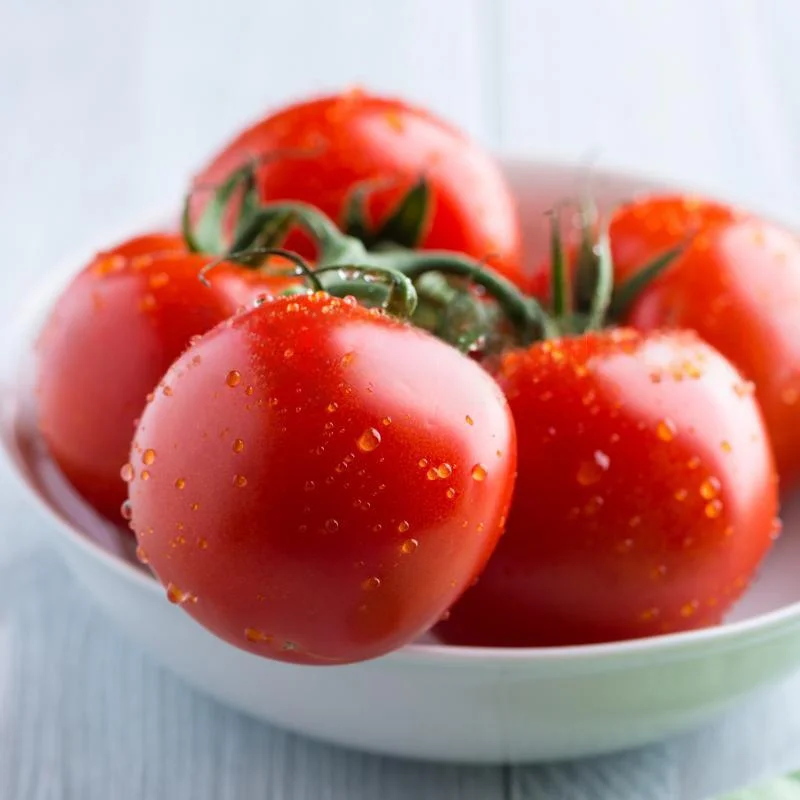
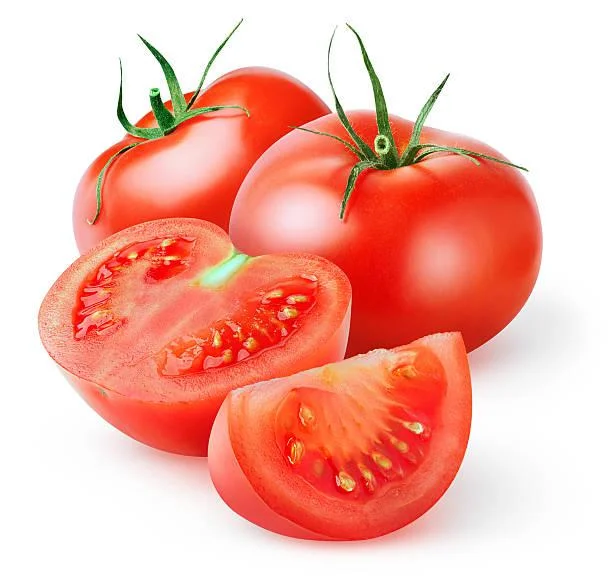
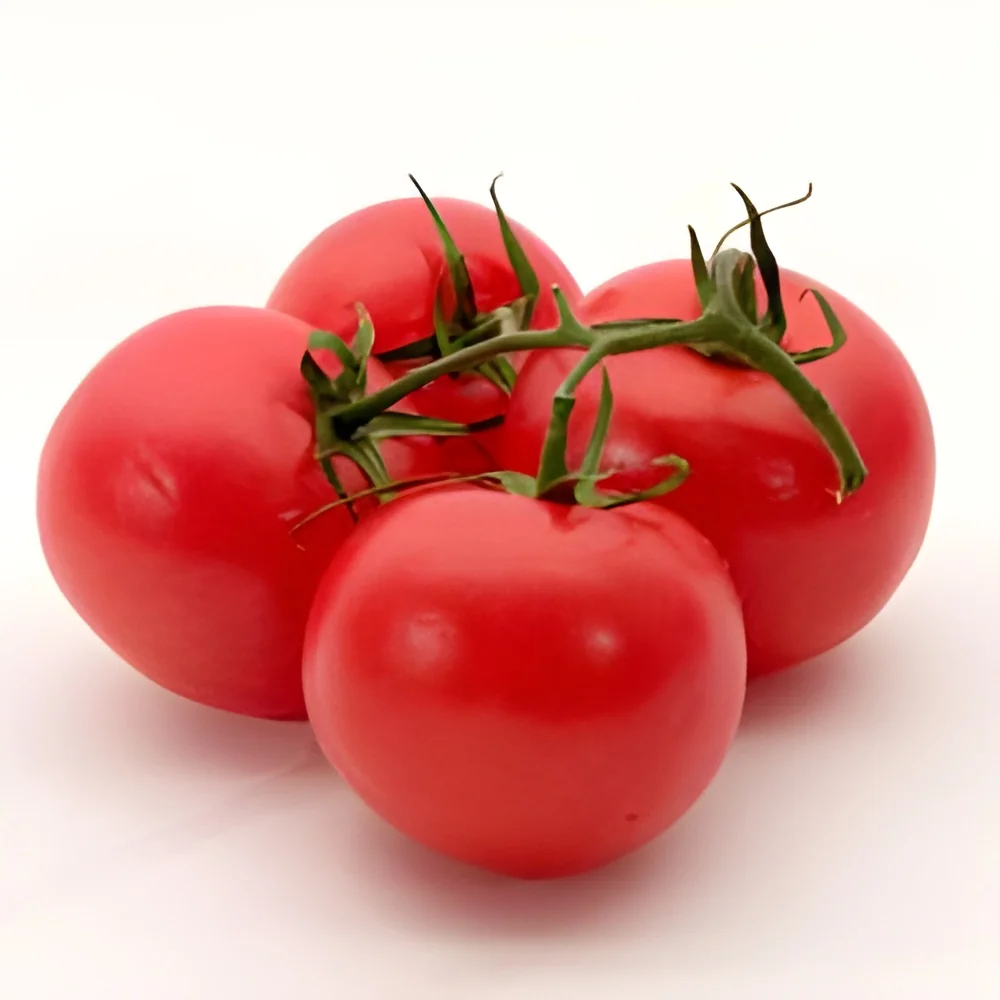
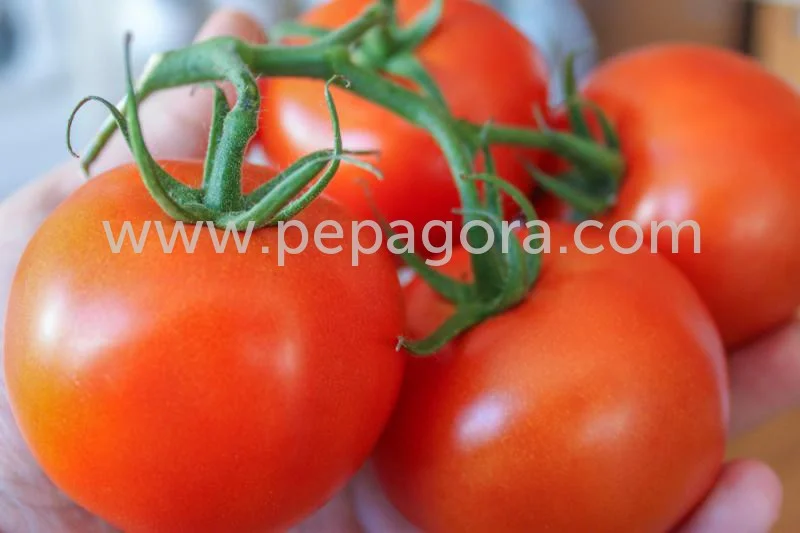
What are Tomatoes?
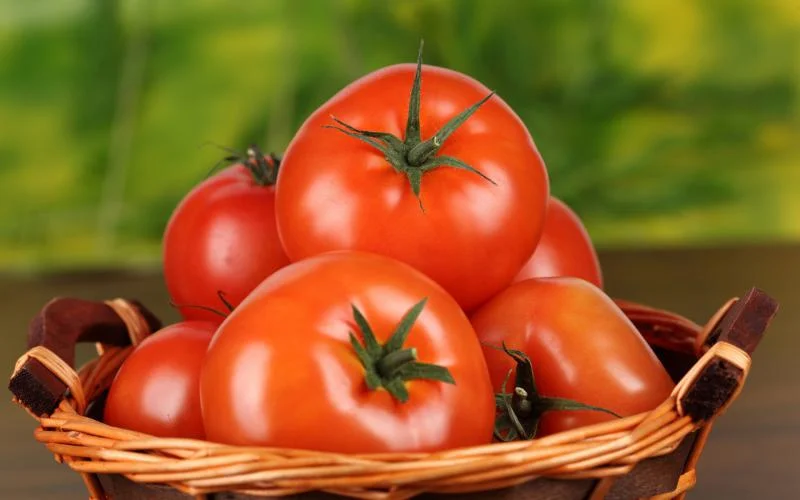
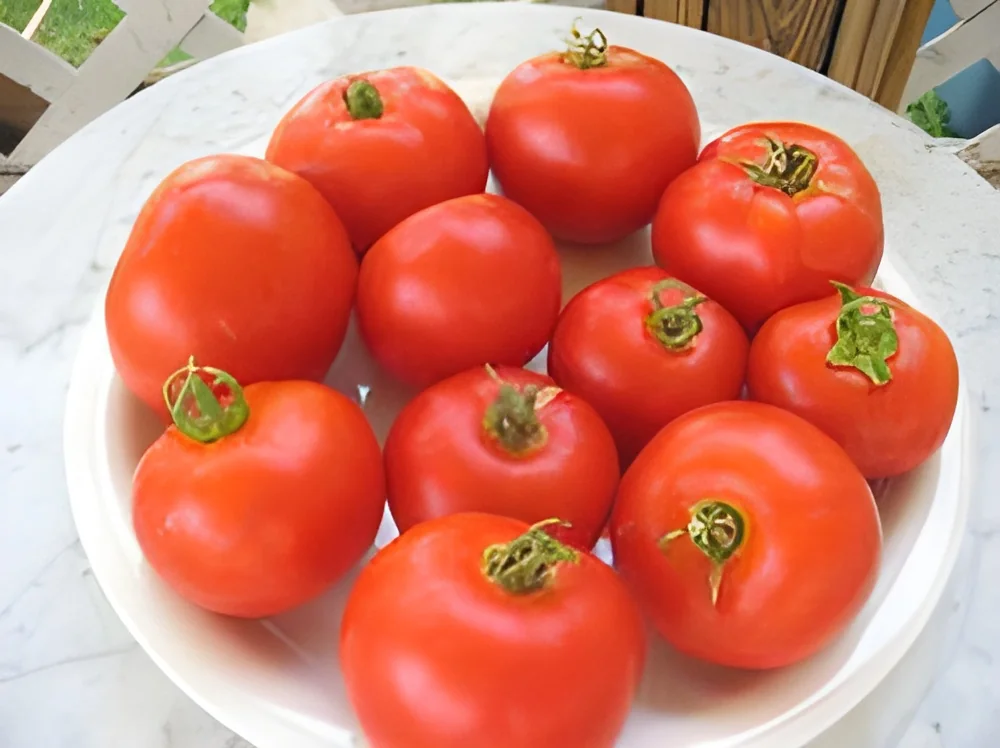
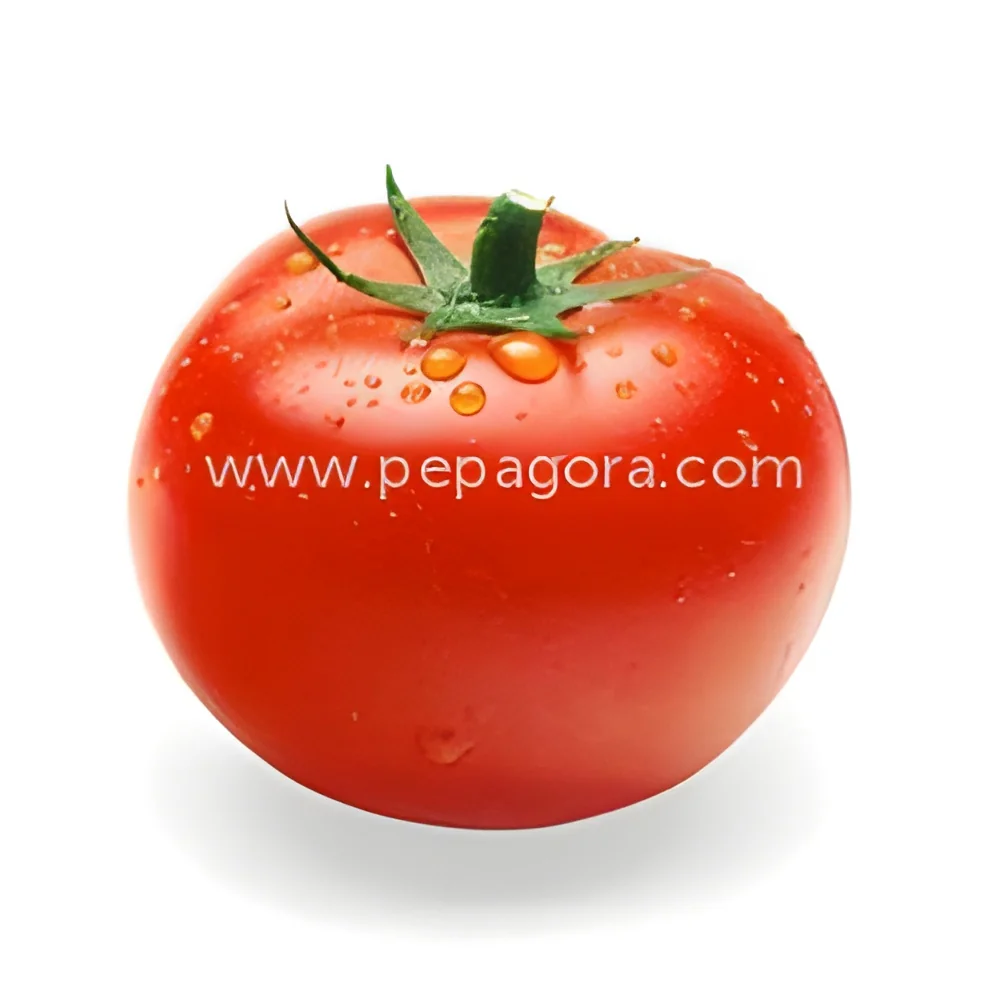
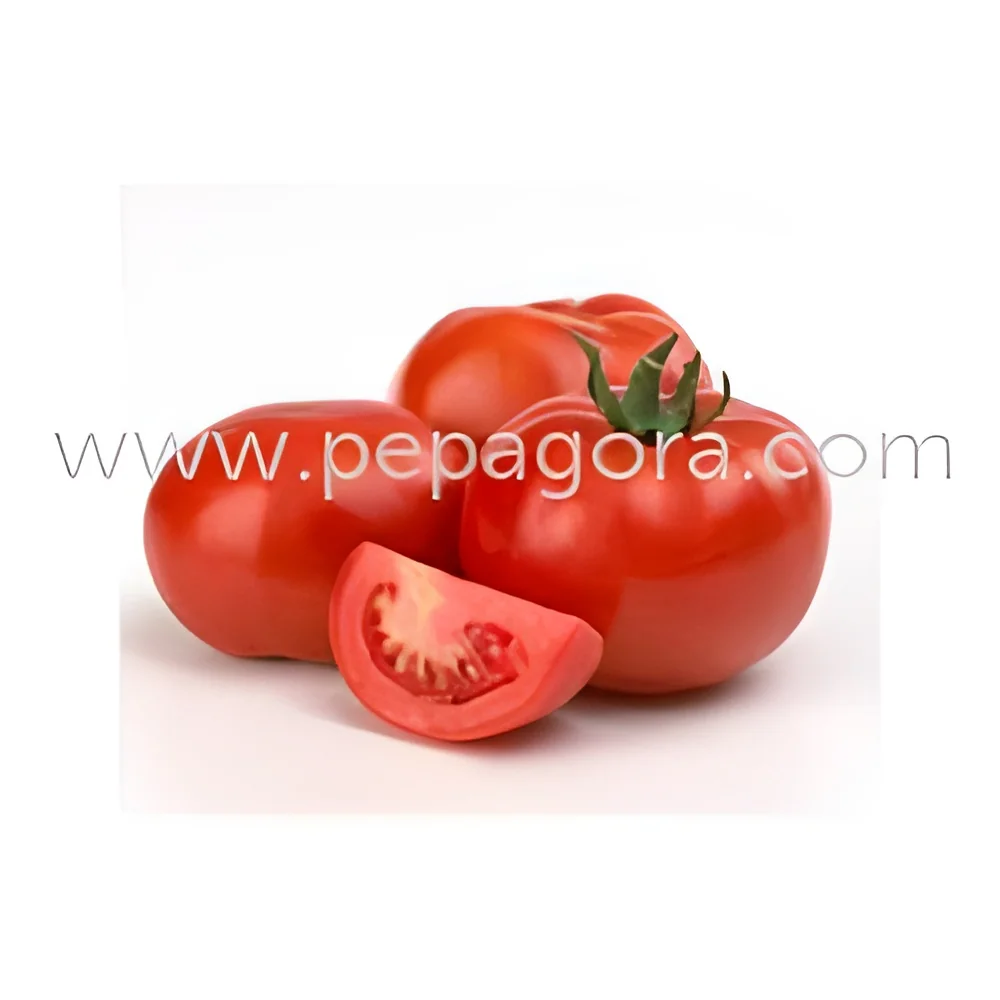
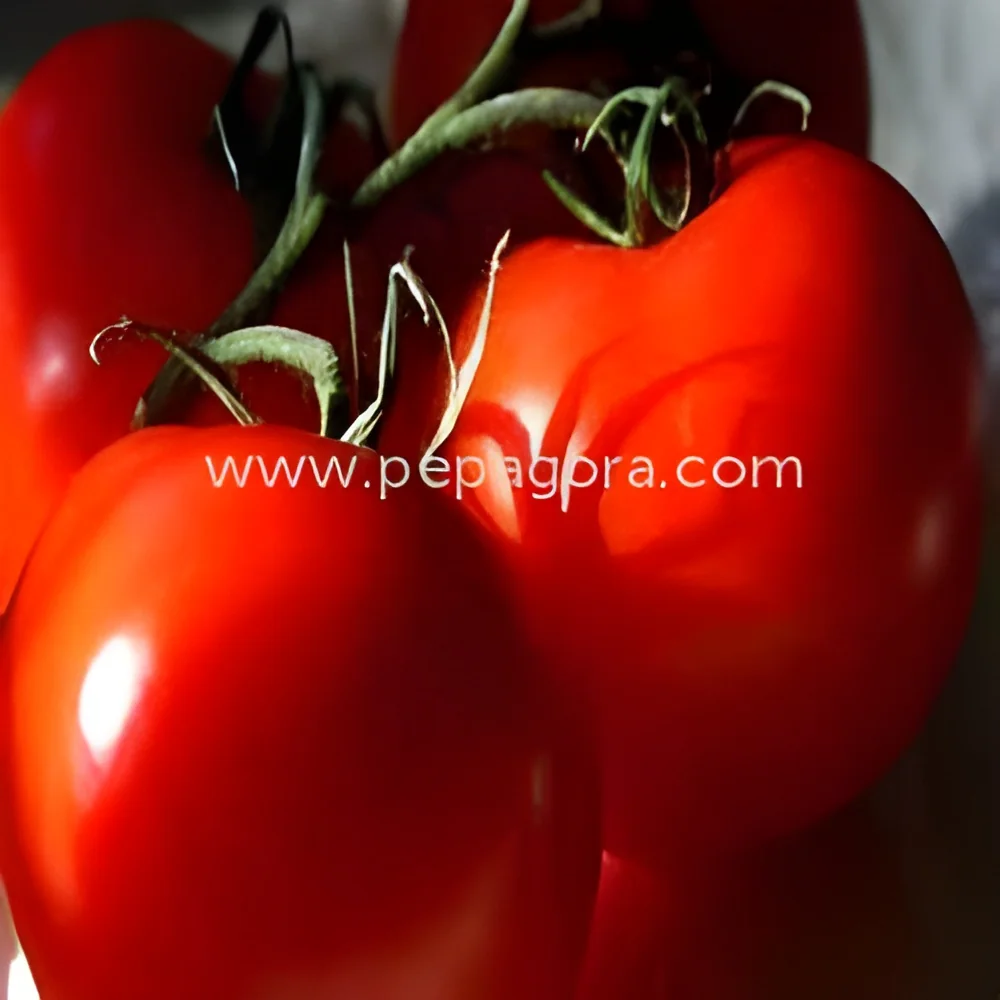
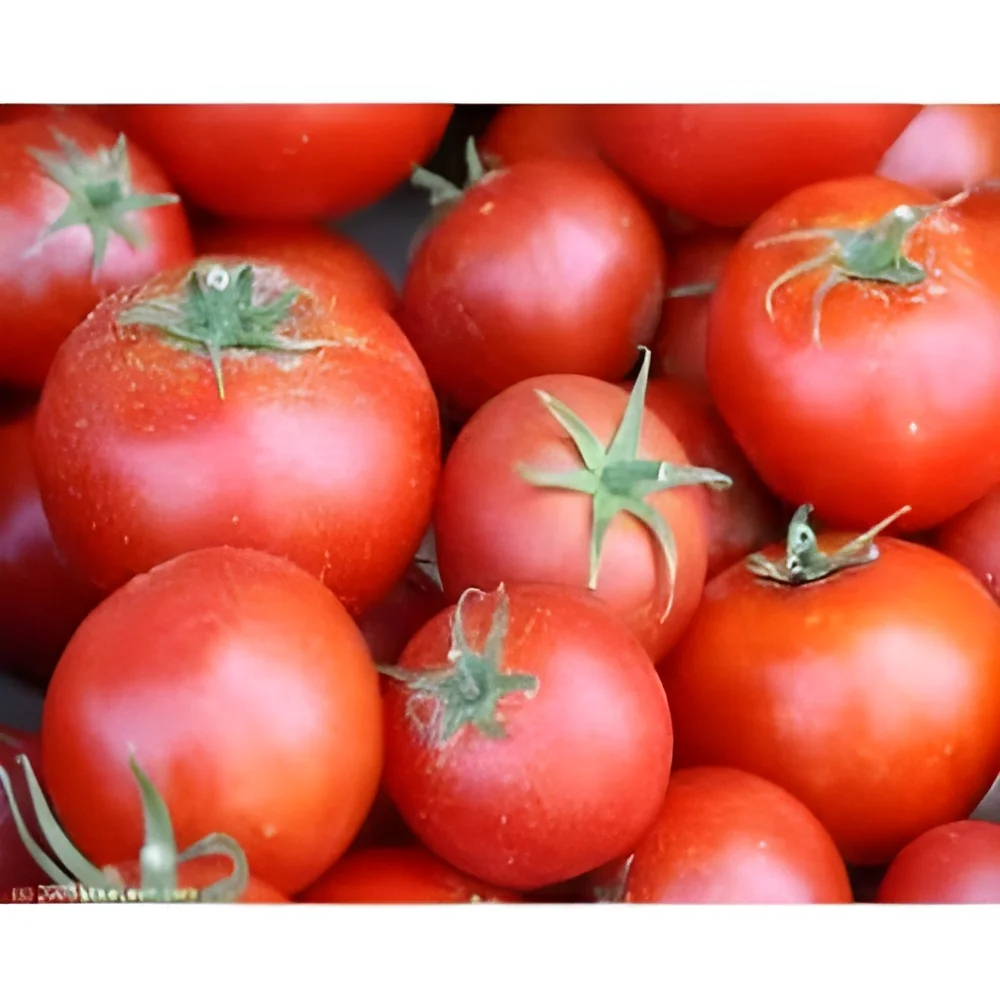
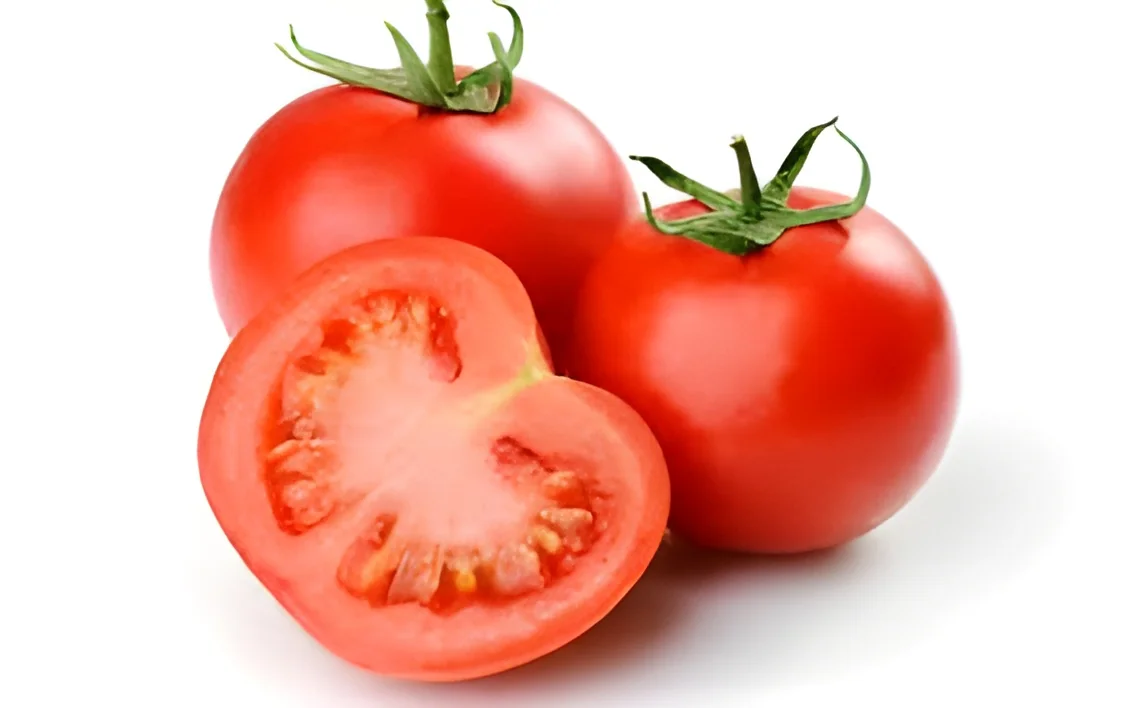
Tomatoes are a type of fruit that belong to the nightshade family, specifically the Solanaceae family. They are typically red when ripe, but can also be found in various colors including yellow, orange, and green. Botanically classified as berries, tomatoes are cultivated worldwide for their culinary versatility. They can be consumed raw, cooked, or processed into products like sauces and pastes.
Tomatoes are primarily used in the food industry, serving as a key ingredient in a wide array of dishes and products. They are essential in cuisines globally, from salads and salsas to sauces and soups. Beyond culinary applications, tomatoes also have industrial uses, including in the production of natural dyes and as a base for various food products. The tomato market has seen steady growth, driven by increasing demand for fresh produce and processed tomato products, making it a significant player in the agricultural sector.
Key Features and Specifications
Tomatoes are characterized by their unique attributes that cater to various market needs. Understanding the specifications of tomatoes is essential for buyers to select the right products for their business.
Key specifications include:
1. Variety
- Common varieties include Roma, Beefsteak, and Cherry tomatoes.
- Each variety has distinct flavors, sizes, and uses.
2. Freshness
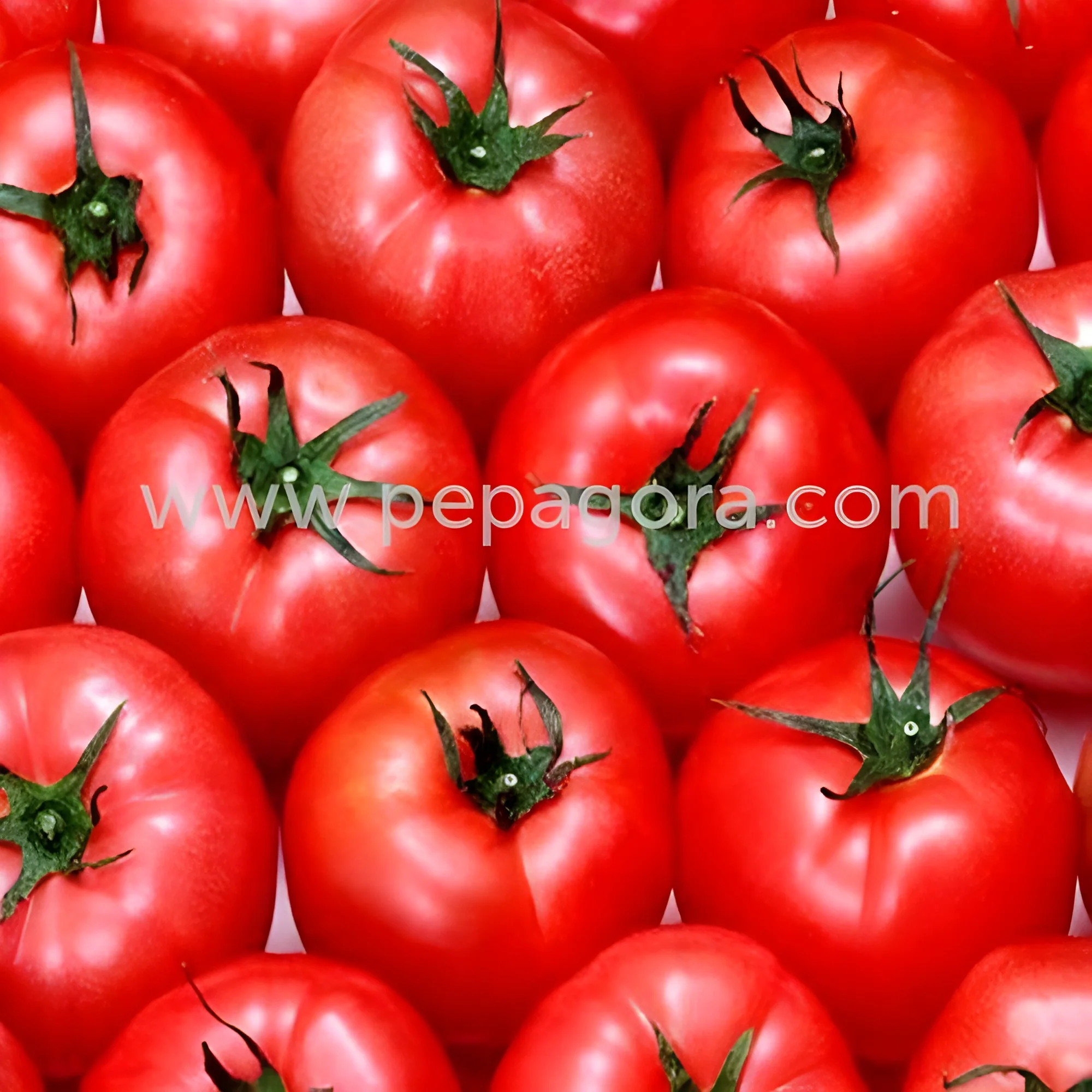
- Fresh tomatoes should have a firm texture and vibrant color.
- Ideal freshness parameters include a shelf life of 7-14 days under proper storage conditions.
3. Size
- Tomatoes are available in various sizes, typically ranging from small cherry tomatoes to larger beefsteak varieties.
- Size impacts pricing and suitability for different applications.
4. Ripeness
- Ripeness stages include green, semi-ripe, and fully ripe.
- Ripe tomatoes are preferred for direct consumption or fresh use.
5. Nutritional Content
- Tomatoes are low in calories and rich in vitamins A, C, and K.
- They also contain antioxidants like lycopene, which is beneficial for health.
6. pH Level
- The pH level of tomatoes typically ranges from 4.0 to 4.6.
- This acidity is crucial for preservation and flavor.
7. Certification
- Tomatoes may come with certifications such as CE to indicate compliance with safety standards.
In summary, tomatoes are a versatile and essential product with various specifications that influence their quality and pricing in the market.
Common Applications and Use Cases
Tomatoes serve multiple industries, each utilizing them for specific applications.
1. Food and Beverage Industry: Fresh tomatoes are used in salads, sauces, and soups. Processed tomatoes are key ingredients in ketchup and canned products.
2. Agriculture: Tomatoes are grown extensively in open fields and greenhouses, providing raw material for various food products.
3. Culinary Arts: Chefs use tomatoes for their flavor and versatility in dishes, elevating the overall taste profile of meals.
4. Retail: Grocery stores and markets sell fresh tomatoes, catering to consumer demand for healthy produce.
5. Food Processing: Manufacturers use tomatoes as a base for sauces, juices, and other processed products.
6. Nutraceuticals: The health benefits of tomatoes have led to their inclusion in dietary supplements and health foods.
7. Cosmetics: Tomatoes are also used in natural beauty products due to their antioxidant properties.
Product Variants and Subcategories
Tomatoes are diverse in nature, with several variants tailored to meet specific customer needs.
Roma Tomatoes: Known for their oval shape and thick flesh, Roma tomatoes are ideal for sauces and pastes. They have a low moisture content, making them perfect for cooking.
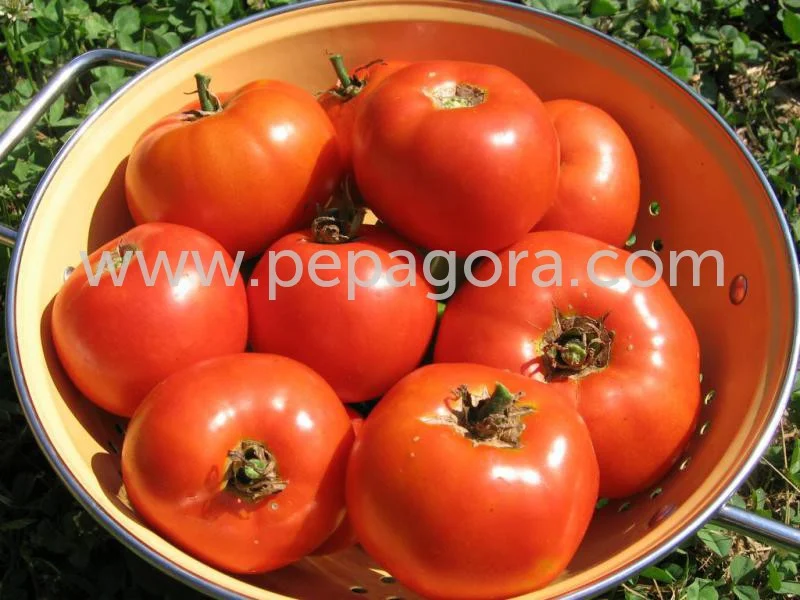
Beefsteak Tomatoes: These large, juicy tomatoes are popular for sandwiches and burgers due to their size and flavor. They are often used in fresh preparations.
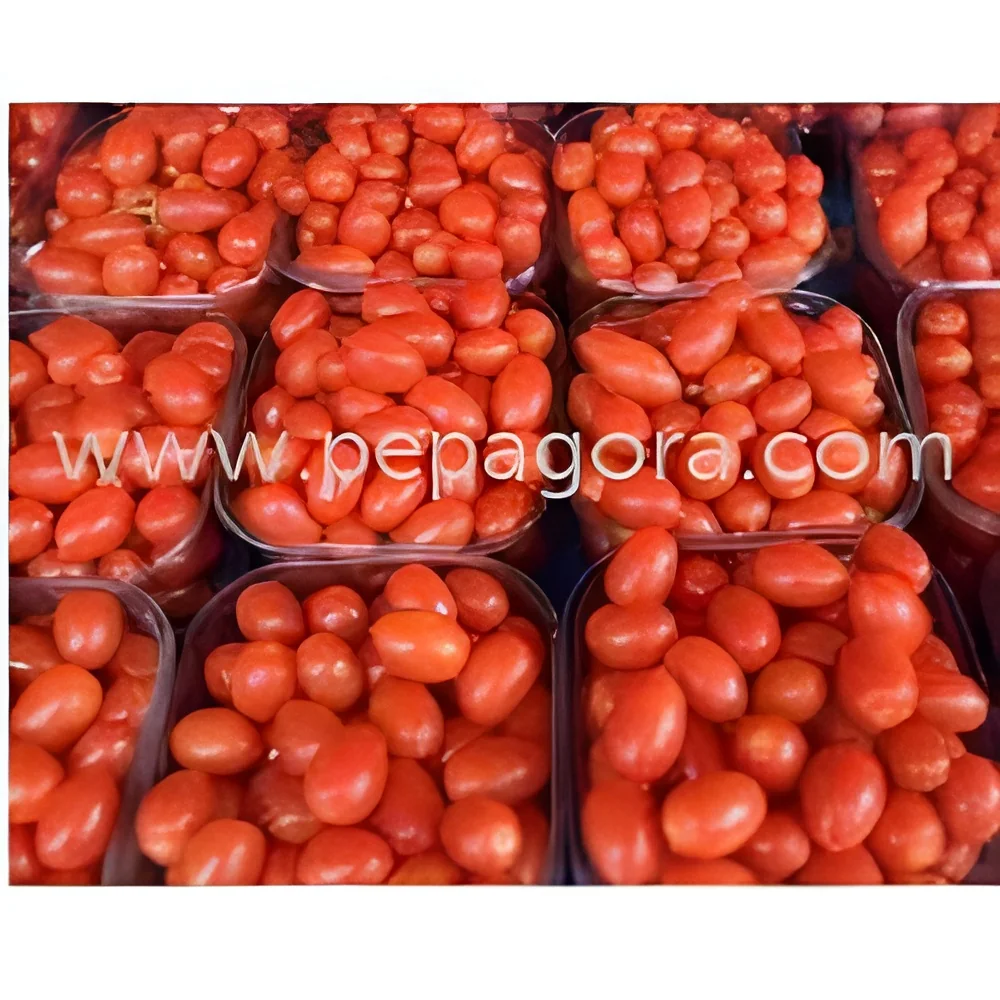
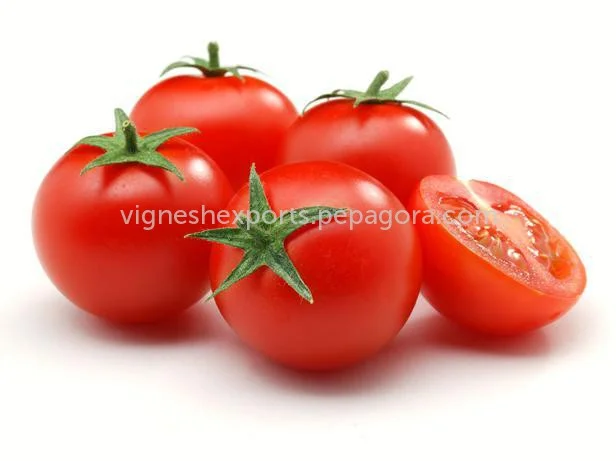
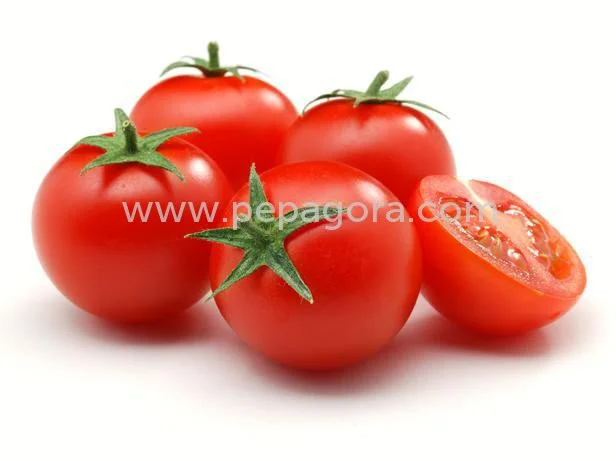
Cherry Tomatoes: Small and sweet, cherry tomatoes are favored for snacking and salads. Their bite-sized nature makes them a perfect addition to various dishes.
Green Tomatoes: These unripe tomatoes are used in specialty dishes and pickling. Their firm texture and tangy flavor add uniqueness to culinary creations.
Benefits and Advantages
Tomatoes offer various benefits that make them a valuable addition to any business's product line.
1. Nutritional Value: Tomatoes are rich in vitamins and antioxidants, promoting health and wellness.
2. Versatility: They can be used in countless recipes, appealing to diverse consumer tastes.
3. Market Demand: There is a consistent demand for tomatoes in both fresh and processed forms, ensuring steady sales.
4. Cost-Effectiveness: With various growing methods, tomatoes can be produced at lower costs, making them accessible for businesses.
5. Shelf Stability: When processed, tomatoes have extended shelf life, which benefits manufacturers and retailers.
6. Culinary Appeal: Their flavor enhances dishes, making them a staple in kitchens worldwide.
Buying Guide for B2B Buyers
When sourcing tomatoes, it is crucial for B2B buyers to consider several key factors.
1. Quality Assessment: Look for signs of freshness, such as firmness and vibrant color. Ensure that the tomatoes meet your specific quality standards.
2. Supplier Verification: Vet suppliers thoroughly to confirm their credibility and reliability. Check for certifications and customer reviews.
3. Pricing and MOQ: Understand the pricing structure and the minimum order quantities (MOQ) required by suppliers. This helps in budgeting and planning.
4. Delivery and Lead Times: Inquire about delivery schedules and lead times to ensure timely receipt of products. This is crucial for maintaining inventory levels.
5. Compliance Requirements: Familiarize yourself with local regulations and safety standards related to tomato sourcing. Compliance is essential to avoid legal issues.
Compliance and Certifications
Tomatoes must meet several quality and safety standards to ensure they are safe for consumption and commerce. Relevant standards include ISO 9001, which outlines quality management systems, and HACCP, which focuses on food safety management. These certifications ensure that the tomatoes are produced and handled in a way that minimizes risks.
Additionally, tomatoes may carry the CE certification, indicating that they comply with European safety standards. Safety and testing requirements involve regular checks for pesticide residues, pathogens, and overall product quality. Regional compliance considerations may differ; therefore, it is essential to be aware of local regulations governing agricultural products.
Why Source Tomatoes from Pepagora?
Pepagora provides a trusted platform for sourcing tomatoes with several key advantages.
Verified Supplier Network: Pepagora ensures that all suppliers are thoroughly vetted, providing buyers with access to a reliable network. This helps in establishing trust and reducing risks associated with sourcing.
Streamlined RFQ Process: The request for quotation (RFQ) system simplifies the sourcing process, allowing buyers to easily compare prices and offerings from multiple suppliers.
Trade Assurance and Support: Pepagora offers buyer protection through trade assurances, ensuring that transactions are secure and disputes are managed effectively.
Regional Coverage: With a broad geographic reach that includes India, the GCC, and Southeast Asia, Pepagora connects buyers with suppliers across key markets, facilitating smooth and efficient trade.

 IN
IN