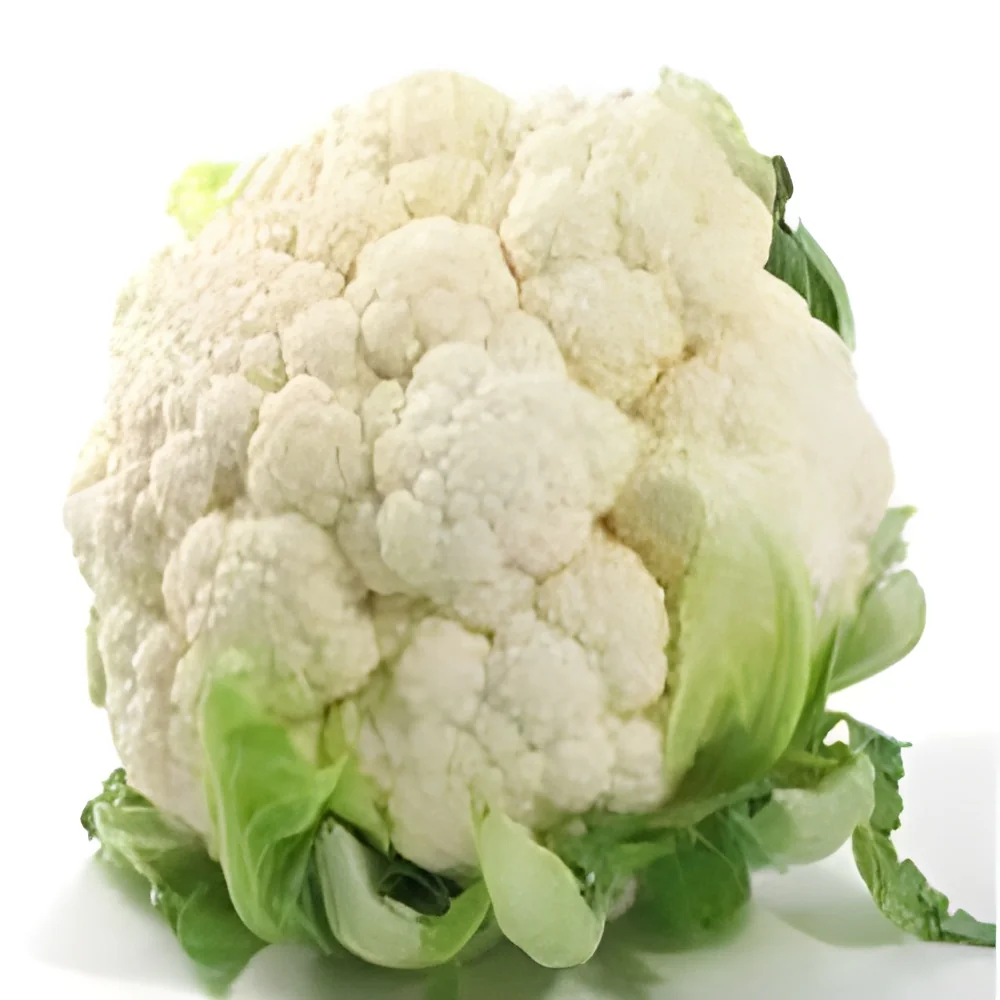
What are Cauliflower?
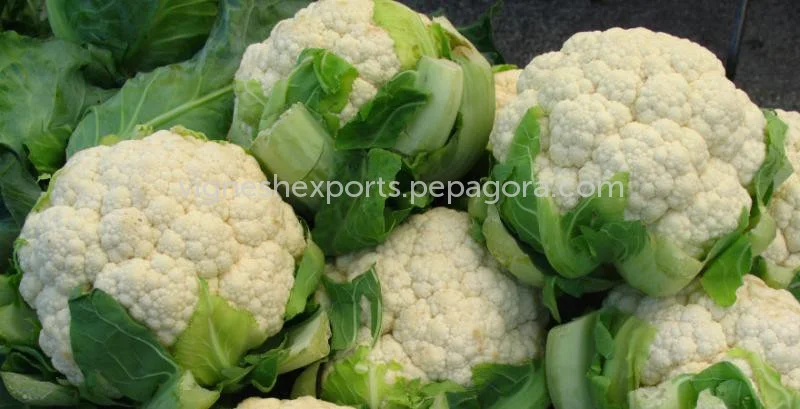
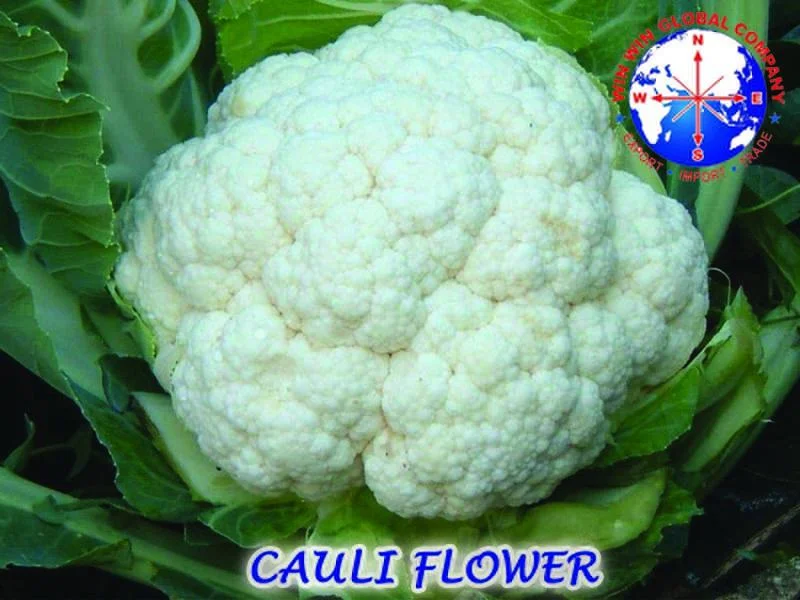
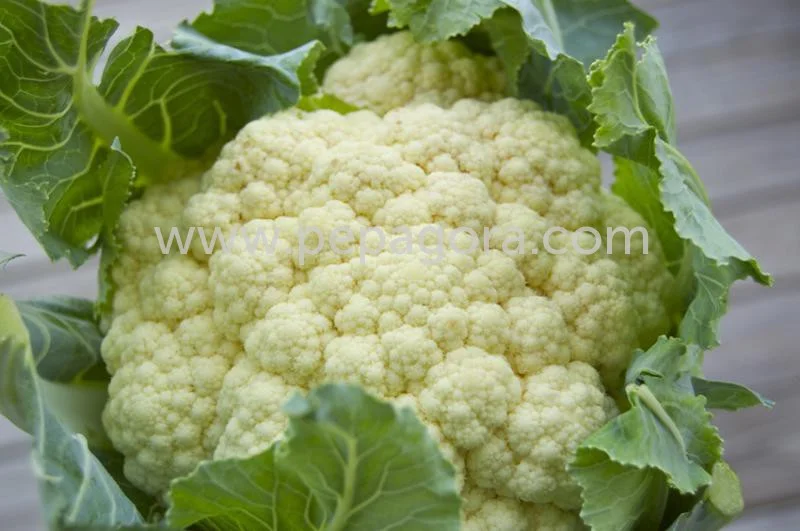
Cauliflower is a cruciferous vegetable belonging to the Brassica family, which also includes broccoli, kale, and cabbage. Known for its unique white curd and green leaves, cauliflower is not just a nutritious food option but also a versatile ingredient in various culinary applications. It is recognized for its low-calorie content and high nutritional value, providing vitamins C, K, and several B vitamins. Cauliflower can be consumed raw, steamed, roasted, or blended into soups and sauces.
In the business context, cauliflower serves multiple purposes across various industries, including food services, processing, and health sectors. It is commonly used in restaurants, meal kits, and grocery stores as a fresh vegetable or as a processed ingredient in frozen food products. The increasing consumer demand for healthy, plant-based alternatives has further solidified cauliflower's role in contemporary diets and culinary trends. The market for cauliflower is expanding as more businesses recognize its potential for versatility in menu offerings and health-conscious recipes.
Key Features and Specifications
Cauliflower's features and specifications are crucial for businesses that require quality assurance and consistency in supply. Understanding these specifications can help buyers identify the right product for their needs.
Key specifications include:
1. Freshness Level
- Cauliflower should have a firm texture and a vibrant color.
- Freshness is typically assessed within a few days of harvest.
2. Size and Weight
- The average size of a cauliflower head ranges from 1 to 2 pounds.
- Size can affect pricing and packaging requirements.
3. Shelf Life
- Fresh cauliflower can last up to two weeks if stored properly.
- Proper refrigeration is essential to maintain quality.
4. Nutritional Content
- Cauliflower is low in calories and high in fiber.
- Contains significant amounts of vitamins C and K.
5. Pesticide Residue Levels
- Buyers should seek cauliflower that meets safety standards for pesticide residues.
- Compliance with local agricultural regulations is crucial.
6. Packaging Options
- Cauliflower is typically packaged in bulk or retail-ready formats.
- Sustainable packaging options are becoming more common.
7. Supply Chain Transparency
- Buyers should ensure traceability from farm to table.
- Knowledge of sourcing practices can influence purchasing decisions.
In summary, understanding these specifications is vital for businesses looking to source high-quality cauliflower that meets industry standards and consumer expectations.
Common Applications and Use Cases
Cauliflower is utilized across a variety of sectors, each with unique applications.
1. Food Services: Many restaurants and catering companies incorporate cauliflower into their menus, offering both traditional and innovative dishes. It is popular in vegan and gluten-free recipes.
2. Frozen Food Processing: Cauliflower is often processed into frozen products, such as cauliflower rice or mash, catering to consumers looking for convenient meal options.
3. Health and Wellness: Nutraceutical companies use cauliflower in supplements and health foods due to its nutritional benefits, including its antioxidant properties.
4. Snack Foods: Cauliflower chips and puffs are emerging as healthier snack alternatives, attracting health-conscious consumers.
5. Organic Farming: The demand for organic cauliflower is increasing, with more farmers adopting sustainable practices to meet consumer preferences.
6. Meal Kits: Cauliflower is a common ingredient in meal kit services, promoting balanced diet options for home cooking.
7. Culinary Innovations: Chefs are using cauliflower to create creative dishes, such as cauliflower steaks and pizza crusts, appealing to a diverse range of dietary preferences.
Product Variants and Subcategories
Cauliflower is available in different varieties that cater to various market demands.
White Cauliflower: This is the most common variety and is characterized by its white curd. It is versatile and used in numerous dishes, from salads to soups.
Purple Cauliflower: Known for its vibrant color, purple cauliflower is not just visually appealing but also rich in antioxidants. It is often used in gourmet cooking and as a colorful ingredient in salads.
Green Cauliflower: Also called broccoflower, this variety has a green hue and a milder flavor. It is popular in health-conscious recipes and as a colorful side dish.
Romanesco Cauliflower: This unique variety features a fractal shape and a nutty flavor. It is often used in high-end restaurants for its striking appearance.
Benefits and Advantages
Sourcing cauliflower offers several advantages for businesses in various sectors.
Key benefits include:
1. Nutritional Value: Cauliflower is rich in vitamins and minerals, making it a healthy choice for consumers and an attractive product for health-focused businesses.
2. Versatility: This vegetable can be used in numerous culinary applications, appealing to a wide range of dietary preferences and food trends.
3. Low-Calorie Alternative: Cauliflower serves as a low-calorie substitute for higher-calorie ingredients, making it popular in health-conscious recipes.
4. Growing Demand: The rising trend towards plant-based diets has increased the demand for cauliflower, providing businesses with growth opportunities.
5. Customizable Options: Businesses can offer various cauliflower products, such as frozen, fresh, or processed options, catering to diverse consumer needs.
6. Sustainable Sourcing: With a focus on organic and sustainable farming practices, cauliflower can appeal to environmentally-conscious consumers.
Buying Guide for B2B Buyers
When sourcing cauliflower, businesses should consider several critical factors to ensure they make informed purchasing decisions.
1. Quality Assessment: Businesses should evaluate the quality of cauliflower based on freshness, firmness, and appearance to meet their standards.
2. Supplier Verification: It is essential to vet suppliers for reliability and quality assurance. This includes checking certifications and reviewing past performance.
3. Pricing and MOQ: Understanding the pricing structure and minimum order quantities (MOQ) is crucial for budgeting and planning.
4. Delivery and Lead Times: Assessing delivery schedules and lead times ensures that businesses can maintain inventory without interruptions.
5. Compliance Requirements: Buyers must be aware of local and international regulations concerning food safety and quality standards to ensure compliance.
Compliance and Certifications
Compliance with industry standards is vital for ensuring the quality and safety of cauliflower.
Relevant quality standards, such as ISO 9001 and HACCP, help ensure that products meet specific safety and quality benchmarks. These standards are crucial for food safety and traceability in the supply chain.
Certifications like UL and CE indicate that the product meets specific safety and quality criteria, which can enhance consumer trust in the brand.
Safety and testing requirements also play a significant role, as businesses must ensure that their products are free from harmful substances and meet health regulations.
Regional compliance considerations may vary, and businesses should familiarize themselves with local laws and regulations regarding agricultural products and food safety to avoid any legal issues.
Why Source Cauliflower from Pepagora?
Pepagora provides a trusted platform for sourcing cauliflower, offering several key advantages to businesses.
Verified Supplier Network: Pepagora maintains a network of verified suppliers, ensuring that buyers have access to quality products and reliable service. This network helps mitigate risks associated with sourcing.
Streamlined RFQ Process: The platform offers a streamlined Request for Quotation (RFQ) process, allowing buyers to quickly compare prices and terms from multiple suppliers, simplifying the purchasing decision.
Trade Assurance and Support: Pepagora provides trade assurance and support, giving buyers peace of mind with their purchases. This includes protection against non-compliance and product quality issues.
Regional Coverage: With a focus on regions such as India, the GCC, and Southeast Asia, Pepagora facilitates access to diverse markets and sourcing opportunities, enhancing the buyer's ability to find the best products for their needs.

 IN
IN