What are Apples?
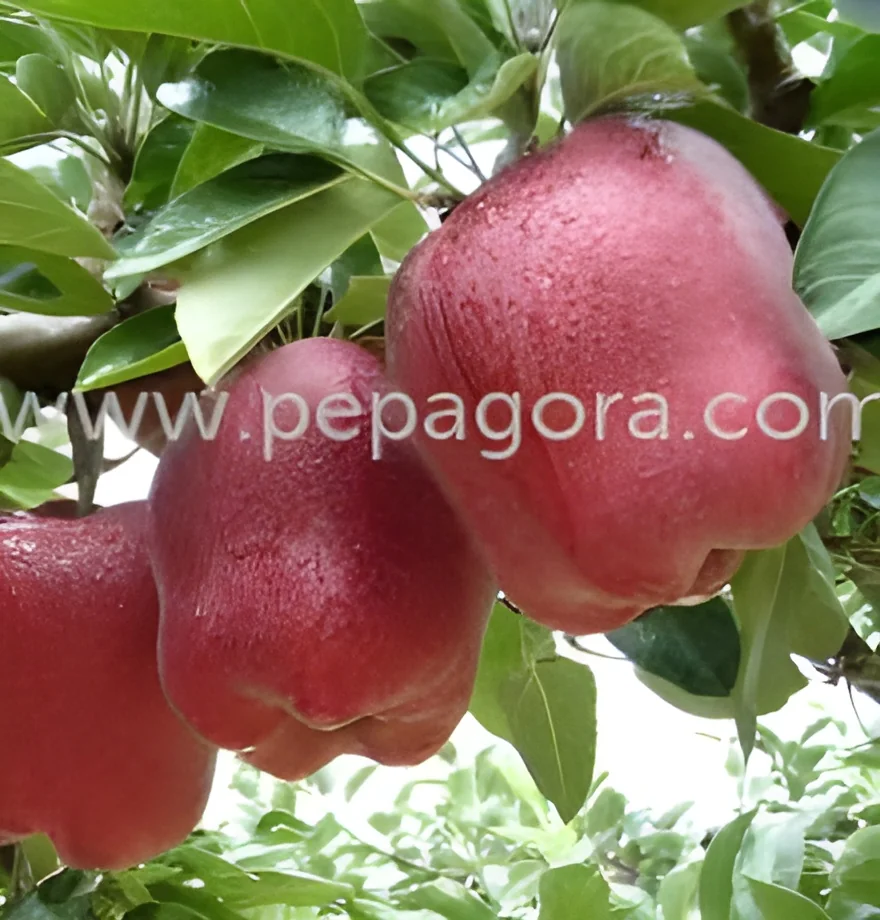
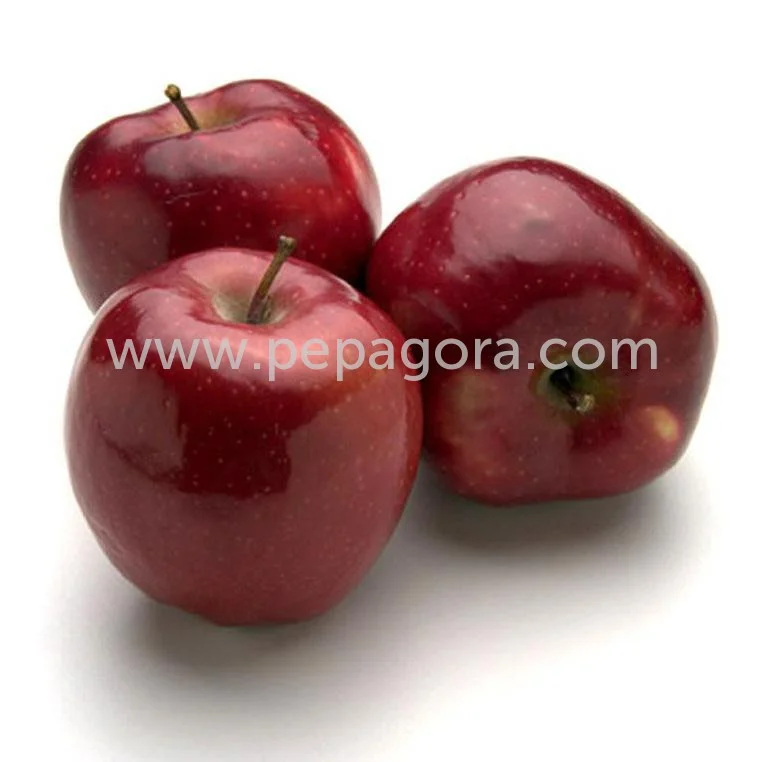
Apples are a type of fruit that belong to the Malus domestica species. They are widely recognized for their crisp texture and sweet to tart flavor. Apples come in numerous varieties, each characterized by unique colors, shapes, and tastes. They are cultivated globally and are among the most popular fruits for both direct consumption and industrial use.
In the B2B context, apples are utilized in various sectors, including food processing, beverage production, and health foods. They serve as key ingredients in products like apple juice, cider, and sauces. Their versatility makes them an essential commodity in the food industry, contributing to significant market demand. The global apple market is robust, with steady growth driven by health trends and increased consumer interest in natural foods.
Key Features and Specifications
Apples are not only valued for their taste but also for their nutritional content and storage capabilities. Key specifications include:
1. Variety
- Common varieties include Fuji, Gala, Granny Smith, and Honeycrisp.
- Each variety has distinct flavor profiles and uses.
2. Size
- Apples can range from small (around 2 inches in diameter) to large (up to 4 inches).
- Size can affect pricing and consumer preference.
3. Color
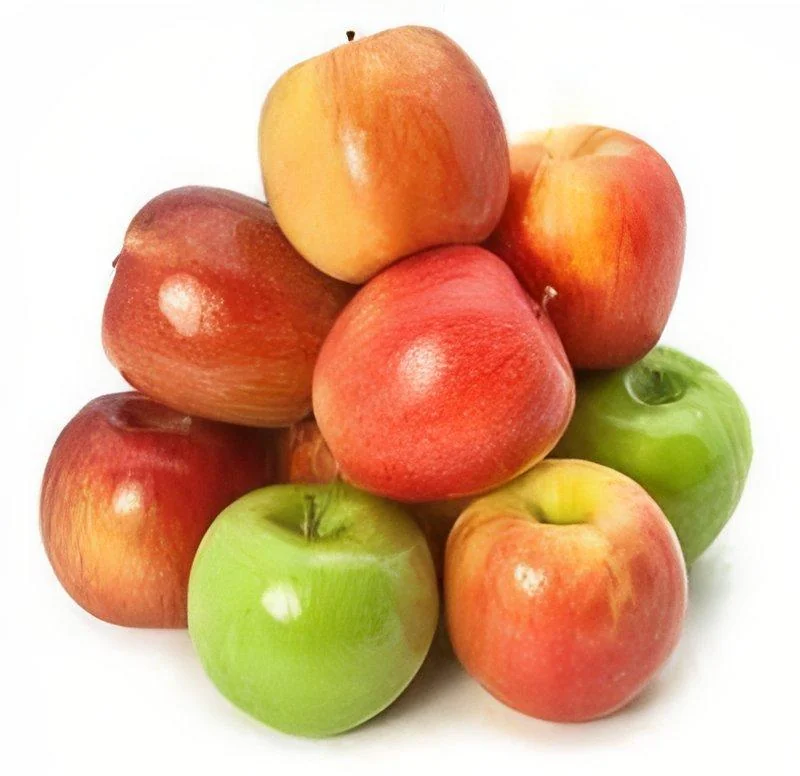
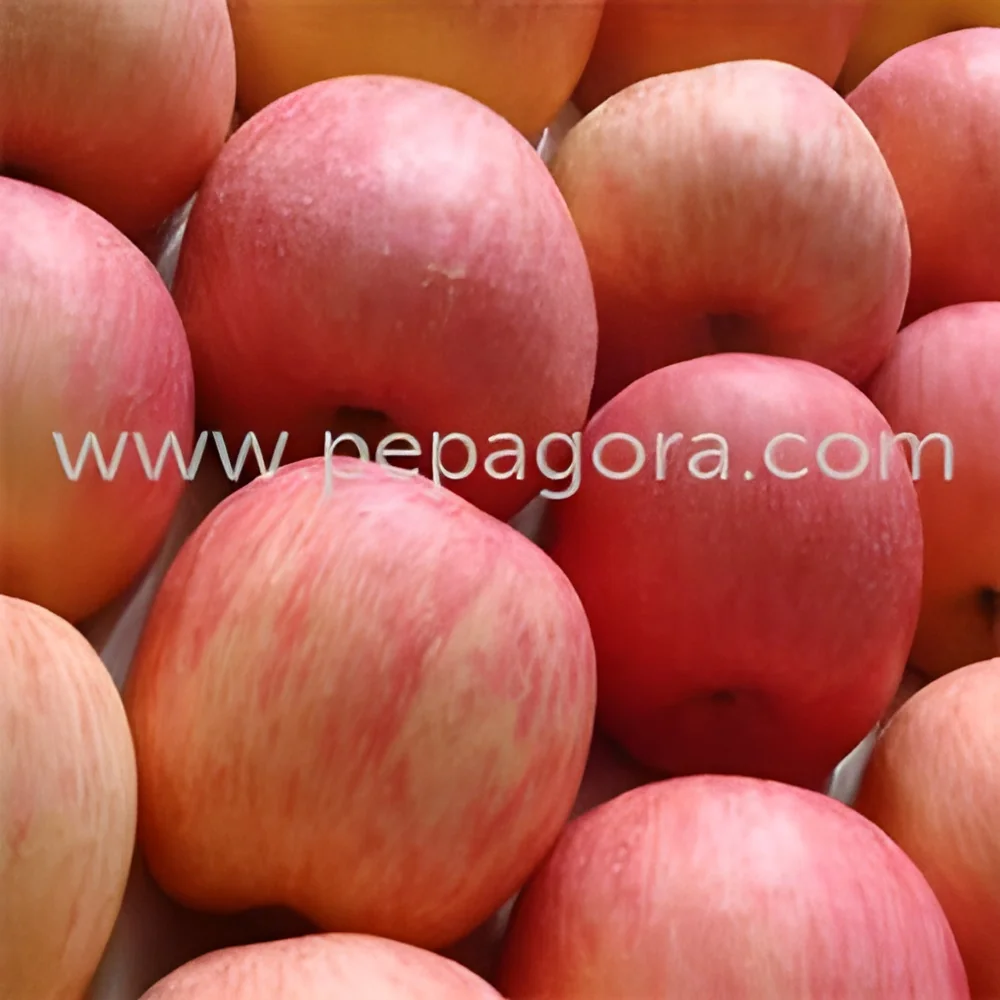
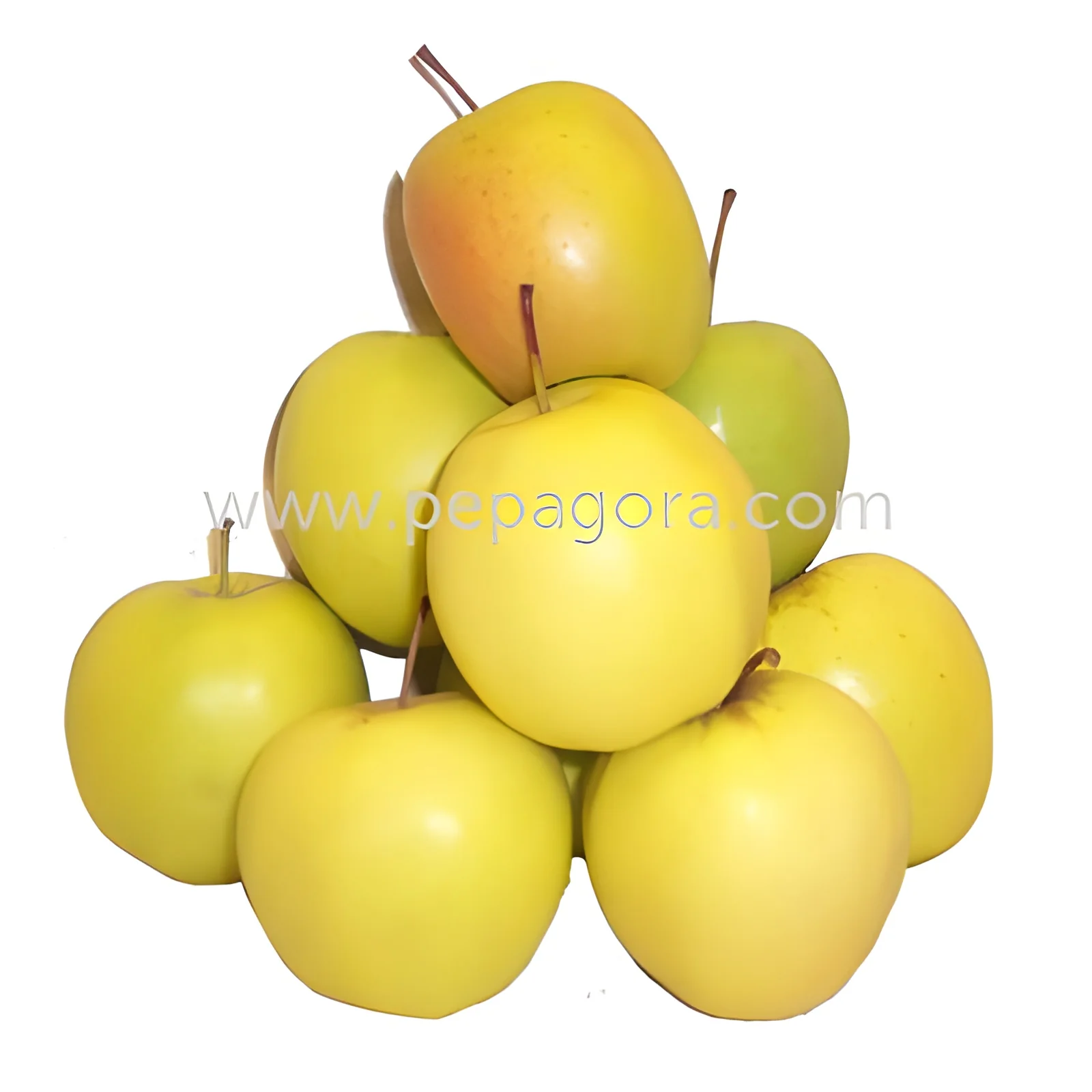
- Apples come in various colors, including red, green, yellow, and bi-colored.
- Color can be an indicator of ripeness and variety.
4. Nutritional Value
- Apples are low in calories but high in dietary fiber and vitamin C.
- They contain antioxidants beneficial for health.
5. Shelf Life
- Properly stored apples can last several weeks to months.
- Factors such as temperature and humidity affect shelf life.
6. Harvest Season
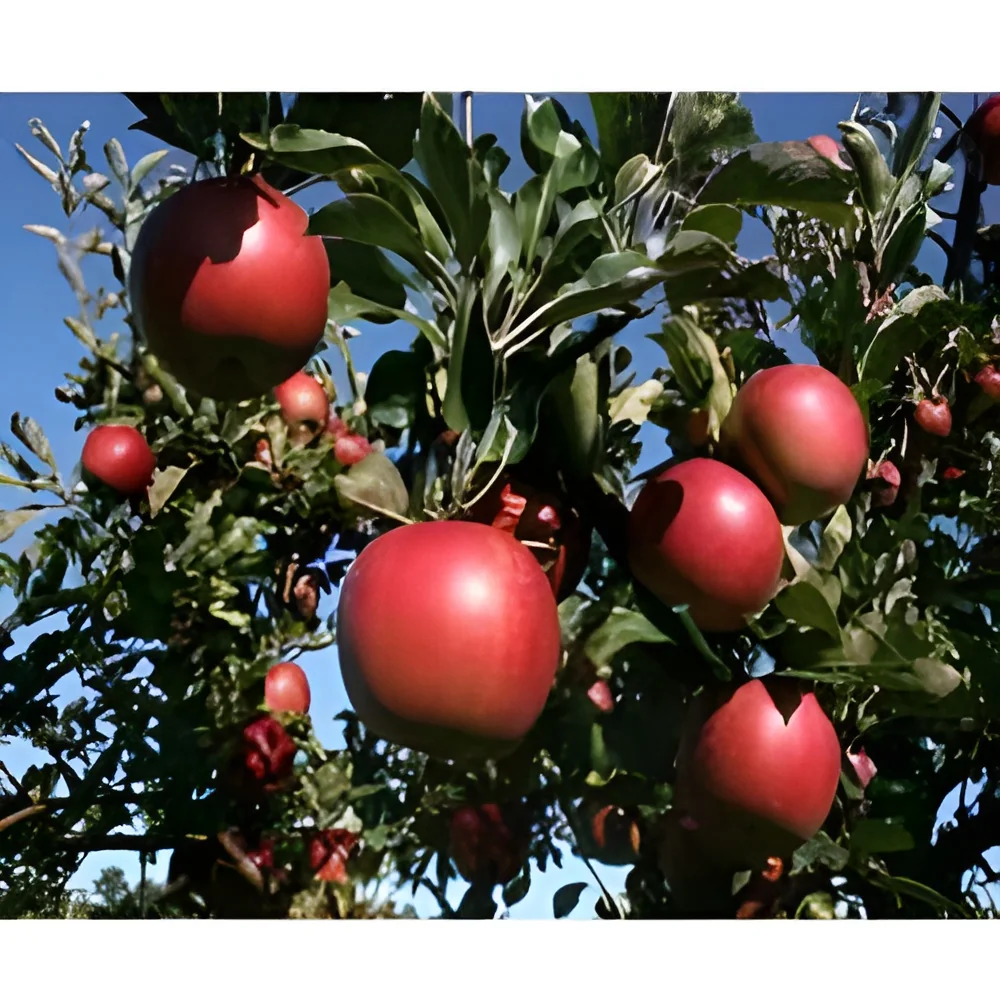
- Apples are typically harvested in late summer to early fall.
- Seasonal availability can influence market pricing.
In summary, apples boast numerous features that cater to diverse consumer needs, making them a staple in the food industry.
Common Applications and Use Cases
Apples serve various industries due to their versatility and nutritional benefits.
1. Food Processing: Apples are used to create products like applesauce, apple juice, and dried apple snacks, providing natural sweetness and flavor.
2. Beverage Production: The beverage industry utilizes apples to produce ciders and flavored drinks, capitalizing on their refreshing taste.
3. Bakery Products: Apples are often added to baked goods such as pies, muffins, and breads, enhancing flavor and texture.
4. Health Foods: Apples are incorporated into health-focused snacks and cereals due to their fiber content and low-calorie profile.
5. Cosmetics: Apple extracts are used in skincare products for their antioxidant properties, promoting skin health.
6. Nutraceuticals: Apples are included in dietary supplements for their health benefits, especially in heart health and weight management.
Product Variants and Subcategories
Apples come in a wide range of varieties, each suited for specific applications and preferences.
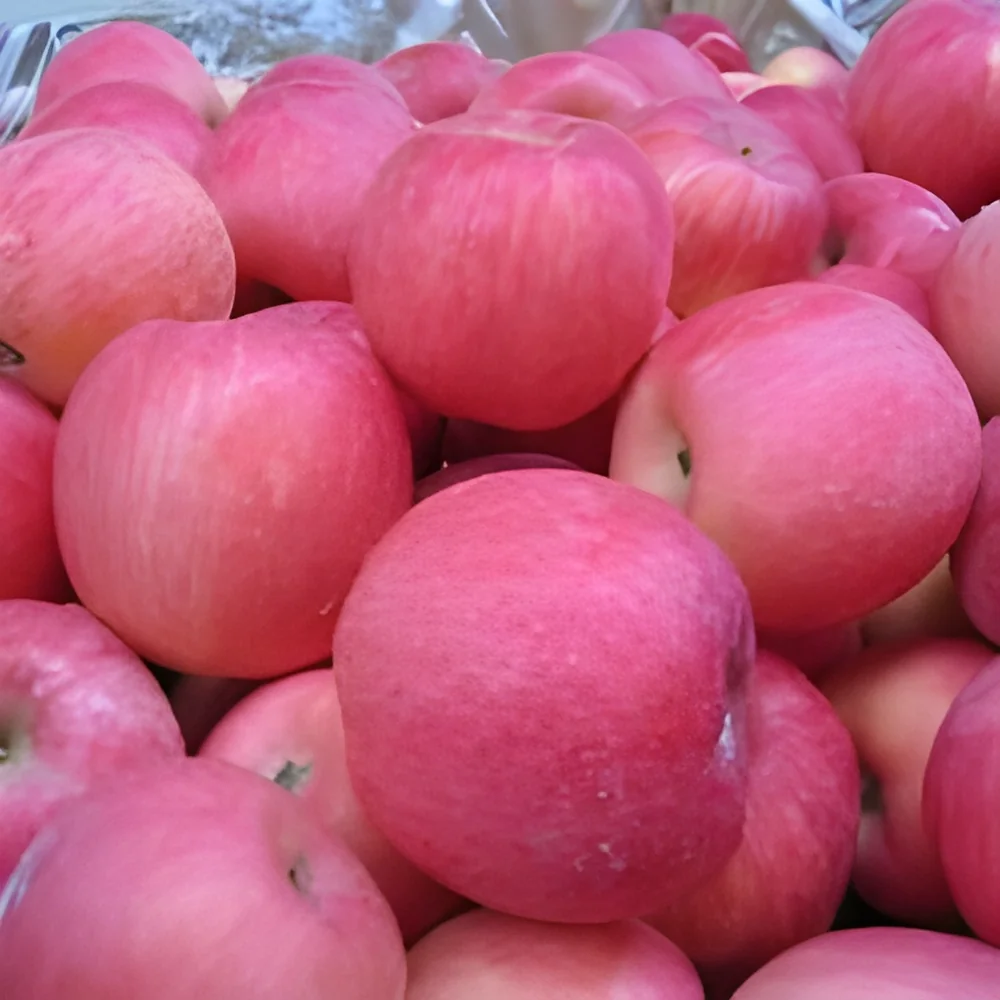
Fuji Apples: Known for their sweet flavor and crisp texture, Fuji apples are popular for eating raw and are also used in salads and desserts.
Granny Smith Apples: These tart apples are ideal for baking due to their firmness and ability to hold shape. They are frequently used in pies and sauces.
Gala Apples: With a mild sweetness and soft texture, Gala apples are often enjoyed fresh and can be used in fruit salads or as a snack.
Honeycrisp Apples: Renowned for their juicy and crisp texture, Honeycrisp apples are a favorite among consumers and are commonly sold in fresh produce markets.
Benefits and Advantages
Sourcing apples offers numerous advantages for businesses looking to enhance their product offerings.
1. Nutritional Value: Apples provide essential vitamins and minerals, making them a healthy choice for consumers.
2. Versatility: Apples can be used in a wide range of products, from snacks to beverages, appealing to diverse customer preferences.
3. Market Demand: The consistent popularity of apples ensures stable market demand, making them a reliable product for suppliers.
4. Long Shelf Life: When stored properly, apples can last for extended periods, reducing waste and improving inventory management.
5. Natural Sweetener: Apples serve as a healthier alternative to artificial sweeteners, attracting health-conscious consumers.
6. Sustainable Sourcing: Many apple producers adhere to sustainable farming practices, appealing to environmentally conscious buyers.
Buying Guide for B2B Buyers
When sourcing apples, businesses should consider several critical factors to ensure they make informed purchasing decisions.
1. Quality Assessment: Evaluate the apples for freshness, firmness, and absence of blemishes. Quality directly affects product acceptance in the market.
2. Supplier Verification: Vet suppliers for reliability, quality control measures, and adherence to industry standards. This ensures a steady supply of high-quality apples.
3. Pricing and MOQ: Understand the cost structure and minimum order quantities. Pricing can vary based on variety and seasonality, making it important to negotiate effectively.
4. Delivery and Lead Times: Discuss logistics, including delivery schedules and lead times, to ensure timely availability of apples for production.
5. Compliance Requirements: Be aware of regulatory standards for food safety and quality. Compliance with local and international regulations is crucial for market entry.
Compliance and Certifications
Apples are subject to various quality standards and certifications that ensure safety and consistency in the market.
ISO 9001: This standard ensures that apple suppliers maintain quality management systems that consistently provide products meeting customer and regulatory requirements.
HACCP: Hazard Analysis and Critical Control Points is vital in the food industry, emphasizing food safety and risk management throughout the production process.
CE Certification: While not specific to apples, CE certification indicates that products meet European safety standards, important for exporters.
Compliance with regional regulations is also crucial. Different countries may have unique standards regarding pesticide use and food safety, requiring vigilance from suppliers.
Why Source Apples from Pepagora?
Pepagora offers a trusted platform for sourcing apples, providing several key advantages for B2B buyers.
Verified Supplier Network: Pepagora connects businesses with a network of verified suppliers, ensuring quality and reliability in sourcing apples.
Streamlined RFQ Process: The platform simplifies the request for quotation process, allowing buyers to efficiently compare offers and make informed decisions.
Trade Assurance and Support: Buyers benefit from trade assurance measures that protect their transactions, ensuring a secure purchasing experience.
Regional Coverage: Pepagora has a broad geographic reach, covering regions like India, GCC, and Southeast Asia, making it easier for businesses to source apples from reliable suppliers in their regions.

 IN
IN