What are Okra (Ladies Finger)?
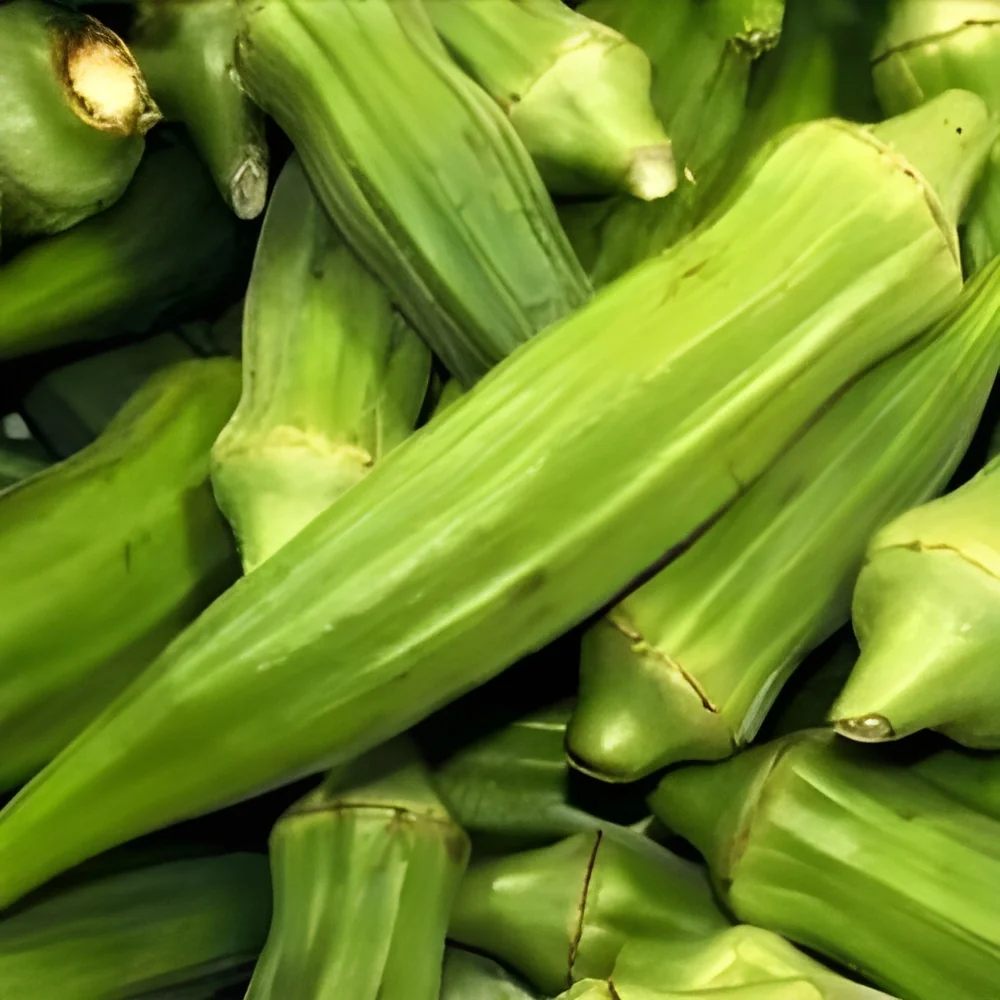
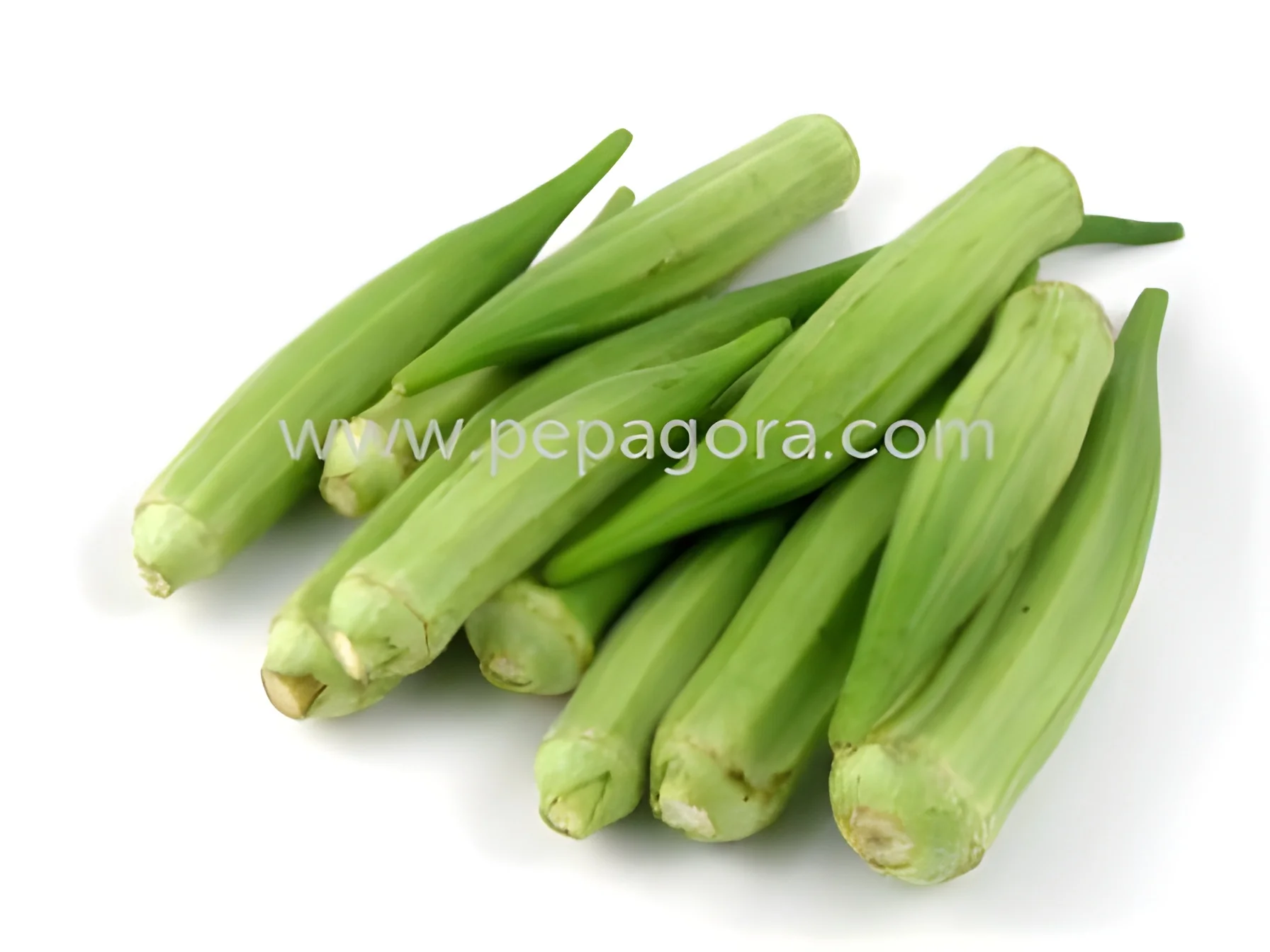
Okra, commonly known as ladies finger, is a flowering plant in the mallow family. It is cultivated for its edible green seed pods, which are highly valued for their unique taste and texture. The plant thrives in warm climates and is primarily grown in tropical and subtropical regions. Okra is a rich source of vitamins, minerals, and dietary fiber, making it a popular choice in many cuisines around the world.
The primary uses of okra include culinary applications and industrial uses. In the food industry, it is often used in dishes such as gumbo, curries, and soups due to its thickening properties when cooked. Beyond the kitchen, okra is also utilized in the production of natural food additives, cosmetics, and even pharmaceuticals. The growing demand for healthy and organic food products has increased the market relevance of okra, making it a significant crop for farmers and suppliers globally.
๐๐ฒ๐ ๐๐ฒ๐ฎ๐๐๐ฟ๐ฒ๐ ๐ฎ๐ป๐ฑ ๐ฆ๐ฝ๐ฒ๐ฐ๐ถ๐ณ๐ถ๐ฐ๐ฎ๐๐ถ๐ผ๐ป๐
Okra is a versatile and nutritious vegetable with several key features that make it appealing to both consumers and businesses. Its unique properties enhance its usability in various applications, from cooking to industrial uses. The following specifications outline the essential characteristics of okra.
Key specifications include:
1. Nutritional Content
- Rich in vitamins A, C, and K
- Contains dietary fiber and antioxidants
2. Size and Shape
- Typical length: 4 to 10 inches
- Color: Bright green with a tapered shape
3. Harvesting Time
- Ideal harvest period: 50 to 60 days after planting
- Best harvested when young and tender
4. Storage Conditions
- Recommended storage temperature: 10-15 degrees Celsius
- Optimal humidity level: 85-90% for freshness
5. Shelf Life
- Average shelf life: 3 to 7 days under proper conditions
- Can be frozen for extended use
6. Culinary Properties
- Known for its mucilage, which acts as a thickening agent
- Can be cooked, pickled, or used in salads
7. Pesticide Residue Compliance
- Must meet local and international food safety standards
- Regular testing recommended for quality assurance
In summary, okra is a nutrient-rich vegetable with specific characteristics that make it suitable for various culinary and industrial applications.
๐๐ผ๐บ๐บ๐ผ๐ป ๐๐ฝ๐ฝ๐น๐ถ๐ฐ๐ฎ๐๐ถ๐ผ๐ป๐ ๐ฎ๐ป๐ฑ ๐จ๐๐ฒ ๐๐ฎ๐๐ฒ๐
Okra serves various industries, reflecting its versatility and demand.
1. Food Industry: Okra is widely used in soups, stews, and curries, particularly in Southern U.S. and Indian cuisines. Its thickening properties make it a popular ingredient in sauces and gravies.
2. Pharmaceutical Industry: The mucilage extracted from okra is used in the production of dietary supplements and natural remedies for digestive health due to its high fiber content.
3. Cosmetic Industry: Okra is used in skincare products for its moisturizing and soothing properties, making it an ingredient in creams and lotions.
4. Agriculture: Okra plants are often grown in crop rotation systems to improve soil health and reduce pest populations.
5. Food Processing: The vegetable is processed into frozen or canned products, allowing for year-round availability and convenience for consumers.
๐ฃ๐ฟ๐ผ๐ฑ๐๐ฐ๐ ๐ฉ๐ฎ๐ฟ๐ถ๐ฎ๐ป๐๐ ๐ฎ๐ป๐ฑ ๐ฆ๐๐ฏ๐ฐ๐ฎ๐๐ฒ๐ด๐ผ๐ฟ๐ถ๐ฒ๐
Okra is available in various forms that cater to different market needs. Its diversity allows for multiple applications across several industries.
Fresh Okra
Fresh okra is the most commonly consumed form. It is prized for its crisp texture and vibrant color, making it a staple in many households and restaurants.
Dried Okra
Dried okra retains most of its nutritional benefits and can be used in soups and stews. It also has a longer shelf life, making it a convenient option for storage.
Frozen Okra
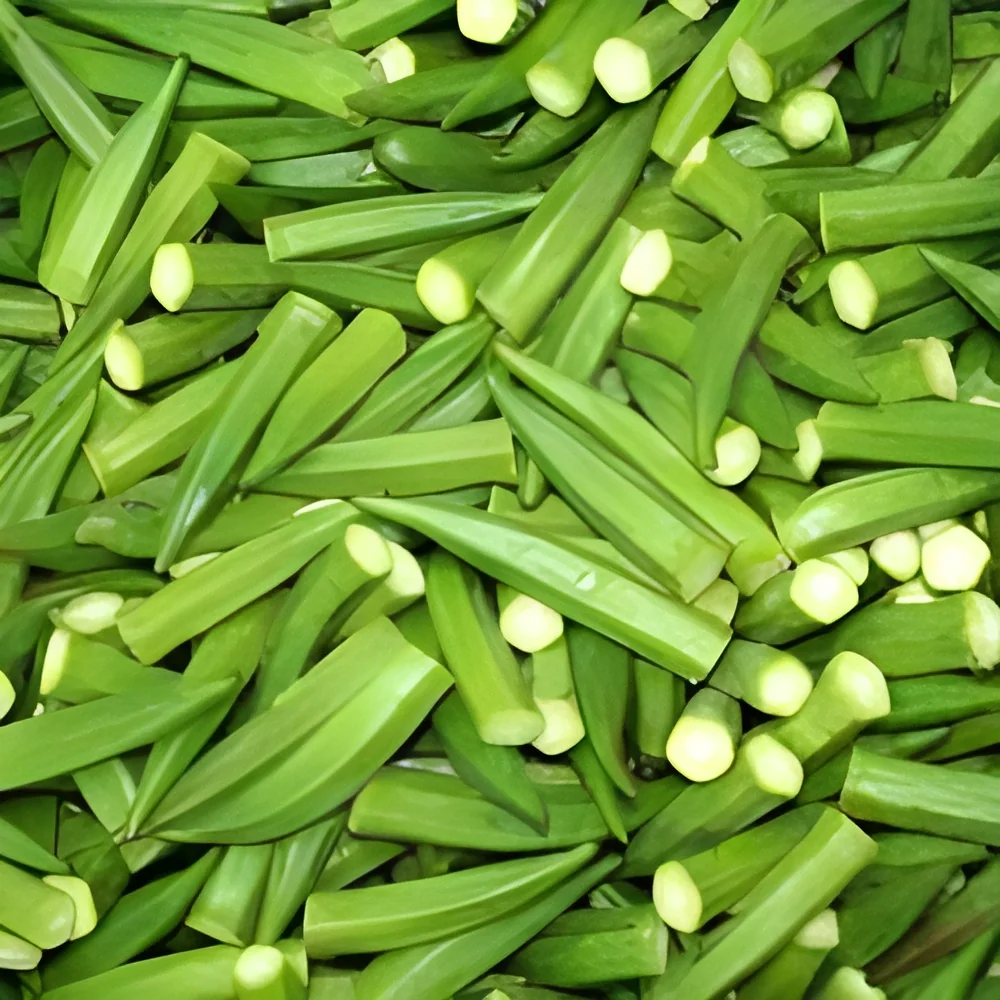
Frozen okra is processed to maintain freshness and is available year-round. It is ideal for quick meal preparations and retains its taste and texture.
Canned Okra
Canned okra is another convenient option that provides extended shelf life. It is often used in ready-to-eat meals and can be easily incorporated into various dishes.
๐๐ฒ๐ป๐ฒ๐ณ๐ถ๐๐ ๐ฎ๐ป๐ฑ ๐๐ฑ๐๐ฎ๐ป๐๐ฎ๐ด๐ฒ๐
Okra offers several advantages that make it a preferred choice for businesses and consumers alike.
1. Nutritional Value: Okra is low in calories and high in essential nutrients, making it an excellent choice for health-conscious consumers.
2. Versatility: It can be used in a wide range of dishes, from savory to sweet, enhancing its appeal across different culinary traditions.
3. Economic Viability: With the increasing demand for organic and healthy food products, okra presents a lucrative opportunity for farmers and suppliers.
4. Natural Thickener: Its unique mucilage makes it an effective thickening agent in cooking, reducing the need for artificial additives.
5. Sustainable Crop: Okra is drought-resistant and requires minimal pesticide use, making it an environmentally friendly crop option.
6. Accessibility: With various processing options available, okra can be easily accessed in different forms, catering to different consumer needs.
๐๐๐๐ถ๐ป๐ด ๐๐๐ถ๐ฑ๐ฒ ๐ณ๐ผ๐ฟ ๐๐ฎ๐ ๐๐๐๐ฒ๐ฟ๐
When sourcing okra (ladies finger), several factors should be considered to ensure quality and reliability.
1. Quality Assessment: Look for suppliers who provide detailed nutritional information and quality certifications. Freshness and appearance are crucial indicators of quality.
2. Supplier Verification: Vet suppliers by checking their credentials and previous customer reviews. It is essential to ensure they follow good agricultural and manufacturing practices.
3. Pricing and MOQ: Understand pricing structures and minimum order quantities. Comparing multiple suppliers can help you find the best deal.
4. Delivery and Lead Times: Confirm delivery schedules and lead times, especially if you require okra for specific production timelines.
5. Compliance Requirements: Ensure that the product meets all relevant health and safety regulations, including certifications such as CE, to avoid any compliance issues.
๐๐ผ๐บ๐ฝ๐น๐ถ๐ฎ๐ป๐ฐ๐ฒ ๐ฎ๐ป๐ฑ ๐๐ฒ๐ฟ๐๐ถ๐ณ๐ถ๐ฐ๐ฎ๐๐ถ๐ผ๐ป๐
Compliance with quality standards is vital for businesses sourcing okra. Relevant quality standards include ISO 9001, which focuses on quality management systems, and HACCP, which ensures food safety throughout the supply chain.
Industry certifications such as CE indicate that the product meets European safety and health requirements. Additionally, businesses should consider safety and testing requirements, including pesticide residue testing to ensure the product is safe for consumption.
Regional compliance considerations may also come into play, especially for international shipments. Understanding local regulations can help avoid potential legal issues and ensure product integrity.
Why Source Okra (Ladies Finger) from Pepagora?
Pepagora offers a trusted platform for sourcing okra (ladies finger), providing several key advantages for B2B buyers.
Verified Supplier Network: Pepagora connects buyers with a network of verified suppliers, ensuring that all listings meet quality standards. This reduces the risk of sourcing subpar products.
Streamlined RFQ Process: The platform features an efficient request for quotation (RFQ) process, allowing buyers to receive competitive quotes from multiple suppliers quickly and easily.
Trade Assurance and Support: Pepagora provides trade assurance, protecting buyers against potential disputes. Their support team is available to assist with any issues that may arise during the procurement process.
Regional Coverage: With a strong presence in India, GCC, and Southeast Asia, Pepagora offers extensive geographic reach. This allows buyers to tap into diverse markets for okra, enhancing their sourcing options and opportunities.