What are Hydroponic Vegetables?
Hydroponic vegetables are plants that are grown without soil, using nutrient-rich water solutions instead. This method allows for precise control over the plants’ nutrient intake, leading to faster growth rates and higher yields compared to traditional soil-based agriculture. Hydroponics can be implemented in various systems, including nutrient film technique, deep water culture, and aeroponics, each offering unique benefits.
These vegetables are primarily used in commercial farming, urban agriculture, and research settings. Businesses in restaurants, grocery stores, and food service sectors often seek hydroponic vegetables for their freshness and consistent quality. The sector is gaining traction as consumers increasingly demand locally sourced, pesticide-free produce. The industrial relevance is significant, with hydroponics poised to contribute to sustainable food production in urban environments, addressing food security challenges globally.
Key Features and Specifications
Hydroponic vegetables come with distinct features and specifications that cater to various business needs. These specifications ensure that the produce meets the quality and freshness standards required by commercial buyers.
Key specifications include:
1. Growth Rate
- Hydroponic vegetables generally grow 30% to 50% faster than those grown in soil, depending on the vegetable type and system used.
2. Nutrient Composition
- Tailored nutrient solutions provide essential minerals and vitamins, ensuring optimal plant health.
3. Water Usage
- Hydroponic systems can use up to 90% less water than traditional farming methods, making them more sustainable.
4. Space Efficiency
- Hydroponics allows for vertical farming, maximizing space utilization in urban settings.
5. Pest and Disease Control
- Reduced soil contact minimizes pest infestations, leading to lower pesticide use.
6. Consistent Quality
- Controlled growing environments result in uniform sizes and flavors of vegetables.
7. Environmental Impact
- Hydroponic farming reduces land degradation and carbon footprint compared to conventional farming.
8. Customization Options
- Many hydroponic systems can be customized to suit specific crops and growing conditions.
The combination of these features makes hydroponic vegetables a viable option for businesses focused on sustainability and efficiency.
Common Applications and Use Cases
Hydroponic vegetables find applications across various industries, serving a range of business needs.
1. Food Service Industry: Restaurants and catering services use hydroponic vegetables for fresh salads and garnishes, enhancing menu appeal and customer satisfaction.
2. Retail Grocery Stores: Supermarkets stock hydroponic vegetables to meet consumer demand for fresh, locally grown produce, often promoting them as organic or pesticide-free.
3. Urban Farming Initiatives: Community gardens and urban farms leverage hydroponics to provide fresh produce in food deserts, improving local food access.
4. Research Institutions: Universities and agricultural research centers utilize hydroponics for studies on plant growth and sustainable agriculture techniques.
5. Health and Wellness Markets: Health food stores and meal prep services incorporate hydroponic vegetables into their offerings, capitalizing on the health benefits of fresh greens.
6. Export Markets: Some businesses focus on exporting hydroponic vegetables, meeting international demand for high-quality produce.
7. Home Gardening: Hobbyists and small-scale growers adopt hydroponic systems for personal use, enjoying the benefits of fresh vegetables year-round.
Product Variants and Subcategories
The diversity of hydroponic vegetables allows for a wide range of offerings tailored to different market needs.
Lettuce Varieties
These include butterhead, romaine, and leaf lettuce, known for their crisp texture and rapid growth. They are commonly used in salads and garnishes.
Herb Varieties
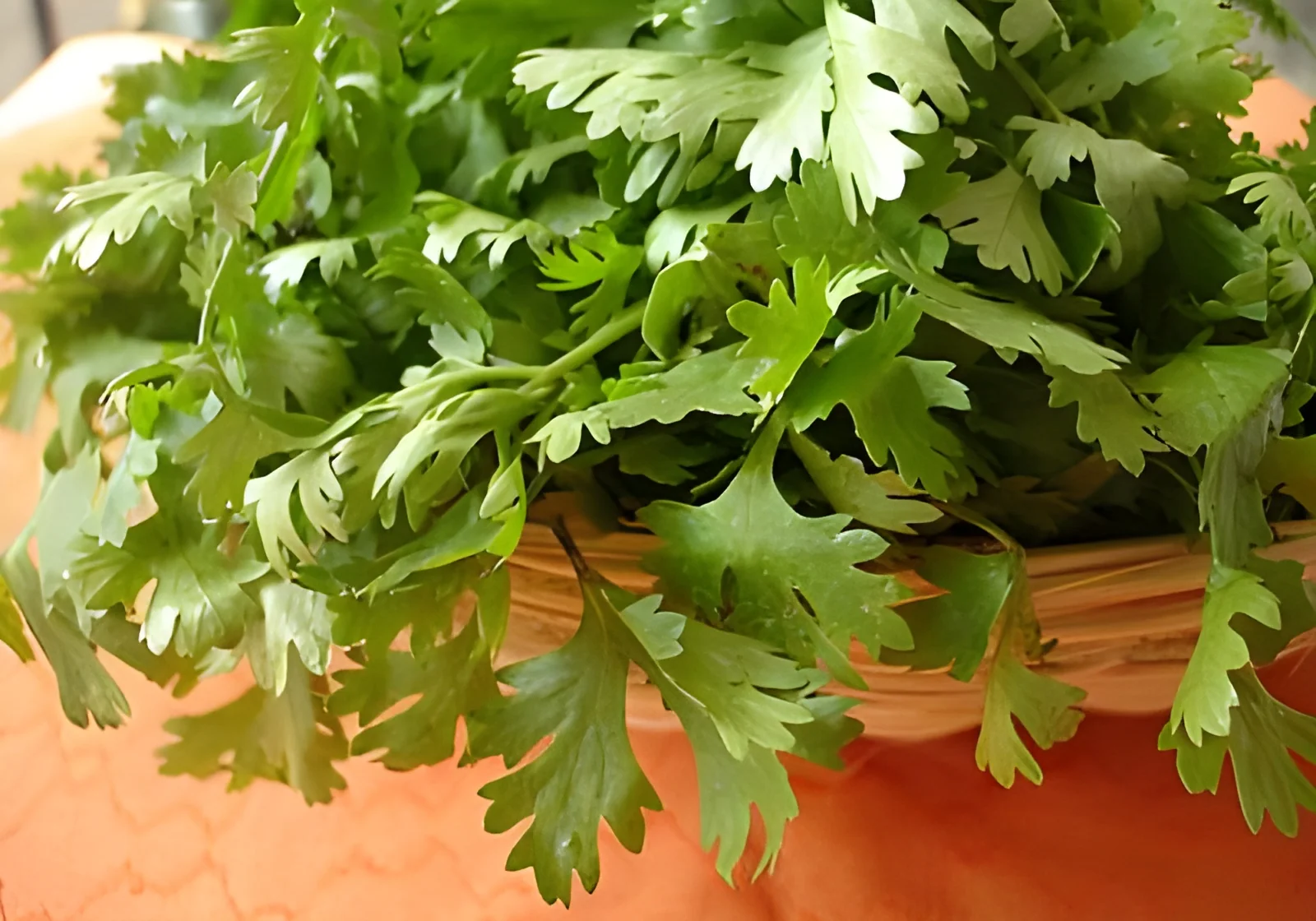
Basil, cilantro, and mint are popular hydroponic herbs. They add flavor to dishes and are often sought after by restaurants and food manufacturers.
Tomato Varieties
Cherry and beefsteak tomatoes thrive in hydroponic systems, providing fresh produce for salads and cooking.
Pepper Varieties
Bell peppers and hot peppers can be grown hydroponically, offering vibrant colors and flavors for culinary uses.
Microgreens
These young plants are rich in nutrients and flavor, popular in gourmet dishes and health-focused markets.
Benefits and Advantages
Hydroponic vegetables offer numerous benefits that make them attractive to businesses.
1. Increased Yield: Hydroponic systems can produce more vegetables in less space, leading to higher profits for growers.
2. Year-Round Production: Controlled environments allow for continuous growing cycles, ensuring a steady supply of fresh produce.
3. Resource Efficiency: Reduced water and land use make hydroponics an environmentally friendly option for vegetable production.
4. Lesser Pest Issues: Lower susceptibility to soil-borne pests translates to reduced pesticide applications, appealing to health-conscious consumers.
5. Enhanced Flavor: Many growers report that hydroponically grown vegetables have superior taste due to optimized growing conditions.
6. Fast Growth Cycles: Businesses can expect quicker turnaround times from planting to harvest, enhancing cash flow.
Buying Guide for B2B Buyers
When sourcing hydroponic vegetables, buyers should consider several key factors to ensure they select the right products and suppliers.
1. Quality Assessment: Look for fresh, vibrant vegetables with no signs of disease or damage. Establish criteria for evaluating quality based on appearance and taste.
2. Supplier Verification: Vet suppliers for reliability and reputation. Check references and reviews to ensure they meet industry standards.
3. Pricing and MOQ: Understand the pricing structures and minimum order quantities. This can vary widely based on the supplier and the type of vegetables.
4. Delivery and Lead Times: Clarify logistics, including delivery schedules and lead times, to ensure timely availability of products.
5. Compliance Requirements: Familiarize yourself with any regulatory standards that apply to hydroponic vegetables, ensuring that suppliers comply with local and international regulations.
Compliance and Certifications
Hydroponic vegetables must adhere to several quality standards and certifications to ensure safety and quality in the marketplace.
Relevant quality standards such as ISO 9001 focus on maintaining effective quality management systems, ensuring that producers meet customer and regulatory requirements consistently.
Industry certifications like CE indicate that the products meet European safety and environmental standards, making them suitable for international trade.
Safety and testing requirements are crucial for hydroponic produce to ensure they are free from contaminants and safe for consumption. Regular testing for nutrient levels and pesticide residues is essential.
Regional compliance considerations may vary depending on the market. It is important for suppliers to understand and meet local regulations regarding food safety and quality.
Why Source Hydroponic Vegetables from Pepagora?
Pepagora provides a trusted platform for sourcing hydroponic vegetables, offering several key advantages to B2B buyers.
Verified Supplier Network: Pepagora connects buyers with a network of verified suppliers, ensuring that all products meet high-quality standards. Suppliers undergo rigorous vetting to guarantee reliability.
Streamlined RFQ Process: The platform simplifies the request for quotation process, allowing buyers to easily compare offers from multiple suppliers, saving time and effort.
Trade Assurance and Support: Pepagora offers trade assurance, providing buyers with protection against potential risks. Support services are available to assist buyers throughout the sourcing process.
Regional Coverage: With a focus on markets in India, the GCC, and Southeast Asia, Pepagora caters to a diverse range of buyers, facilitating access to high-quality hydroponic vegetables across these regions.

 IN
IN