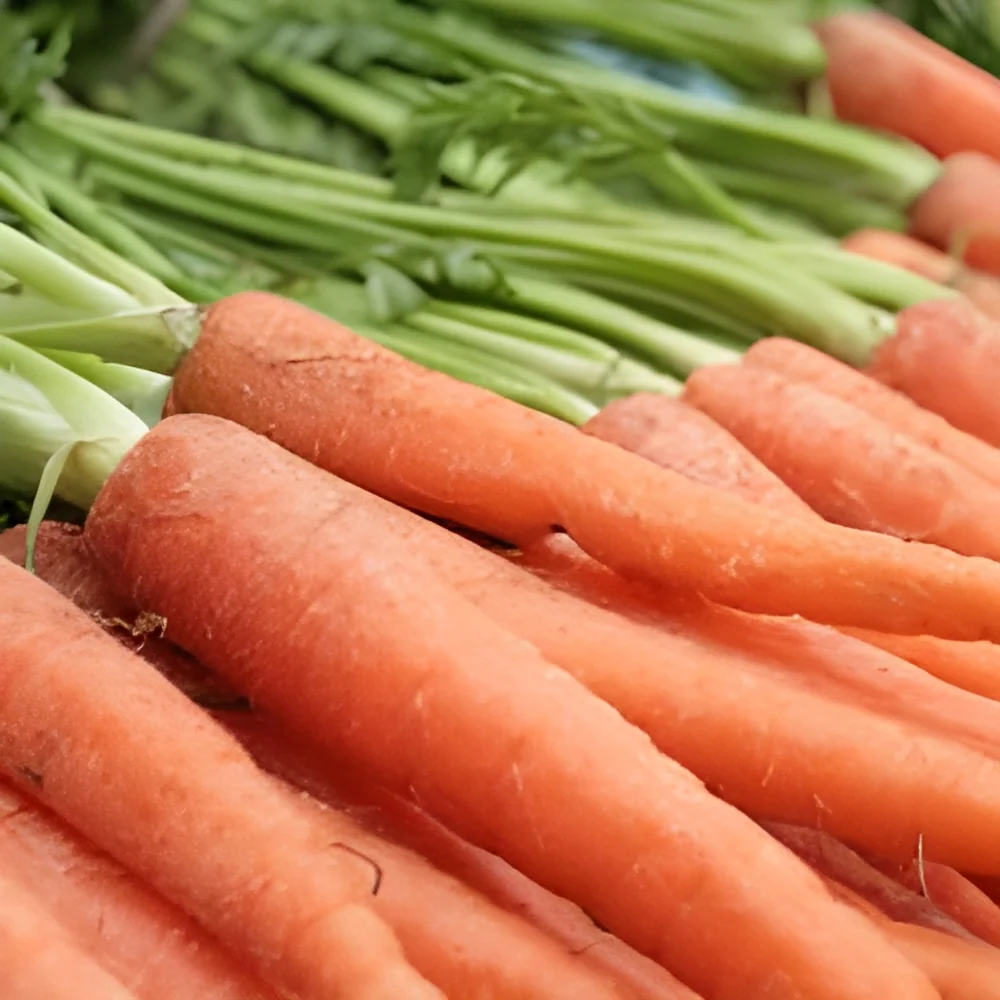
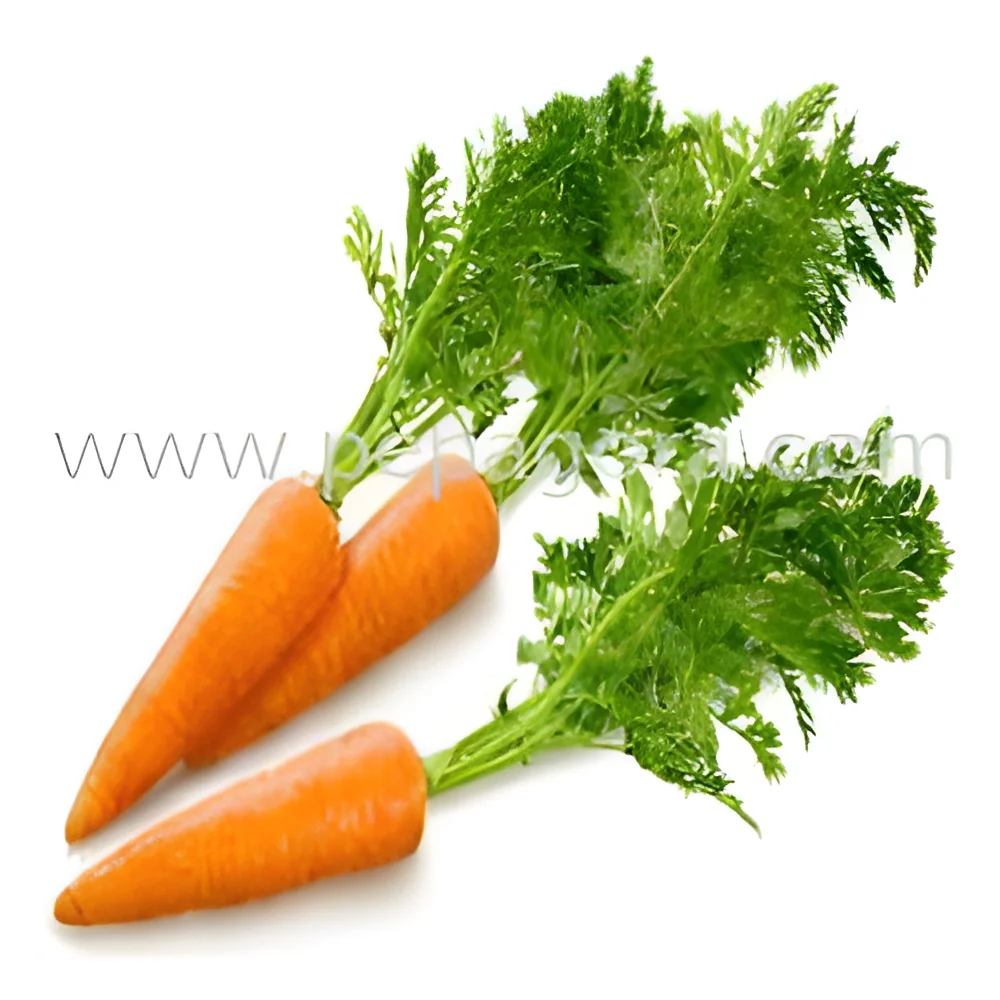
What are Carrots?
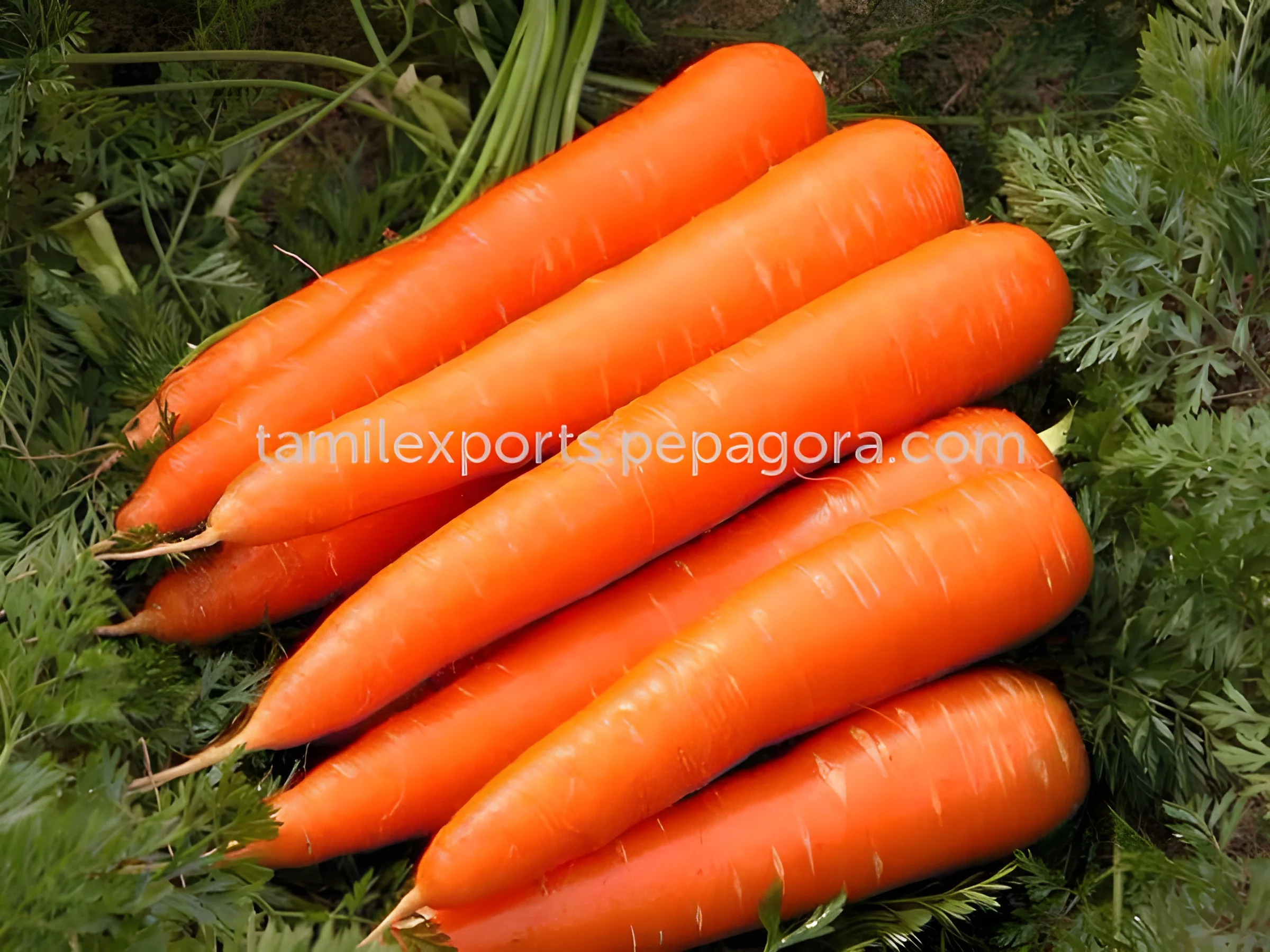
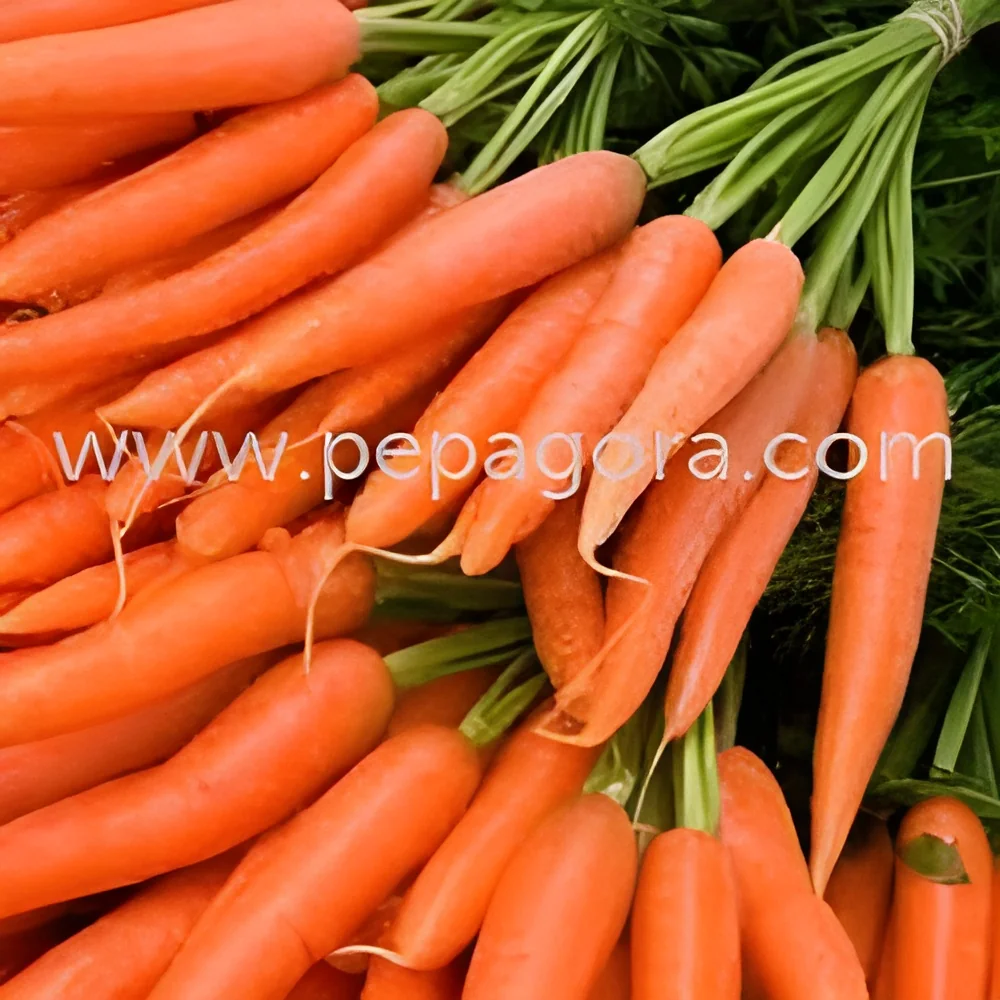
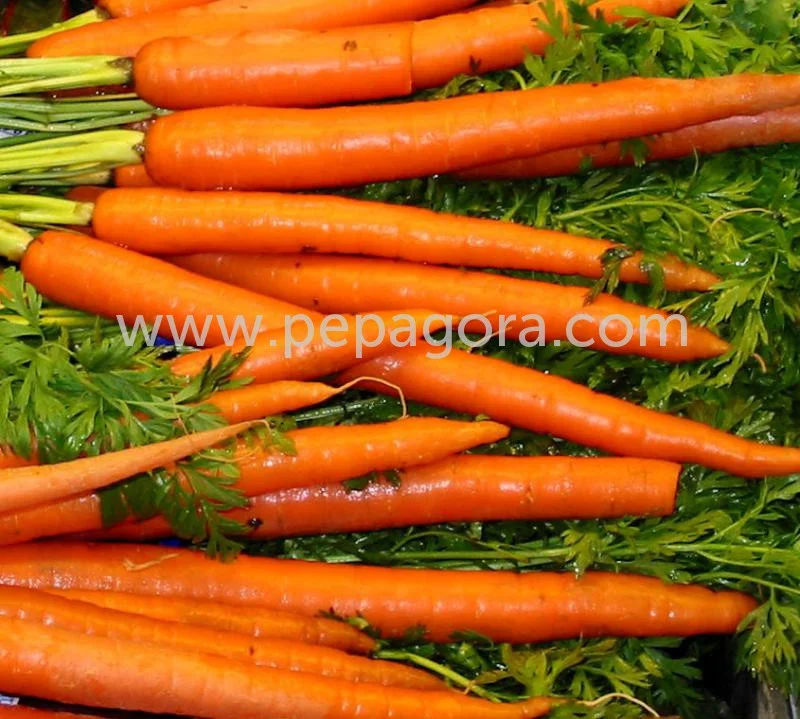
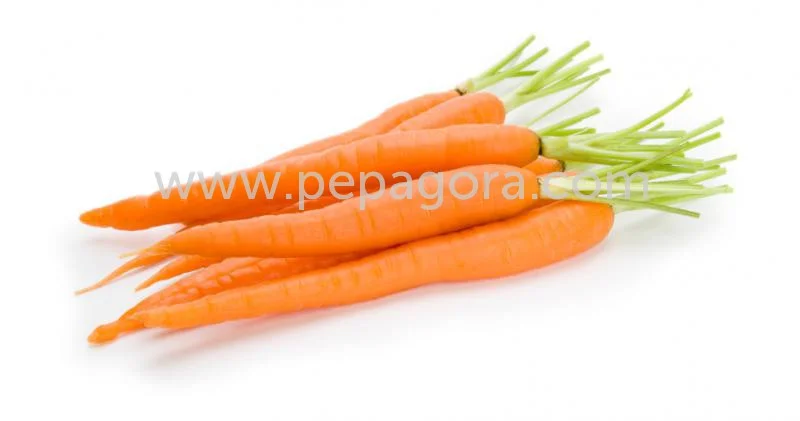
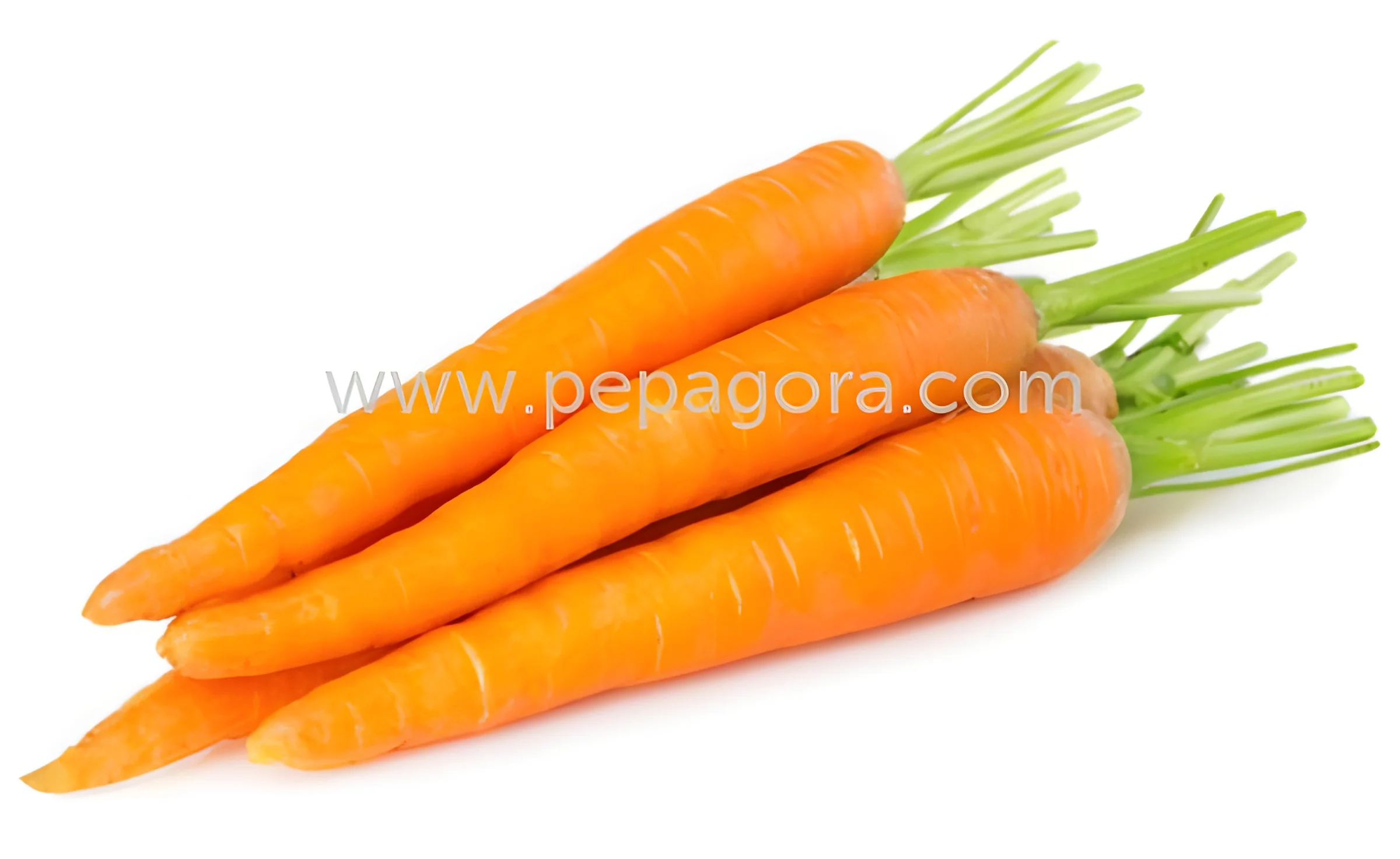
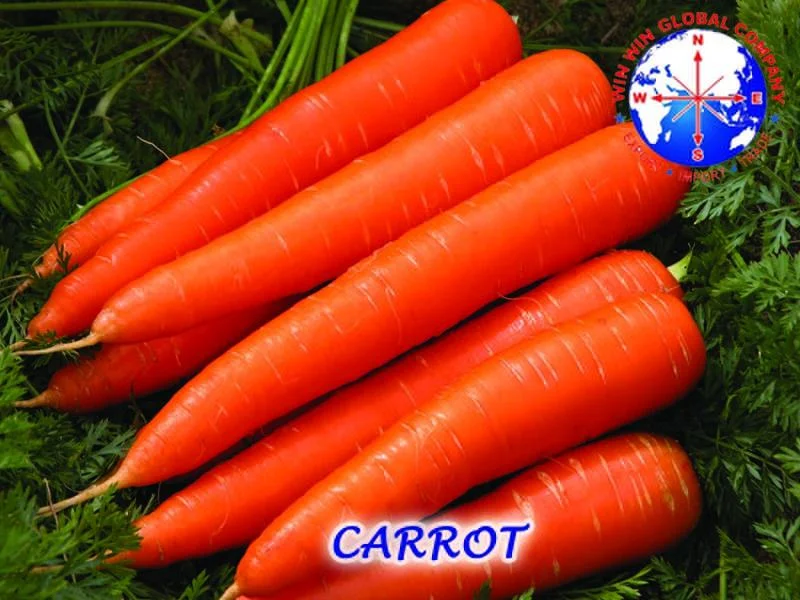
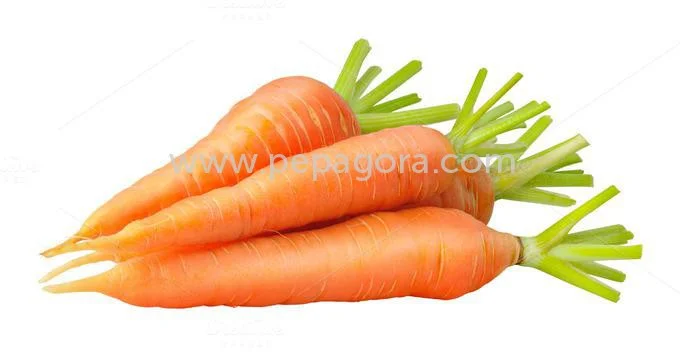
Carrots are root vegetables that belong to the Apiaceae family, primarily cultivated for their edible taproots. They are typically orange in color, though they can also be found in purple, yellow, and white varieties. Carrots are rich in vitamins, particularly vitamin A, which is crucial for maintaining healthy vision. These vegetables can be consumed raw, cooked, or juiced, making them a versatile addition to various diets.
In the B2B context, carrots are widely used in food processing, catering, and retail sectors. Their applications range from fresh produce offerings in grocery stores to ingredient components in processed foods, such as soups and snacks. The demand for carrots remains strong due to their popularity among health-conscious consumers, driving a steady market for suppliers and distributors in the agricultural sector.
Key Features and Specifications
Carrots are characterized by several important features that cater to both consumers and businesses. Understanding these specifications is crucial for making informed purchasing decisions.
Key specifications include:
1. Size and Shape
- Carrots vary in length and diameter, generally ranging from 15 to 30 centimeters in length.
- Common shapes include cylindrical and conical forms.
2. Color
- The most recognized color is orange, but carrots can also be purple, yellow, and white.
- Color may affect marketability and consumer preference.
3. Nutritional Content
- Carrots are high in beta-carotene, fiber, and antioxidants.
- They contain low calories, making them a healthy option.
4. Shelf Life
- Fresh carrots typically have a shelf life of 3 to 4 weeks when stored properly.
- Factors such as temperature and humidity can impact freshness.
5. Packaging
- Carrots are often packaged in bulk or retail-ready formats.
- Common packaging materials include plastic bags and cardboard boxes.
6. Harvesting and Handling
- Carrots require careful harvesting to avoid damage.
- Proper handling practices are essential to maintain quality.
7. Compliance and Certifications
- Carrots may need to meet specific industry standards, such as CE certification.
- Compliance with food safety regulations is crucial.
8. Geographic Variability
- Carrots are grown in various regions worldwide, affecting flavor and texture based on soil and climate.
Carrots offer a range of features that make them suitable for different markets and applications.
Common Applications and Use Cases
Carrots serve various industries, making them a staple in many supply chains.
1. Food Processing: Carrots are used in soups, sauces, and snacks. They can be pureed, diced, or shredded for easy incorporation into dishes.
2. Catering Services: Fresh carrots are a popular choice for catering events, often featured in salads or as garnishes.
3. Retail Grocery: Retailers offer carrots in pre-packaged and bulk formats, appealing to a wide range of consumers.
4. Juice Production: Carrots are a key ingredient in health-focused beverages, providing natural sweetness and nutrition.
5. Baby Food Manufacturing: Carrots are commonly used in baby food due to their soft texture and high nutrient content.
6. Animal Feed: In some cases, surplus or unmarketable carrots may be used as feed for livestock.
7. Organic Farming: There is a growing demand for organic carrots, catering to health-conscious markets.
Product Variants and Subcategories
Carrots come in various forms, showcasing their diversity in the market.
Nantes Carrots
Nantes carrots are cylindrical and have a sweet flavor, making them ideal for fresh eating and salads. They are often marketed as a premium product due to their appealing taste and texture.
Imperator Carrots
These are longer and thicker carrots with a crisp texture. They are commonly used in food processing and are favored for their high yield in commercial cultivation.
Chantenay Carrots
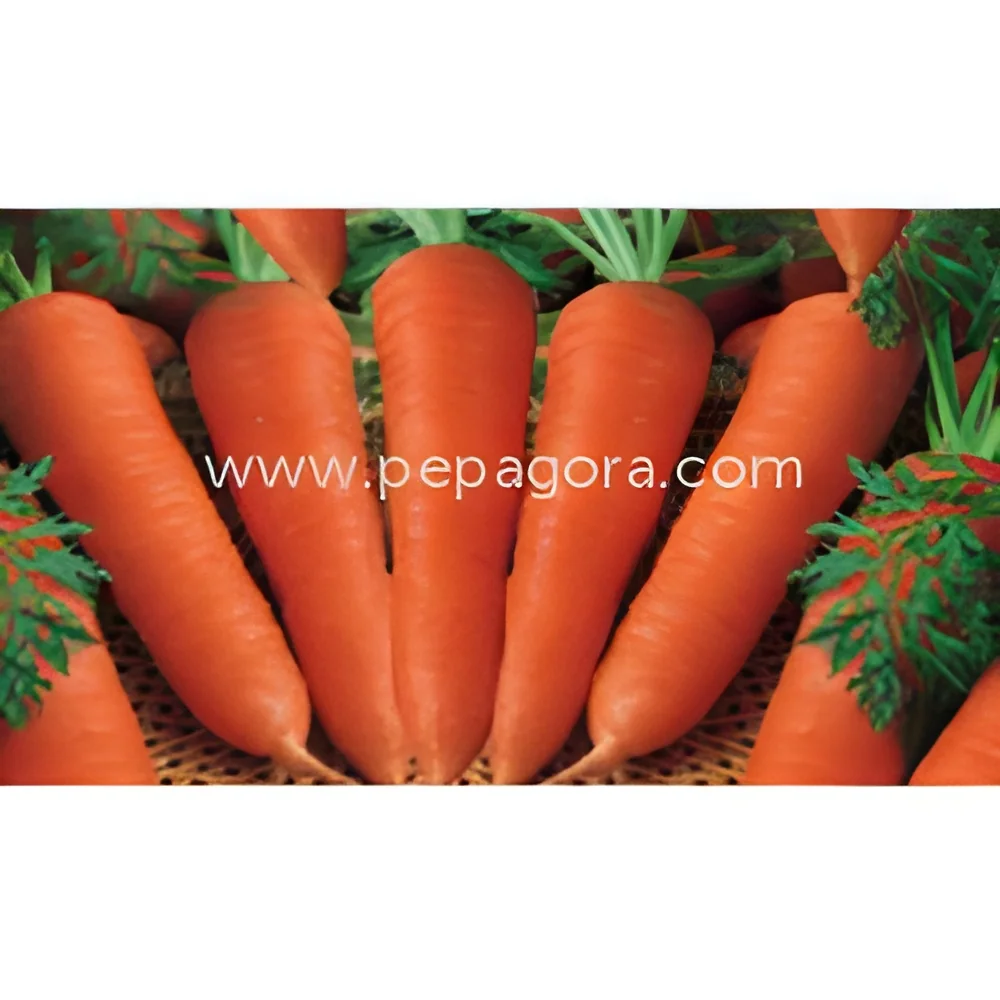
Chantenay carrots are shorter and wider, typically known for their rich flavor. They are popular in gourmet cooking and can be used in various dishes.
Benefits and Advantages
Carrots offer numerous advantages that make them appealing to both consumers and businesses.
Key benefits include:
1. Nutritional Value: Carrots are an excellent source of vitamins and minerals, contributing to a healthy diet.
2. Versatility: They can be used in a variety of culinary applications, from raw snacks to cooked dishes.
3. Cost-Effectiveness: Carrots are relatively inexpensive to produce, making them a budget-friendly option for buyers.
4. Long Shelf Life: When stored properly, carrots can remain fresh for an extended period, reducing waste.
5. Appeal to Health Trends: As consumers increasingly seek healthy options, carrots align well with current dietary preferences.
6. Easy to Grow: Carrots can be cultivated in various climates, making them accessible to farmers in different regions.
Buying Guide for B2B Buyers
When sourcing carrots, several factors should be considered to ensure quality and reliability.
1. Quality Assessment: Evaluate the quality of carrots based on size, color, and firmness. Look for fresh, undamaged produce that meets your specific requirements.
2. Supplier Verification: Vet suppliers by checking their credentials, certifications, and reviews. A reliable supplier will have a proven track record in the industry.
3. Pricing and MOQ: Understand the pricing structure and minimum order quantities. Negotiating favorable terms can lead to better profitability.
4. Delivery and Lead Times: Discuss logistics and lead times with suppliers to ensure that you receive your order on time, especially for perishable goods.
5. Compliance Requirements: Ensure that suppliers adhere to industry standards and regulations, including food safety and quality certifications.
Compliance and Certifications
Carrots must adhere to various quality standards and certifications to ensure safety and marketability.
Relevant quality standards include ISO 9001, which focuses on quality management systems, and HACCP, which is essential for food safety management. Compliance with these standards is crucial for suppliers to maintain consumer trust.
Industry certifications, such as CE, indicate that products meet European safety requirements. This certification is particularly important for businesses that operate in international markets.
Safety and testing requirements are also essential to ensure that carrots are free from contaminants. Regular testing for pesticide residues and pathogens helps maintain high-quality standards.
Regional compliance considerations may vary based on local regulations, making it essential for suppliers to be aware of specific requirements in different geographic areas.
Why Source Carrots from Pepagora?
Pepagora provides a trusted platform for sourcing carrots, offering several key advantages for B2B buyers.
Verified Supplier Network: Pepagora maintains a network of verified suppliers who comply with industry standards. This ensures that buyers can source high-quality carrots from reliable sources.
Streamlined RFQ Process: The request for quotation system simplifies the purchasing process, allowing buyers to receive competitive quotes quickly and efficiently.
Trade Assurance and Support: Pepagora offers buyer protection through trade assurance, ensuring that transactions are secure and that buyers receive their products as promised.
Regional Coverage: With a strong presence in India, the GCC, and Southeast Asia, Pepagora connects buyers with suppliers across diverse markets, facilitating international trade in carrots.

 IN
IN