
 IN
INMushrooms (Button, Oyster, Shiitake)
7 products available
Key Features and Specifications
Common Applications and Use Cases
Product Variants and Subcategories
Benefits and Advantages
Buying Guide for B2B Buyers
Compliance and Certifications


Frequently Asked Questions
What are Mushrooms (Button, Oyster, Shiitake)?
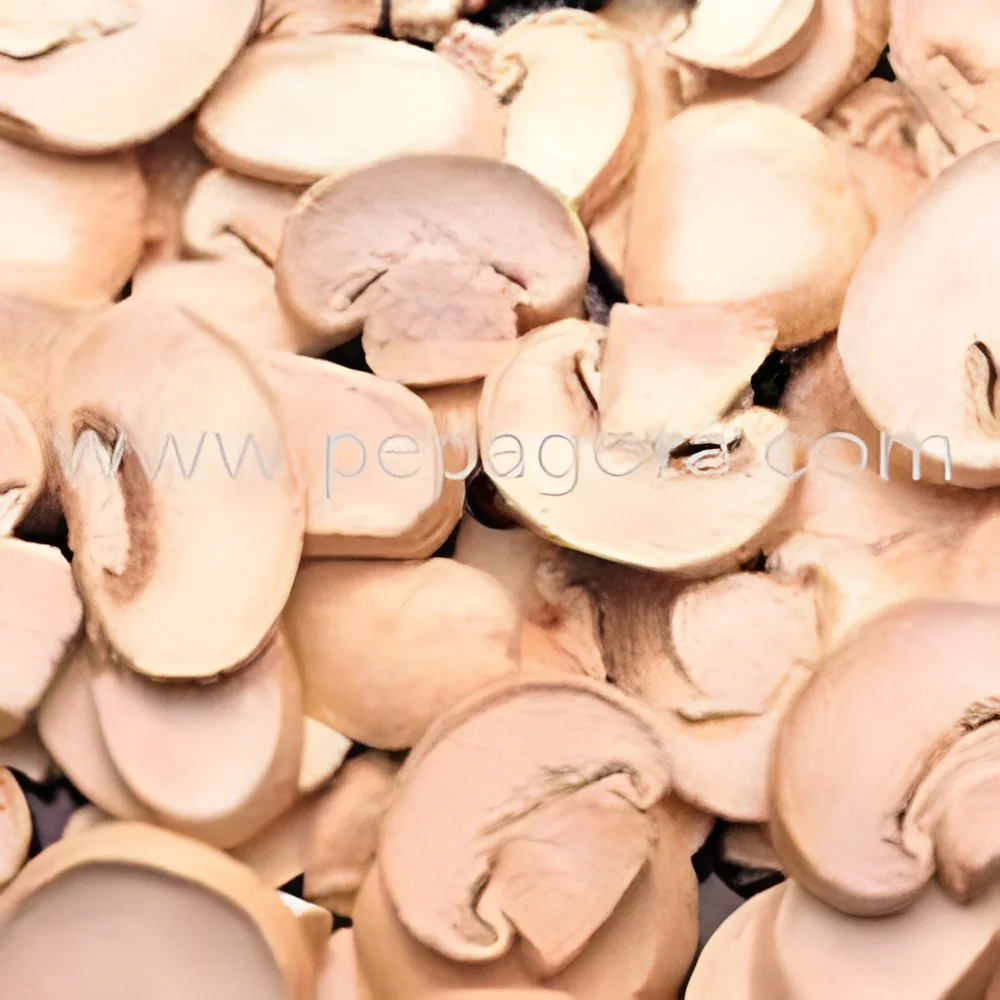
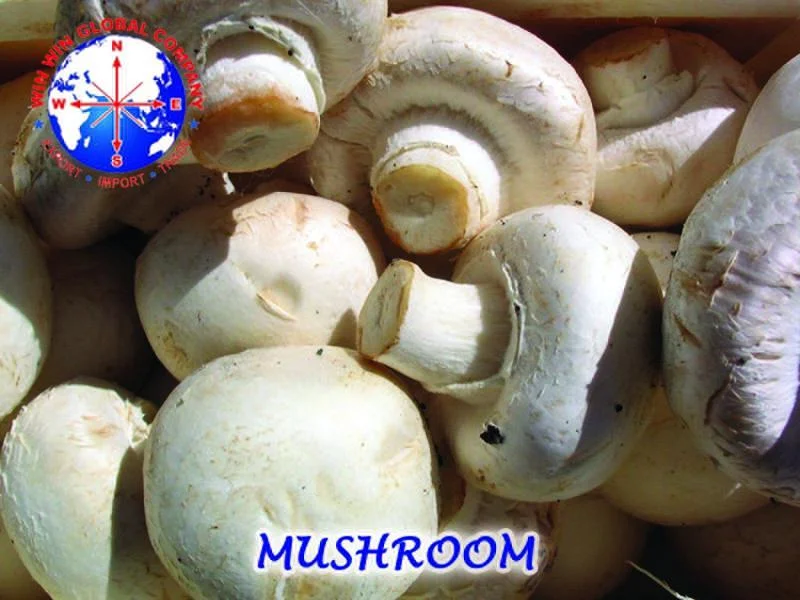
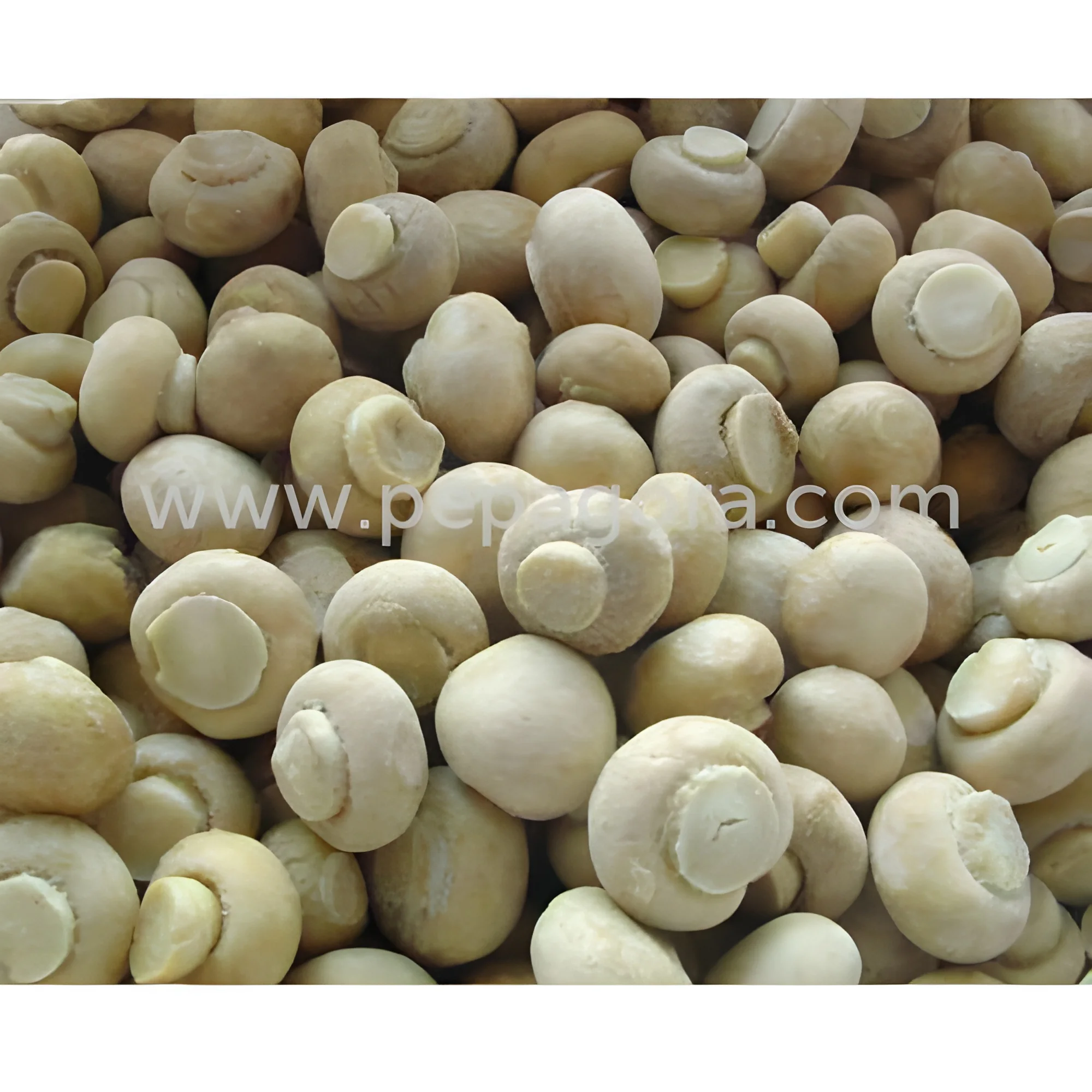
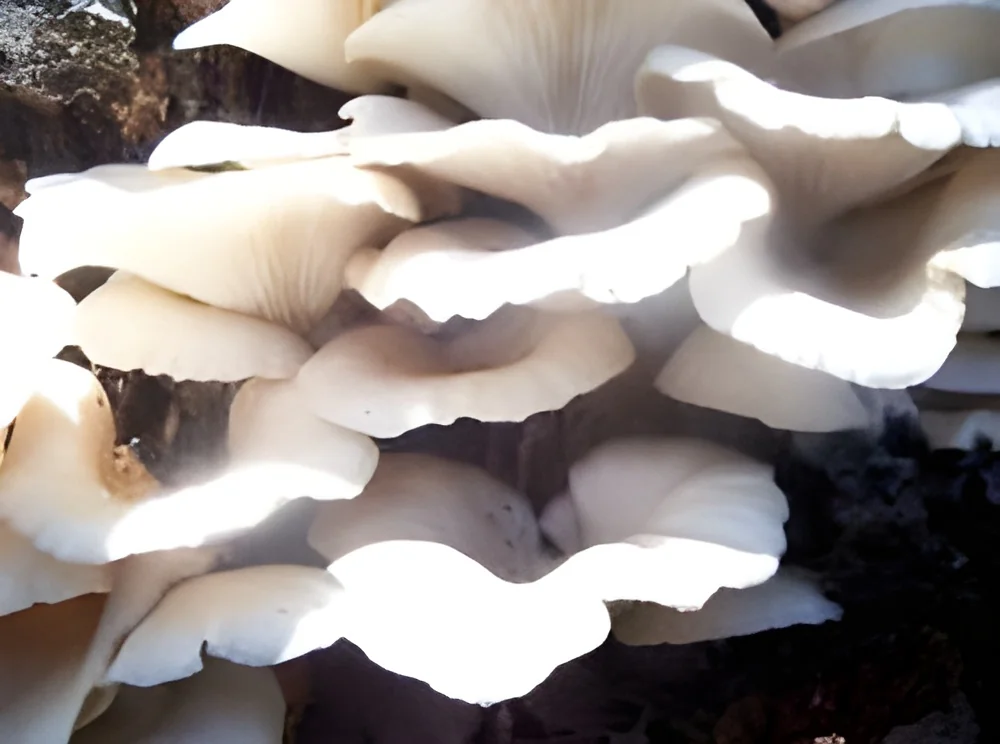
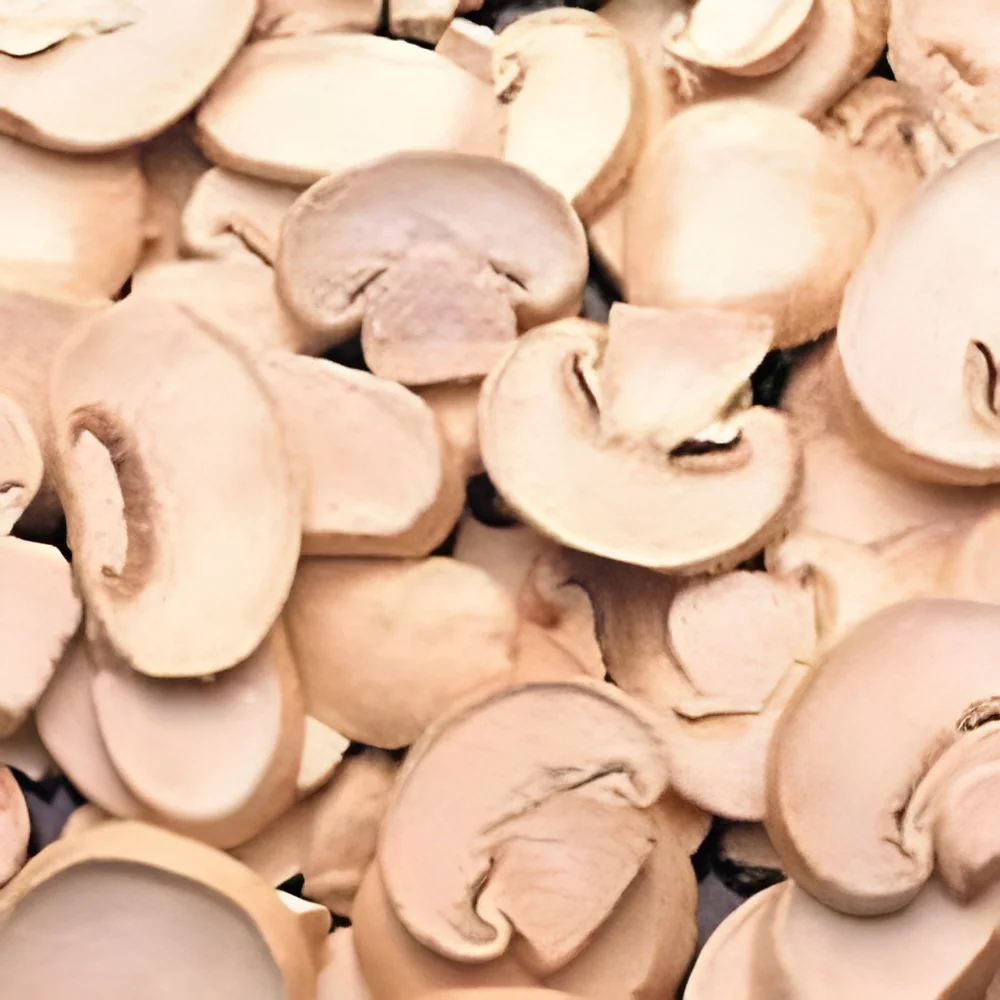
Mushrooms (Button, Oyster, Shiitake) are edible fungi that belong to different species. Button mushrooms are small and white, oyster mushrooms have a fan-like shape and come in various colors, while shiitake mushrooms are known for their rich, savory flavor. They are widely used in culinary dishes and are valued for their nutritional benefits.
What are the different types of Mushrooms (Button, Oyster, Shiitake)?
The primary types of Mushrooms in this category include Button, Oyster, and Shiitake mushrooms. Button mushrooms are the most common, often found in grocery stores. Oyster mushrooms are known for their unique shape and texture, while Shiitake mushrooms are prized for their deep umami flavor and are frequently used in Asian cuisine.
How do I choose the right Mushrooms (Button, Oyster, Shiitake)?
When choosing mushrooms, consider factors such as freshness, size, and appearance. Fresh mushrooms should be firm and free from blemishes or dark spots. For culinary use, select the type that best fits your dish; for example, shiitake mushrooms work well in stir-fries, while button mushrooms are versatile for various recipes.
What are the standard specifications for Mushrooms (Button, Oyster, Shiitake)?
Standard specifications for mushrooms typically include size, color, and moisture content. Button mushrooms are usually sold in sizes ranging from small to large, while oyster and shiitake mushrooms have specific grading based on cap diameter and quality. Quality control measures ensure that the mushrooms are free from contaminants and fit for consumption.
What is the price range for Mushrooms (Button, Oyster, Shiitake)?
The price range for mushrooms can vary widely based on type, quality, and market demand. Generally, button mushrooms are the most affordable, followed by oyster and then shiitake mushrooms, which tend to be more expensive due to their unique flavor and culinary uses. Prices may also fluctuate based on seasonality.
What quality standards apply to Mushrooms (Button, Oyster, Shiitake)?
Quality standards for mushrooms include freshness, size uniformity, and absence of pests or diseases. The mushrooms should be harvested and handled in a sanitary manner to prevent contamination. Compliance with food safety regulations is essential to ensure that the mushrooms are safe for consumption.
Where can I find Mushrooms (Button, Oyster, Shiitake) suppliers in India?
Suppliers of Mushrooms (Button, Oyster, Shiitake) can be found through B2B marketplaces such as Pepagora. You can search for reliable manufacturers and wholesalers online, comparing their offerings, quality, and pricing. Networking within the agricultural sector can also lead to potential suppliers.
Can Mushrooms (Button, Oyster, Shiitake) be customized?
Mushrooms are typically sold in their natural state without customization; however, some suppliers may offer pre-packaged or processed options. Customization may include specific packaging sizes or mixed varieties based on customer needs. It’s best to inquire with individual suppliers regarding specific customization options.
What is the typical minimum order quantity for Mushrooms (Button, Oyster, Shiitake)?
The typical minimum order quantity (MOQ) for mushrooms can vary by supplier. Generally, MOQs range from 5 to 10 kilograms for bulk orders. Smaller quantities may be available for retail or trial purchases, so it's advisable to check with the supplier for their specific terms.
What is the typical lead time for Mushrooms (Button, Oyster, Shiitake)?
The typical lead time for mushrooms can vary depending on the supplier and order size. Generally, lead times can range from 1 to 7 days for fresh mushrooms, depending on availability and shipping conditions. It's recommended to confirm the lead time with the supplier when placing an order.
Why Businesses Trust Pepagora
Thousands of companies trust Pepagora to source smarter and sell faster
Expand Your Sales Globally

Source Smarter,Grow Faster
