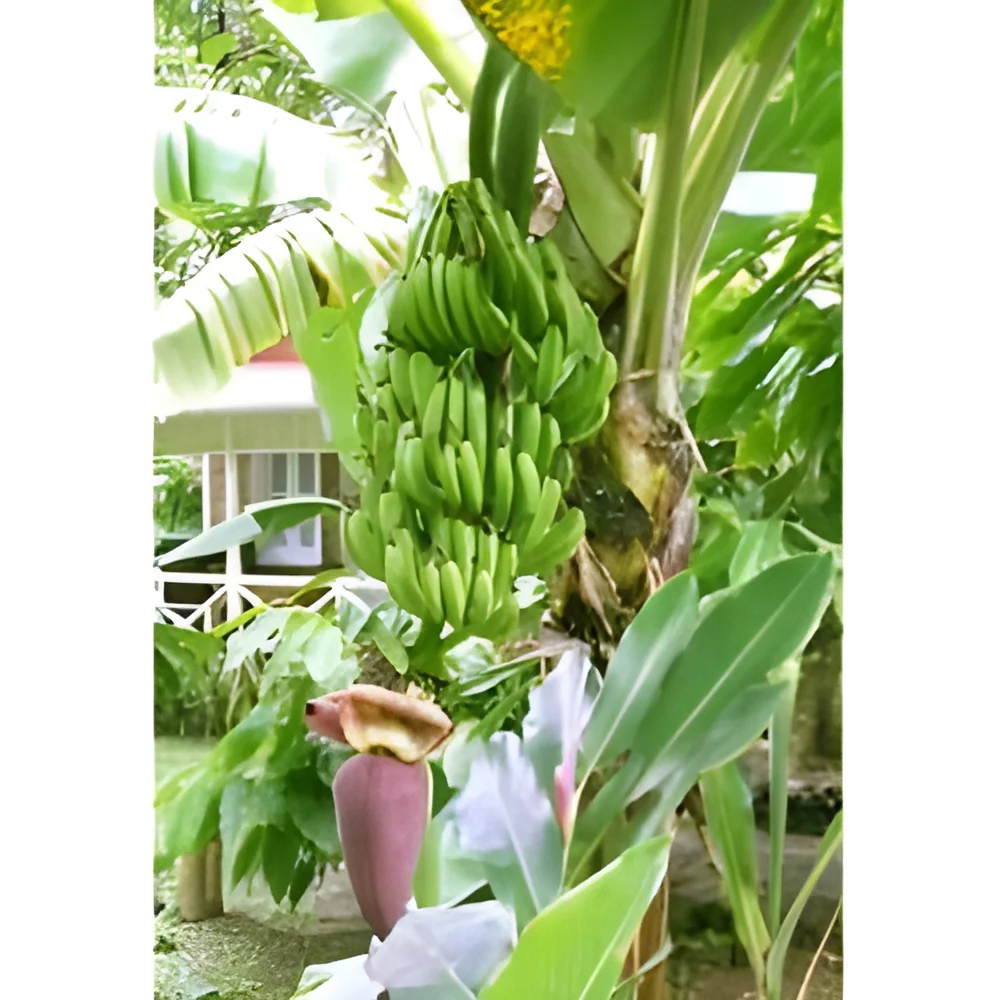
What are Bananas?
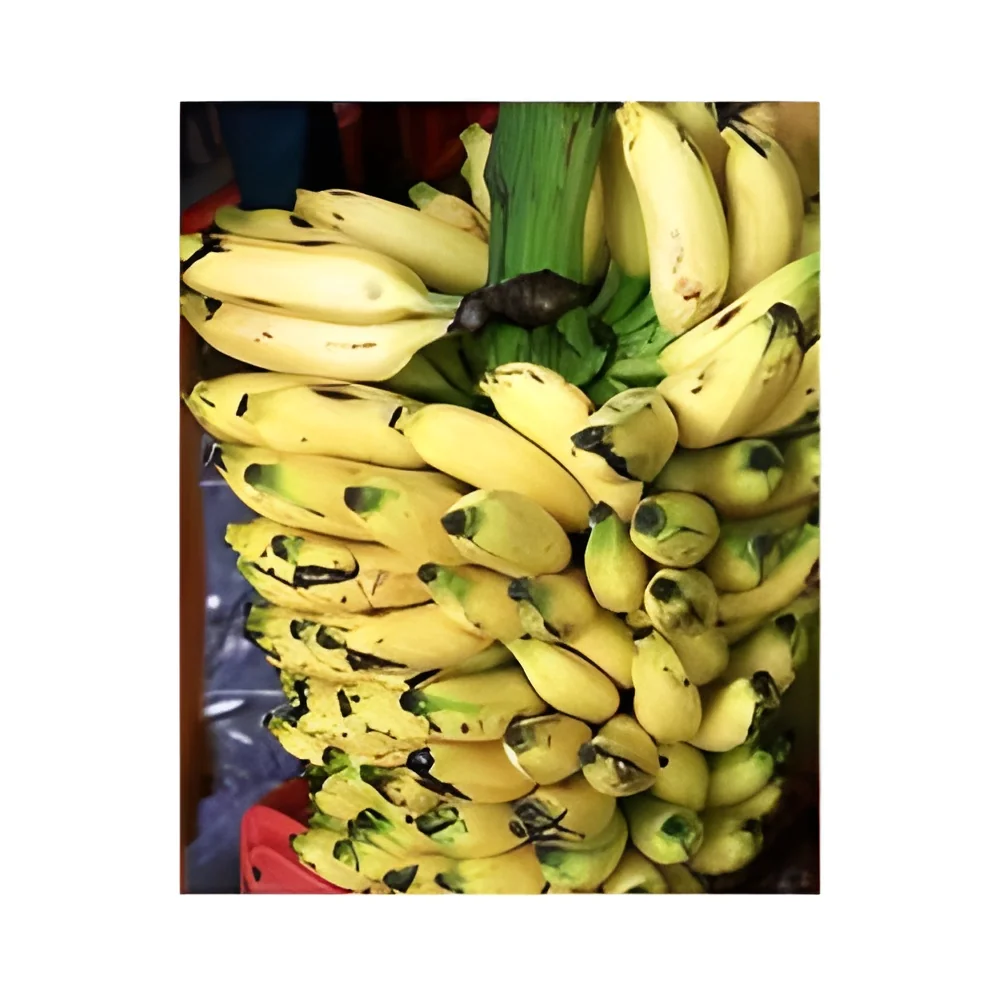
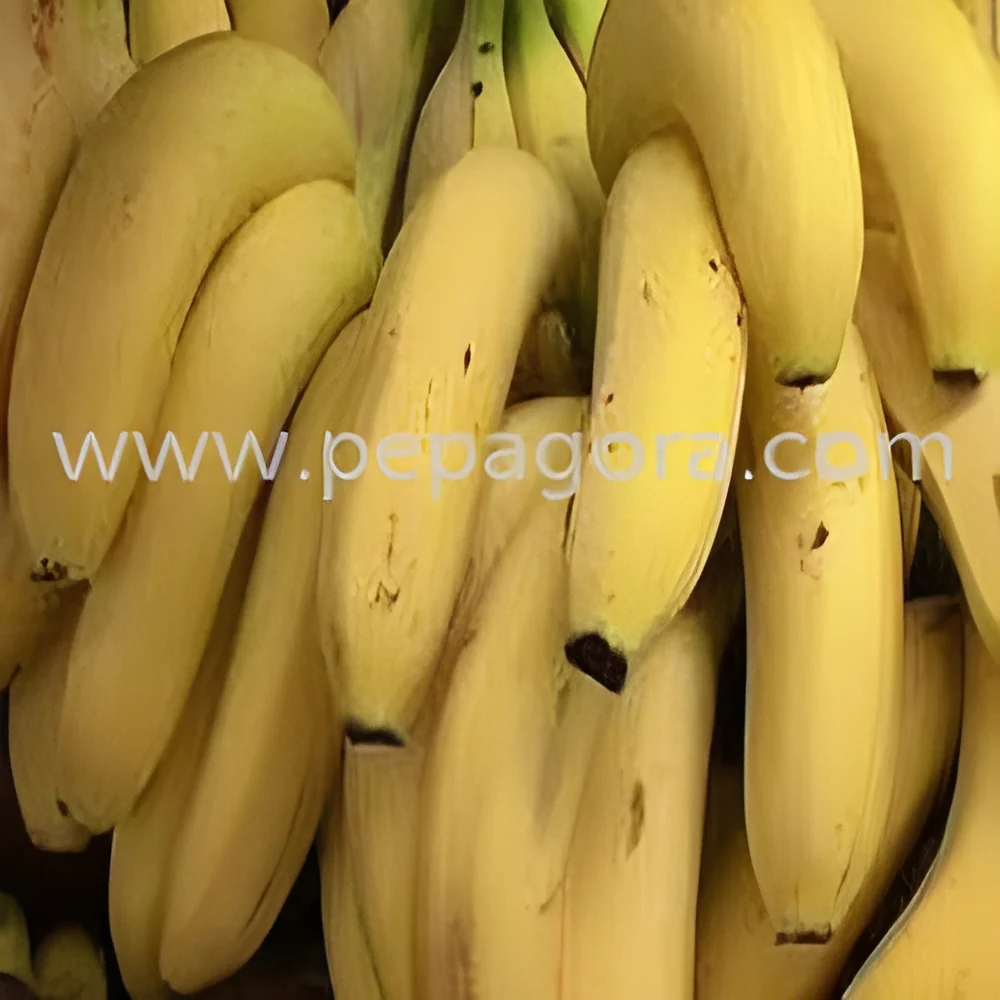
Bananas are elongated, edible fruits produced by various large herbaceous flowering plants. They are known for their sweet flavor and creamy texture, making them a popular choice in diets around the world. The most common type of banana is the Cavendish, which is widely cultivated and exported. Other varieties include plantains, which are starchier and often used for cooking rather than eaten raw.
In the business context, bananas serve multiple purposes. They are primarily consumed as fresh fruit, but they also find uses in food processing, including the production of banana chips, purees, and beverages. Bananas are a staple in many regions, contributing to local economies through cultivation, trade, and export. The banana industry is significant globally, with millions of tons produced annually, highlighting its importance in international trade and food security.
Key Features and Specifications
Bananas come with distinct features that are essential for buyers in various industries. These specifications ensure quality and suitability for different applications.
Key specifications include:
1. Fruit Size
- Typically ranges from 6 to 8 inches in length.
- Standard diameter is about 1 to 2 inches.
2. Ripeness Level
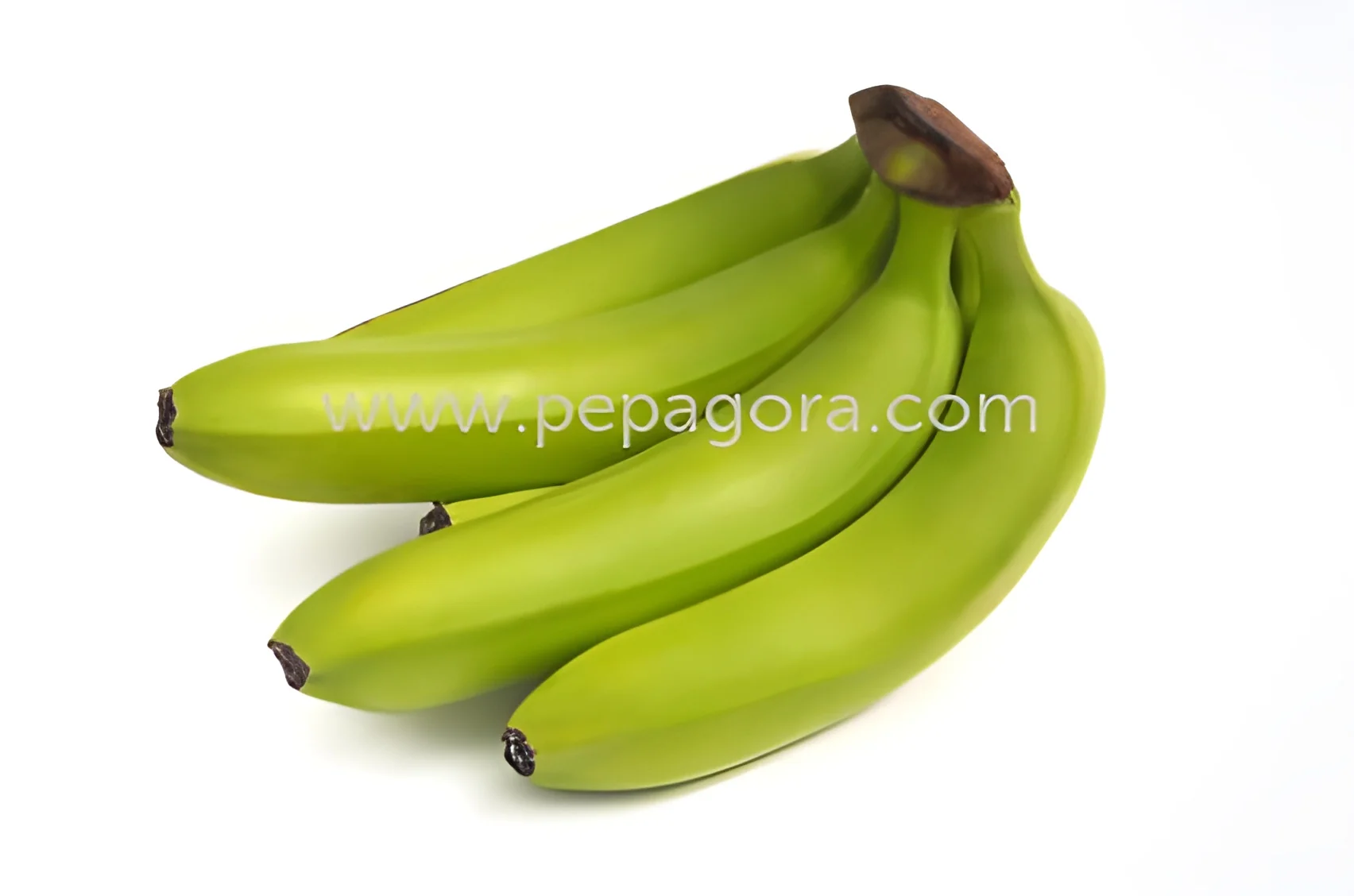
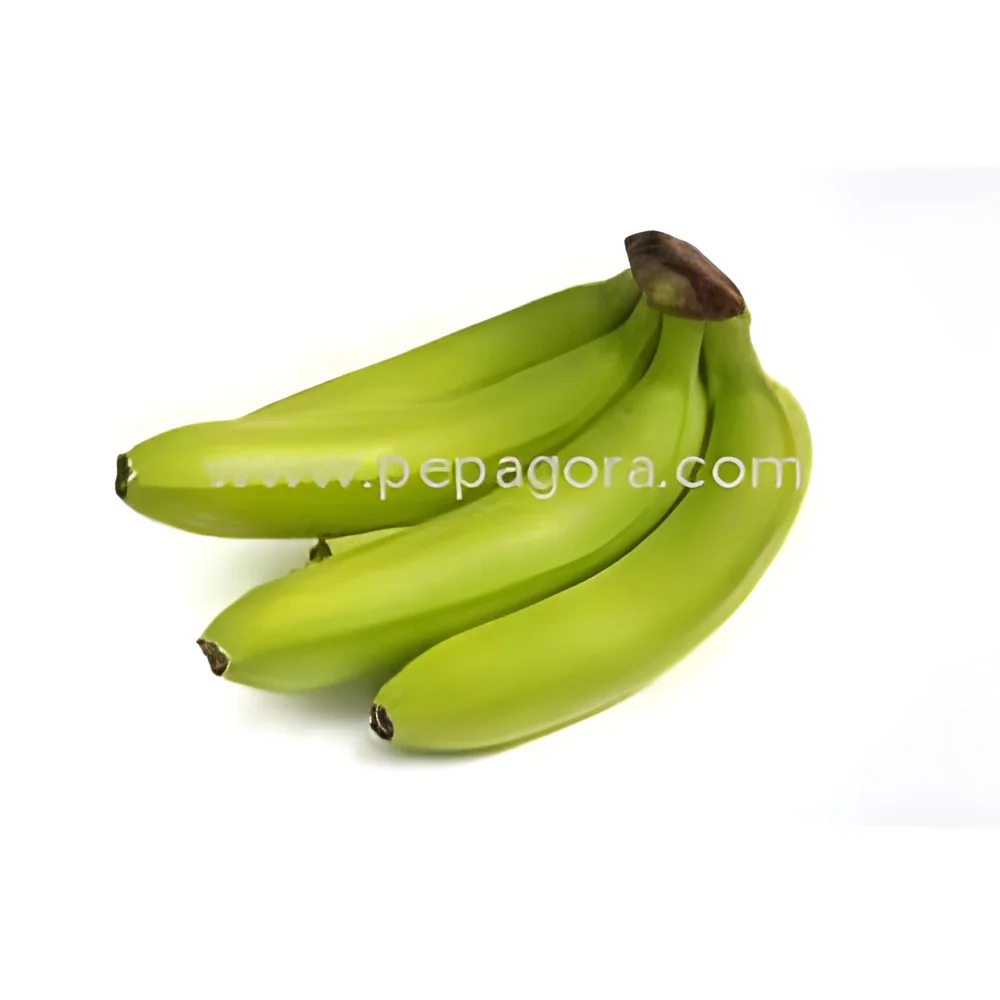
- Available in different stages: green (unripe), yellow (ripe), and brown (overripe).
- Ripeness impacts flavor, texture, and intended use.
3. Packaging Options
- Commonly packaged in boxes, crates, or bulk shipments.
- Packaging ensures protection during transport and extends shelf life.
4. Shelf Life
- Fresh bananas typically have a shelf life of 5 to 7 days at room temperature.
- Proper storage can extend freshness, especially in controlled environments.
5. Nutritional Content
- Rich in potassium, vitamin C, and dietary fiber.
- Contains approximately 90-100 calories per medium-sized banana.
6. Harvesting Method
- Harvested by hand, ensuring minimal damage to the fruit.
- Requires careful handling to maintain quality during transit.
7. Transportation Requirements
- Best transported at temperatures between 56°F and 60°F.
- Requires humidity control to prevent spoilage.
These specifications help businesses ensure they are sourcing high-quality bananas suitable for their needs.
Common Applications and Use Cases
Bananas are utilized across various industries due to their versatility and nutritional value.
1. Food and Beverage Industry: Bananas are commonly used in smoothies, desserts, and baked goods. They are also processed into juice and other beverages.
2. Retail and Grocery: Fresh bananas are a staple in supermarkets and local grocery stores, catering to consumer demand for healthy snacks.
3. Food Processing: Bananas are dried to produce chips or pureed for use in baby food and other products.
4. Agriculture: Bananas are cultivated in large quantities, providing livelihoods for farmers and contributing to local economies.
5. Nutraceuticals: The nutritional profile of bananas makes them a popular ingredient in dietary supplements.
6. Culinary Arts: Bananas are featured in various dishes worldwide, from traditional desserts to modern culinary creations.
7. Export and Import: Bananas are one of the most traded fruits globally, with significant export markets in countries like Ecuador and the Philippines.
Product Variants and Subcategories
While the banana market primarily revolves around the Cavendish variety, there are other notable types that cater to specific needs.
Plantains: Often larger and starchier than dessert bananas, plantains are used in savory dishes. They are typically cooked before consumption, making them a staple in many tropical cuisines.
Red Bananas: These bananas have a reddish-purple skin and are sweeter than the standard yellow variety. They are typically smaller and are often used in desserts and smoothies.
Baby Bananas: Smaller in size, baby bananas are sweeter and can be consumed as snacks or used in desserts. Their size makes them appealing for children and portion-controlled servings.
Benefits and Advantages
Sourcing bananas offers several benefits for businesses in various sectors.
1. Nutritional Value: Bananas are a rich source of essential nutrients, making them a healthy addition to any diet.
2. Versatility: Bananas can be used in numerous culinary applications, from fresh consumption to processing, increasing their market appeal.
3. Economic Viability: The banana industry supports farmers and contributes significantly to the economy in producing countries.
4. Availability: Bananas are available year-round, ensuring a consistent supply for businesses.
5. Sustainability: Many banana farms implement sustainable practices, making them an environmentally friendly choice for consumers.
6. Consumer Demand: The growing trend towards healthy eating increases the demand for bananas in retail and food service sectors.
Buying Guide for B2B Buyers
When sourcing bananas, it is essential for businesses to consider several factors to ensure they make informed purchasing decisions.
1. Quality Assessment: Evaluate the quality based on size, ripeness, and appearance. Freshness is vital, so inspect for any signs of bruising or damage.
2. Supplier Verification: Ensure suppliers are reputable and adhere to industry standards. Look for certifications and reviews from other businesses.
3. Pricing and MOQ: Understand the pricing structure and minimum order quantity (MOQ) before finalizing purchases. Compare prices among different suppliers to secure the best deal.
4. Delivery and Lead Times: Consider logistics and the expected lead times for delivery. Timely delivery is crucial for maintaining inventory levels.
5. Compliance Requirements: Check for compliance with local regulations and standards. Ensure suppliers meet food safety and quality certifications.
Compliance and Certifications
Bananas must meet specific quality standards and certifications to ensure they are safe for consumption and trade.
ISO 9001 is a widely recognized standard for quality management systems. It ensures that suppliers maintain consistent quality in their production processes.
HACCP (Hazard Analysis Critical Control Point) is a food safety management system that identifies and mitigates risks in food production. Suppliers compliant with HACCP are committed to maintaining high safety standards.
CE certification indicates that the products meet European safety and environmental requirements. While primarily a concern for other types of products, it may also apply in specific contexts for food imports.
Regional compliance considerations can vary, so it is essential for buyers to be aware of the local regulations governing food safety and trade in their specific markets.
Why Source Bananas from Pepagora?
Pepagora provides a trusted platform for sourcing bananas, offering several key advantages for businesses.
Verified Supplier Network: Pepagora boasts a robust network of verified suppliers, ensuring that buyers have access to reputable partners. This minimizes the risk of sourcing low-quality products.
Streamlined RFQ Process: The platform offers a user-friendly request for quotation (RFQ) system, allowing buyers to easily communicate their requirements and receive competitive quotes from multiple suppliers.
Trade Assurance and Support: Buyers can benefit from trade assurance features that protect their purchases, providing peace of mind in transactions. This support fosters trust between buyers and suppliers.
Regional Coverage: With a focus on major markets like India, the GCC, and Southeast Asia, Pepagora helps businesses connect with local suppliers and navigate regional complexities in sourcing bananas.

 IN
IN