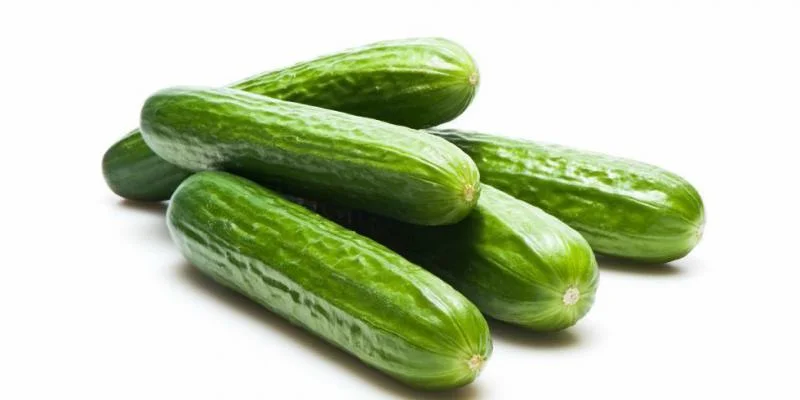
What are Cucumber?
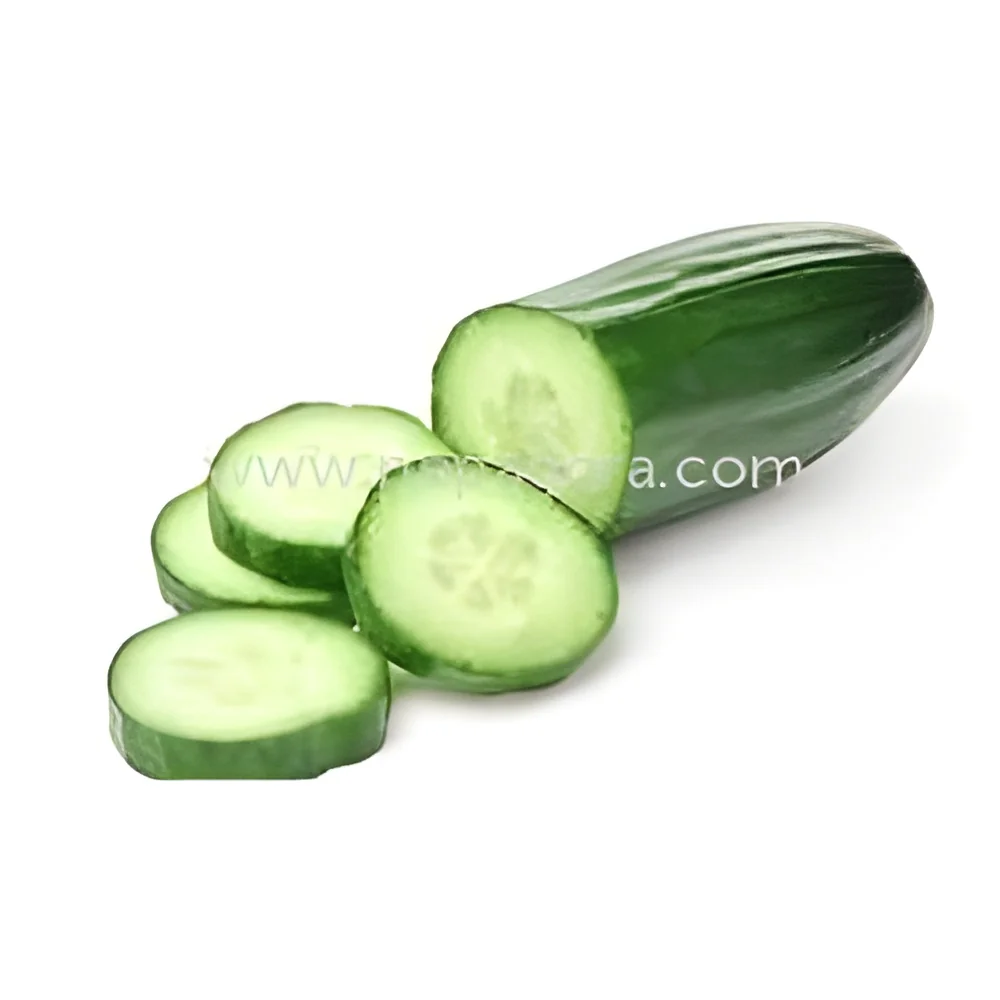
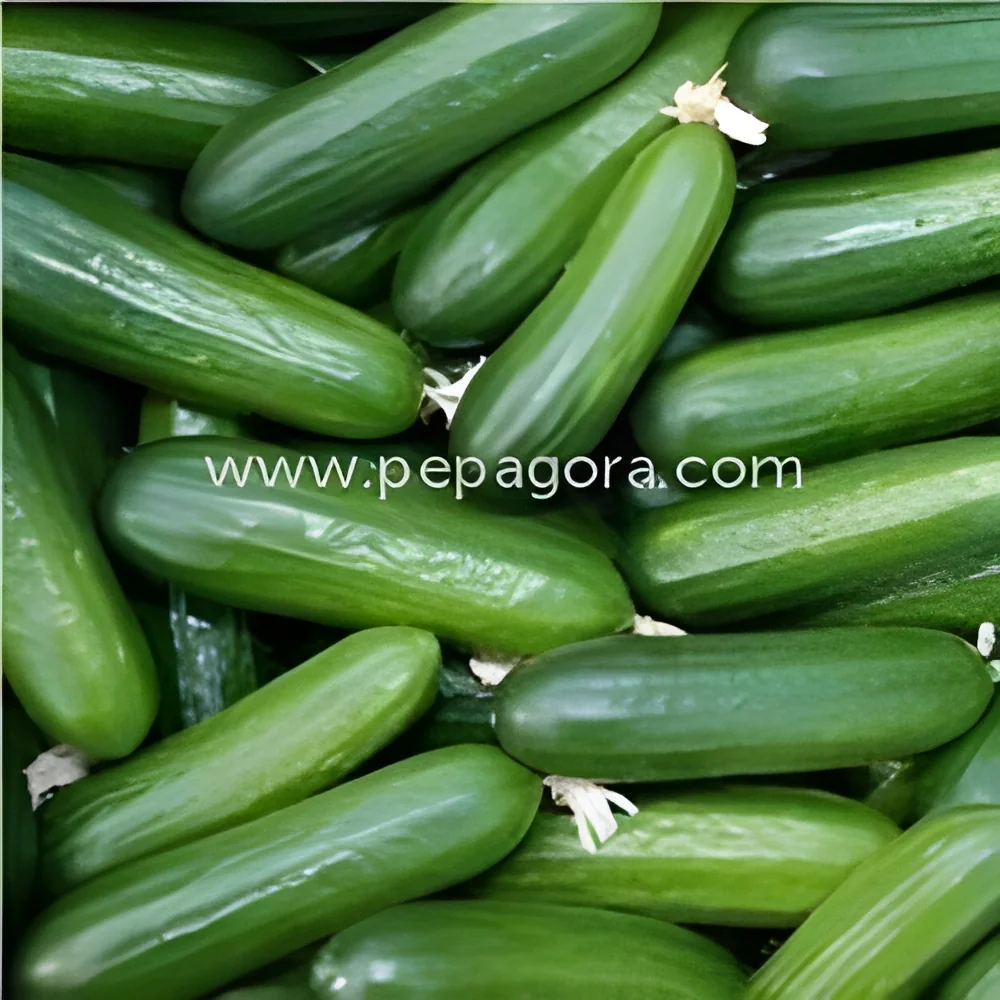
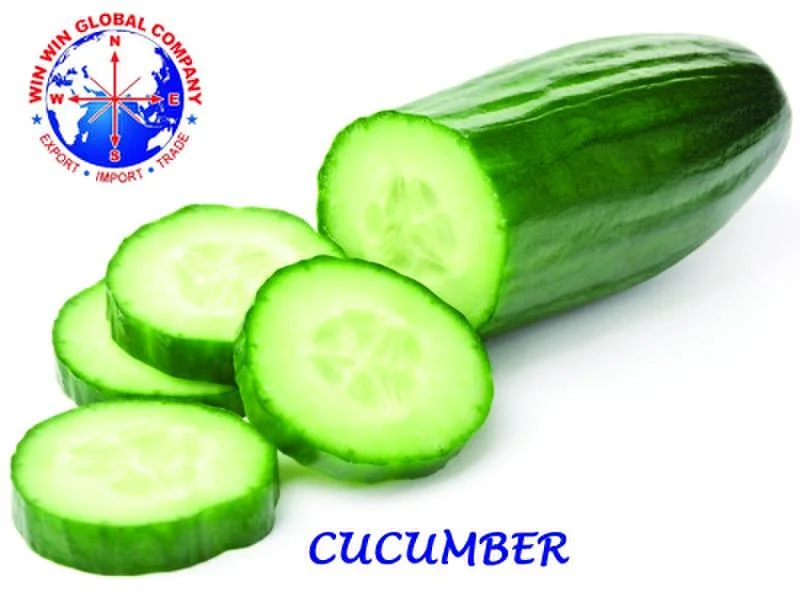
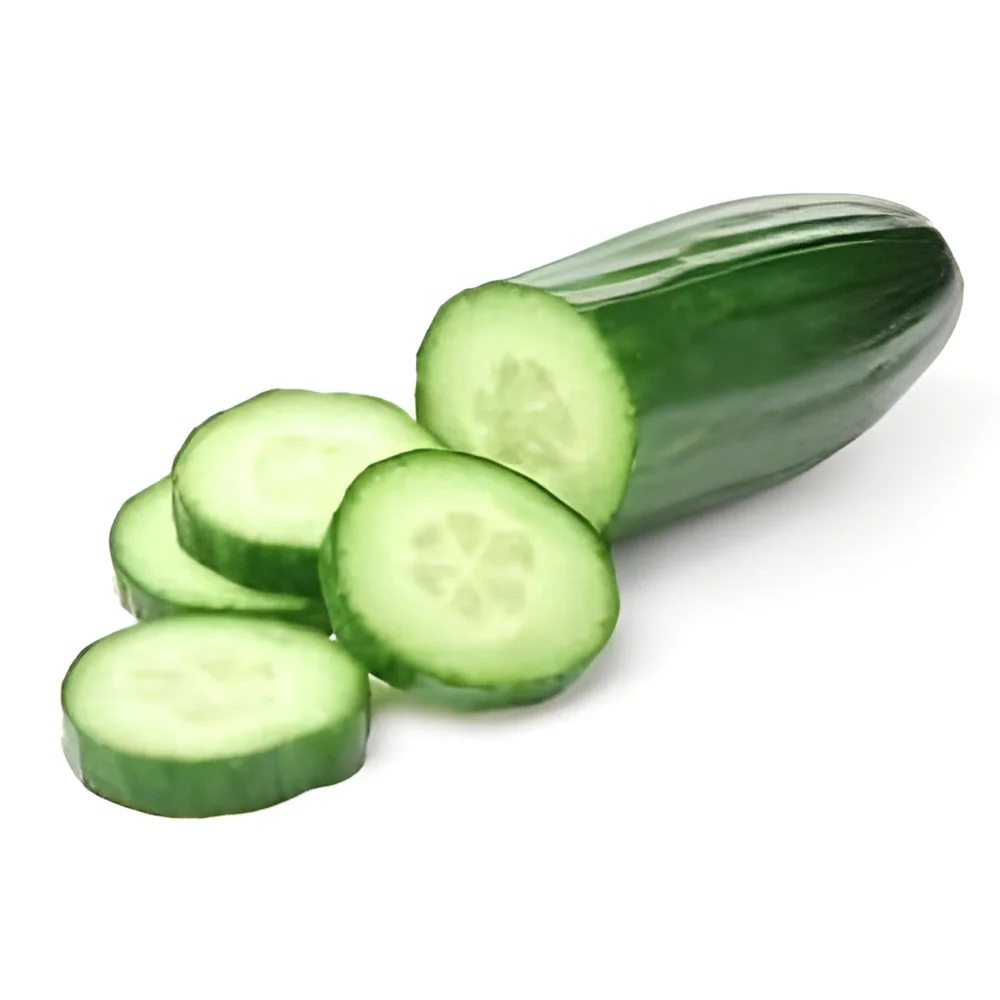
Cucumber is a widely cultivated plant belonging to the gourd family, primarily known for its edible fruit. This fruit is typically elongated and can vary in color, size, and taste. Cucumbers are primarily composed of water, making them a refreshing addition to various dishes. They are often consumed raw in salads, pickled, or used as a garnish in beverages.
In the business context, cucumbers serve multiple purposes ranging from culinary applications to industrial uses. They are prevalent in the food processing industry for products like pickles and salads. Additionally, cucumbers are increasingly recognized for their health benefits, being low in calories and rich in vitamins. The global market for cucumbers is robust, with significant demand across various sectors such as food service, retail, and health and wellness industries.
Key Features and Specifications
Cucumber products have distinctive features that cater to various market needs. These features ensure that they meet quality and safety standards required in both food and industrial applications.
Key specifications include:
1. Size
- Typical lengths range from 6 to 12 inches.
- Diameter can vary from 1 to 3 inches.
2. Color
- Common colors include green, yellow, and white.
- The skin can be smooth or bumpy depending on the variety.
3. Shelf Life
- Average shelf life is around 1 to 2 weeks under proper refrigeration.
- Pickled cucumbers can last several months when stored correctly.
4. Nutritional Content
- Low in calories, approximately 16 calories per 100 grams.
- Contains vitamins such as K, C, and potassium.
5. Harvest Season
- Peak season typically spans from late spring to early fall.
- Availability may vary by geographical region.
6. Certifications
- Compliance with safety standards such as CE.
- Adherence to local agricultural regulations.
7. Packaging
- Available in bulk and retail packaging options.
- Use of eco-friendly materials is encouraged.
8. Source
- Sourced from both local farms and international suppliers.
- Variety depends on the sourcing region and season.
Cucumbers are integral to a wide range of culinary uses and agricultural practices, making them a vital agricultural product.
Common Applications and Use Cases
Cucumbers are versatile and find applications across several industries.
1. Food Service: Fresh cucumbers are commonly used in restaurants and cafes, often served in salads or as garnishes in cocktails.
2. Food Processing: The processing industry utilizes cucumbers extensively for pickling, creating products like relishes and pickles.
3. Retail: Supermarkets and grocery stores sell cucumbers as a staple produce item, appealing to health-conscious consumers.
4. Cosmetics: Cucumber extracts are used in skincare products due to their hydrating properties, offering benefits to the beauty industry.
5. Agriculture: Cucumbers are also significant in crop rotation and soil health, contributing to sustainable farming practices.
6. Health and Wellness: With rising health awareness, cucumbers are promoted for their nutritional benefits, making them popular in health-focused meal plans.
7. Beverage Industry: Cucumber-infused drinks are trendy, particularly in health and wellness markets, adding a refreshing flavor.
Product Variants and Subcategories
Cucumbers come in various types, each with unique characteristics and uses.
Slicing Cucumber: This variant is typically longer and has a thinner skin, making it ideal for fresh consumption in salads and sandwiches. They have a mild flavor and are often seedless.
Pickling Cucumber: These are shorter, firmer cucumbers with a bumpy skin, perfect for pickling. Their robust texture allows them to retain crunchiness after preservation.
Seedless Cucumber: Known for their smooth skin and minimal seeds, these cucumbers are popular in salads and fresh dishes due to their appealing texture.
European Cucumber: This type is longer and has a thin skin. It is often sold wrapped in plastic to maintain freshness and is favored in many culinary applications.
Benefits and Advantages
Cucumbers offer numerous benefits that appeal to both consumers and businesses.
1. Nutritional Value: Cucumbers are low in calories and high in hydration, making them an excellent choice for health-conscious consumers.
2. Versatility: They can be used in a variety of dishes, from salads to beverages, enhancing culinary creativity.
3. Easy to Grow: Cucumbers are relatively easy to cultivate, making them a popular choice for both commercial growers and home gardeners.
4. Cost-Effective: Generally, cucumbers are affordable, providing good value for money for both suppliers and consumers.
5. Sustainable Farming: Cucumbers can be part of sustainable agricultural practices, contributing to soil health and crop rotation.
6. Health Benefits: Rich in vitamins and antioxidants, they promote hydration and overall health, appealing to wellness-focused markets.
Buying Guide for B2B Buyers
When sourcing cucumbers for business purposes, various factors should be considered to ensure quality and reliability.
1. Quality Assessment: Evaluate the freshness and appearance, ensuring cucumbers are free from blemishes or soft spots. Quality assessments may include taste testing and checking for firmness.
2. Supplier Verification: Conduct thorough background checks on potential suppliers. Look for certifications and references from other businesses to confirm their reliability and product quality.
3. Pricing and MOQ: Understand the typical pricing structures and minimum order quantities (MOQ) required by suppliers. Pricing can vary based on seasonality and demand.
4. Delivery and Lead Times: Discuss logistics with suppliers to understand delivery schedules and lead times. Ensure that they can meet your supply chain requirements.
5. Compliance Requirements: Be aware of any relevant agricultural and safety regulations that must be adhered to, including certifications and standards.
Compliance and Certifications
Cucumbers must comply with various quality and safety standards to ensure they are safe for consumption and trade.
ISO 9001: This standard ensures that suppliers implement quality management systems, enhancing product consistency and reliability.
HACCP: Hazard Analysis and Critical Control Points is essential for food safety management, particularly in processing and handling cucumbers.
CE Certification: This certification indicates that cucumbers meet European safety standards, ensuring they are safe for consumption in European markets.
Regional Compliance: Different regions may have specific agricultural regulations, including pesticide use and organic certification, which must be adhered to by suppliers.
Why Source Cucumber from Pepagora?
Pepagora provides a trusted platform for sourcing cucumbers, offering several key advantages for businesses.
Verified Supplier Network: Pepagora has a rigorous supplier verification process, ensuring that all vendors meet stringent quality and safety standards. This helps buyers make confident purchasing decisions.
Streamlined RFQ Process: The Request for Quotation (RFQ) system simplifies the procurement process. Buyers can quickly compare offers from multiple suppliers, saving time and effort.
Trade Assurance and Support: Pepagora offers buyer protection measures, ensuring that transactions are secure and that buyers receive the quality products they expect.
Regional Coverage: With a strong presence in key markets like India, the GCC, and Southeast Asia, Pepagora connects buyers with local suppliers, facilitating easier access to fresh cucumbers.
By leveraging these advantages, businesses can efficiently source cucumbers that meet their specific needs while ensuring compliance and quality.

 IN
IN