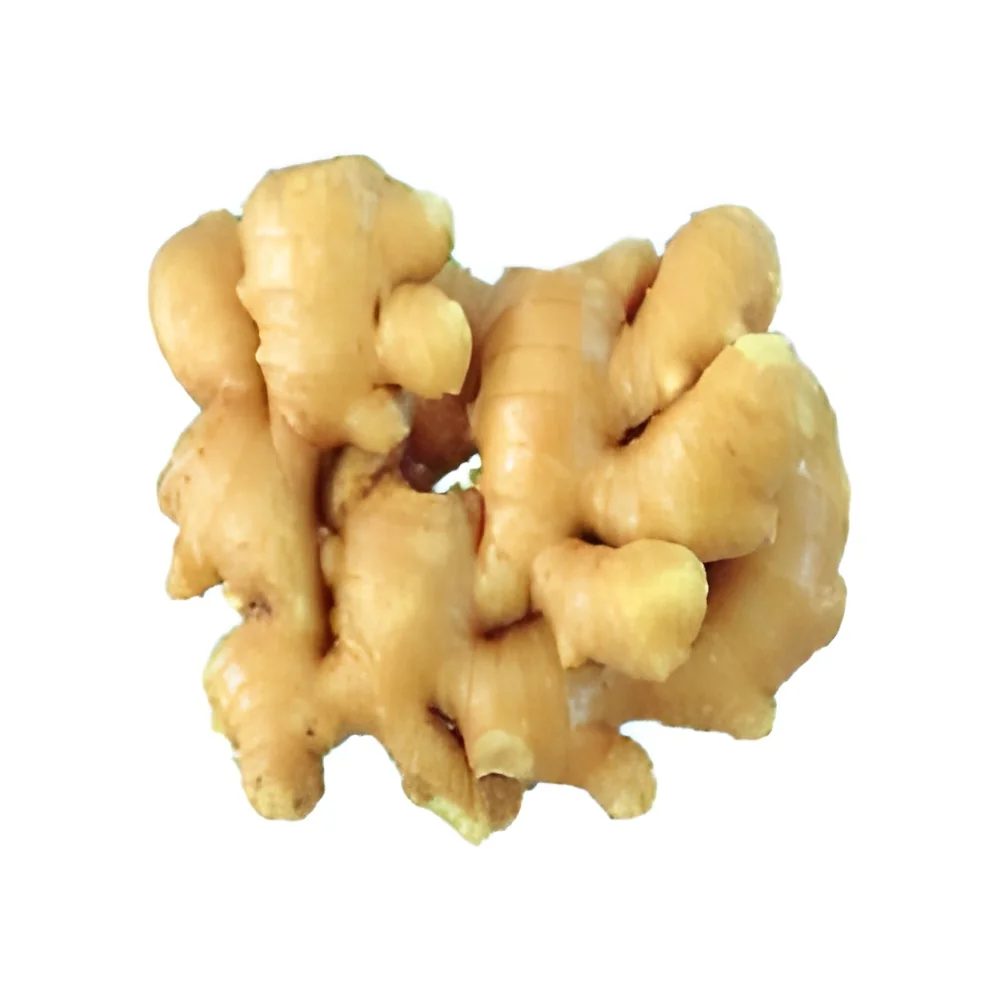
What are Ginger?
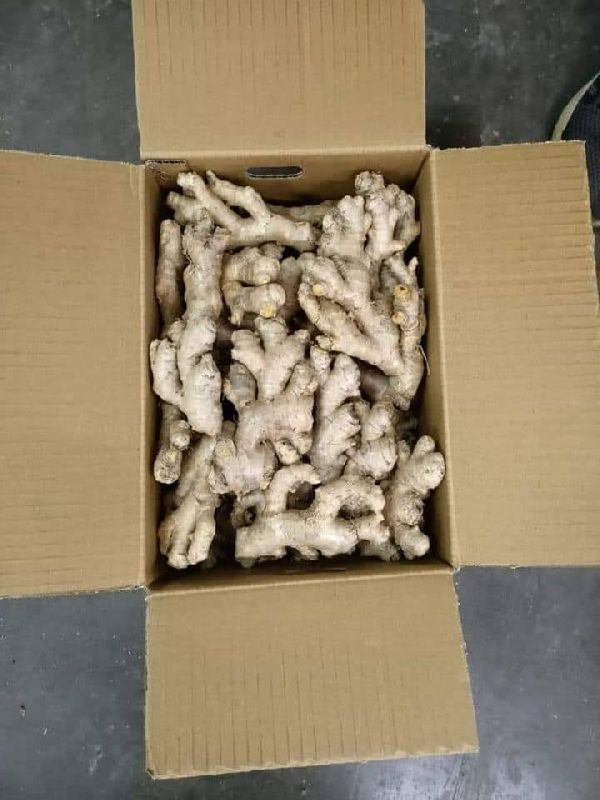
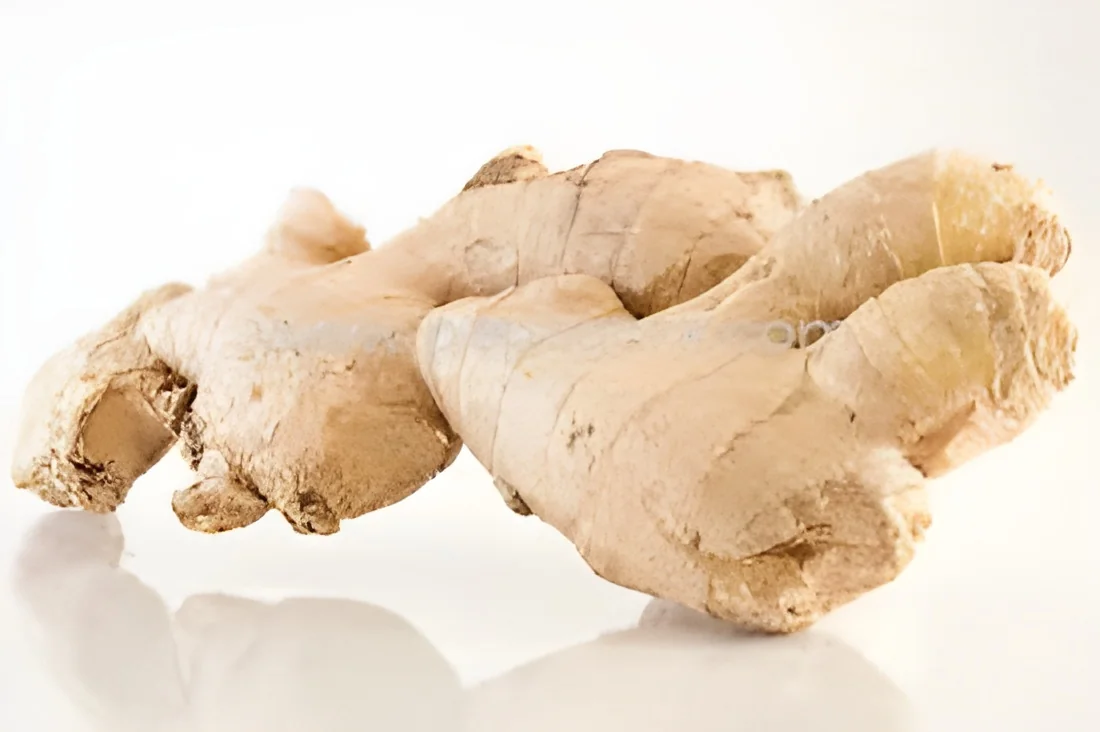
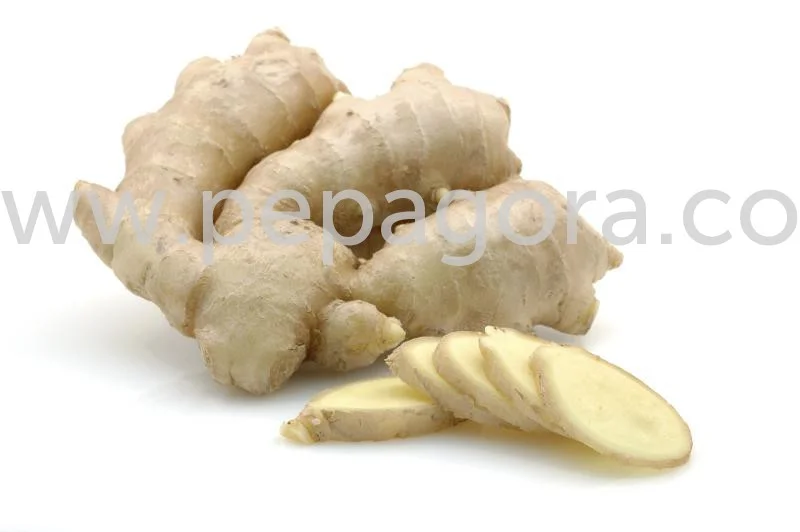
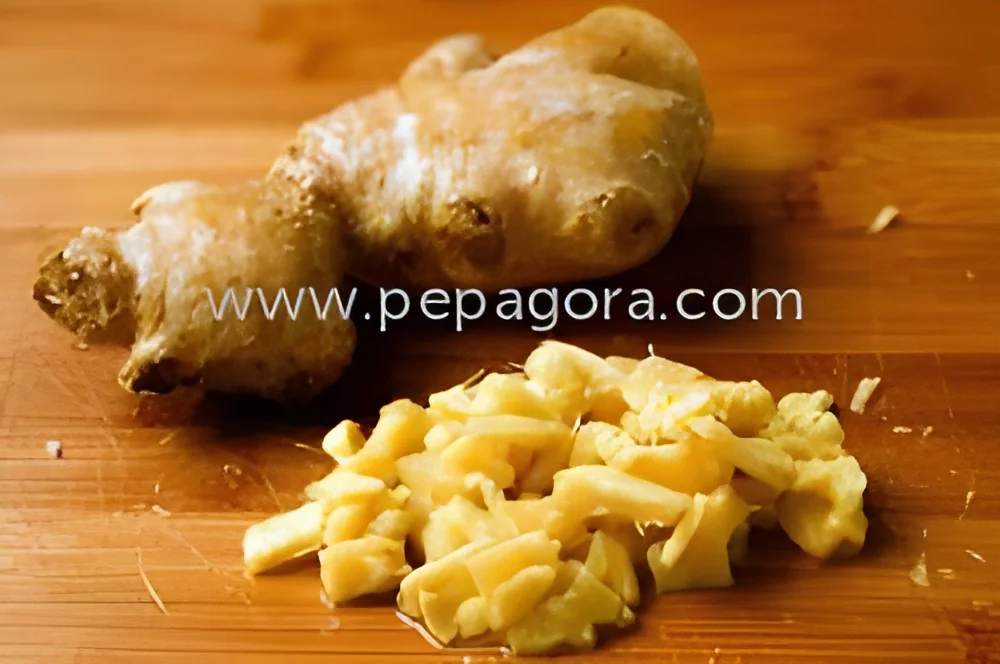
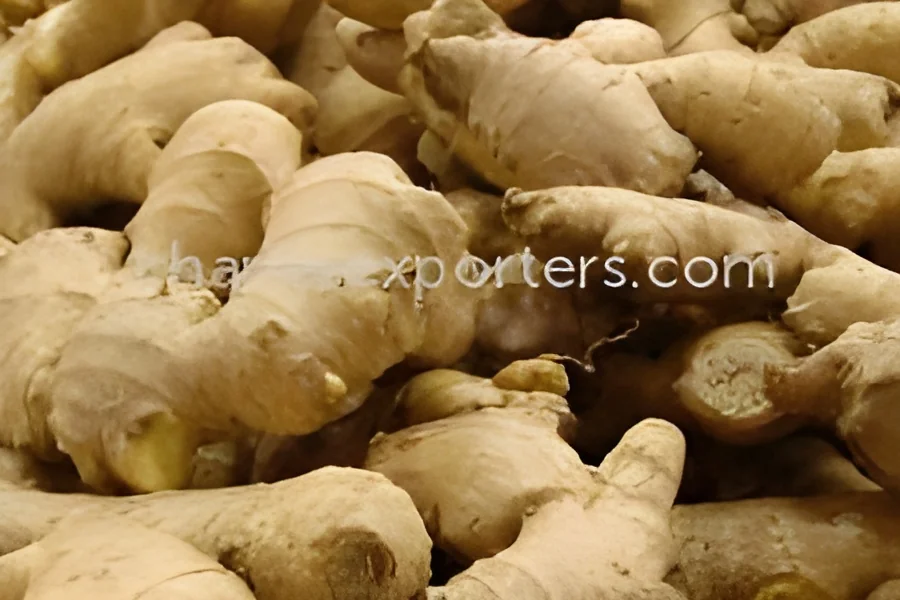
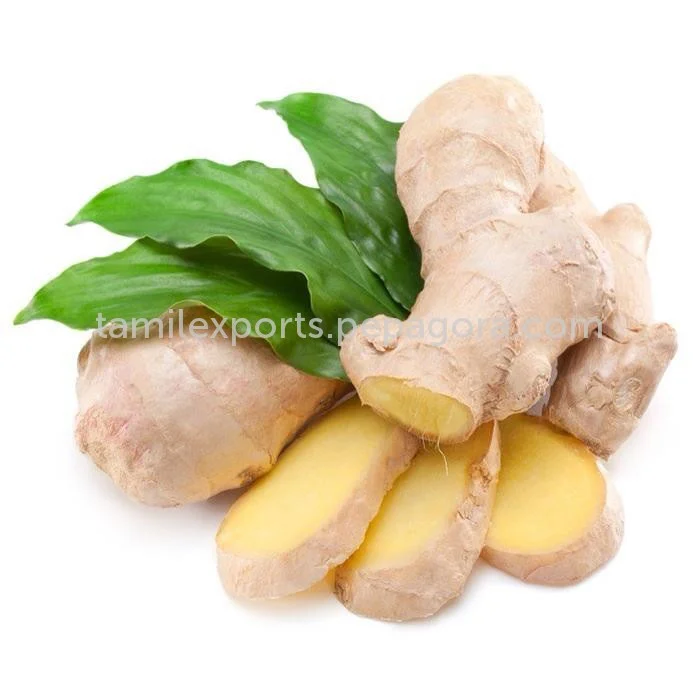
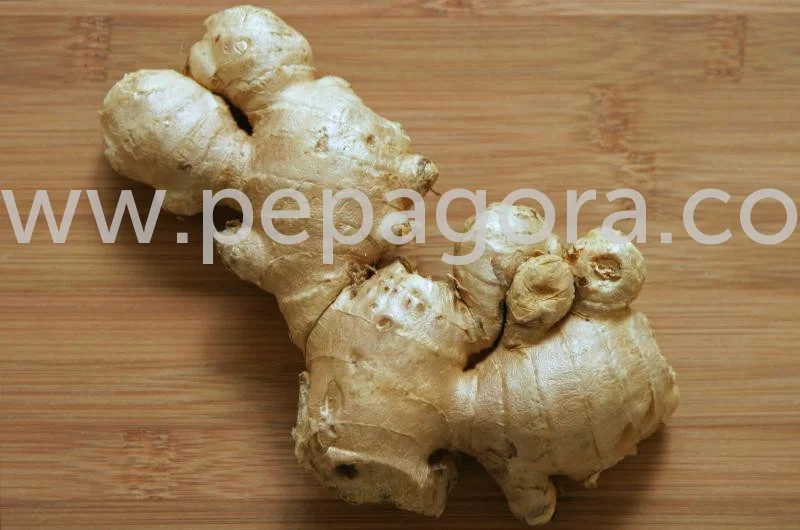
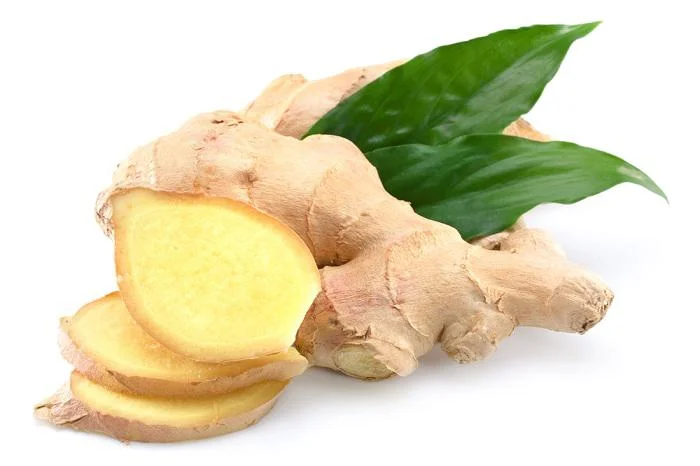
Ginger is a flowering plant whose rhizome, Zingiber officinale, is widely used as a spice and for its medicinal properties. It is characterized by its pungent flavor and aroma, making it a popular ingredient in various culinary applications. Ginger is typically harvested for its underground stem, or root, which can be used fresh, dried, pickled, or ground into powder. Its versatility and unique taste contribute to its global popularity in kitchens and industries alike.
In business applications, ginger serves multiple purposes. It is commonly utilized in the food and beverage industry, particularly in the production of ginger ale, teas, and baked goods. Additionally, ginger is recognized for its health benefits and is frequently used in herbal medicine, dietary supplements, and natural remedies. The rise in demand for organic and natural products has further solidified ginger's relevance in the marketplace, leading to increased cultivation and trade.
The ginger market is influenced by various factors, including consumer trends towards healthier lifestyles and the growing popularity of ethnic cuisines. As more businesses seek natural flavoring and health-enhancing ingredients, ginger remains a critical component in both traditional and modern food production. Its adaptability across various segments makes it an essential product in the agricultural and food sectors.
Key Features and Specifications
Ginger is a product with a variety of features and specifications that cater to different business needs. Understanding these key specifications is crucial for making informed sourcing decisions.
Key specifications include:
1. Quality Grade
- Ginger can be classified into various quality grades based on size, appearance, and freshness.
- Typical parameters include smooth skin, absence of blemishes, and firmness.
2. Form
- Ginger is available in several forms, including fresh, dried, powdered, and pickled.
- Each form has specific applications within the food and pharmaceutical industries.
3. Origin
- The geographical source of ginger can impact its flavor profile and market value.
- Common origins include India, China, and Indonesia.
4. Moisture Content
- The moisture level in ginger affects its shelf life and quality.
- Ideal moisture content ranges from 10% to 12% for dried ginger.
5. Packaging
- Ginger is typically packaged in bulk or retail-ready formats.
- Common packaging options include bags, boxes, and jars to ensure freshness.
6. Certification
- Compliance with food safety standards is essential for market acceptance.
- Certifications may include CE and organic certifications.
7. Shelf Life
- Fresh ginger generally has a shorter shelf life compared to dried forms.
- Dried ginger can last for several months to years under proper storage conditions.
8. Nutritional Profile
- Ginger is rich in bioactive compounds such as gingerol, which contributes to its health benefits.
- Nutritional information is essential for businesses marketing ginger as a health product.
In summary, understanding these specifications helps businesses assess the quality and suitability of ginger for their specific applications.
Common Applications and Use Cases
Ginger serves various industries, each utilizing its unique properties for different applications.
1. Food and Beverage Industry: Ginger is extensively used in cooking and food preparation. It enhances flavors in dishes, adds zest to beverages like ginger beer, and is a key ingredient in many baked goods.
2. Pharmaceutical Industry: Due to its anti-inflammatory and antioxidant properties, ginger is often included in dietary supplements and natural remedies for various health conditions, including nausea and digestive issues.
3. Cosmetics Industry: Ginger extract is used in skincare products for its soothing properties and ability to improve circulation. It can also be found in shampoos and conditioners for its aromatic qualities.
4. Nutraceuticals: Ginger is increasingly popular in the nutraceutical sector, where it is marketed for its health benefits. This includes supplements aimed at boosting immunity and overall wellness.
5. Hospitality Industry: Restaurants and hotels often use ginger to create signature cocktails and dishes, enhancing the dining experience for guests.
6. Agriculture: Ginger farming is a significant agricultural endeavor in regions where the climate is suitable. It provides a source of income for many farmers.
7. Culinary Arts: Chefs utilize ginger for its versatility, incorporating it into both sweet and savory dishes to elevate flavors.
Product Variants and Subcategories
Ginger offers a range of variants that cater to different market needs. Each variant provides unique features and applications.
Fresh Ginger
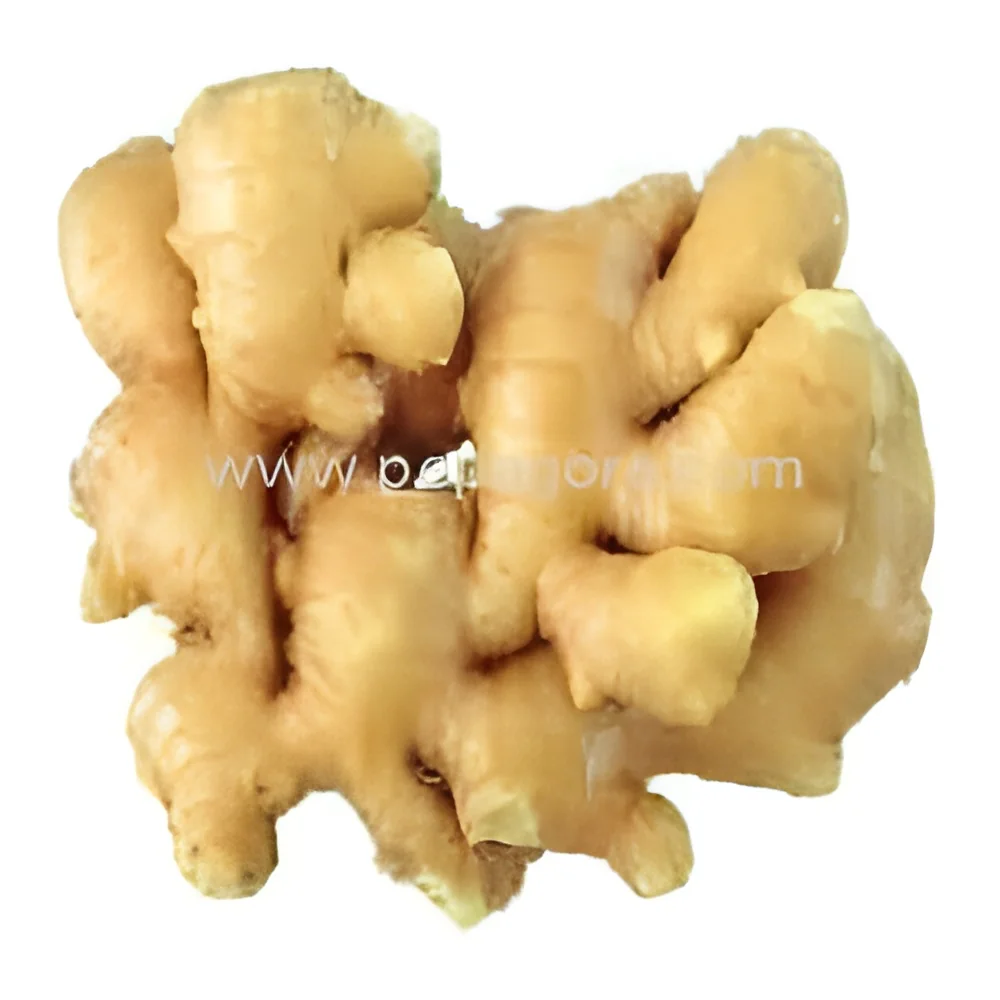
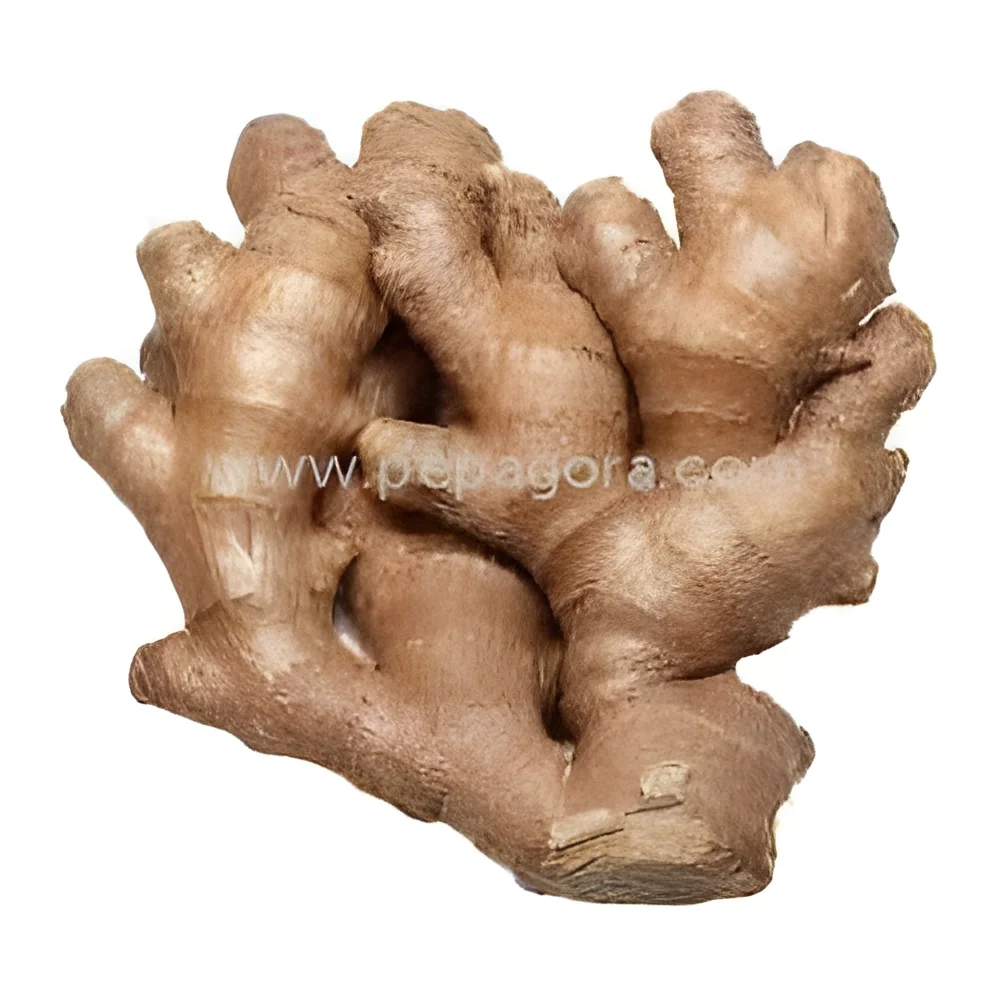
Fresh ginger is prized for its strong flavor and aroma. It is commonly used in cooking and can be found in grocery stores and markets. Its juiciness and pungency make it ideal for both savory and sweet dishes.
Dried Ginger
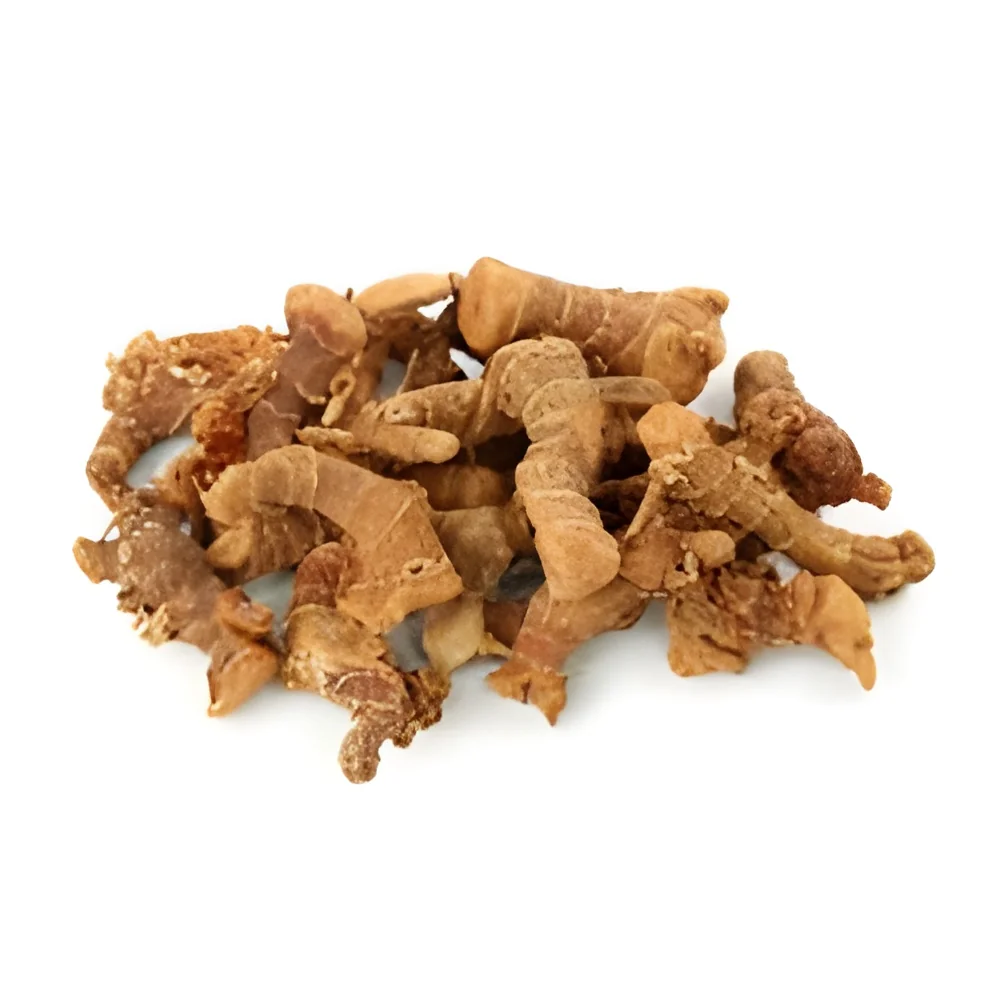
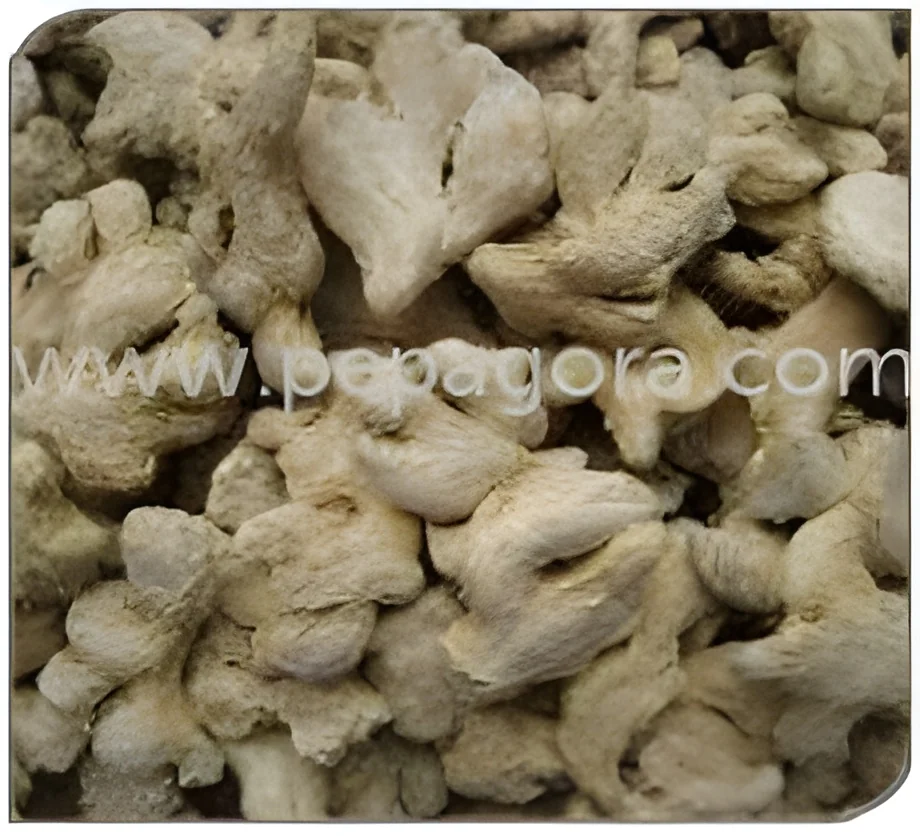
Dried ginger is widely used in spice blends and baking. It has a concentrated flavor and longer shelf life compared to fresh ginger. This variant is often preferred for making ginger powder or for use in teas.
Ground Ginger
Ground ginger is a convenient form of ginger that is commonly used in baking and cooking. It is easy to measure and incorporate into recipes, providing the distinct taste of ginger without the need for preparation.
Pickled Ginger
Pickled ginger is often served as a condiment with sushi or Asian cuisine. Its sweet and tangy flavor complements various dishes, enhancing the overall dining experience.
Benefits and Advantages
Ginger provides numerous benefits and advantages that make it a valuable product for businesses.
1. Health Benefits: Ginger is recognized for its medicinal properties, including anti-inflammatory and antioxidant effects. It supports digestive health and can alleviate nausea.
2. Versatility: Ginger can be used in a wide range of culinary applications, from beverages to baked goods, making it highly adaptable for various industries.
3. Natural Ingredient: As a natural product, ginger appeals to consumers seeking organic and health-conscious options in their diets.
4. Flavor Enhancement: Ginger adds a distinctive flavor profile, enhancing the taste of dishes and beverages, which can lead to increased customer satisfaction.
5. Economic Value: The global demand for ginger creates opportunities for businesses in agriculture and trade, making it a profitable product to source and sell.
6. Cultural Relevance: Ginger is integral to many cuisines worldwide, providing cultural significance and authenticity in food preparation.
Buying Guide for B2B Buyers
When sourcing ginger, several factors should be taken into account to ensure quality and reliability.
1. Quality Assessment: Evaluate the quality of ginger by checking for freshness, size, and appearance. Look for suppliers who provide clear grading systems.
2. Supplier Verification: Ensure that suppliers are reputable and reliable. Check for certifications and customer reviews to validate their credibility.
3. Pricing and MOQ: Consider market prices and minimum order quantities (MOQ) offered by suppliers. Compare quotes to find the best value without compromising quality.
4. Delivery and Lead Times: Confirm the delivery timelines and logistics arrangements. Efficient supply chain management is crucial for timely product availability.
5. Compliance Requirements: Be aware of any regulatory requirements related to food safety and quality standards. Ensure that the ginger meets all necessary compliance measures.
Compliance and Certifications
Ginger must adhere to various compliance standards and certifications to ensure its quality and safety for consumption.
Relevant quality standards, such as ISO 9001, ensure that products meet consistent quality management principles. Compliance with Hazard Analysis and Critical Control Points (HACCP) guidelines is essential in the food industry to minimize health risks.
Industry certifications like CE demonstrate that the product meets European health, safety, and environmental protection standards. These certifications are crucial for businesses exporting ginger to international markets.
Safety and testing requirements include rigorous assessments to ensure that ginger is free from contaminants and meets health regulations. Additionally, regional compliance may vary, necessitating an understanding of local laws and standards for sourcing and selling ginger.
Why Source Ginger from Pepagora?
Pepagora provides a trusted platform for sourcing ginger that offers several key advantages to businesses.
Verified Supplier Network: Pepagora connects buyers with a network of verified suppliers. This ensures that businesses can source quality ginger from reputable vendors, reducing the risks associated with procurement.
Streamlined RFQ Process: The quotation system at Pepagora simplifies the procurement process. Buyers can easily request quotes from multiple suppliers, allowing for informed decision-making based on competitive pricing and quality.
Trade Assurance and Support: Pepagora offers trade assurance to protect buyers in transactions. This support helps ensure that businesses receive the products they ordered while minimizing potential disputes.
Regional Coverage: With a strong presence in India, the GCC, and Southeast Asia, Pepagora facilitates access to ginger suppliers across these regions. This broad coverage allows businesses to tap into diverse markets and supply chains effectively.

 IN
IN