
 IN
Guavas
5 products available
What are Guavas?
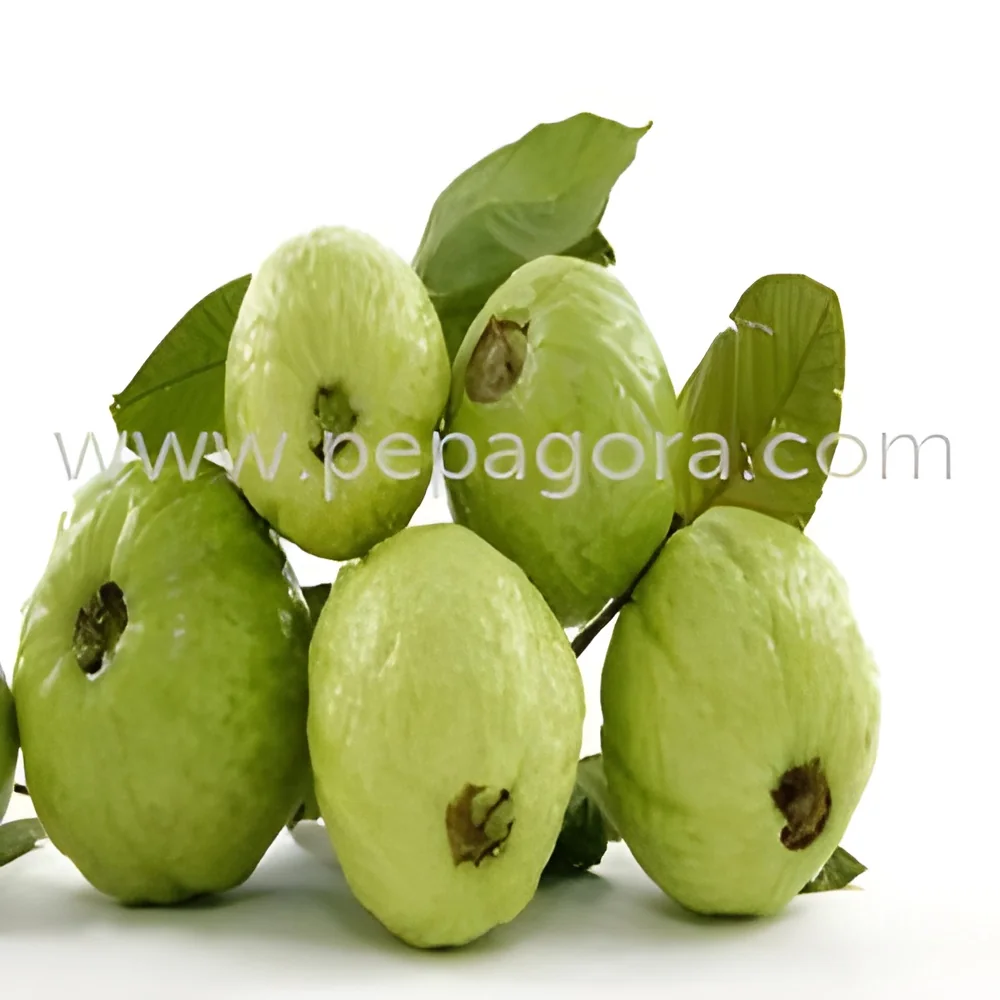
Guavas are tropical fruits belonging to the family Myrtaceae, primarily found in Central and South America, Asia, and the Caribbean. They are characterized by their sweet flavor and unique fragrance. Guavas can be eaten raw or processed into various products, including juices, jams, and jellies. Their nutritional profile includes high levels of vitamin C, dietary fiber, and antioxidants, making them a popular choice among health-conscious consumers.
In the B2B context, guavas have significant applications in the food and beverage industry, particularly for manufacturers of juices and natural flavoring agents. The fruit's versatility allows it to be utilized in various products such as smoothies, desserts, and health supplements. With the growing trend towards natural and organic products, guavas are increasingly relevant in the market, appealing to both manufacturers and consumers seeking healthier food options.
Key Features and Specifications
Guavas possess several key features that make them attractive in various industries. Their unique taste profile and nutritional benefits contribute to their wide-ranging applications. When considering guavas, it is essential to understand their specifications, which can impact quality and usability.
Key specifications include:
1. Nutritional Content
- Rich in vitamin C, dietary fiber, and antioxidants
- Low in calories, making them a healthy option for consumers
2. Size and Weight
- Average size ranges from 4 to 10 centimeters in diameter
- Weight typically varies from 250 to 500 grams per fruit
3. Skin Color
- Skin can be green, yellow, or pink depending on the variety
- Color can indicate ripeness and flavor intensity
4. Flavor Profile
- Sweet to slightly tart, depending on the ripeness
- Fragrant aroma, enhancing their appeal in food products
5. Shelf Life
- Fresh guavas have a shelf life of about 1 to 2 weeks when stored properly
- Processed products can have varying shelf lives based on preservation methods
6. Harvesting Season
- Peak season varies by region, typically from late summer to early winter
- Timely harvesting is crucial for maintaining quality
7. Packaging Options
- Available in bulk or individual packaging
- Packaging can be designed for retail or wholesale distribution
In summary, guavas offer a combination of nutritional benefits, versatility, and various specifications that make them suitable for different applications in the food and beverage industry.
Common Applications and Use Cases
Guavas serve various industries due to their unique properties and health benefits.
1. Food and Beverage Industry: Guavas are widely used in juice production, smoothies, and desserts. Their natural sweetness makes them a popular choice for flavoring.
2. Health and Wellness Sector: Due to their high vitamin C content and antioxidant properties, guavas are often included in dietary supplements and health products.
3. Cosmetic Industry: The natural extracts from guavas are utilized in skincare products for their nourishing and anti-aging properties.
4. Confectionery: Guava pastes and jellies are popular ingredients in candies and desserts, appealing to consumers looking for authentic flavors.
5. Culinary Uses: Guavas can be used in savory dishes, adding a unique flavor to sauces and marinades, particularly in tropical cuisines.
6. Nutraceuticals: Guavas are explored for their potential health benefits, leading to their inclusion in various nutraceutical formulations.
7. Agricultural Sector: Guava cultivation is a growing sector, providing opportunities for farmers and agribusinesses to meet the rising demand for organic produce.
Product Variants and Subcategories
Guavas come in various forms that cater to different market needs and consumer preferences.
Fresh Guavas: These are sold as whole fruits, often enjoyed raw. They can vary in sweetness and flavor, making them versatile for different culinary uses.
Dried Guavas: Dehydrated guavas are often used in snacks, trail mixes, and health bars, providing a convenient way to enjoy the fruit's benefits.
Guava Puree: This product is often used by manufacturers in beverages, desserts, and sauces, providing a concentrated flavor without the need for preservatives.
Guava Juice: A popular beverage option, guava juice is often enjoyed for its refreshing taste and health benefits, making it a staple in many households.
Guava Extracts: Concentrated extracts are used in the cosmetic industry for their skin benefits and in health products due to their high antioxidant content.
Benefits and Advantages
Sourcing guavas offers multiple advantages for businesses.
Key benefits include:
1. Nutritional Value: Guavas provide essential vitamins and minerals, appealing to health-conscious consumers seeking nutritious options.
2. Versatile Applications: The fruit can be used in various products, from beverages to cosmetics, catering to diverse market demands.
3. Natural Flavor: Guavas offer a unique, sweet flavor profile that enhances food products without artificial additives.
4. Market Demand: Growing consumer interest in health and wellness drives demand for natural ingredients like guavas.
5. Organic Options: Guavas can be sourced from organic farms, appealing to businesses targeting the organic market segment.
6. Sustainable Practices: Guava cultivation can support sustainable agricultural practices, making it an attractive choice for eco-conscious companies.
Buying Guide for B2B Buyers
When sourcing guavas, it is essential to consider several factors to ensure quality and reliability.
1. Quality Assessment: Evaluate the freshness, color, and size of guavas. Look for consistent quality to meet product standards and consumer expectations.
2. Supplier Verification: Vet suppliers for reliability and reputation. Consider their production practices and certifications to ensure compliance with industry standards.
3. Pricing and MOQ: Understand the cost structure and minimum order quantities. This helps in budgeting and ensures that you meet supplier requirements.
4. Delivery and Lead Times: Discuss logistics and shipping times with suppliers to avoid delays in production and distribution.
5. Compliance Requirements: Ensure that guavas meet all regulatory standards, including safety and quality certifications relevant to your market.
Compliance and Certifications
In sourcing guavas, several compliance and certification standards are important to consider.
Quality standards such as ISO 9001 ensure that the production process meets international quality management criteria. This standard helps guarantee consistent product quality and safety.
HACCP (Hazard Analysis Critical Control Point) is crucial for food safety, ensuring that potential hazards are identified and controlled throughout the supply chain. Compliance with HACCP standards is essential for businesses in the food and beverage industry.
CE certification may apply to certain processed products containing guavas, indicating compliance with European safety standards.
It is important to be aware of regional compliance requirements, which can vary based on local regulations. Understanding these requirements can help businesses navigate the complexities of international trade.
Why Source Guavas from Pepagora?
Pepagora provides a trusted platform for sourcing guavas, offering several key advantages to B2B buyers.
Verified Supplier Network: Pepagora ensures that all suppliers are thoroughly vetted, providing buyers with a reliable network of producers and distributors. This reduces the risk of sourcing from unreliable sources.
Streamlined RFQ Process: The request for quotation process is made easy and efficient, allowing buyers to quickly receive and compare offers from multiple suppliers. This helps in making informed purchasing decisions.
Trade Assurance and Support: Buyers are protected through trade assurance policies, ensuring product quality and timely delivery. Pepagora offers support throughout the transaction process, enhancing buyer confidence.
Regional Coverage: With a strong presence in India, the GCC, and Southeast Asia, Pepagora connects buyers with local suppliers, facilitating easy access to fresh guavas and related products. This geographic reach ensures that buyers can source products closer to their operations, reducing logistics costs and lead times.


Frequently Asked Questions
What are Guavas?
Guavas are tropical fruit belonging to the Psidium genus, primarily known for their unique flavor and nutritional benefits. They are rich in vitamins C and A, dietary fiber, and antioxidants, making them a popular choice in various culinary applications.
What are the different types of Guavas?
There are several types of guavas, including the common guava (Psidium guajava), strawberry guava (Psidium cattleianum), and pineapple guava (Feijoa sellowiana). Each type varies in flavor, texture, and appearance, catering to different consumer preferences.
How do I choose the right Guavas?
When selecting guavas, look for fruits that are slightly soft to the touch, indicating ripeness. Avoid guavas with blemishes or dark spots, as these may indicate spoilage, and choose ones that have a fragrant aroma.
What are the standard specifications for Guavas?
Standard specifications for guavas typically include size, weight, and color. The fruit should be of uniform size and weight, with a vibrant green or yellow exterior, depending on the variety, and should be free from defects.
What is the price range for Guavas?
The price range for guavas can vary based on factors such as variety, size, and market demand. Generally, prices can range from INR 30 to INR 150 per kilogram in India, depending on the season and quality.
What quality standards apply to Guavas?
Quality standards for guavas include criteria such as size, color, firmness, and the absence of pests or diseases. Compliance with local and international food safety standards is also essential for marketability.
Where can I find Guavas suppliers in India?
You can find guava suppliers in India through various channels, including local agricultural markets, online B2B marketplaces like Pepagora, and agricultural cooperatives. Always check for supplier reviews and certifications.
Can Guavas be customized?
While guavas themselves cannot be customized in terms of their inherent characteristics, suppliers may offer different packaging options or sizes according to buyer requirements. Discussing specific needs with suppliers can yield suitable solutions.
What is the typical minimum order quantity for Guavas?
The typical minimum order quantity (MOQ) for guavas can vary by supplier, but it often ranges from 50 to 100 kilograms. It's advisable to confirm the MOQ with the supplier before placing an order.
What is the typical lead time for Guavas?
The typical lead time for guavas depends on the supplier and the quantity ordered, but it usually ranges from 3 to 10 days. Factors such as seasonality and shipping logistics may also influence delivery times.
Why Businesses Trust Pepagora
Thousands of companies trust Pepagora to source smarter and sell faster
Expand Your Sales Globally

Source Smarter,Grow Faster
