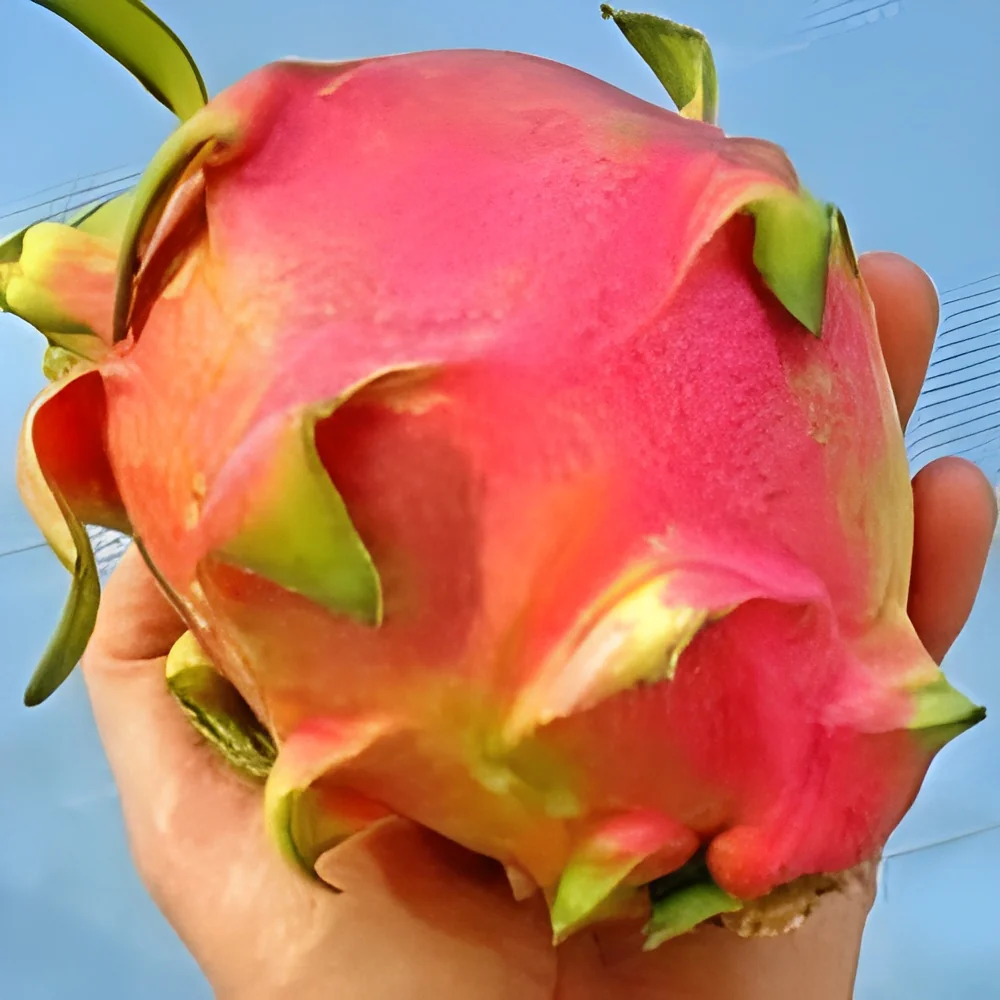
What are Dragon Fruit?
Dragon fruit, also known as pitaya, is a tropical fruit derived from several different cactus species. Its distinctive appearance features vibrant pink or yellow skin and white or red flesh speckled with tiny black seeds. The fruit is known for its mildly sweet flavor, crunchy texture, and high nutritional value, making it a popular choice among health-conscious consumers. Dragon fruit is native to Central America but is now cultivated in various tropical and subtropical regions worldwide.
In the B2B context, dragon fruit is primarily used in the food and beverage industry. It is utilized in smoothies, salads, and as a garnish due to its unique appearance and flavor. Additionally, dragon fruit is gaining traction in health supplements and skincare products, owing to its antioxidant properties. The growing trend for exotic fruits and superfoods has led to increased demand in markets, emphasizing the importance of sourcing high-quality dragon fruit for various applications.
The market for dragon fruit continues to expand, driven by rising health awareness and culinary experimentation. As consumers seek diverse and nutritious options, businesses in the food industry are looking to incorporate dragon fruit into their offerings. This relevance is underscored by the fruit's ability to cater to both traditional and modern culinary preferences, making it a versatile ingredient in many products.
Key Features and Specifications
Dragon fruit is characterized by its unique physical appearance and nutritional profile. Understanding its specifications is crucial for businesses looking to incorporate this fruit into their products.
Key specifications include:
1. Appearance
- The skin can be vibrant pink or yellow, with a spiky or scaly texture.
- The flesh can be white or red, with tiny black seeds throughout.
2. Nutritional Content
- Rich in vitamins C and B, fiber, and antioxidants.
- Low in calories, making it a healthy snack option.
3. Shelf Life
- Typically lasts 7 to 14 days under proper storage conditions.
- Best stored in a cool, dry place or refrigerated.
4. Size and Weight
- Average size ranges from 150 to 600 grams per fruit.
- Varies based on the specific variety and growing conditions.
5. Harvesting Period
- Peak season typically falls between June and October.
- Harvesting is done by hand to ensure fruit quality.
6. Flavor Profile
- Mildly sweet with a hint of acidity.
- Texture is similar to kiwi, with a crunchy feel.
7. Packaging Options
- Available in bulk or retail packaging.
- Vacuum-sealed options are suitable for extended shelf life.
8. Compliance Standards
- Adheres to food safety regulations and quality standards where applicable.
Understanding these features helps businesses ensure they meet quality expectations and customer preferences.
Common Applications and Use Cases
Dragon fruit serves various industries due to its versatility and health benefits.
1. Food and Beverage Industry: Dragon fruit is used in smoothies, juices, and desserts. Its vibrant color and mild flavor make it an attractive ingredient in culinary creations.
2. Health and Wellness Sector: The fruit is often included in health supplements and dietary products due to its high antioxidant content and nutritional benefits.
3. Cosmetics and Skincare: Dragon fruit extract is increasingly found in skincare products, capitalizing on its antioxidant properties and skin-nourishing benefits.
4. Hospitality Sector: Restaurants and hotels use dragon fruit for garnishing dishes and creating visually appealing presentations, enhancing the overall dining experience.
5. Retail and Grocery: Supermarkets and specialty stores offer fresh dragon fruit, appealing to consumers seeking exotic fruits and healthy snacks.
6. Frozen Food Industry: Dragon fruit can be found in frozen fruit blends and ready-to-eat products, catering to the convenience market.
7. Export Market: Countries producing dragon fruit have opportunities for export, tapping into international markets that appreciate exotic fruits.
Product Variants and Subcategories
Dragon fruit comes in various types, each with unique features and applications.
White-fleshed Dragon Fruit: This variant has a mild flavor and is commonly found in markets. It is popular for its refreshing taste and is often used in smoothies and salads.
Red-fleshed Dragon Fruit: Known for its vibrant color and sweeter taste, this variant is increasingly sought after for its eye-catching appearance. It is often used in desserts and exotic fruit bowls.
Yellow Dragon Fruit: This variant is less common but has a sweet and tangy flavor profile. It is prized for its unique taste and is often enjoyed fresh or in fruit salads.
Benefits and Advantages
Sourcing dragon fruit offers several key advantages for businesses.
1. Nutritional Value: Dragon fruit is rich in vitamins and antioxidants, making it an attractive option for health-conscious consumers.
2. Unique Appearance: The vibrant color and unusual shape of dragon fruit make it a visually appealing addition to any food presentation.
3. Versatility: Dragon fruit can be used in various culinary applications, from beverages to desserts, catering to diverse tastes and preferences.
4. Consumer Demand: The growing trend for exotic and healthy foods means that businesses can capitalize on the increasing interest in dragon fruit.
5. Low Maintenance: Dragon fruit plants are relatively easy to cultivate, requiring minimal resources, which can lead to cost-effective sourcing.
6. Sustainability: Many producers focus on sustainable farming practices, aligning with the growing consumer preference for environmentally friendly products.
Buying Guide for B2B Buyers
When sourcing dragon fruit, businesses should consider various factors to ensure quality and reliability.
1. Quality Assessment: Evaluate the appearance, taste, and texture of dragon fruit. Look for fruits that are firm, vibrant in color, and free from blemishes.
2. Supplier Verification: Vet potential suppliers by checking their certifications and quality standards. Ensure they have a good reputation for providing fresh and high-quality products.
3. Pricing and MOQ: Understand market pricing and the minimum order quantity (MOQ) to determine the financial feasibility of sourcing dragon fruit for your business.
4. Delivery and Lead Times: Discuss logistics with suppliers, including delivery methods and estimated lead times to ensure timely availability of products.
5. Compliance Requirements: Familiarize yourself with any regulatory standards applicable to importing or selling dragon fruit in your region.
Compliance and Certifications
Ensuring compliance with quality standards and certifications is crucial for businesses involved in the dragon fruit supply chain.
Relevant quality standards include ISO 9001 and HACCP, which focus on quality management and food safety. These standards help ensure that dragon fruit is produced, handled, and stored under appropriate conditions.
Industry certifications such as CE may apply, indicating that the product meets specific safety and environmental requirements.
Safety and testing requirements should be adhered to, ensuring that the fruit is free from harmful pesticides and contaminants.
Additionally, regional compliance considerations are important, as different markets may have specific import standards and regulations regarding food products.
Why Source Dragon Fruit from Pepagora?
Pepagora provides a trusted platform for sourcing dragon fruit, offering several key advantages for businesses.
Verified Supplier Network: Pepagora connects buyers with a network of verified suppliers, ensuring that businesses can source high-quality dragon fruit from reputable producers.
Streamlined RFQ Process: The platform simplifies the request for quotation (RFQ) process, allowing buyers to easily compare offers and select the best suppliers based on their needs.
Trade Assurance and Support: Pepagora offers trade assurance and support services to protect buyers throughout the sourcing process, enhancing confidence in transactions.
Regional Coverage: With a focus on markets in India, the GCC, and Southeast Asia, Pepagora enables businesses to tap into diverse sourcing opportunities and expand their reach in the dragon fruit market.

 IN
IN