What are Cabbages?
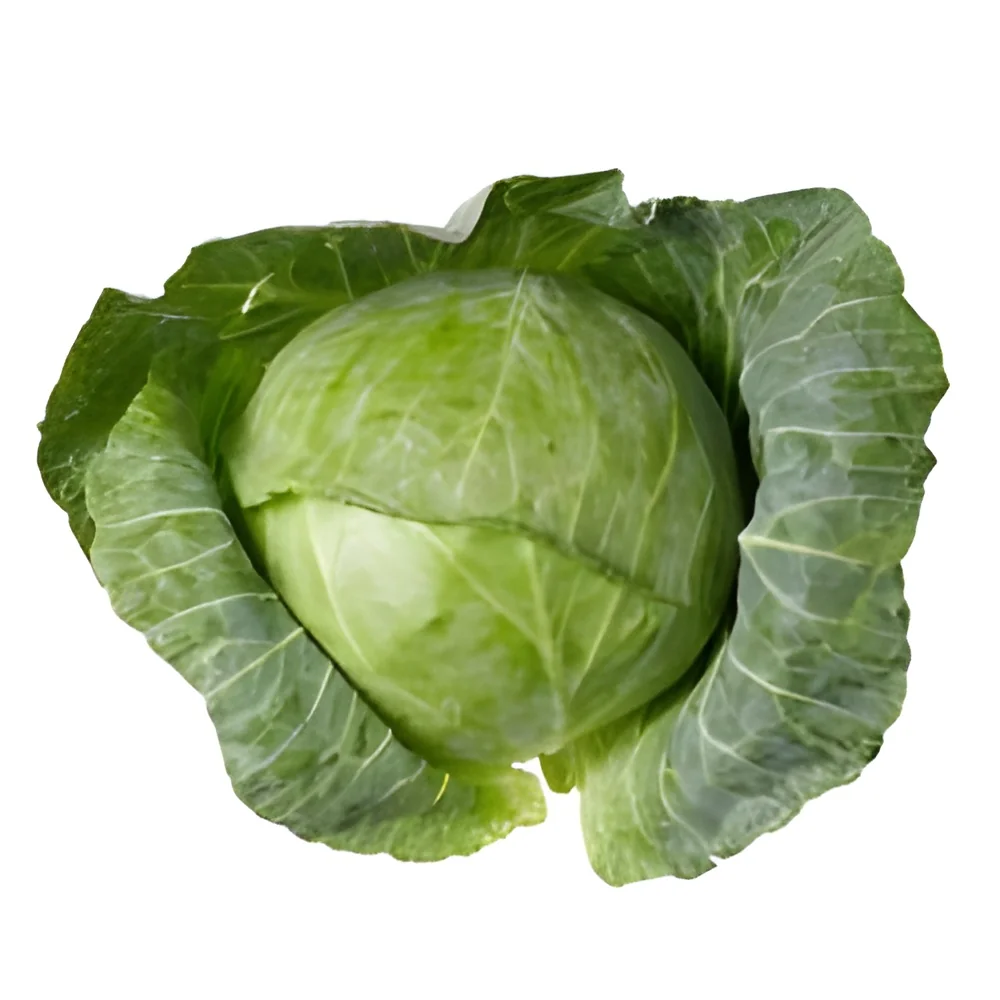
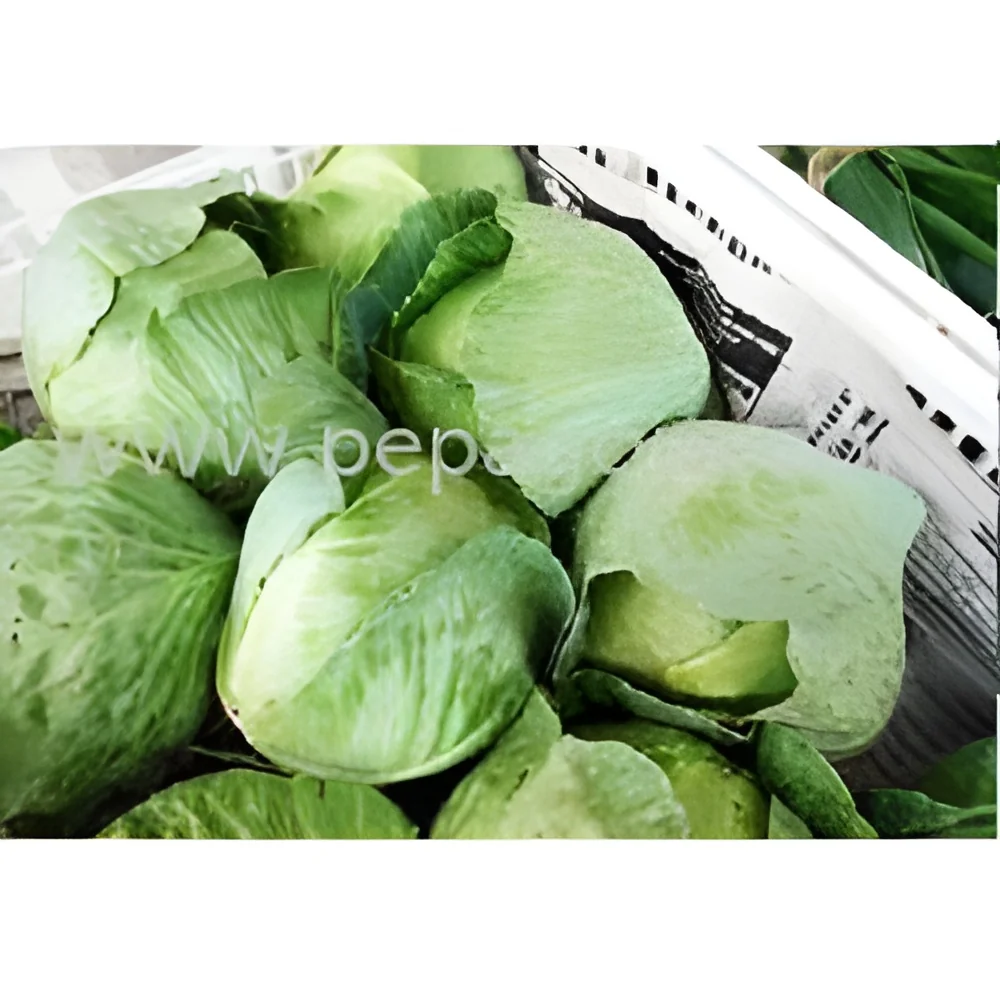
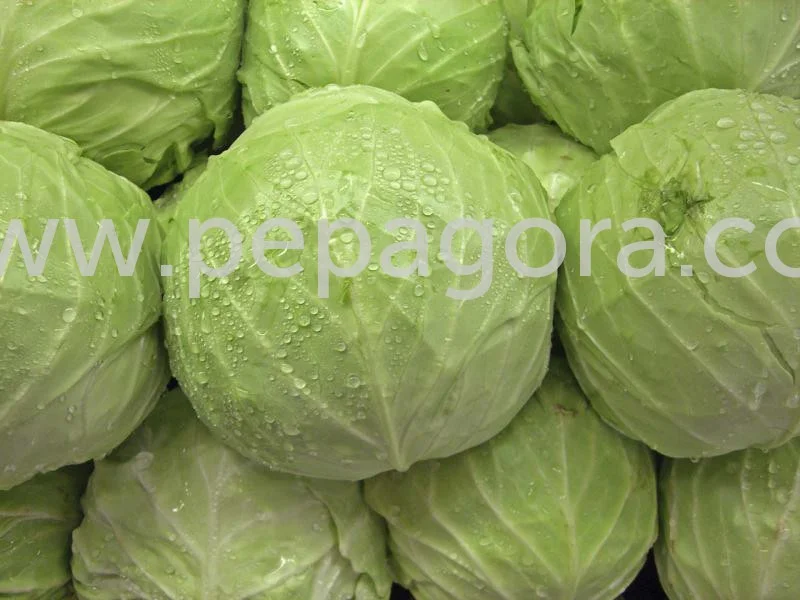
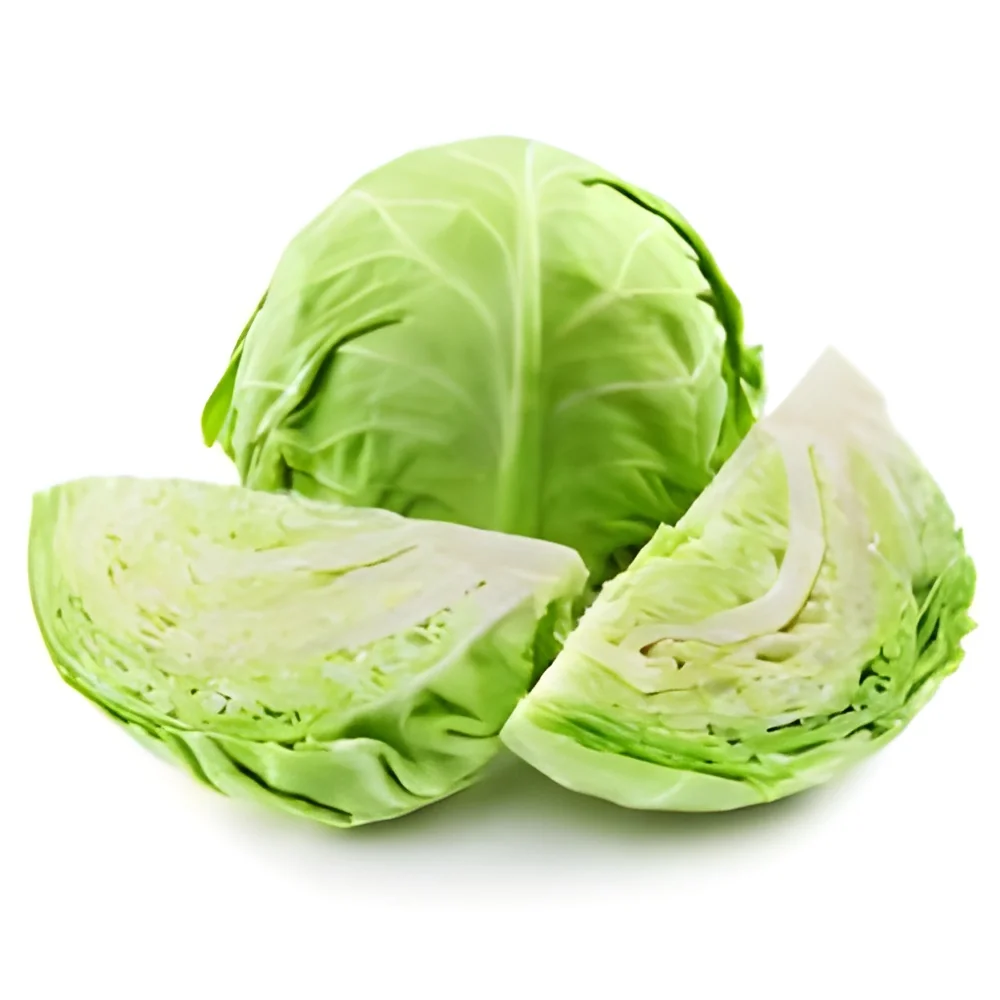
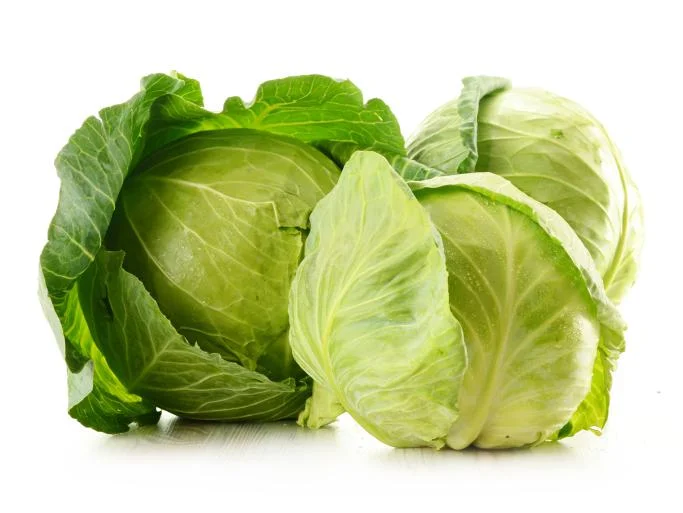
Cabbages are leafy green, red, or white vegetables that belong to the Brassica family. They are characterized by their dense, round heads composed of tightly packed leaves. Cabbages are cultivated in a wide range of climates and are known for their ability to thrive in cool weather. This versatility makes them a staple in many agricultural systems worldwide.
The primary uses of cabbages span various industries, including food production, agriculture, and health. They are a fundamental ingredient in many dishes, from salads to stews, and are valued for their nutritional benefits, including high fiber content and vitamin C. In the agricultural sector, cabbages are often rotated with other crops to enhance soil fertility. The market for cabbages is robust, with demand driven by consumer interest in fresh produce and healthy eating trends.
Cabbages play a crucial role in the global food supply chain. Their cultivation supports local economies and provides essential nutrients to populations. As consumer preferences shift towards organic and locally sourced vegetables, the cabbage market continues to evolve, presenting opportunities for growers and suppliers alike.
Key Features and Specifications
Cabbages are distinguished by several key features that influence their quality and usability. These specifications are important for buyers to understand when sourcing this product.
Key specifications include:
1. Leaf Type
- Cabbages can have smooth or wrinkled leaves
- Leaf texture impacts culinary applications
2. Color
- Available in green, red, and savoy varieties
- Color affects consumer preference and marketability
3. Size
- Grown in various sizes, typically ranging from 1 to 8 pounds
- Size determines packaging and pricing options
4. Shelf Life
- Typically lasts 1 to 2 weeks when stored properly
- Shelf life is influenced by temperature and humidity control
5. Nutritional Value
- High in vitamins K and C, and low in calories
- Nutritional content may vary by variety
6. Growth Cycle
- Takes approximately 70 to 120 days from planting to harvest
- Growth duration affects seasonal availability
7. Pest Resistance
- Cabbages are susceptible to certain pests, but some varieties are bred for resistance
- Pest management strategies are vital for maintaining quality
Cabbages offer versatility in culinary and agricultural applications, making them a valuable product for various markets.
Common Applications and Use Cases
Cabbages serve multiple industries, each leveraging their unique properties for different purposes.
1. Food Production: Cabbages are widely used in salads, slaws, and cooked dishes. Their versatility makes them a favorite in restaurants and catering services.
2. Agriculture: Cabbages are often included in crop rotation plans to improve soil health. They can also be used as a cover crop to prevent soil erosion.
3. Health and Wellness: Cabbages are recognized for their health benefits and are often featured in health-focused diets.
4. Fermentation: Cabbages are the primary ingredient in sauerkraut and kimchi, which are popular fermented foods.
5. Animal Feed: In some regions, cabbages are used as feed for livestock, providing essential nutrients.
6. Organic Farming: The rise in organic farming has increased interest in pesticide-free cabbage varieties.
7. Export Markets: Cabbages are a significant export product for many countries, contributing to international trade.
Product Variants and Subcategories
Cabbages come in various types, each offering distinct features and applications.
Green Cabbage
Green cabbage is the most common variety, characterized by its smooth leaves and dense head. It is widely used in salads, coleslaws, and as a cooking ingredient.
Red Cabbage
Red cabbage is known for its vibrant color and slightly peppery flavor. It is often used in salads and as a garnish, providing both visual appeal and nutritional benefits.
Savoy Cabbage
Savoy cabbage has crinkled leaves and a milder flavor compared to other varieties. It is preferred for its tender texture and is often used in gourmet dishes.
Napa Cabbage
Napa cabbage is a popular variety in Asian cuisine, known for its elongated shape and soft leaves. It is commonly used in stir-fries and soups.
Benefits and Advantages
Cabbages offer numerous benefits that make them an attractive choice for businesses.
1. Nutritional Value: Cabbages are low in calories and high in essential vitamins, making them a healthy addition to any diet.
2. Versatility: They can be used in a wide range of culinary applications, appealing to diverse consumer tastes.
3. Storage Capability: Cabbages have a relatively long shelf life, allowing for flexibility in inventory management.
4. Cost-Effectiveness: Cabbages are generally affordable, providing good value for both consumers and businesses.
5. Sustainable Farming: Cabbages can be grown using sustainable practices, appealing to environmentally conscious consumers.
6. Market Demand: With increasing interest in healthy eating, cabbages are in high demand, ensuring a steady market.
Buying Guide for B2B Buyers
When sourcing cabbages for business purposes, several factors should be considered to ensure quality and value.
1. Quality Assessment: Evaluate the freshness, size, and appearance of the cabbages. Look for firm heads and vibrant color as indicators of quality.
2. Supplier Verification: Research potential suppliers to ensure they have a good reputation and can provide consistent quality. Consider visiting farms or production facilities if possible.
3. Pricing and MOQ: Understand the pricing structure and minimum order quantities. This information is crucial for budgeting and planning.
4. Delivery and Lead Times: Inquire about delivery schedules and lead times to ensure timely availability of products. Timely delivery is essential for maintaining product freshness.
5. Compliance Requirements: Familiarize yourself with any regulatory standards that apply to cabbages, such as food safety certifications and import/export regulations.
Compliance and Certifications
Cabbages must meet various compliance and certification standards to ensure their safety and quality.
ISO 9001: This quality management standard ensures that suppliers maintain consistent quality in their production processes.
HACCP: The Hazard Analysis and Critical Control Points certification focuses on food safety, identifying potential hazards during production and handling.
GDP: Good Distribution Practices certification ensures that cabbages are stored and transported under appropriate conditions to maintain their quality.
CE Certification: This certification indicates that the product meets European health, safety, and environmental protection standards.
Regional compliance may vary, so it is important to understand local regulations that pertain to agricultural products, especially when exporting or importing.
Why Source Cabbages from Pepagora?
Pepagora provides a trusted platform for sourcing cabbages, offering several key advantages that benefit B2B buyers.
Verified Supplier Network: Pepagora has a rigorous supplier verification process, ensuring that all suppliers meet high standards for quality and reliability.
Streamlined RFQ Process: The request for quotation system simplifies the buying process, allowing buyers to efficiently compare offers and negotiate terms with multiple suppliers.
Trade Assurance and Support: Pepagora offers trade assurance which protects buyers' investments, providing peace of mind when sourcing products.
Regional Coverage: With a strong presence in India, GCC, and Southeast Asia, Pepagora connects buyers with local suppliers, enhancing accessibility and fostering regional trade.
By choosing Pepagora, businesses can confidently source cabbages that meet their quality requirements while benefiting from a comprehensive support system.

 IN
IN