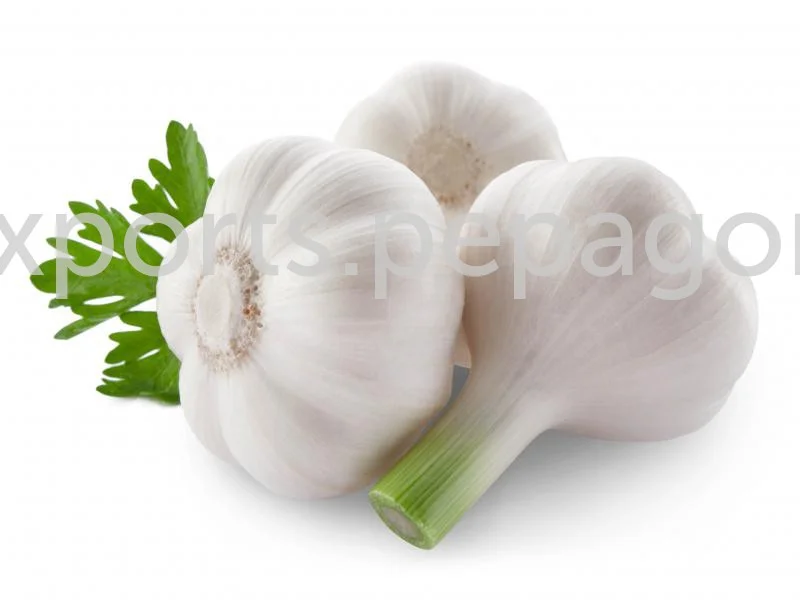
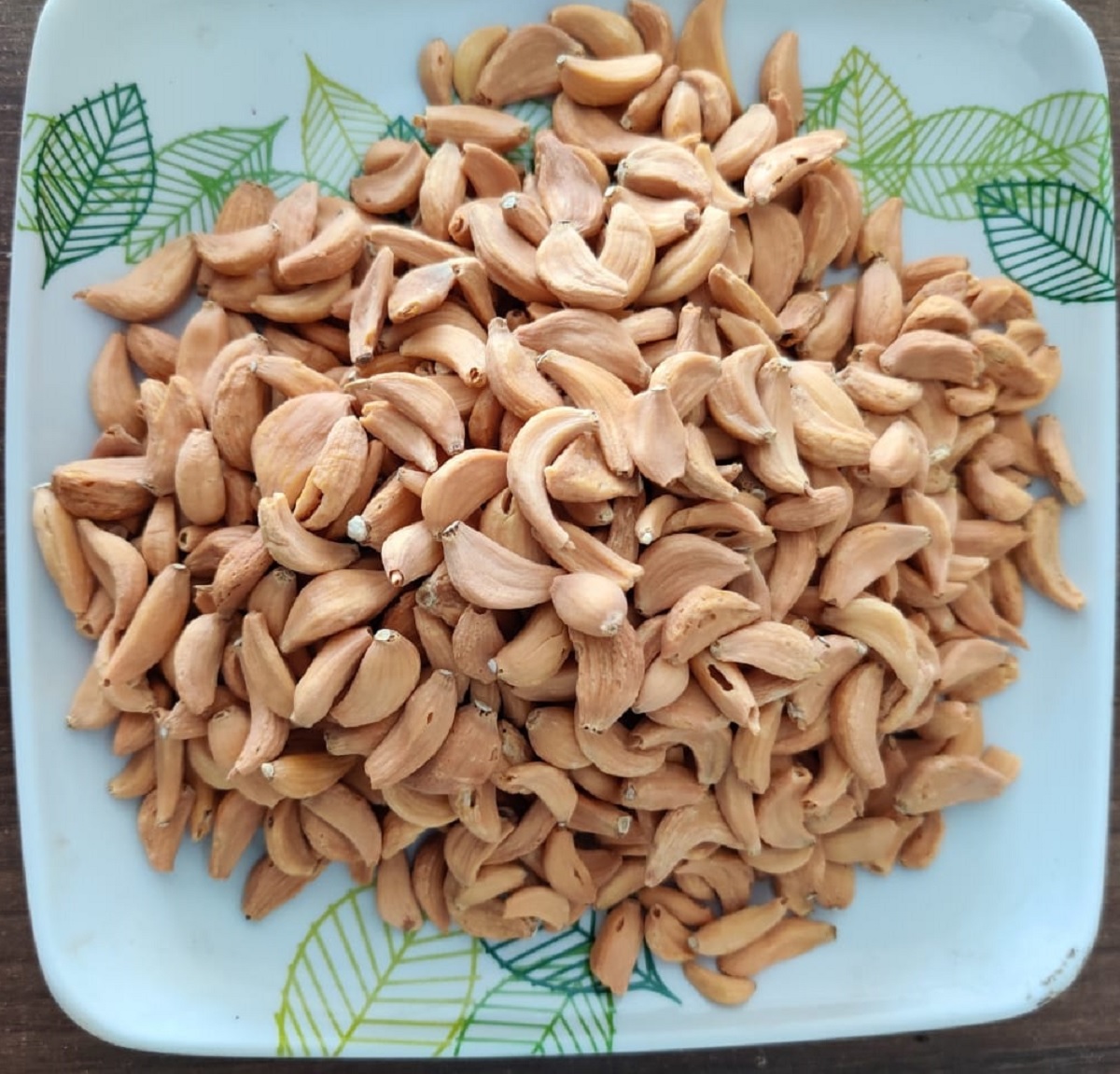
What are Garlic?
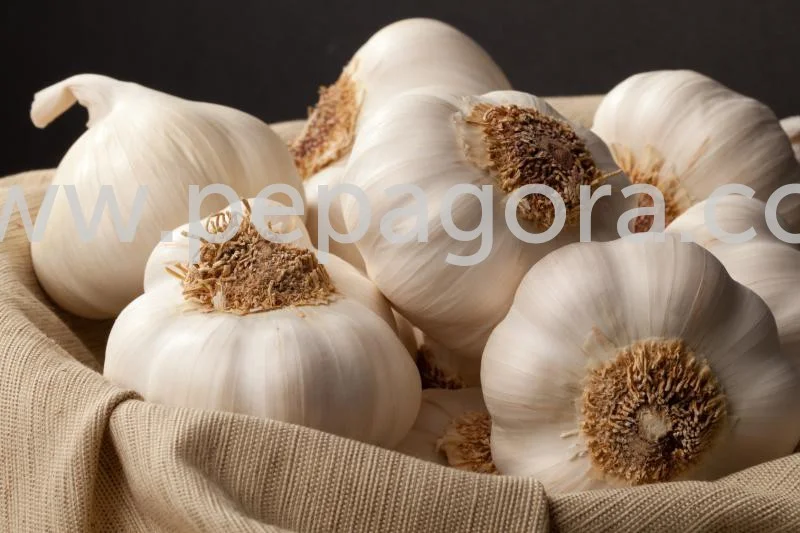
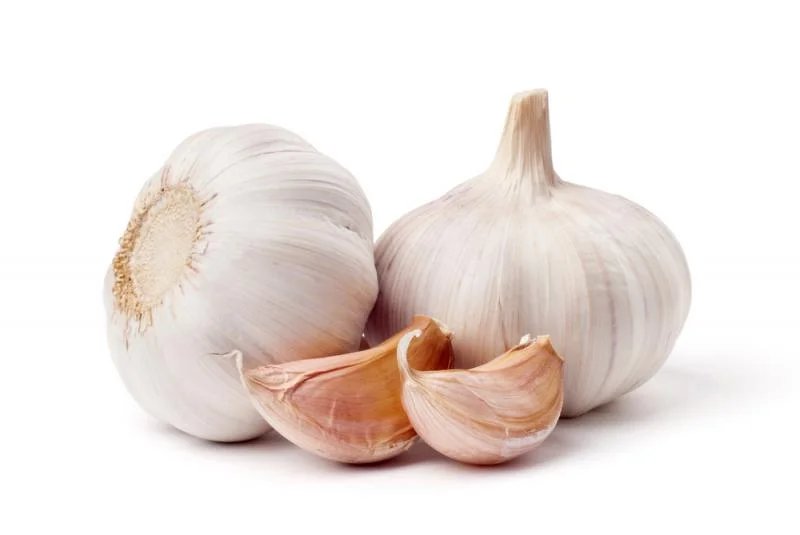
Garlic, scientifically known as Allium sativum, is a bulbous plant belonging to the onion family. It is widely recognized for its pungent flavor and distinct aroma. Garlic is cultivated primarily for its edible bulbs, which are used as a spice and for various health benefits. It thrives in temperate climates, making it a staple in many parts of the world.
In the business context, garlic serves multiple purposes. It is a key ingredient in culinary applications, enhancing the flavor of dishes across various cuisines. Additionally, garlic is valued for its potential health benefits, including antimicrobial and anti-inflammatory properties. As a result, garlic is increasingly incorporated in the food processing and dietary supplement industries. The global market for garlic continues to grow, driven by rising consumer interest in natural and healthy food options.
Key Features and Specifications
Garlic is characterized by several key features and specifications that make it a valuable ingredient across industries. Understanding these attributes is essential for businesses looking to incorporate garlic into their products.
Key specifications include:
1. Quality:
- Garlic should meet specific quality standards to ensure flavor and potency.
- Common quality indicators include bulb size, firmness, and absence of blemishes.
2. Variety:
- Garlic is available in different varieties, such as hardneck and softneck.
- Each type has unique flavor profiles and culinary uses.
3. Packaging:
- Garlic is typically available in bulk or retail packaging.
- Packaging must protect bulbs from moisture and pests.
4. Shelf Life:
- Properly stored garlic can last several months.
- Ideal storage conditions include cool, dry places.
5. Nutritional Content:
- Garlic is rich in vitamins C and B6, manganese, and selenium.
- It also contains compounds like allicin, which contribute to its health benefits.
6. Geographic Origin:
- Garlic is cultivated in various regions, with China being the largest producer.
- Regional origin can affect flavor and market demand.
7. Compliance:
- Garlic products must adhere to food safety regulations.
- Certifications like CE may be required for certain markets.
In summary, understanding the features and specifications of garlic is crucial for businesses aiming to source high-quality products that meet market demands.
Common Applications and Use Cases
Garlic finds applications across numerous industries due to its versatility and rich flavor profile.
1. Food and Beverage Industry: Garlic is widely used as a flavoring agent in sauces, dressings, and marinades. Its ability to enhance taste makes it a staple in restaurants and food production.
2. Health and Wellness Sector: Garlic is often utilized in dietary supplements for its potential health benefits, including immune support and cardiovascular health.
3. Pharmaceutical Industry: Due to its antimicrobial properties, garlic is explored for use in various medicinal formulations.
4. Agricultural Sector: Garlic is used in organic farming as a natural pesticide, helping to protect crops from pests.
5. Culinary Arts: Professional chefs and home cooks alike use garlic in various cuisines, making it an essential ingredient in kitchens worldwide.
6. Cosmetics and Personal Care: Garlic extracts can be found in some cosmetic products due to their antioxidant properties.
7. Traditional Medicine: Garlic has been used in traditional medicine for centuries, valued for its healing properties.
Product Variants and Subcategories
Garlic comes in various forms and types, catering to different market needs and preferences.
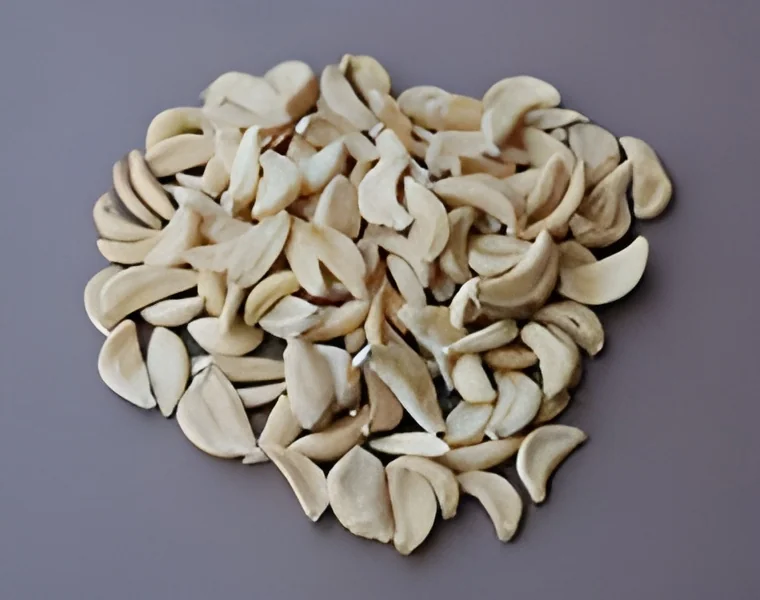
Garlic Powder: This variant is made from dehydrated garlic and is used as a convenient seasoning. It retains the flavor of fresh garlic while offering longer shelf life and ease of use.
Garlic Oil: Extracted from garlic cloves, this oil is often used in cooking and cosmetics. It carries the flavor of garlic in a concentrated form and is valued for its health benefits.
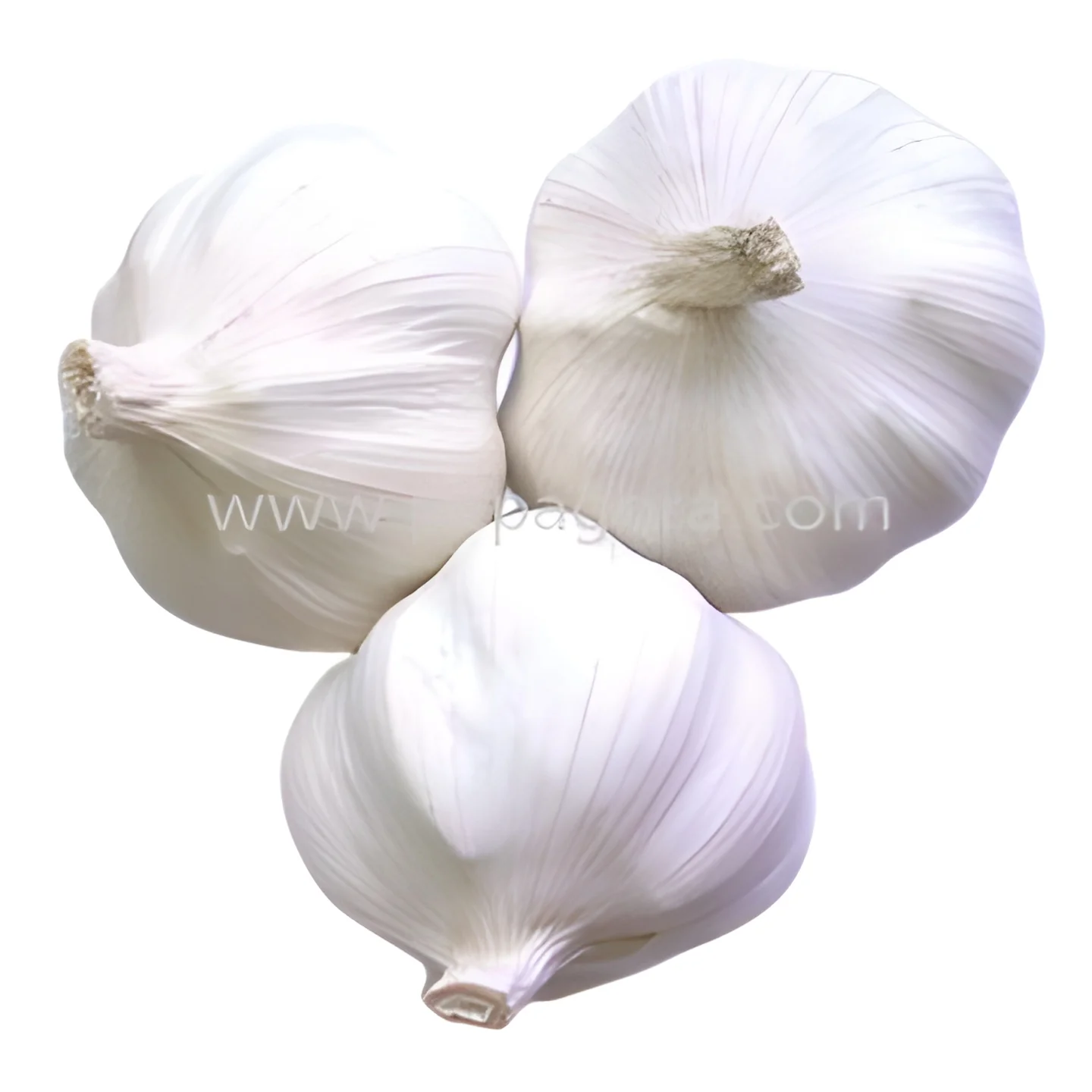
Fresh Garlic Bulbs: These are unprocessed garlic bulbs that are sold directly to consumers or businesses. They provide the freshest flavor and aroma, ideal for culinary applications.
Garlic Supplements: Available in capsule or tablet form, these products are used for health benefits. They often focus on the active compounds in garlic, such as allicin.
Benefits and Advantages
Garlic offers a wide range of benefits that make it an attractive ingredient for various industries.
1. Flavor Enhancement: Garlic adds depth and richness to dishes, making it a favorite among chefs and food manufacturers.
2. Health Benefits: Garlic is known for its potential health advantages, including immune support and blood pressure regulation.
3. Versatility: Garlic can be used in multiple forms, including fresh, powdered, or as oil, making it suitable for various applications.
4. Natural Ingredient: With a growing consumer preference for natural products, garlic fits the bill as a clean-label ingredient.
5. Cost-Effectiveness: Garlic is widely available and relatively inexpensive, making it a cost-effective choice for businesses.
6. Long Shelf Life: When stored properly, garlic can last for several months, reducing waste and ensuring consistent supply.
Buying Guide for B2B Buyers
When sourcing garlic, B2B buyers should consider several critical factors to ensure they make informed purchasing decisions.
1. Quality Assessment: Evaluate the quality of garlic based on appearance, firmness, and overall freshness. Request samples to assess flavor and potency.
2. Supplier Verification: Research and verify suppliers to ensure they adhere to food safety standards. Look for certifications and positive reviews.
3. Pricing and MOQ: Understand the pricing structure and minimum order quantities (MOQ) set by suppliers. Compare prices from different vendors to find the best deal.
4. Delivery and Lead Times: Consider logistics and delivery times when placing orders. Ensure suppliers can meet your timelines consistently.
5. Compliance Requirements: Familiarize yourself with any regulatory requirements applicable to garlic products in your region, including safety and labeling standards.
Compliance and Certifications
Garlic products must meet specific compliance and certification standards to ensure quality and safety in various markets. Key standards include ISO 9001, which focuses on quality management systems, and HACCP, which addresses food safety management.
Additionally, garlic products may require certification to meet CE standards, particularly if they are exported to regions with strict regulatory frameworks. Safety and testing requirements should also be met to ensure that garlic products are free from contaminants and safe for consumption.
Regional compliance considerations may vary, so it is essential for businesses to understand local regulations and standards applicable to garlic products in their target markets.
Why Source Garlic from Pepagora?
Pepagora provides a trusted platform for sourcing garlic, offering several key advantages to B2B buyers.
Verified Supplier Network: Pepagora maintains a network of verified suppliers, ensuring that buyers have access to quality garlic products. This verification process minimizes risks associated with sourcing.
Streamlined RFQ Process: The Request for Quotation (RFQ) system at Pepagora simplifies the procurement process. Buyers can easily request quotes and compare offers from multiple suppliers.
Trade Assurance and Support: Pepagora offers trade assurance and support, providing buyers with protection throughout the sourcing process. This includes assistance with any disputes that may arise.
Regional Coverage: With a focus on geographic reach, Pepagora connects buyers in India, the GCC, and Southeast Asia with reliable garlic suppliers. This extensive coverage ensures that businesses can find the products they need, no matter their location.

 IN
IN