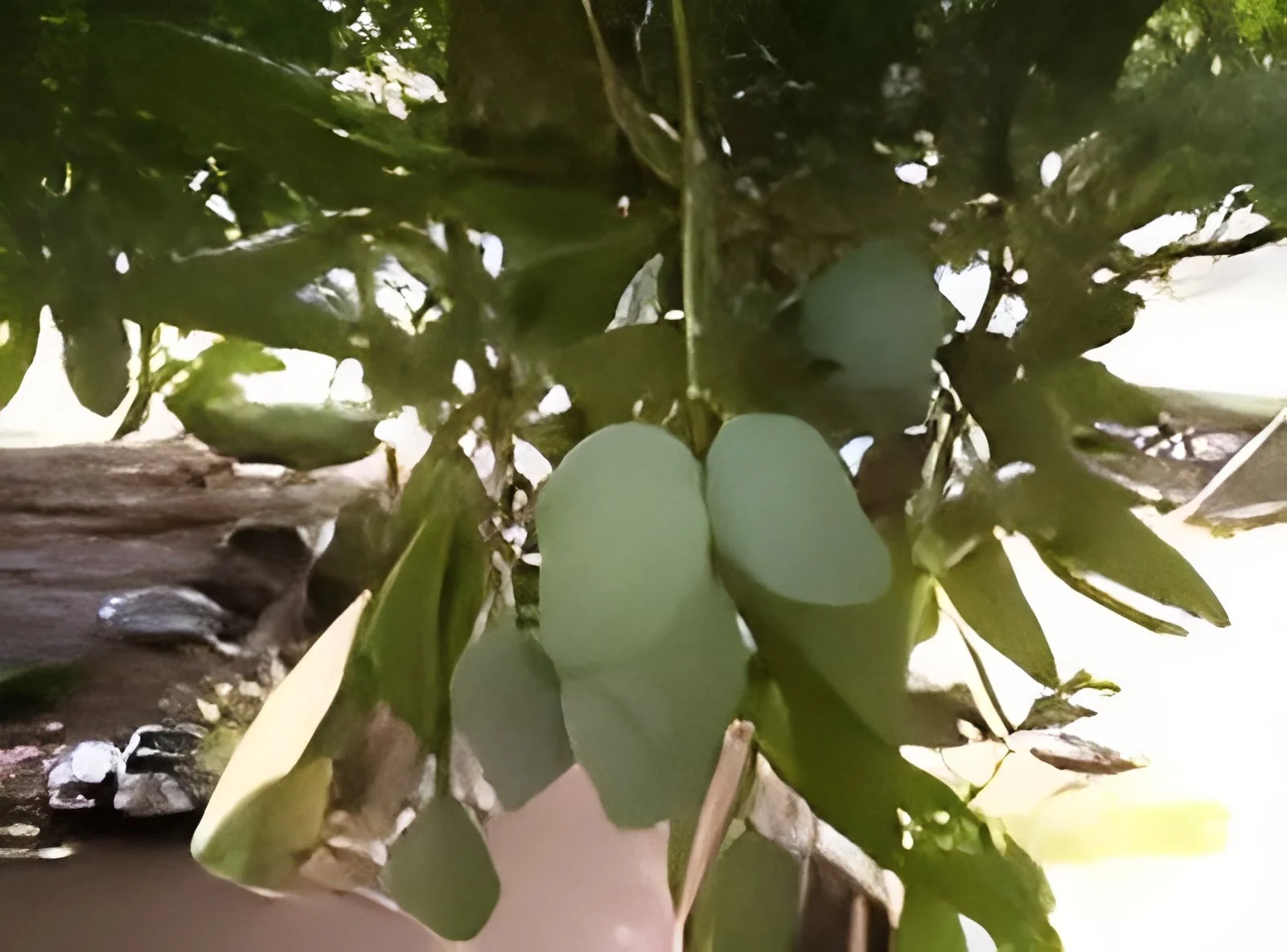
What are Mangoes?
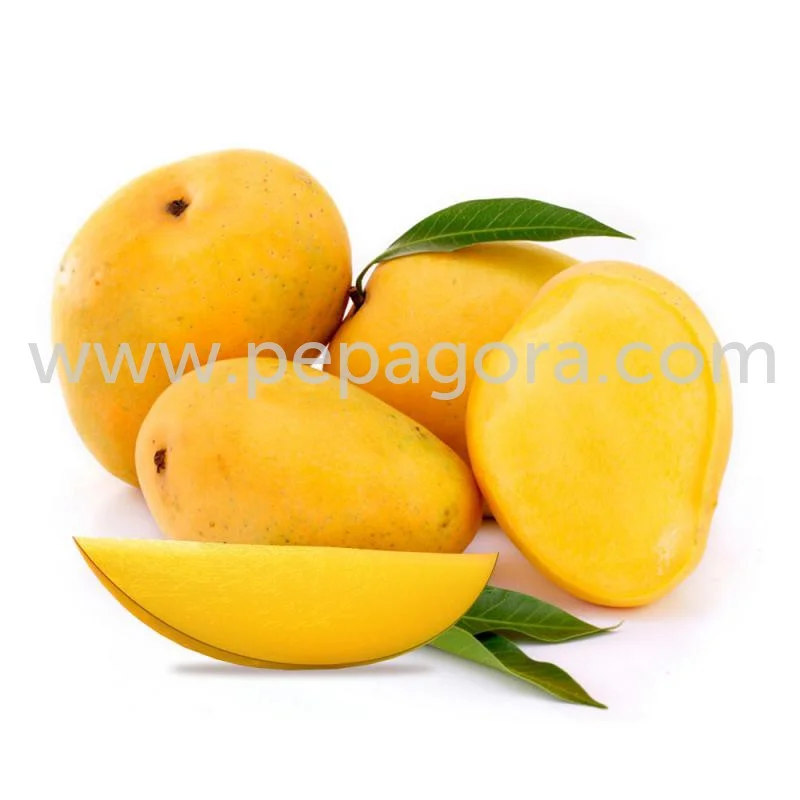
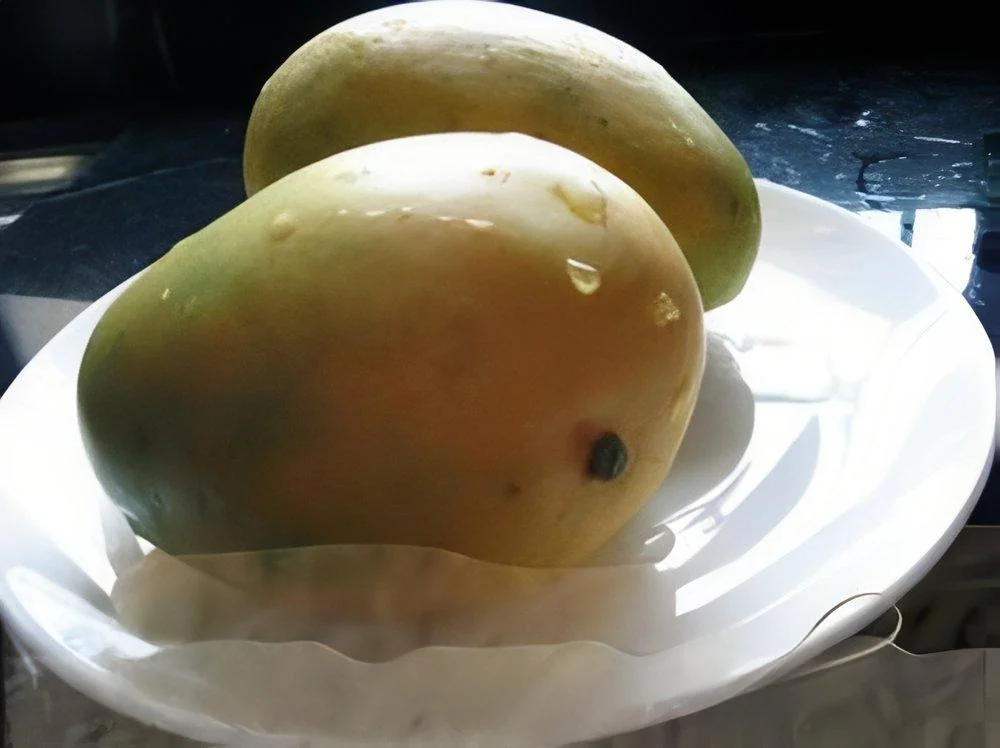
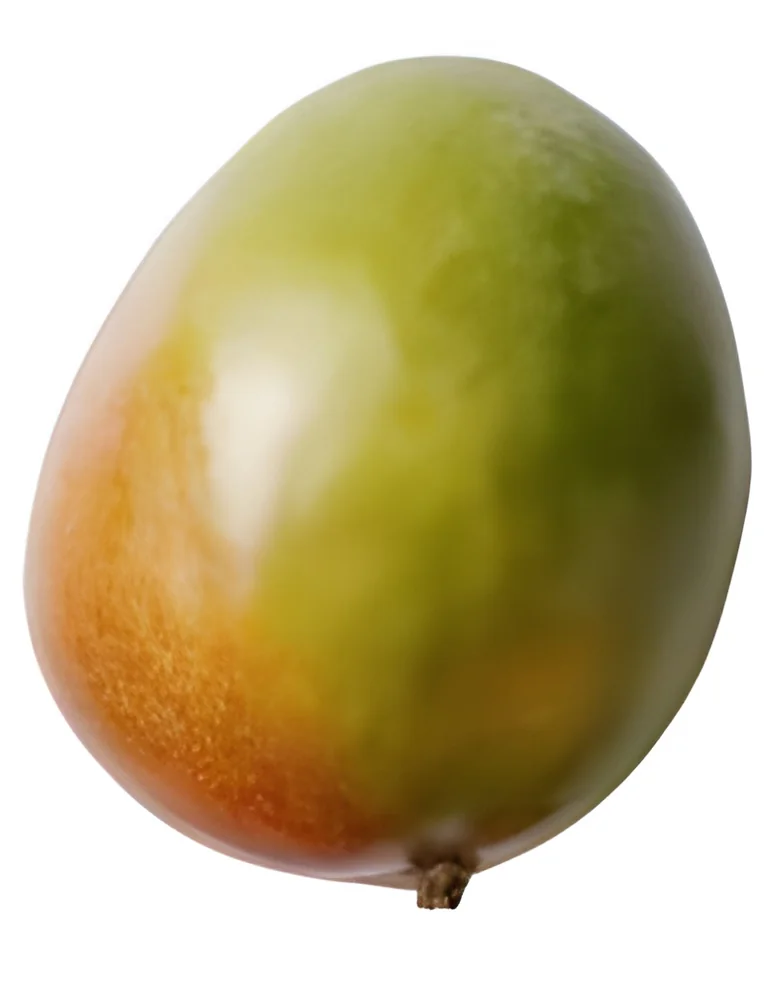
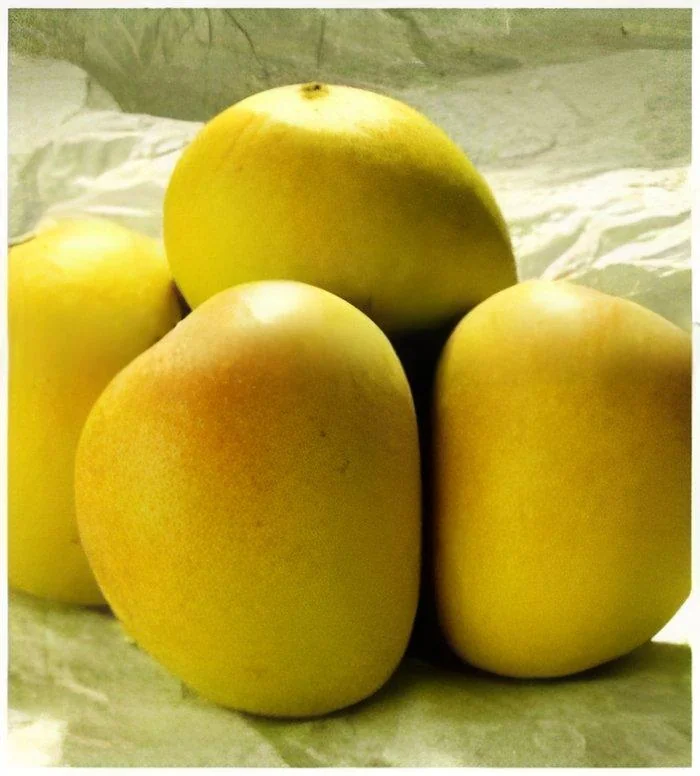
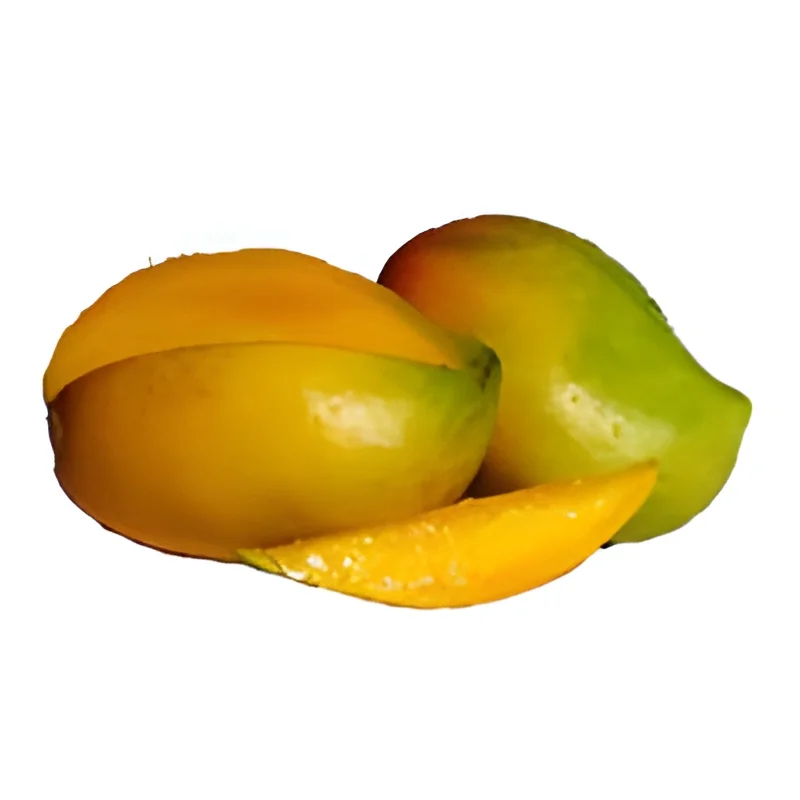
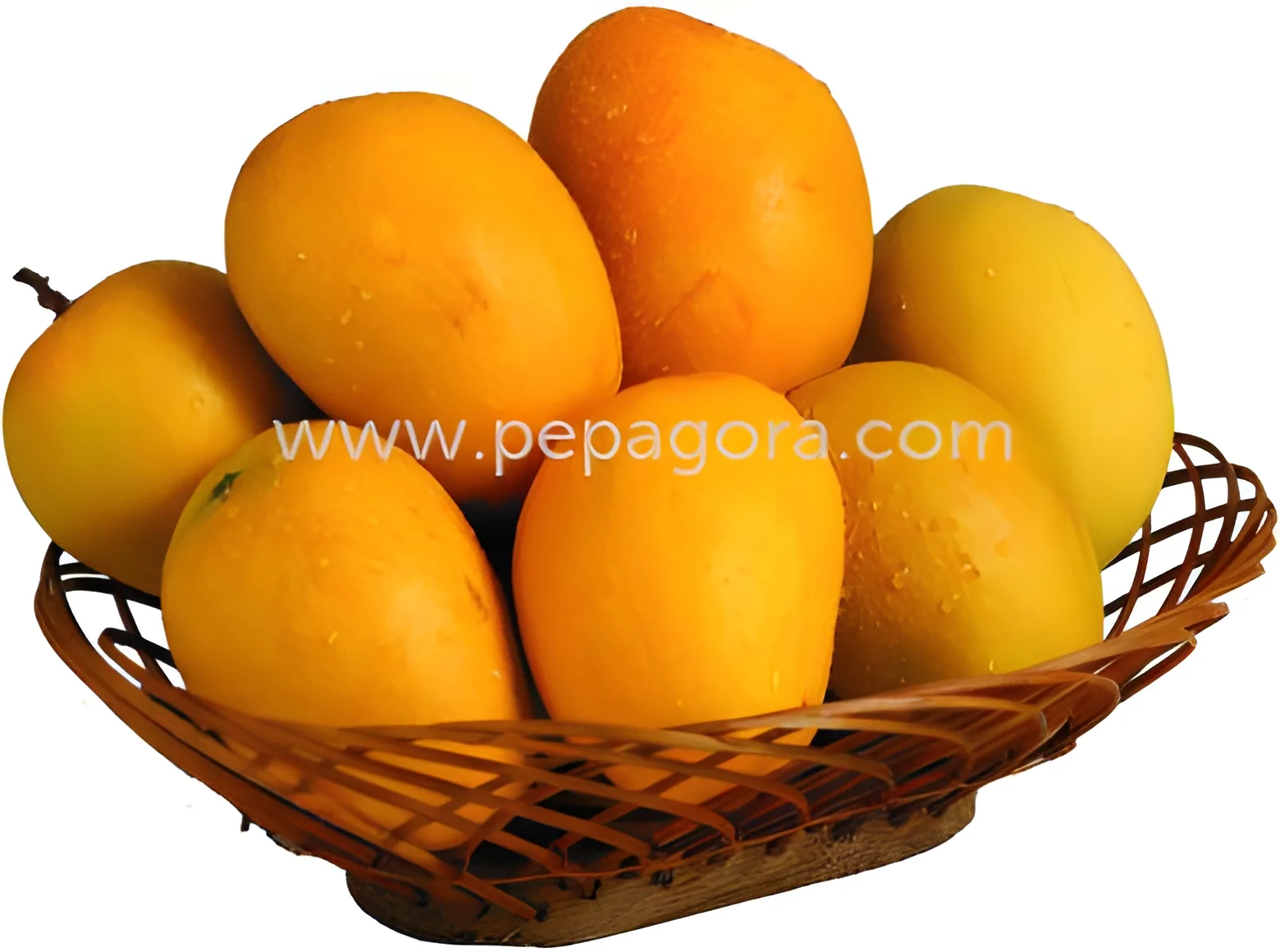
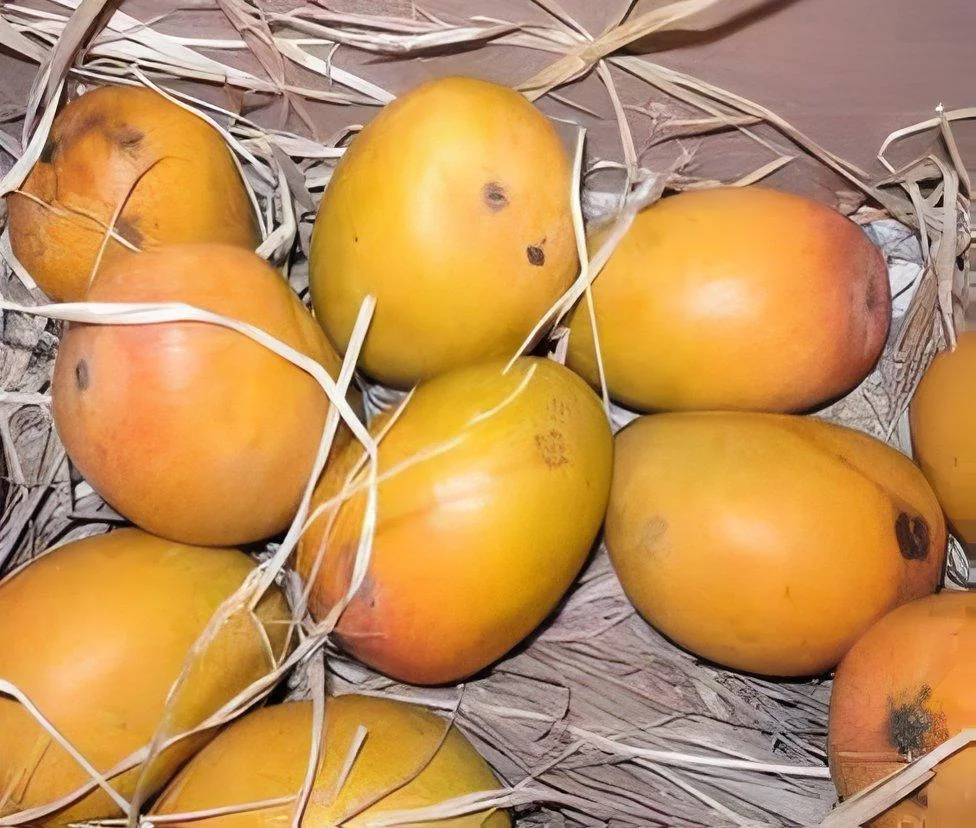
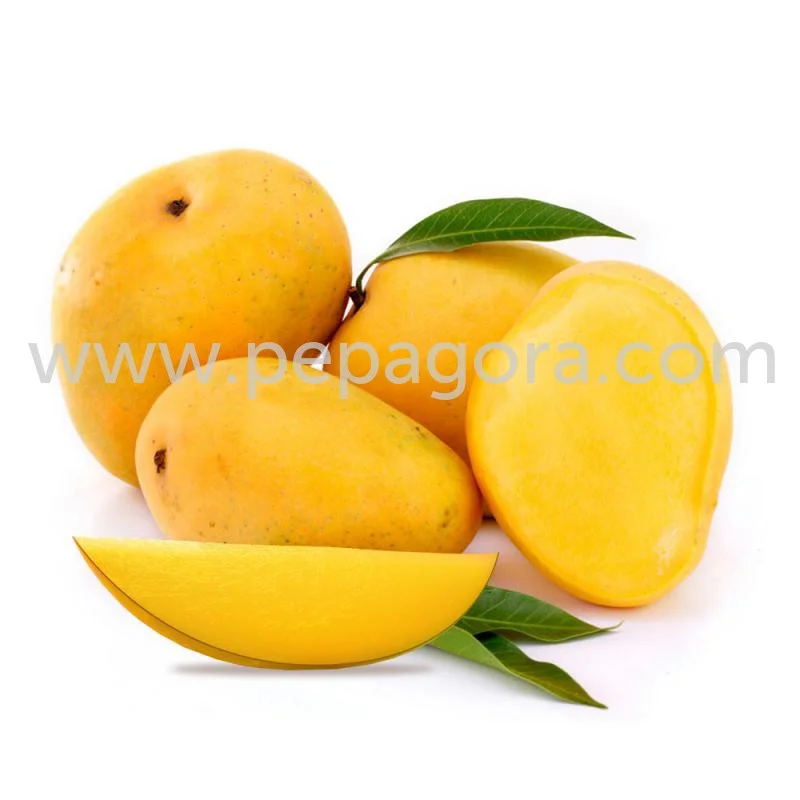
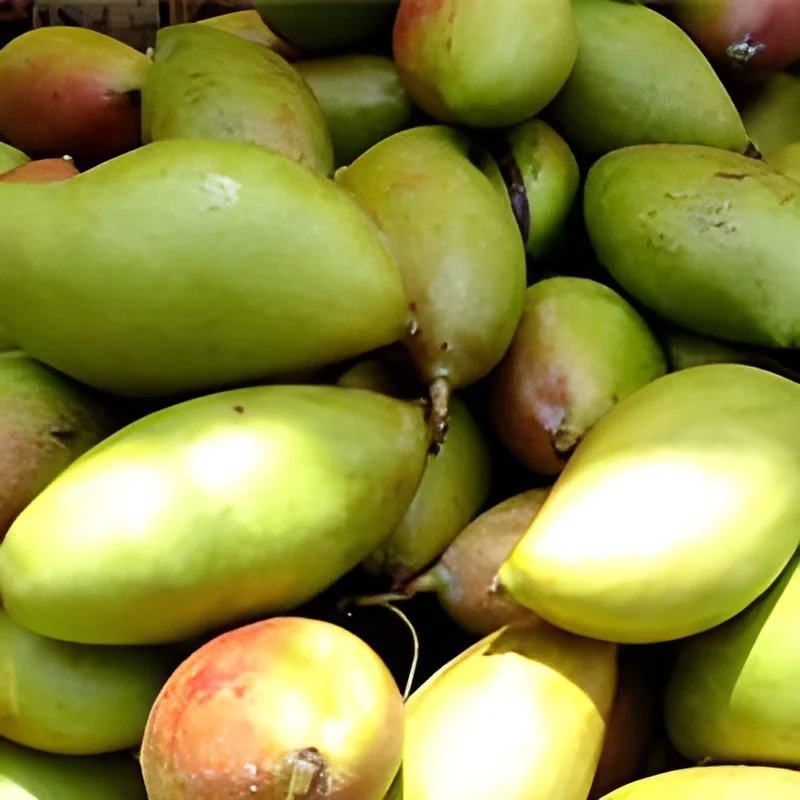
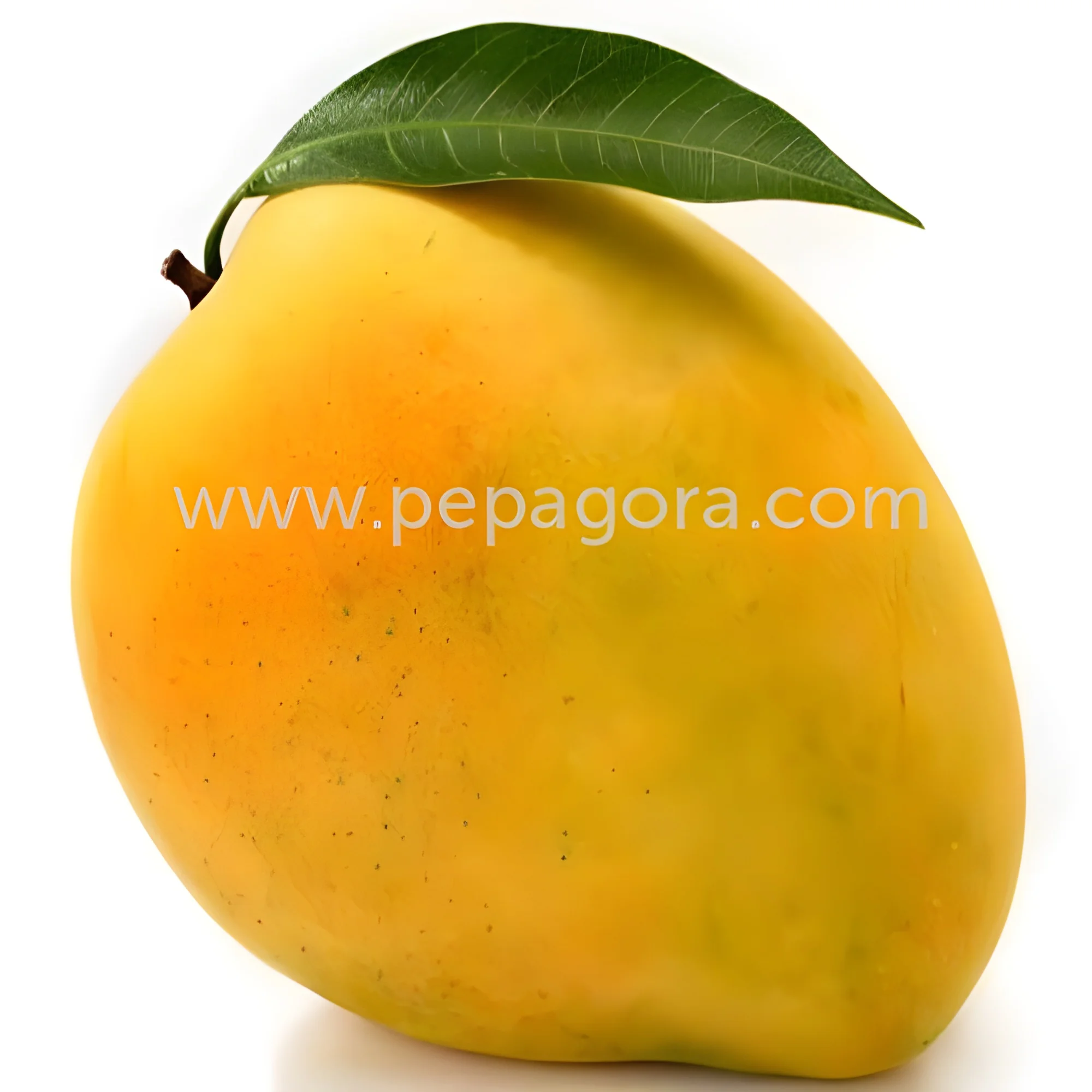
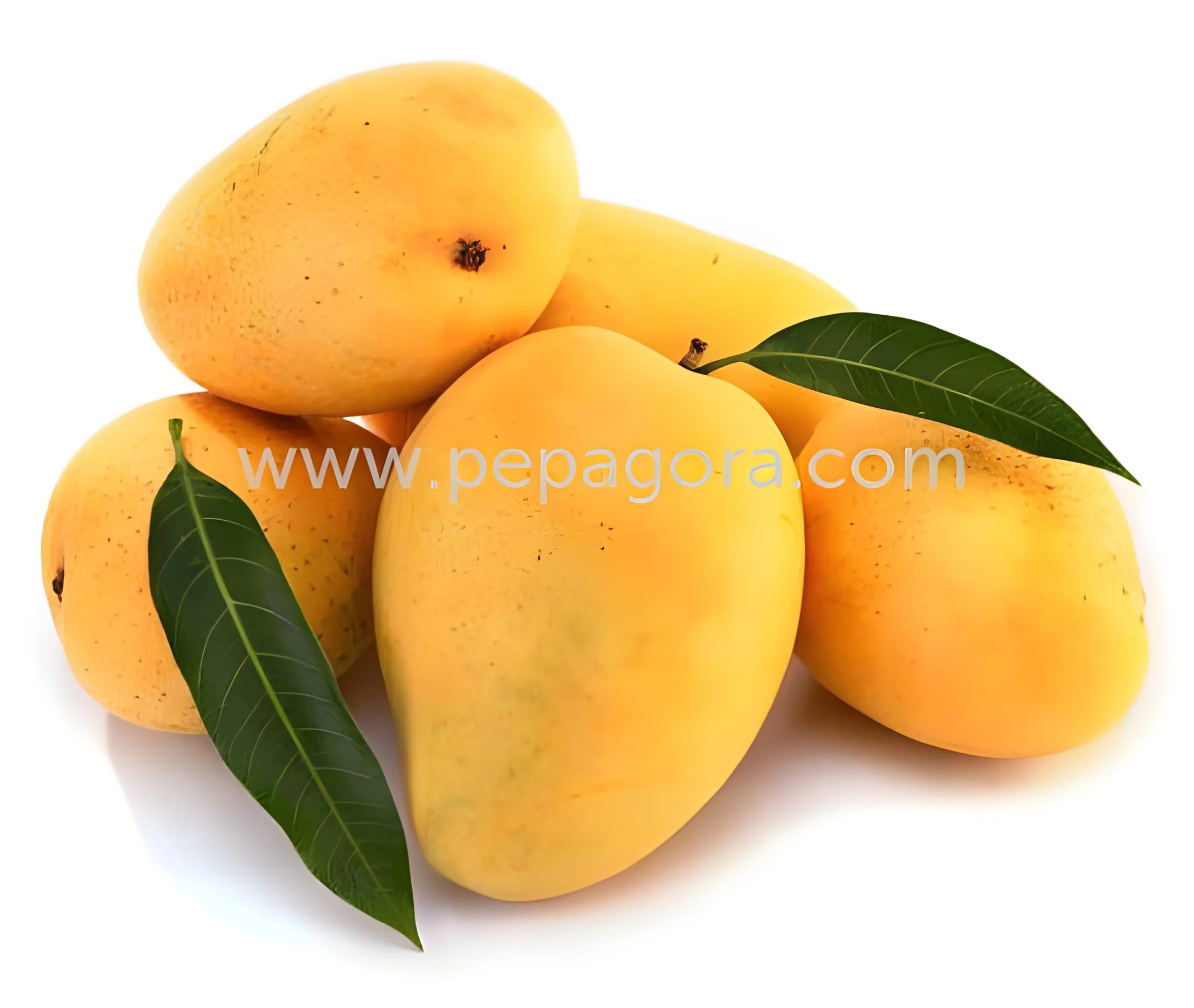
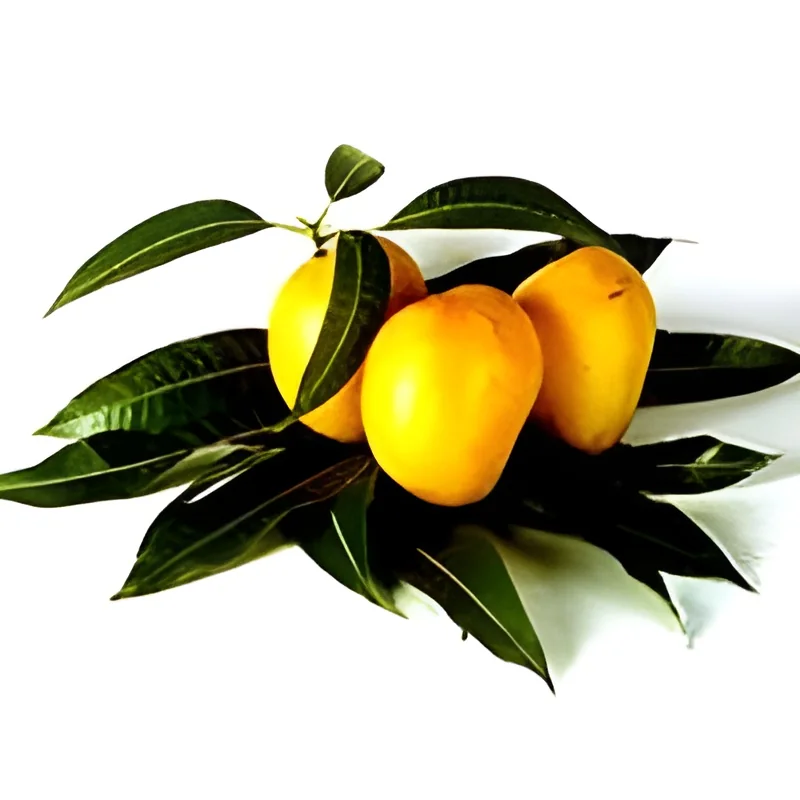
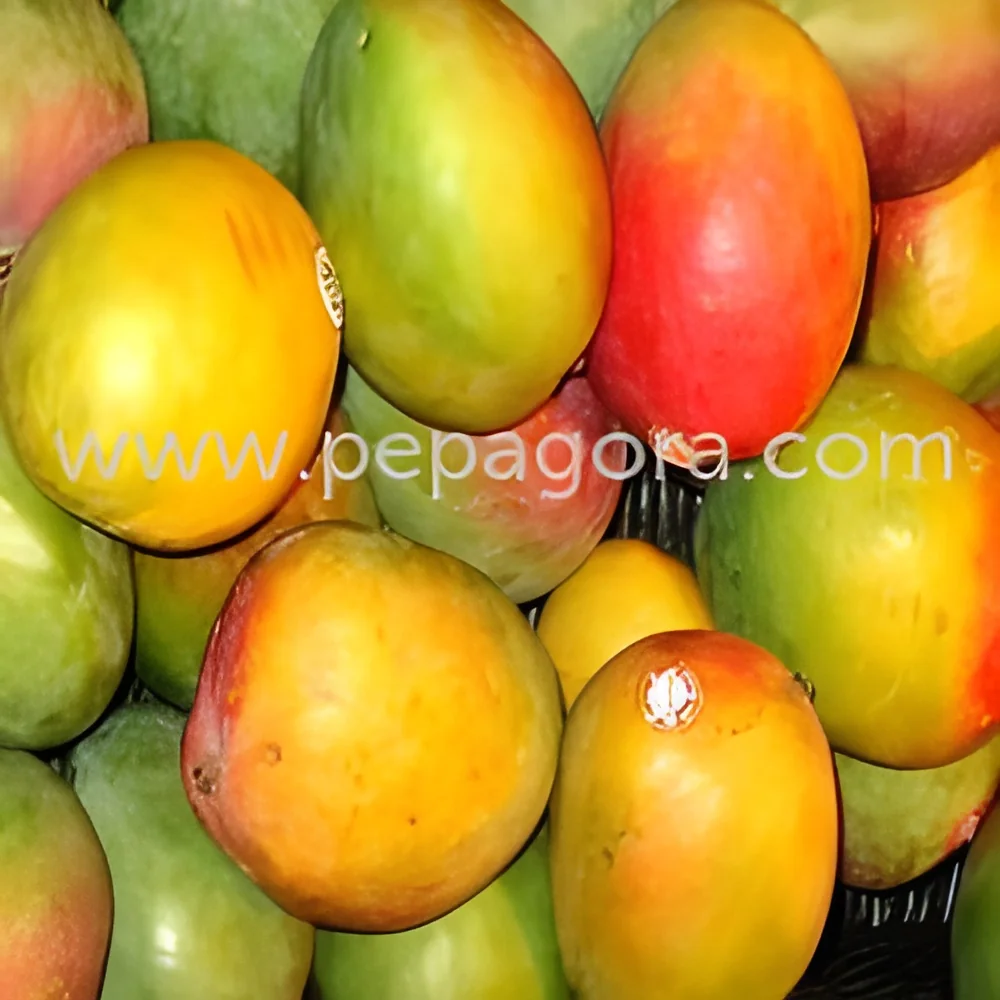
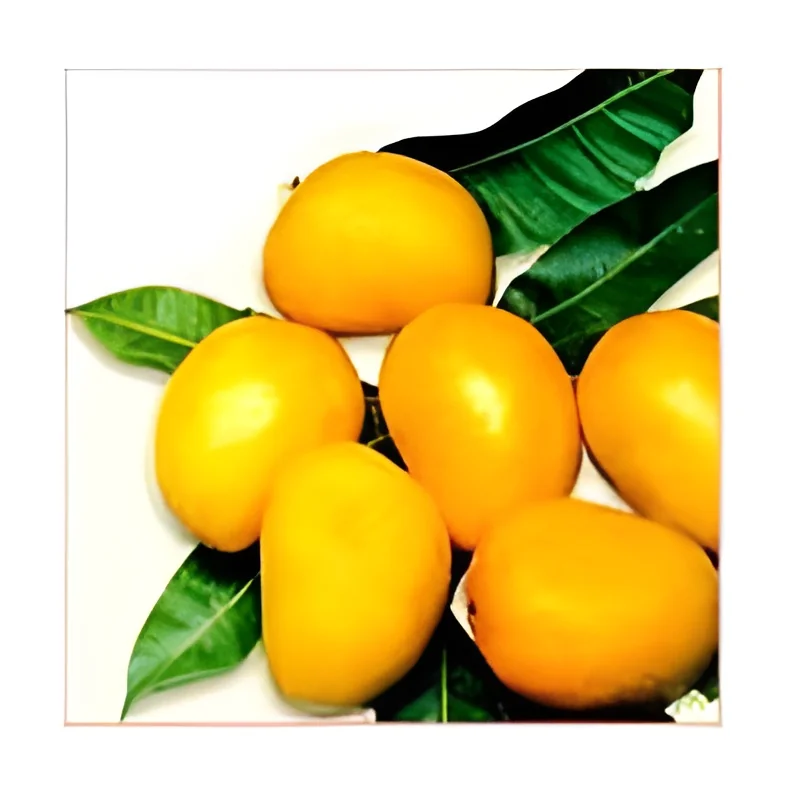
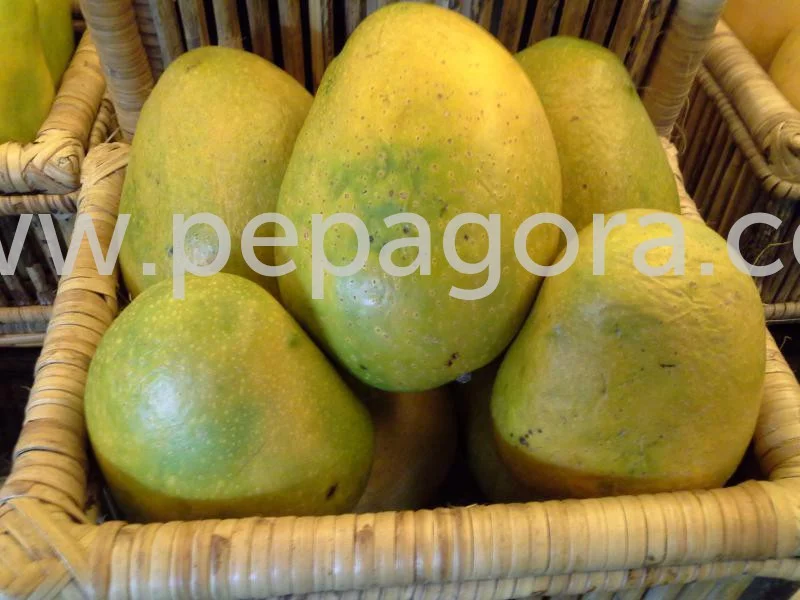
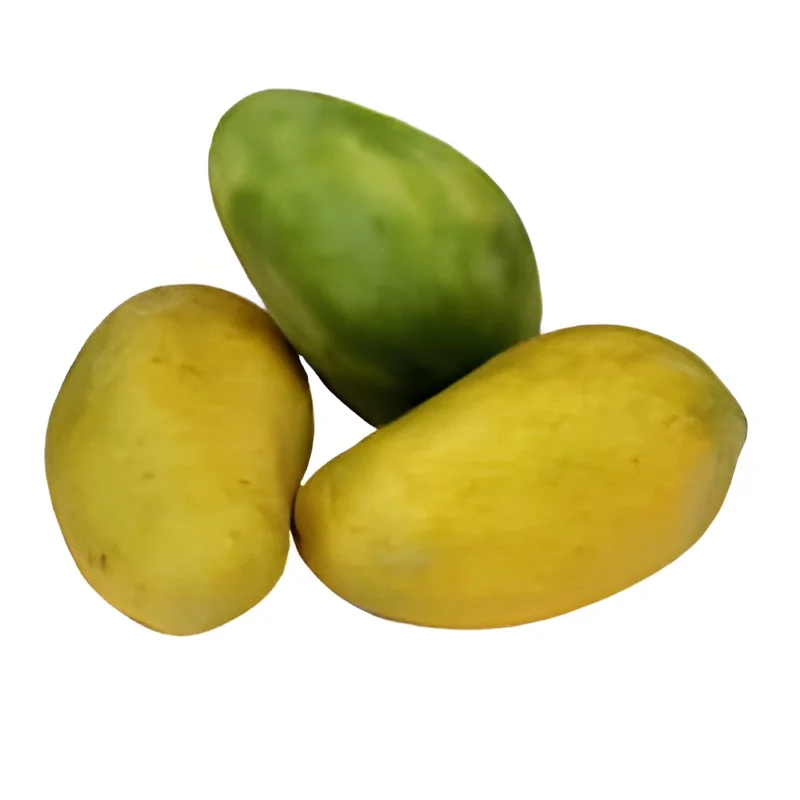
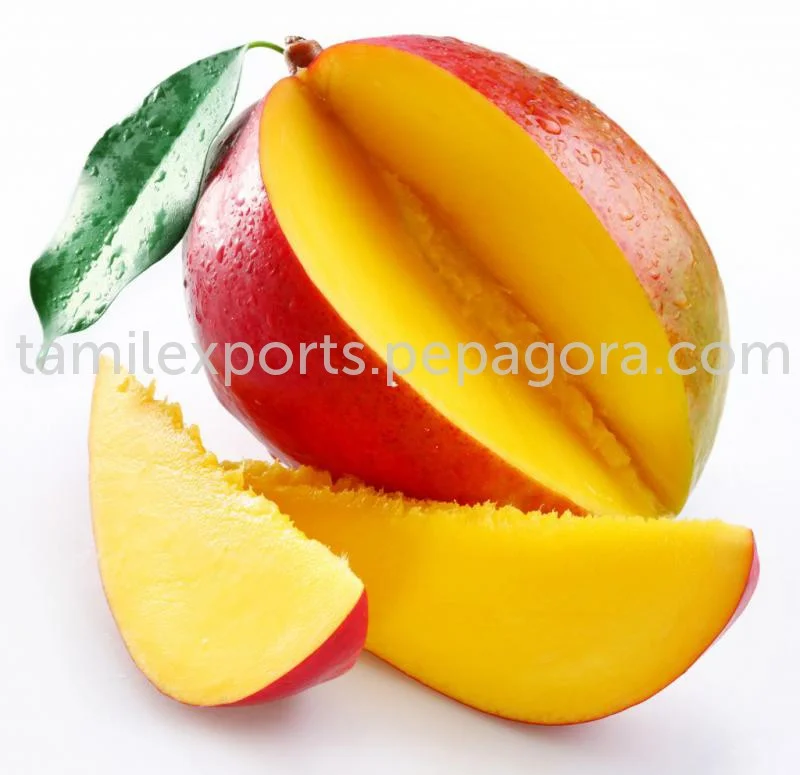
Mangoes are tropical stone fruits belonging to the genus Mangifera, primarily cultivated in South Asia. Known for their sweet and juicy flesh, mangoes come in various shapes, sizes, and colors, ranging from green to yellow and red. These fruits are not only popular for their flavor but also for their nutritional value, rich in vitamins A and C, as well as dietary fiber. Mangoes typically have a single large seed that can be found in the center of the fruit, surrounded by succulent pulp.
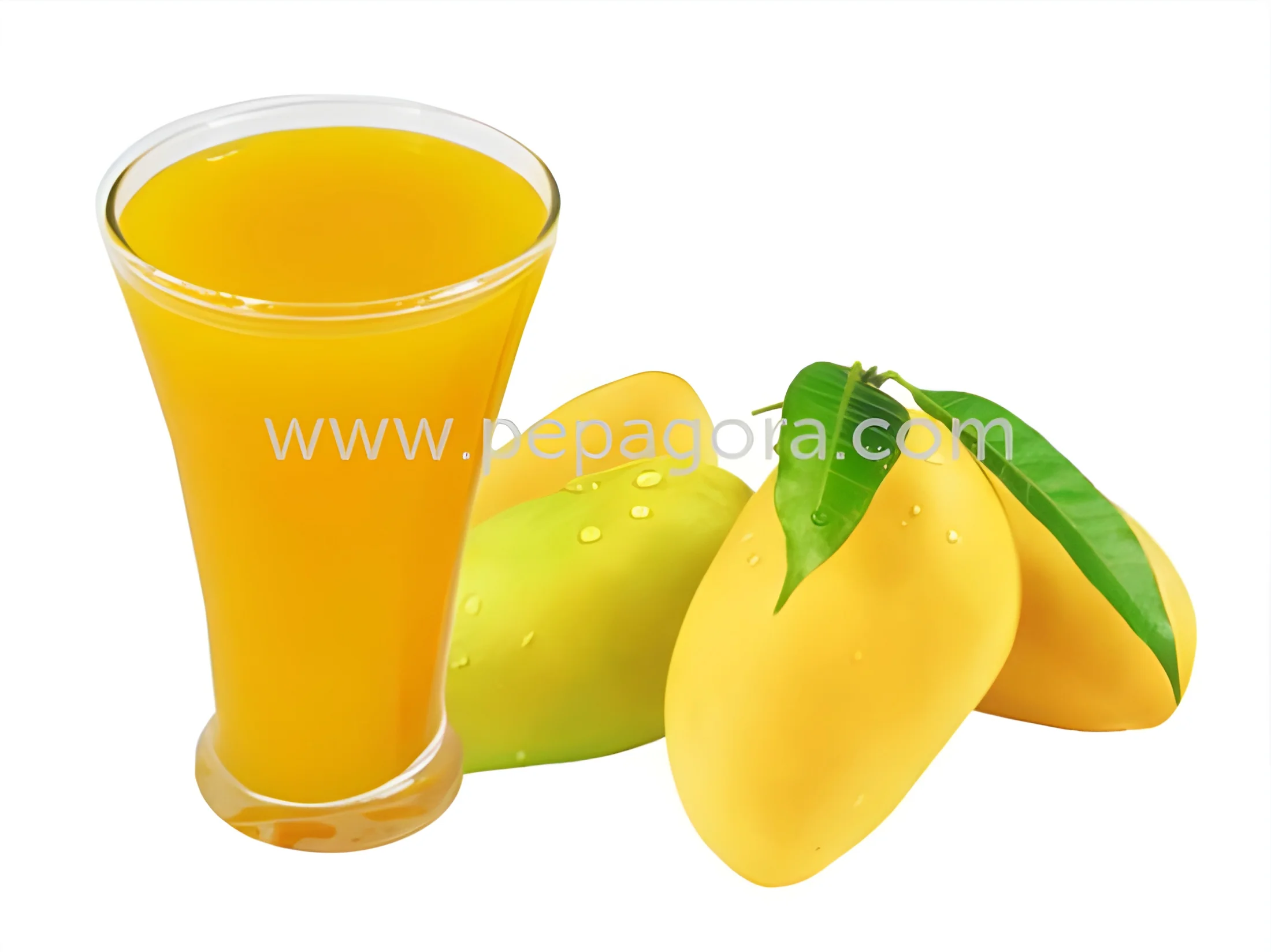
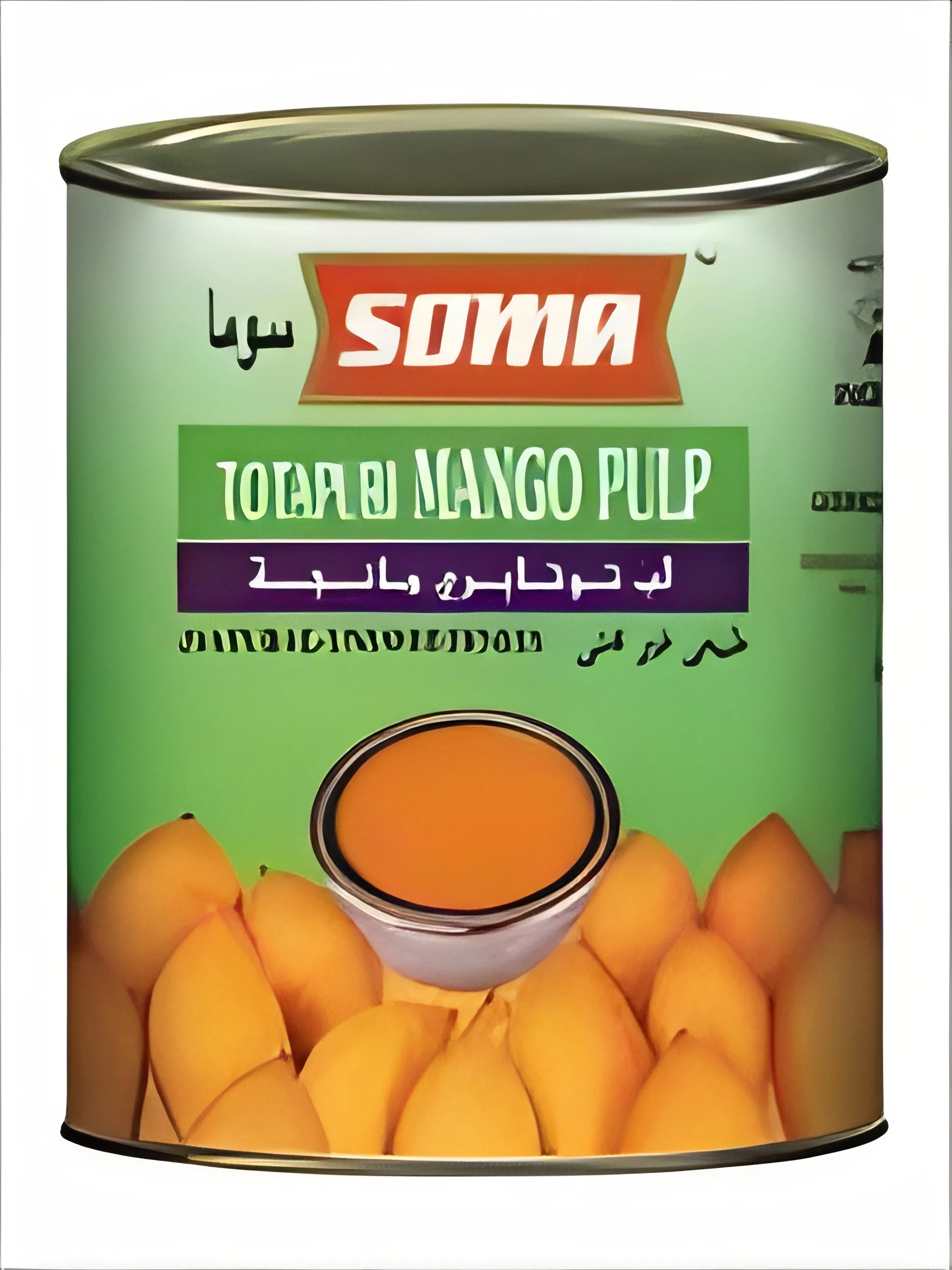
In the business context, mangoes are widely used across various sectors. They are a key ingredient in the food and beverage industry, where they are processed into juices, jams, and desserts. Additionally, mangoes are increasingly used in cosmetics and skincare products due to their natural antioxidant properties. The global demand for mangoes continues to grow, driven by their health benefits and versatility in culinary applications, making them a significant product in the agricultural market.
Key Features and Specifications
Mangoes are characterized by several key features that define their quality and usability in various applications. Understanding these specifications can aid businesses in selecting the right products for their needs.
Key specifications include:
1. Fruit Size
- Typically ranges from 200 grams to 2 kilograms depending on the variety.
- Size can affect pricing and marketability.
2. Fruit Color
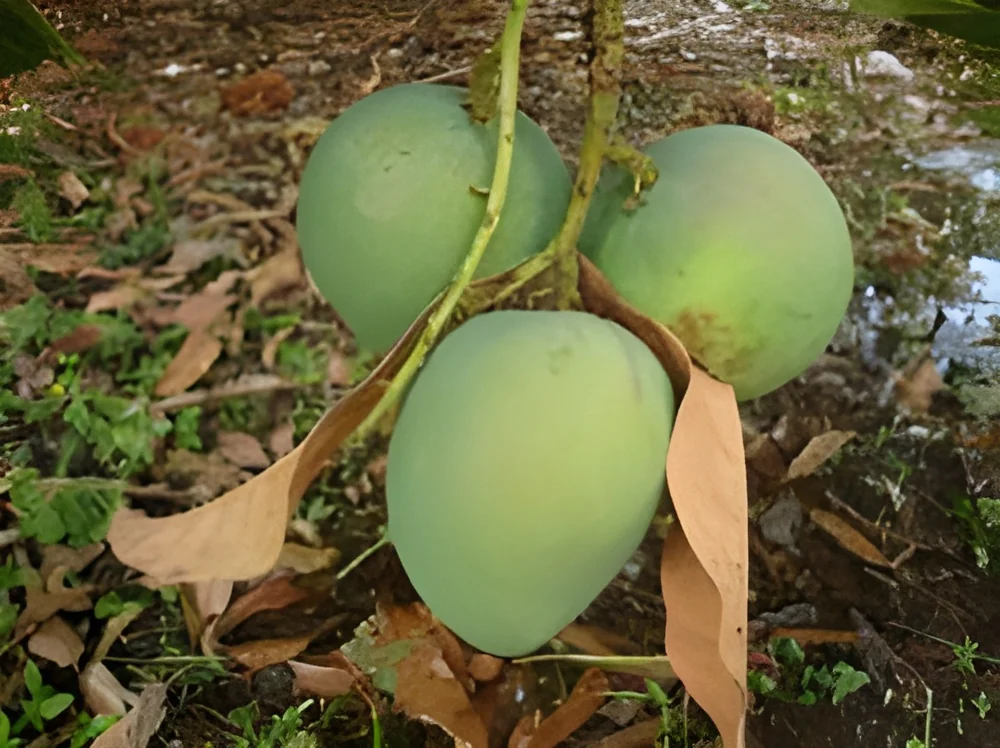
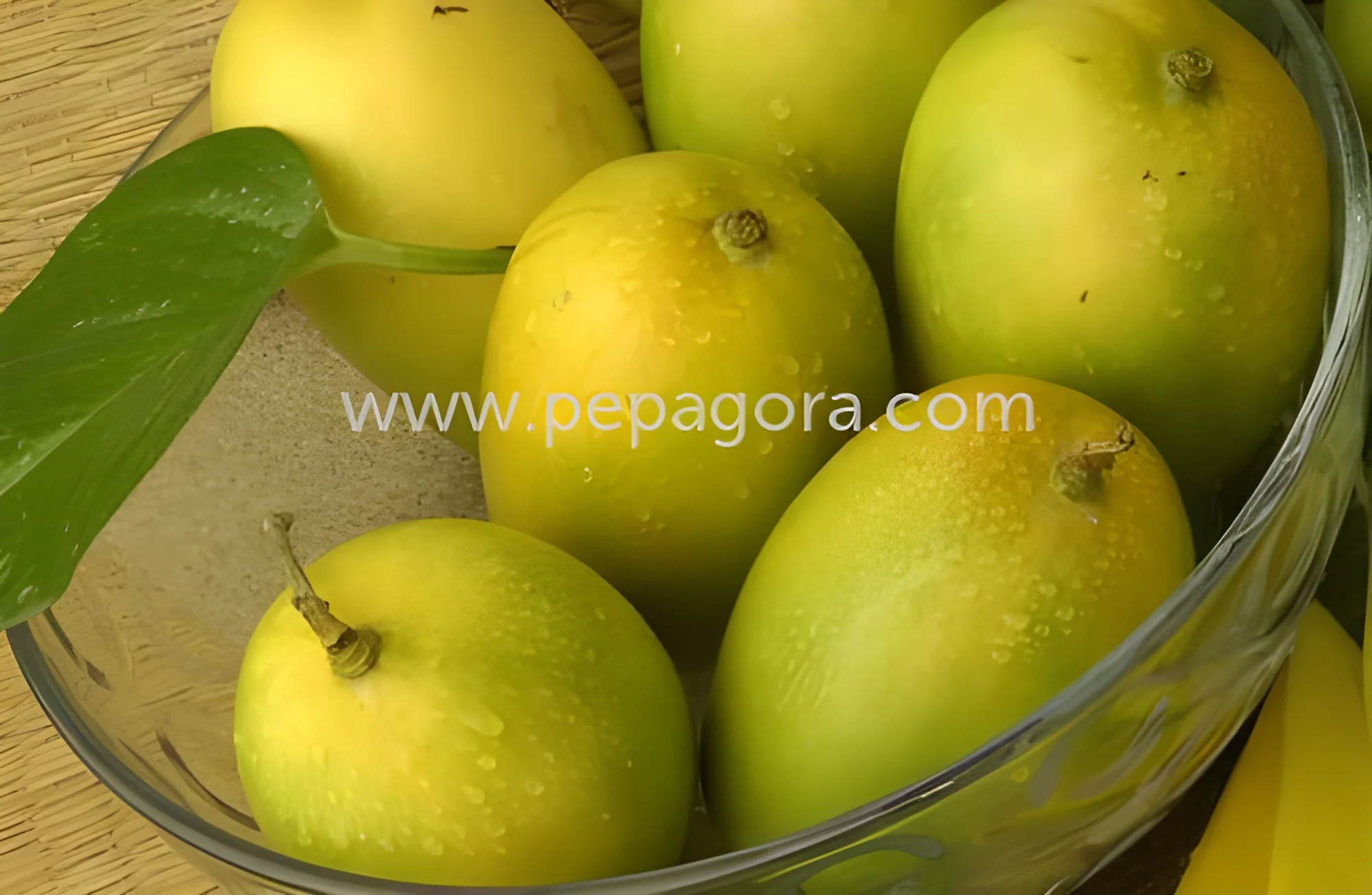
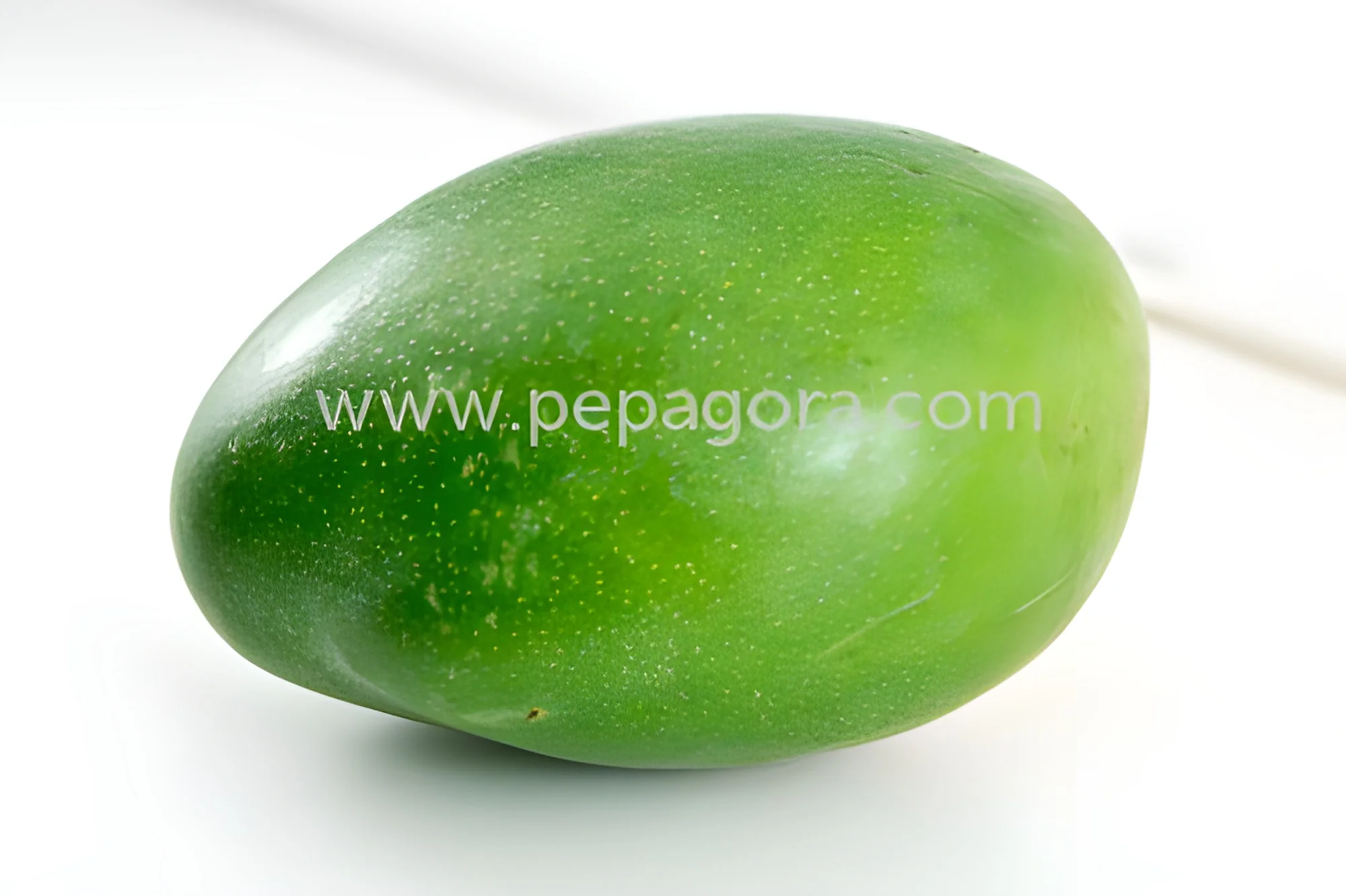
- Color varies with ripeness, including shades of green, yellow, and red.
- Impact on consumer preferences and quality classification.
3. Sugar Content
- Varies from 10% to 15% depending on ripeness and variety.
- Affects sweetness and flavor profile.
4. Shelf Life
- Fresh mangoes generally have a shelf life of 5 to 14 days at room temperature.
- Proper storage can extend freshness.
5. Nutritional Value
- Rich in vitamins A and C, fiber, and antioxidants.
- Important for health-conscious consumers.
6. Market Availability
- Typically available year-round in tropical regions.
- Seasonal variations can affect supply and pricing.
7. Packaging Requirements
- Must be packaged to prevent bruising and spoilage.
- Use of ventilated boxes recommended for transport.
8. Compliance Standards
- Must meet food safety standards and regional compliance requirements.
- Important for export markets.
In summary, understanding these specifications allows buyers to make informed decisions regarding the quality and suitability of mangoes for their intended use.
Common Applications and Use Cases
Mangoes serve a variety of industries, each utilizing the fruit in different ways.
1. Food and Beverage Industry: Mangoes are widely used for making juices, smoothies, and desserts. They are also popular in salads and savory dishes, enhancing flavor and nutrition.
2. Cosmetic Industry: Due to their moisturizing and antioxidant properties, mango extracts are included in skincare products, such as creams and lotions.
3. Pharmaceuticals: Mangoes are utilized in dietary supplements due to their high vitamin content and potential health benefits.
4. Hospitality Sector: Restaurants and hotels often use mangoes in their menus, offering fresh mango dishes or incorporating them into cocktails.
5. Retail and Grocery: Fresh mango sales are significant in supermarkets and local markets, appealing to health-conscious consumers.
6. Export Industry: Mangoes are a major export commodity in tropical countries, meeting international demand for fresh fruit.
7. Agricultural Sector: Mango cultivation supports local economies and provides employment opportunities in farming communities.
Product Variants and Subcategories
Mangoes exhibit a variety of types, each with unique characteristics that appeal to different markets.
Alphonso Mangoes: Known for their rich flavor and sweetness, Alphonso mangoes are a premium variety. They are often exported and used in gourmet products.
Haden Mangoes: This variety is popular for its vibrant color and juicy flesh. Haden mangoes are commonly used in salads and desserts.
Tommy Atkins Mangoes: Known for their long shelf life and resistance to bruising, Tommy Atkins mangoes are frequently used in the retail market.
Kent Mangoes: Kent mangoes have a sweet flavor and minimal fiber, making them ideal for juicing and eating fresh.
Benefits and Advantages
Sourcing mangoes offers several advantages for businesses.
1. Nutritional Benefits: Mangoes are packed with vitamins and antioxidants, making them an appealing choice for health-focused consumers.
2. Versatility: They can be used in a wide range of products, from beverages to cosmetics, allowing businesses to diversify their offerings.
3. High Demand: The global popularity of mangoes ensures a steady market, with increasing consumer interest in exotic fruits.
4. Export Opportunities: Mangoes can be successfully exported to various regions, expanding market reach for producers.
5. Seasonal Variety: Different varieties of mangoes can be harvested at various times of the year, providing freshness and reducing supply gaps.
6. Support for Local Economies: Sourcing mangoes often involves engaging with local farmers, promoting sustainable agriculture and community development.
Buying Guide for B2B Buyers
When sourcing mangoes, B2B buyers should consider several important factors.
1. Quality Assessment: Evaluate the quality of mangoes based on size, color, and sugar content. Inspect for any signs of spoilage or damage to ensure the best product.
2. Supplier Verification: Vet suppliers by checking their credentials, certifications, and customer reviews. Ensure they meet industry standards for quality and safety.
3. Pricing and MOQ: Understand the price range for mangoes and inquire about the minimum order quantity (MOQ) to ensure it aligns with your business needs.
4. Delivery and Lead Times: Confirm logistics arrangements to understand delivery timelines. Timely delivery is crucial for maintaining product freshness.
5. Compliance Requirements: Be aware of the regulatory requirements for importing mangoes, including safety standards and certifications needed for your market.
Compliance and Certifications
Mangoes must adhere to various quality standards and certifications to ensure safety and marketability. Relevant standards include ISO 9001, which focuses on quality management systems, and HACCP (Hazard Analysis and Critical Control Points), aimed at ensuring food safety.
Additionally, compliance with GDP (Good Distribution Practices) is important to maintain product integrity during transport. The CE certification can be relevant for mangoes sold in certain markets, indicating compliance with European health and safety standards.
Regional compliance considerations may vary, especially for exports. It is crucial for importers to understand and adhere to the specific regulations of their target markets to ensure smooth transactions and avoid legal issues.
Why Source Mangoes from Pepagora?
Pepagora provides a trusted platform for sourcing mangoes, offering numerous advantages for businesses looking to procure quality products.
Verified Supplier Network: Pepagora features a network of verified suppliers, ensuring that buyers can confidently source mangoes from reputable sources. This reduces the risk of quality issues and fosters trust.
Streamlined RFQ Process: The platform simplifies the request for quotation (RFQ) process, allowing buyers to easily compare offerings and select the best options that meet their needs.
Trade Assurance and Support: Pepagora offers buyer protection measures, guaranteeing that transactions are secure and that support is available throughout the sourcing process.
Regional Coverage: With a focus on regions like India, GCC, and Southeast Asia, Pepagora provides access to a diverse array of mango varieties, catering to different market demands effectively.
By choosing Pepagora, businesses can enhance their sourcing experience, ensuring quality, efficiency, and reliability in mango procurement.

 IN
IN