
 IN
Cantaloupes & Muskmelons
2 products available
What are Cantaloupes & Muskmelons?
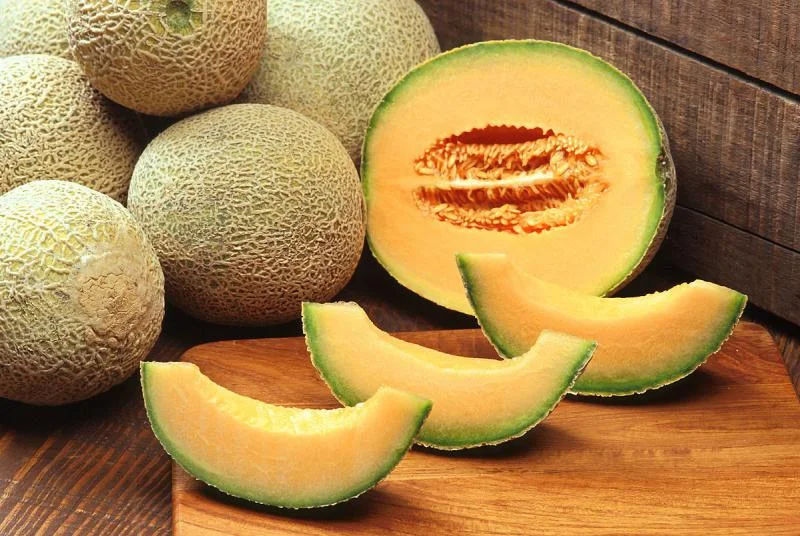
Cantaloupes and muskmelons are varieties of melon that belong to the Cucurbitaceae family. They are characterized by their sweet, juicy flesh and netted rind, making them a popular choice in various culinary applications. Cantaloupes typically have a light orange flesh, while muskmelons may vary in color, including green and orange hues. Both types are known for their refreshing taste and high water content, making them ideal for warm climates.
In the business context, cantaloupes and muskmelons are primarily used in food service and retail sectors. They are often featured in fruit salads, desserts, and smoothies, and are a staple during summer months. The demand for these melons is driven by consumer interest in healthy, fresh produce, and they are increasingly found in supermarkets, restaurants, and catering services. As global trade expands, the market for cantaloupes and muskmelons continues to grow, with suppliers focusing on quality and sustainability.
Key Features and Specifications
Cantaloupes and muskmelons offer several key features that make them desirable for various applications. Their high nutritional value, including vitamins A and C, combined with low caloric content, makes them a healthy choice for consumers. Additionally, these melons have a distinct aroma and flavor profile that enhance culinary creations.
Key specifications include:
1. Size and Weight
- Average weight typically ranges from 1.5 to 5 pounds depending on the variety.
- Sizes can vary from small personal melons to larger commercial offerings.
2. Coloration
- Cantaloupes generally have a beige or yellowish skin with netting.
- Muskmelons may have a smooth skin with shades of green or orange.
3. Sugar Content
- Sweetness levels can range from 8 to 12 percent sugar by weight.
- Higher sugar levels indicate better quality and flavor.
4. Shelf Life
- Fresh melons can last up to 2 weeks under proper storage conditions.
- Optimal storage temperatures are between 45°F and 50°F.
5. Nutritional Value
- Rich in vitamins A and C, contributing to immune health.
- Contains minerals like potassium and magnesium.
6. Harvesting Time
- Typically harvested around 80 to 90 days after planting.
- Harvest season varies by region but generally peaks in summer.
7. Water Content
- High water content, approximately 90 percent, contributing to hydration.
- Ideal for hot climates and summer consumption.
This combination of features makes cantaloupes and muskmelons versatile products for various markets.
Common Applications and Use Cases
Cantaloupes and muskmelons serve various industries, each utilizing these fruits for different applications.
1. Food Service: Restaurants and catering services use cantaloupes and muskmelons in fruit platters, smoothies, and gourmet dishes, enhancing their menus with fresh, seasonal items.
2. Retail: Supermarkets and grocery stores stock these melons prominently during peak seasons, appealing to health-conscious consumers looking for refreshing snacks.
3. Food Processing: Manufacturers use cantaloupes and muskmelons in the production of canned fruits, juices, and frozen snacks, tapping into the convenience market.
4. Health and Wellness: Nutritionists often recommend these melons for their health benefits, leading to increased interest in health food stores and wellness programs.
5. Export Markets: Countries with favorable climates for melon cultivation export cantaloupes and muskmelons to international markets, meeting global demand.
6. Event Catering: Weddings and special events frequently feature melons in fruit displays, providing a visually appealing and healthy option for guests.
7. Agriculture: Farmers focus on sustainable practices for growing these melons, aligning with consumer preferences for organic and locally-sourced produce.
Product Variants and Subcategories
While cantaloupes and muskmelons do not have widely recognized subcategories, there are a few notable variants that are popular in specific markets.
Galia Melons
Galia melons are a hybrid variety known for their sweet, aromatic flavor and green flesh. They are often used in fruit salads and desserts, appealing to consumers who enjoy unique taste profiles.
Honeydew Melons
Honeydew melons feature a smooth, pale outer skin and sweet, green flesh. They are commonly used in fruit platters and smoothies, providing a refreshing alternative to cantaloupes and muskmelons.
Santa Claus Melons
Santa Claus melons, also known as Christmas melons, have a thick rind and sweet, greenish-yellow flesh. They are often enjoyed in summer picnics and are known for their long shelf life.
Benefits and Advantages
Sourcing cantaloupes and muskmelons offers several advantages for businesses looking to enhance their product offerings.
1. Nutritional Value: These melons are low in calories yet high in vitamins, making them an appealing choice for health-conscious consumers.
2. Versatility: Cantaloupes and muskmelons can be used in a variety of culinary applications, from fresh slices to smoothies and desserts.
3. Seasonal Appeal: Their peak season aligns with summer, making them a refreshing option for hot weather demands.
4. Consumer Demand: Growing interest in fresh, healthy produce drives consistent demand across multiple sectors.
5. Easy Storage: When stored properly, melons have a relatively long shelf life, reducing waste for retailers and food service operators.
6. Sustainability Potential: With increasing focus on sustainable agriculture, sourcing locally grown melons can enhance a company's environmental credentials.
Buying Guide for B2B Buyers
When sourcing cantaloupes and muskmelons, businesses should consider several key factors to ensure quality and reliability.
1. Quality Assessment: Look for melons that are firm, free of blemishes, and have a sweet aroma. Inspect for uniformity in size and color to ensure consistency.
2. Supplier Verification: Vet suppliers by checking their reputation, certifications, and reviews from previous buyers. Reliable suppliers should be transparent about their sourcing practices.
3. Pricing and MOQ: Understand market pricing and negotiate minimum order quantities to ensure cost-effectiveness without compromising quality.
4. Delivery and Lead Times: Discuss delivery schedules and lead times with suppliers to ensure timely availability of fresh products for your business needs.
5. Compliance Requirements: Be aware of food safety regulations and certifications such as CE to ensure that the products meet industry standards.
Compliance and Certifications
Cantaloupes and muskmelons must adhere to various quality standards and certifications to ensure safety and marketability. Relevant quality standards include ISO 9001, which focuses on effective quality management systems. Additionally, HACCP (Hazard Analysis Critical Control Point) guidelines are critical for food safety, helping suppliers identify and manage potential hazards in the production and handling of melons.
Industry certifications, such as CE marking, indicate compliance with European health, safety, and environmental protection standards. These certifications are essential for businesses looking to export melons to international markets.
Safety and testing requirements for cantaloupes and muskmelons include regular inspections for pesticide residues and microbial contamination. Compliance with regional regulations is also critical, as different countries may have specific requirements for produce safety and handling.
Why Source Cantaloupes & Muskmelons from Pepagora?
Pepagora provides a trusted platform for sourcing cantaloupes and muskmelons, offering several advantages for B2B buyers.
Verified Supplier Network: Pepagora ensures that all suppliers in its network are thoroughly vetted and verified, providing buyers with peace of mind regarding product quality and reliability.
Streamlined RFQ Process: The platform features a user-friendly Request for Quotation (RFQ) system, allowing buyers to easily compare prices and specifications from multiple suppliers, facilitating informed purchasing decisions.
Trade Assurance and Support: Pepagora offers trade assurance programs that protect buyers against potential disputes, ensuring a secure transaction process for all parties involved.
Regional Coverage: With a strong presence in India, the GCC region, and Southeast Asia, Pepagora can facilitate sourcing for businesses looking to source fresh melons from trusted suppliers across these geographic areas.

Frequently Asked Questions
What are Cantaloupes & Muskmelons?
Cantaloupes and muskmelons are fruits belonging to the Cucurbitaceae family. They are characterized by their sweet, juicy flesh and a netted or smooth rind, making them popular in various culinary applications.
What are the different types of Cantaloupes & Muskmelons?
There are several types of cantaloupes and muskmelons, including the North American cantaloupe, which has a netted skin, and the European cantaloupe, which features a smooth skin. Other varieties include the Honeydew melon and Galia melon, each with distinct flavors and textures.
How do I choose the right Cantaloupes & Muskmelons?
When selecting cantaloupes and muskmelons, look for fruits that are firm but yield slightly to pressure. Check for a sweet aroma at the stem end, which indicates ripeness, and avoid any that have blemishes or soft spots.
What are the standard specifications for Cantaloupes & Muskmelons?
Standard specifications for cantaloupes and muskmelons typically include size, weight, and sugar content. The ideal fruit should be free from defects, have uniform color, and meet specific size requirements based on market demands.
What is the price range for Cantaloupes & Muskmelons?
The price of cantaloupes and muskmelons can vary based on quality, seasonality, and region. Generally, the price range can be anywhere from INR 30 to INR 150 per kilogram, depending on the supplier and market conditions.
What quality standards apply to Cantaloupes & Muskmelons?
Quality standards for cantaloupes and muskmelons include criteria such as size, shape, color, and firmness. They should conform to the guidelines set by agricultural authorities, ensuring they are free from pests, diseases, and physical damage.
Where can I find Cantaloupes & Muskmelons suppliers in India?
You can find suppliers of cantaloupes and muskmelons in India through B2B marketplaces like Pepagora.com, local agricultural markets, or by contacting distributors and wholesalers in the agricultural sector.
Can Cantaloupes & Muskmelons be customized?
Cantaloupes and muskmelons are typically sold as whole fruits, and customization options may be limited. However, suppliers may offer different packaging options based on client requirements.
What is the typical minimum order quantity for Cantaloupes & Muskmelons?
The minimum order quantity (MOQ) for cantaloupes and muskmelons can vary by supplier, but it generally ranges from 100 kilograms to 500 kilograms. It's advisable to check with specific suppliers for their MOQ policies.
What is the typical lead time for Cantaloupes & Muskmelons?
The typical lead time for cantaloupes and muskmelons can range from 3 to 10 days, depending on the supplier's inventory and the order quantity. It may vary based on the time of year and demand.
Why Businesses Trust Pepagora
Thousands of companies trust Pepagora to source smarter and sell faster
Expand Your Sales Globally

Source Smarter,Grow Faster
