What are Farm Fresh & Locally Sourced?
Farm Fresh & Locally Sourced refers to agricultural products that are harvested and distributed within a specific geographical area to ensure freshness and quality. These products are typically grown without chemical fertilizers or pesticides and are delivered to consumers shortly after harvest. The emphasis on local sourcing not only supports farmers in the community but also reduces transportation emissions and promotes sustainability.
These products are commonly used in food service, retail, and grocery sectors. Businesses that prioritize fresh produce can enhance their offerings, attract health-conscious consumers, and promote a positive brand image. The increasing demand for organic and local food has made Farm Fresh & Locally Sourced a vital part of the agricultural market, influencing supply chains and food distribution practices across various industries.
In an era where consumers are becoming more aware of food origins and sustainability, Farm Fresh & Locally Sourced products hold significant market relevance. Companies that embrace local sourcing can differentiate themselves in a competitive landscape, catering to the growing preference for transparency and ethical consumption. As the market for local food continues to expand, businesses must adapt to shifting consumer preferences and regulatory requirements.
Key Features and Specifications
Farm Fresh & Locally Sourced products come with distinct features and specifications that enhance their appeal and utility. These specifications ensure that the products meet the quality standards required by businesses in various sectors.
Key specifications include:
1. Quality Assurance
- Products are typically organic or sustainably grown
- Adherence to local agricultural standards
2. Freshness Guarantee
- Short time from farm to market
- Regular delivery schedules to ensure product availability
3. Traceability
- Ability to track the origin of each product
- Transparency in sourcing practices
4. Nutritional Value
- Higher nutrient retention compared to non-local produce
- Seasonal offerings that align with natural growing cycles
5. Customization Options
- Ability to request specific varieties or quantities
- Flexibility in packaging and delivery methods
6. Local Partnerships
- Collaboration with local farmers and cooperatives
- Support for community agriculture initiatives
7. Environmental Impact
- Reduced carbon footprint due to shorter transportation distances
- Support for biodiversity through diverse crop offerings
8. Seasonal Availability
- Alignment with local growing seasons
- Promotion of seasonal eating habits
In summary, these features and specifications not only define the quality of Farm Fresh & Locally Sourced products but also enhance their value proposition for businesses looking to meet consumer demand for freshness and sustainability.
Common Applications and Use Cases
Farm Fresh & Locally Sourced products have broad applications across various industries.
1. Food Service Industry: Restaurants and catering services benefit from fresh ingredients that enhance the flavor and quality of dishes. Seasonal menus can be created based on local harvests.
2. Retail Grocery: Supermarkets and local grocery stores can attract customers by offering a dedicated section for local produce, emphasizing freshness and supporting local farmers.
3. Meal Kits and Delivery Services: Companies providing meal kit services can leverage local sourcing to ensure the ingredients are fresh, appealing to health-conscious consumers.
4. Schools and Institutions: Educational institutions can implement farm-to-table programs, providing students with fresh produce while supporting local agriculture.
5. Health and Wellness: Health food stores can curate selections of organic and locally sourced products, catering to consumers focused on nutrition and sustainability.
6. Food Manufacturing: Manufacturers can incorporate fresh local ingredients into processed products, enhancing flavor profiles and nutritional value.
7. Community Supported Agriculture (CSA): CSAs provide a direct link between consumers and local farmers, allowing consumers to purchase shares of local produce.
Product Variants and Subcategories
Farm Fresh & Locally Sourced products can vary widely, offering diverse options for businesses.
Vegetables
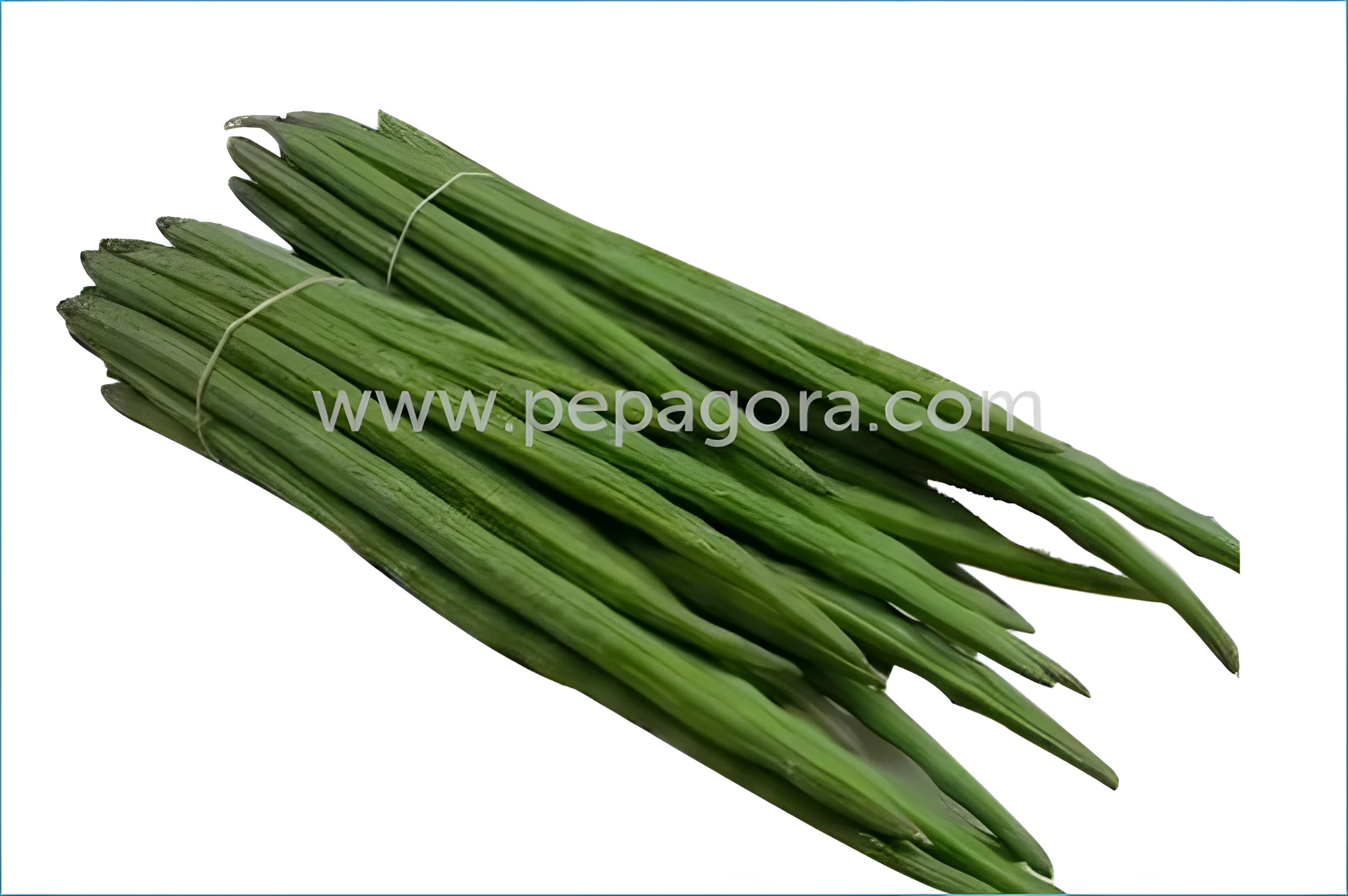
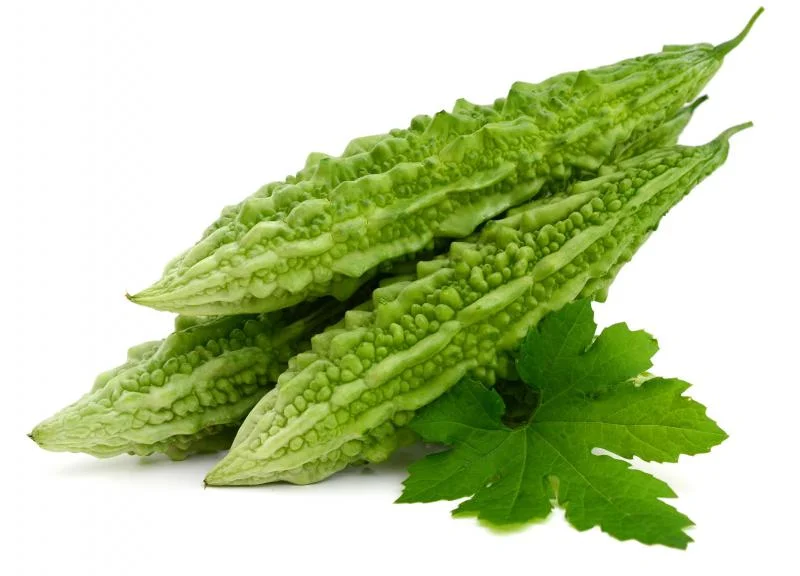
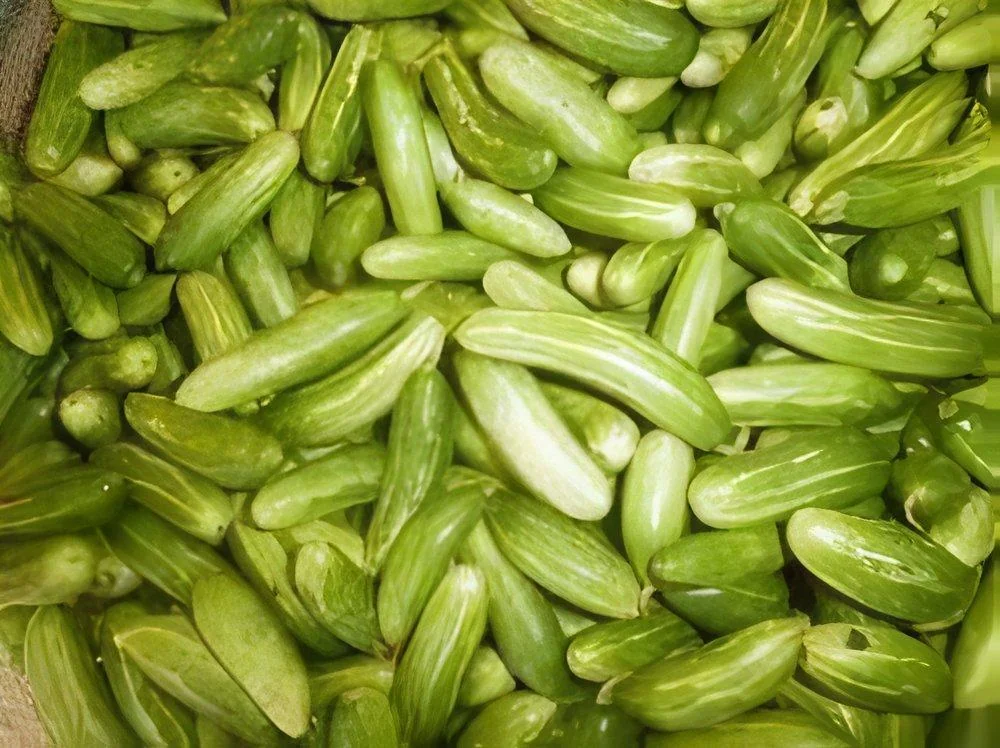
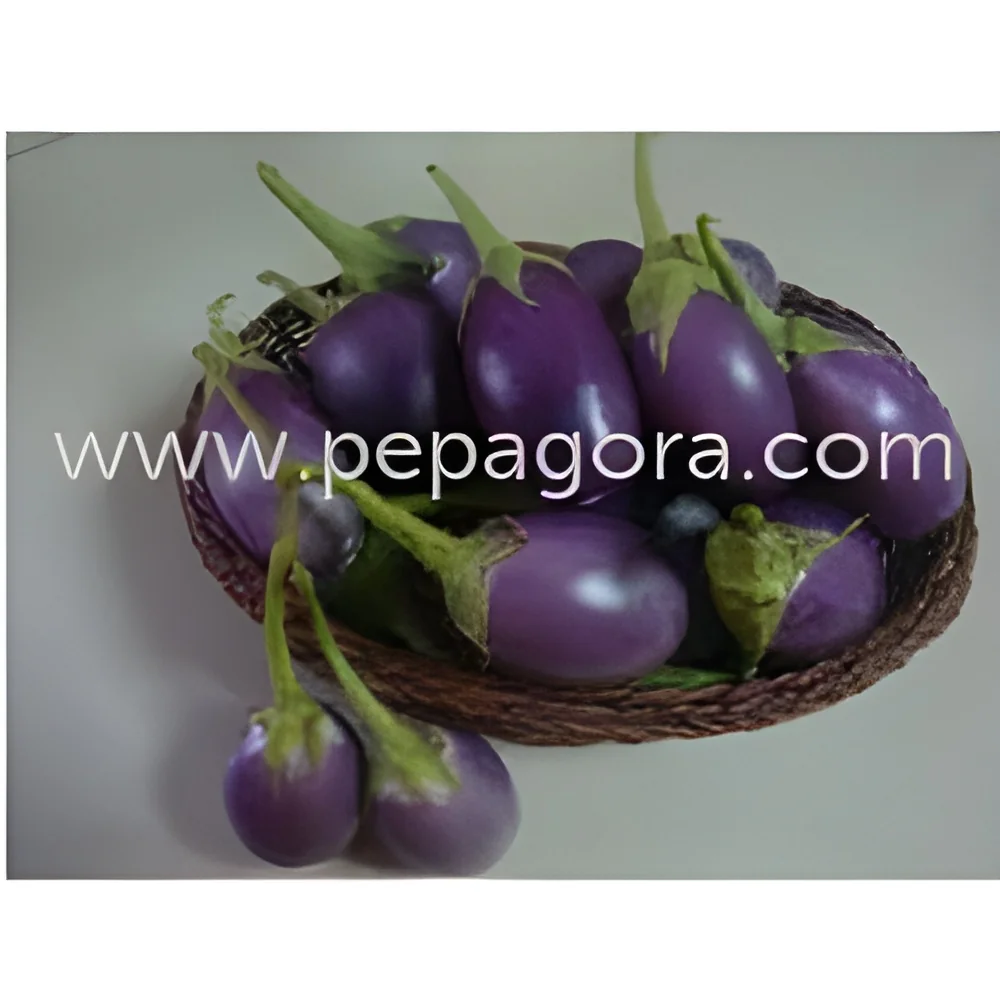
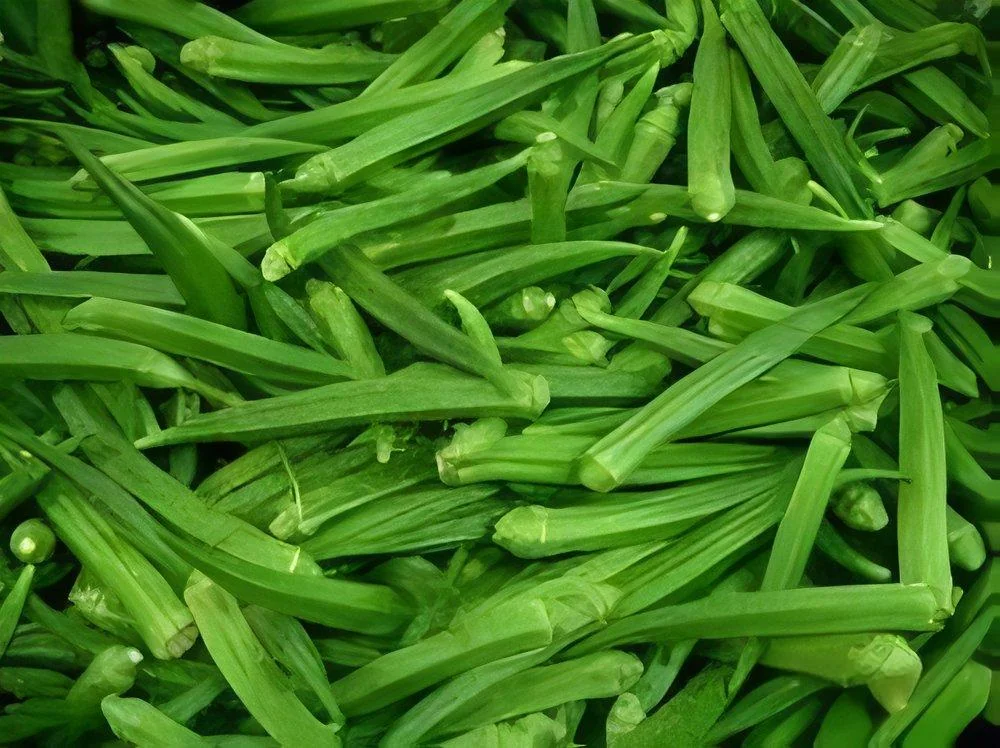
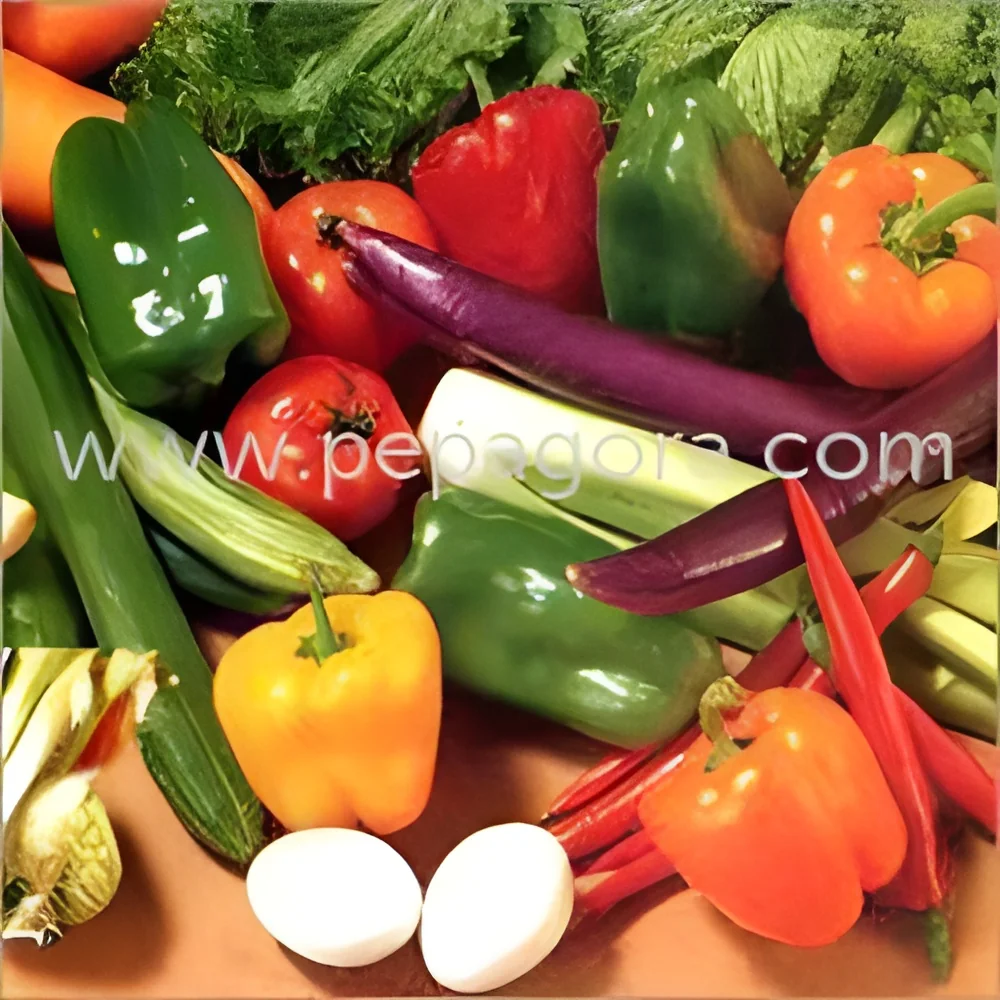
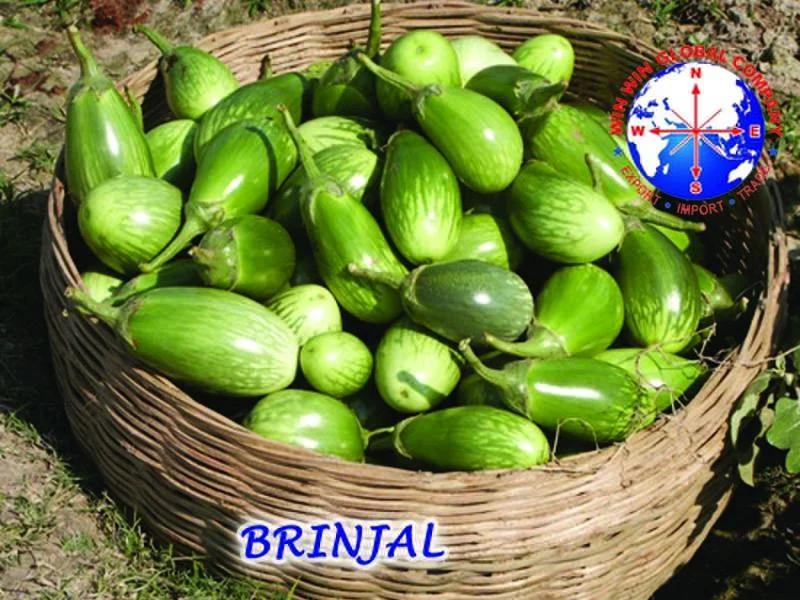
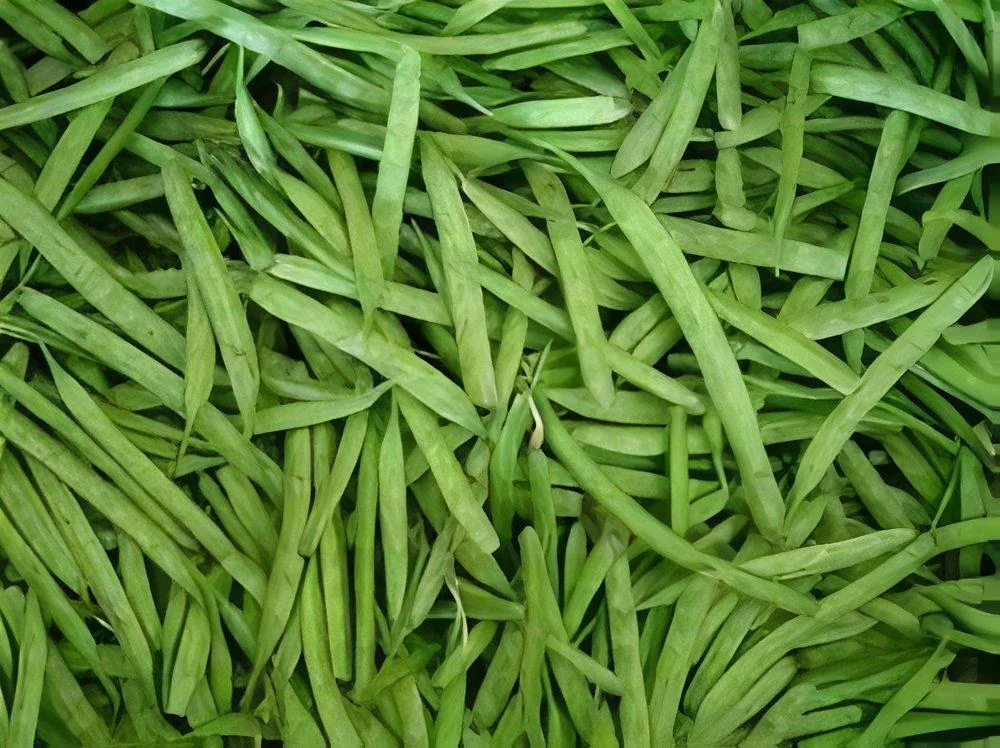
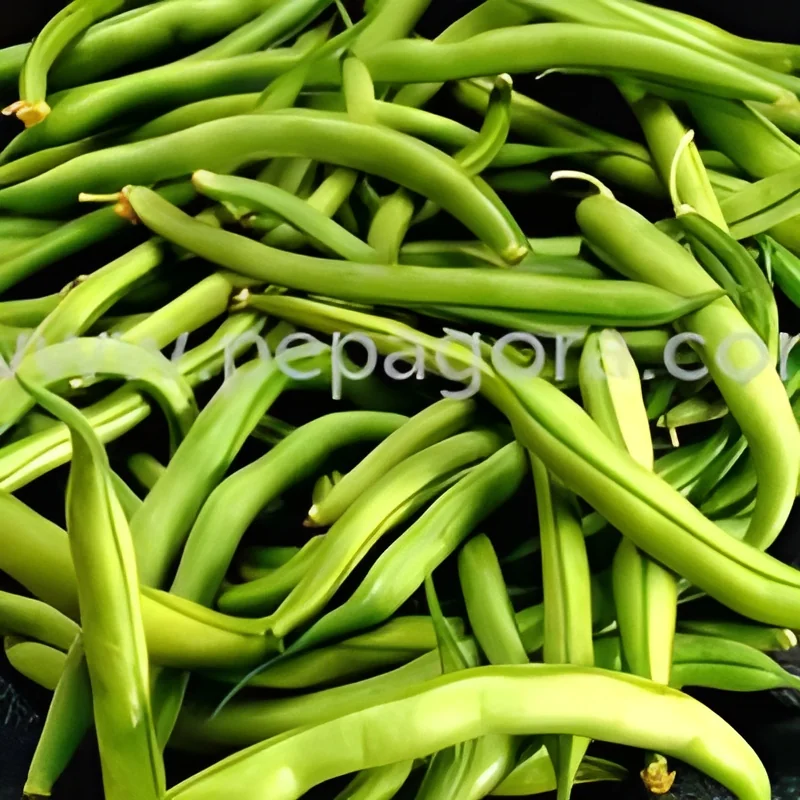
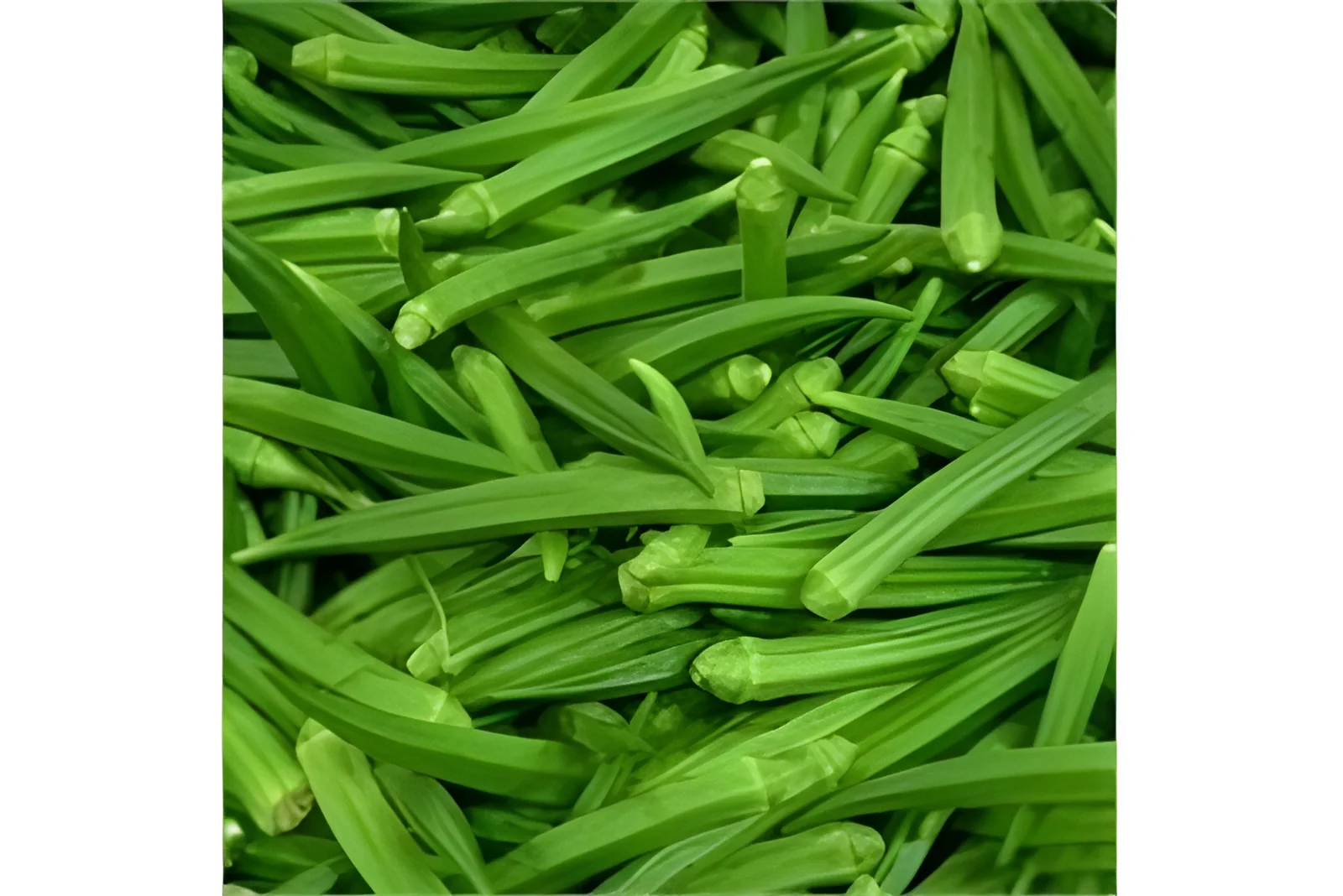
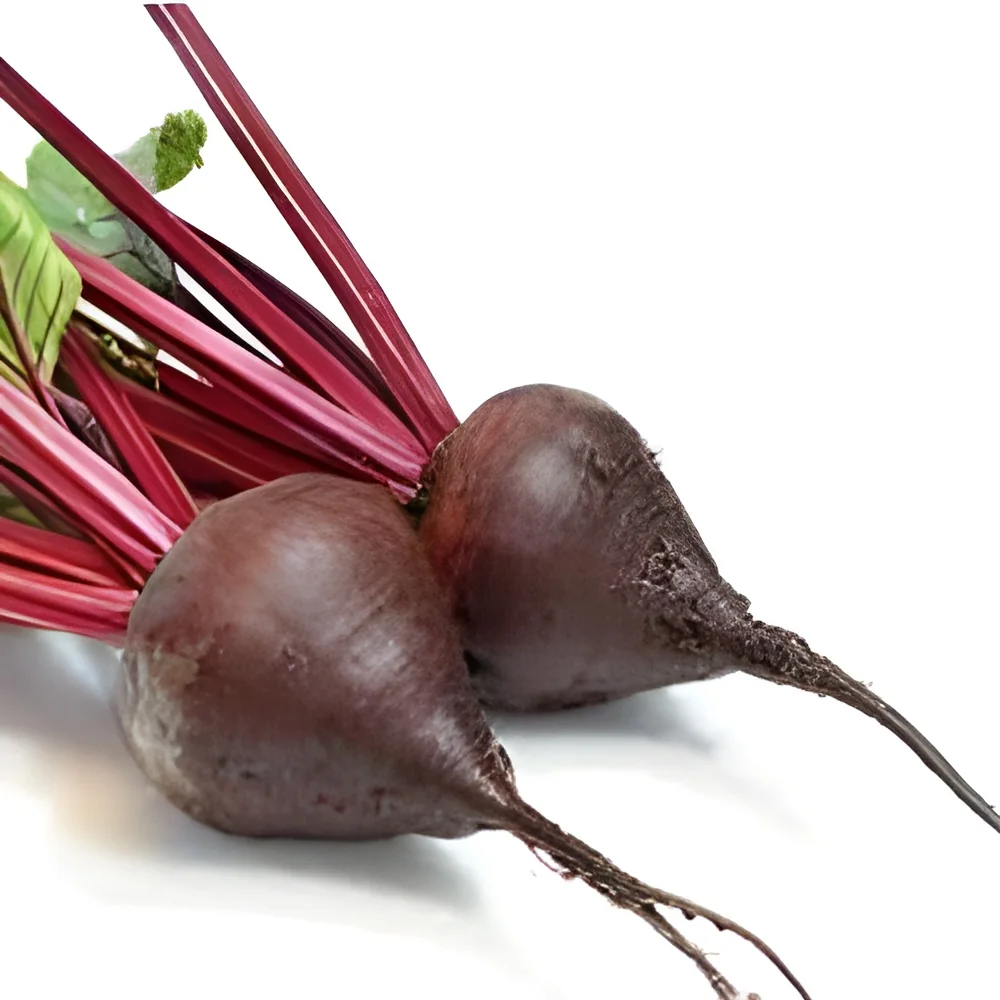
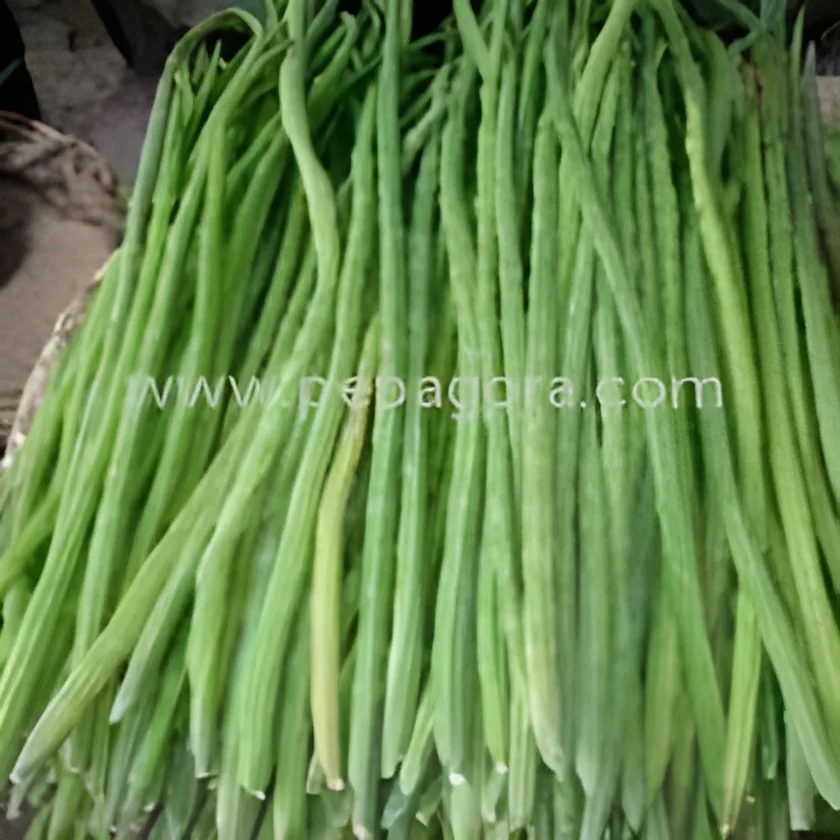
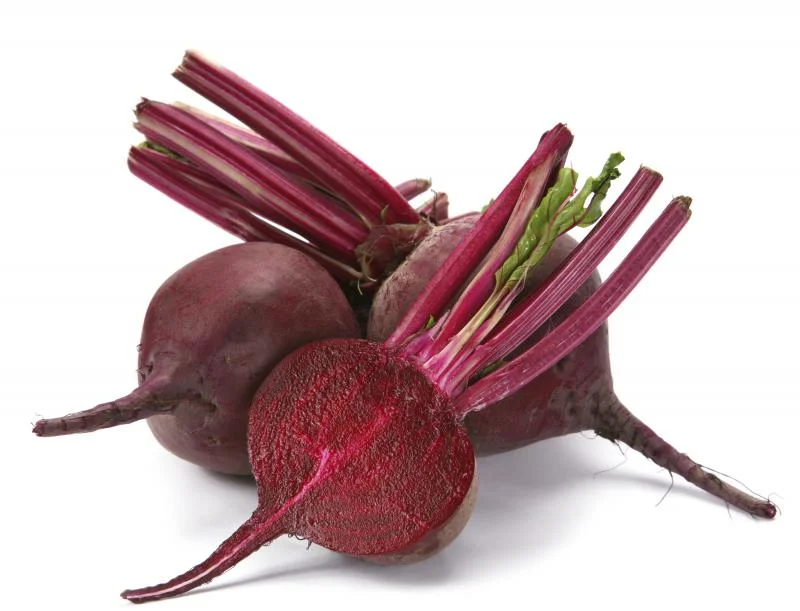
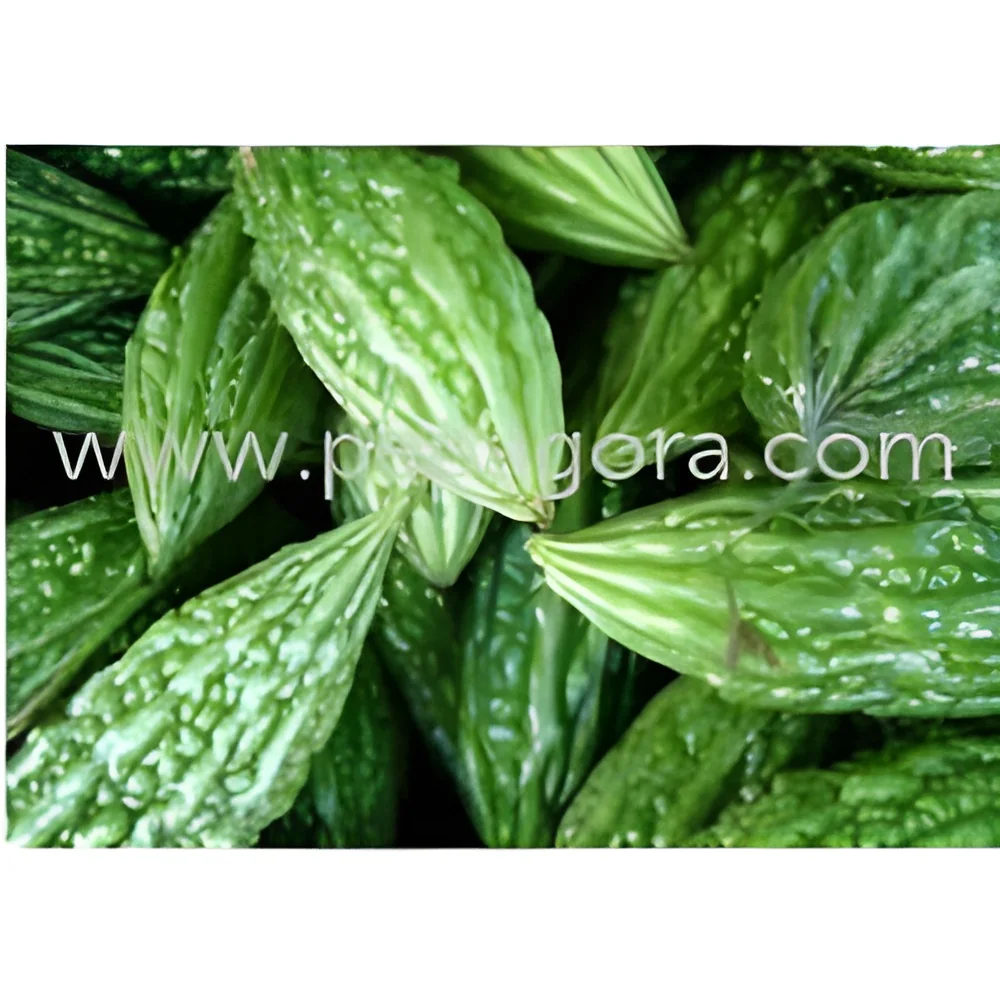
A variety of seasonal vegetables can be sourced from local farms, ensuring freshness and flavor. Popular choices may include tomatoes, cucumbers, and leafy greens.
Fruits
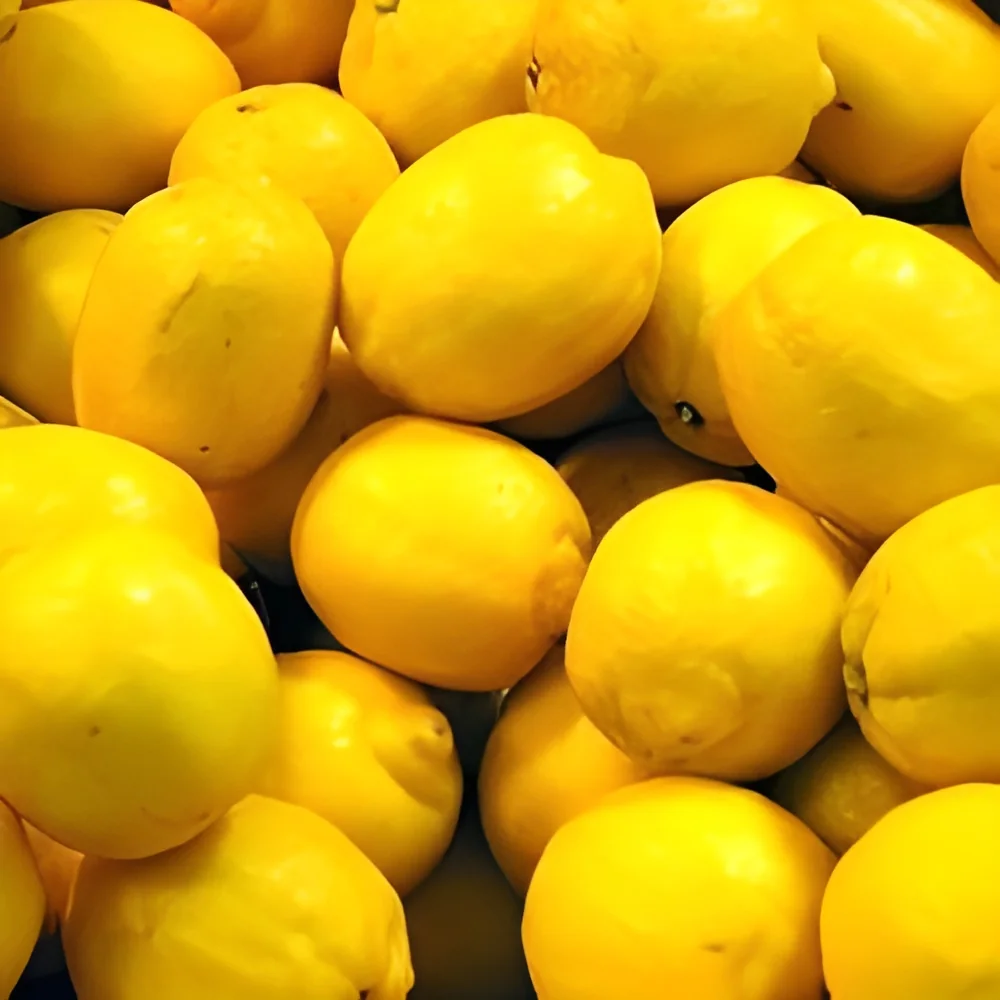
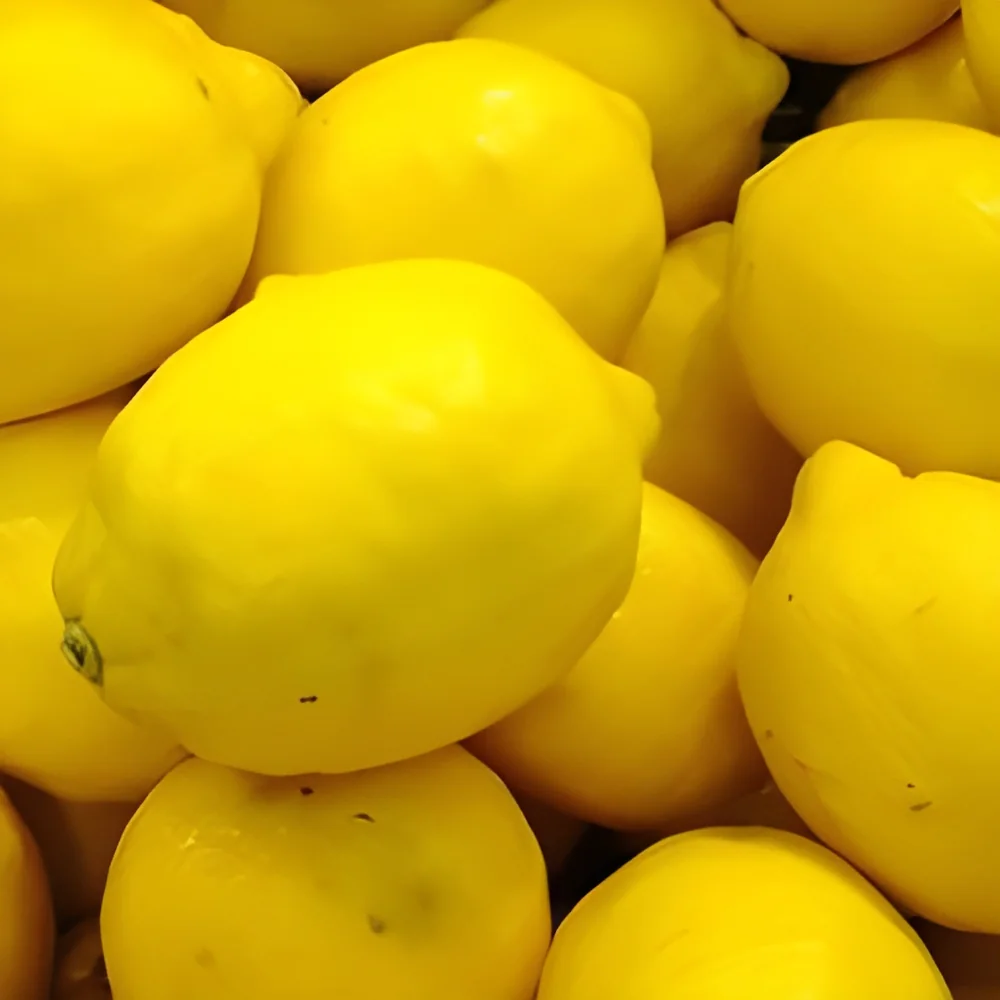
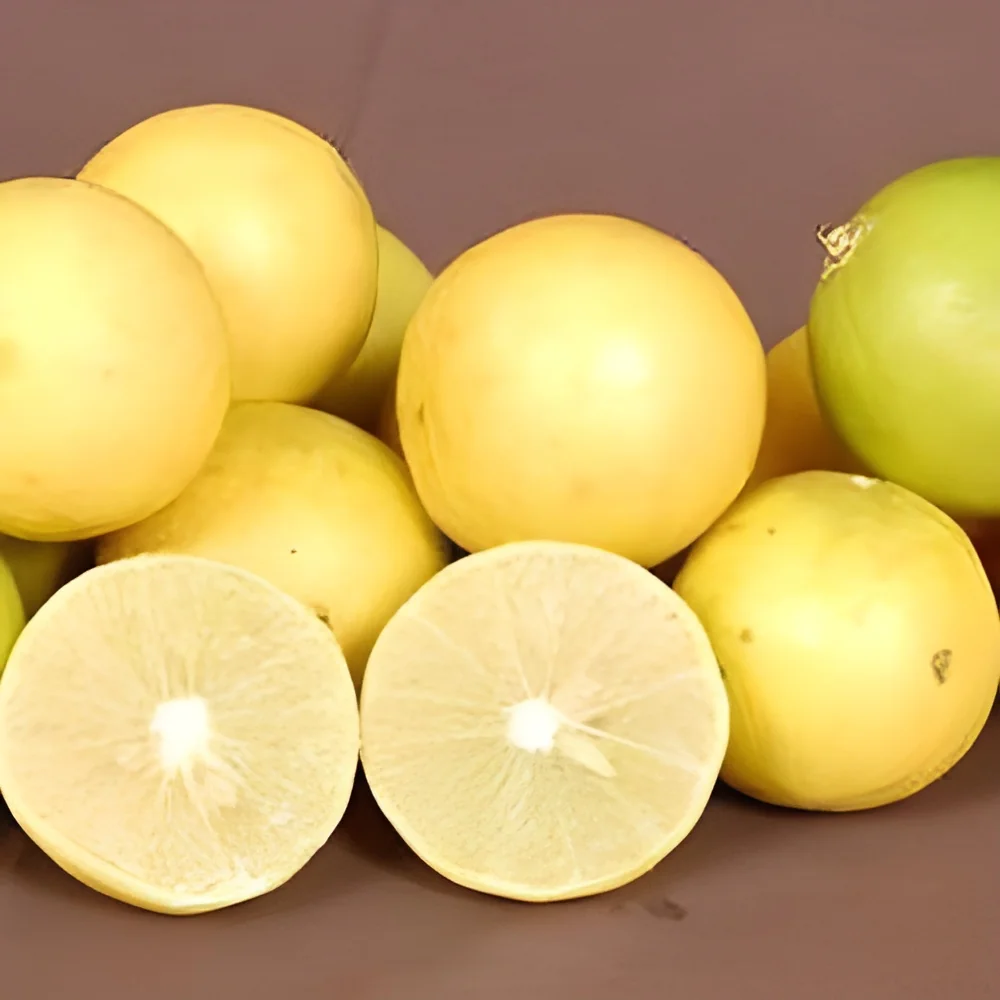
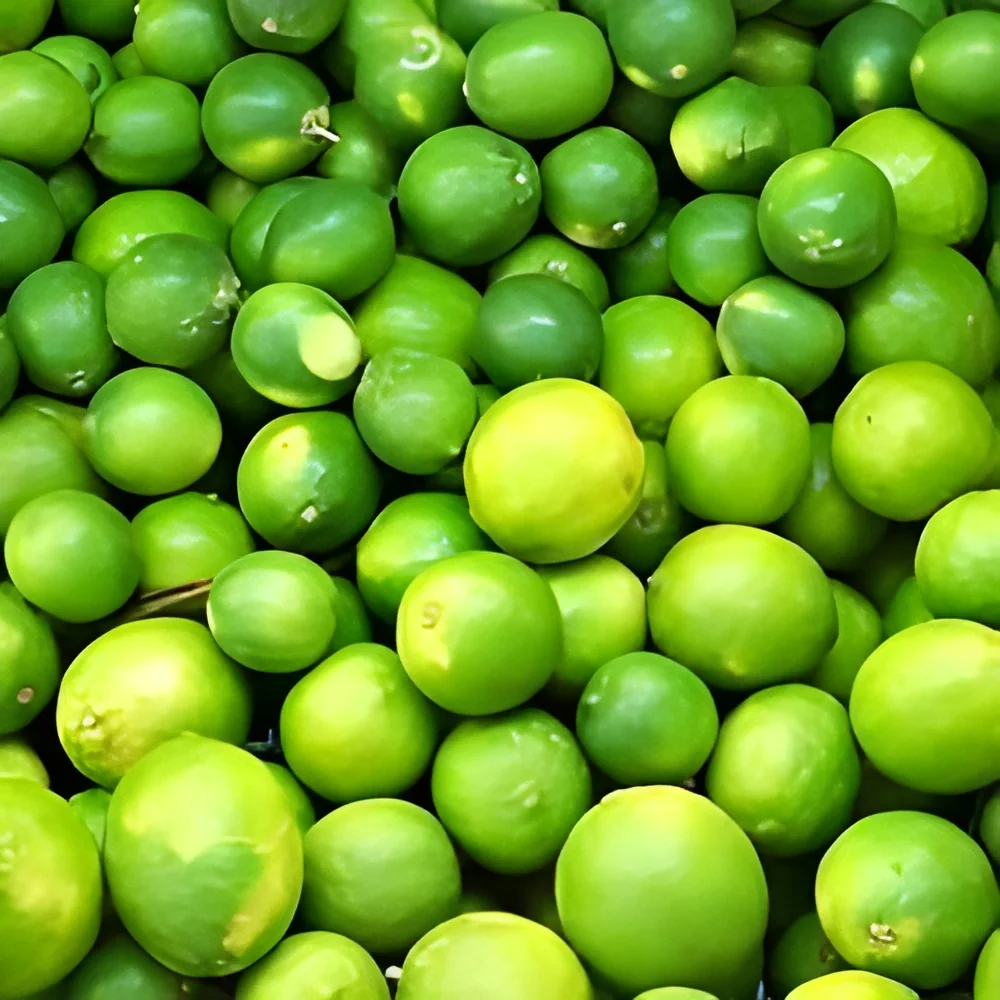
Local fruits are often harvested at peak ripeness, enhancing taste and nutritional content. Common offerings include apples, berries, and stone fruits.
Herbs
Fresh herbs sourced locally can elevate culinary dishes. Options may include basil, cilantro, and rosemary, providing vibrant flavors.
Dairy Products
Locally sourced dairy, such as milk, cheese, and yogurt, can provide superior taste and quality, appealing to consumers seeking fresh dairy options.
Meat and Poultry
Farm-raised meats and poultry are available from local sources, with an emphasis on humane practices and higher quality standards.
Benefits and Advantages
Sourcing Farm Fresh & Locally Sourced products offers numerous benefits for businesses.
Key benefits include:
1. Enhanced Freshness: Products are harvested at peak ripeness, ensuring superior taste and quality.
2. Support for Local Economy: Purchasing from local farmers boosts the community's economy and promotes sustainable practices.
3. Reduced Environmental Impact: Shorter transportation distances lead to lower carbon emissions and a smaller overall footprint.
4. Increased Customer Loyalty: Offering locally sourced products can attract and retain customers who prioritize sustainability and quality.
5. Seasonal Variety: Businesses can provide unique offerings that change with the seasons, enhancing menu creativity and consumer interest.
6. Transparency in Sourcing: Clear information about product origins builds trust with consumers who value ethical sourcing.
Buying Guide for B2B Buyers
When sourcing Farm Fresh & Locally Sourced products, there are several important factors to consider.
1. Quality Assessment: Evaluate the quality of the products by checking for certifications and conducting taste tests. Freshness is crucial, so look for suppliers who prioritize immediate delivery after harvest.
2. Supplier Verification: Vet suppliers by reviewing their practices and certifications. Establish relationships with reputable local farms that follow sustainable and ethical farming methods.
3. Pricing and MOQ: Understand the pricing structures and minimum order quantities. Compare costs among different suppliers to ensure competitive pricing while maintaining quality.
4. Delivery and Lead Times: Confirm the logistics of delivery, including lead times. Reliable suppliers should offer consistent schedules to meet business demands.
5. Compliance Requirements: Ensure that products meet local and regional regulatory standards. Familiarize yourself with any necessary certifications or quality standards relevant to your market.
Compliance and Certifications
Farm Fresh & Locally Sourced products must adhere to various compliance standards to ensure safety and quality.
Relevant quality standards include ISO 9001, which governs quality management systems, and HACCP (Hazard Analysis Critical Control Points), focusing on food safety management. Compliance with Good Distribution Practices (GDP) is also critical for maintaining the integrity of fresh products during transportation.
Industry certifications such as CE indicate that products meet European health, safety, and environmental protection standards. These certifications can enhance consumer confidence in the quality of the products offered.
Safety and testing requirements may vary by region, but it is essential for businesses to ensure that their suppliers meet all necessary regulations. Additionally, regional compliance considerations may include local agricultural standards and food safety laws that vary by country or state.
Why Source Farm Fresh & Locally Sourced from Pepagora?
Pepagora provides a trusted platform for sourcing Farm Fresh & Locally Sourced products with several key advantages.
Verified Supplier Network: Pepagora connects businesses with a network of verified suppliers, ensuring that all products meet quality standards and are sourced ethically.
Streamlined RFQ Process: The platform features a user-friendly request for quotation (RFQ) system that simplifies the procurement process, allowing buyers to easily compare offers from different suppliers.
Trade Assurance and Support: Pepagora offers trade assurance and support services, providing buyers with protection and assistance throughout the purchasing process to ensure satisfaction.
Regional Coverage: With a strong presence in India, the GCC, and Southeast Asia, Pepagora enables businesses to access a wide range of Farm Fresh & Locally Sourced products, supporting both local and international supply chains.

 IN
IN