What are Potatoes?
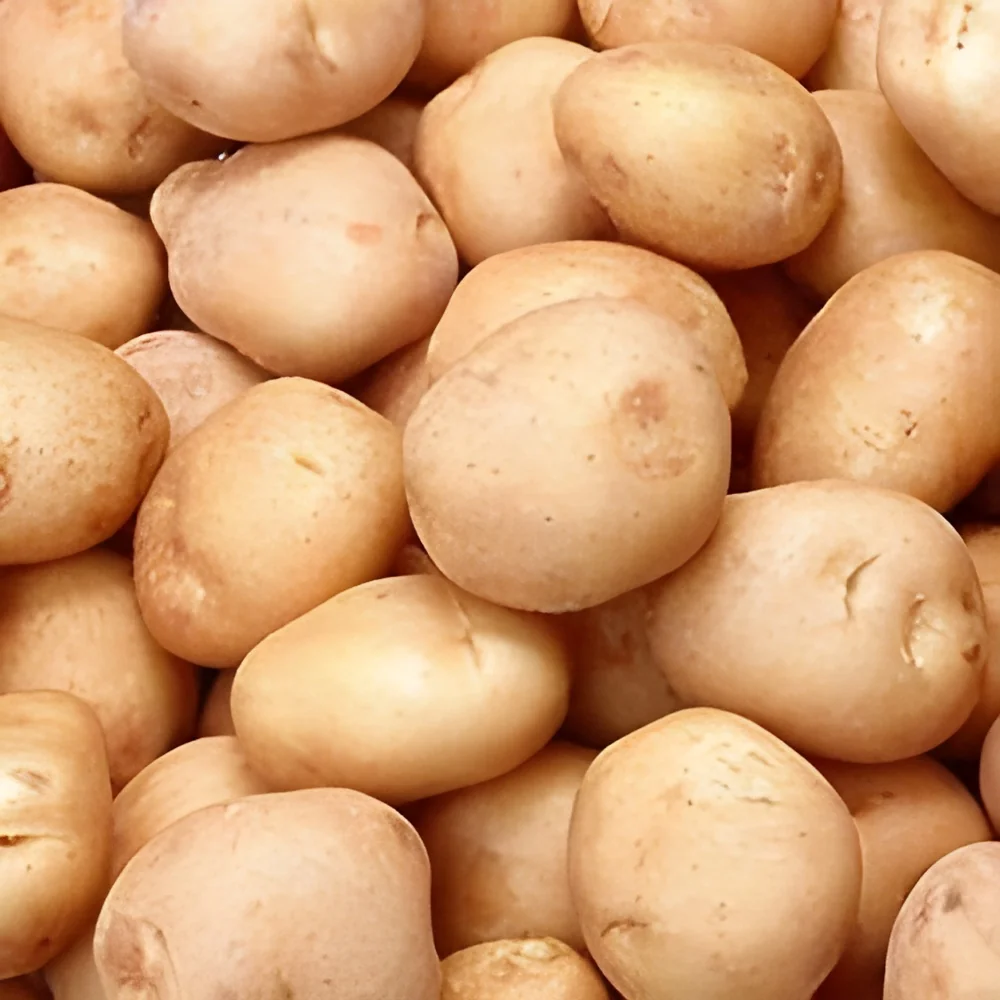
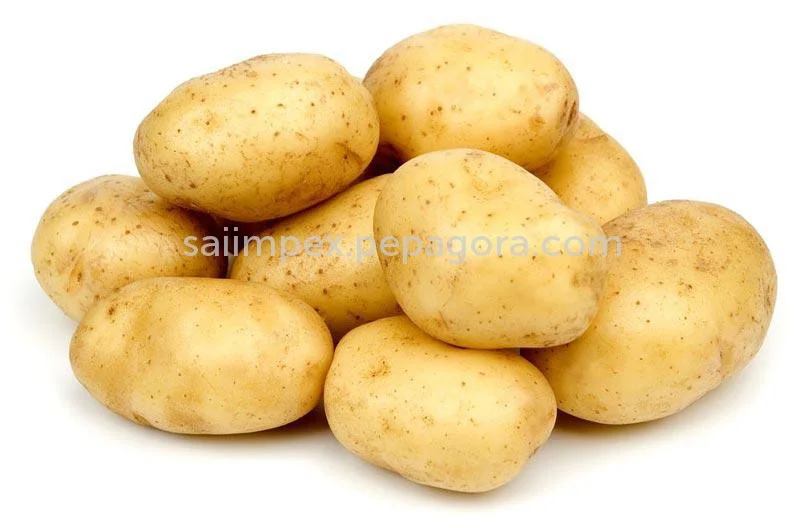
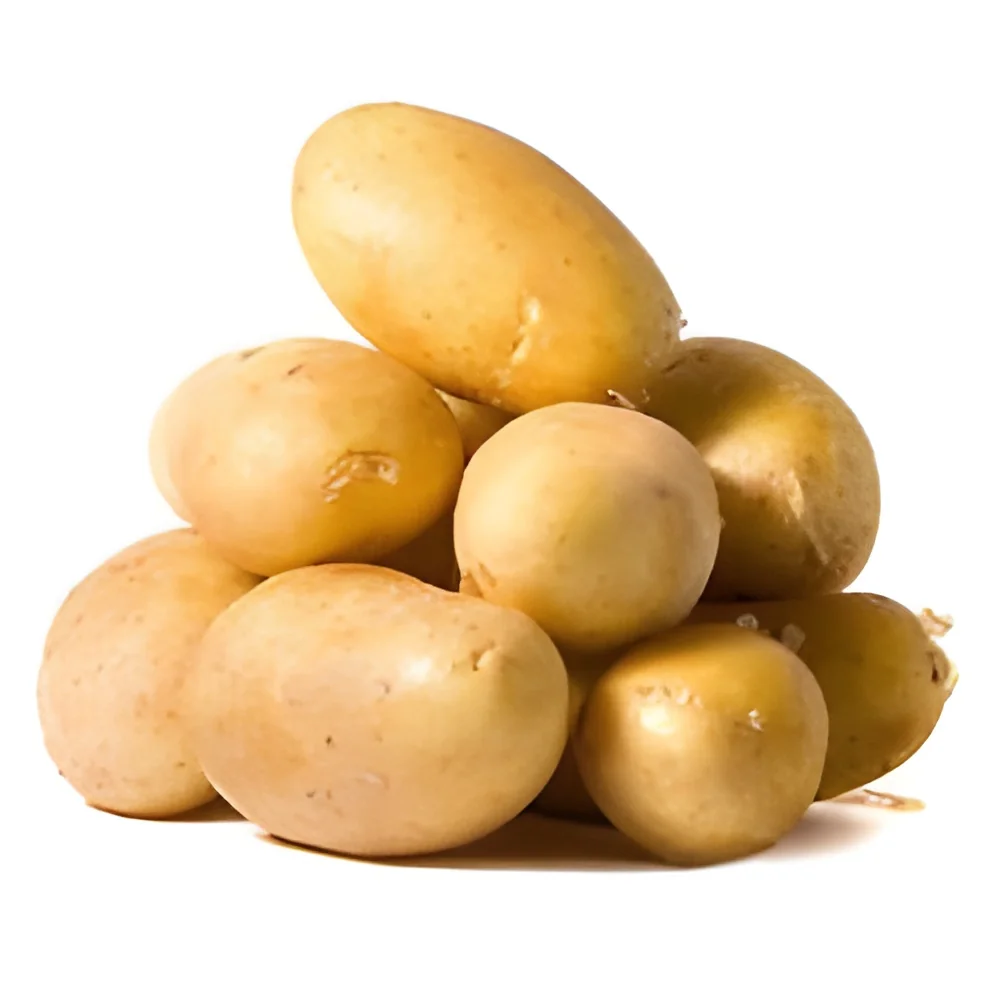
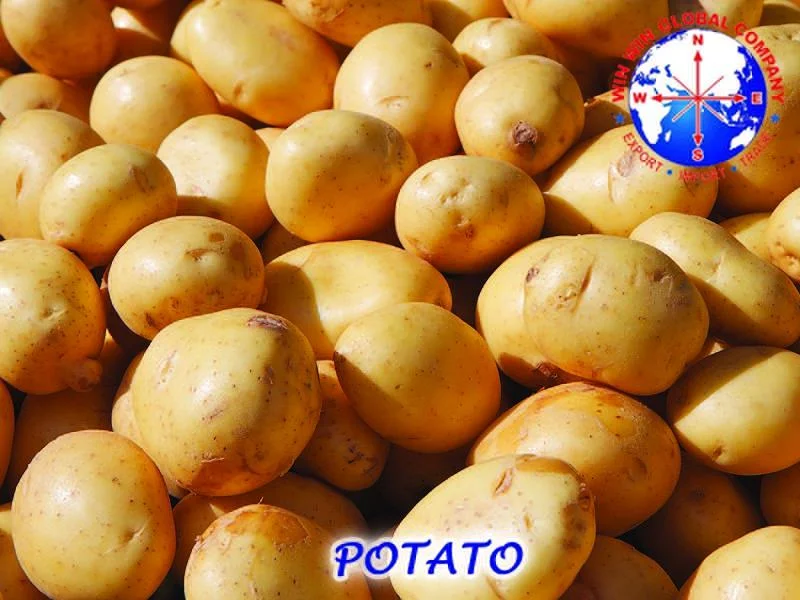
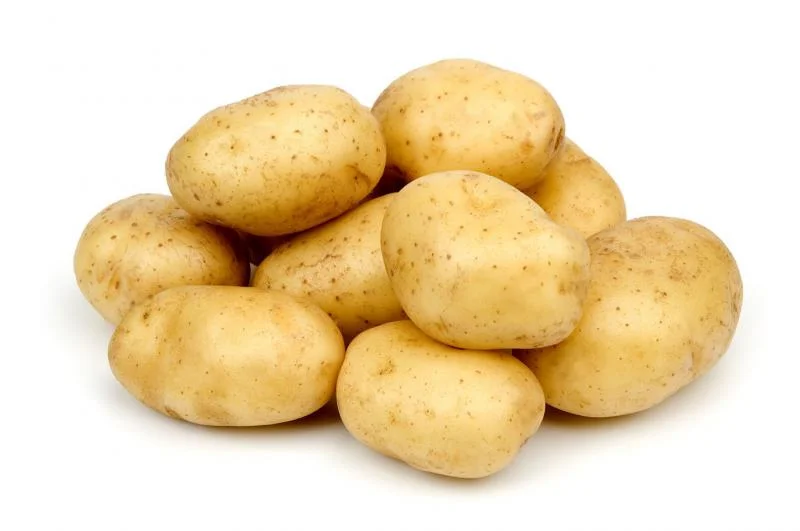
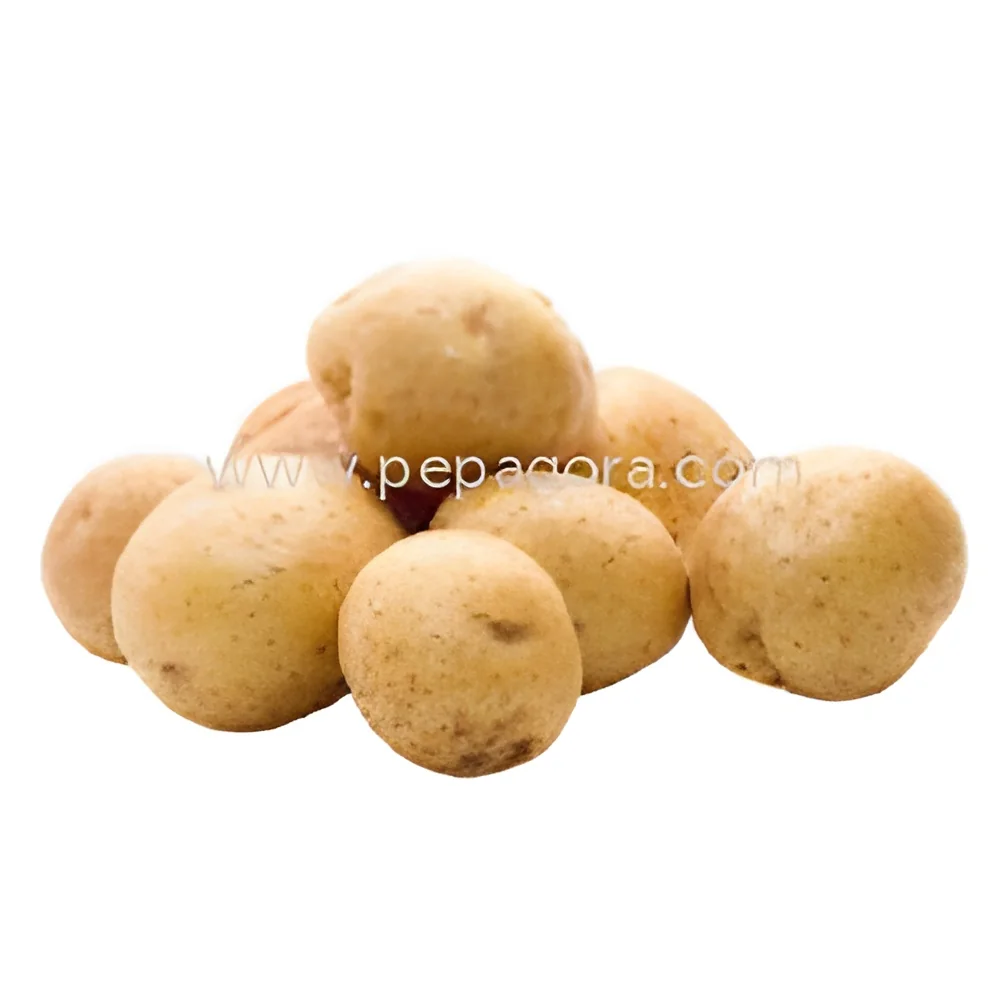
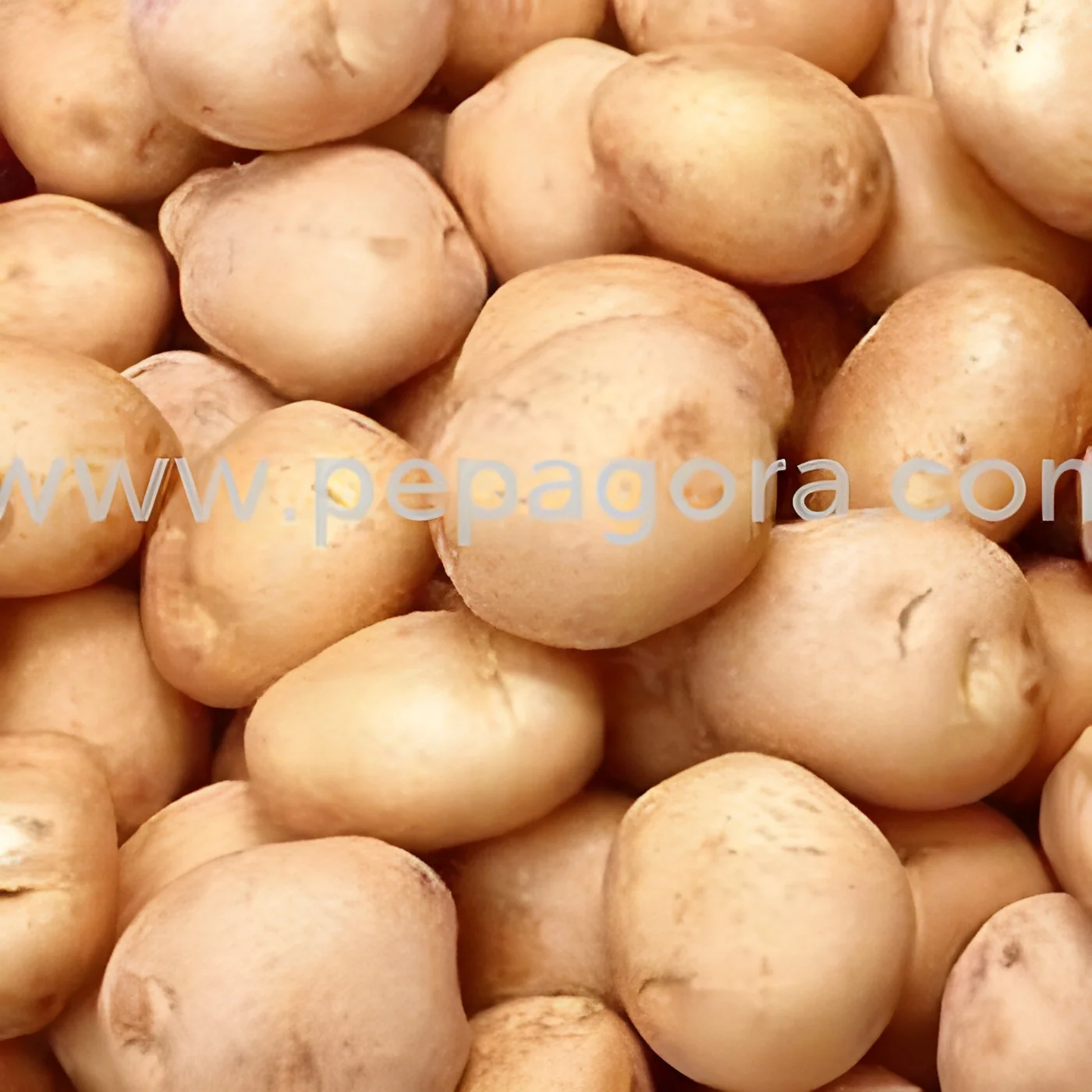
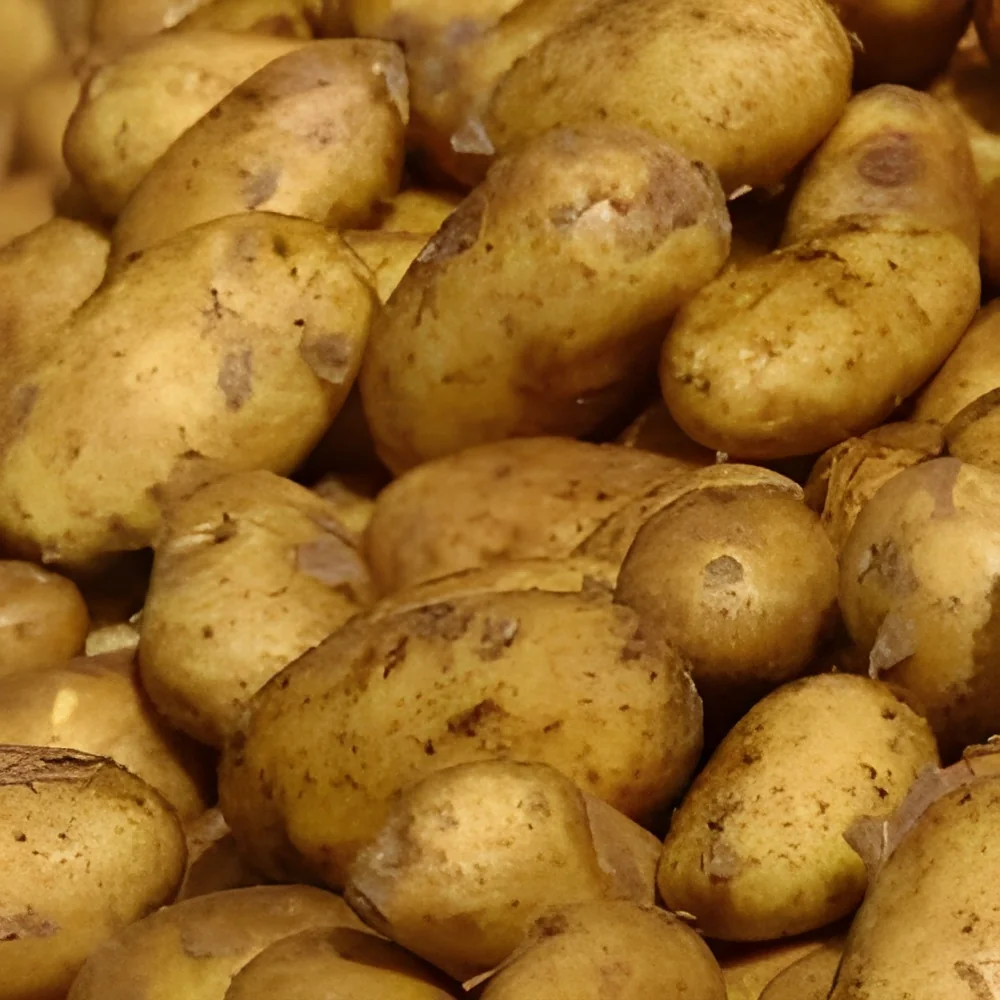
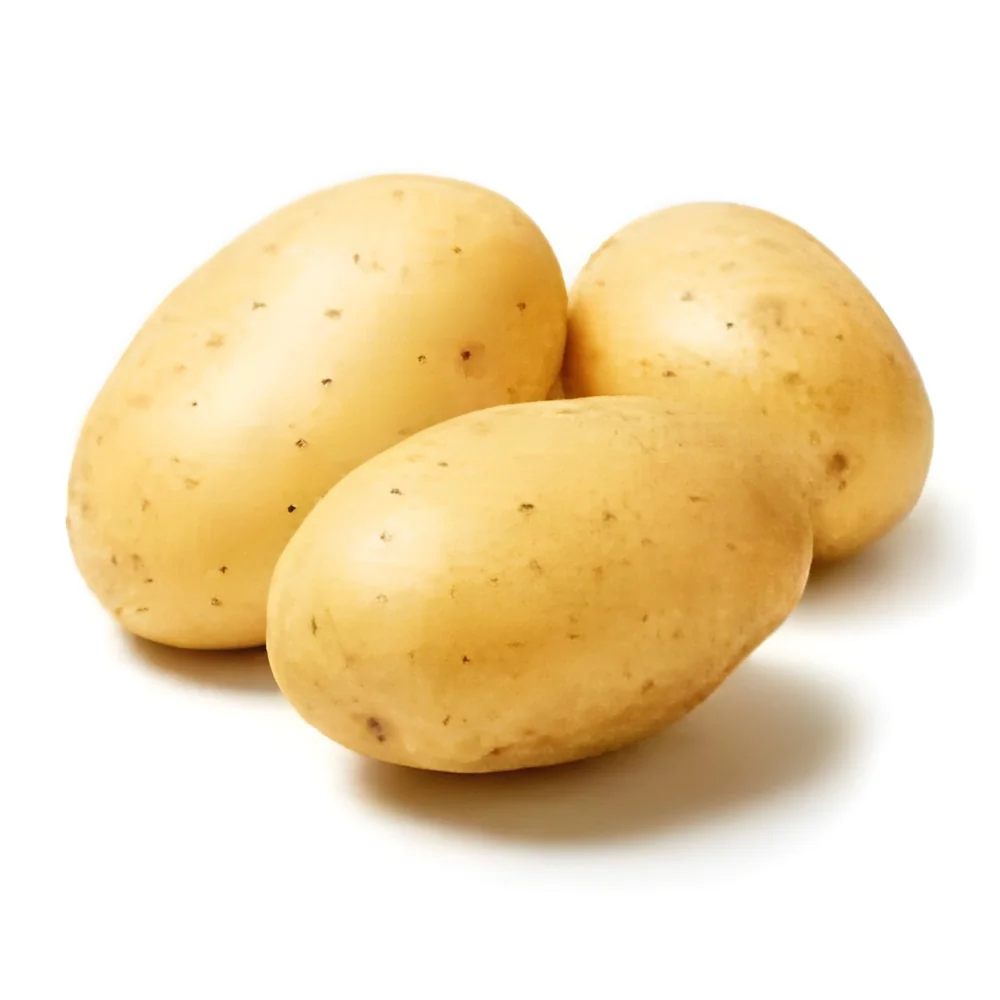
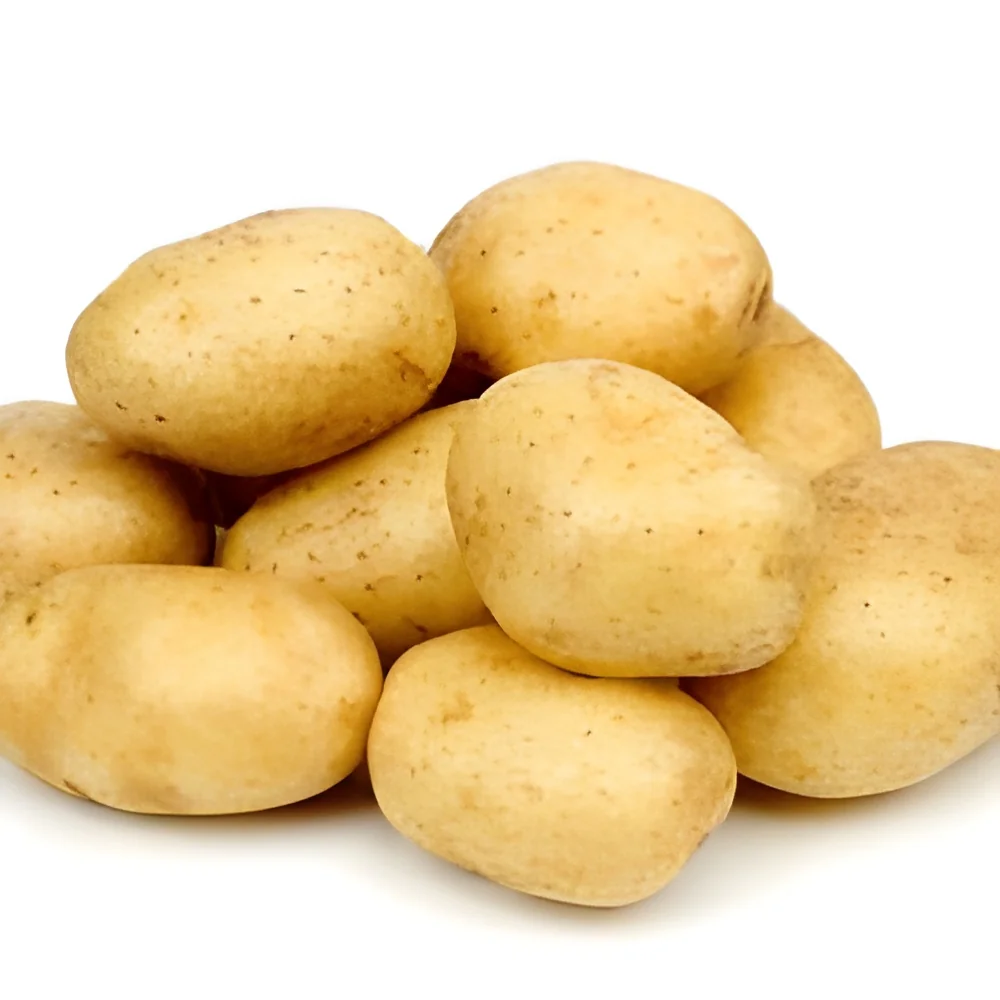
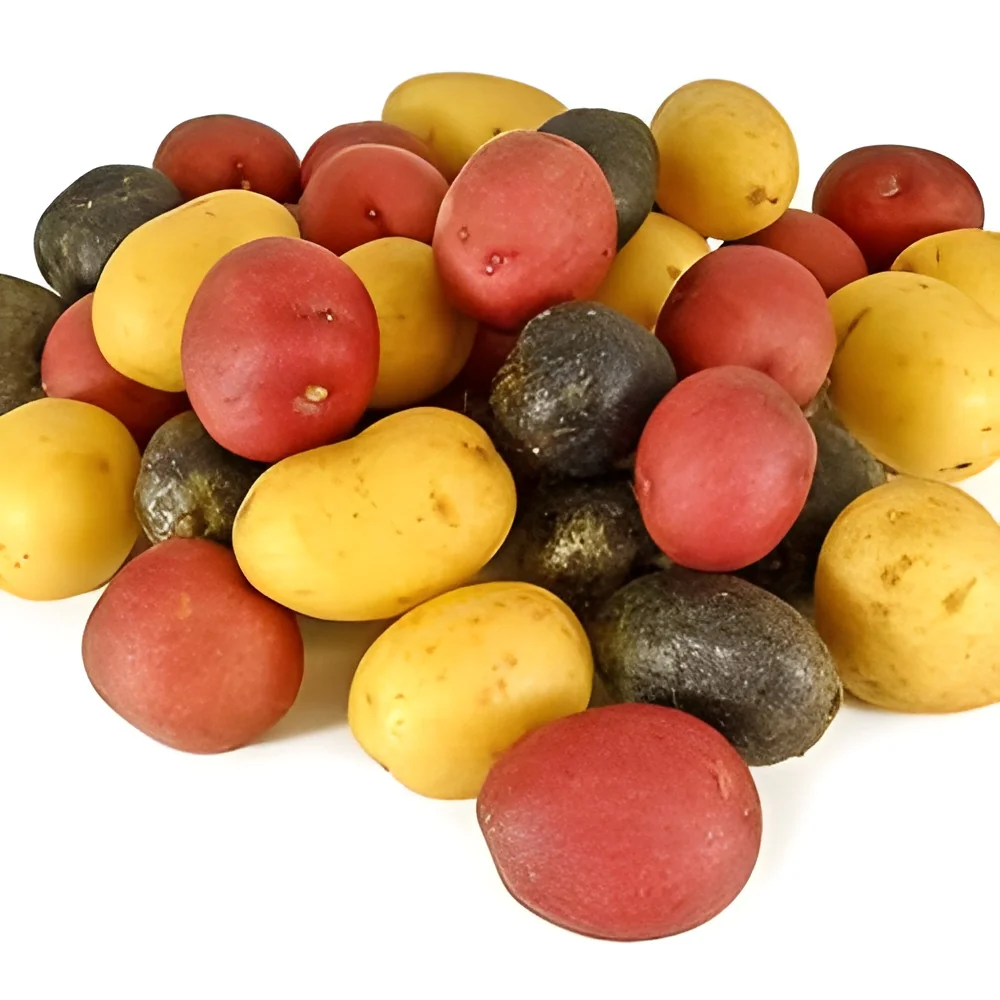
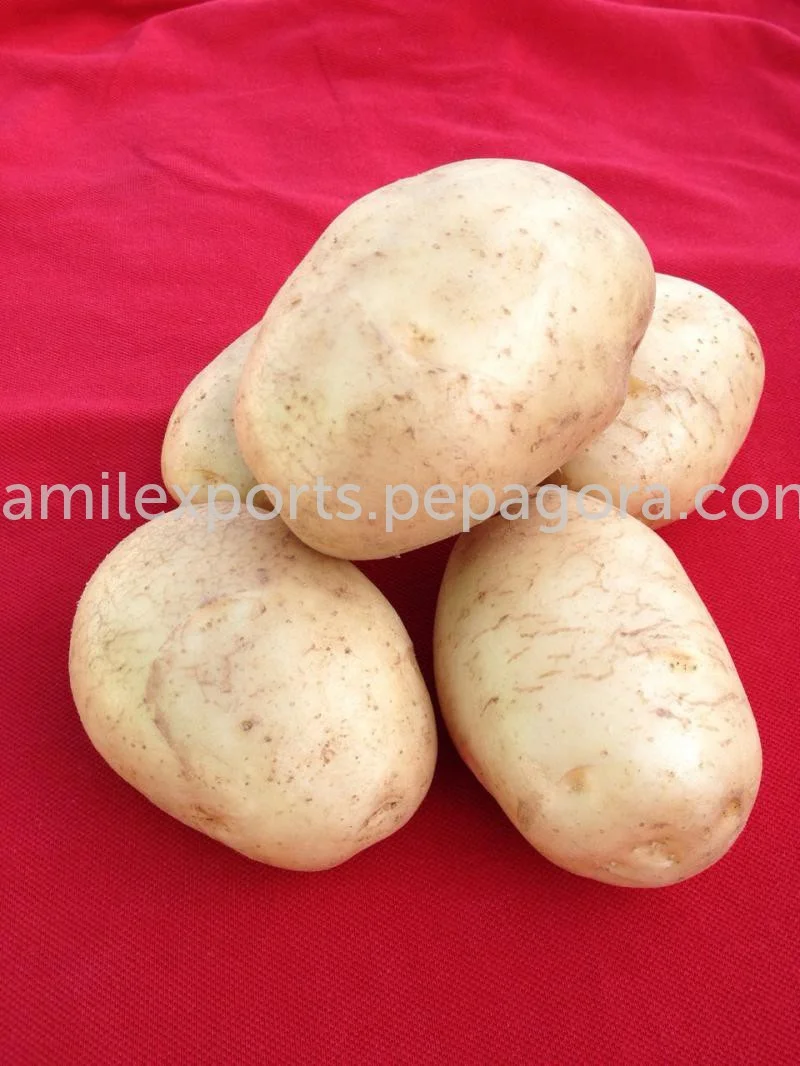
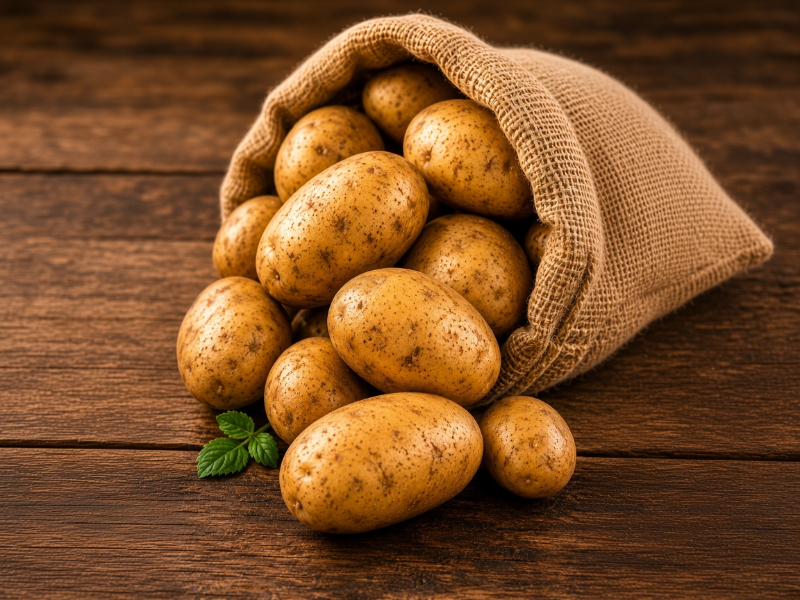
Potatoes are starchy tubers that belong to the Solanaceae family. They are one of the most widely cultivated root vegetables globally, known for their versatility and nutritional value. Potatoes grow underground and are typically harvested in various sizes and colors, ranging from white and yellow to red and purple. These tubers have a high carbohydrate content and are a rich source of vitamins, minerals, and dietary fiber, making them essential to diets worldwide.
In the B2B context, potatoes are primarily used in food production, processing, and culinary applications. They can be sold fresh, frozen, dehydrated, or processed into various products such as chips, fries, and flours. Many industries, including food service, retail, and agriculture, rely on potatoes for their cost-effectiveness and nutritional benefits. The potato market has seen consistent growth, driven by evolving consumer preferences and increased demand for processed potato products.
Key Features and Specifications
Potatoes are characterized by several key features that define their quality and usability in various applications. Understanding these specifications is crucial for businesses looking to source potatoes effectively.
Key specifications include:
1. Size and Weight
- Potatoes come in various sizes, typically categorized as small, medium, and large.
- Average weight ranges from 100 to 300 grams per potato.
2. Color
- Potatoes can be found in several colors, including yellow, white, red, and purple.
- Color affects market preference and culinary applications.
3. Shape
- Common shapes include round, oval, and long varieties.
- Shape can influence cooking times and methods.
4. Skin Texture
- Skin can be smooth or rough, impacting aesthetic appeal and processing.
5. Starch Content
- Potatoes vary in starch levels, affecting texture and moisture retention.
- High-starch varieties are ideal for frying, while low-starch types are better for boiling.
6. Shelf Life
- Proper storage can extend shelf life, typically ranging from 2 to 6 months.
- Factors like temperature and humidity control are vital for maintenance.
7. Nutritional Content
- Potatoes are rich in carbohydrates, vitamins C and B6, potassium, and fiber.
- Nutritional value can vary depending on the variety and growing conditions.
In summary, understanding these specifications helps businesses select the right type of potatoes for their needs, ensuring quality and performance in their applications.
Common Applications and Use Cases
Potatoes serve various industries due to their versatility and nutritional benefits.
1. Food Processing: Potatoes are extensively used in food processing to create products like frozen fries, potato chips, and dehydrated potato flakes, catering to both retail and food service sectors.
2. Agriculture: Potatoes are cultivated on a large scale, serving as a staple crop in many regions. They contribute significantly to food security and local economies.
3. Culinary Uses: In restaurants and catering, potatoes are a popular ingredient used in various dishes, including mashed potatoes, baked potatoes, and potato salads, appealing to diverse consumer tastes.
4. Snack Food Industry: The snack food sector relies heavily on potatoes for creating chips and other processed snacks, which are in high demand among consumers.
5. Health and Nutrition: With a growing focus on health, potatoes are promoted as a nutritious food option, being gluten-free and rich in essential nutrients.
6. Biofuel Production: Some industries are exploring the use of potatoes in the production of biofuels, showcasing their potential beyond traditional food applications.
7. Animal Feed: In certain contexts, potatoes are processed and used as animal feed, providing a nutritious supplement for livestock.
Product Variants and Subcategories
Potatoes come in diverse varieties that cater to different preferences and applications in the market.
Yukon Gold
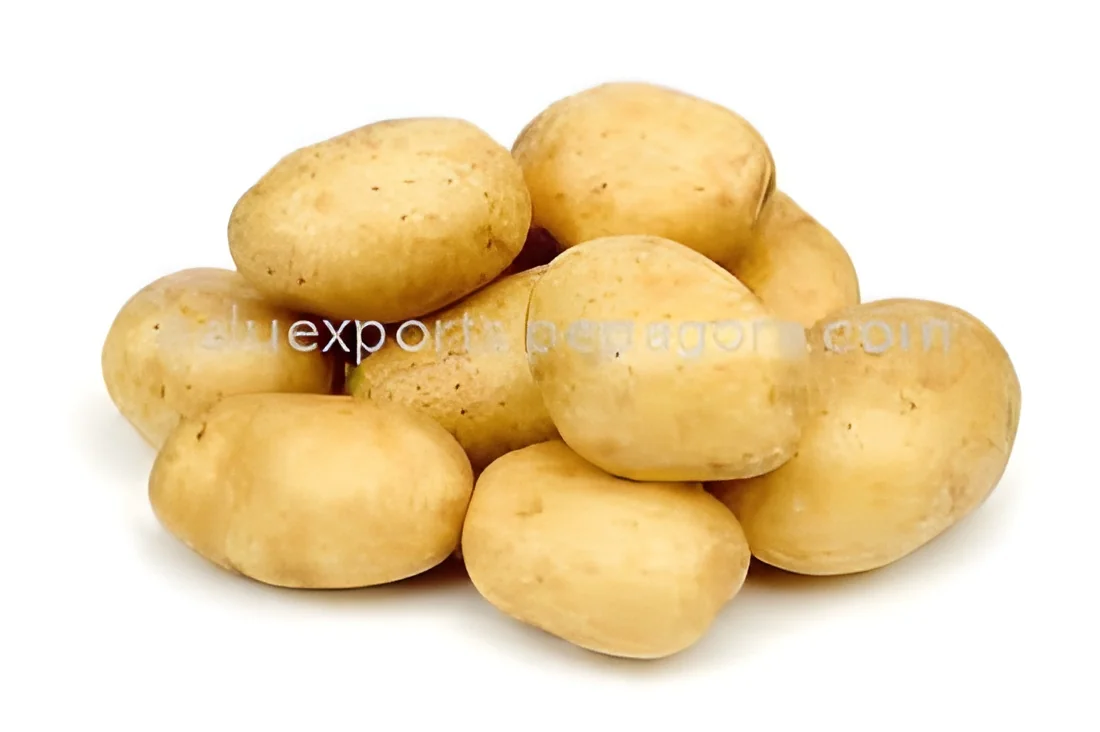
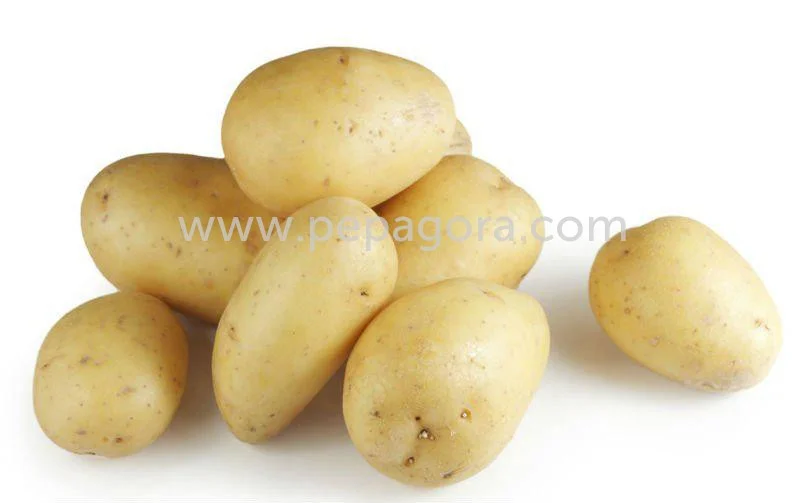
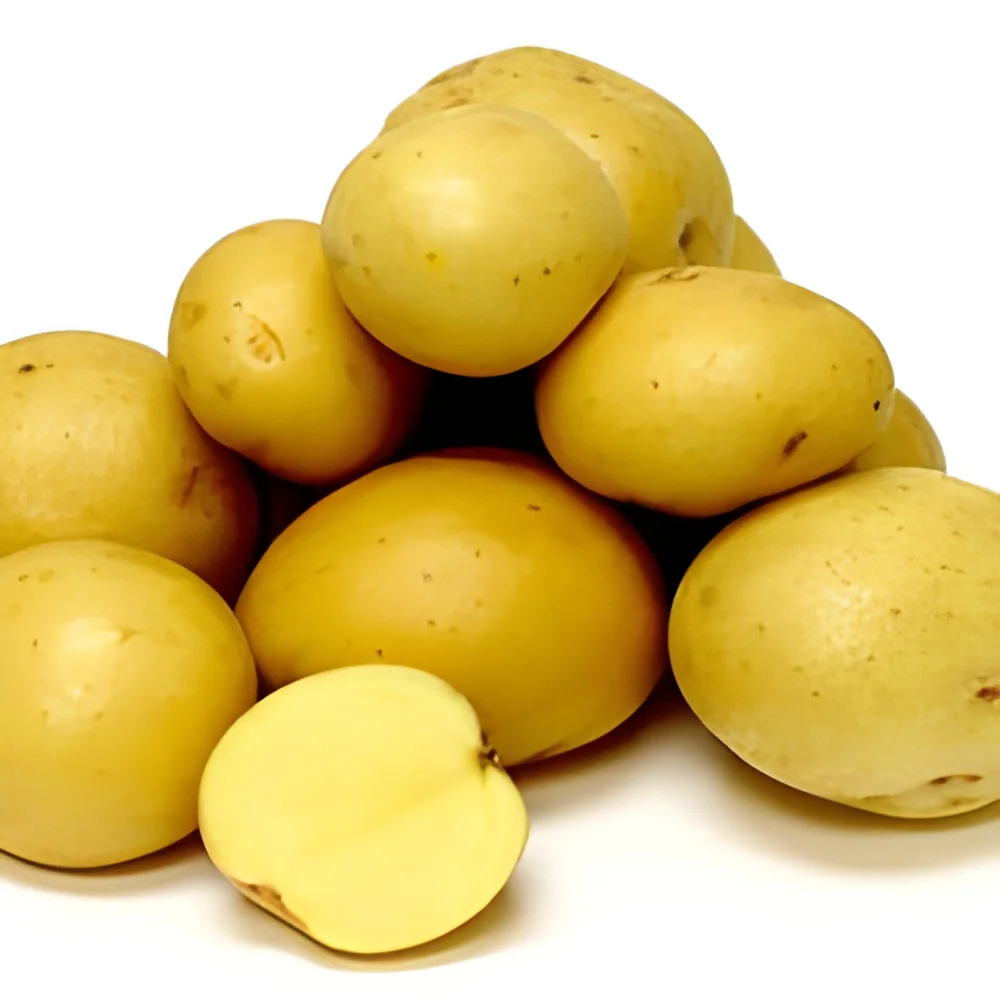
Yukon Gold potatoes are known for their smooth, yellow skin and buttery flavor. They are versatile for various cooking methods, including baking and frying, making them a favorite among chefs and home cooks alike.
Russet
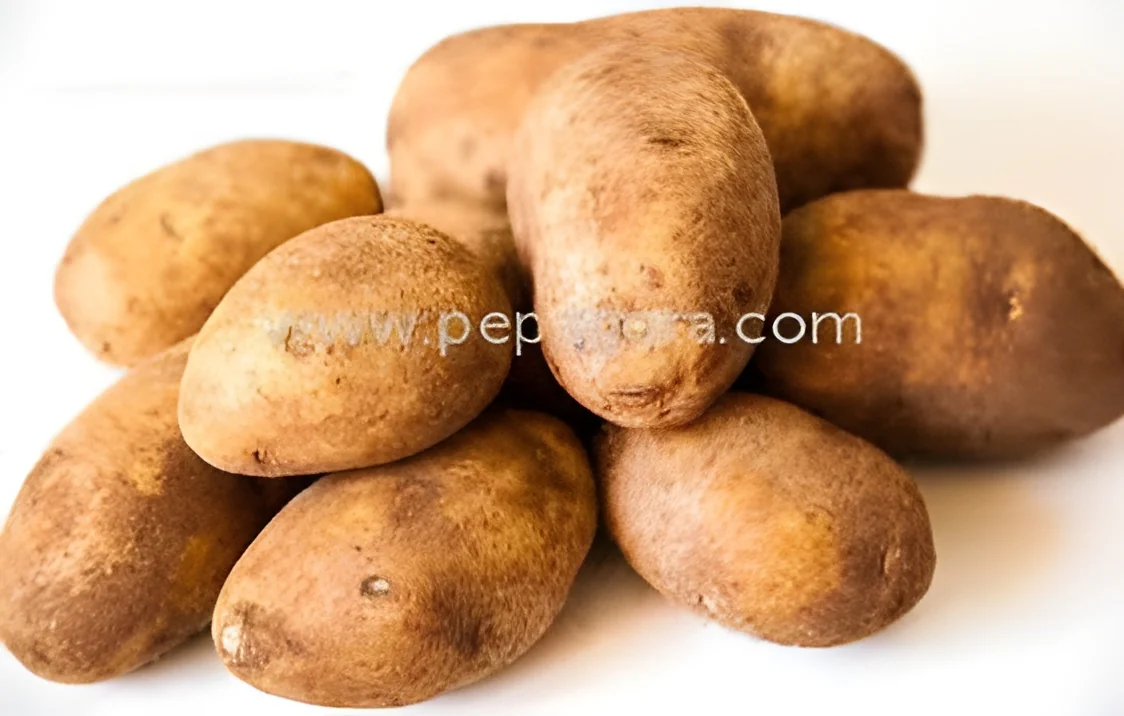
Russet potatoes are characterized by their rough brown skin and high starch content. They are ideal for baking and frying, often used in restaurants for fries and baked potato dishes.
Red Potatoes
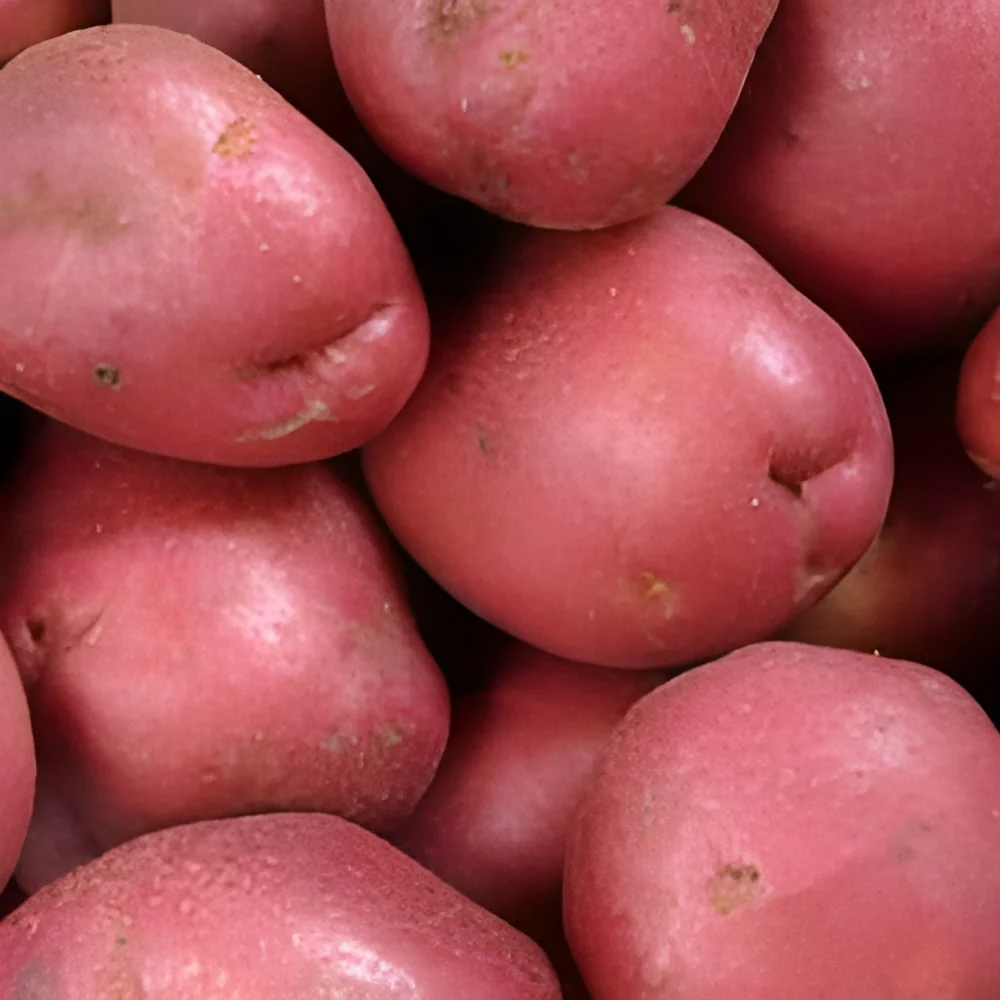
Red potatoes have a smooth red skin and a waxy texture. They are commonly used in salads and soups due to their ability to hold their shape during cooking.
Fingerling Potatoes
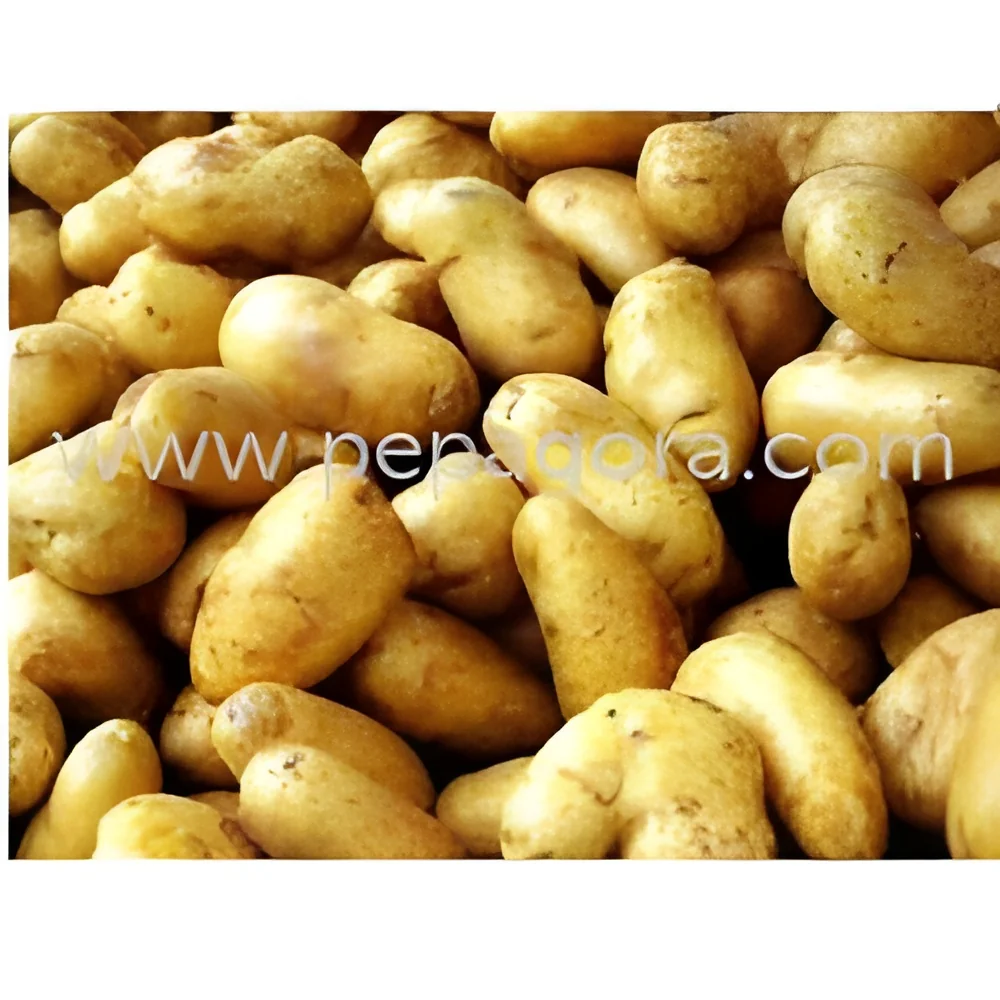
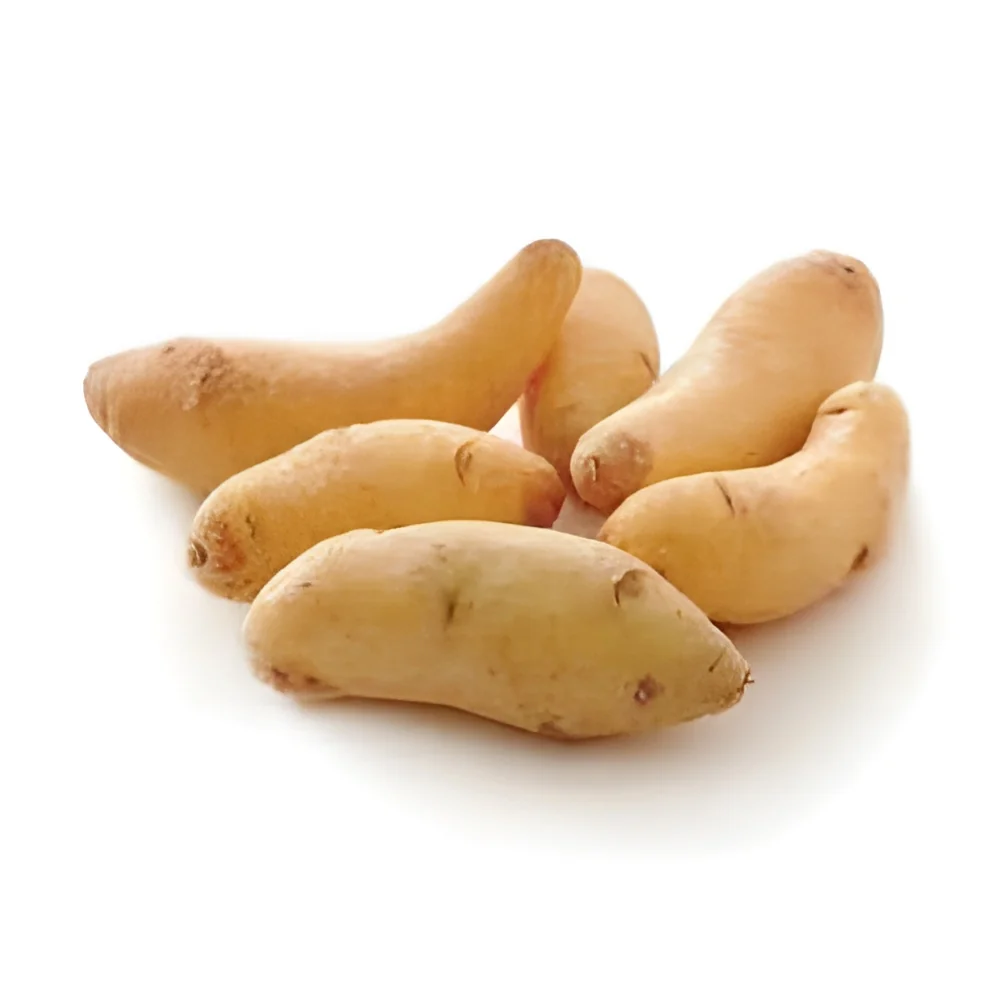
Fingerling potatoes are small, elongated tubers that come in various colors. They are prized for their unique appearance and are often used in gourmet dishes.
New Potatoes
New potatoes are young, small potatoes harvested early in the season. They are tender, flavorful, and often used in salads and light recipes.
Benefits and Advantages
Sourcing potatoes offers numerous benefits for businesses in various sectors.
Key benefits include:
1. Nutritional Value: Potatoes are a rich source of essential nutrients, making them a healthy addition to diets.
2. Versatile Applications: Potatoes can be used in various culinary applications, from side dishes to snacks, ensuring broad market appeal.
3. Cost-Effectiveness: Potatoes are generally affordable, providing a valuable ingredient for restaurants and food manufacturers.
4. Long Shelf Life: With proper storage, potatoes can be stored for extended periods, reducing waste and ensuring availability.
5. Sustainable Crop: Potatoes are relatively easy to grow and can be cultivated in diverse climates, supporting food security and local economies.
6. Consumer Demand: The popularity of potatoes remains strong, driven by their adaptability and the growing trend for healthy eating options.
Buying Guide for B2B Buyers
When sourcing potatoes, businesses should consider several important factors to ensure they make informed purchasing decisions.
1. Quality Assessment: Evaluating the quality of potatoes is essential. Look for uniform size, good color, and minimal blemishes. Conducting taste tests can also help ensure quality.
2. Supplier Verification: Vetting suppliers is crucial. Assess their reputation, certifications, and reliability. Consider visiting their facilities if possible to gauge their operations.
3. Pricing and MOQ: Understand the pricing structure and minimum order quantities (MOQ) set by suppliers. This helps in budgeting and ensures that you can meet your supply needs without excess inventory.
4. Delivery and Lead Times: Review logistics regarding delivery schedules and lead times. Timely delivery is vital for maintaining inventory levels and meeting customer demands.
5. Compliance Requirements: Ensure that suppliers comply with industry regulations and standards. This includes food safety certifications and adherence to local agricultural guidelines.
Compliance and Certifications
Compliance with quality standards and certifications is vital in the potato industry to ensure product safety and consistency.
Potatoes should meet relevant quality standards such as ISO 9001 for quality management systems. Compliance with Hazard Analysis Critical Control Point (HACCP) principles is crucial for food safety, ensuring that all potential hazards are identified and controlled.
Additionally, the CE certification may be applicable for machinery and equipment used in potato processing. This certification indicates adherence to European safety and health standards.
Safety and testing requirements should also be incorporated into sourcing practices, with regular checks for pesticide residues and contaminants. Furthermore, regional compliance considerations may vary based on local agricultural regulations, which businesses must adhere to when sourcing potatoes.
Why Source Potatoes from Pepagora?
Pepagora provides a trusted platform for sourcing potatoes, offering several key advantages to B2B buyers.
Verified Supplier Network: Pepagora connects buyers with a network of verified suppliers, ensuring that they can source high-quality potatoes from reputable producers. This network enhances trust and reliability in the purchasing process.
Streamlined RFQ Process: The platform simplifies the request for quotation (RFQ) process, allowing buyers to receive competitive pricing and terms from multiple suppliers quickly. This efficiency saves time and resources in sourcing.
Trade Assurance and Support: Pepagora offers trade assurance, providing buyers with protection and support throughout the purchasing process. This assurance fosters confidence in transactions and helps mitigate risks.
Regional Coverage: With coverage across India, the GCC, and Southeast Asia, Pepagora facilitates access to a diverse range of potato suppliers. This wide geographic reach ensures that buyers can find suitable options to meet their specific needs.

 IN
IN