Key Features and Specifications
Gourds (Bitter, Bottle, Ridge) are appreciated for their unique characteristics and usability. Understanding their specifications is essential for making informed purchasing decisions.
Key specifications include:
1. Size and Shape
- Varies significantly from small, rounded bottle shapes to long, ribbed ridge varieties
- Dimensions can range from a few inches to over a foot in length
2. Weight
- Typically lightweight, making them easy to handle and transport
- Weight can vary depending on the specific type and size
3. Surface Texture
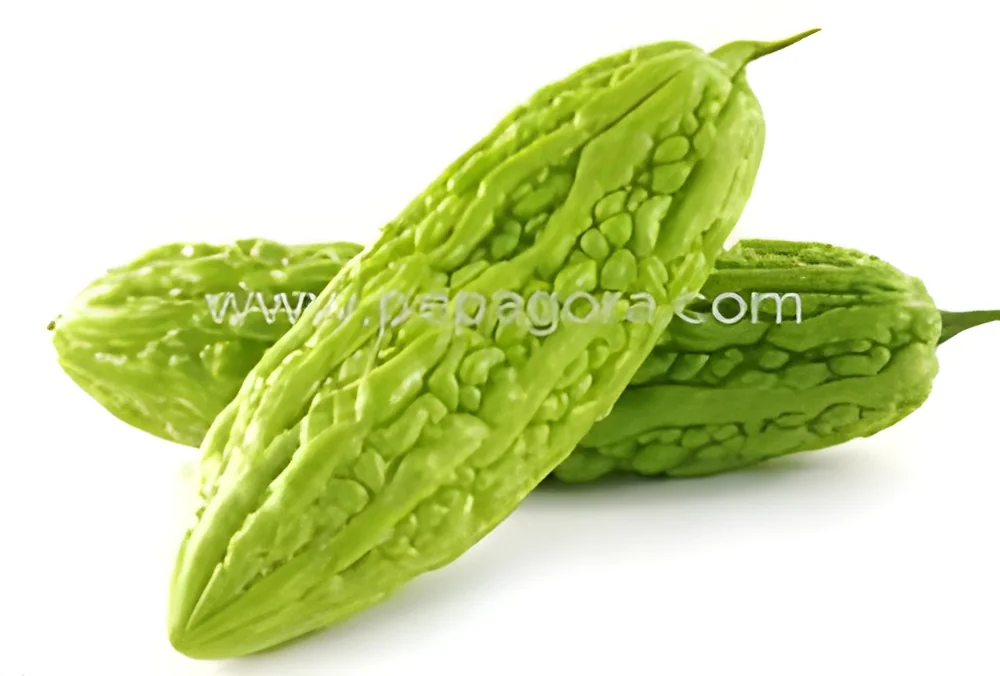
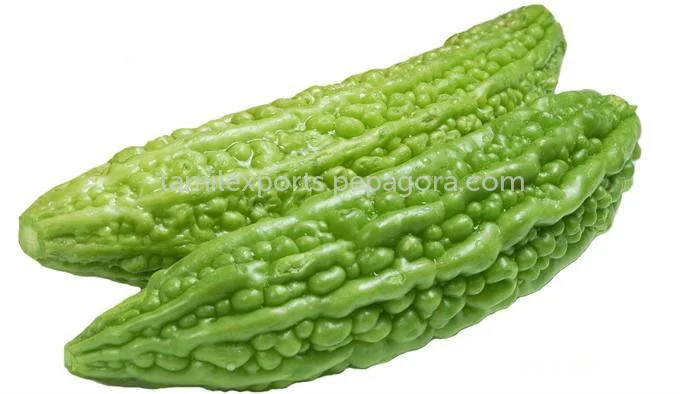
- Bitter gourds have a bumpy exterior, while bottle gourds are smooth
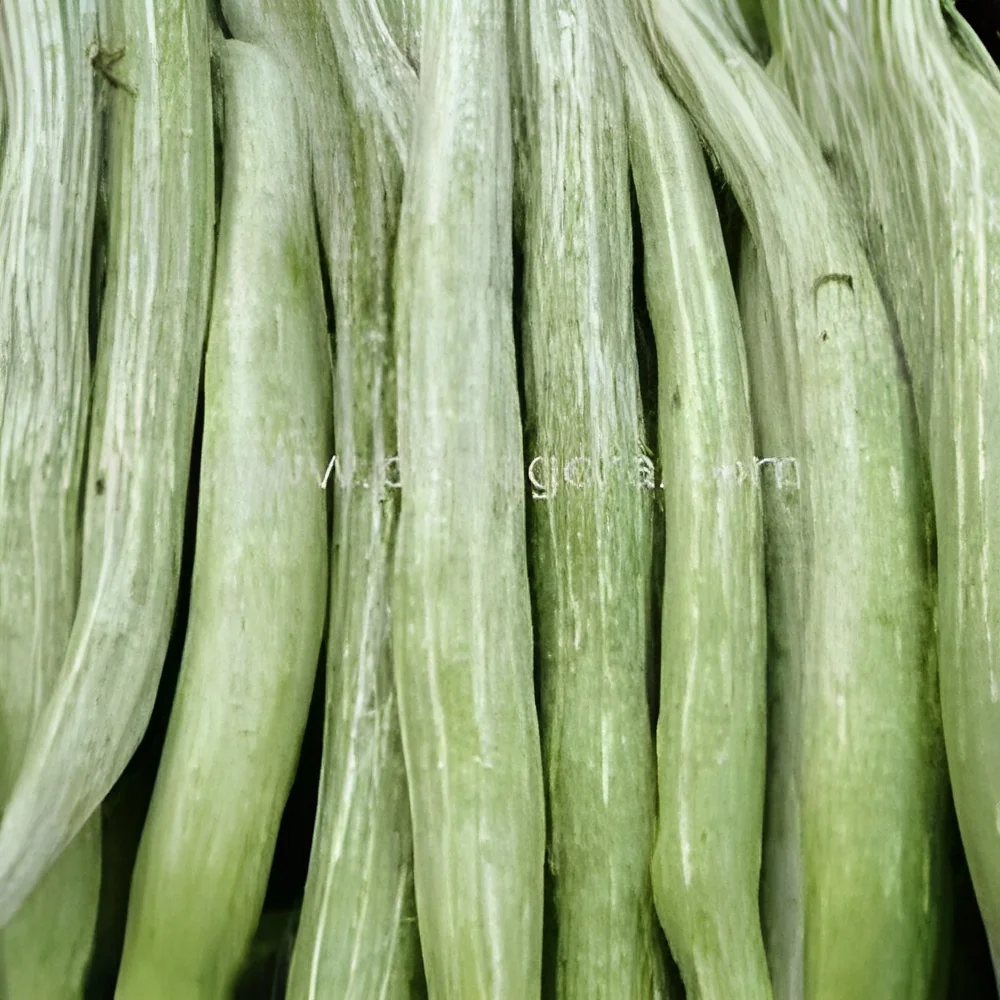
- Ridge gourds feature distinct ribbing, contributing to their aesthetic appeal
4. Color
- Generally green, but can also be found in shades of white or yellow
- Color may change based on maturity and growing conditions
5. Durability
- Hard-shelled, providing long-lasting use for various applications
- Resistant to moisture and decay when dried properly
6. Edibility
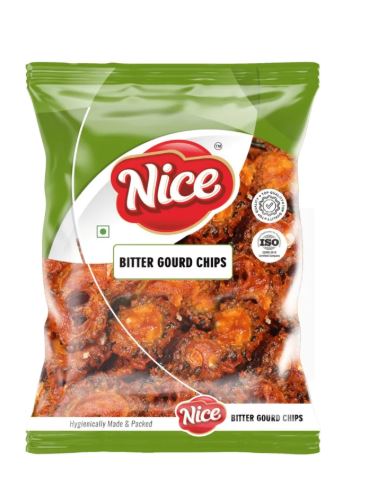
- Bitter gourds are edible and valued for their health benefits
- Bottle and ridge gourds can also be consumed, especially when young
7. Craftability
- Ideal for crafting due to their unique shapes and durability
- Can be carved or painted to create decorative items
In summary, these gourds possess features that make them suitable for both culinary and decorative uses. Their diverse characteristics cater to various market needs.
Common Applications and Use Cases
Gourds (Bitter, Bottle, Ridge) serve multiple industries, showcasing their versatility and practical applications.
1. Food Industry: Bitter gourds are used in health foods and culinary dishes, offering nutritional benefits. Bottle gourds can be cooked and consumed in various recipes, while ridge gourds are popular in traditional dishes.
2. Handicrafts: Many artisans use these gourds to create decorative items and utensils. Their unique shapes allow for creativity in design and functionality.
3. Agriculture: Gourds are cultivated as cash crops in several regions, contributing to the agricultural economy. They also serve as natural compostable materials.
4. Medicine: Bitter gourds are recognized for their medicinal properties and are used in traditional medicine practices for various health remedies.
5. Education: Gourds are often used in educational settings to teach about plant biology and sustainability, highlighting their role in the ecosystem.
6. Festival Decorations: In many cultures, gourds are used for decorative purposes during festivals, showcasing their aesthetic appeal.
7. Eco-Friendly Products: As sustainable materials, gourds contribute to the growing demand for eco-friendly products across various industries.
Product Variants and Subcategories
Gourds (Bitter, Bottle, Ridge) display a range of variants that cater to diverse needs and applications.
Bitter Gourd
This variety is known for its distinct flavor and health benefits. It is often used in culinary applications, particularly in Asian cuisine, where it is valued for its bitterness and nutritional properties.
Bottle Gourd
Bottle gourds are characterized by their smooth, elongated shape. They are popular for crafting utensils and containers due to their lightweight nature. Additionally, they are consumed in various dishes, adding both flavor and nutritional value.
Ridge Gourd
Ridge gourds, with their ribbed texture, are commonly used in cooking and decoration. They are frequently incorporated into traditional meals for their taste and are also utilized in craft projects for their unique appearance.
Benefits and Advantages
Sourcing Gourds (Bitter, Bottle, Ridge) offers numerous benefits to businesses and consumers alike.
Key benefits include:
1. Versatility: Gourds are suitable for a wide range of applications, from food to crafts, making them a flexible choice for various industries.
2. Health Benefits: Bitter gourds are known for their nutritional advantages, including potential anti-diabetic properties, which can appeal to health-conscious consumers.
3. Sustainability: Gourds are biodegradable and environmentally friendly, aligning with the growing trend towards sustainable business practices.
4. Cost-Effectiveness: Due to their diverse uses, gourds can provide significant value, allowing businesses to utilize them in multiple ways without incurring high costs.
5. Unique Aesthetic: The distinct shapes and colors of gourds make them appealing for decorative purposes, attracting customers in the handicraft market.
6. Local Sourcing: Gourds can be sourced from local farmers, supporting community agriculture and reducing transportation costs.
Buying Guide for B2B Buyers
When sourcing Gourds (Bitter, Bottle, Ridge), it is essential to consider several factors to ensure quality and suitability for your needs.
1. Quality Assessment: Evaluate the physical condition of the gourds, ensuring they are free from blemishes or decay. Check for proper drying and handling to maintain quality.
2. Supplier Verification: Research and vet potential suppliers to ensure they are reputable and reliable. Look for reviews and testimonials from previous customers.
3. Pricing and MOQ: Understand the pricing structure and minimum order quantities (MOQ) to make informed purchasing decisions. Compare prices among different suppliers for the best deal.
4. Delivery and Lead Times: Confirm delivery options and lead times to ensure timely receipt of your order. Factor in logistics when planning your procurement.
5. Compliance Requirements: Be aware of any regional or industry-specific regulations regarding the sale and use of gourds. Ensure that suppliers meet necessary compliance standards.
Compliance and Certifications
Gourds (Bitter, Bottle, Ridge) must adhere to relevant quality standards and certifications to ensure safety and reliability.
ISO 9001 is a widely recognized standard that ensures quality management systems are in place. This certification indicates that suppliers maintain consistent quality in their products.
HACCP (Hazard Analysis and Critical Control Points) is crucial for gourds intended for food applications. This standard ensures food safety and proper handling throughout the supply chain.
CE marking signifies compliance with European health, safety, and environmental protection standards, which can be important for international trade.
Safety and testing requirements should be met to ensure that gourds are free from harmful substances. Regular testing may be necessary to maintain compliance.
Moreover, regional compliance considerations may vary, so it is essential to understand local regulations before sourcing.
Why Source Gourds (Bitter, Bottle, Ridge) from Pepagora?
Pepagora offers a reliable platform for sourcing Gourds (Bitter, Bottle, Ridge) with distinct advantages for business buyers.
Verified Supplier Network: Pepagora provides access to a network of verified suppliers who meet quality and compliance standards. This ensures that buyers can trust the products they receive.
Streamlined RFQ Process: The quotation system simplifies the procurement process, allowing buyers to receive competitive bids from multiple suppliers easily. This efficiency can save time and resources.
Trade Assurance and Support: Pepagora offers buyer protection, ensuring that transactions are secure and that buyers are supported throughout the purchasing process.
Regional Coverage: With a presence in India, GCC, and Southeast Asia, Pepagora connects buyers with local suppliers, facilitating easier logistics and fostering community-based sourcing.
By choosing Pepagora, businesses can confidently source high-quality gourds while benefiting from a supportive and efficient purchasing environment.

 IN
IN