What are Radish?
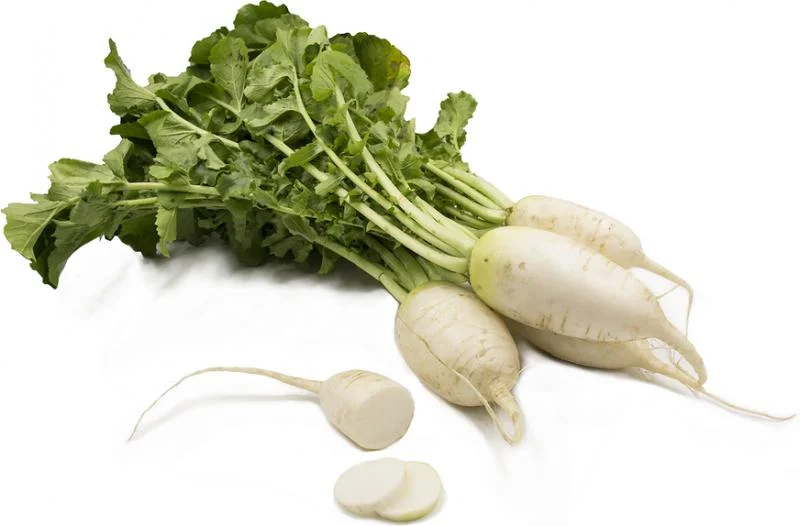
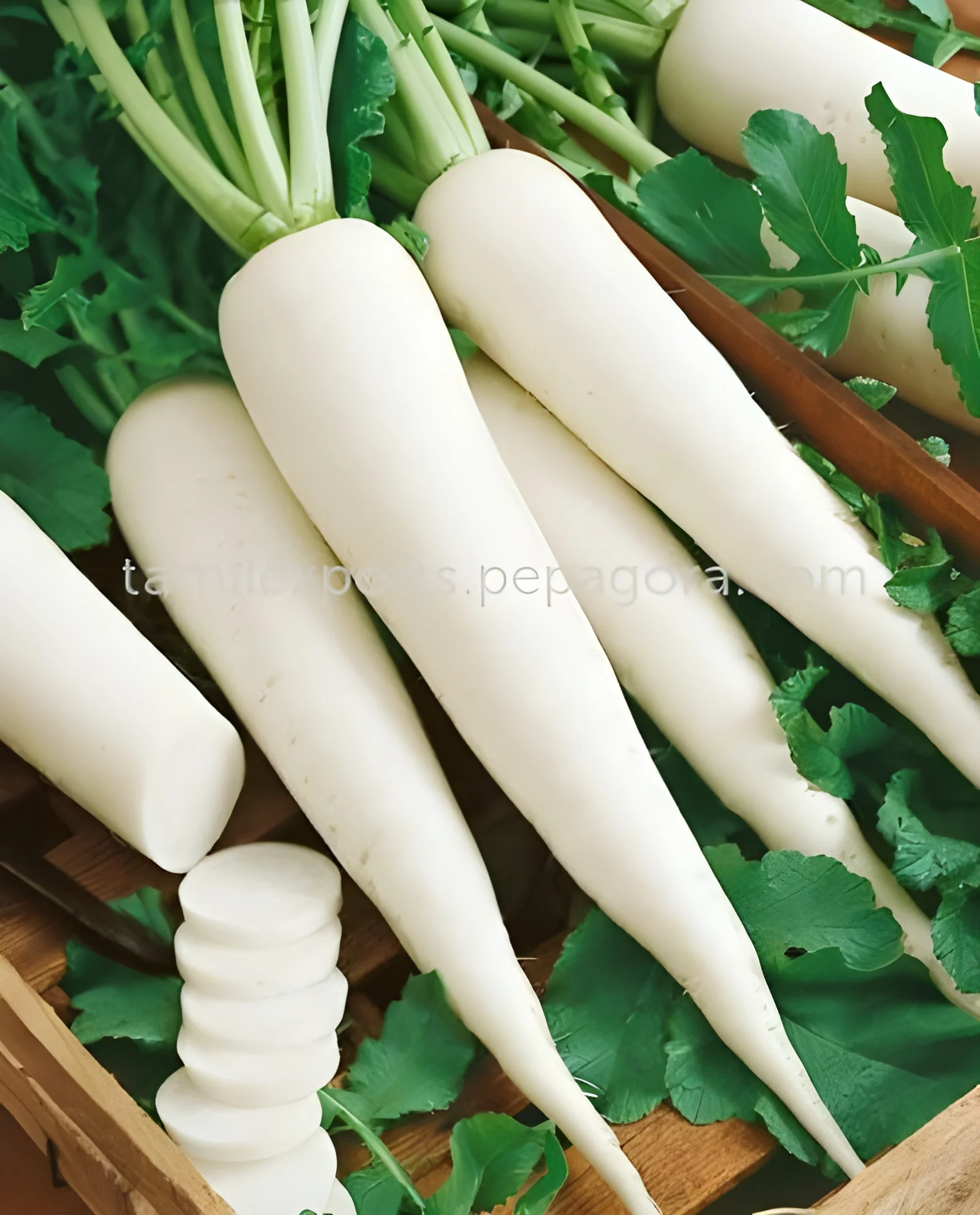
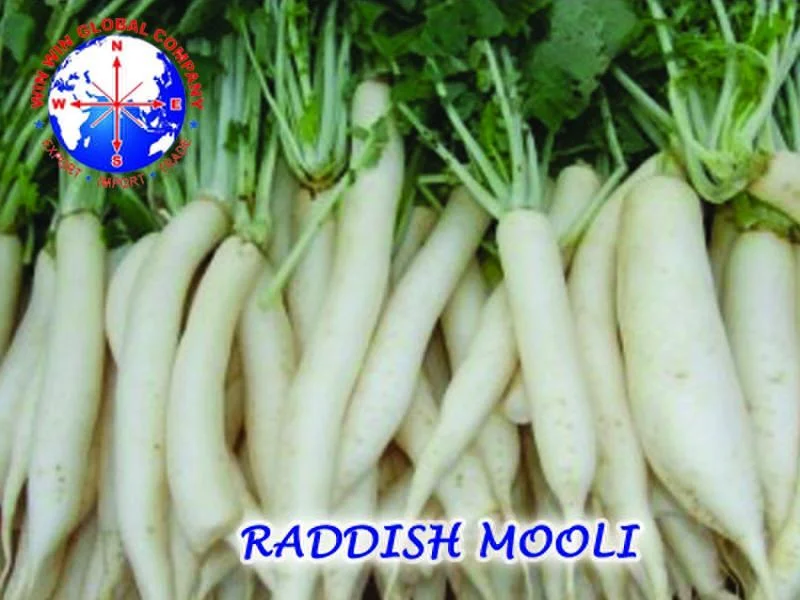
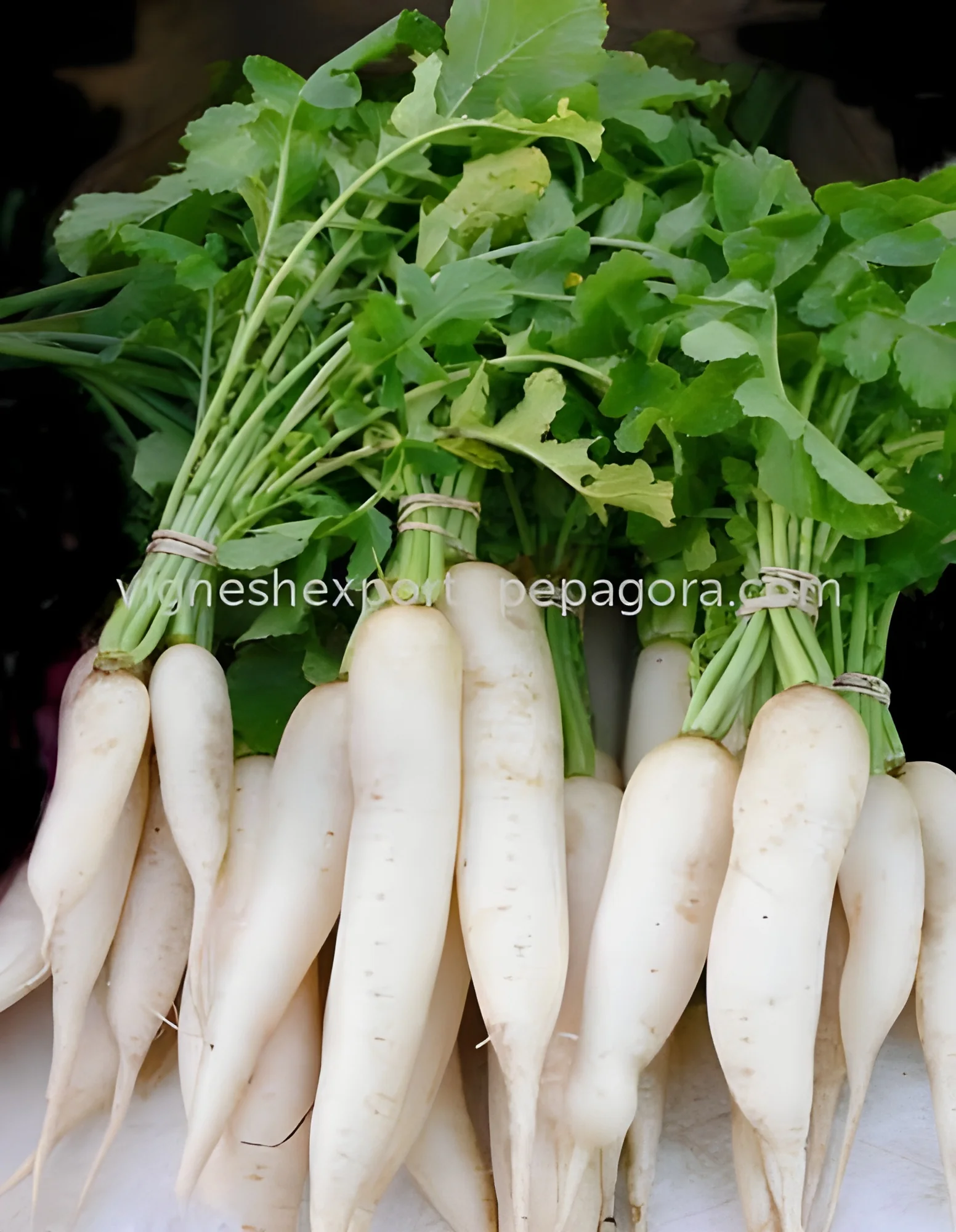
Radish is a root vegetable belonging to the Brassicaceae family, which also includes cabbage and broccoli. Known for its crisp texture and distinct flavor, radishes can be found in various colors, including red, white, and black. They are typically cultivated in temperate climates and are appreciated not just for their culinary uses but also for their nutritional benefits. Radishes are low in calories and high in fiber, making them a popular choice among health-conscious consumers.
In the business context, radishes are utilized in food production, agriculture, and even in the cosmetic industry due to their natural properties. They serve as key ingredients in salads, garnishes, and various dishes, contributing to flavor and nutrition. Additionally, radishes are recognized for their potential health benefits, such as aiding digestion and providing antioxidants. This makes them a relevant product in the health and wellness market.
The radish market has seen a steady demand driven by the growing trend of organic and locally sourced produce. As consumers become more health-conscious, the demand for fresh and nutritious vegetables like radishes has increased. Furthermore, the versatility of radishes allows them to be incorporated into various culinary applications, enhancing their market relevance.
Key Features and Specifications
Radishes are characterized by several key features that make them suitable for various applications. Understanding these specifications is essential for businesses looking to source quality radishes for their needs.
Key specifications include:
1. Color Variety
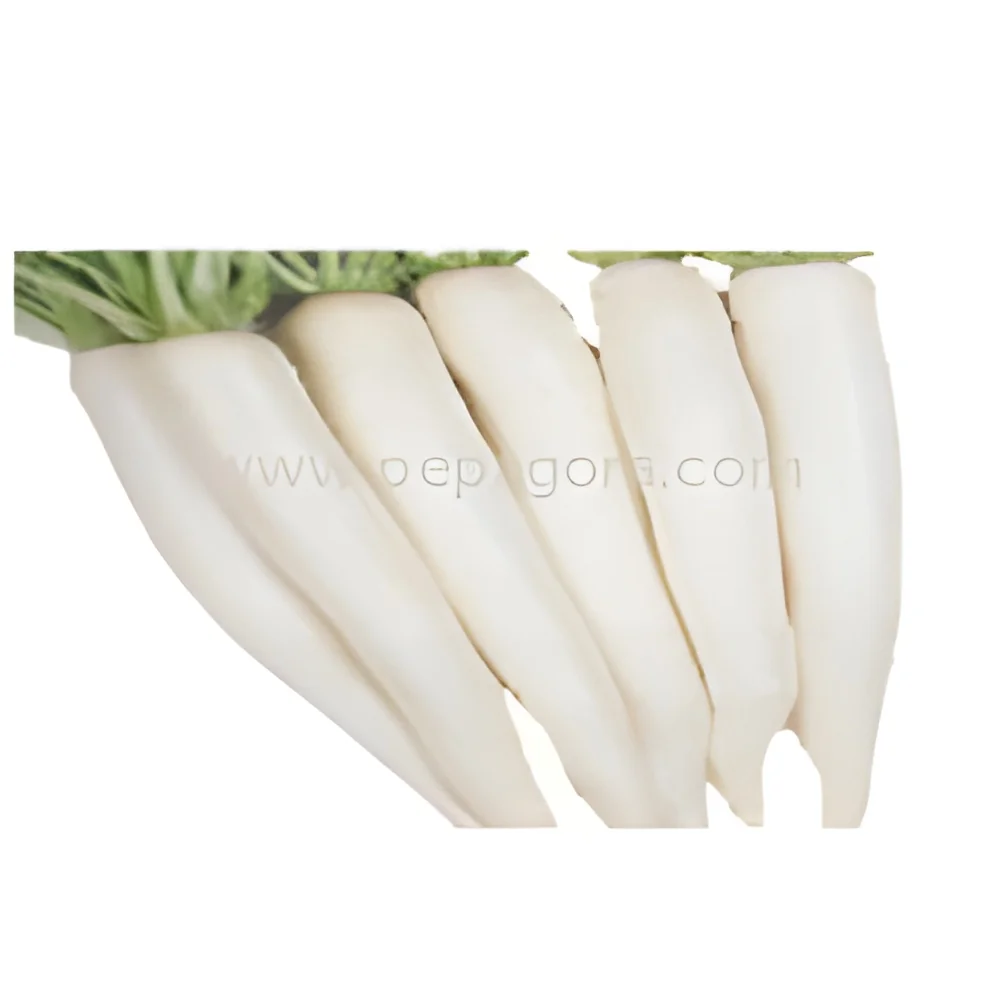
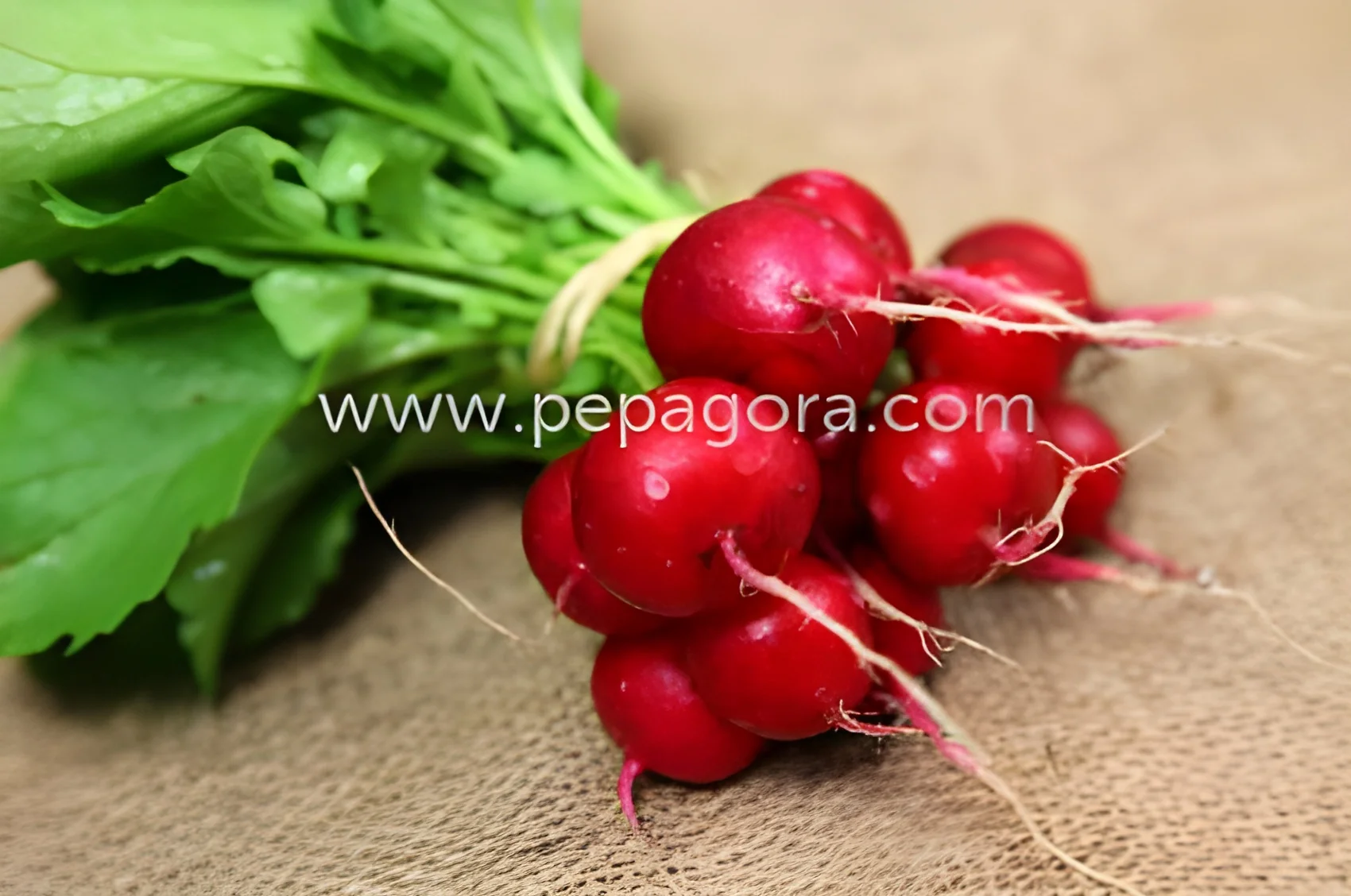
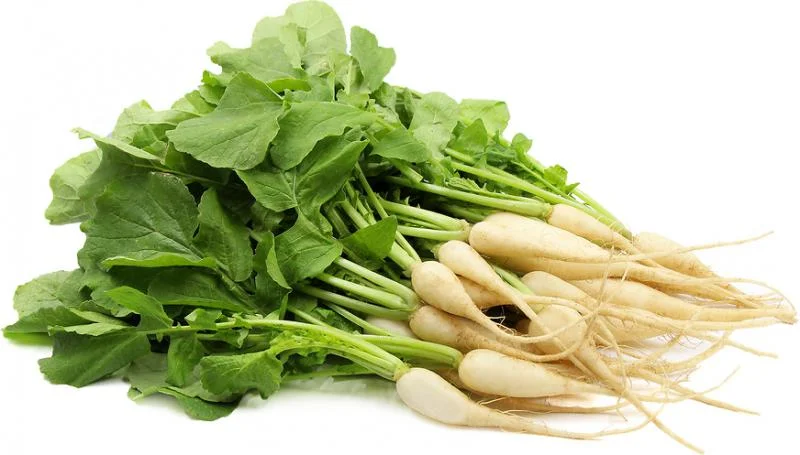
- Radishes come in several colors, including red, white, pink, and black.
- This variety allows for aesthetic flexibility in culinary presentations.
2. Size Range
- Radishes can vary in size from small golf ball-sized to larger varieties.
- Size may influence culinary uses and market preferences.
3. Flavor Profile
- Radishes are known for their crisp texture and a peppery flavor that can range from mild to intense.
- This versatility makes them suitable for both raw and cooked applications.
4. Nutritional Content
- Radishes are low in calories, high in vitamin C, and contain beneficial antioxidants.
- These health benefits increase their appeal to health-focused consumers.
5. Shelf Life
- Fresh radishes typically have a shelf life of one to two weeks when stored properly.
- Proper handling and storage are crucial to maintaining freshness.
6. Growing Conditions
- Radishes thrive in well-drained soil with full sun exposure.
- They require consistent moisture for optimal growth.
7. Harvesting Time
- Radishes can be harvested as early as three to four weeks after planting.
- This quick turnaround makes them a favorable crop for farmers.
In summary, radishes offer a range of features that cater to both culinary and nutritional needs, making them a valuable product in various markets.
Common Applications and Use Cases
Radishes serve diverse industries due to their versatile nature and health benefits.
1. Food Industry: Radishes are widely used in salads, sandwiches, and garnishes. Their crisp texture adds a refreshing element to dishes, while their flavor enhances overall culinary experiences.
2. Agriculture: Farmers cultivate radishes as a rotational crop due to their fast growth. They can improve soil health and reduce pests, making them beneficial in sustainable farming practices.
3. Health and Wellness: Radishes are recognized for their detoxifying properties and high vitamin C content. They are often included in health-focused meal plans and detox diets.
4. Culinary Arts: Chefs use radishes in innovative ways, incorporating them into appetizers and main dishes. Their vibrant colors and flavors enhance both taste and visual appeal.
5. Cosmetic Industry: Extracts from radishes are utilized for their skin-benefiting properties. They can be found in natural skincare products, promoting a healthy glow.
6. Nutraceuticals: The health benefits of radishes have led to their inclusion in dietary supplements and health products aimed at promoting well-being.
Benefits and Advantages
Radishes provide numerous benefits that appeal to both consumers and businesses.
1. Nutritional Value: Radishes are low-calorie and packed with vitamins and minerals, making them an excellent choice for health-conscious consumers.
2. Versatility: They can be used in a variety of dishes, from salads to cooked meals, allowing for creative culinary applications.
3. Quick Growth: Radishes have a short growing cycle, making them an ideal crop for farmers looking for rapid returns.
4. Soil Improvement: As a rotational crop, radishes can help enhance soil structure and nutrient content, benefiting subsequent crops.
5. Economic Viability: Due to their fast growth and high demand, radishes can be a profitable crop for farmers and suppliers.
6. Natural Ingredients: With a growing trend towards clean eating, radishes meet consumer demands for natural and unprocessed foods.
Buying Guide for B2B Buyers
When sourcing radishes for business purposes, several factors should be considered to ensure quality and reliability.
1. Quality Assessment: Evaluate the freshness and appearance of radishes, looking for uniform size and vibrant color. Avoid any with signs of decay or softness.
2. Supplier Verification: Ensure suppliers have a reputation for quality and reliability. Check for reviews and ask for references to confirm their credibility.
3. Pricing and MOQ: Consider the pricing structure and minimum order quantities. Compare prices from different suppliers to ensure competitive rates.
4. Delivery and Lead Times: Confirm the expected delivery schedule and lead times to ensure timely availability of radishes for your business needs.
5. Compliance Requirements: Familiarize yourself with any regulatory standards that apply to the sourcing of radishes, including food safety and quality certifications.
Compliance and Certifications
Radishes must meet specific industry standards and certifications to ensure quality and safety in the market.
Relevant quality standards include ISO 9001, which sets criteria for quality management systems. Adherence to this standard can benefit suppliers in terms of process efficiency and customer satisfaction.
In addition to ISO standards, certifications like CE signify compliance with European health, safety, and environmental protection standards. Although specific testing requirements for radishes are not detailed, general safety protocols should be followed to ensure product integrity.
Regional compliance considerations may vary, and it is essential for suppliers to understand and meet local regulations regarding food safety and quality. This could include HACCP (Hazard Analysis Critical Control Point) protocols that help identify and mitigate risks in food production.
Why Source Radish from Pepagora?
Pepagora offers a reliable platform for sourcing radishes, providing several advantages for businesses.
Verified Supplier Network: Pepagora connects buyers with a network of verified suppliers, ensuring access to quality products. The platform conducts thorough checks to maintain supplier integrity.
Streamlined RFQ Process: The request for quotation (RFQ) process on Pepagora simplifies the sourcing experience. Buyers can easily compare multiple offers and select the best option for their needs.
Trade Assurance and Support: Pepagora prioritizes buyer protection, offering trade assurance services that safeguard transactions. This support boosts buyer confidence in their sourcing decisions.
Regional Coverage: With a strong presence in India, the GCC, and Southeast Asia, Pepagora ensures businesses can access radishes from reliable sources across these regions. This broad coverage enhances logistics and delivery options for buyers.

 IN
IN