What are Imported Exotic Fruits?
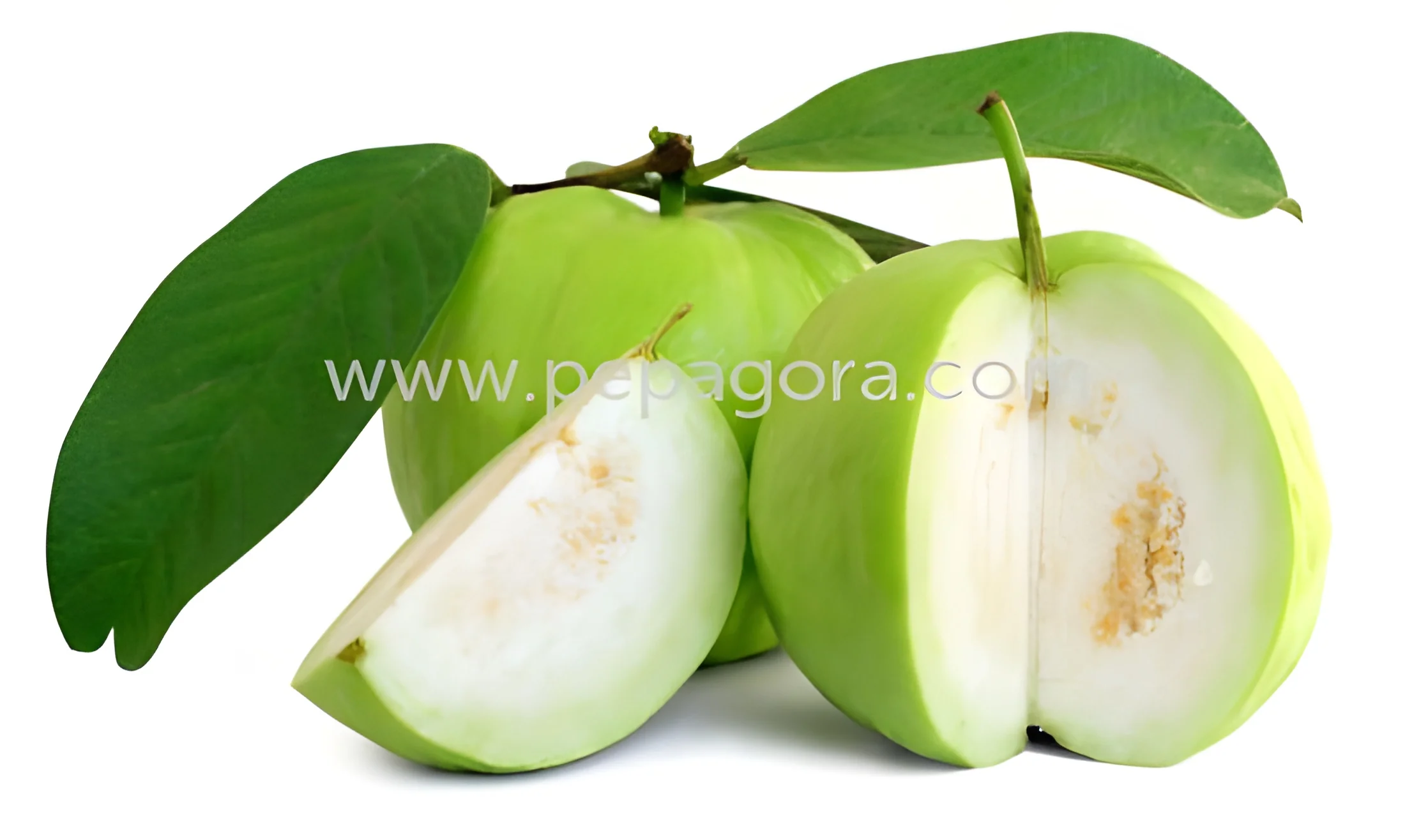
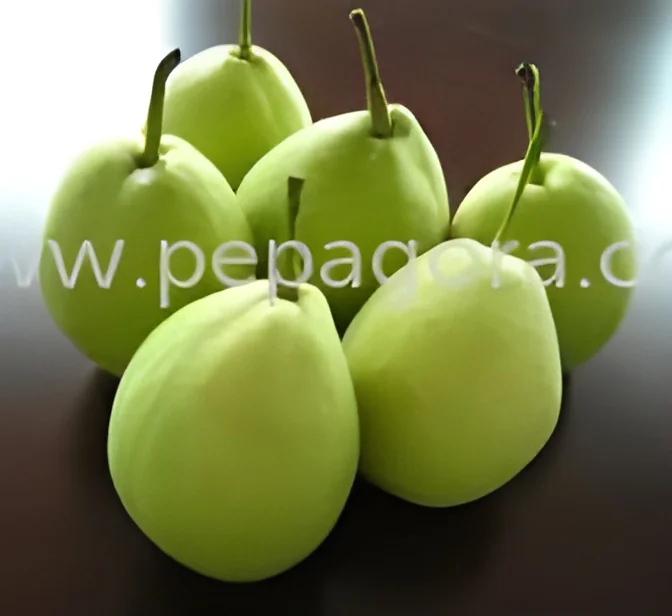
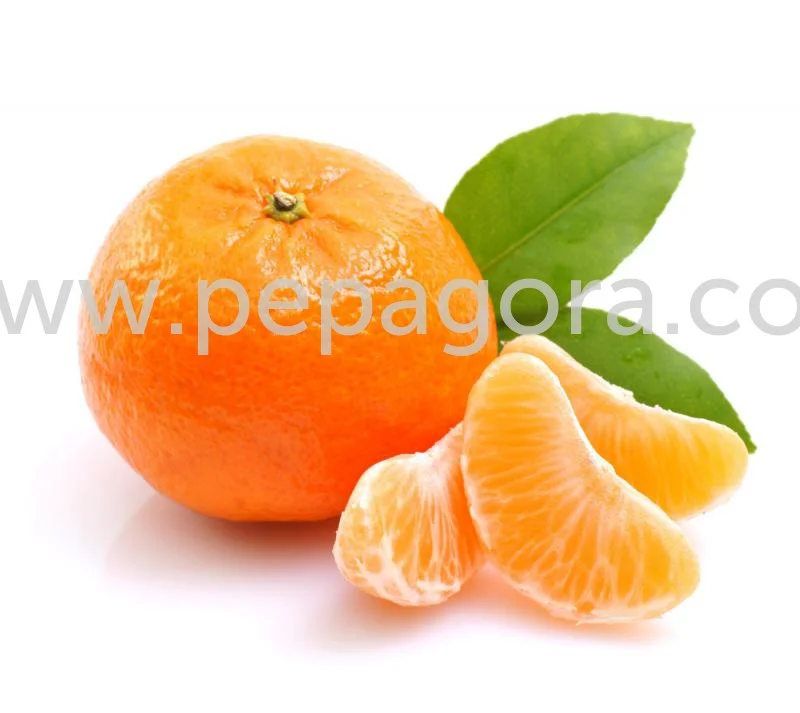
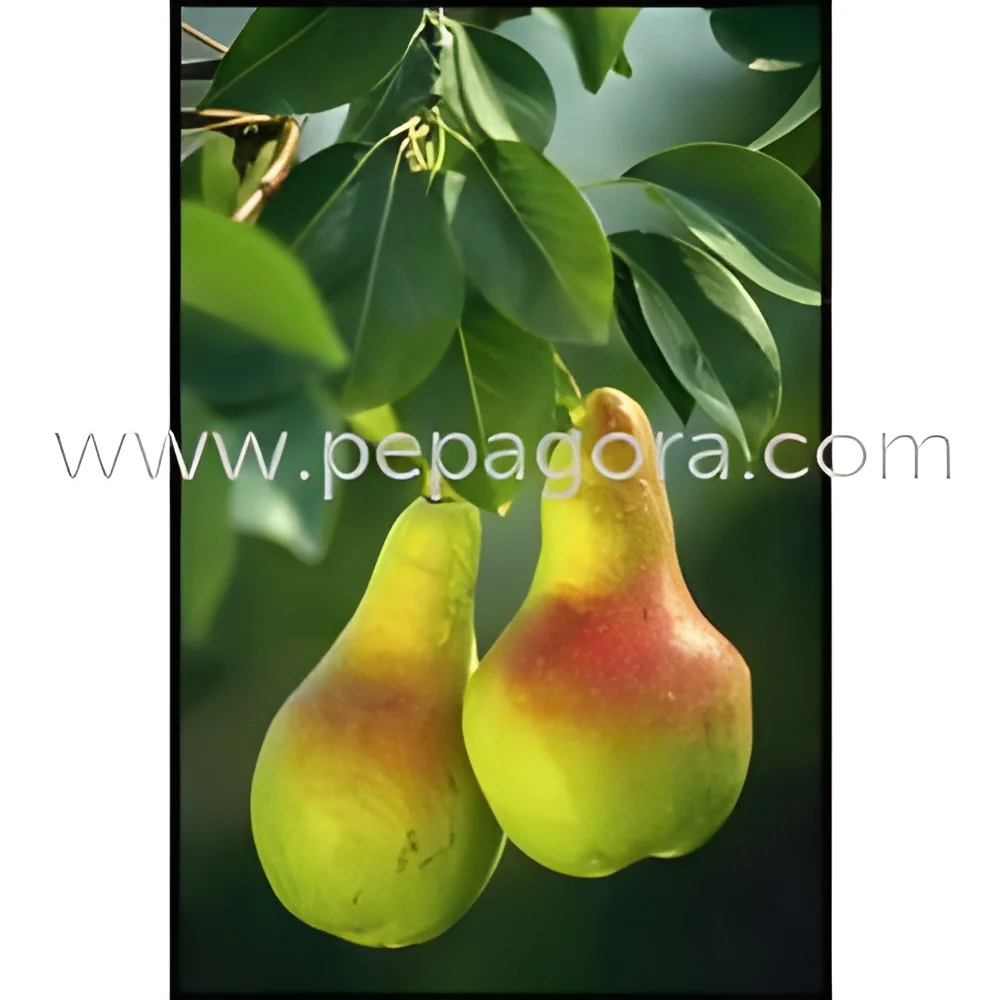
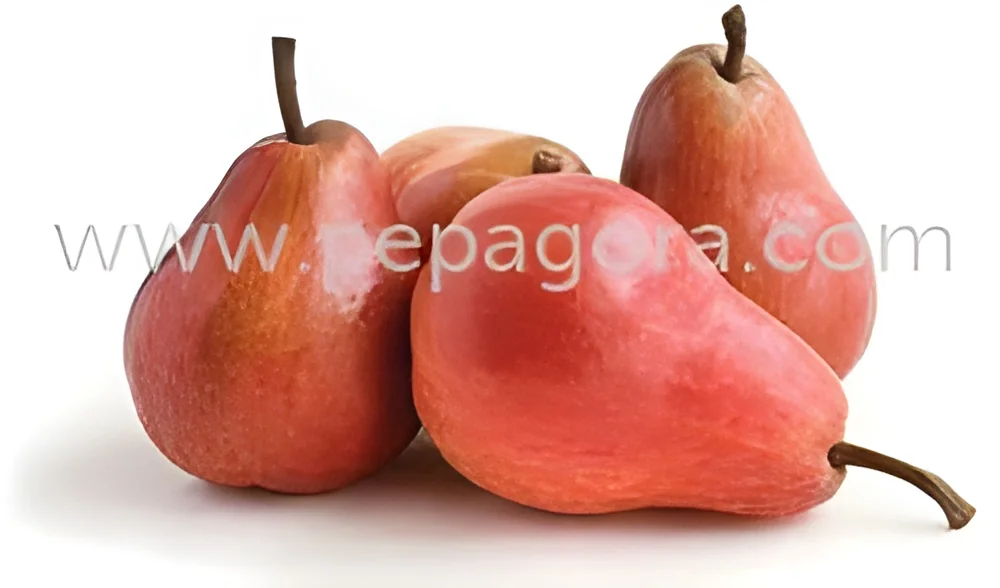
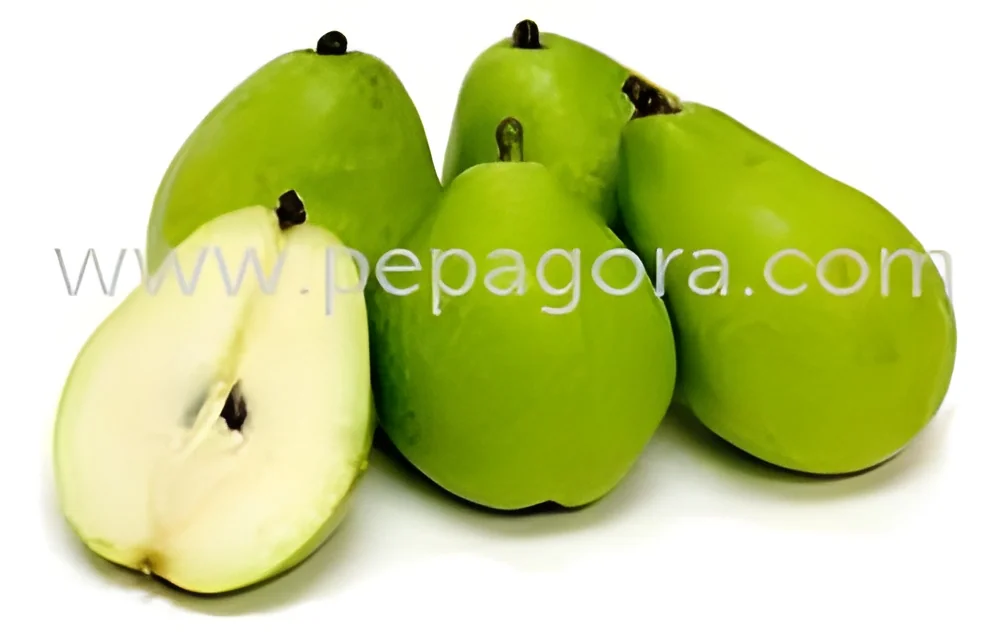
Imported exotic fruits are unique and rare fruits sourced from various countries known for their distinct flavors, textures, and appearances. These fruits are not typically grown in local climates, making them a special addition to the global market. The term "exotic" often refers to fruits that are unfamiliar to consumers in a particular region, creating an intrigue and demand for diverse culinary experiences.
Businesses utilize imported exotic fruits in a variety of ways. They are commonly used in the food and beverage industry, especially in upscale restaurants, hotels, and catering services, where unique ingredients can enhance their menus. Additionally, these fruits are popular in health food markets and gourmet grocery stores, appealing to consumers seeking novel and nutritious options. As consumer preferences shift towards unique and global flavors, the demand for imported exotic fruits continues to grow, making them relevant within the broader market context.
Key Features and Specifications
Imported exotic fruits come with a variety of features that make them appealing to businesses. Understanding these specifications is crucial for effective sourcing and usage.
Key specifications include:
1. Flavor Profile
- Exotic fruits often feature unique and intense flavors.
- Ranges from sweet to tart, catering to diverse culinary applications.
2. Shelf Life
- Shelf life varies by fruit type, impacting inventory management.
- Some may last several days while others have a shorter lifespan.
3. Nutritional Content
- Many exotic fruits are rich in vitamins, minerals, and antioxidants.
- Nutritional profiles can influence market demand.
4. Appearance
- Many imported fruits boast vibrant colors and unusual shapes.
- Presentation can enhance consumer appeal.
5. Sourcing Regions
- Fruits are sourced from tropical and subtropical climates.
- Geographic diversity contributes to unique offerings.
6. Packaging
- Proper packaging ensures freshness during transport.
- Sustainable packaging options are increasingly preferred.
7. Compliance Standards
- Adherence to international food safety standards is essential.
- Ensures quality and safety for consumers.
8. Availability
- Seasonal availability affects sourcing strategies.
- Some fruits may only be available at certain times of the year.
In summary, understanding the key features and specifications of imported exotic fruits is vital for businesses aiming to leverage these unique products in their offerings.
Common Applications and Use Cases
Imported exotic fruits serve various industries, each leveraging their unique characteristics for different applications.
1. Food and Beverage Industry: Restaurants and bars utilize exotic fruits for cocktails, desserts, and gourmet dishes, creating unique flavor profiles that attract customers.
2. Health and Wellness Sector: Health food stores incorporate exotic fruits into smoothies, juices, and health supplements, appealing to health-conscious consumers.
3. Catering Services: Caterers use exotic fruits to create visually stunning fruit displays and desserts, enhancing the overall dining experience for events.
4. Retail Grocery: Supermarkets and specialty stores offer a range of exotic fruits to attract shoppers looking for unique and premium produce options.
5. Hospitality: Hotels feature exotic fruits in their breakfast buffets and dessert menus, providing guests with memorable culinary experiences.
6. Food Processing: Manufacturers may use exotic fruits in creating jams, jellies, and sauces, diversifying their product lines.
7. Export Market: Businesses involved in export can capitalize on the growing demand for exotic fruits in international markets.
Product Variants and Subcategories
Imported exotic fruits encompass a diverse range of varieties, each offering distinct flavors and applications.
Dragon Fruit: Known for its striking appearance and mildly sweet flavor, dragon fruit is often used in salads, smoothies, and as a garnish in various dishes.
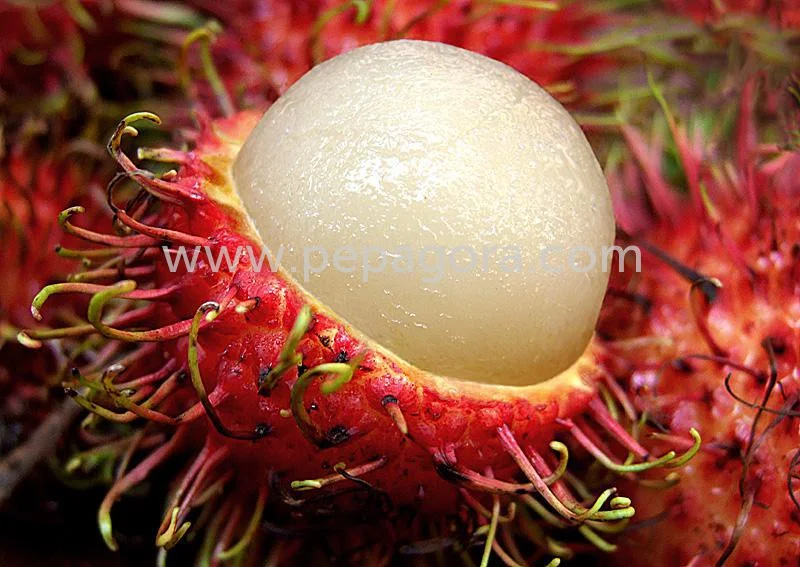
Rambutan: This tropical fruit is characterized by its hairy exterior and juicy, sweet flesh. It is popular in Southeast Asian cuisine and can be enjoyed fresh or in desserts.
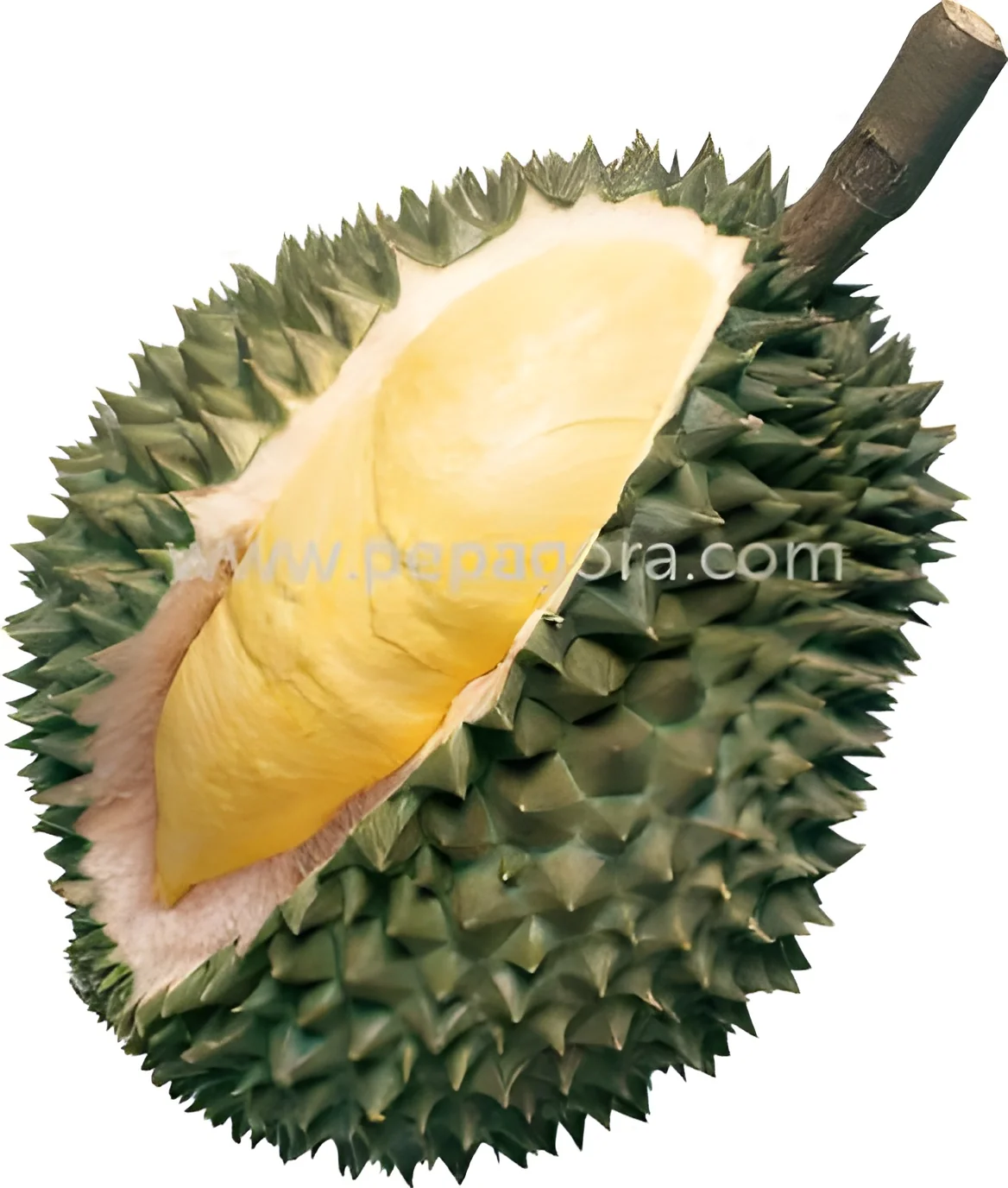
Durian: Often referred to as the "king of fruits," durian has a strong odor and a rich, custard-like texture. It is a delicacy in many Asian countries and is used in both sweet and savory dishes.
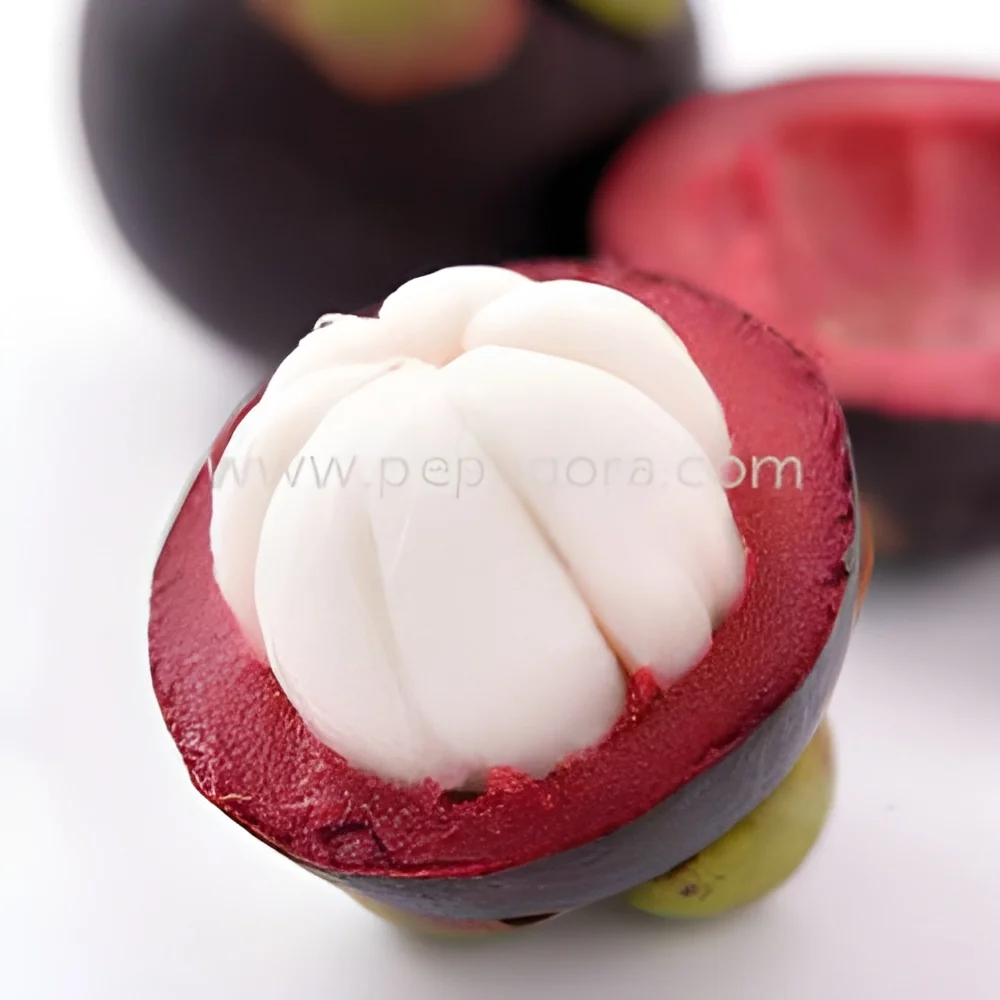
Mangosteen: Known for its sweet and tangy flavor, mangosteen is often consumed fresh or used in beverages. It is prized for its unique taste and health benefits.
Passion Fruit: With its aromatic flavor and juicy pulp, passion fruit is widely used in drinks, desserts, and as a flavoring agent in various culinary applications.
Benefits and Advantages
Sourcing imported exotic fruits offers several benefits for businesses aiming to enhance their product offerings.
1. Unique Flavor Profiles: Exotic fruits bring diverse flavors that can set a menu or product apart from competitors, attracting more customers.
2. Nutritional Value: Many exotic fruits are packed with essential nutrients, appealing to health-conscious consumers and enhancing product appeal.
3. Market Differentiation: Offering exotic fruits allows businesses to stand out in a crowded market, catering to consumers seeking unique culinary experiences.
4. Seasonal Variety: Imported exotic fruits provide seasonal options that can keep product offerings fresh and exciting throughout the year.
5. Cultural Appeal: Incorporating exotic fruits can attract culturally diverse consumer bases, expanding market reach and customer engagement.
6. Trend Alignment: With the growing popularity of global cuisines, sourcing exotic fruits aligns with current food trends, driving sales and consumer interest.
Buying Guide for B2B Buyers
When sourcing imported exotic fruits, businesses should consider several key factors to ensure successful procurement.
1. Quality Assessment: Evaluate the quality of fruits based on appearance, ripeness, and freshness. Conducting sensory evaluations can help determine the best options.
2. Supplier Verification: Vet suppliers by checking their credentials, reviewing customer feedback, and ensuring they meet food safety standards to ensure reliability.
3. Pricing and MOQ: Understand the pricing structure and minimum order quantities (MOQ) to align purchasing decisions with budgetary constraints.
4. Delivery and Lead Times: Assess delivery capabilities and lead times to ensure timely availability of products, especially for seasonal fruits.
5. Compliance Requirements: Familiarize yourself with regulatory requirements and certifications needed for importing fruits to ensure compliance with local laws.
Compliance and Certifications
Imported exotic fruits must adhere to several quality standards and regulations to ensure safety and marketability.
Relevant quality standards include ISO 9001, which focuses on quality management systems, and HACCP, which emphasizes food safety protocols throughout the supply chain. These standards ensure that the fruits meet necessary safety and quality benchmarks.
Industry certifications such as CE indicate compliance with European health, safety, and environmental protection standards. This is crucial for businesses exporting to European markets.
Safety and testing requirements include ensuring the fruits are free from harmful pesticides and contaminants. Regular testing helps maintain quality and compliance with health regulations.
Regional compliance considerations are also significant, as different countries have varying standards for the importation of fruits. Businesses must stay informed about these regulations to avoid penalties and ensure smooth operations.
Why Source Imported Exotic Fruits from Pepagora?
Pepagora provides a trusted platform for sourcing imported exotic fruits with several key advantages that benefit B2B buyers.
Verified Supplier Network: Pepagora features a comprehensive network of verified suppliers, ensuring that businesses can find reliable sources for high-quality exotic fruits. Supplier profiles include ratings and reviews to facilitate informed decision-making.
Streamlined RFQ Process: The platform offers a straightforward Request for Quotation (RFQ) process, allowing buyers to easily request samples and pricing from multiple suppliers, saving time and enhancing efficiency.
Trade Assurance and Support: Pepagora emphasizes buyer protection through trade assurance programs that safeguard transactions and ensure product quality. This support helps build trust between buyers and suppliers.
Regional Coverage: With extensive reach across India, the GCC, and Southeast Asia, Pepagora connects buyers with suppliers in key regions known for exotic fruit production, making it easier to find diverse offerings tailored to market needs.

 IN
IN