
 IN
Dyes & Pigments
439 products available
𝗪𝗵𝗮𝘁 𝗮𝗿𝗲 𝗗𝘆𝗲𝘀 & 𝗣𝗶𝗴𝗺𝗲𝗻𝘁𝘀?
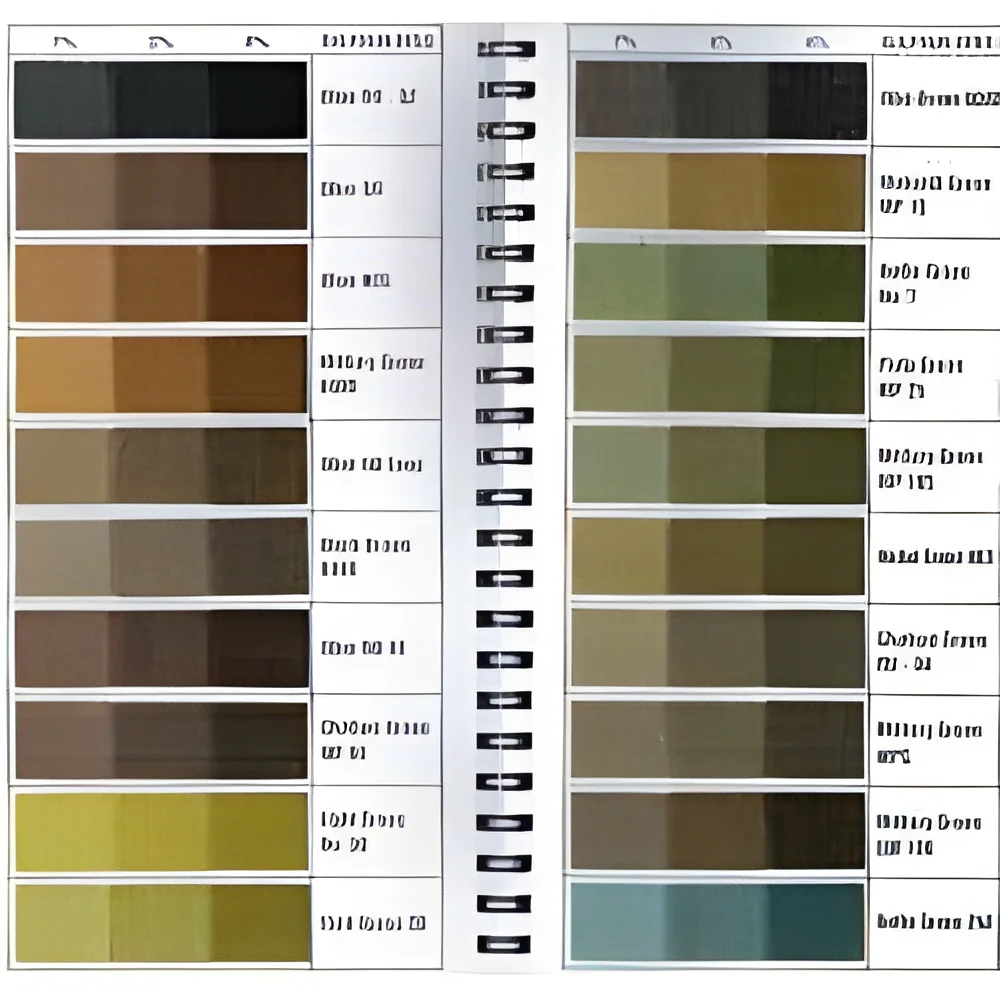
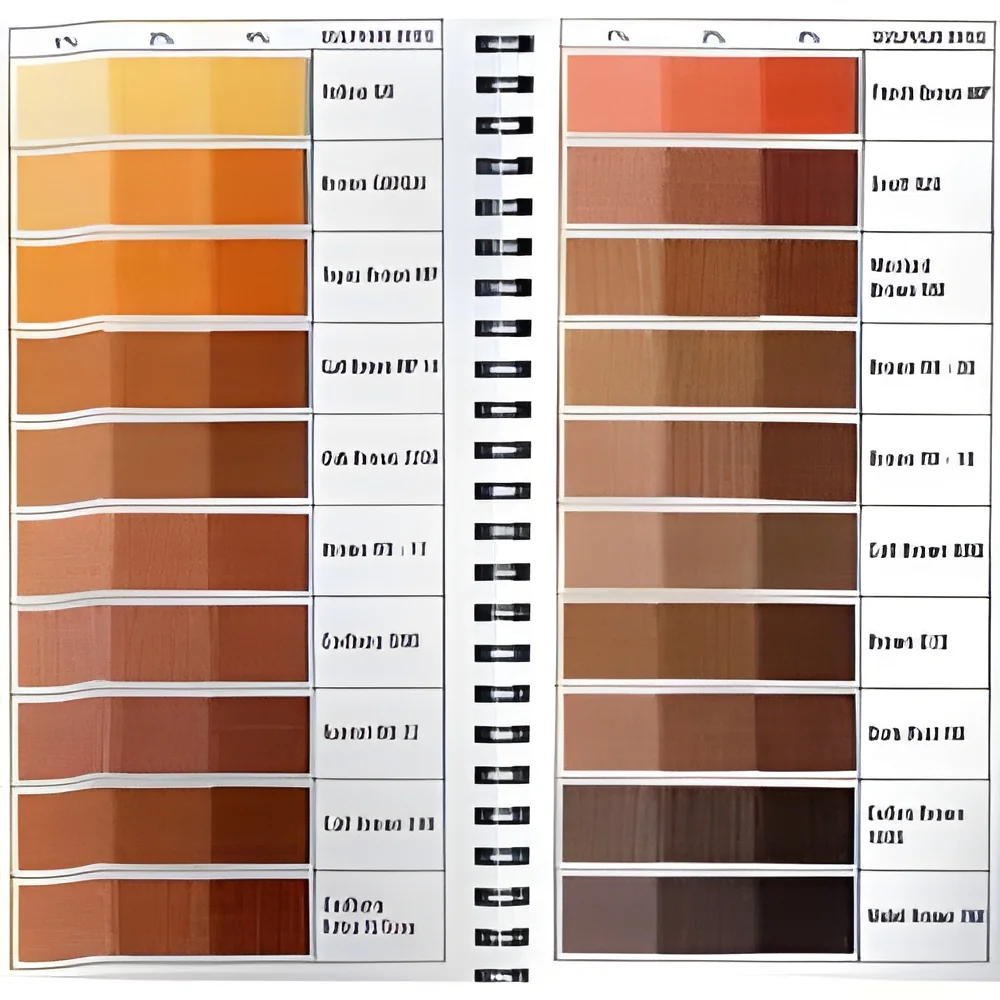
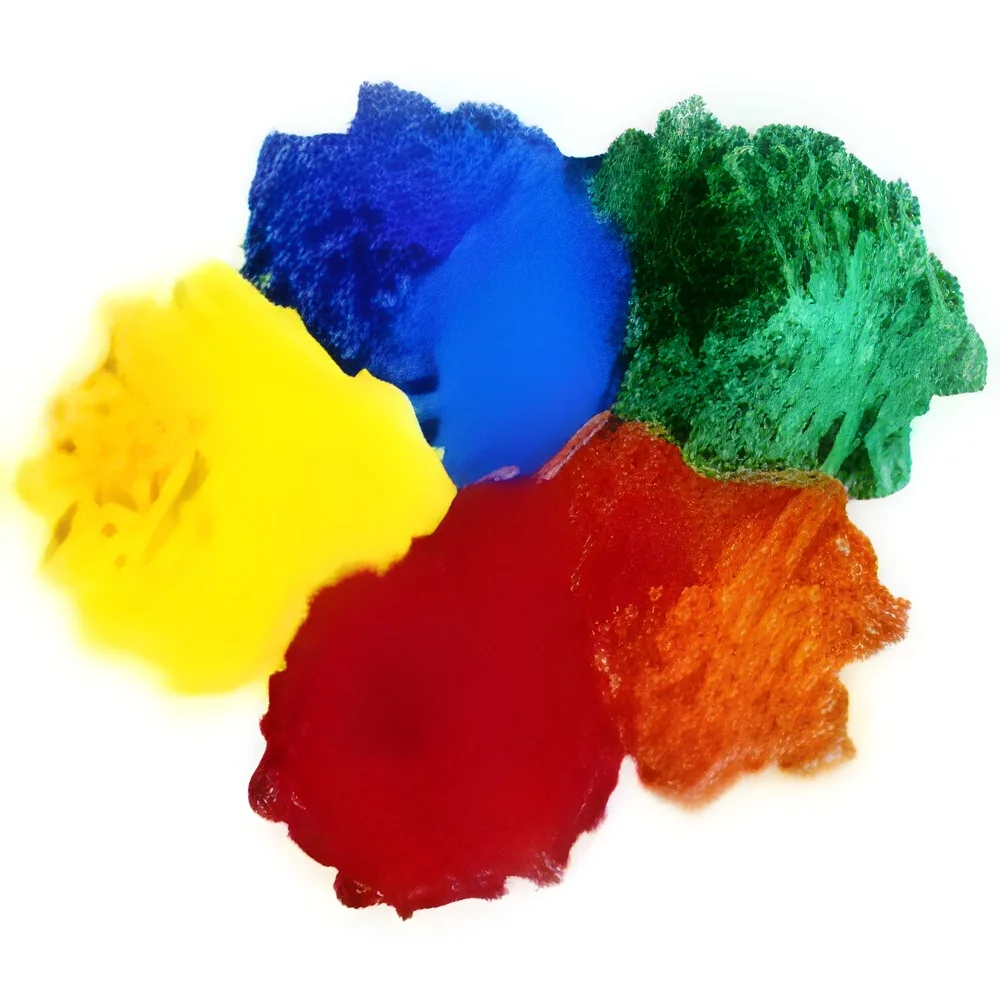
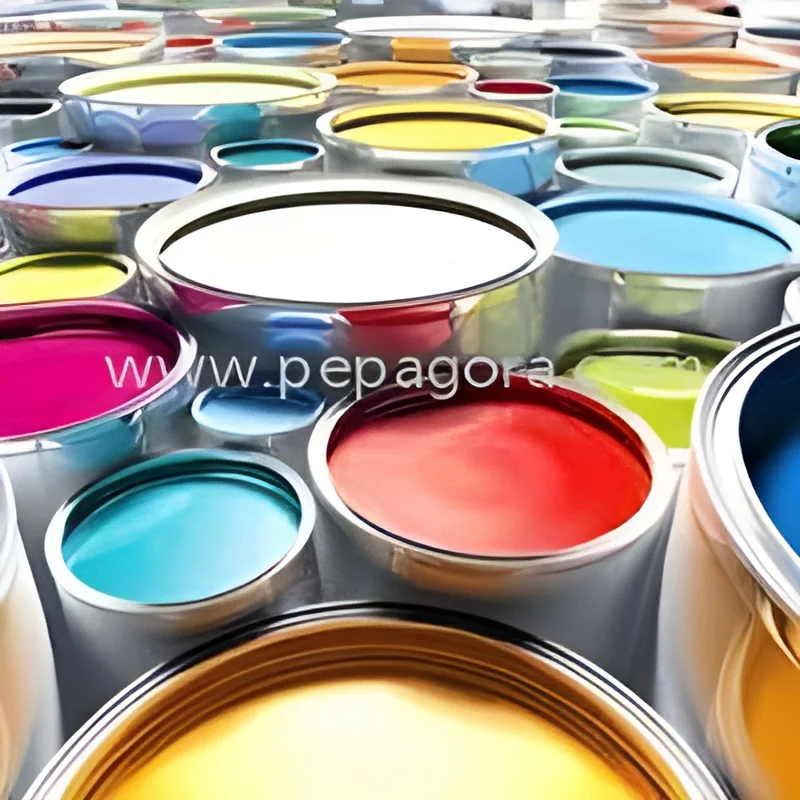
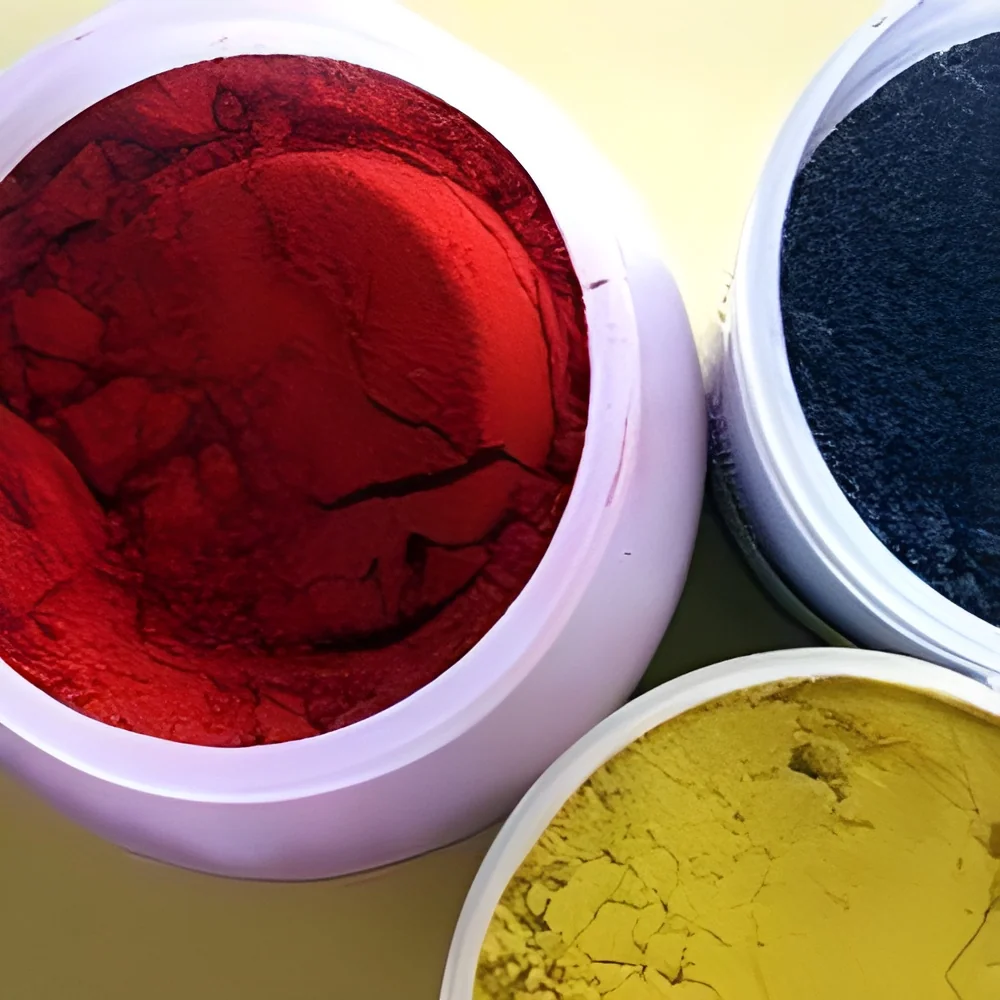
Dyes and pigments are substances used to impart color to various materials and products. Dyes are typically soluble substances that create color through the absorption of light, while pigments are insoluble and create color through the scattering of light. Both play a crucial role in industries such as textiles, plastics, paints, and cosmetics, where coloration is essential for aesthetic appeal and functionality.
The primary applications of dyes and pigments include coloring fabrics, plastics, paints, inks, and coatings. Dyes are often used in the textile industry to achieve vibrant colors that can withstand washing and light exposure. Pigments, on the other hand, are widely used in coatings and paints for their durability and opacity. As global industries evolve, the demand for high-quality, sustainable dyes and pigments continues to grow, driven by consumer preferences for eco-friendly and long-lasting colors.
In the current market context, the dyes and pigments sector is influenced by trends like sustainability and innovation. Companies are increasingly focusing on developing environmentally friendly products that meet stringent regulatory standards. This has led to a rise in the use of natural dyes and synthetic alternatives that provide better performance and safety.
𝗞𝗲𝘆 𝗙𝗲𝗮𝘁𝘂𝗿𝗲𝘀 𝗮𝗻𝗱 𝗦𝗽𝗲𝗰𝗶𝗳𝗶𝗰𝗮𝘁𝗶𝗼𝗻𝘀
Dyes and pigments come in various forms, each with unique properties tailored to specific applications. Understanding their key features and specifications is crucial for selecting the right product.
Key specifications include:
1. Color Fastness
- Resistance to fading and discoloration
- Measured through various tests such as washing, rubbing, and light exposure
2. Solubility
- Degree to which a dye dissolves in a solvent
- Important for determining application methods and compatibility with materials
3. Particle Size Distribution
- Range of particle sizes in pigments
- Affects the opacity and texture of final products
4. pH Stability
- Range of pH levels in which the dye or pigment remains stable
- Critical for applications in varying environmental conditions
5. Toxicity Levels
- Safety assessments for human health and environmental impact
- Must comply with regulations for safe use
6. Lightfastness
- Ability to retain color when exposed to sunlight
- Important for outdoor applications
7. Viscosity
- Measurement of a pigment or dye's thickness
- Affects application methods, such as spray or brush
8. Chemical Resistance
- Resistance to degradation from chemicals
- Essential for use in industrial applications where exposure to harsh substances is common
Overall, selecting the right dyes and pigments requires careful consideration of these specifications to ensure optimal performance in intended applications.
𝗖𝗼𝗺𝗺𝗼𝗻 𝗔𝗽𝗽𝗹𝗶𝗰𝗮𝘁𝗶𝗼𝗻𝘀 𝗮𝗻𝗱 𝗨𝘀𝗲 𝗖𝗮𝘀𝗲𝘀
Dyes and pigments are utilized across a broad spectrum of industries, each requiring specific characteristics for their applications.
1. Textile Industry: Dyes are extensively used to color fabrics, ensuring vibrant hues that are resistant to fading through washing and wear.
2. Plastics Industry: Pigments are employed to provide color and opacity in plastic products, enhancing aesthetic appeal and functionality.
3. Paint and Coatings: Both dyes and pigments are critical in manufacturing paints and coatings, ensuring durability and resistance to environmental factors.
4. Cosmetics: Dyes and pigments provide color in makeup and personal care products, adhering to strict safety standards for skin compatibility.
5. Food Industry: Natural dyes are increasingly used for coloring food products, meeting regulatory requirements for safety and quality.
6. Printing Inks: Dyes and pigments contribute to the quality of inks used in printing, providing vibrant colors and excellent adhesion to substrates.
7. Pharmaceuticals: Colorants are utilized in medications to improve identification and user experience, adhering to stringent safety standards.
𝗣𝗿𝗼𝗱𝘂𝗰𝘁 𝗩𝗮𝗿𝗶𝗮𝗻𝘁𝘀 𝗮𝗻𝗱 𝗦𝘂𝗯𝗰𝗮𝘁𝗲𝗴𝗼𝗿𝗶𝗲𝘀
Dyes and pigments come in various forms, catering to diverse applications and market demands.
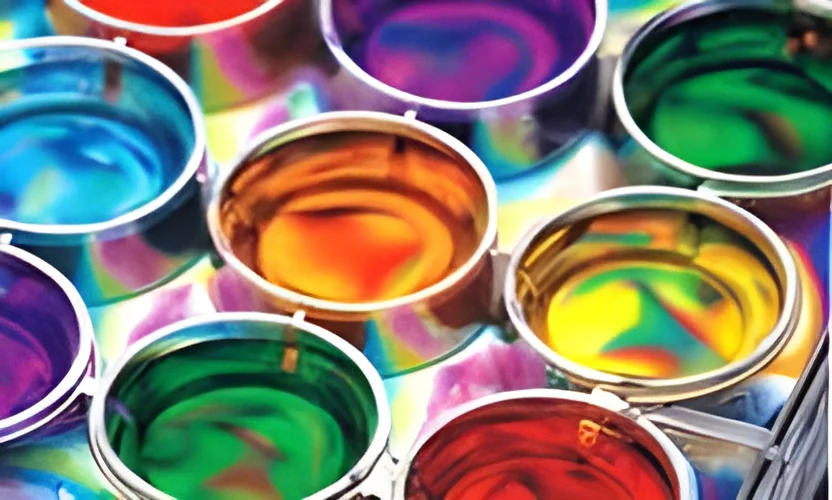
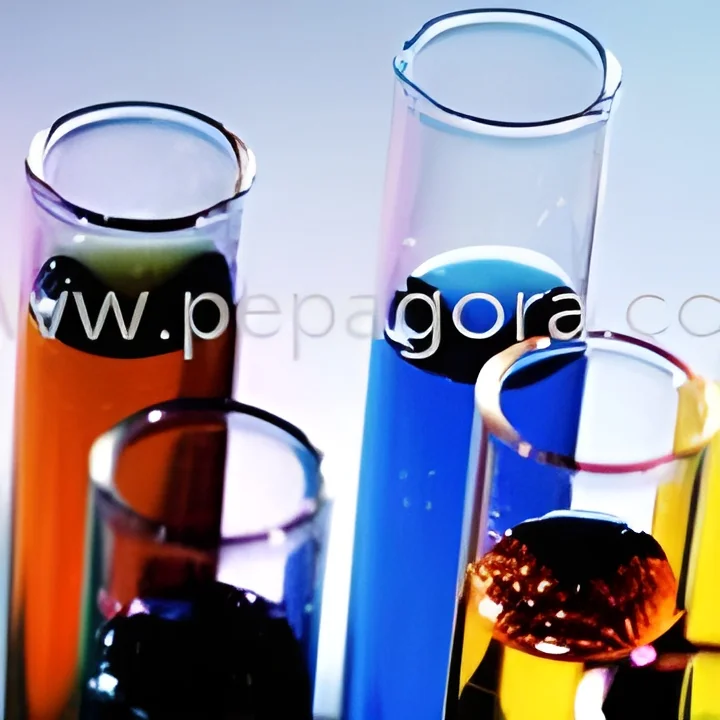
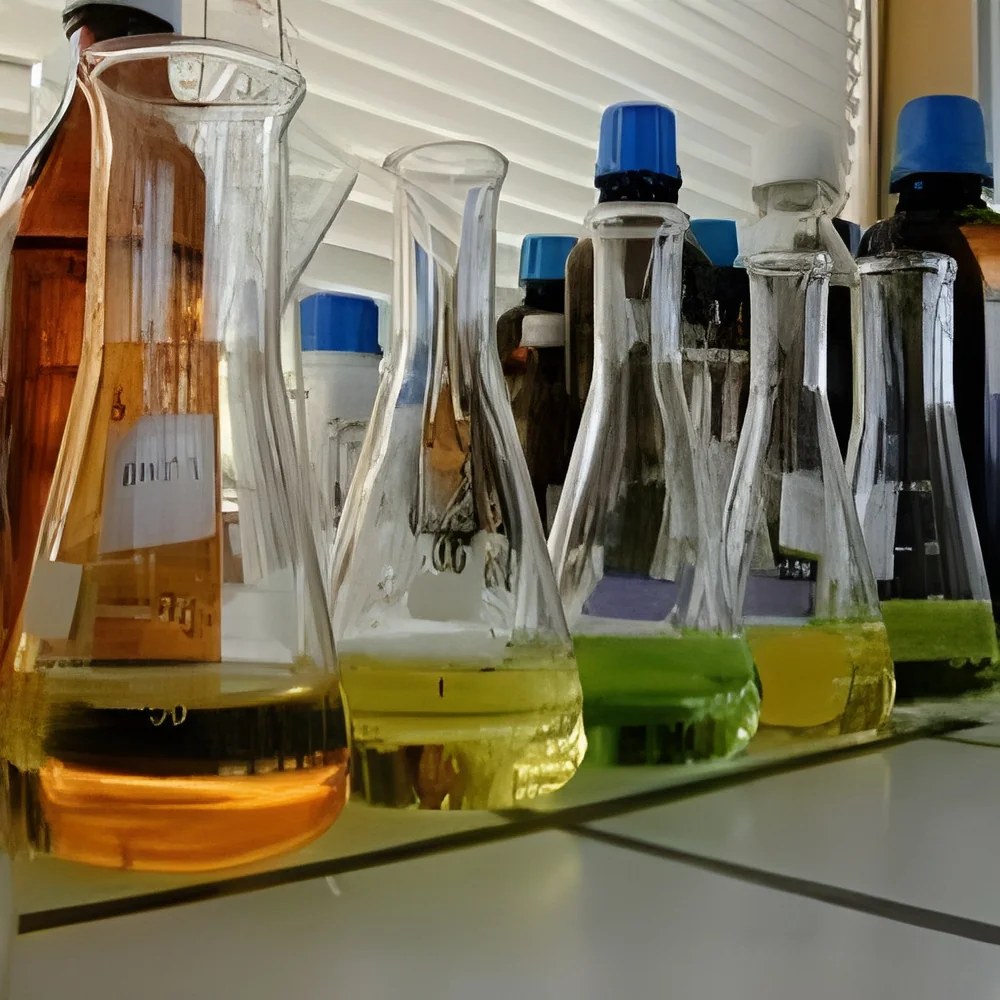
Liquid Dyes: These are soluble dyes available in liquid form, ideal for applications requiring easy mixing and application, such as in textiles and inks.
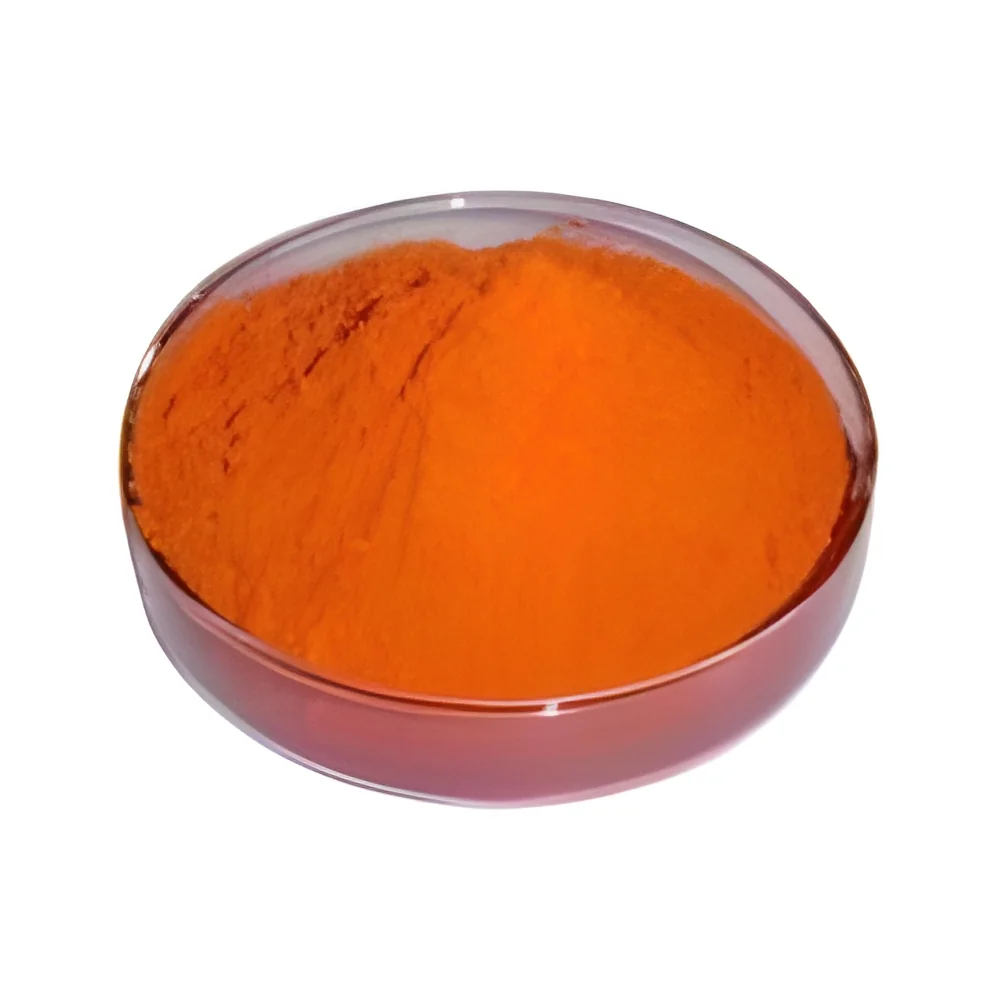
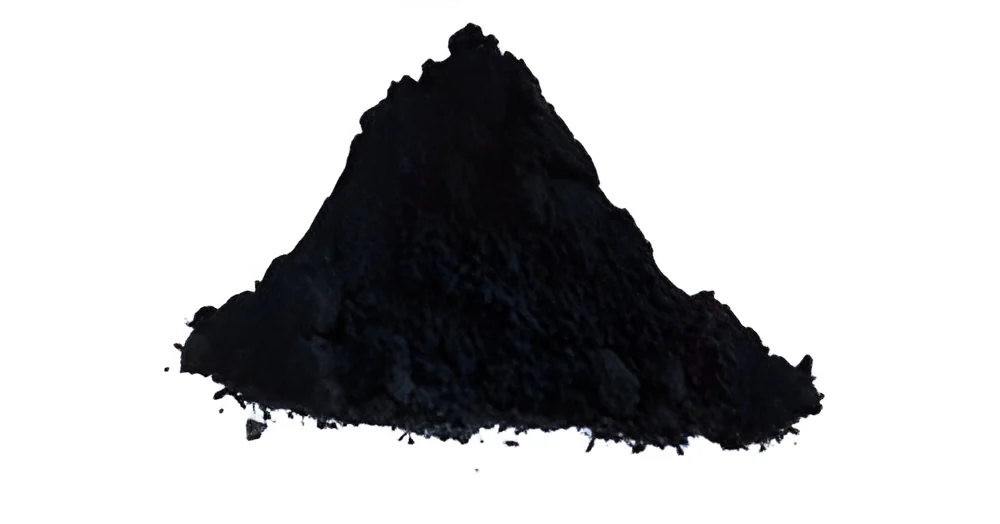
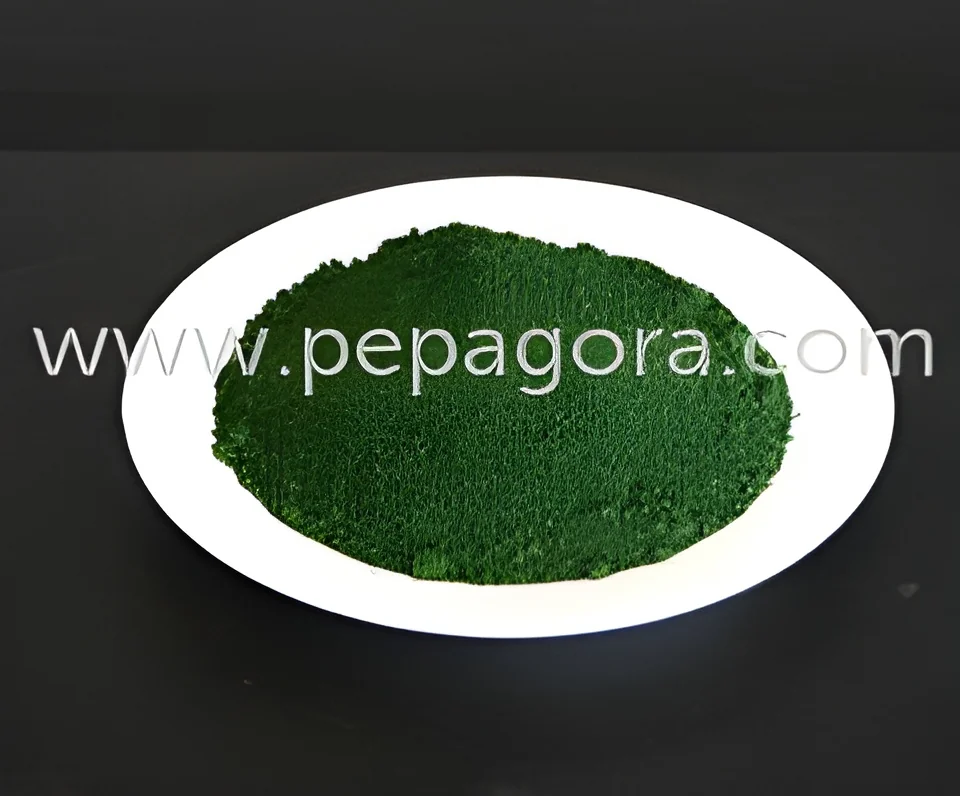
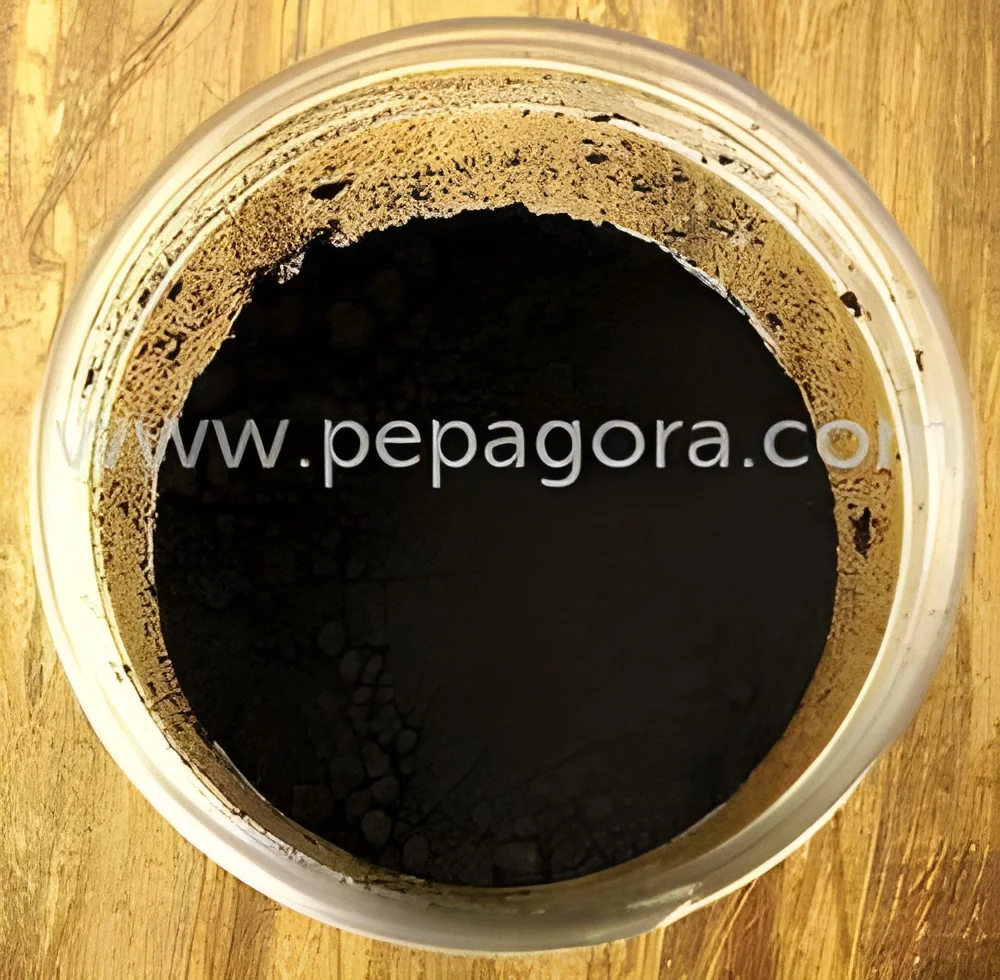
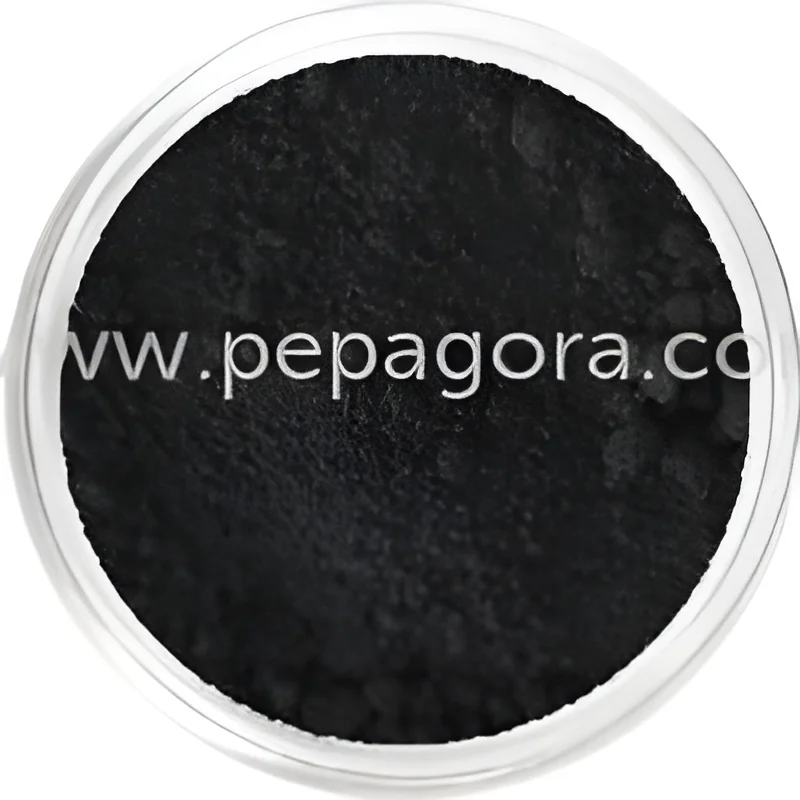
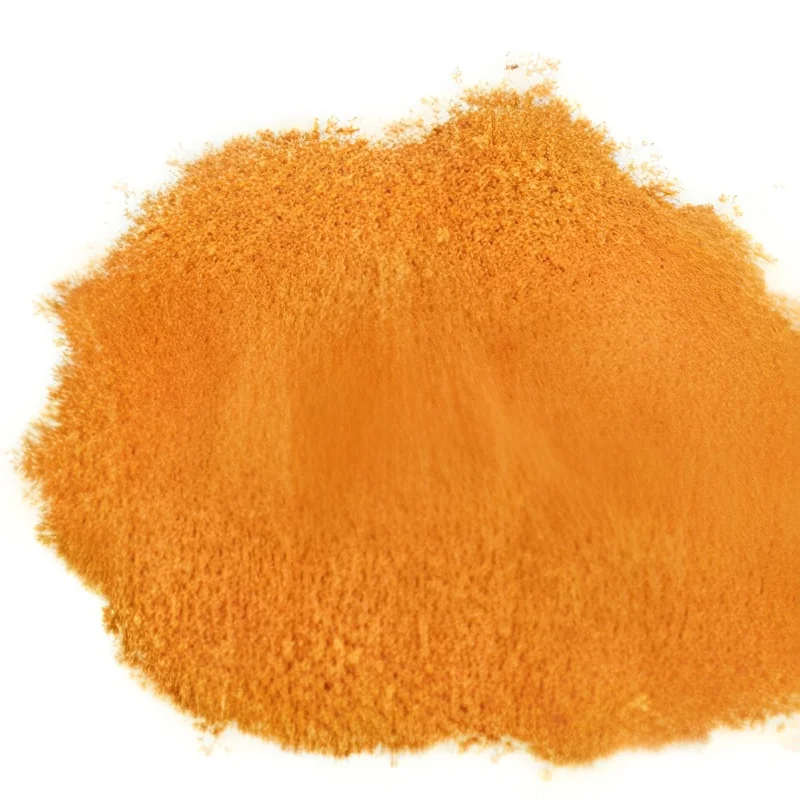
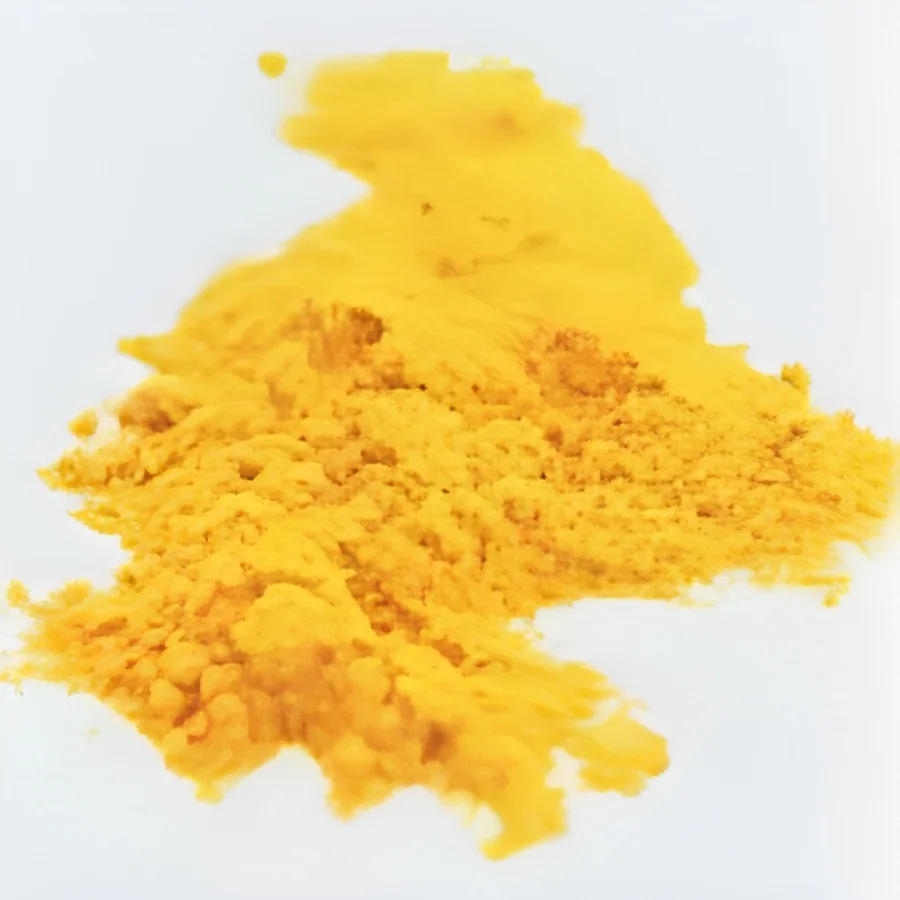
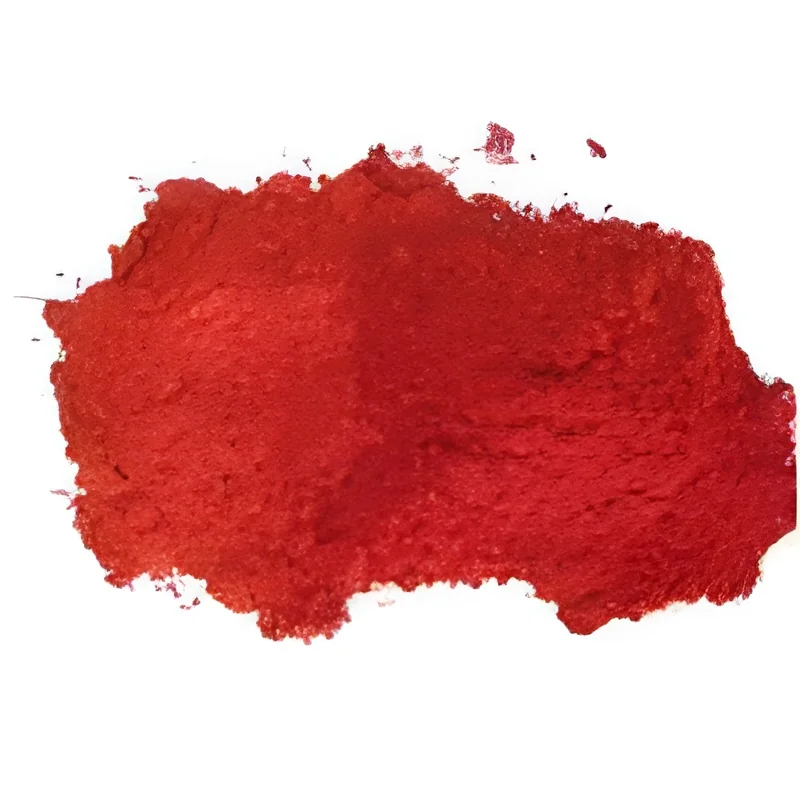
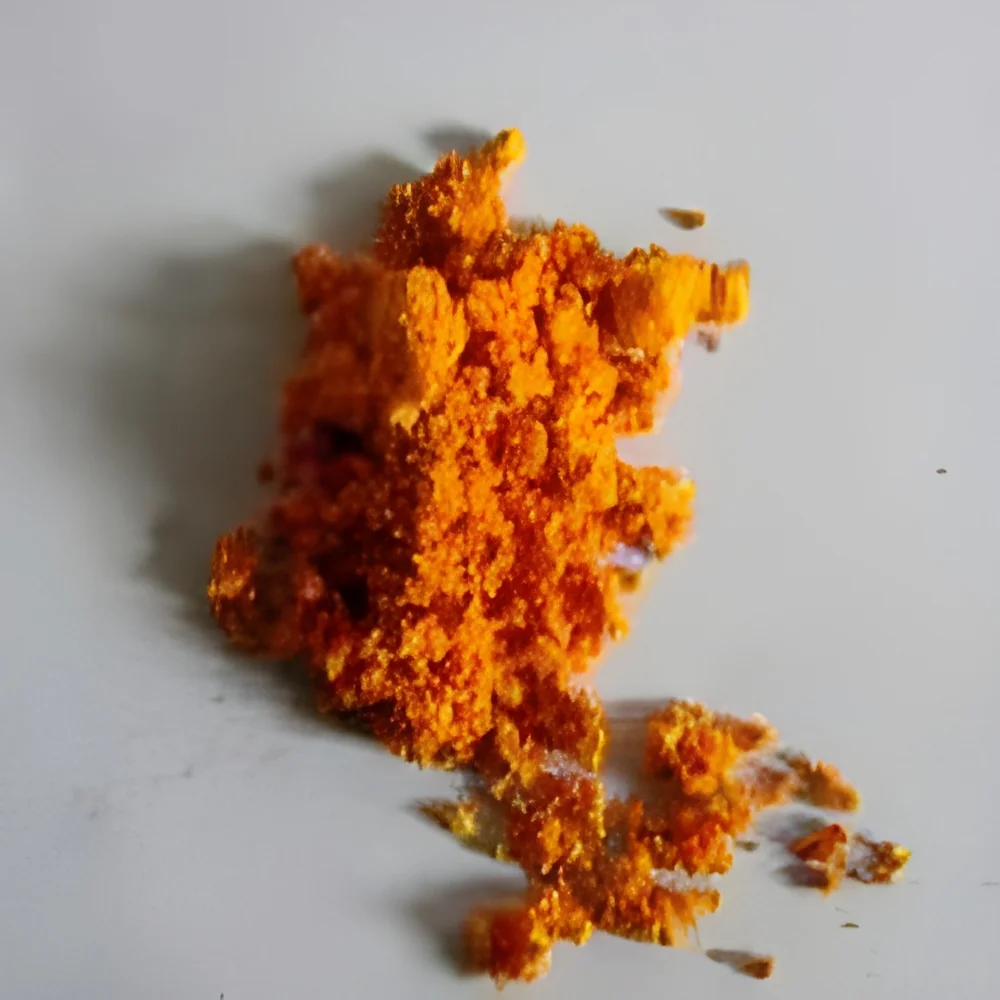
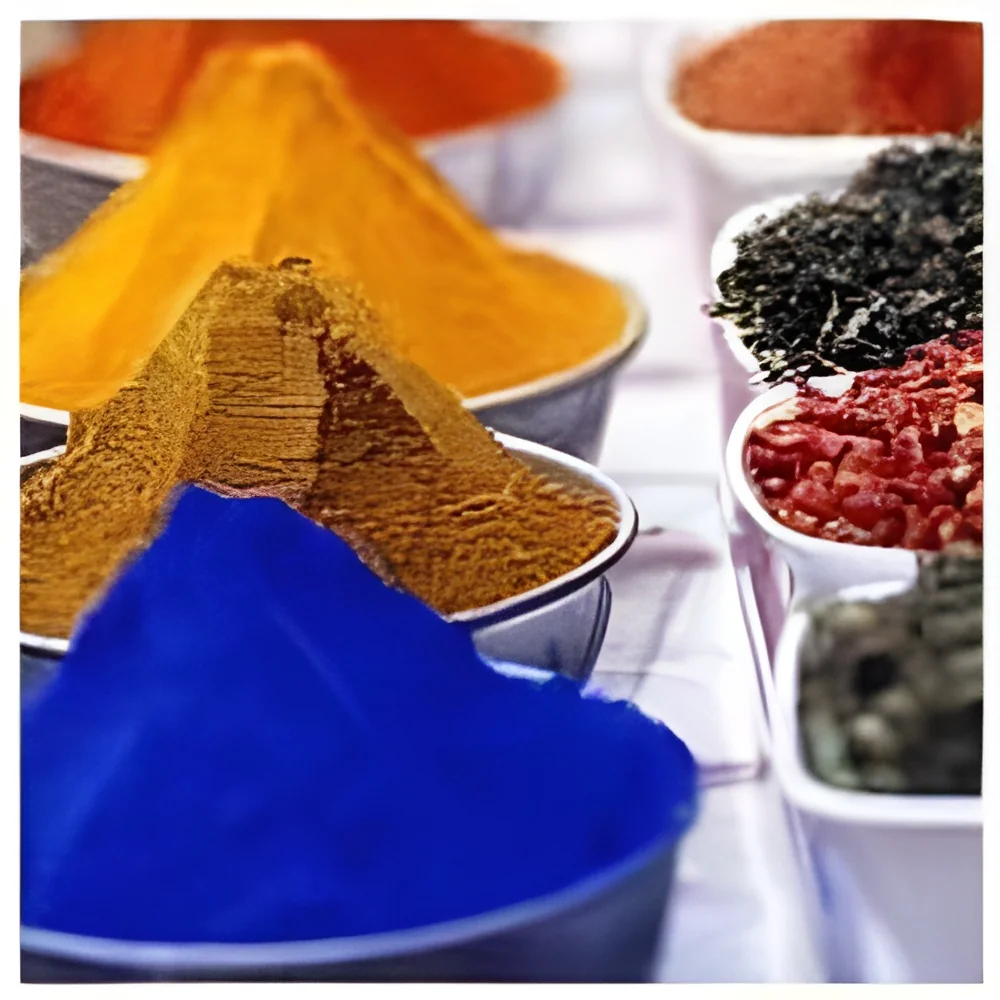
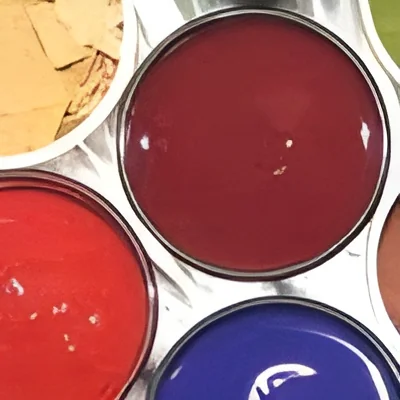
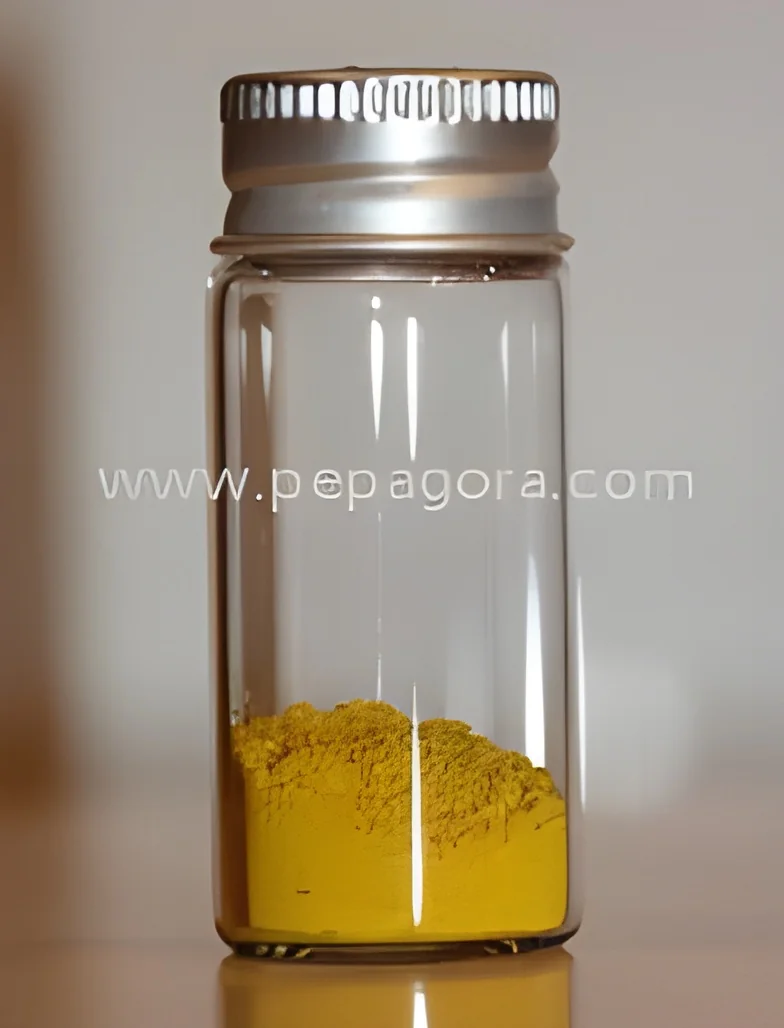
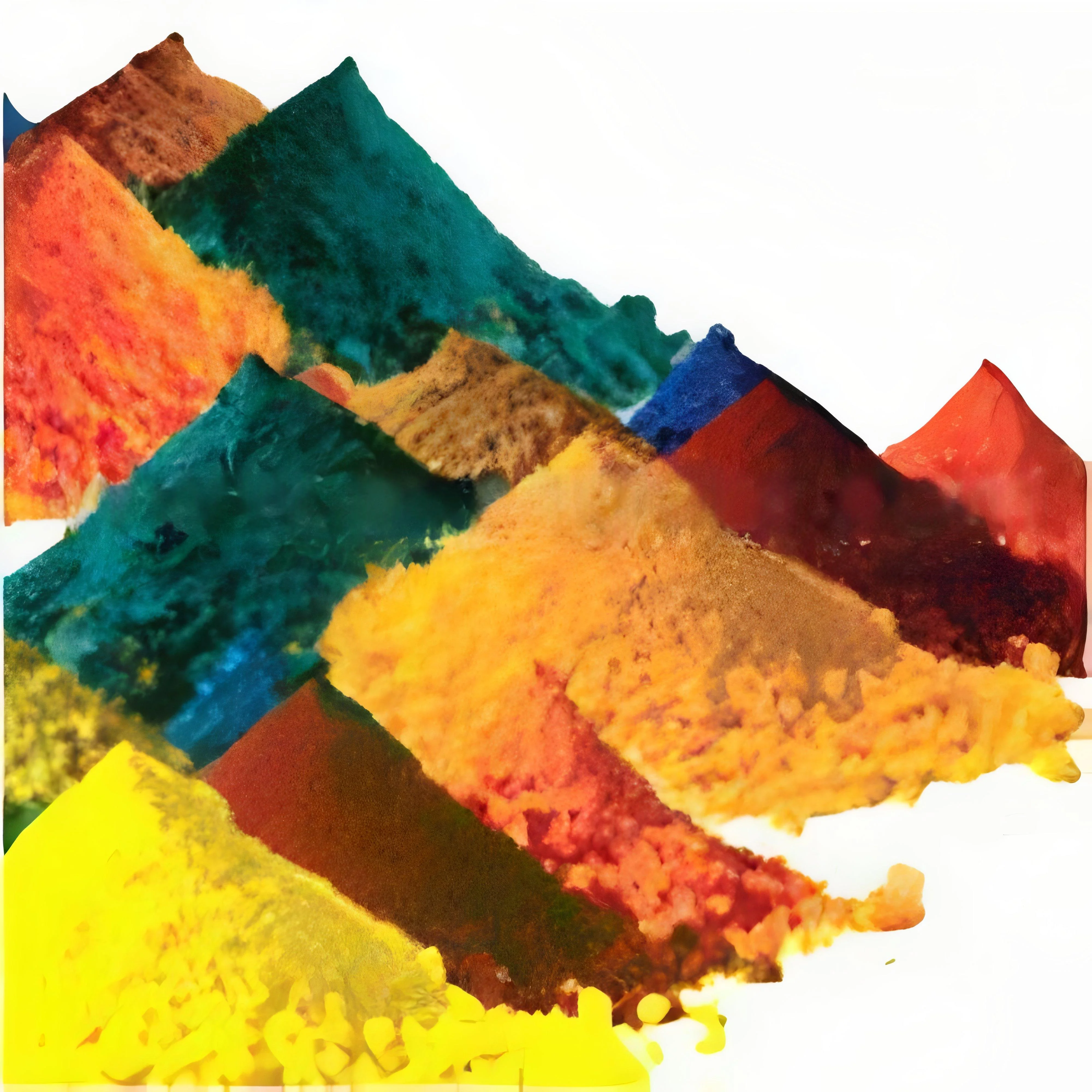
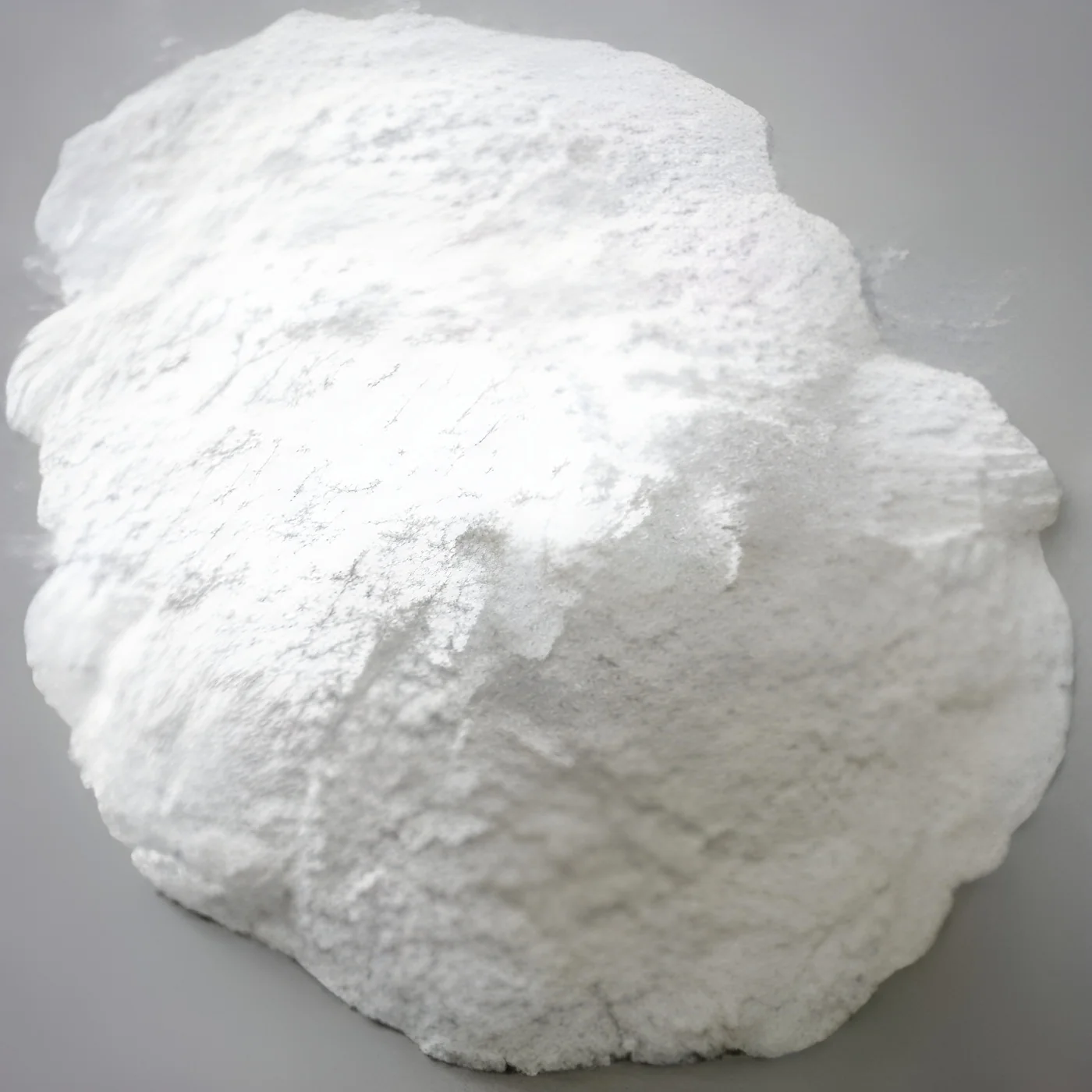
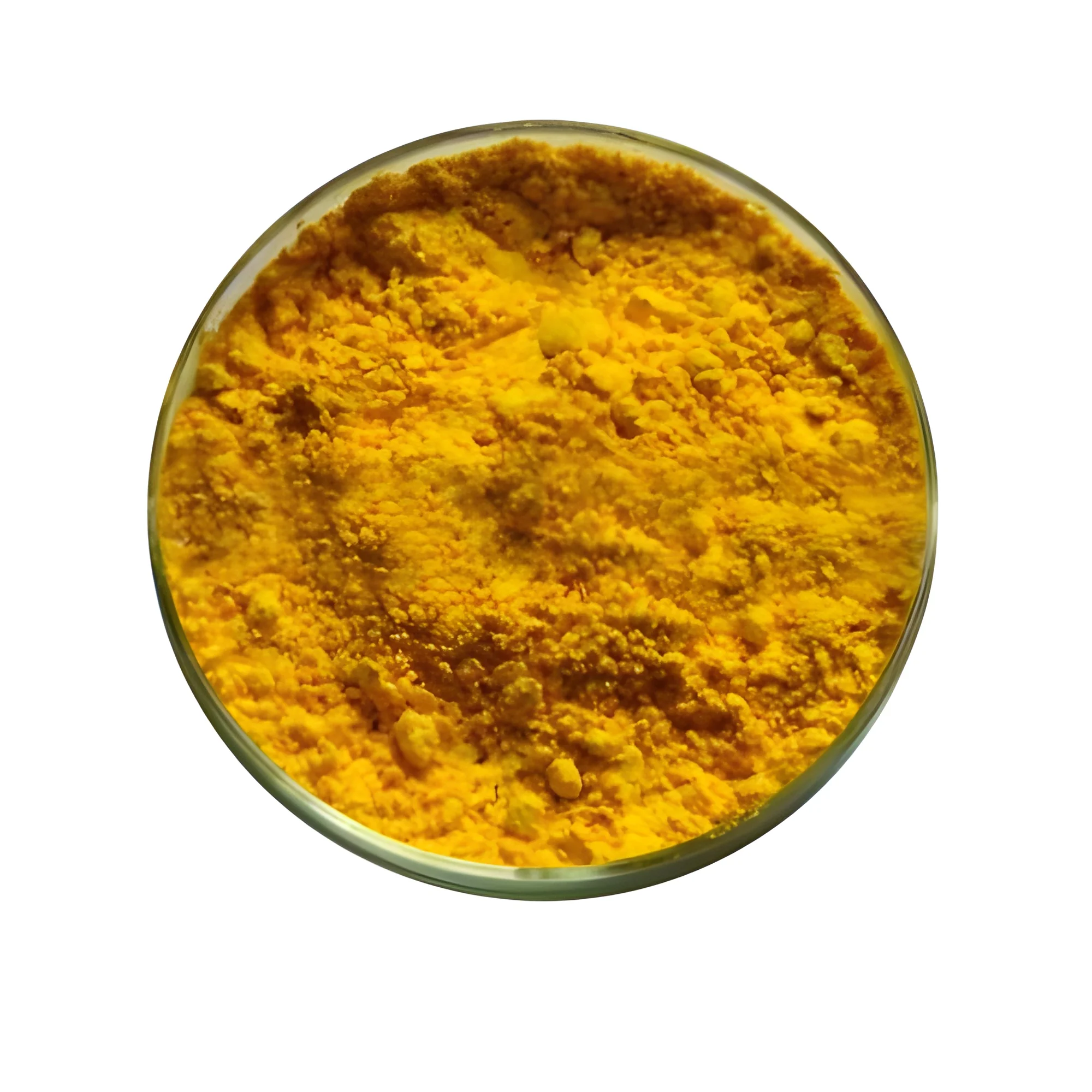
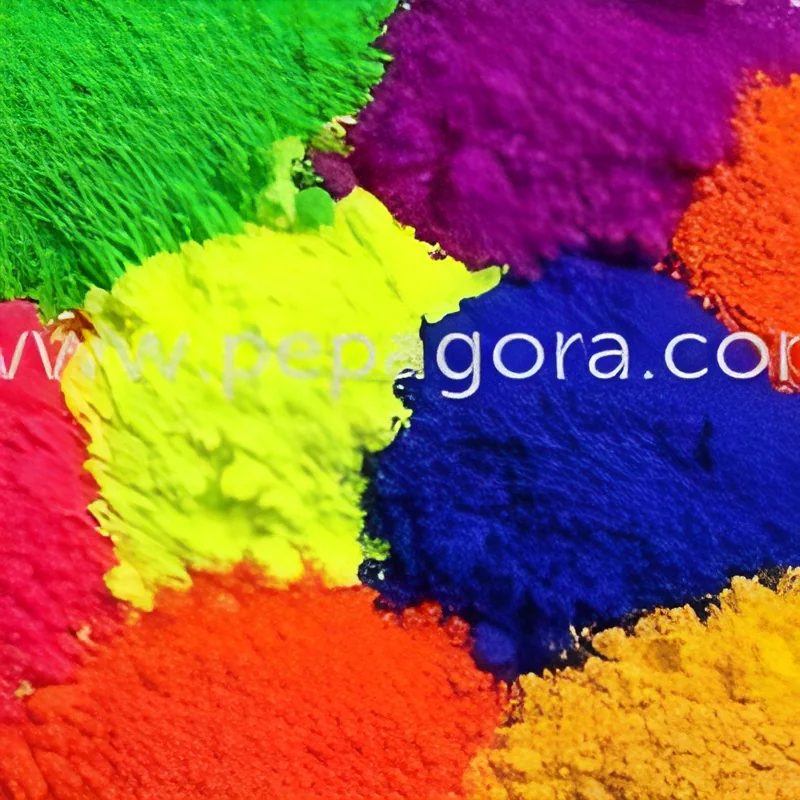
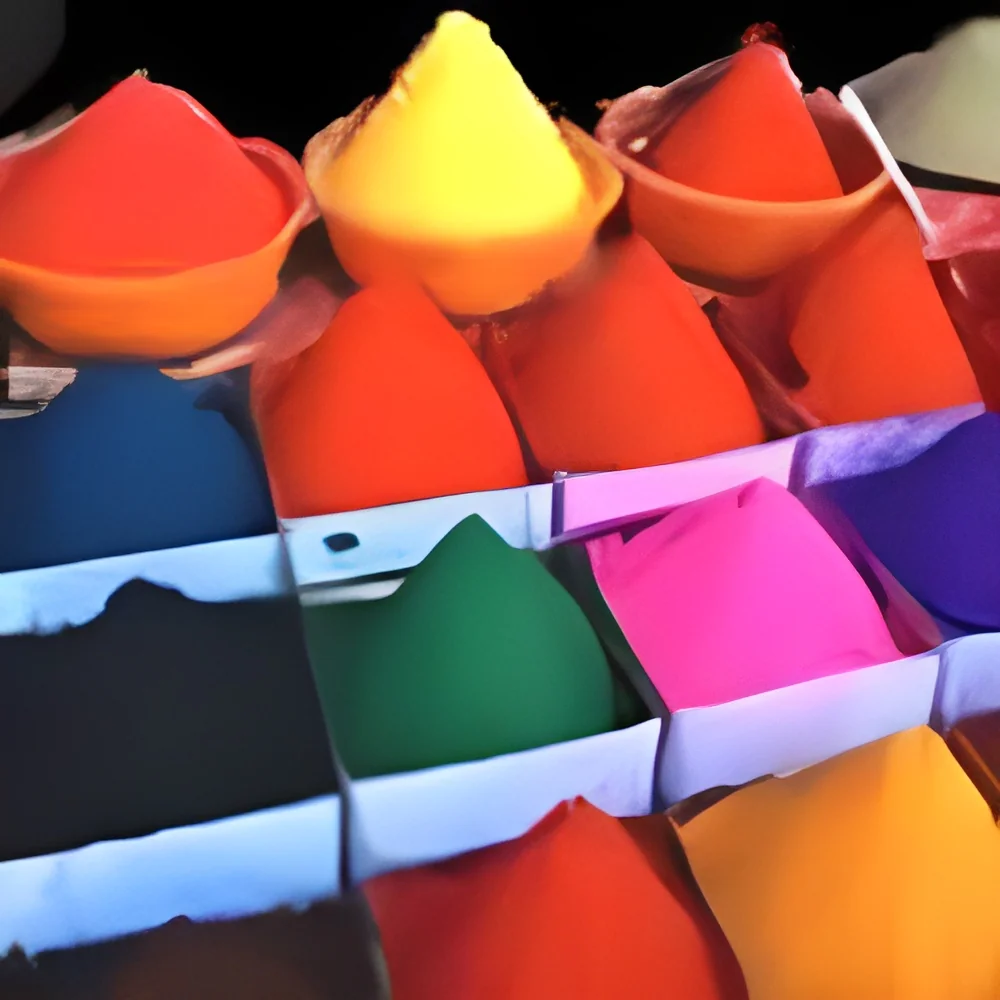
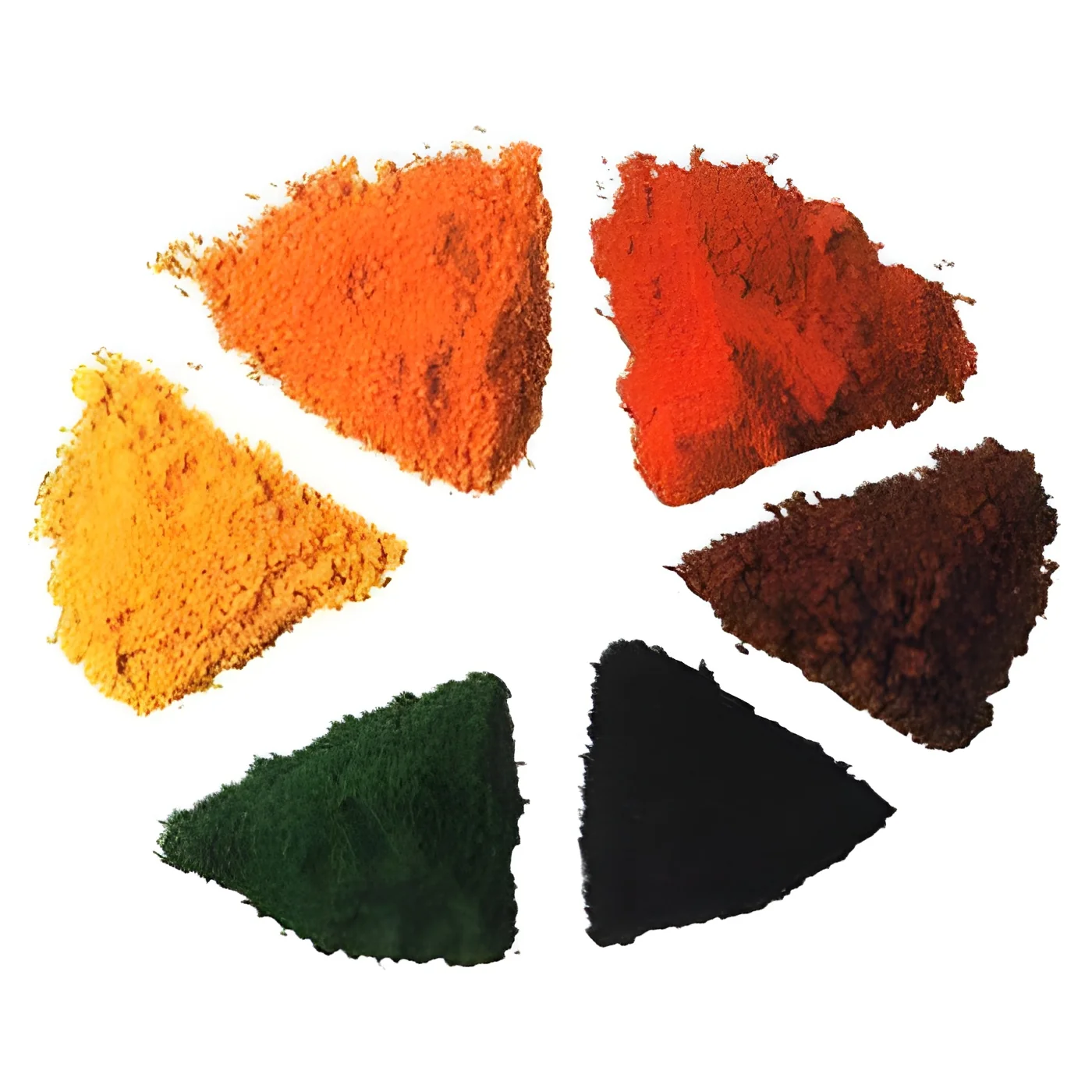
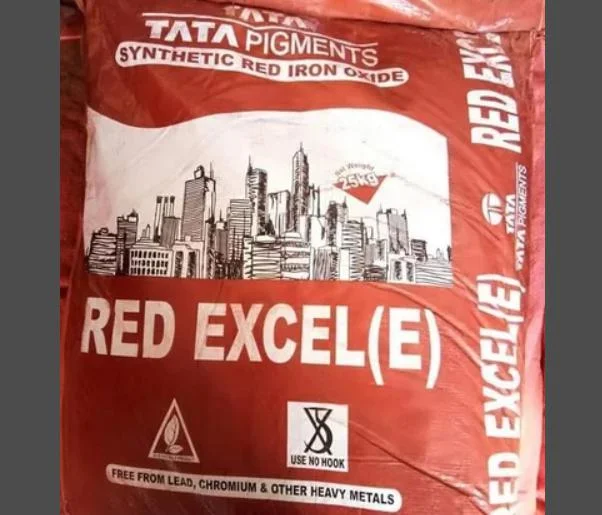
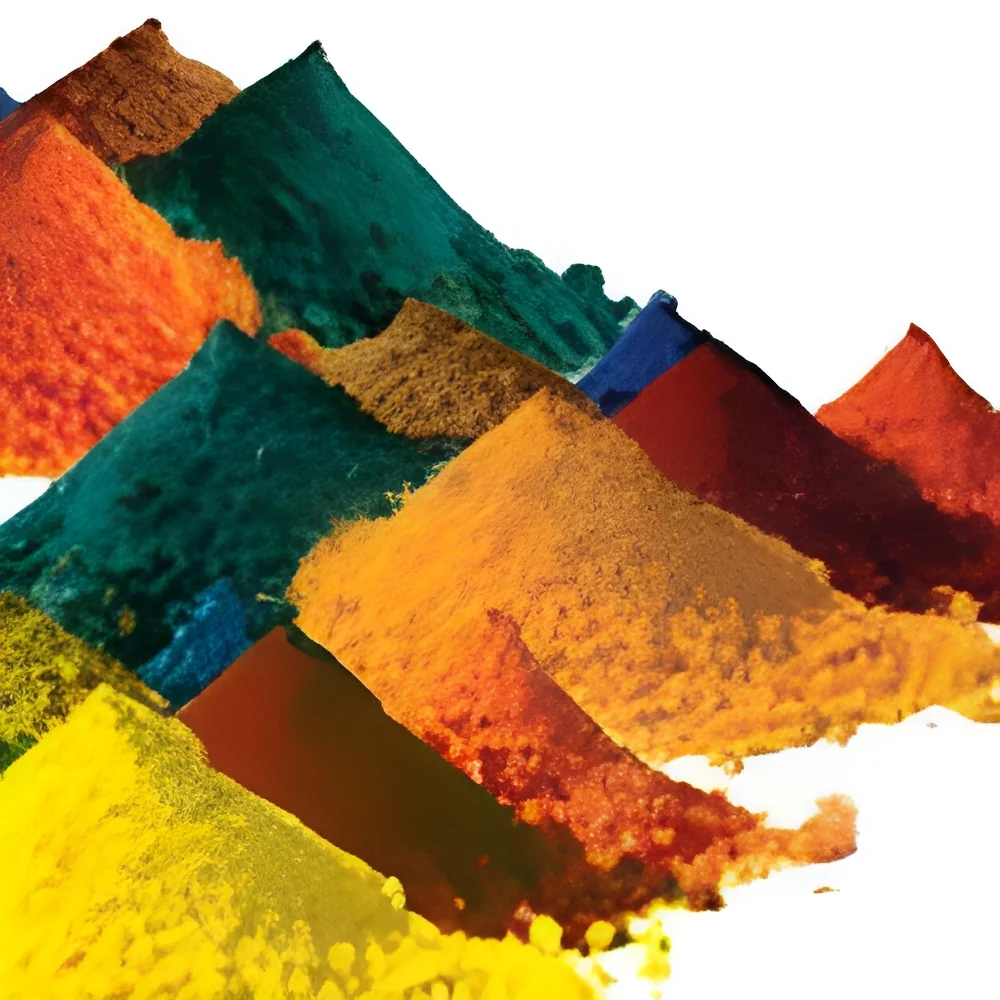
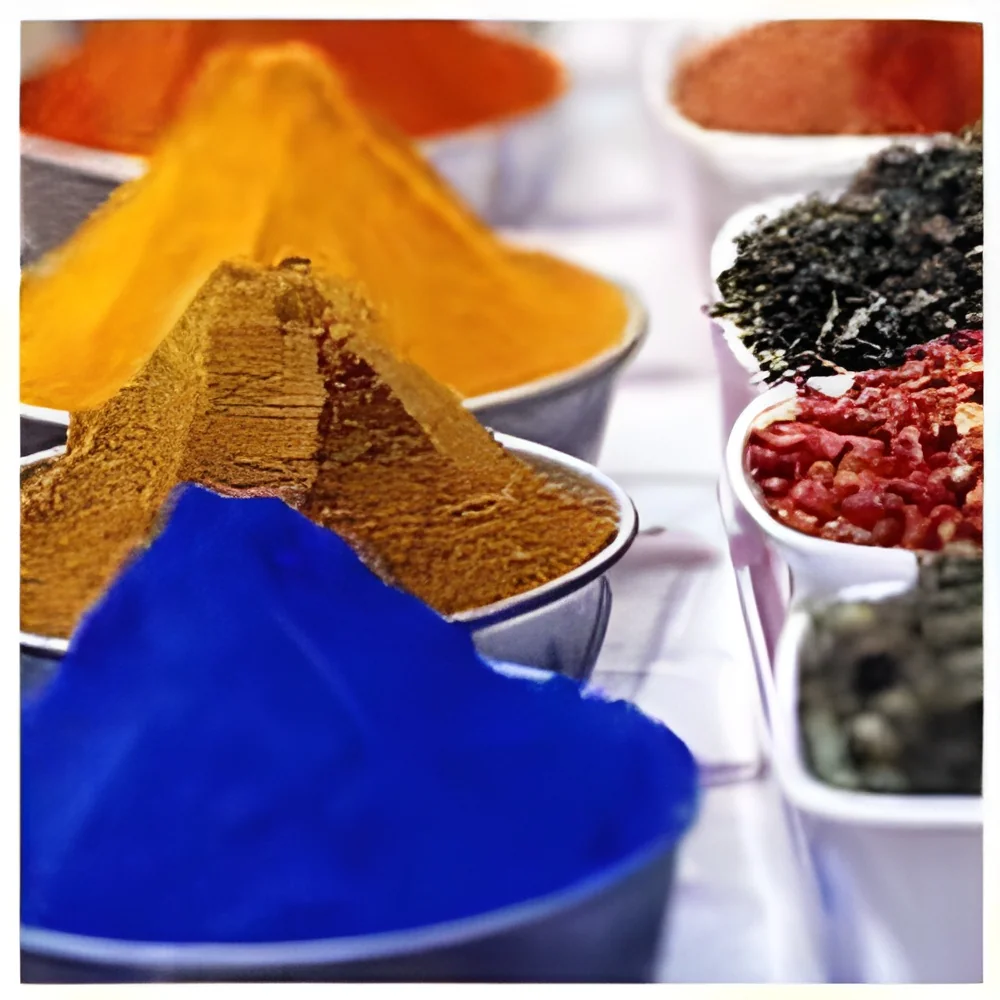
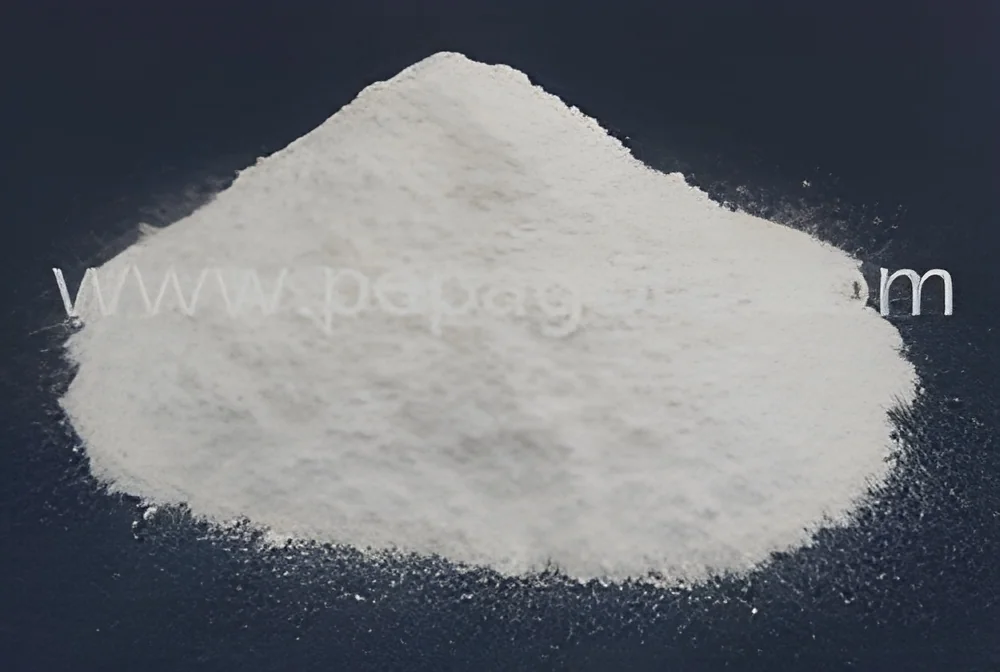
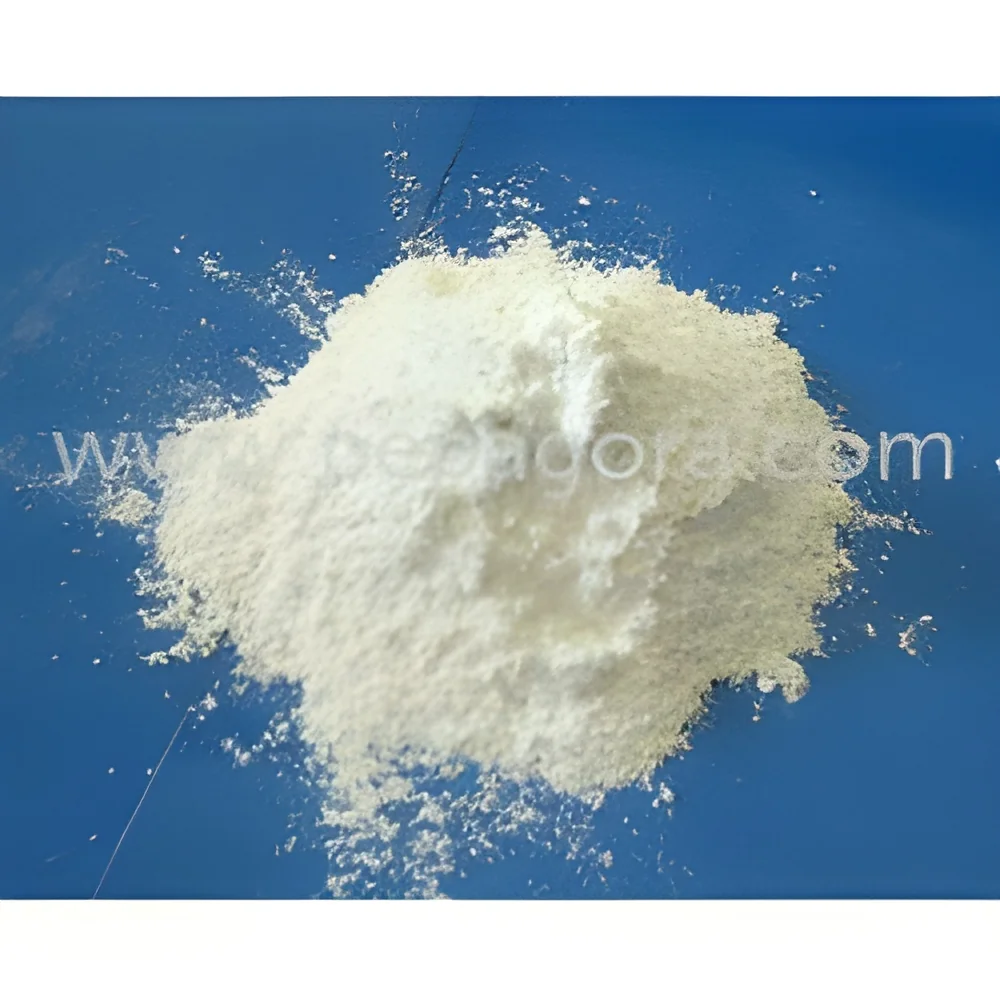
Powdered Pigments: These are finely ground pigments used in paints and coatings, offering a broad range of colors and excellent opacity.
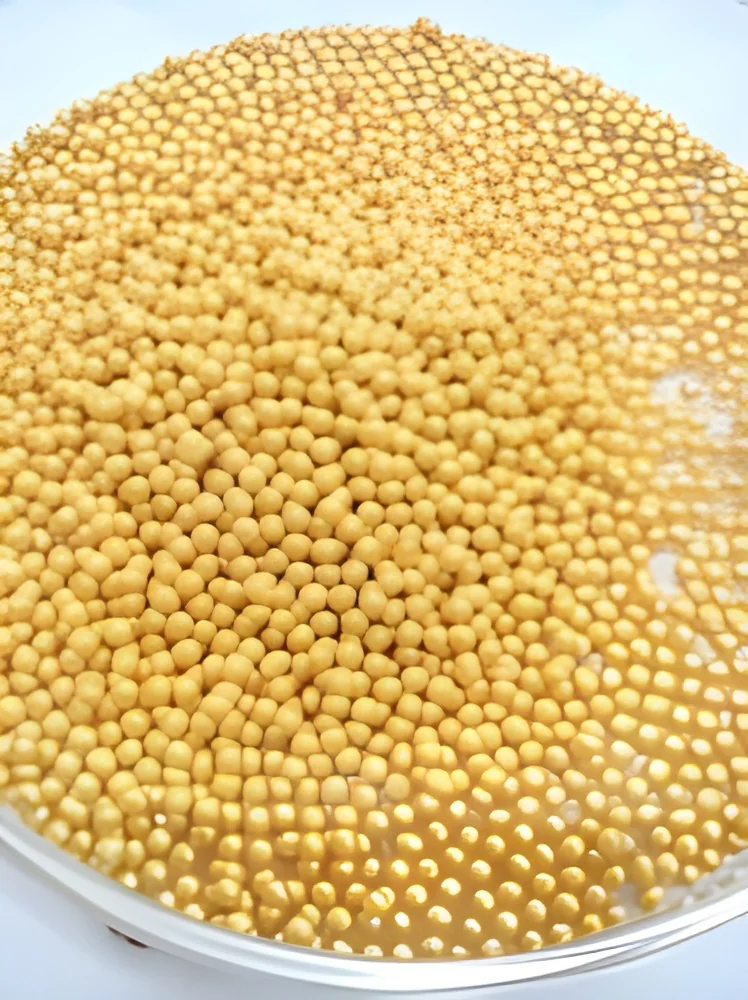
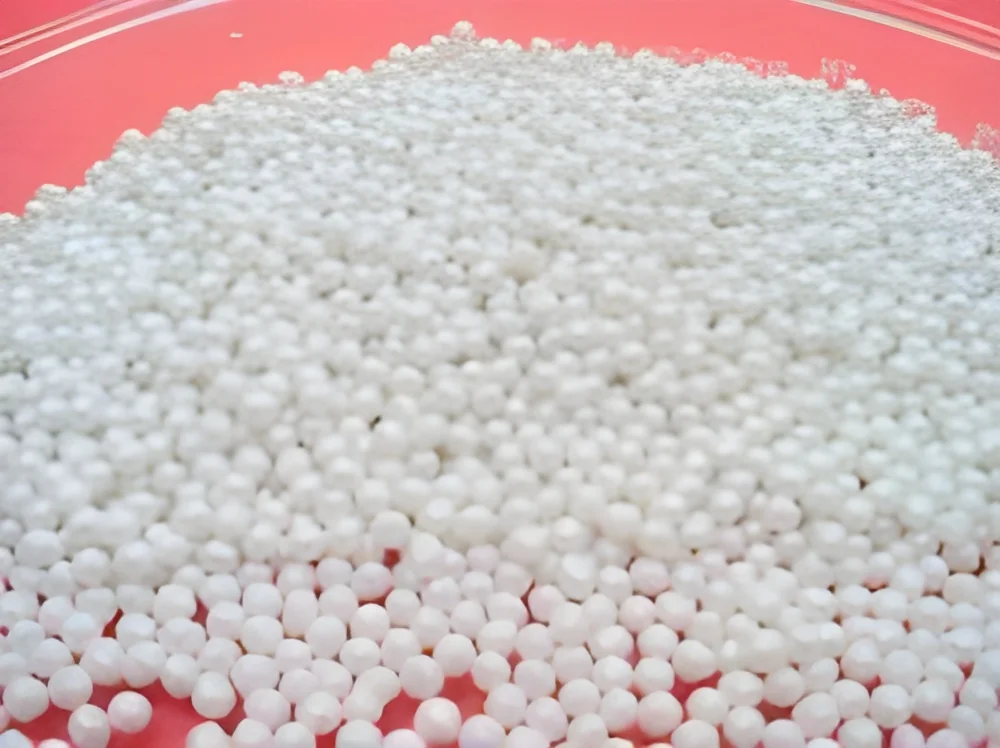
Granular Pigments: Suitable for use in plastics, these pigments come in a granular form, facilitating easy handling and mixing during manufacturing.
Natural Dyes: Sourced from plants and minerals, these dyes are increasingly popular in eco-friendly applications, appealing to environmentally conscious consumers.
Synthetic Dyes: Manufactured through chemical processes, these dyes offer bright colors and high performance, commonly used in textiles and coatings.
𝗕𝗲𝗻𝗲𝗳𝗶𝘁𝘀 𝗮𝗻𝗱 𝗔𝗱𝘃𝗮𝗻𝘁𝗮𝗴𝗲𝘀
Investing in high-quality dyes and pigments provides several key advantages for businesses.
1. Enhanced Aesthetic Appeal: High-quality dyes and pigments improve the visual appeal of products, attracting customers and enhancing brand value.
2. Improved Durability: Quality pigments and dyes offer better resistance to fading and degradation, extending the lifespan of products.
3. Compliance with Regulations: Sourcing from reputable suppliers ensures that products meet safety and environmental standards, reducing regulatory risks.
4. Customization Options: Many suppliers offer customizable solutions to meet specific color requirements, providing flexibility for businesses.
5. Cost-Effectiveness: Investing in durable dyes and pigments can reduce production costs by minimizing the need for frequent replacements.
6. Environmental Sustainability: Many modern dyes and pigments are designed to be eco-friendly, aligning with consumer preferences for sustainable products.
𝗕𝘂𝘆𝗶𝗻𝗴 𝗚𝘂𝗶𝗱𝗲 𝗳𝗼𝗿 𝗕𝟮𝗕 𝗕𝘂𝘆𝗲𝗿𝘀
When sourcing dyes and pigments, it is essential to consider several key factors to ensure that you make informed purchasing decisions.
1. Quality Assessment: Evaluate the quality of dyes and pigments based on properties such as color fastness, solubility, and toxicity. Request samples for testing to ensure they meet your standards.
2. Supplier Verification: Vet potential suppliers by checking their certifications, customer reviews, and industry reputation. A reliable supplier should have a proven track record of delivering quality products.
3. Pricing and MOQ: Understand the price structure and minimum order quantities (MOQ) set by suppliers. Compare prices to ensure you are getting competitive rates without compromising quality.
4. Delivery and Lead Times: Consider the logistics involved in shipping and delivery. Ensure that suppliers can meet your lead time requirements to avoid production delays.
5. Compliance Requirements: Familiarize yourself with relevant regulations and standards applicable to dyes and pigments in your industry. Ensure that suppliers provide documentation confirming compliance.
𝗖𝗼𝗺𝗽𝗹𝗶𝗮𝗻𝗰𝗲 𝗮𝗻𝗱 𝗖𝗲𝗿𝘁𝗶𝗳𝗶𝗰𝗮𝘁𝗶𝗼𝗻𝘀
Dyes and pigments must adhere to several quality standards and certifications to ensure safety and effectiveness in various applications.
Relevant quality standards include ISO 9001, which focuses on quality management systems and consistent delivery of quality products. Additionally, certifications such as HACCP (Hazard Analysis Critical Control Point) are crucial in industries like food and cosmetics, ensuring that products are safe for consumption and use.
Many dyes and pigments also carry CE certification, indicating compliance with European health, safety, and environmental protection legislation. This is particularly important for products intended for the European market.
Safety and testing requirements are critical in ensuring the non-toxicity and environmental impact of dyes and pigments. Regular testing for heavy metals, allergens, and other harmful substances is often mandated.
Regional compliance considerations may vary, with different countries imposing specific regulations on the use of colorants in various industries. It is vital for businesses to understand these regulations to ensure compliance and avoid legal issues.
𝗪𝗵𝘆 𝗦𝗼𝘂𝗿𝗰𝗲 𝗗𝘆𝗲𝘀 & 𝗣𝗶𝗴𝗺𝗲𝗻𝘁𝘀 𝗳𝗿𝗼𝗺 𝗣𝗲𝗽𝗮𝗴𝗼𝗿𝗮?
Pepagora offers a reliable platform for sourcing dyes and pigments, providing several key advantages to buyers.
Verified Supplier Network: Pepagora maintains a network of verified suppliers, ensuring that businesses can access high-quality products from trusted sources. This verification process helps mitigate risks associated with substandard products.
Streamlined RFQ Process: The request for quotation (RFQ) system on Pepagora allows buyers to easily compare offers from multiple suppliers. This transparency helps businesses make informed decisions based on price and quality.
Trade Assurance and Support: Pepagora offers trade assurance to protect buyers from potential issues during transactions. This includes support for resolving disputes and ensuring timely delivery of products.
Regional Coverage: With a strong presence in India, the GCC, and Southeast Asia, Pepagora provides a broad geographic reach, allowing businesses to source dyes and pigments from diverse markets. This regional coverage enhances opportunities for competitive pricing and product variety.







 India


 India
 India
 India
 India

 India
 India
 India
 India

 India

 India


 India

 India
 India
 India
 India
 India


 India

 India


 India
 India

 India
 India
 India

 India


 India


 India

 India
 India
 India
 India

 India
 India
 India
 India


 India

 India
 India


 India
 India
 India

 India
 India

 India
 India
 India
 India
 India
 India
 India
 India
 India
 India
Frequently Asked Questions
What are Dyes & Pigments?
Dyes and pigments are colorants used to impart color to various materials. Dyes are soluble and can penetrate the substrate, while pigments are insoluble and exist as fine particles that provide color by reflecting light.
What are the different types of Dyes & Pigments?
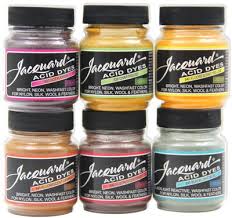
There are several types of dyes, including direct dyes, reactive dyes, acid dyes, and disperse dyes. Pigments can be classified into organic and inorganic pigments, with further subdivisions based on their applications in industries like textiles, coatings, and plastics.
How do I choose the right Dyes & Pigments?
Choosing the right dyes and pigments depends on factors such as the material to be colored, the desired shade, and the application method. It is also essential to consider the lightfastness, washfastness, and compatibility with other materials.
What are the standard specifications for Dyes & Pigments?
Standard specifications for dyes and pigments include parameters such as color strength, purity, solubility, and stability under various conditions. Compliance with industry standards like ISO or ASTM may also be required depending on the application.
What is the price range for Dyes & Pigments?
The price range for dyes and pigments varies widely based on the type, quality, and supplier. On average, prices can range from a few hundred to several thousand rupees per kilogram, influenced by market demand and raw material costs.
What quality standards apply to Dyes & Pigments?
Quality standards for dyes and pigments typically include assessments for color consistency, strength, and safety. Many manufacturers adhere to international standards such as ISO 9001 to ensure product quality and reliability.
Where can I find Dyes & Pigments suppliers in India?
You can find dyes and pigments suppliers in India through various online B2B marketplaces, trade exhibitions, and industry directories. Websites like Pepagora.com can connect you with reliable manufacturers and suppliers in this sector.
Can Dyes & Pigments be customized?
Yes, many manufacturers offer customization options for dyes and pigments to meet specific requirements such as color shade, formulation, and packaging. It is advisable to discuss your needs directly with suppliers for tailored solutions.
What is the typical minimum order quantity for Dyes & Pigments?
The typical minimum order quantity (MOQ) for dyes and pigments can vary by supplier and product type, ranging from 1 kg to several hundred kilograms. It's important to check with the supplier for their specific MOQ policies.
What is the typical lead time for Dyes & Pigments?
The typical lead time for dyes and pigments can range from a few days to several weeks, depending on the supplier's inventory, order size, and customization requirements. It is recommended to confirm the lead time with the supplier before placing an order.
Why Businesses Trust Pepagora
Thousands of companies trust Pepagora to source smarter and sell faster
Expand Your Sales Globally

Source Smarter,Grow Faster
