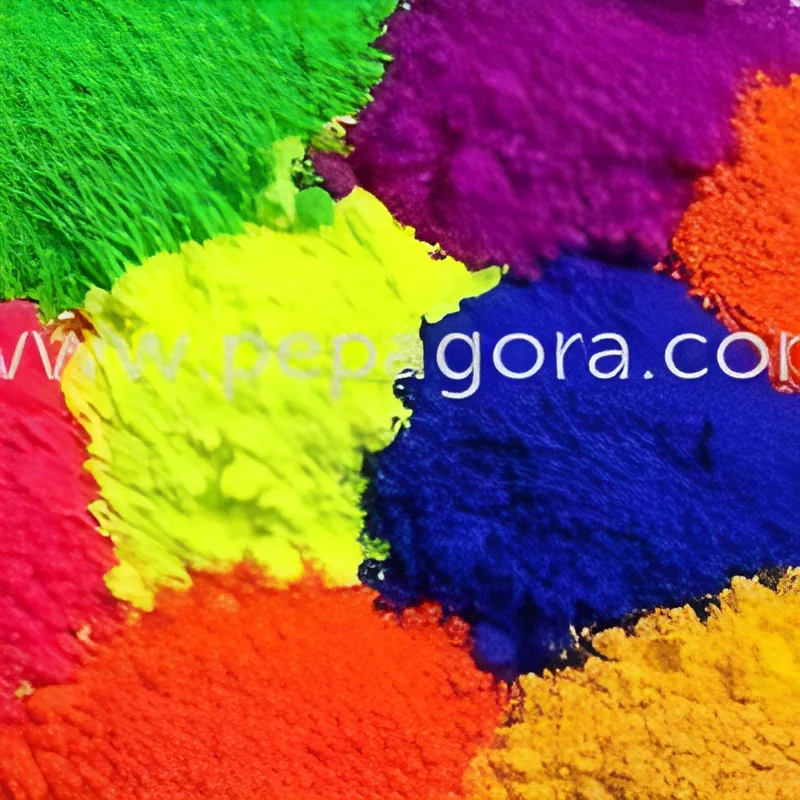
What are Pigment Dyes?
Pigment dyes are finely powdered substances used to impart color to various materials through a process called dispersion. Unlike traditional dyes that dissolve in a medium, pigment dyes remain suspended, allowing them to provide vibrant and long-lasting colors. These pigments can be derived from both organic and inorganic sources, offering a wide range of color options and properties.
Pigment dyes are predominantly used across several industries, including textiles, coatings, plastics, and printing. They play a crucial role in enhancing the aesthetic appeal of products while also providing additional functional properties such as UV resistance and durability. As industries increasingly prioritize sustainability, the demand for eco-friendly pigment dyes is also on the rise, reflecting a shift towards greener manufacturing practices.
In the current market context, the pigment dye industry is experiencing growth driven by technological advancements and innovation in color formulations. Companies are investing in research and development to create more efficient and versatile pigments that meet the evolving needs of different sectors. This ongoing evolution makes pigment dyes a relevant and essential component in various manufacturing processes.
Key Features and Specifications
Pigment dyes offer several important features that make them suitable for a variety of applications. Understanding these specifications is essential for businesses looking to select the right pigment dye for their needs.
Key specifications include:
1. Color Fastness
- The ability of a pigment dye to maintain its color under various conditions.
- Often rated based on exposure to light, washing, and abrasion.
2. Particle Size
- The size of the pigment particles affects dispersion and color intensity.
- Typical ranges are between 5 to 100 microns.
3. Solvent Compatibility
- Indicates which solvents can effectively disperse the pigment.
- Important for applications in coatings and inks.
4. Temperature Stability
- The capacity of pigment dyes to withstand high temperatures without degradation.
- Specific ranges are not available but vary by formulation.
5. Lightfastness
- Measures how well a pigment resists fading when exposed to light.
- Rated on a scale from 1 to 8, with higher numbers indicating better resistance.
6. Eco-friendliness
- Many modern pigment dyes are formulated to be non-toxic and environmentally friendly.
- Compliance with regulations such as REACH may apply.
7. Chemical Resistance
- The ability of the pigment to withstand various chemicals without losing color.
- Varies based on the specific formulation.
8. Viscosity
- Affects how the pigment dye can be processed and applied.
- Viscosity levels are crucial for applications in printing and coatings.
In summary, when selecting pigment dyes, businesses should consider these key features to ensure they choose the right product for their specific applications.
Common Applications and Use Cases
Pigment dyes serve a variety of industries, showcasing their versatility and importance in manufacturing processes.
1. Textiles: Pigment dyes are widely used in the textile industry for coloring fabrics. They provide excellent wash and light fastness, making them ideal for clothing and upholstery.
2. Coatings: In the coatings sector, pigment dyes enhance the visual appeal of paints and finishes. They also offer protective qualities, such as UV resistance.
3. Plastics: Pigment dyes are essential in plastic manufacturing, where they are used to color products ranging from containers to automotive parts. Their durability ensures long-lasting color.
4. Printing: The printing industry utilizes pigment dyes for inks that require high color intensity and stability. This is particularly important for packaging and promotional materials.
5. Cosmetics: Pigment dyes are used in cosmetics to provide vibrant colors in products like lipsticks and eyeshadows. Their safety and compliance with cosmetic regulations are crucial.
6. Construction: In construction materials, pigment dyes are used to color concrete and masonry products. They enhance aesthetics while contributing to the material's performance.
7. Paper: Pigment dyes are employed in the paper industry to achieve specific colors and effects in printed materials. Their compatibility with various substrates is essential.
Product Variants and Subcategories
Pigment dyes come in various formulations, allowing businesses to select products that best fit their needs.
Water-Based Pigment Dyes
These dyes are known for their environmentally friendly properties. They are commonly used in textiles and coatings, offering easy application and excellent durability.
Solvent-Based Pigment Dyes
Solvent-based options provide robust color performance, particularly in coatings and inks. Their compatibility with a wide range of solvents makes them versatile for various applications.
High-Performance Pigment Dyes
These specialized dyes are engineered for extreme conditions, such as high temperatures and chemical exposure. They are ideal for industrial applications where durability is critical.
Benefits and Advantages
Pigment dyes offer several key benefits for businesses across different industries.
1. Durability: Pigment dyes are known for their excellent durability, ensuring that colors remain vibrant over time even in challenging conditions.
2. Versatility: With a wide range of colors and formulations, pigment dyes can be used in numerous applications, from textiles to coatings.
3. Eco-Friendly Options: Many pigment dyes are available in environmentally friendly formulations, allowing businesses to meet sustainability goals.
4. Cost-Effectiveness: Pigment dyes often provide a more cost-effective solution compared to traditional dyes, especially in large-scale applications.
5. Color Stability: Their resistance to fading and degradation ensures that products maintain their appearance, enhancing overall quality.
6. Ease of Use: Pigment dyes generally offer straightforward application processes, making them suitable for various manufacturing techniques.
Buying Guide for B2B Buyers
When sourcing pigment dyes, businesses should consider several important factors to ensure they select the right products.
1. Quality Assessment: Buyers should evaluate the quality of pigment dyes based on color fastness, stability, and compliance with industry standards. Sampling and testing before bulk orders can help ensure quality.
2. Supplier Verification: It is crucial to vet suppliers for reliability and reputation. Checking references and reviews can provide insight into their operational integrity and product quality.
3. Pricing and MOQ: Understanding the pricing structure and minimum order quantities can help buyers make informed decisions. Comparing quotes from multiple suppliers can also yield better deals.
4. Delivery and Lead Times: Consideration of delivery schedules and lead times is essential for maintaining production timelines. Establishing clear communication with suppliers can help manage expectations.
5. Compliance Requirements: Buyers should be aware of any regulatory compliance related to pigment dyes, including safety standards and environmental regulations. Ensuring suppliers meet these requirements is key to avoiding legal issues.
Compliance and Certifications
Pigment dyes must adhere to several quality standards and industry certifications to ensure safety and performance.
ISO 9001 certification is a widely recognized standard that ensures consistent quality management practices among manufacturers. Companies producing pigment dyes may seek this certification to demonstrate their commitment to quality.
CE certification is another important aspect, particularly for products used in the European market. This certification indicates that the product meets necessary safety and environmental requirements.
Safety and testing requirements are critical for pigment dyes, especially those used in consumer products. Compliance with safety standards ensures that the dyes do not pose health risks to users.
Regional compliance considerations may vary based on local regulations. For instance, businesses must be aware of specific guidelines in markets like the European Union or North America regarding the use of certain chemicals in pigment dyes.
Why Source Pigment Dyes from Pepagora?
Pepagora provides a trusted platform for sourcing pigment dyes, ensuring that buyers have access to quality products and reliable suppliers.
Verified Supplier Network: Pepagora has established a robust network of verified suppliers, ensuring that buyers can source pigment dyes from reputable manufacturers. This verification process helps mitigate the risks associated with sourcing.
Streamlined RFQ Process: The platform offers a simplified Request for Quotation (RFQ) process, making it easy for businesses to request and compare quotes from multiple suppliers. This efficiency saves time and helps identify the best options.
Trade Assurance and Support: Pepagora offers trade assurance, providing buyers with protection against potential issues during the transaction. This support gives businesses confidence in their purchasing decisions.
Regional Coverage: With a strong presence in regions like India, the Gulf Cooperation Council, and Southeast Asia, Pepagora connects buyers with local suppliers, facilitating faster delivery and better communication. This geographic reach enhances the sourcing experience for businesses looking for pigment dyes.

 IN
IN