What are Basic Dyes?
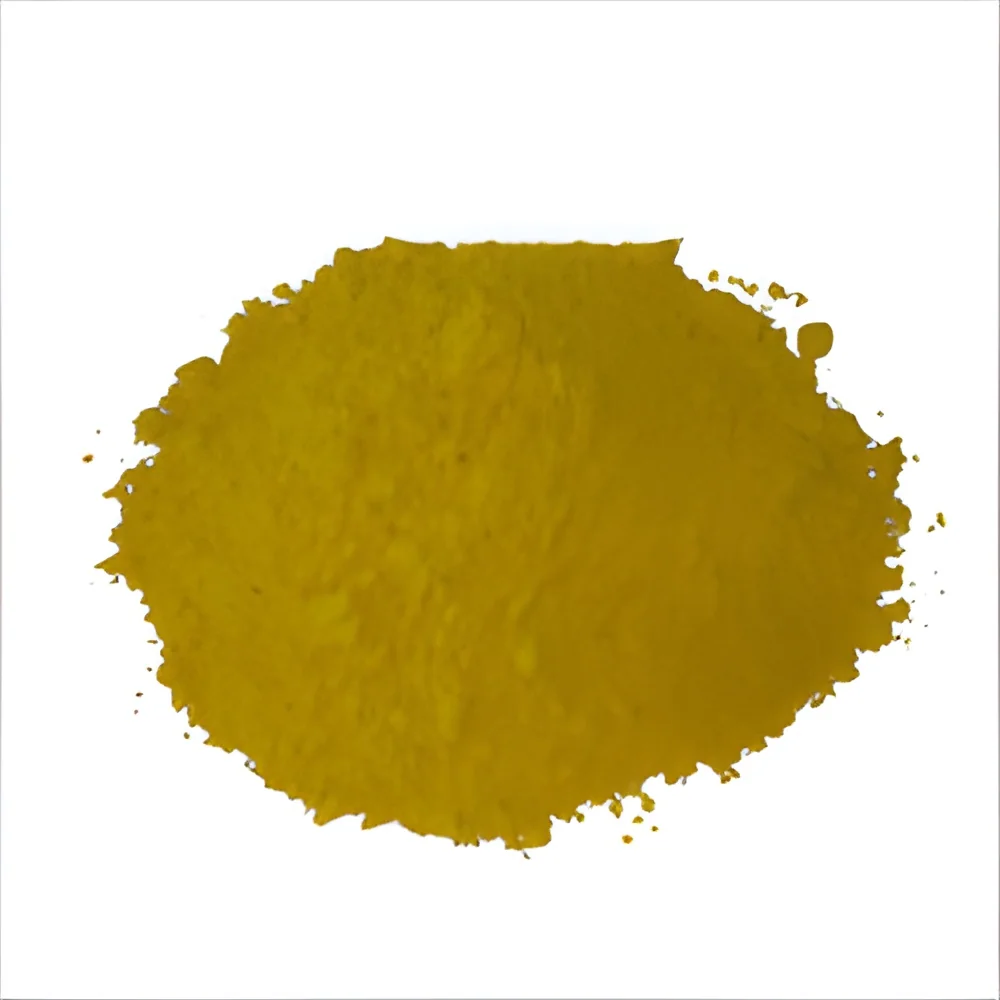
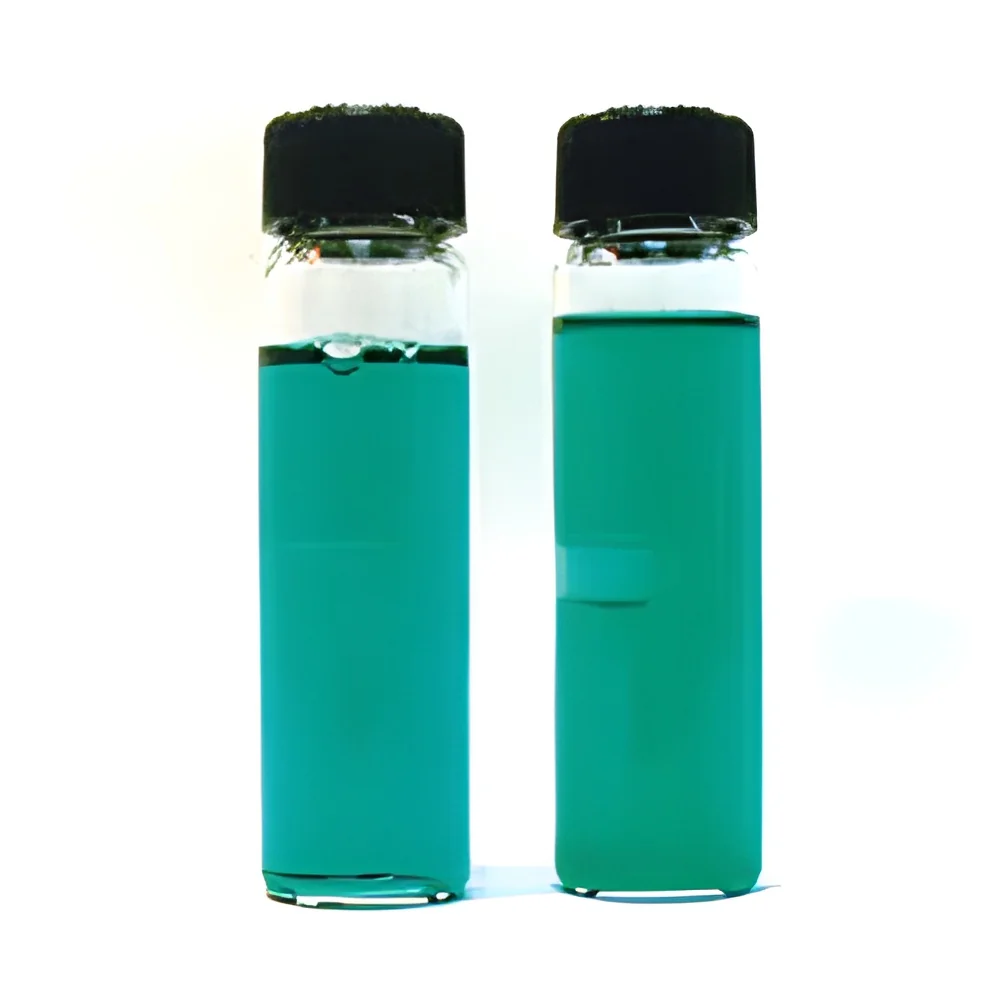
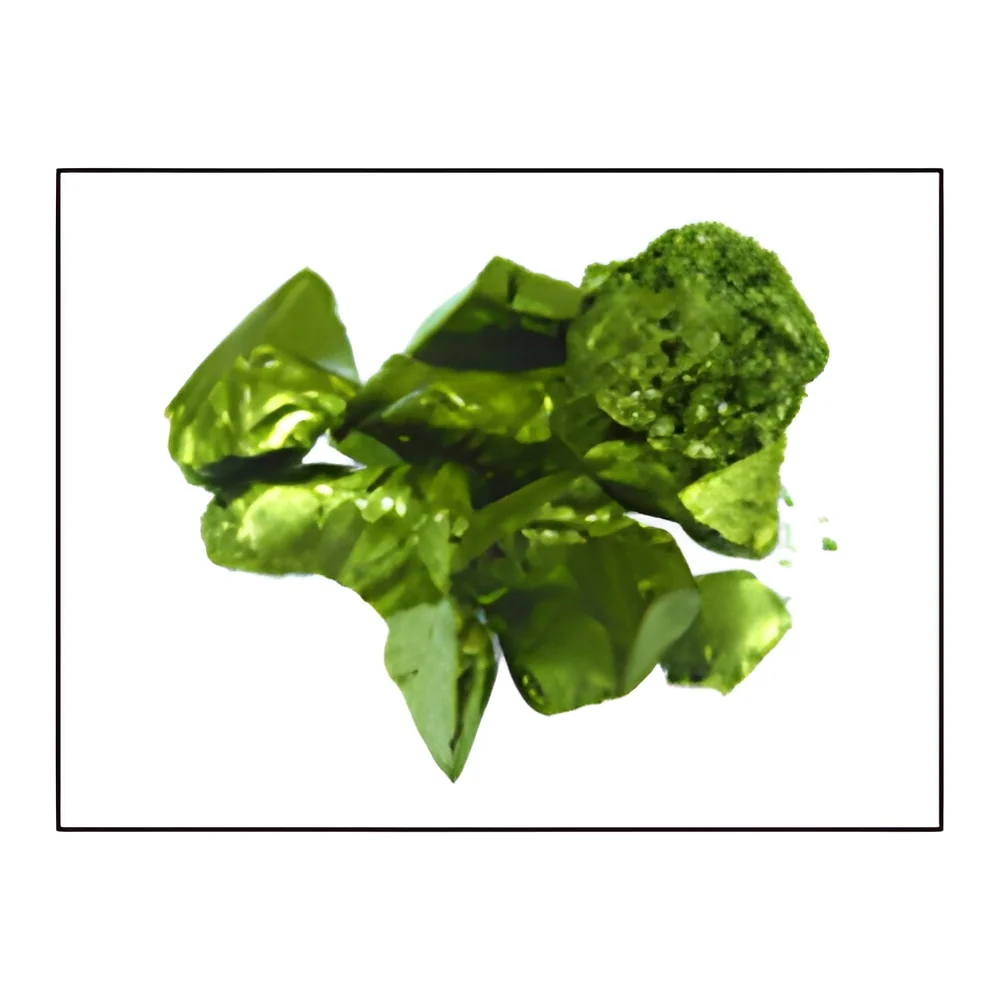
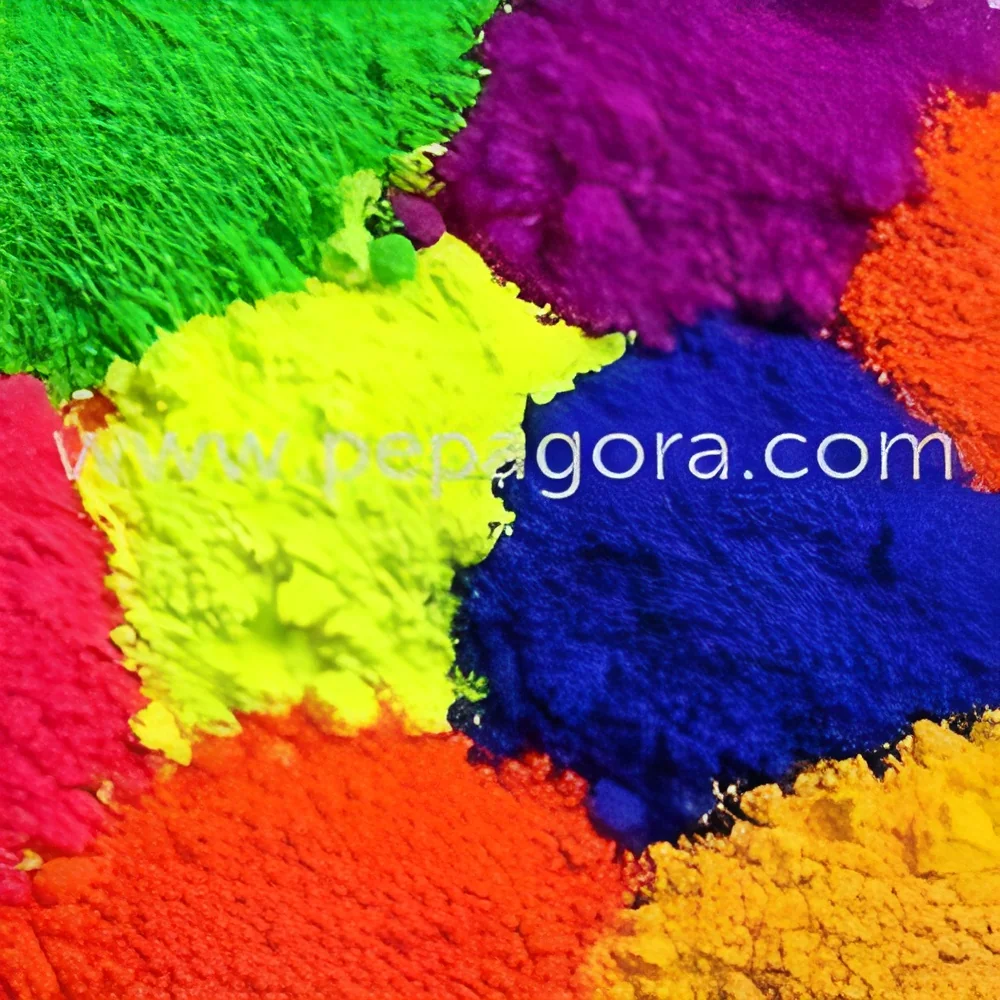
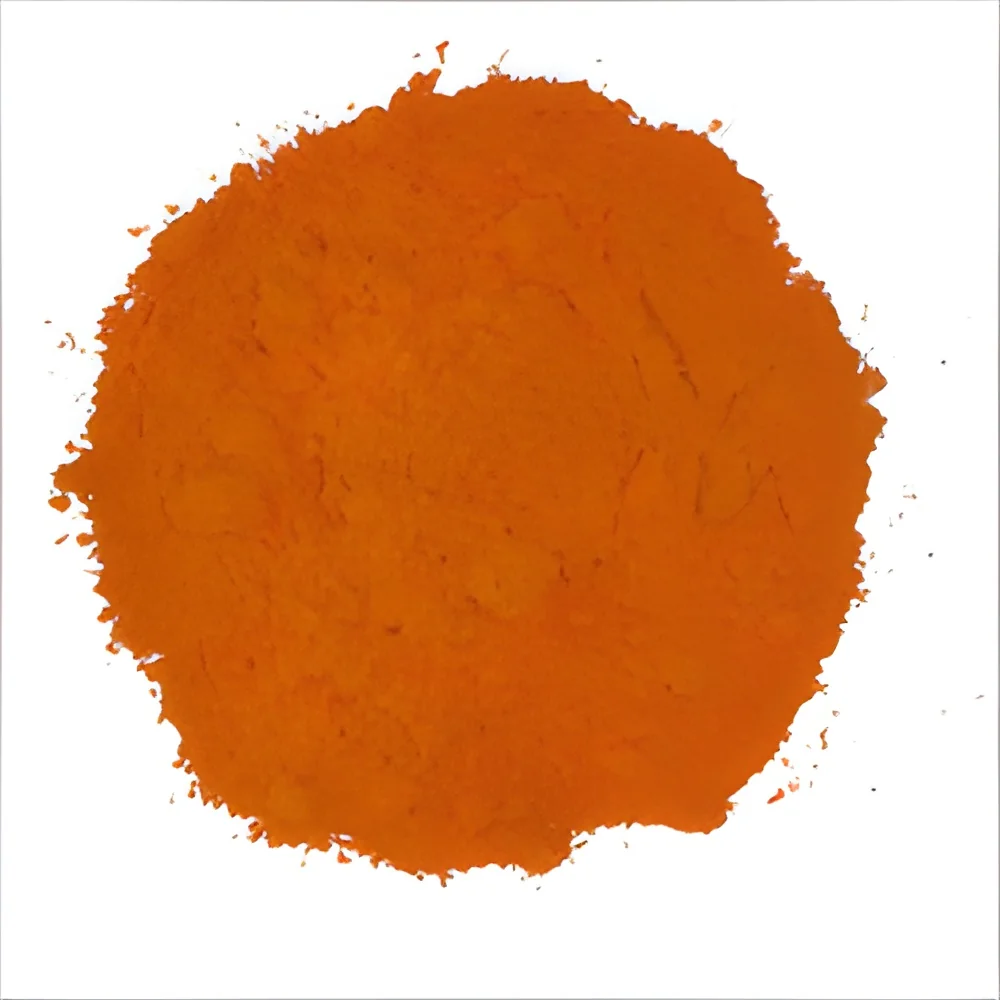
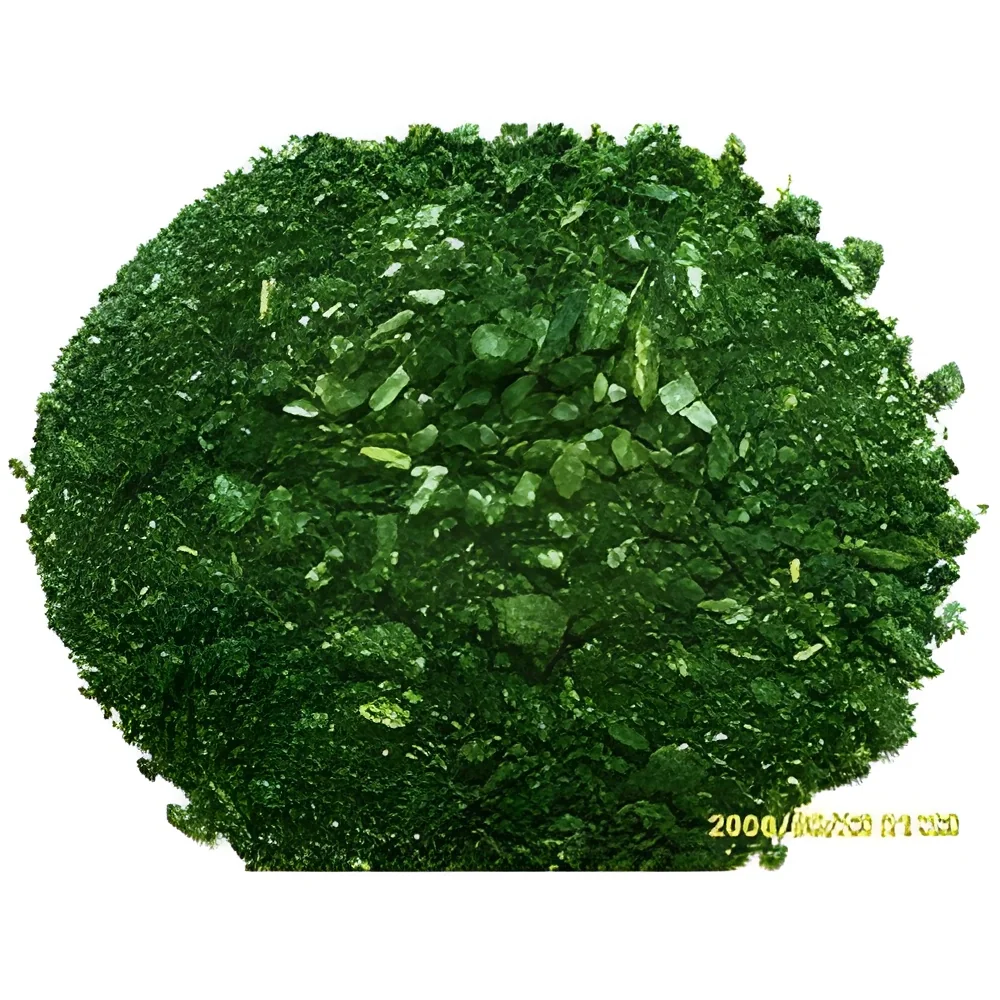
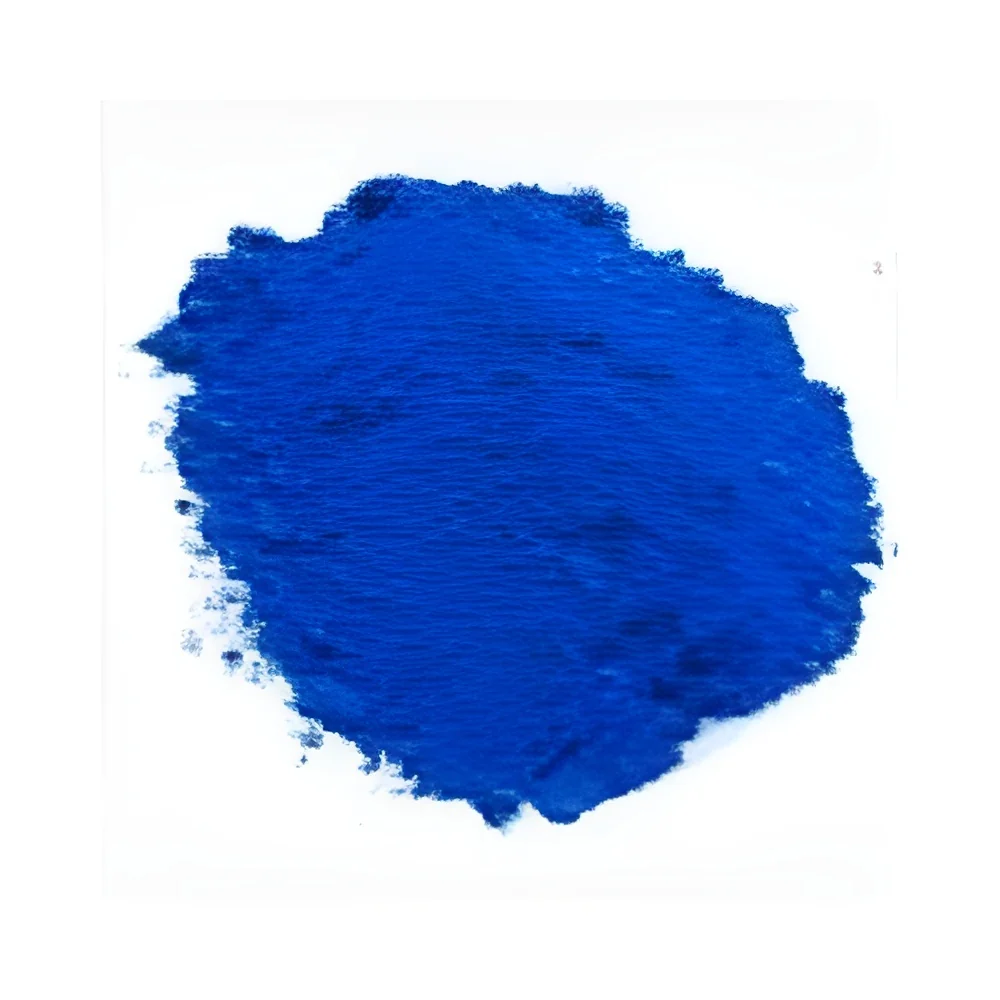
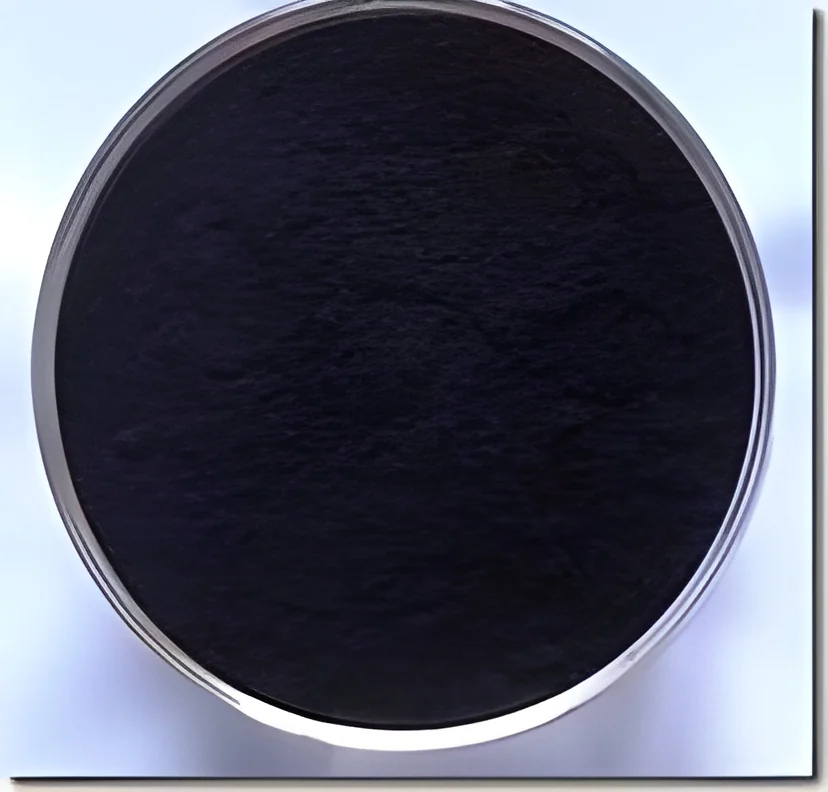
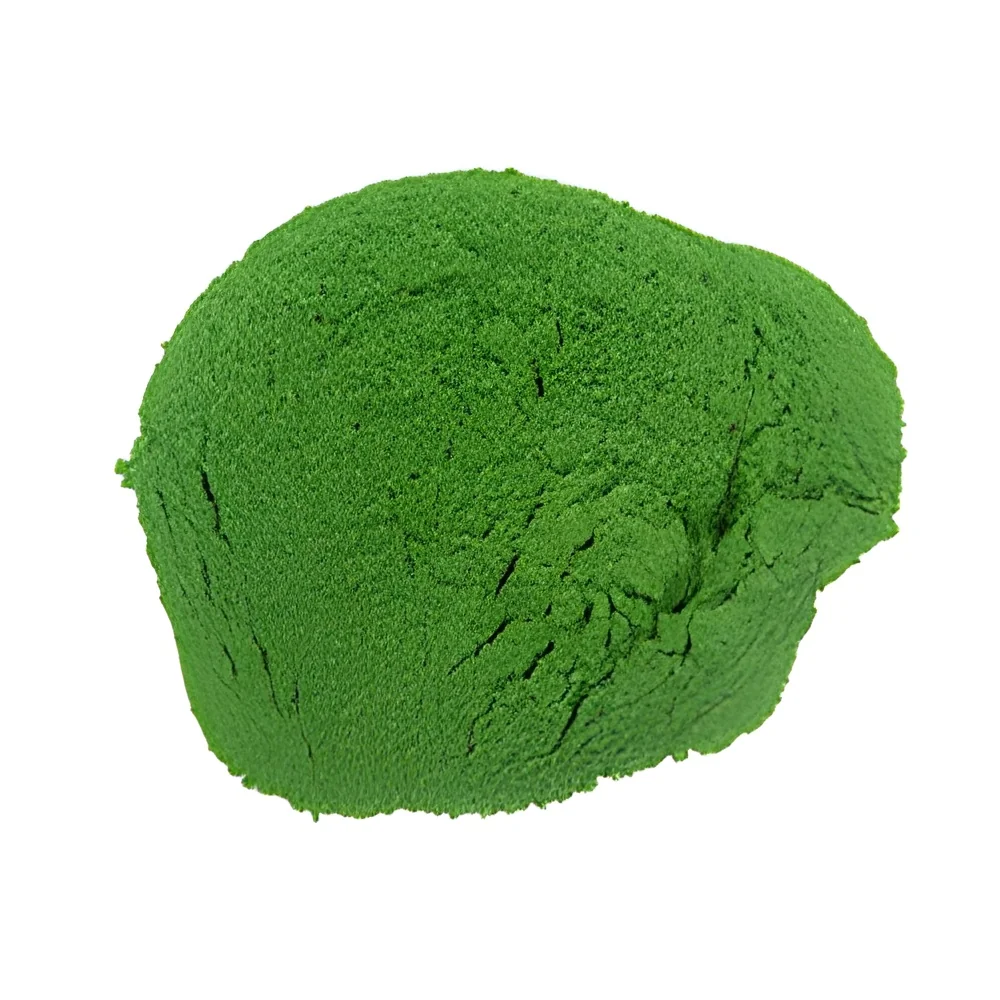
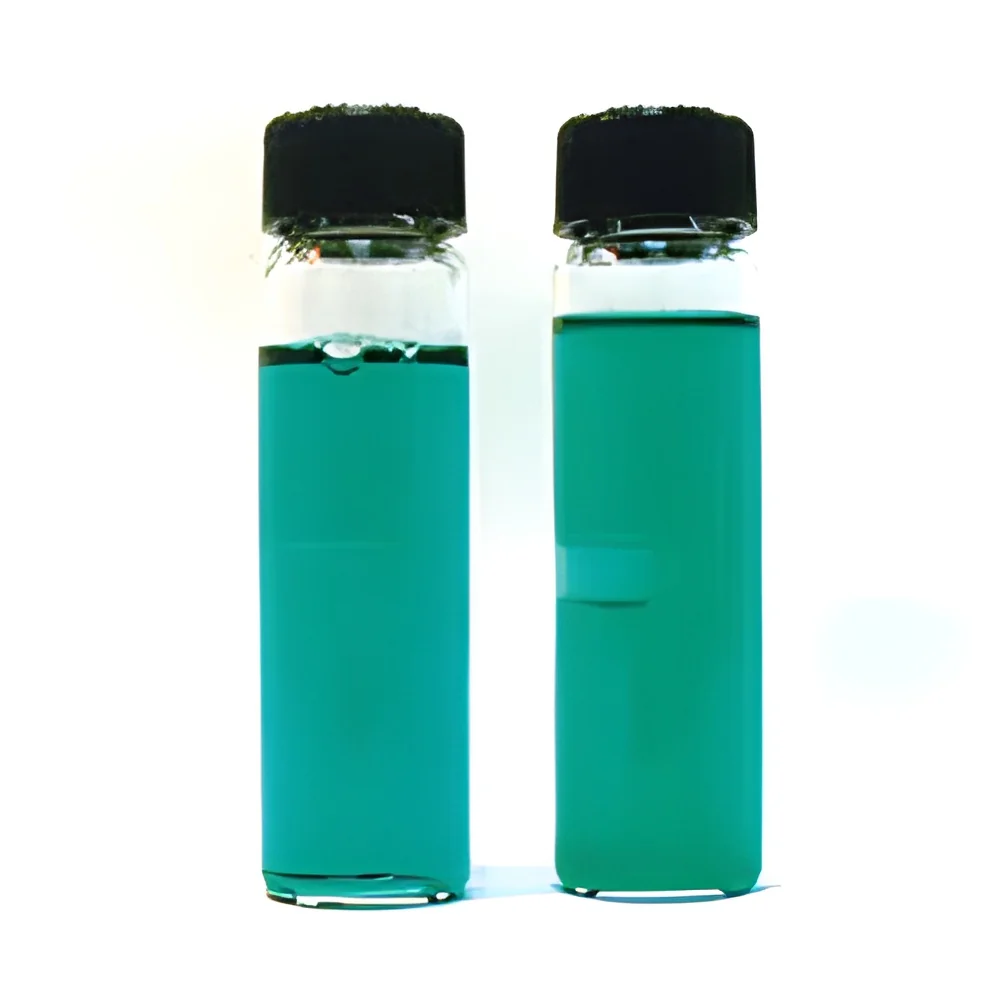
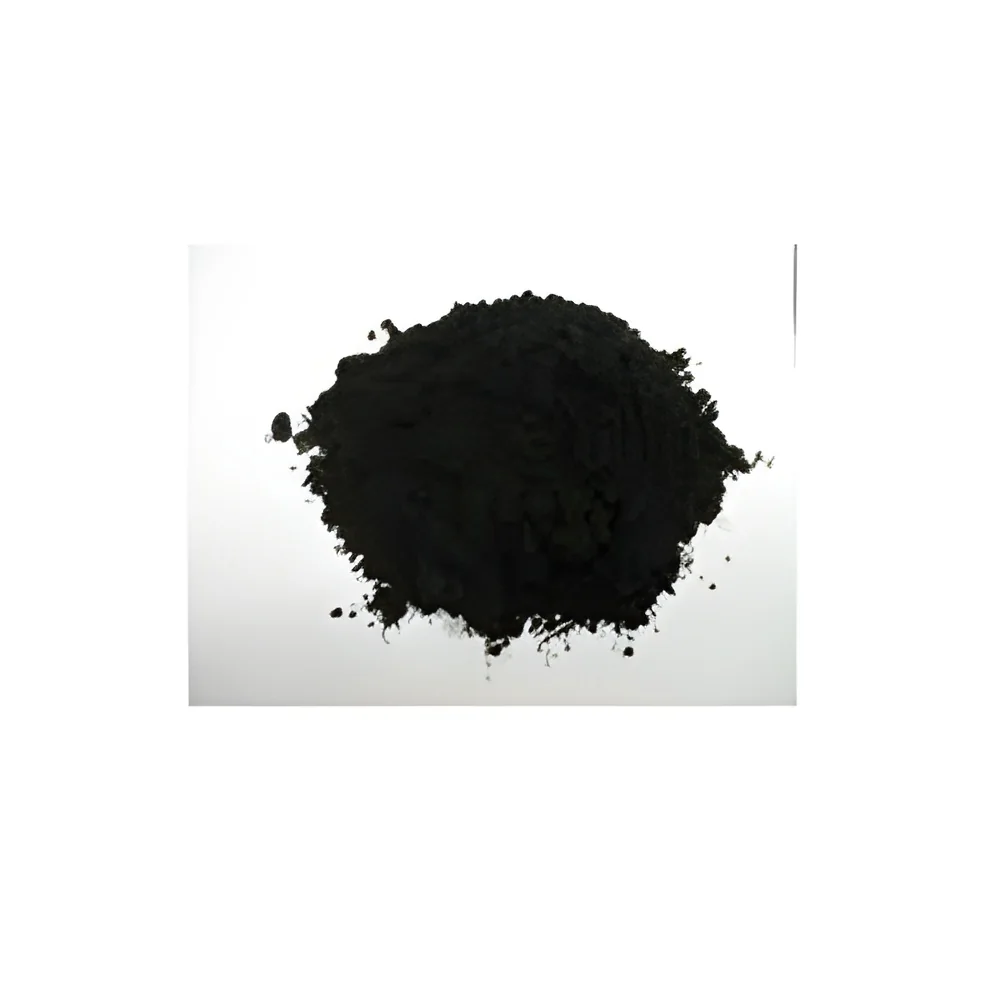
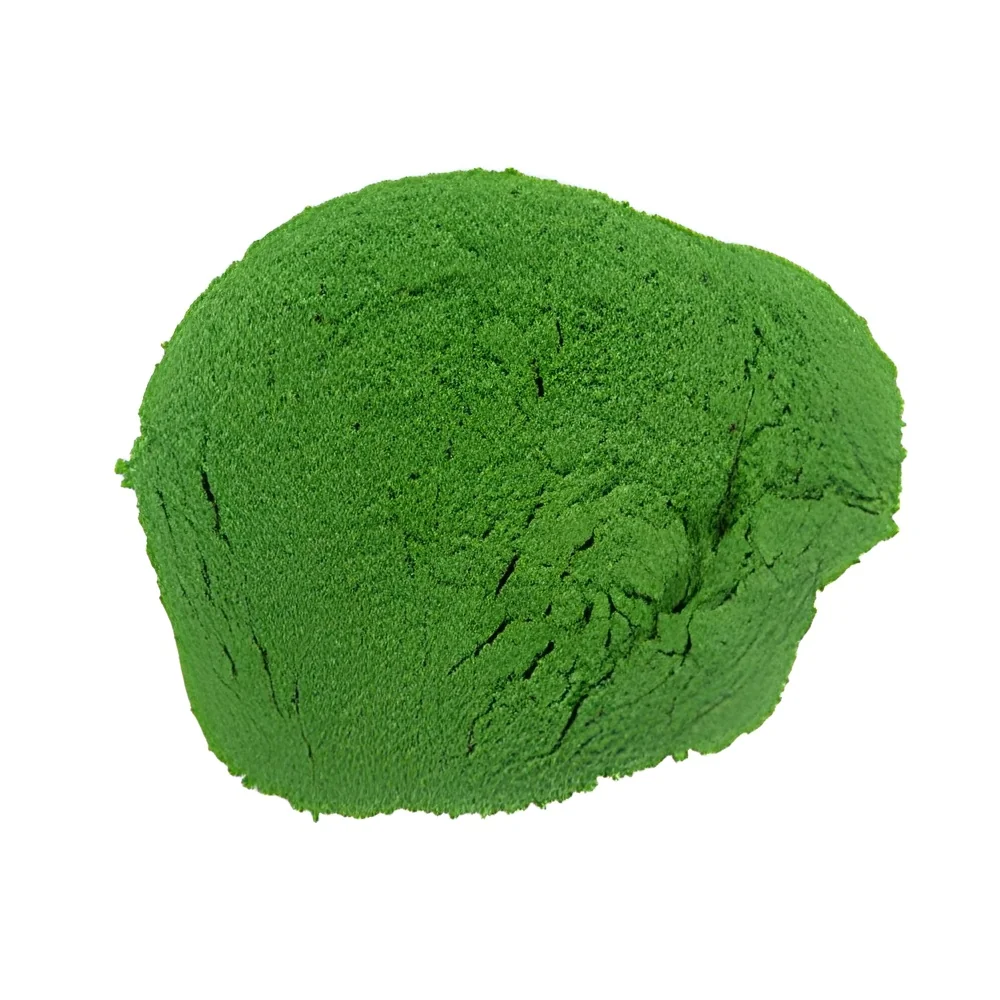
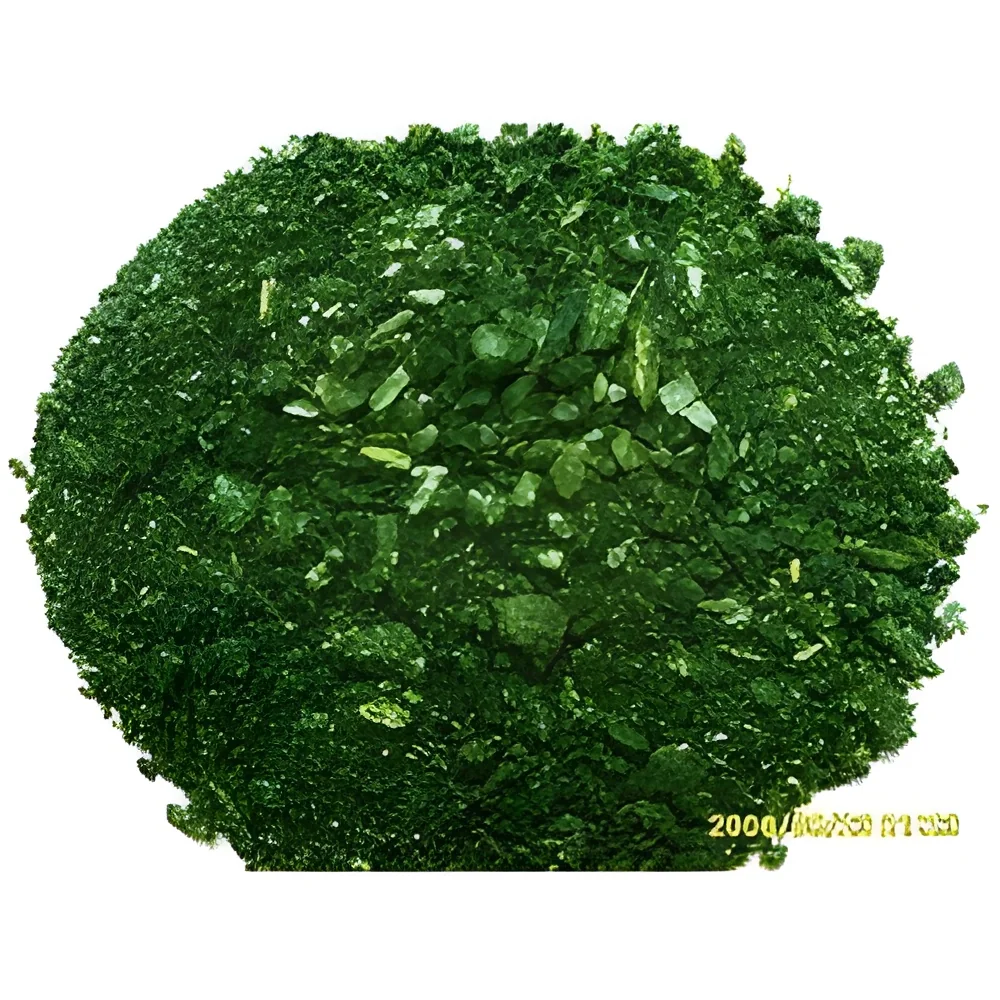
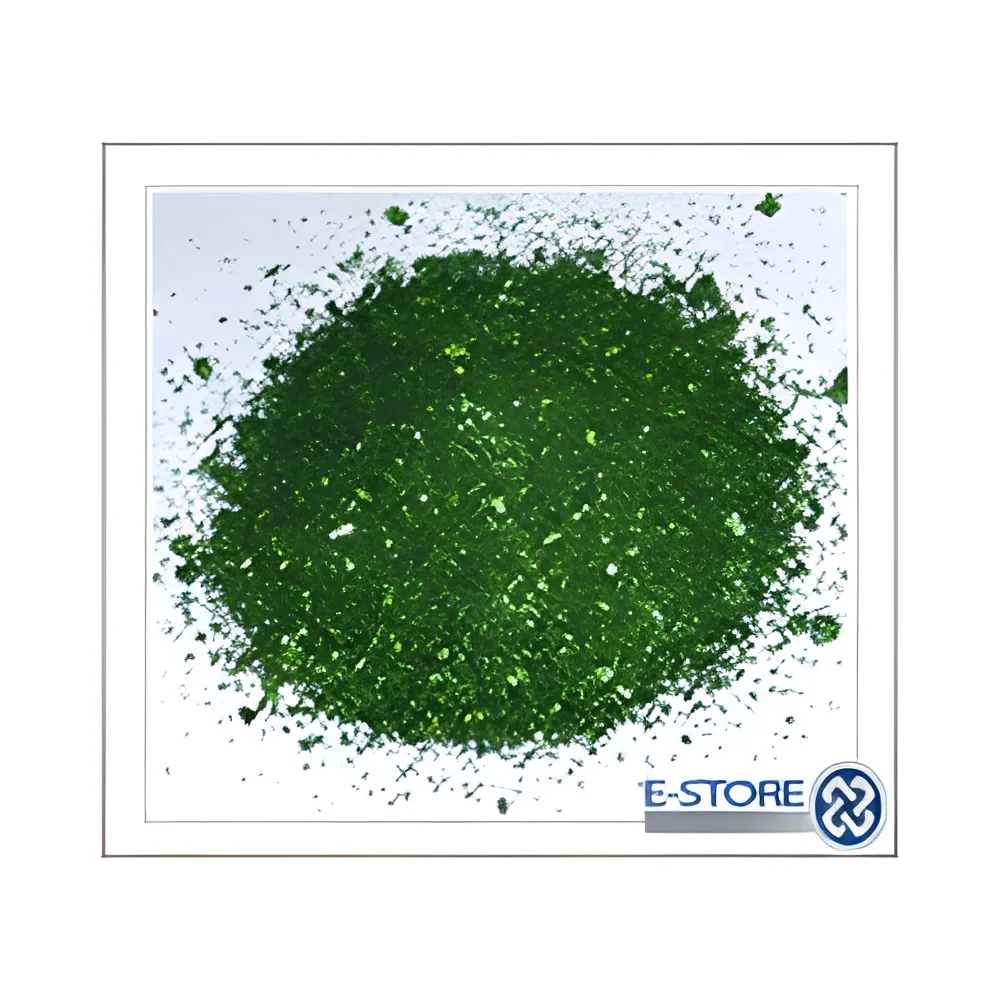
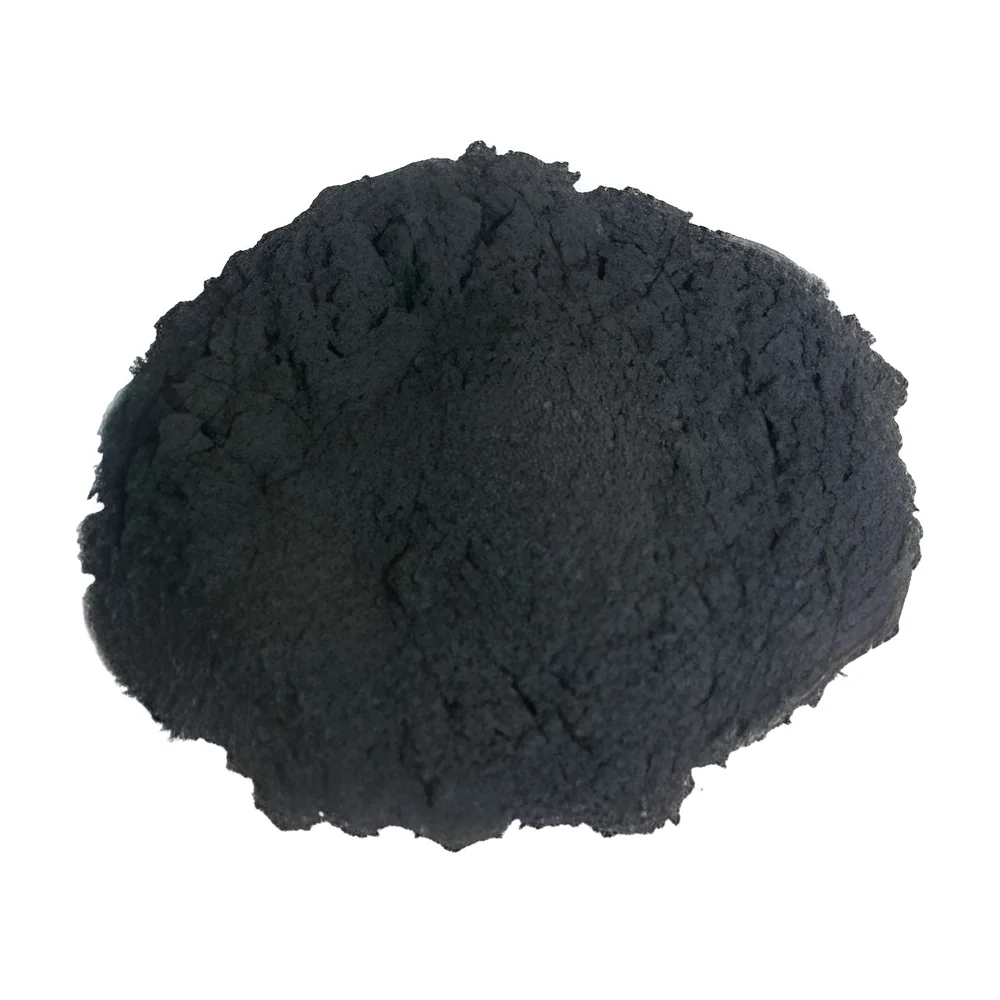
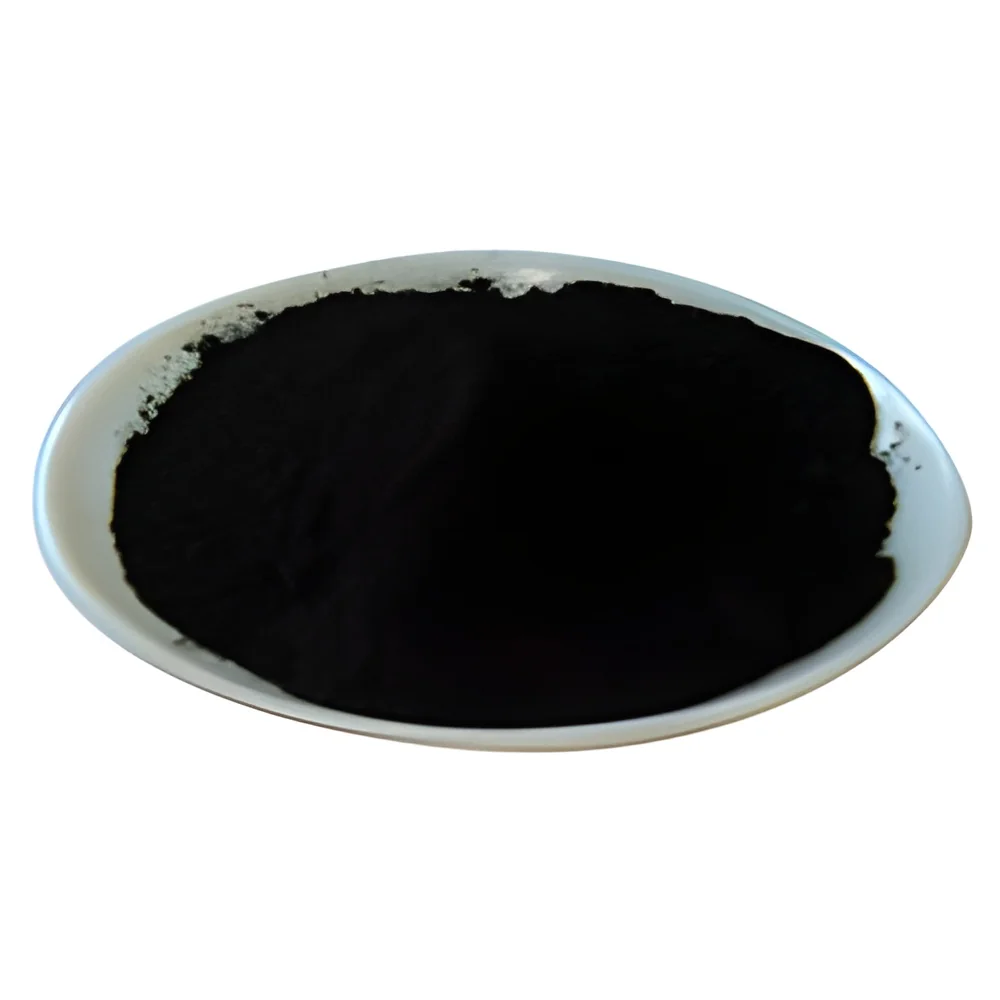
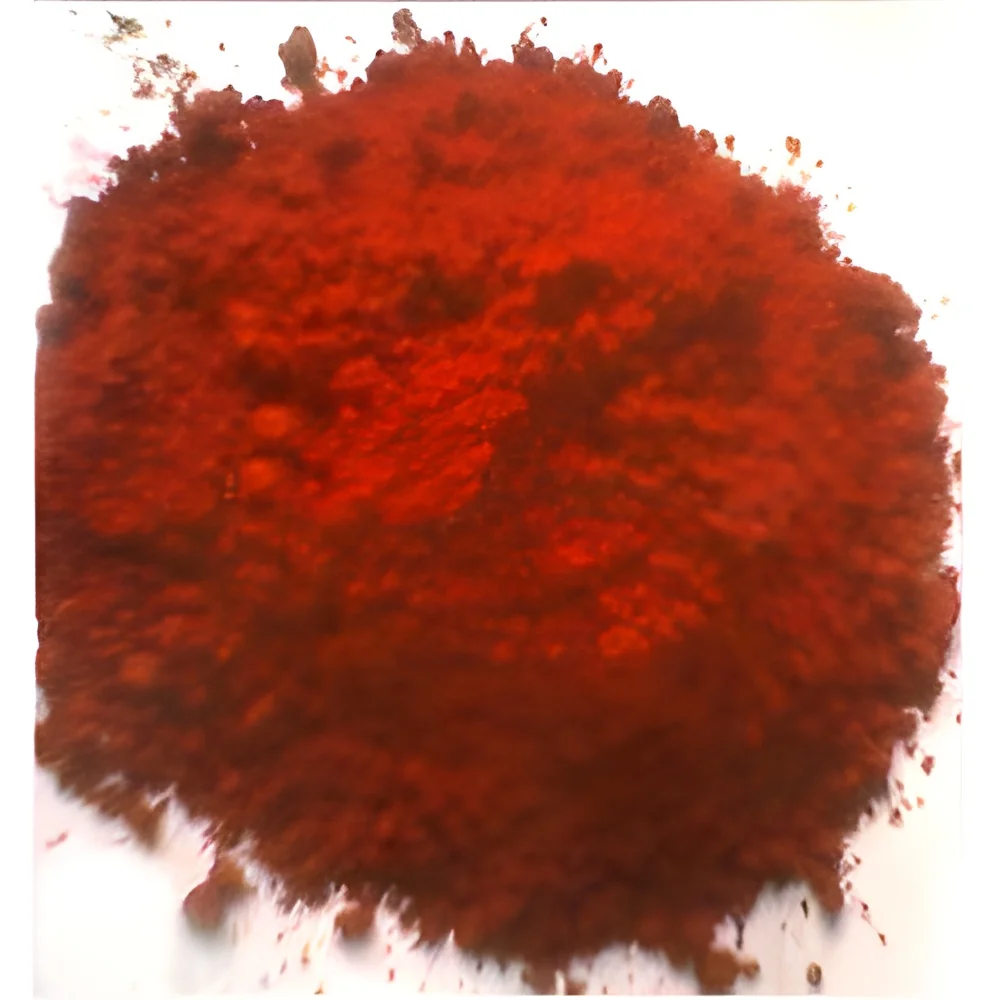
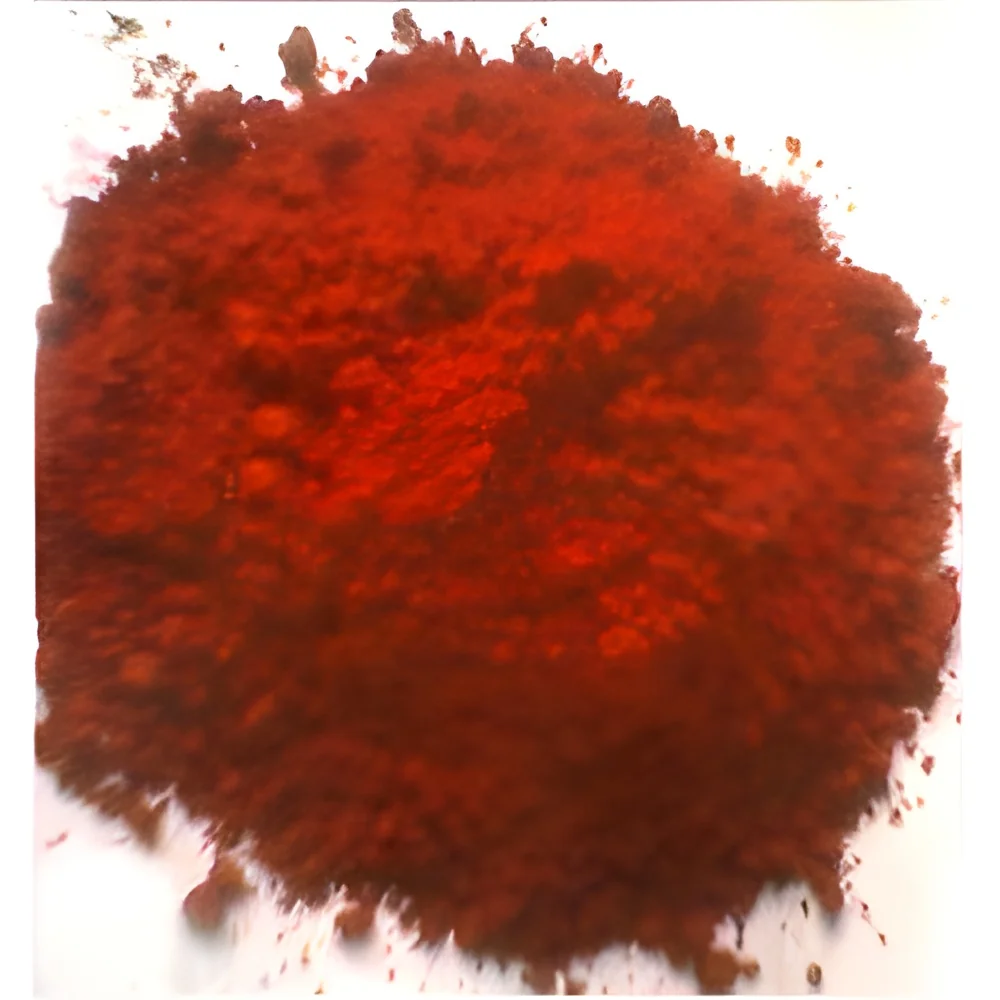
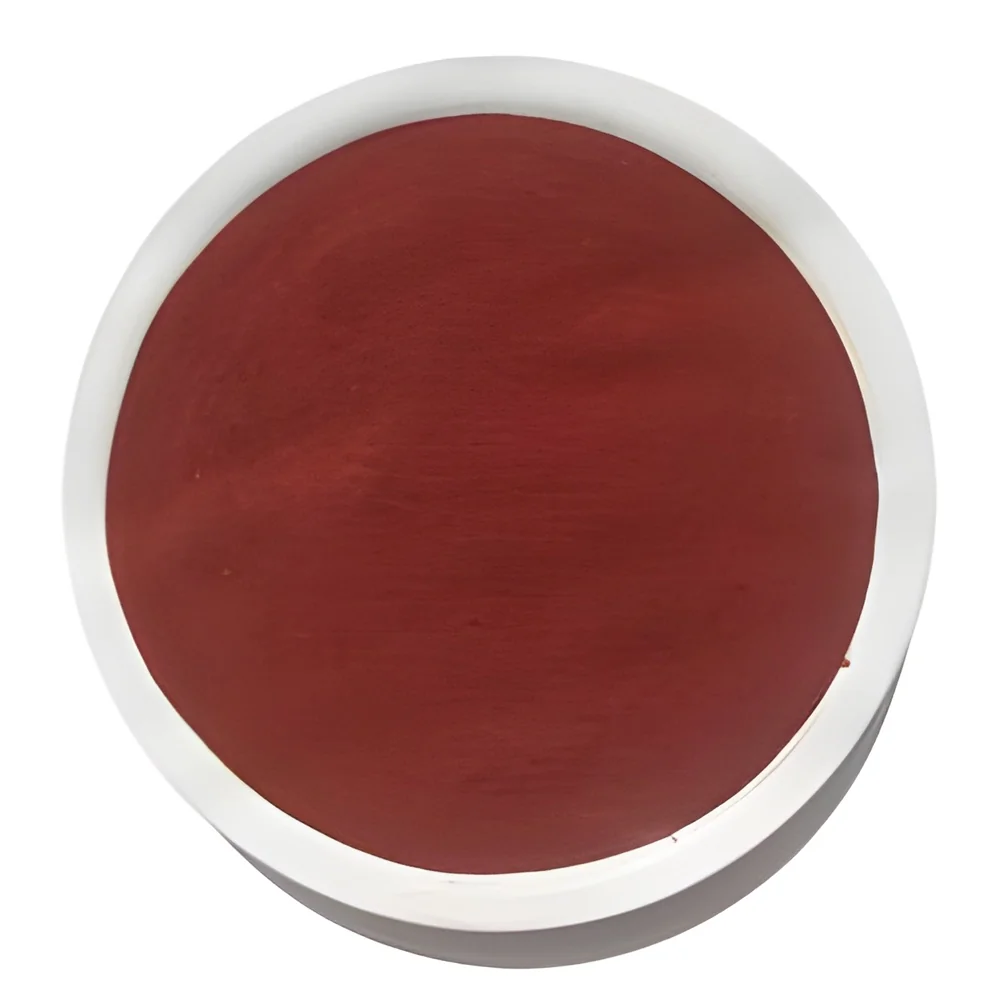
Basic dyes are a category of synthetic dyes characterized by their vibrant colors and high solubility in water. These dyes are cationic, meaning they carry a positive charge, which allows them to bond easily with negatively charged materials such as fibers. Basic dyes are often used to impart bright colors to a variety of substrates, including textiles, paper, and leather. Their high affinity for certain materials makes them particularly effective for achieving deep, rich hues.
In business applications, basic dyes find extensive use in the textile industry, where they are employed to dye cotton, wool, and synthetic fibers. They are also applied in the manufacturing of inks, paints, and plastics. The market for basic dyes has grown as industries seek to enhance product aesthetics and appeal. Companies are increasingly focusing on sustainable dye solutions, driving innovation in this sector and influencing the development of eco-friendly alternatives.
Key Features and Specifications
Basic dyes are distinguished by several key features that make them suitable for various applications. Their ability to produce vivid colors while maintaining high stability under different conditions is a significant advantage.
Key specifications include:
1. Solubility
- Highly soluble in water
- Ensures uniform dyeing across various substrates
2. Color Range
- Available in a wide spectrum of bright colors
- Meets diverse customer preferences and market demands
3. Fixation Properties
- Excellent fixation to fibers
- Reduces dye loss during washing and light exposure
4. Application Methods
- Suitable for various dyeing techniques such as batch dyeing and continuous dyeing
- Flexibility in application enhances usability in different manufacturing processes
5. Safety Standards
- Compliant with industry safety standards
- Reduces health risks associated with dyeing processes
6. Environmental Compliance
- Many products meet eco-friendly criteria
- Options available for sustainable production practices
In summary, the features and specifications of basic dyes highlight their versatility and effectiveness in numerous applications, making them a vital component in the production of colorful and appealing products.
Common Applications and Use Cases
Basic dyes serve various industries, providing color solutions for multiple applications.
1. Textile Industry: Basic dyes are predominantly used to dye cotton and wool fabrics, known for their ability to produce vibrant and long-lasting colors.
2. Paper Industry: These dyes are utilized in the production of colored paper products, enhancing visual appeal and quality.
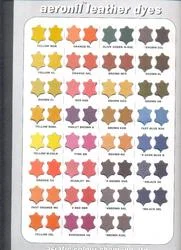
3. Leather Industry: Basic dyes are applied to leather goods, offering a wide range of colors and improving product aesthetics.
4. Plastics Manufacturing: Basic dyes are used to color plastics, ensuring uniform color distribution and enhancing product attractiveness.
5. Inks and Coatings: Basic dyes are included in ink formulations for printing and coatings, allowing for high-quality color performance.
6. Food Industry: In some instances, basic dyes are employed as food colorants, adhering to safety regulations and quality standards.
Product Variants and Subcategories
Basic dyes encompass a diverse range of products, each designed to meet specific needs and applications.
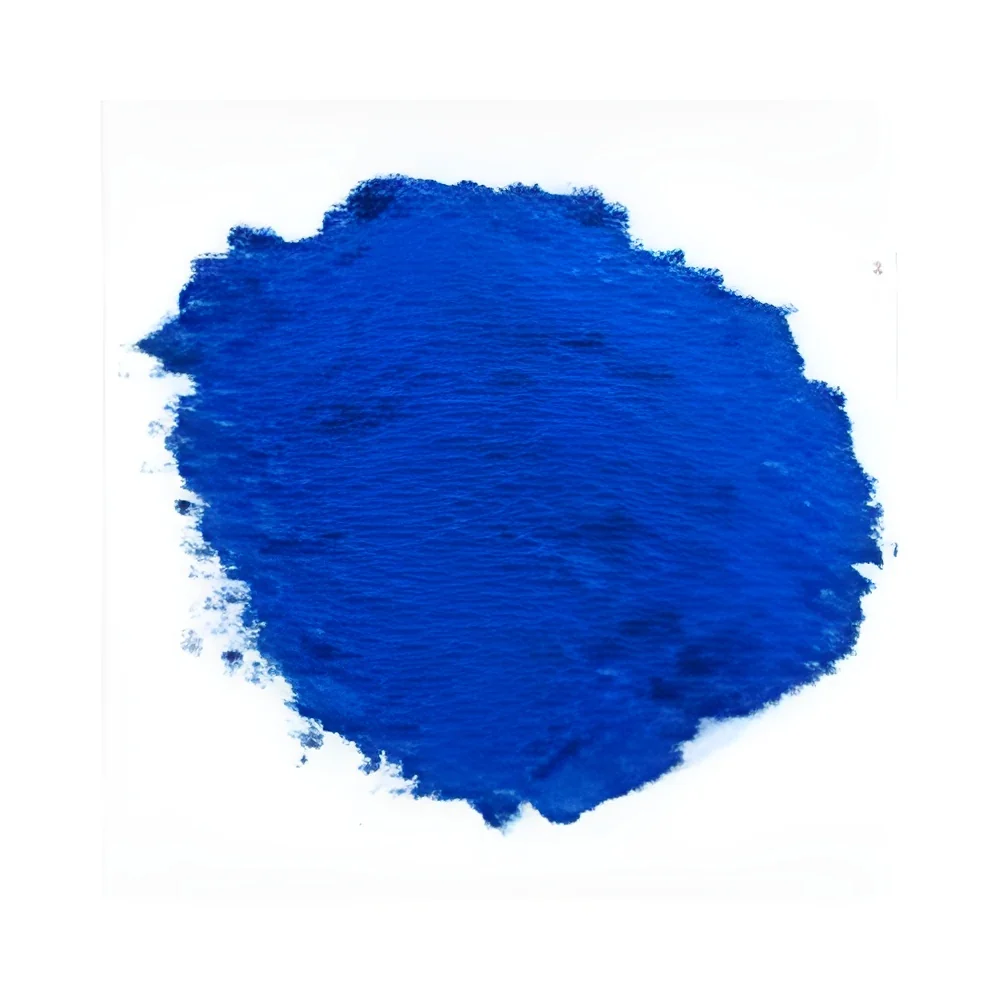
Variant 1 Name: Brilliant Blue
Brilliant Blue is a popular basic dye known for its vivid azure hue. It is commonly used in textiles and paper products for its high lightfastness and stability.
Variant 2 Name: Rhodamine B
Rhodamine B is recognized for its bright pink color and excellent solubility. This dye is widely used in the textile and plastics industries, providing vibrant color to various substrates.
Benefits and Advantages
Choosing basic dyes offers several advantages that can enhance product quality and marketability.
Key benefits include:
1. Vibrant Colors: Basic dyes provide rich, intense colors that make products visually appealing and attractive to consumers.
2. High Solubility: Their excellent solubility ensures easy application across different materials, promoting efficiency in dyeing processes.
3. Strong Affinity: Basic dyes have a strong affinity for fibers, resulting in better color retention and reduced fading over time.
4. Versatile Applications: These dyes can be applied in various industries, making them suitable for a wide range of products.
5. Cost-Effective Solutions: Basic dyes offer a cost-effective option for manufacturers looking to enhance product aesthetics without significant investment.
Buying Guide for B2B Buyers
When sourcing basic dyes, several critical factors should be considered to ensure the best purchasing decisions.
1. Quality Assessment: Buyers should evaluate the quality of dyes based on consistency, colorfastness, and solubility. Samples can be requested to test performance before placing large orders.
2. Supplier Verification: It is essential to vet suppliers for credibility, reliability, and compliance with industry standards. Researching their history and customer feedback can provide insights into their reputation.
3. Pricing and MOQ: Understanding pricing structures and minimum order quantities (MOQ) is crucial for budget planning. Negotiating terms can lead to favorable arrangements.
4. Delivery and Lead Times: Buyers need to inquire about delivery options and lead times to ensure that supply meets production schedules. Timely delivery is vital for maintaining workflow continuity.
5. Compliance Requirements: Ensuring that dyes meet regulatory and safety compliance is essential. Buyers should verify that the products align with relevant industry standards and certifications.
Compliance and Certifications
Basic dyes must adhere to various quality standards and certifications to ensure safety and efficacy in their applications. ISO 9001 is a key standard that emphasizes quality management systems, ensuring consistent product quality. Additionally, compliance with HACCP (Hazard Analysis Critical Control Point) guidelines ensures that safety protocols are maintained throughout the production process.
CE certification is another important requirement, indicating that the product meets European safety standards. This certification is crucial for companies looking to operate in international markets. Moreover, basic dyes must pass safety and testing requirements to confirm their suitability for various applications, particularly in the textile and food industries.
Regional compliance considerations can also impact sourcing decisions. Different countries may have specific regulations governing the use of dyes, necessitating awareness of local laws to ensure compliance.
Why Source Basic Dyes from Pepagora?
Pepagora provides a trusted platform for sourcing basic dyes, offering several key advantages to B2B buyers.
Verified Supplier Network: Pepagora features a network of verified suppliers, ensuring that buyers can connect with reputable manufacturers. This verification process helps mitigate risks associated with sourcing.
Streamlined RFQ Process: The request for quotation (RFQ) system simplifies the procurement process, allowing buyers to receive multiple quotes from suppliers efficiently. This streamlined approach enhances decision-making and can lead to cost savings.
Trade Assurance and Support: Pepagora offers trade assurance, providing buyers with protection throughout the purchasing process. This support fosters confidence in transactions and encourages long-term business relationships.
Regional Coverage: With a strong presence in regions like India, the GCC, and Southeast Asia, Pepagora ensures that buyers have access to a diverse range of products and suppliers. This geographic coverage enhances sourcing options and facilitates global trade.

 IN
IN