What are Reactive Dyes?
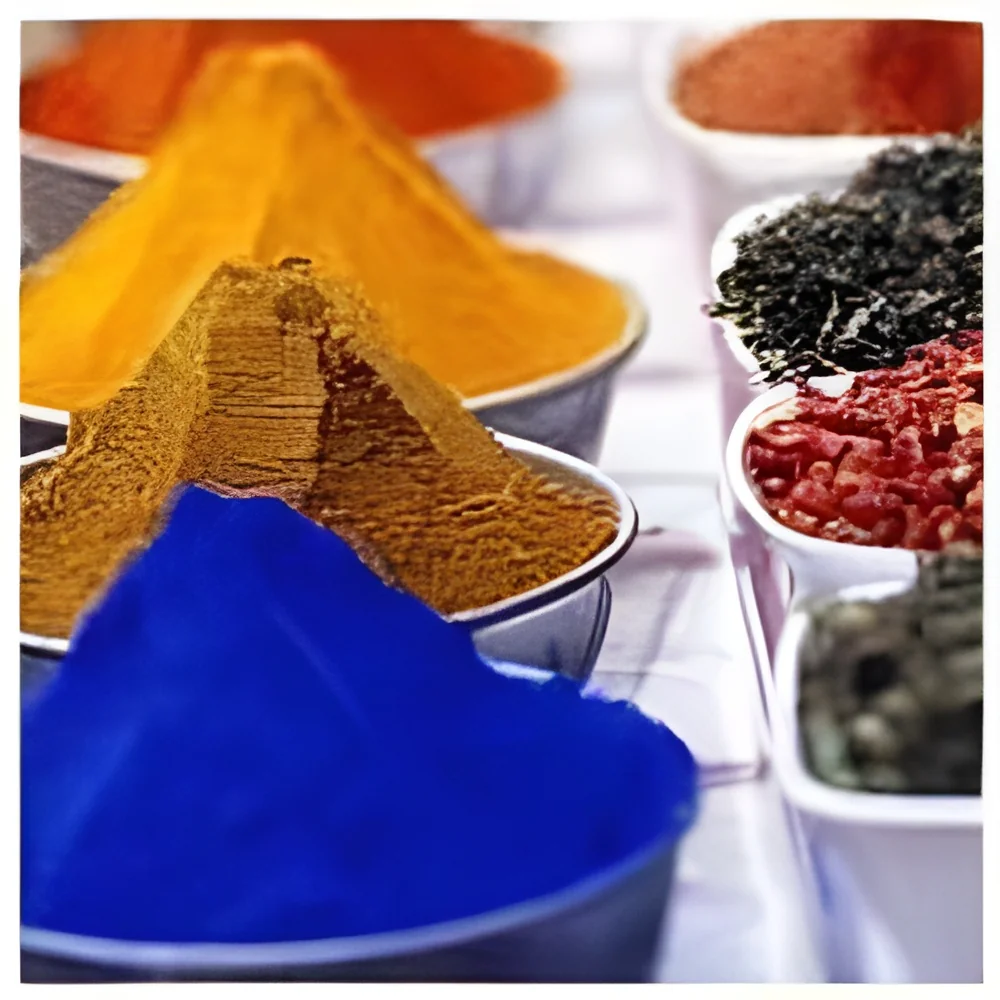
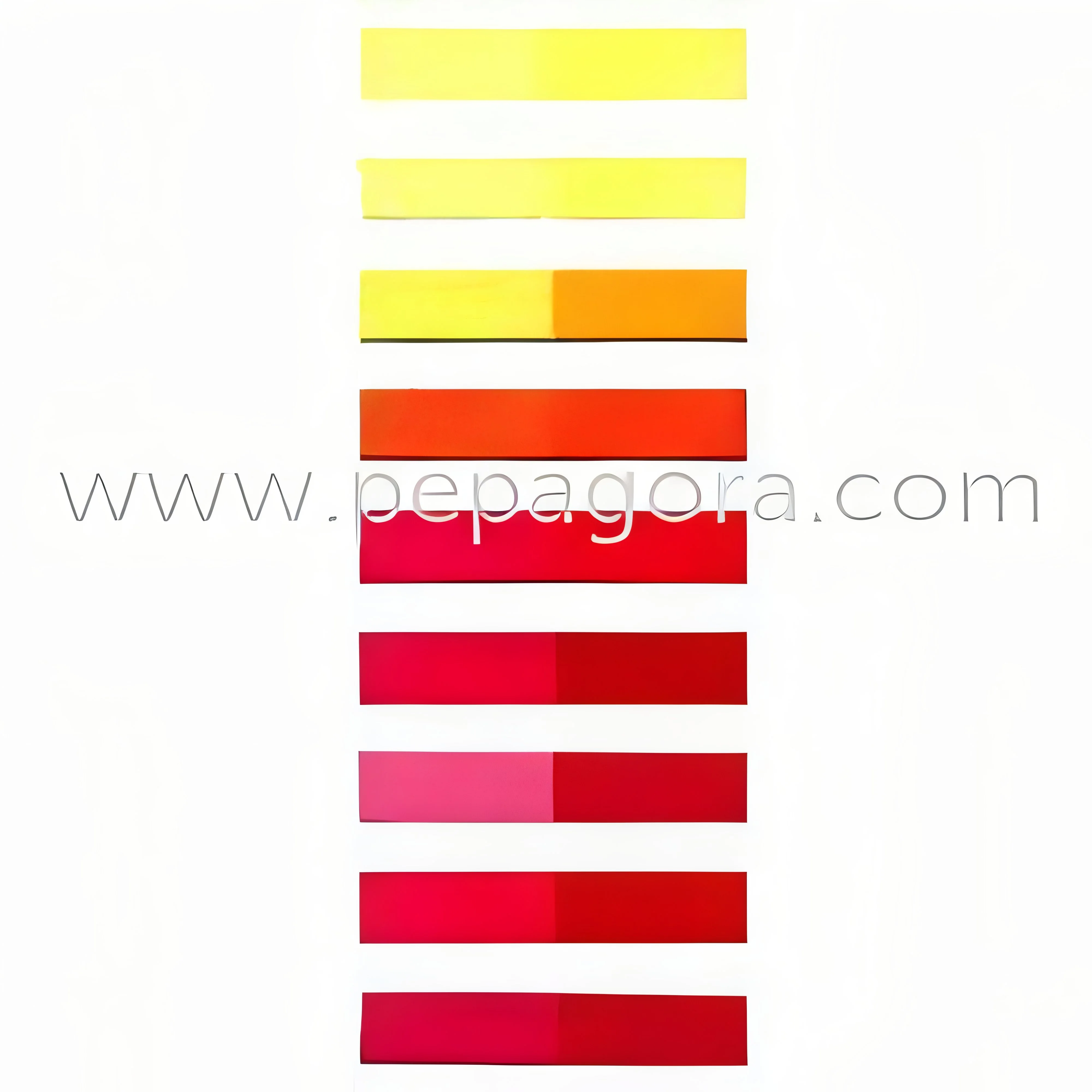
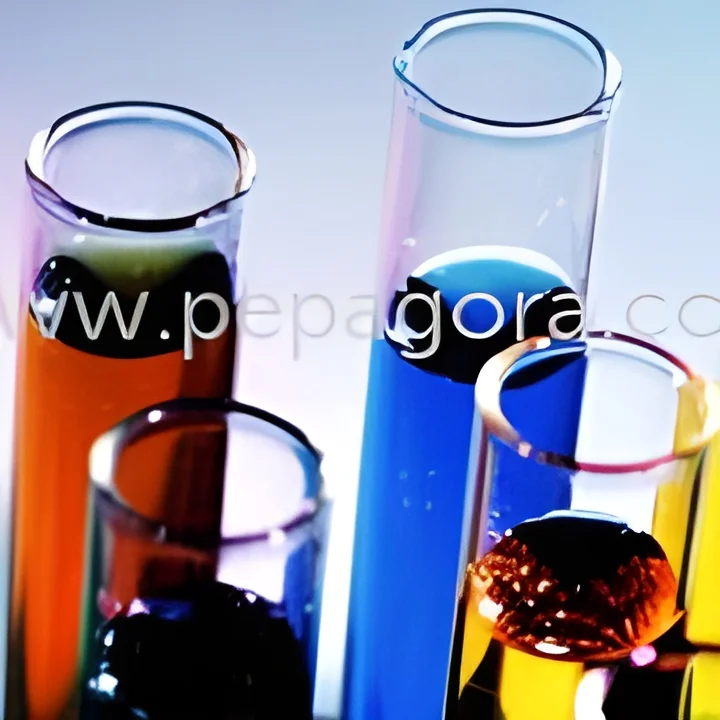
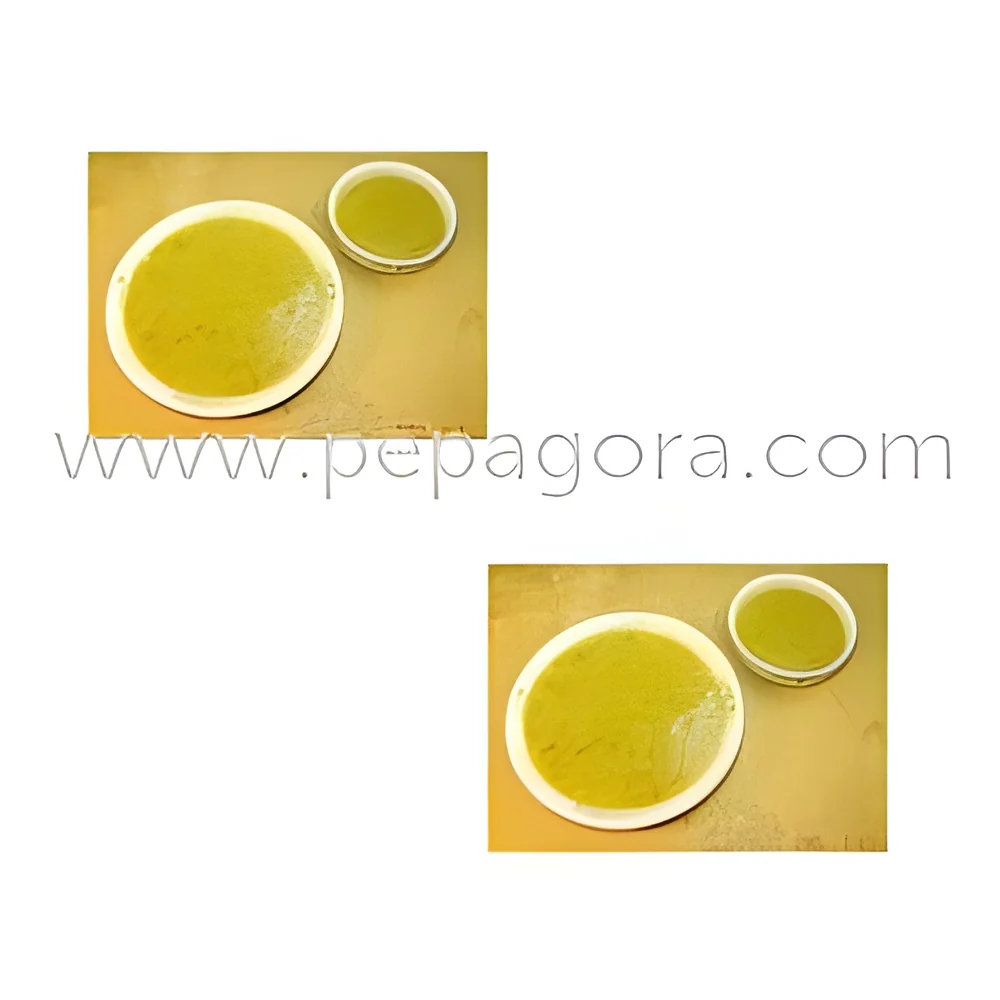
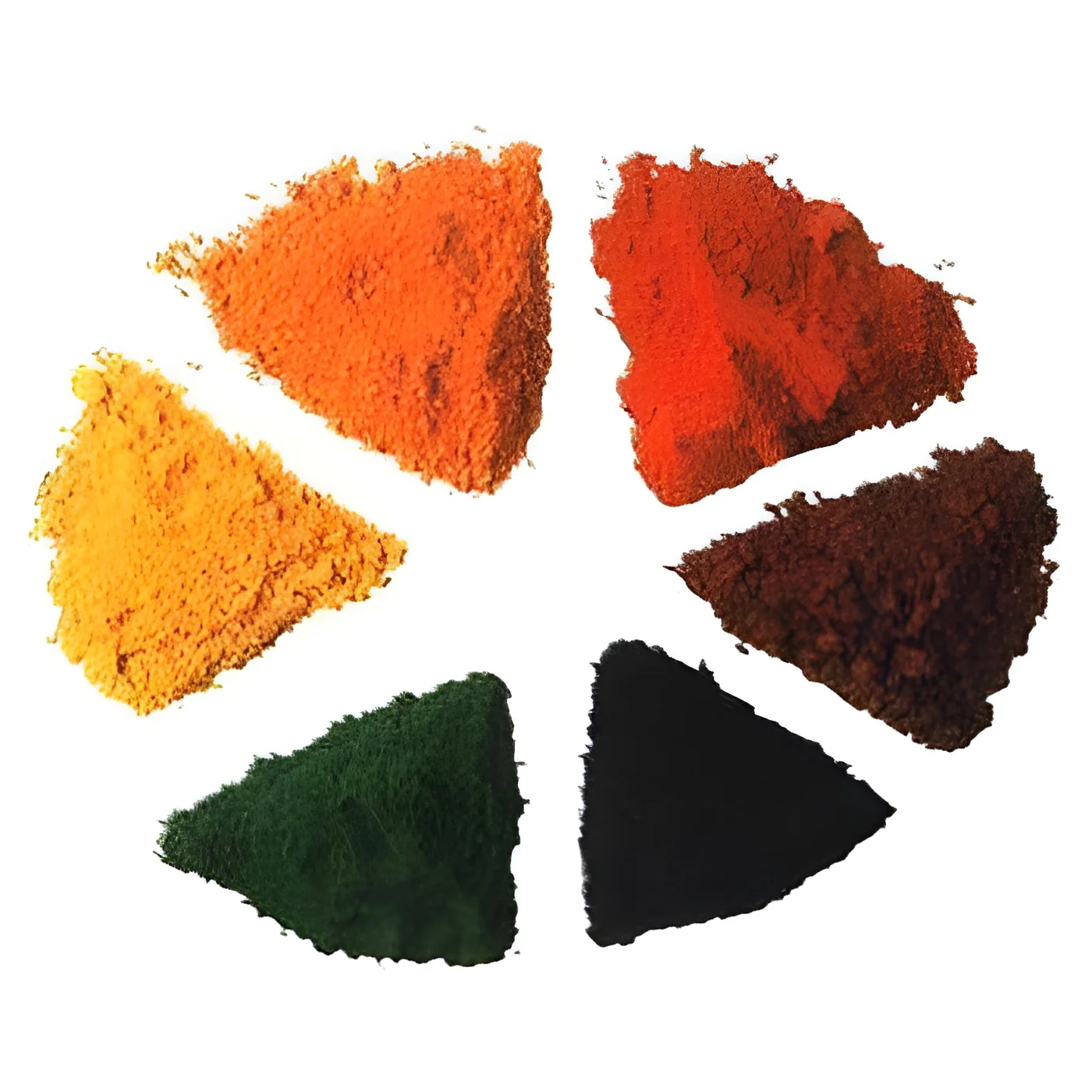
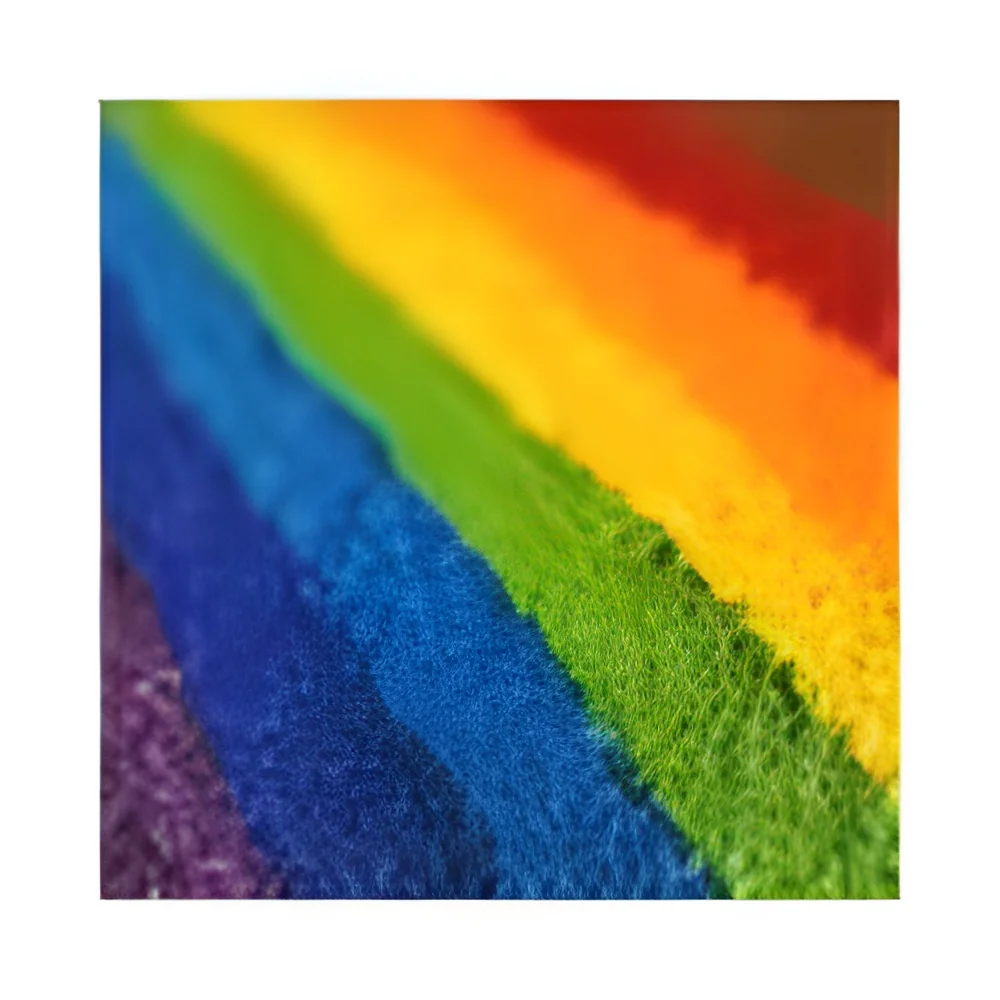
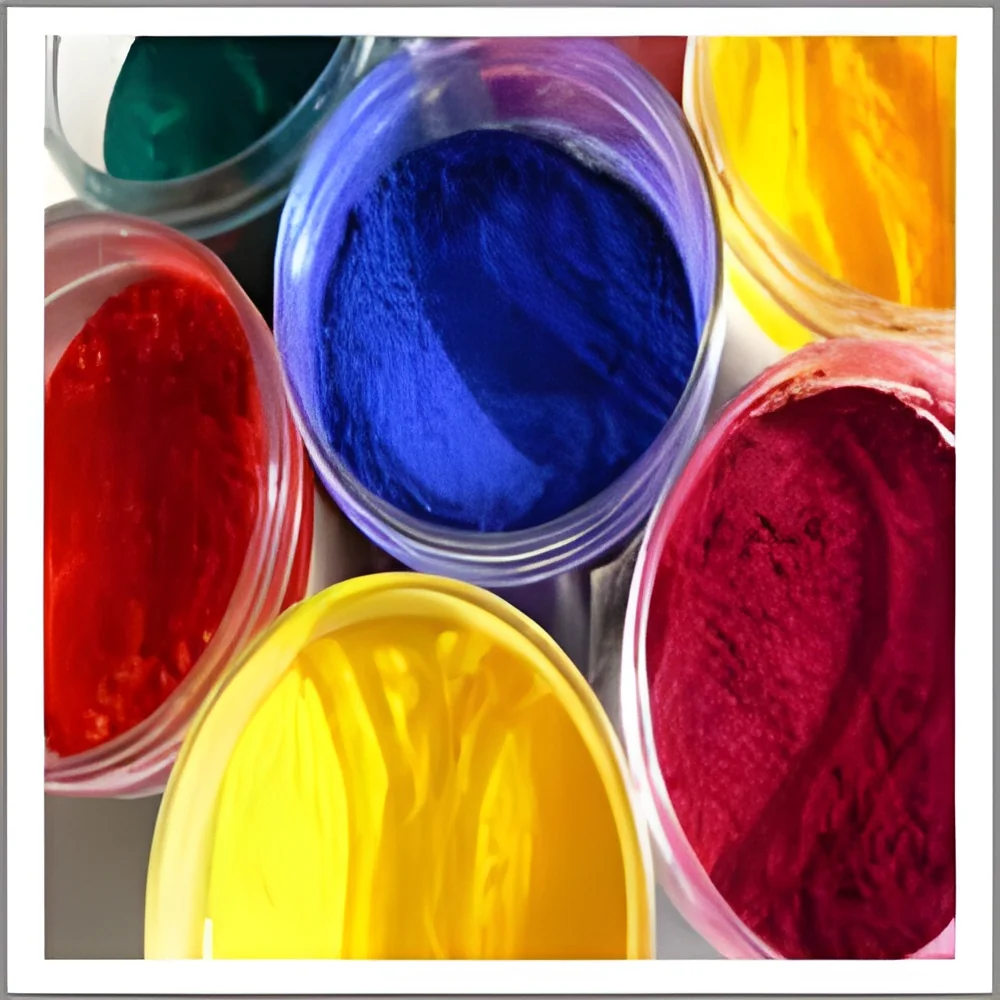
Reactive dyes are a class of synthetic dyes that form covalent bonds with the fibers they color, typically cellulose fibers such as cotton, linen, and rayon. They are characterized by their ability to react chemically with the substrate during the dyeing process, leading to strong and durable colorations. This reaction is facilitated by specific reactive groups in the dye molecules that interact with the functional groups in the fibers, resulting in a permanent bond that enhances colorfastness.
Reactive dyes are widely used in various industries, especially in textiles, where they are favored for their vibrant colors and ease of application. They are commonly utilized in processes such as batch dyeing, continuous dyeing, and printing. Their versatility allows them to be applied not only on natural fibers but also on some synthetic blends. The growing demand for high-quality and eco-friendly dyeing processes has further propelled the popularity of reactive dyes within the fabric and fashion industries.
As sustainability becomes increasingly important in the textile sector, reactive dyes are relevant due to their lower environmental impact compared to other dye types. The market for reactive dyes continues to expand, driven by innovation in dyeing technologies and the rising demand for high-performance textiles.
Key Features and Specifications
Reactive dyes are designed with specific features that cater to a variety of industrial applications. Their properties are crucial for ensuring optimal performance during the dyeing process.
Key specifications include:
1. Color Fastness
- High resistance to washing, light, and rubbing
- Generally rated on a scale from 1 to 5, with 5 being the highest
2. Application Method
- Suitable for batch dyeing, continuous dyeing, and printing
- Can be applied through various methods including exhaustion and cold pad batch
3. Environmental Compliance
- Many reactive dyes meet standards for eco-friendliness
- Free from harmful substances, ensuring safer use in textile production
4. Solubility
- Highly soluble in water, facilitating easy application
- Varies among different dye types
5. pH Stability
- Stable across a range of pH levels, ensuring consistent dyeing results
- Typically effective within a pH range of 4 to 11
6. Shade Variety
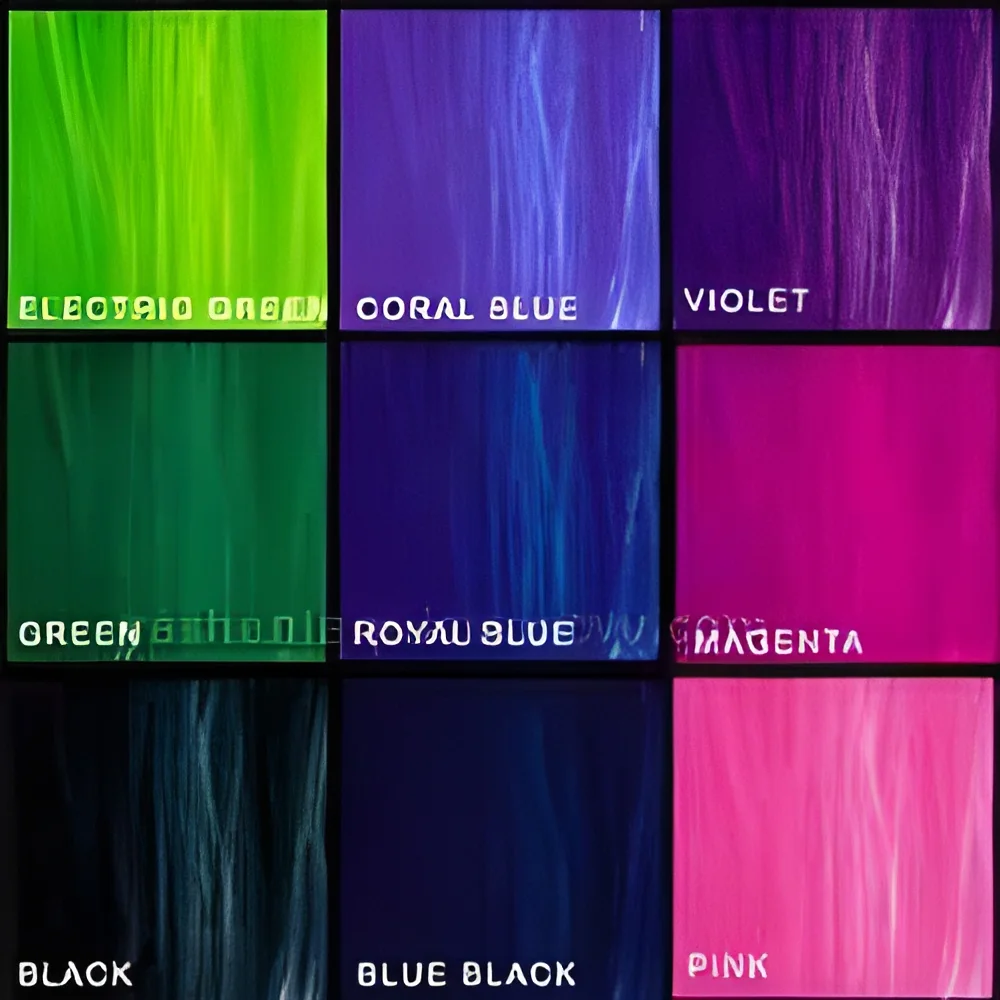
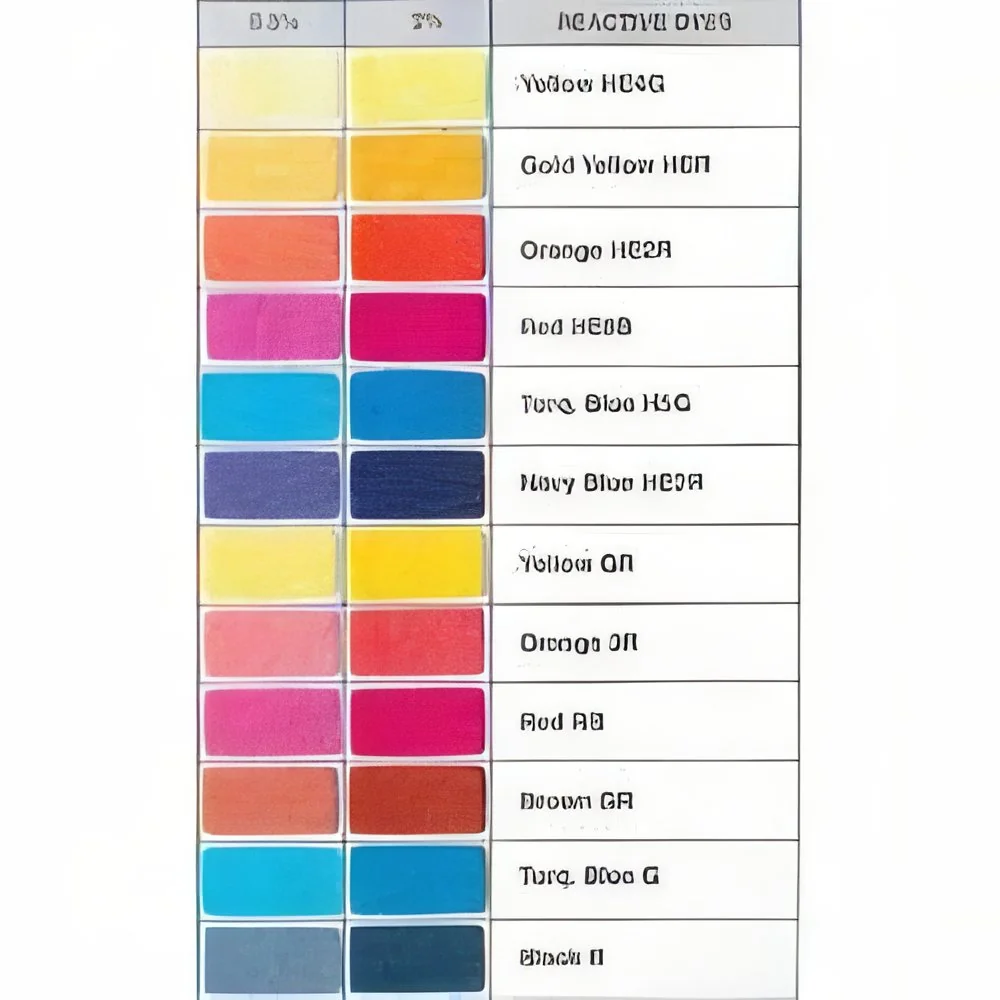
- Available in a wide spectrum of colors
- Customizable for specific color requirements
7. Temperature Stability
- Effective at varying dyeing temperatures, depending on the dye type
- Allows flexibility in processing conditions
8. Reactivity Level
- Varies by dye type, influencing the dyeing process and final results
- Essential for determining the bonding strength with the fiber
In summary, the specifications of reactive dyes highlight their suitability for a wide range of textile applications, ensuring high performance and quality in the dyeing process.
Common Applications and Use Cases
Reactive dyes are integral to diverse industries, primarily within textile manufacturing.
1. Textile Industry: Reactive dyes are predominantly used to color cotton, linen, and rayon fabrics, offering vibrant hues and excellent wash fastness.
2. Fashion and Apparel: These dyes are popular in the production of ready-to-wear garments, providing an array of colors that align with current fashion trends.
3. Home Furnishings: Reactive dyes are often applied in the dyeing of upholstery and drapery fabrics, enhancing their aesthetic appeal while ensuring durability.
4. Automotive Textiles: The automotive sector utilizes reactive dyes for seat covers and interior fabrics, where colorfastness and durability are crucial.
5. Technical Textiles: Reactive dyes are used in specialized textile applications, including industrial fabrics that require specific performance characteristics.
6. Sportswear: The sportswear market benefits from reactive dyes due to their ability to provide bright colors that withstand rigorous washing and wear.
7. Footwear: Reactive dyes are employed in the coloring of various shoe components, ensuring long-lasting color retention.
Product Variants and Subcategories
Reactive dyes come in a variety of formulations to meet specific industry needs.
Direct Reactive Dyes: This variant is designed for use on cellulosic fibers and is known for its high color intensity and excellent wash fastness. It is commonly used in both piece dyeing and printing processes.
Cold Reactive Dyes: These dyes are formulated for application at lower temperatures, making them suitable for delicate fabrics. They provide vibrant colors while minimizing the risk of fiber damage.
High-Temperature Reactive Dyes: Ideal for dyeing polyester blends, these dyes require higher temperatures for application. They offer excellent fastness properties and are often used in industrial applications.
Low-Salt Reactive Dyes: These variants are designed to reduce salt usage during the dyeing process, making them more environmentally friendly. They are ideal for sustainable textile production.
Benefits and Advantages
Choosing reactive dyes for textile applications offers several advantages.
Key benefits include:
1. High Color Fastness: Reactive dyes provide excellent resistance to washing, light, and abrasion, ensuring vibrant colors last longer.
2. Versatility: They can be applied to a wide range of fibers, including cotton, rayon, and some synthetic blends, enhancing their usability.
3. Eco-Friendly Options: Many reactive dyes are produced with reduced environmental impact, catering to the growing demand for sustainable products.
4. Ease of Application: Their high solubility in water allows for straightforward application methods, streamlining the dyeing process.
5. Custom Color Solutions: Reactive dyes offer a vast range of shades, allowing manufacturers to meet specific color requirements for their products.
6. Cost-Effectiveness: When considering performance and durability, reactive dyes often provide a competitive cost per unit of color compared to other dye types.
Buying Guide for B2B Buyers
When sourcing reactive dyes, there are several critical factors to consider to ensure optimal procurement.
1. Quality Assessment: Evaluate the quality of the dyes by checking for certifications and conducting tests for color fastness and stability.
2. Supplier Verification: It is essential to vet suppliers for reliability and reputation within the industry. Look for reviews and industry certifications.
3. Pricing and MOQ: Consider the pricing structures and minimum order quantities offered by suppliers to ensure they align with your budget and requirements.
4. Delivery and Lead Times: Understand the logistics involved in the supply chain, including delivery times and shipping options, to avoid production delays.
5. Compliance Requirements: Ensure that the reactive dyes meet all relevant safety and regulatory standards, particularly if operating in regions with strict compliance mandates.
Compliance and Certifications
Reactive dyes are subject to various quality standards and certifications that ensure their safe and effective use in industrial applications.
Many reactive dyes comply with ISO 9001, which outlines the criteria for a quality management system. This certification demonstrates a commitment to consistent quality and customer satisfaction.
In addition, certain reactive dyes are certified under CE regulations, indicating that they meet European safety standards. This certification is essential for businesses operating within the European market.
Safety and testing requirements for reactive dyes often include assessments for harmful substances and compliance with environmental regulations. It is crucial to ensure that the dyes do not contain any toxic components.
Regional compliance considerations may vary, with some regions imposing stricter regulations on dye production and usage. Understanding these requirements is vital for manufacturers to maintain compliance across different markets.
Why Source Reactive Dyes from Pepagora?
Pepagora offers a trusted platform for sourcing reactive dyes with a range of advantages that cater to B2B buyers.
Verified Supplier Network: Pepagora connects businesses with a network of verified suppliers. This ensures that buyers can trust the quality and reliability of the products they are sourcing.
Streamlined RFQ Process: The platform provides an efficient request-for-quotation (RFQ) system, allowing buyers to easily compare prices and specifications from multiple suppliers. This simplifies the procurement process.
Trade Assurance and Support: Pepagora offers trade assurance to protect buyers against possible discrepancies in orders. Their dedicated support team assists buyers throughout the purchasing journey, enhancing buyer confidence.
Regional Coverage: With a focus on markets in India, the GCC, and Southeast Asia, Pepagora provides extensive regional coverage, making it easier for businesses to source reactive dyes that meet their specific needs within these dynamic markets.

 IN
IN