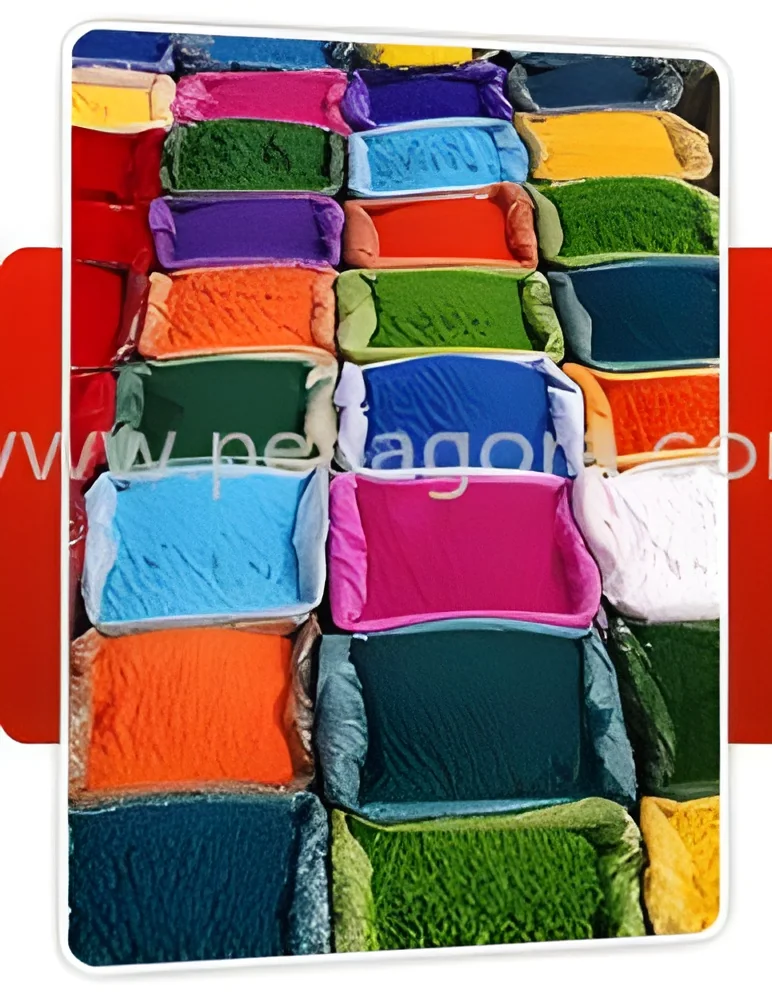
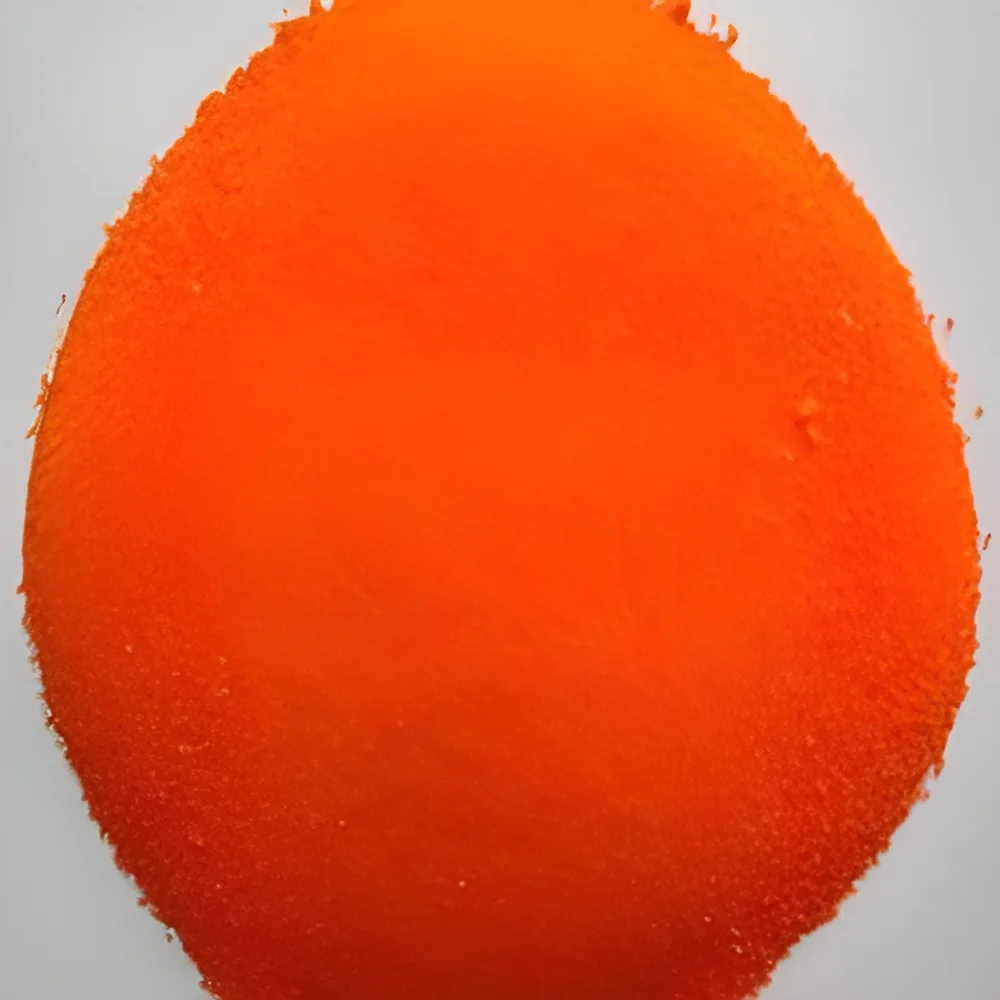
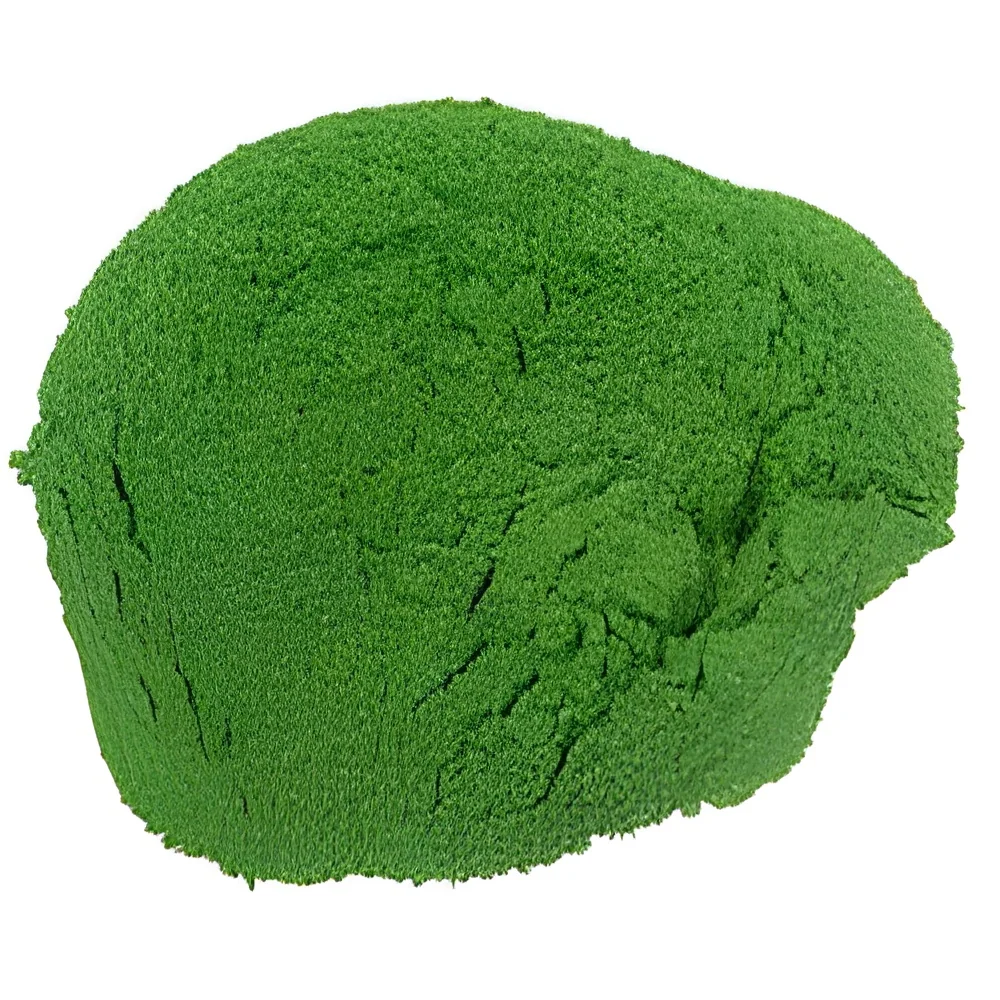
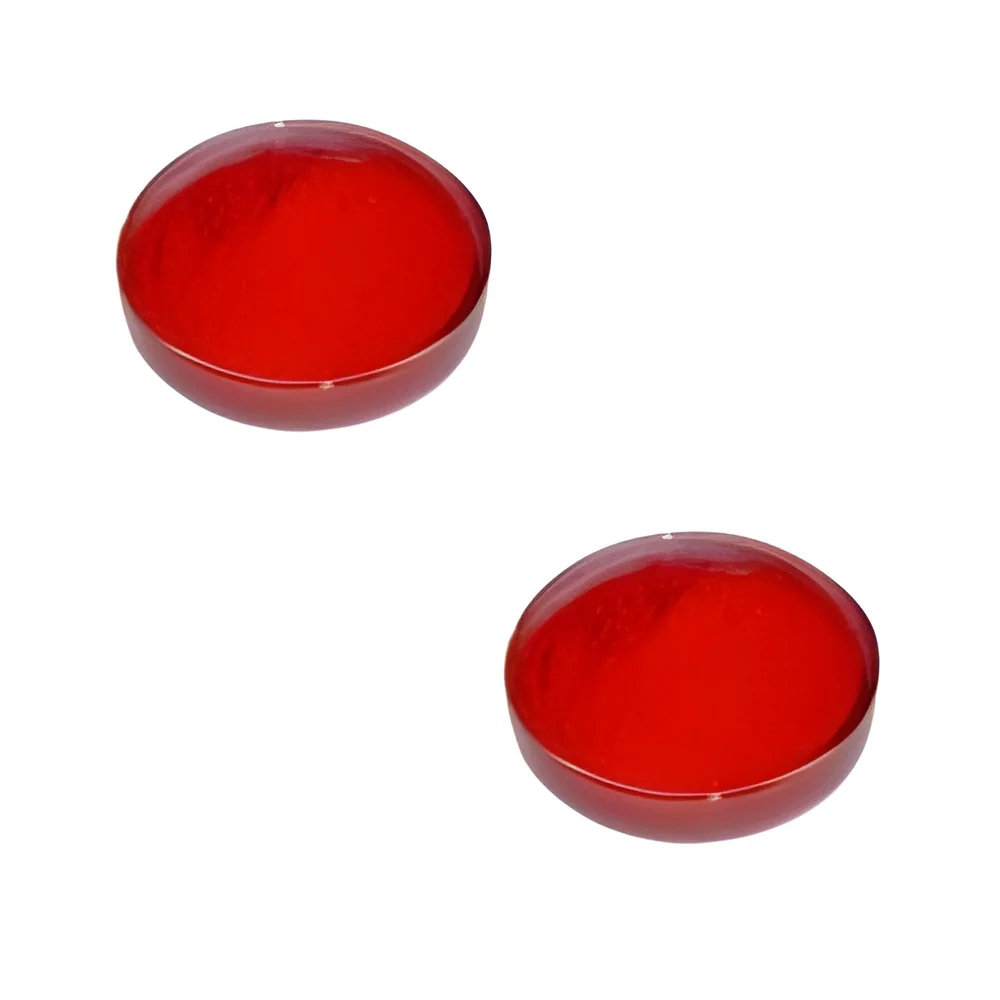
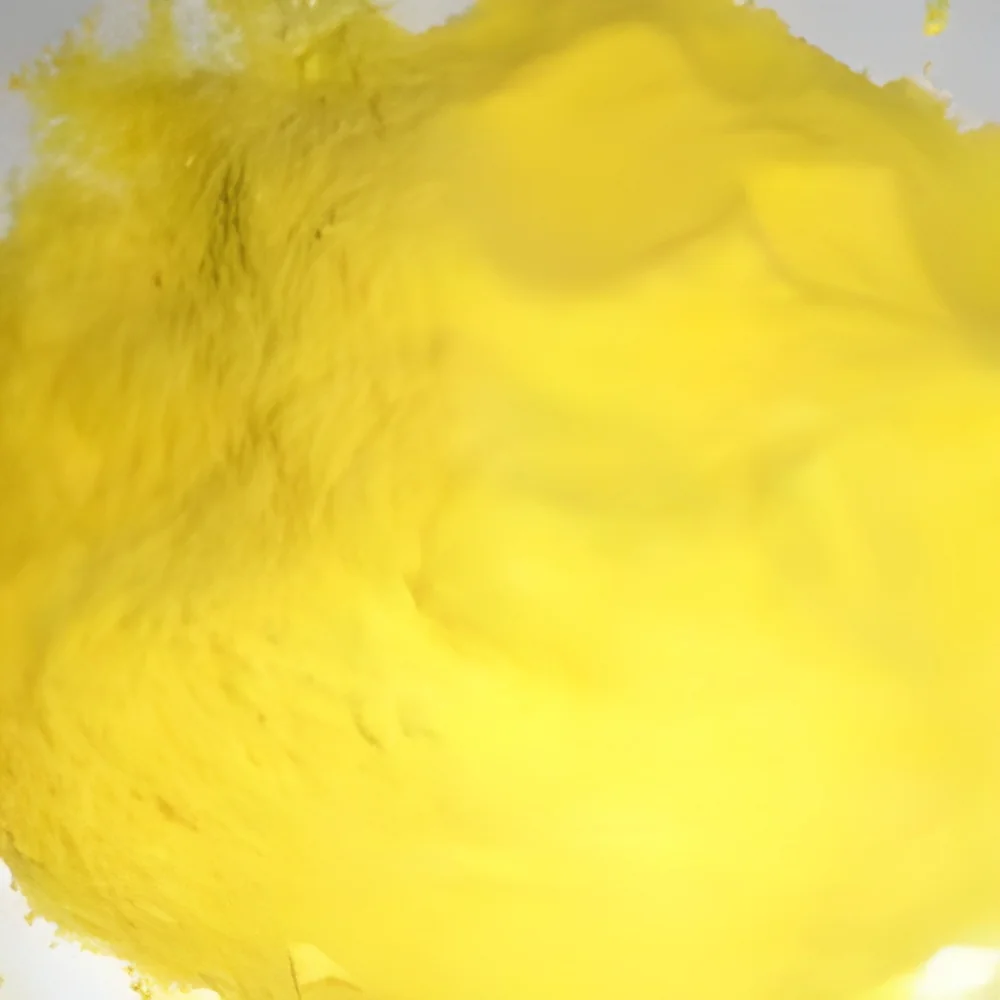
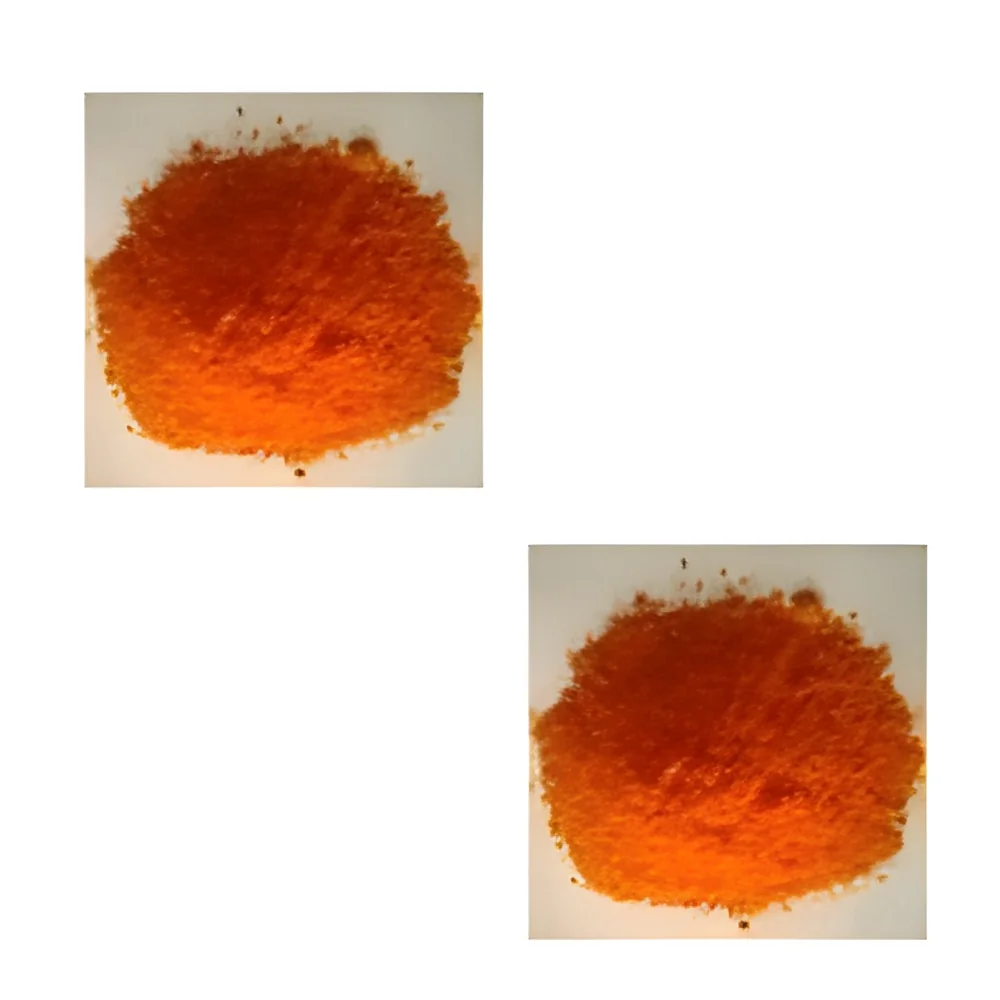
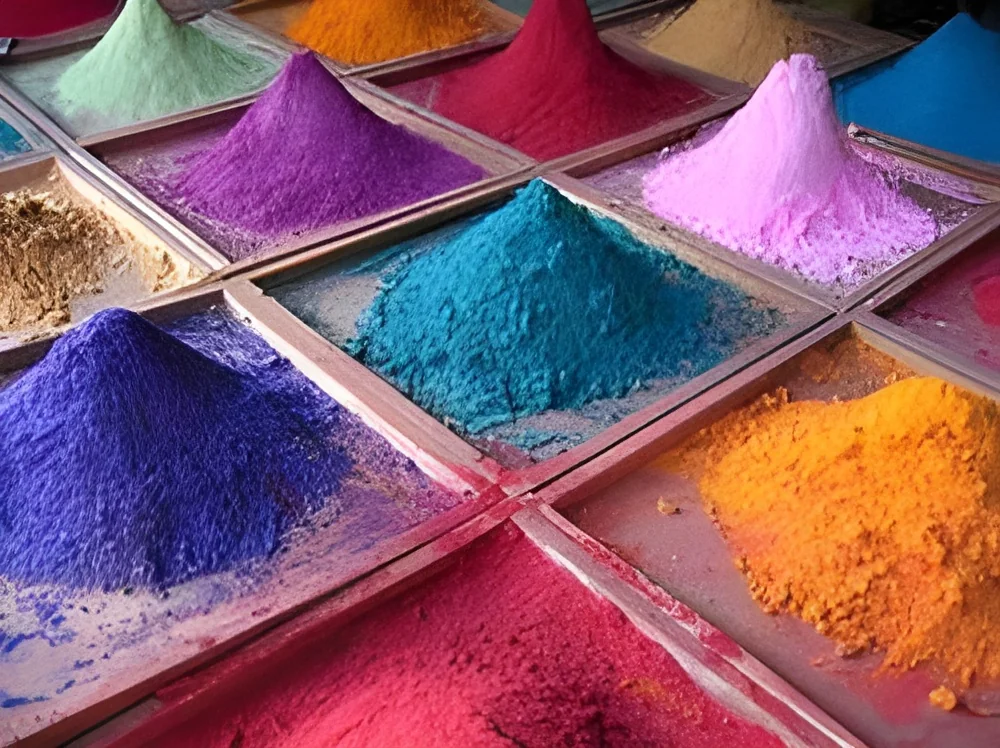
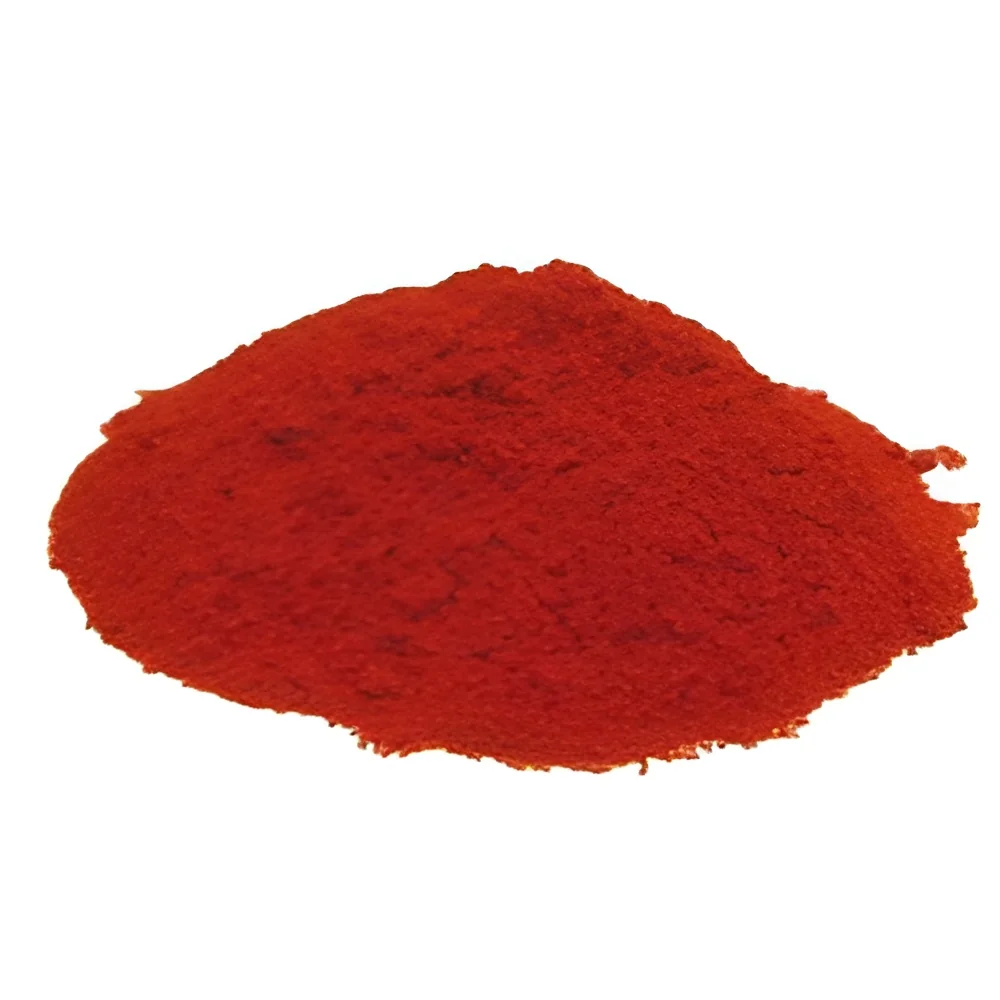
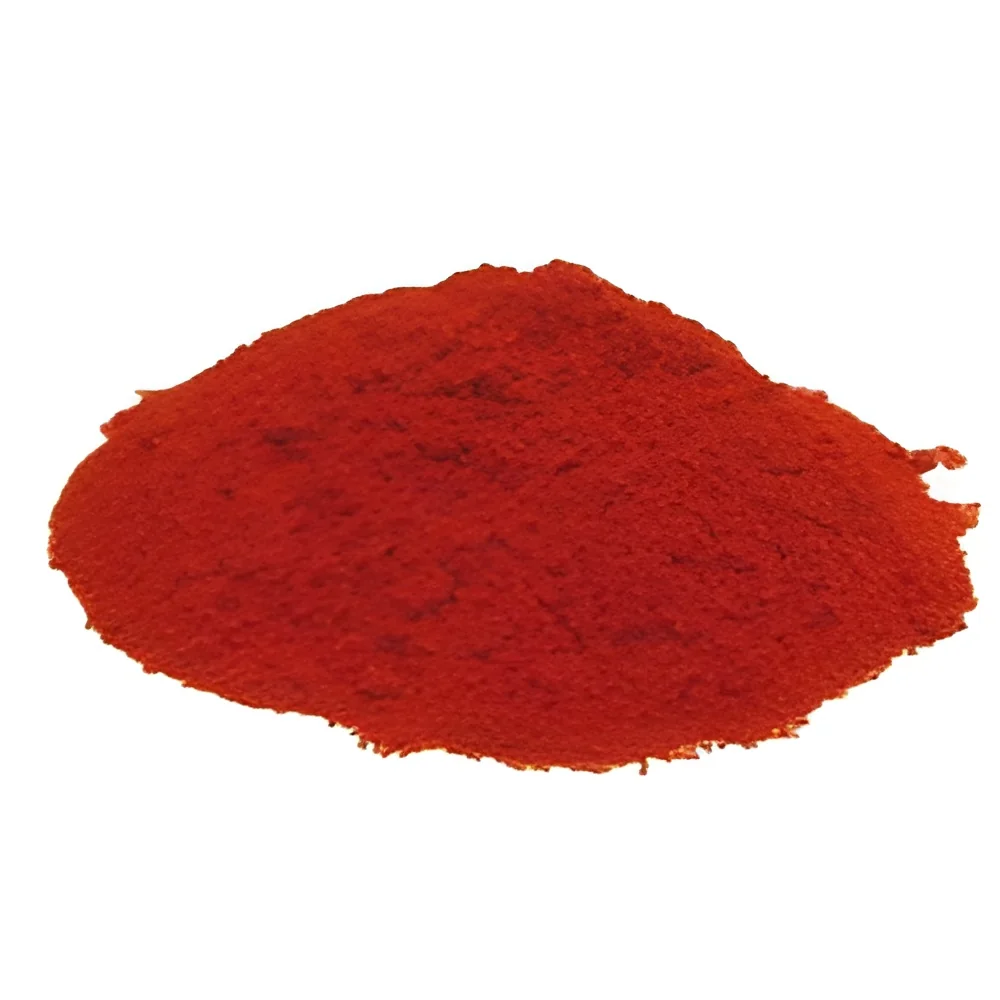
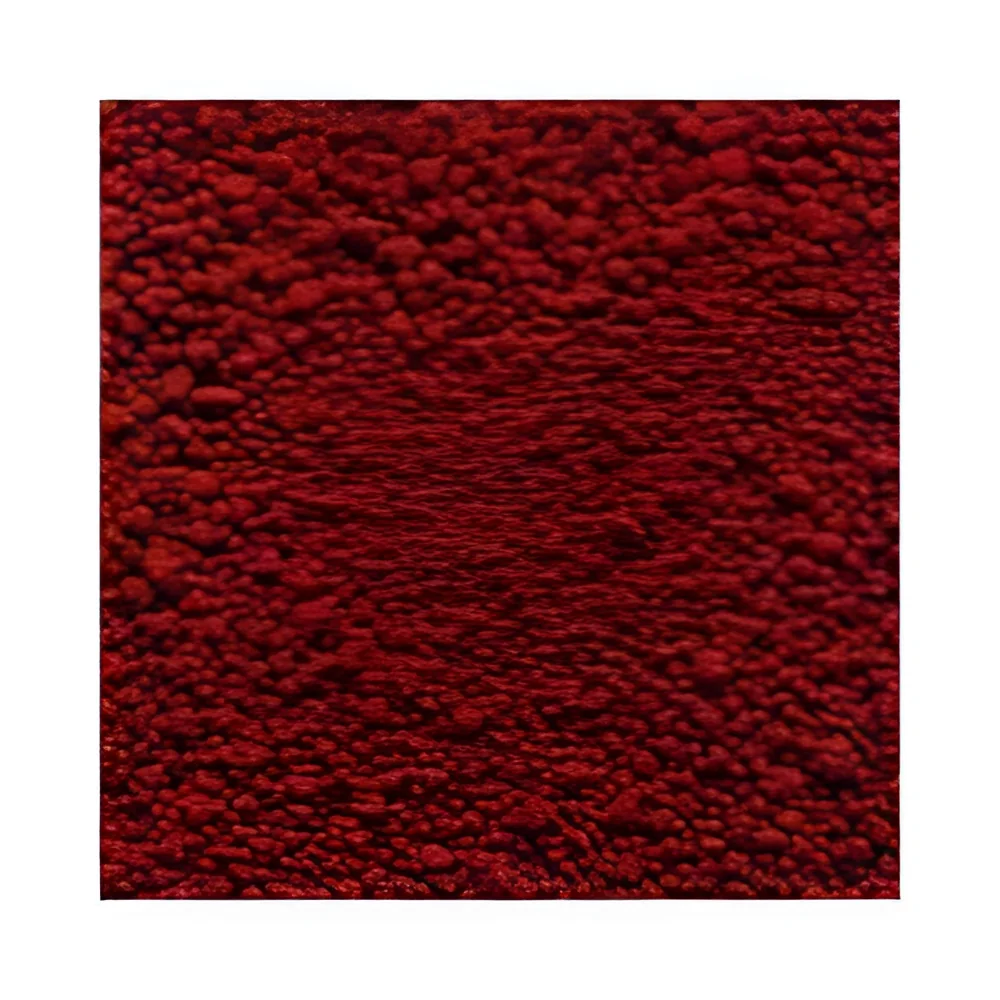
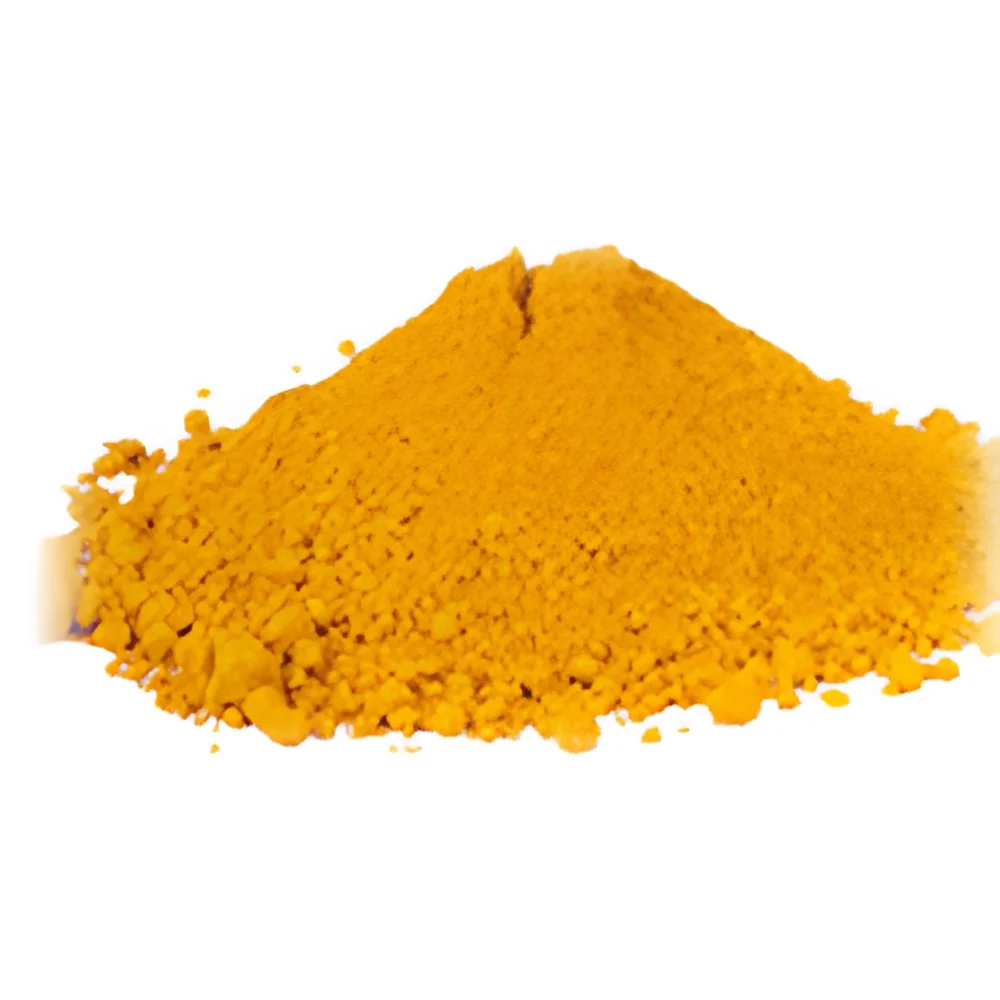
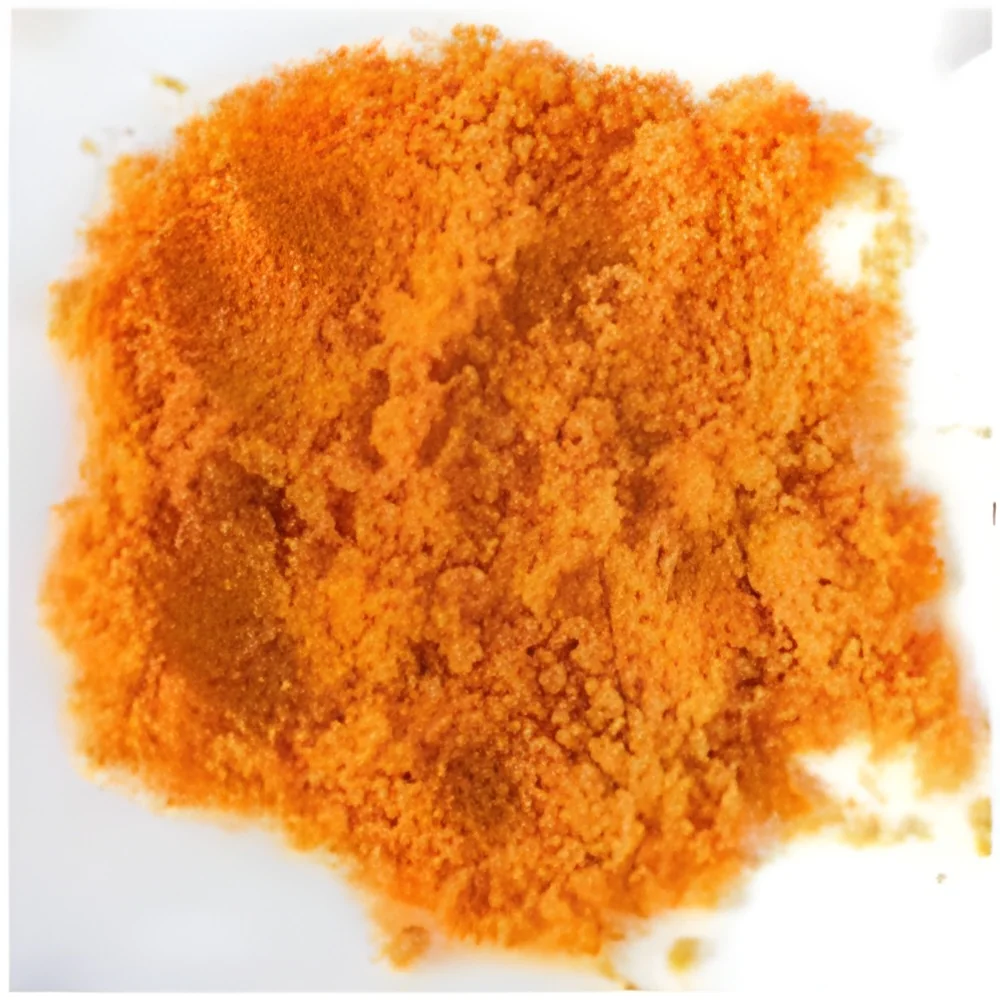
What are Textile Dyes?
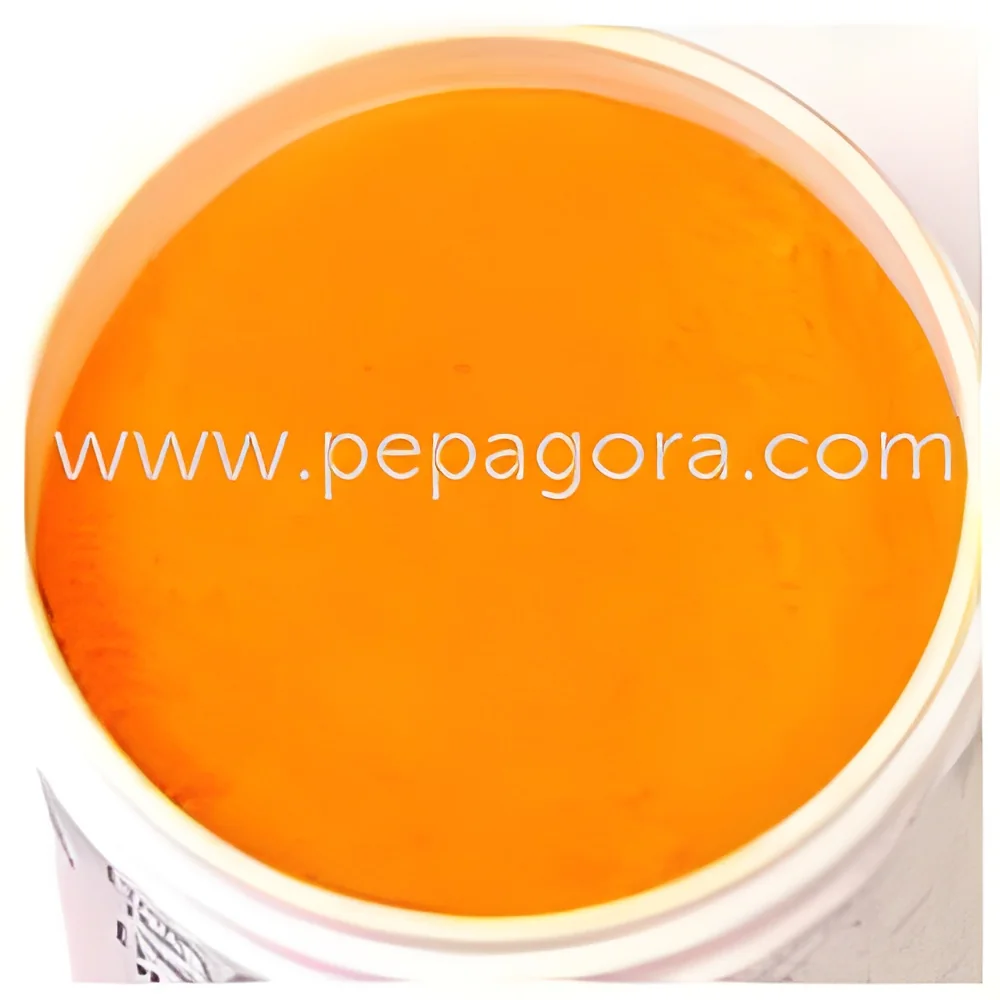
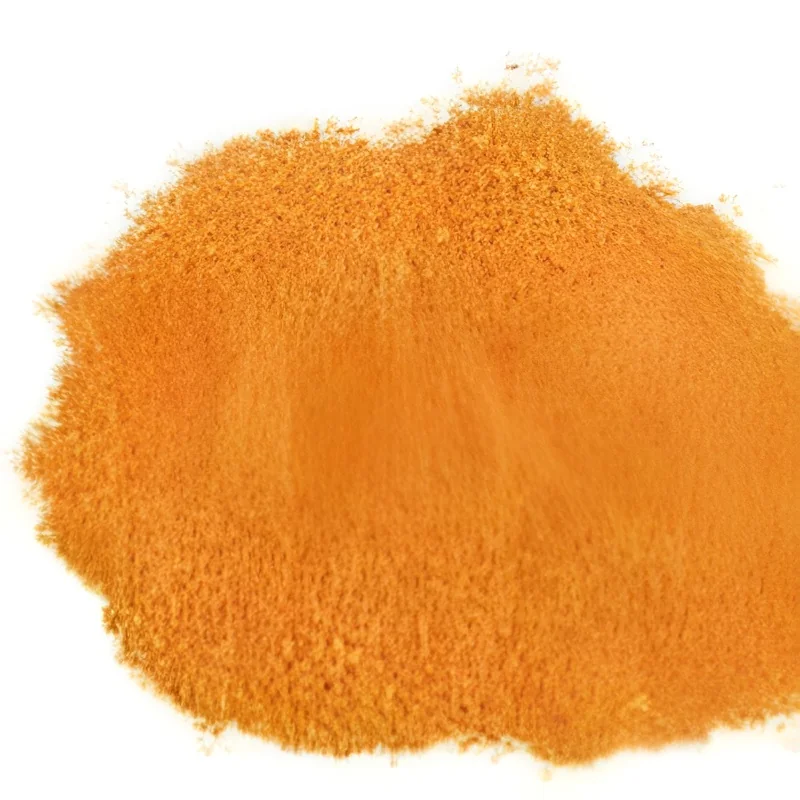
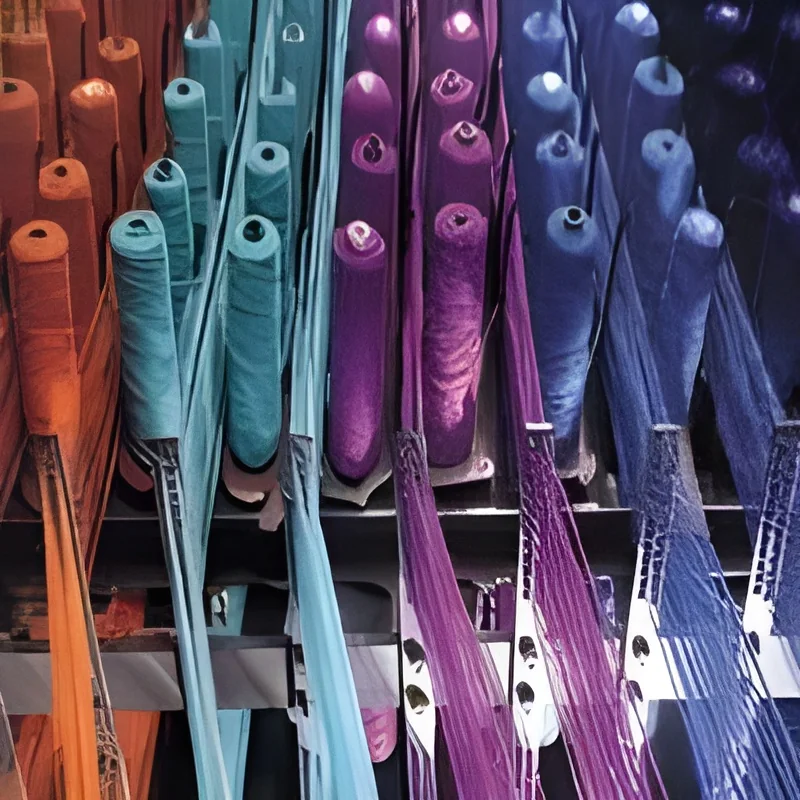
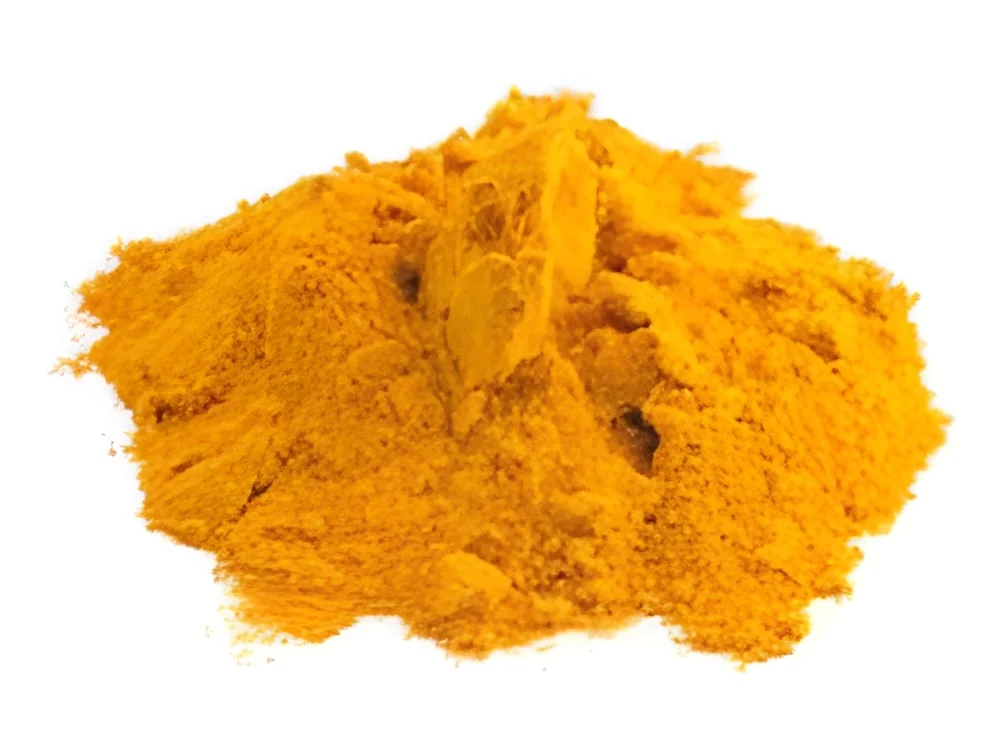
Textile dyes are colorants specifically designed for coloring fabrics and textiles. They penetrate the fibers of materials, providing long-lasting color that can withstand washing and exposure to light. The dyeing process involves several chemical reactions, allowing the dye to bond effectively with the fabric. Various types of textile dyes exist, each suited for different materials and applications, such as natural fibers like cotton and synthetic fibers like polyester.
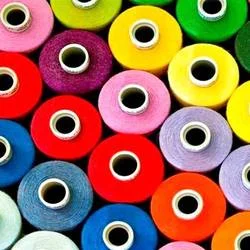
These dyes are widely used in the textile industry for producing garments, upholstery, and various fabric-based products. Manufacturers rely on textile dyes to create vibrant colors and patterns, which enhance the aesthetic appeal of their offerings. Furthermore, textile dyes serve as a critical component in the production of fashion, home furnishings, and industrial textiles, ensuring that the end products meet the expectations of consumers and businesses alike. The textile dye market is influenced by trends in fashion, sustainability, and technological advancements, making it a dynamic sector within the broader textile industry.
Key Features and Specifications
Textile dyes come with a variety of features and specifications that determine their suitability for specific applications. These specifications help manufacturers choose the right dye for their fabric and production processes.
Key specifications include:
1. Color Fastness
- Resistance to fading from washing and exposure to light.
- Rated on a scale from 1 to 5, with 5 being the highest resistance.
2. Application Method
- Types of application include dyeing, printing, and finishing.
- Each method requires specific dye characteristics for optimal results.
3. Fiber Compatibility
- Compatibility with various fiber types such as cotton, wool, and polyester.
- Certain dyes are formulated specifically for natural or synthetic fibers.
4. Environmental Compliance
- Adherence to environmental regulations and standards.
- Focus on reducing harmful emissions and waste.
5. Solubility
- Ability to dissolve in water or solvents, affecting application methods.
- Critical for ensuring even color distribution on fabrics.
6. Stability
- Resistance to chemical reactions during storage and application.
- Important for maintaining dye integrity over time.
7. pH Range
- Optimal pH level for dye application.
- Influences color uptake and final appearance on fabric.
8. Shelf Life
- Duration the dye remains effective when stored properly.
- Impacts inventory management for manufacturers.
These specifications ensure that businesses can select the most appropriate textile dyes for their production needs, maximizing both quality and efficiency.
Common Applications and Use Cases
Textile dyes find applications across various industries, each benefiting from their unique properties and characteristics.
1. Fashion Industry: Textile dyes are essential for producing colorful garments and accessories. They enable designers to create trendy patterns and hues that appeal to consumers.
2. Home Furnishings: Dyes are used to color fabrics for curtains, upholstery, and bedding. This enhances the aesthetic appeal and allows for customization in home decor.
3. Automotive Textiles: Automotive manufacturers use textile dyes for seat covers, carpets, and interior trims. The dyes must offer durability and resistance to fading.
4. Technical Textiles: Industries such as sports and medical textiles utilize specialized dyes that meet specific performance requirements, such as moisture management and breathability.
5. Industrial Applications: Dyes are used in the production of uniforms and workwear, ensuring that textiles are not only functional but also visually appealing.
6. Upholstery Fabrics: Dyes are applied to furniture fabrics to ensure durability and color retention in high-use areas.
7. Crafting and DIY: Textile dyes are popular among hobbyists for creating custom designs on various fabric projects, including tie-dye and fabric painting.
Product Variants and Subcategories
Textile dyes are diverse, with several variants tailored to meet specific needs.
Reactive Dyes: These dyes chemically bond with the fabric, offering excellent color fastness and vibrant hues. They are commonly used for cotton and other natural fibers.
Disperse Dyes: Primarily used for dyeing synthetic fibers, these dyes disperse in water and require heat for application. They provide bright colors and good wash fastness.
Acid Dyes: Suitable for protein fibers like wool and silk, acid dyes produce brilliant colors and excellent light fastness. They are often used in high-end fashion applications.
Direct Dyes: These are water-soluble dyes that can be used on cellulosic fibers. They offer ease of application but may have lower wash fastness compared to other types.
Benefits and Advantages
Textile dyes offer numerous benefits that enhance product quality and performance.
1. Color Variety: Textile dyes come in a wide range of colors, allowing manufacturers to create unique and customized products.
2. Enhanced Aesthetics: Dyes improve the visual appeal of textiles, making them more attractive to consumers and enhancing brand identity.
3. Durability: Many textile dyes are formulated for long-lasting color retention, ensuring that products maintain their appearance over time.
4. Versatility: Dyes can be applied to various fiber types and fabrics, making them suitable for a range of applications across different industries.
5. Environmental Considerations: Many modern dyes comply with environmental regulations, reducing harmful impacts during production and use.
6. Cost-Effectiveness: By choosing the right dye, manufacturers can minimize waste and optimize production processes, leading to cost savings.
Buying Guide for B2B Buyers
When sourcing textile dyes, several factors should be considered to ensure the best selection for your business needs.
1. Quality Assessment: Evaluate dye quality based on color fastness, compatibility with fibers, and overall performance. This will help ensure the final product meets quality standards.
2. Supplier Verification: Vet suppliers to confirm their reputation, reliability, and compliance with industry regulations. Consider their experience and customer reviews.
3. Pricing and MOQ: Understand the pricing structure of dyes and the minimum order quantities required. This will help in budgeting and inventory management.
4. Delivery and Lead Times: Assess the supplier's delivery capabilities and lead times. Timely delivery is essential for maintaining production schedules.
5. Compliance Requirements: Ensure that the dyes meet regional and international regulations, including environmental and safety standards. This protects your business and end consumers.
Compliance and Certifications
Textile dyes must adhere to various quality standards and certifications to ensure they are safe for use and environmentally friendly. Key industry standards include ISO 9001, which focuses on quality management systems and ensures consistent quality in production processes.
Certifications such as CE indicate that the dyes meet safety and health requirements within the European market. Compliance with regulations like HACCP (Hazard Analysis and Critical Control Points) is essential for dyes used in industries where human safety is a concern, such as textiles for children's clothing.
Additionally, testing requirements for textile dyes often include assessments for toxicity and environmental impact. Regional compliance considerations may vary, emphasizing the importance of sourcing from suppliers familiar with local regulations. This ensures that businesses remain compliant and mitigate any potential legal risks.
Why Source Textile Dyes from Pepagora?
Pepagora provides a trusted platform for sourcing textile dyes, offering several key advantages to businesses.
Verified Supplier Network: Pepagora ensures that all suppliers are thoroughly vetted for reliability and product quality. This creates a safer purchasing environment for B2B buyers.
Streamlined RFQ Process: The platform simplifies the request for quotation process, allowing buyers to efficiently compare offers and select the best option for their needs.
Trade Assurance and Support: Pepagora offers buyer protection through trade assurance policies, safeguarding transactions and enhancing confidence in sourcing decisions.
Regional Coverage: With a strong presence in India, the GCC, and Southeast Asia, Pepagora connects businesses with local suppliers who understand regional market dynamics. This broad geographic reach enhances sourcing opportunities and fosters strong business relationships.

 IN
IN