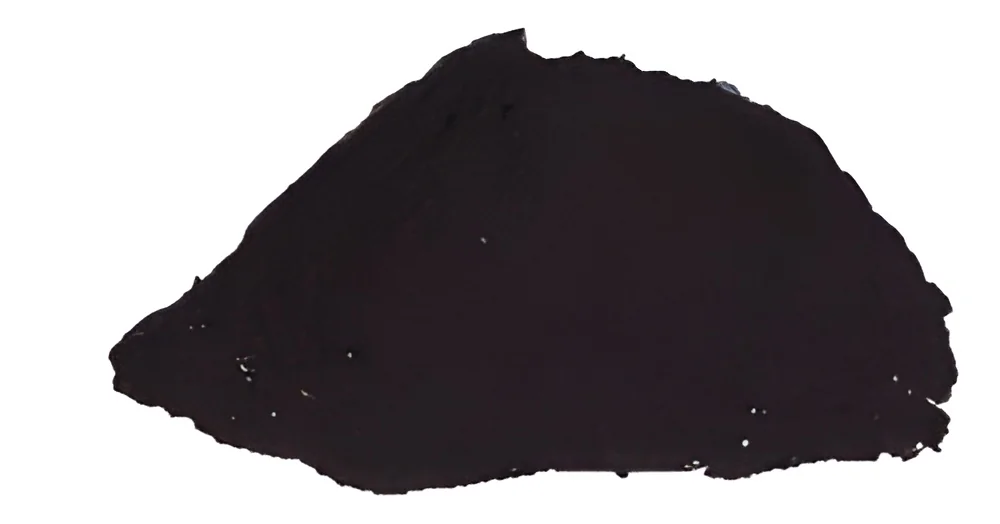
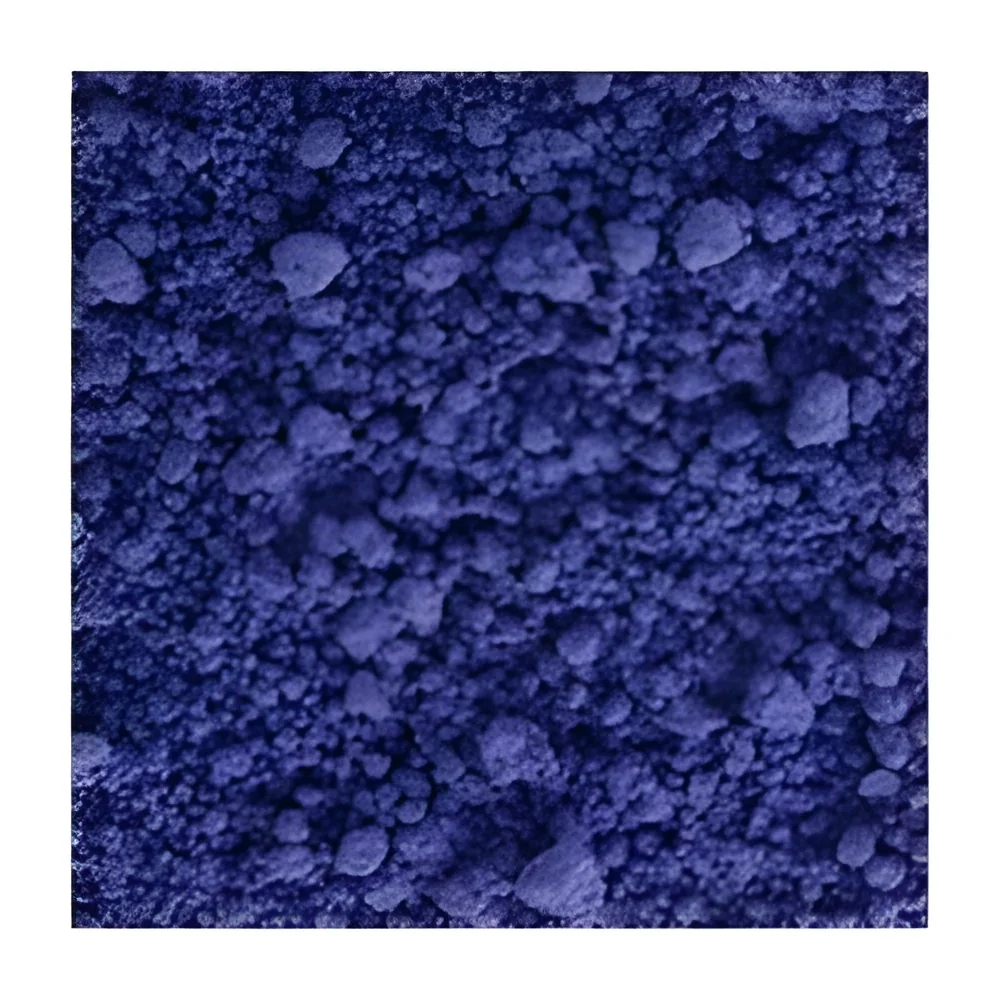
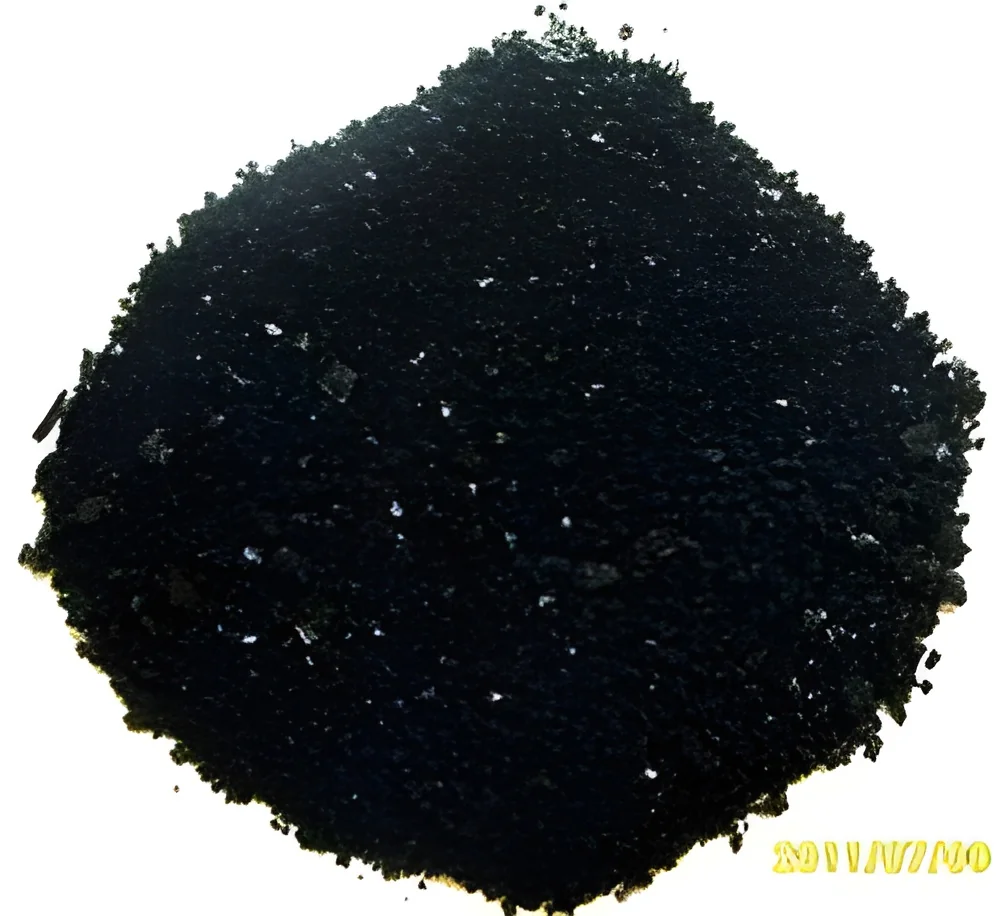
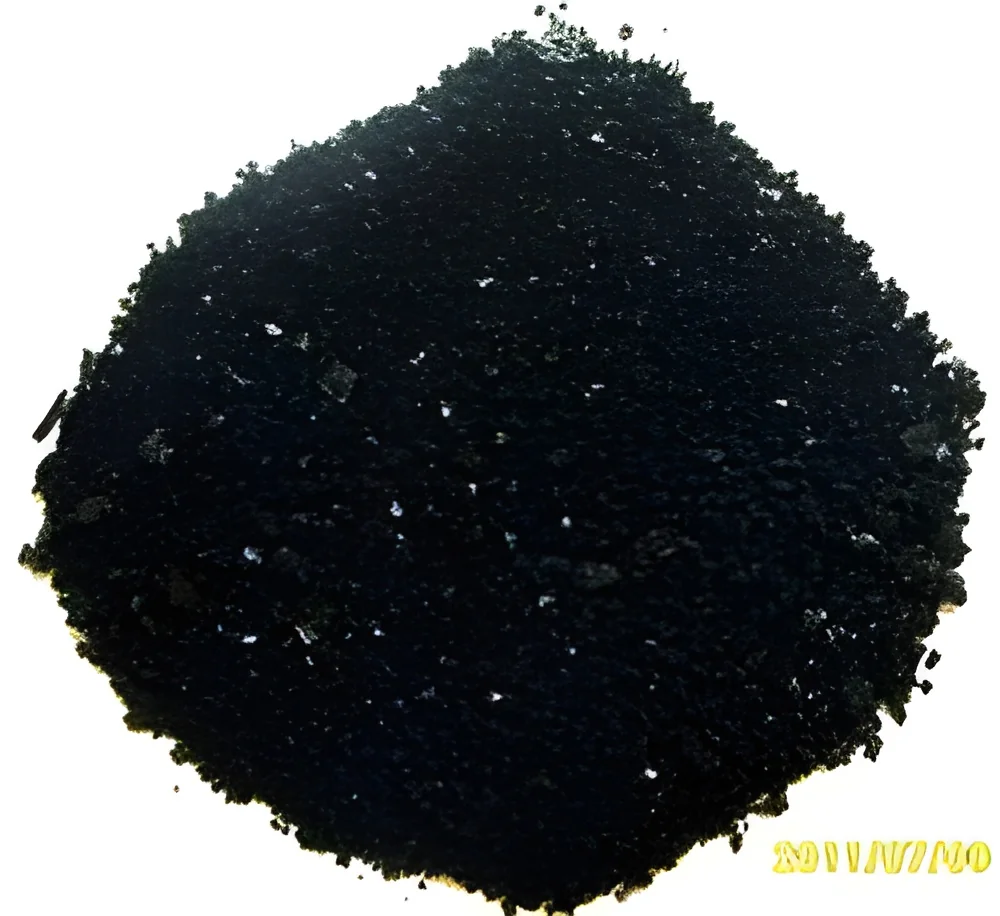
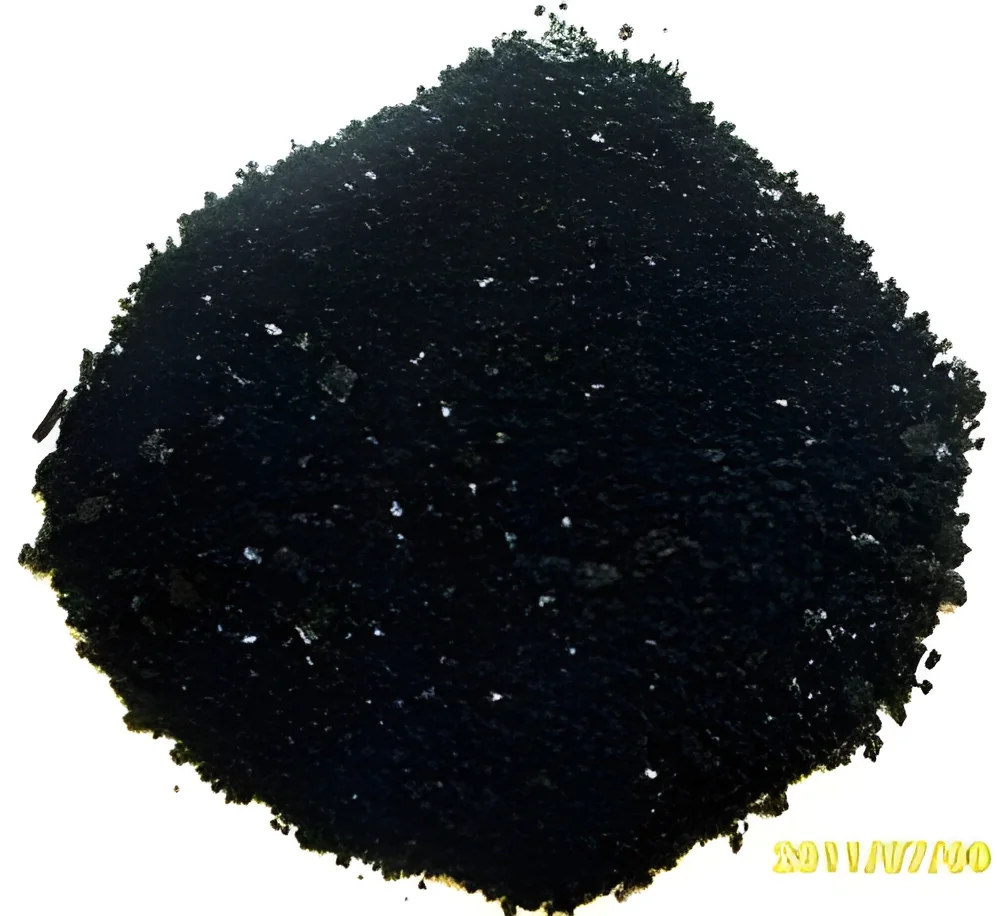
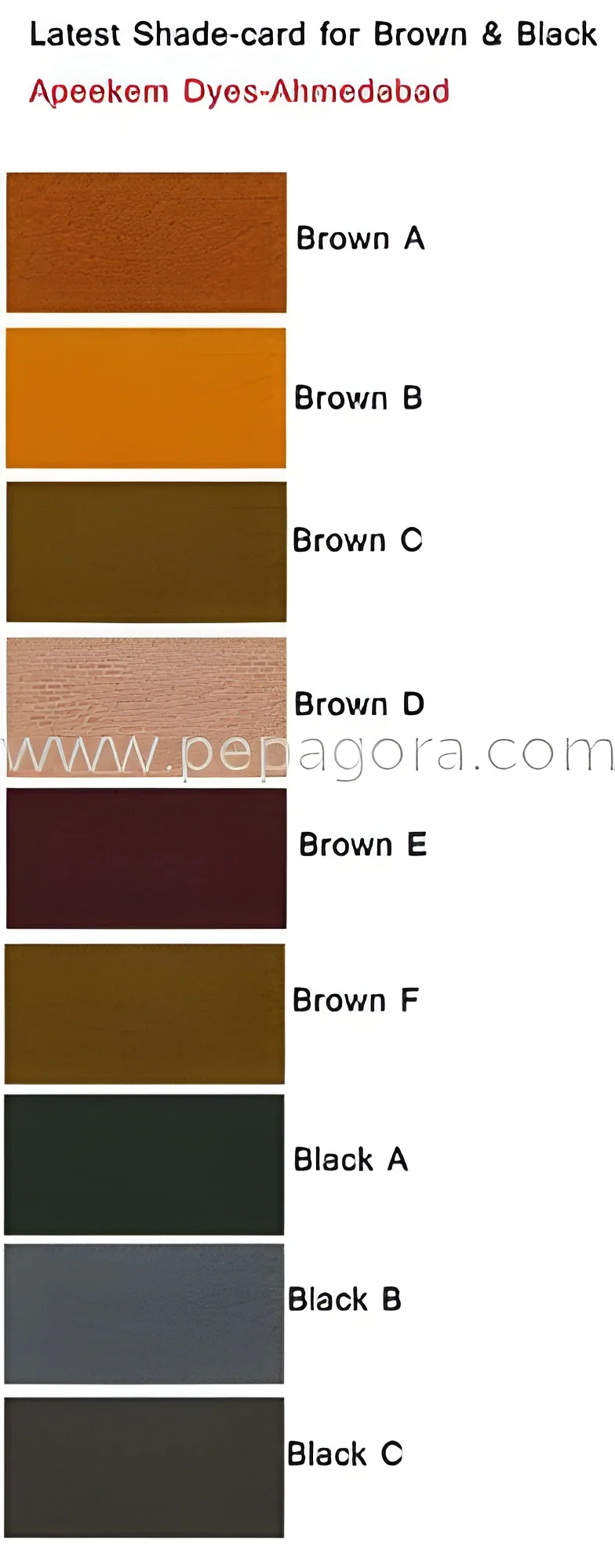
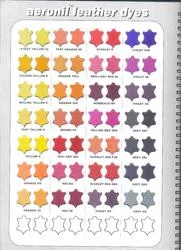
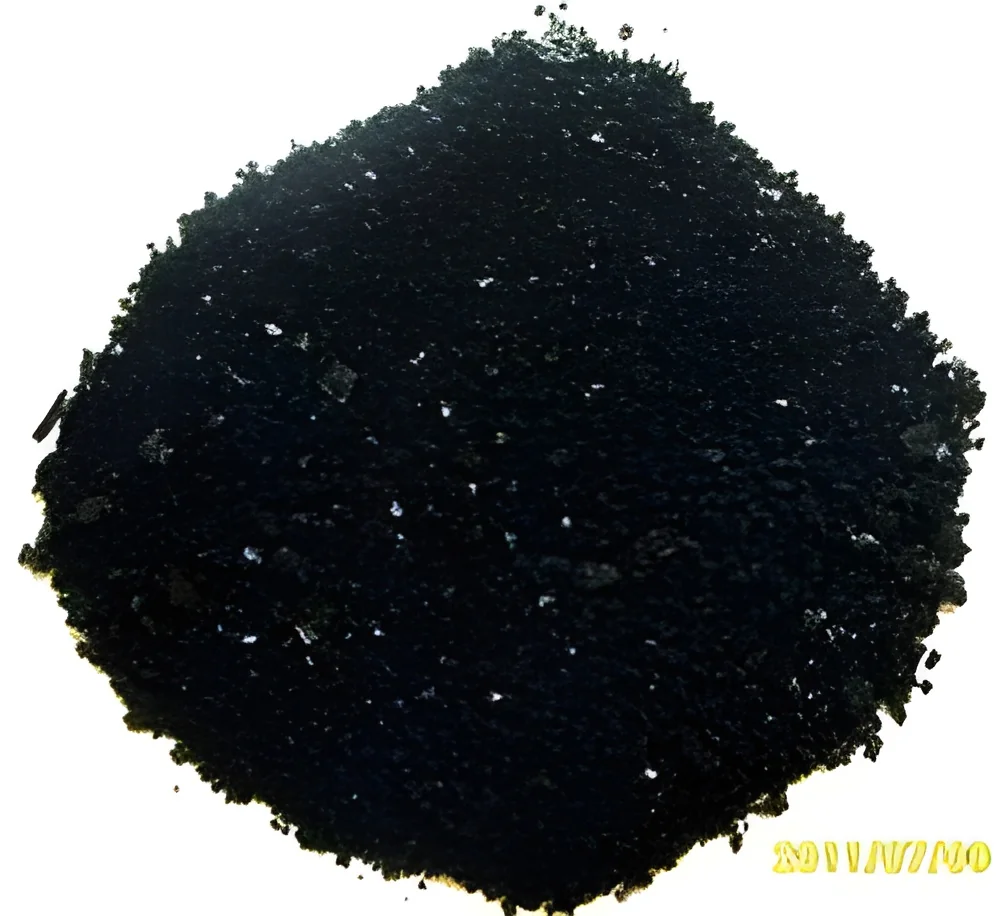
What are Leather Dyes?
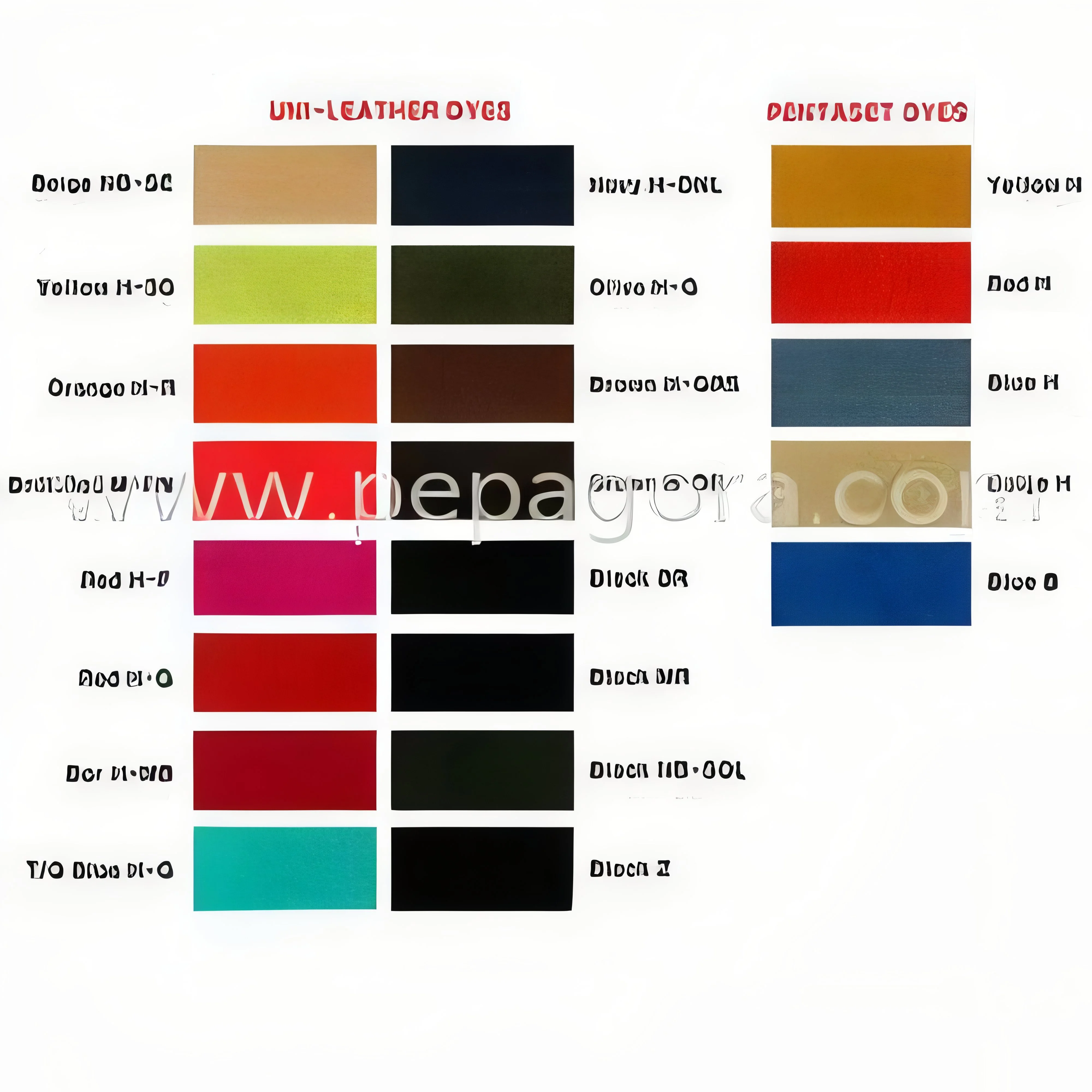
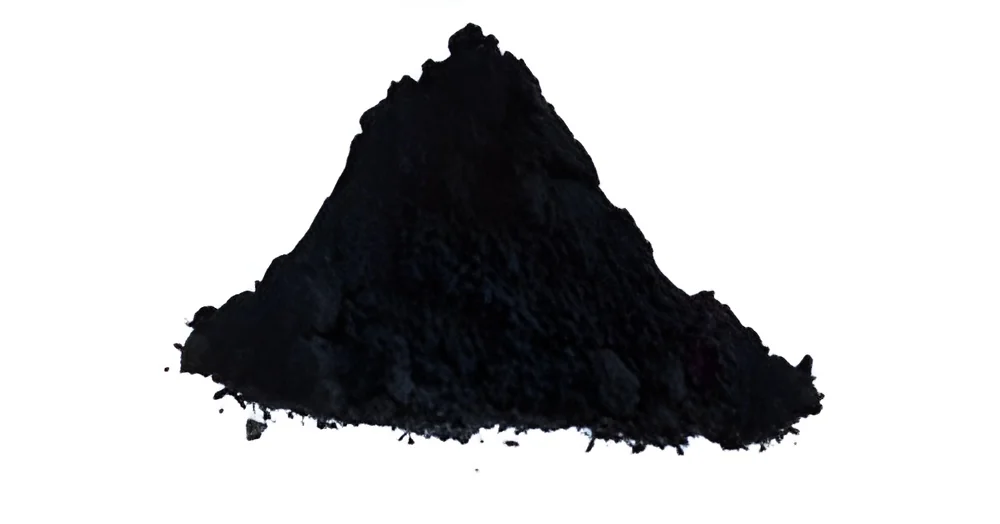
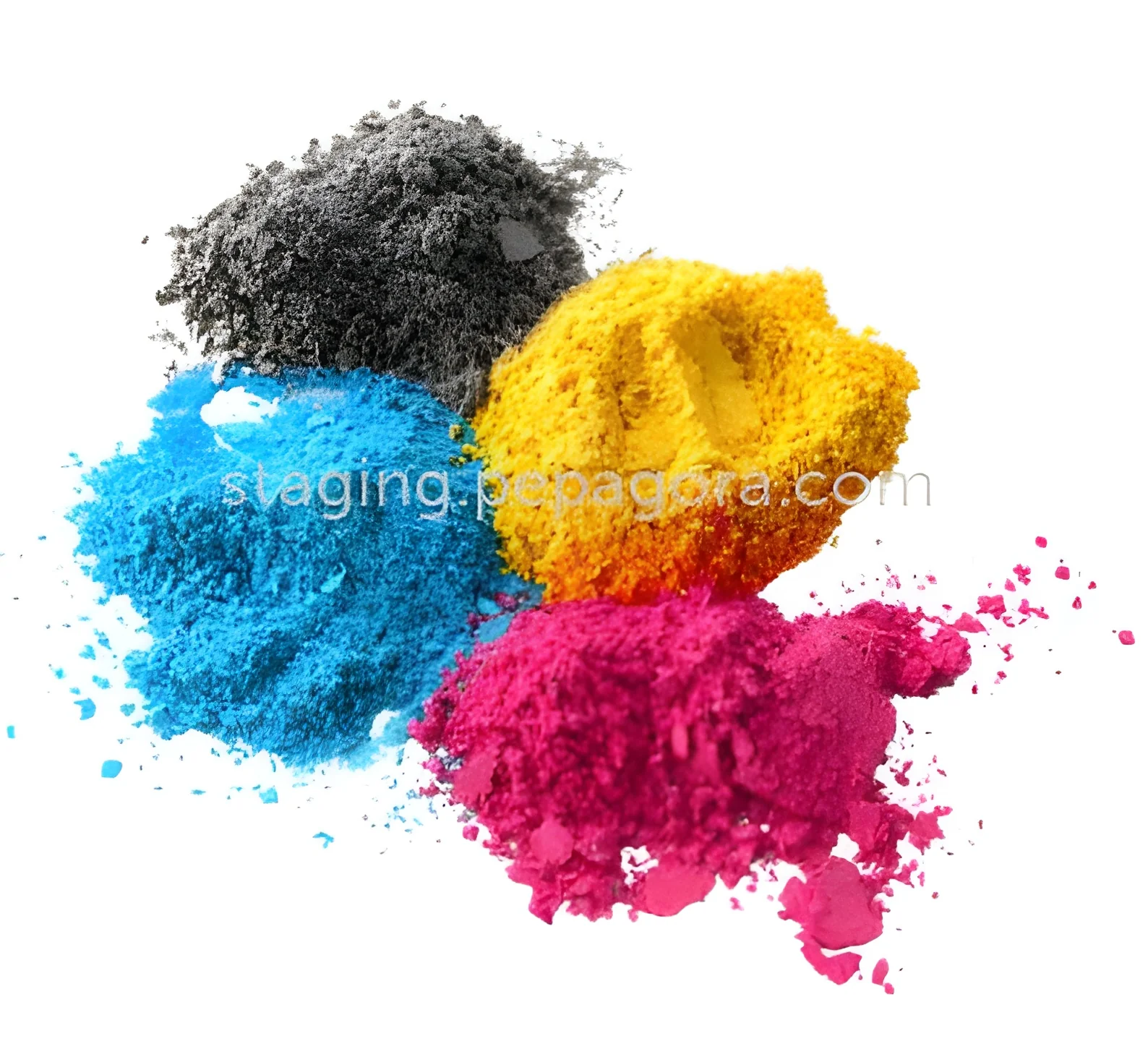
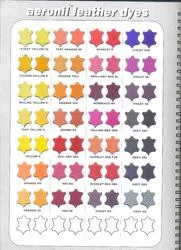
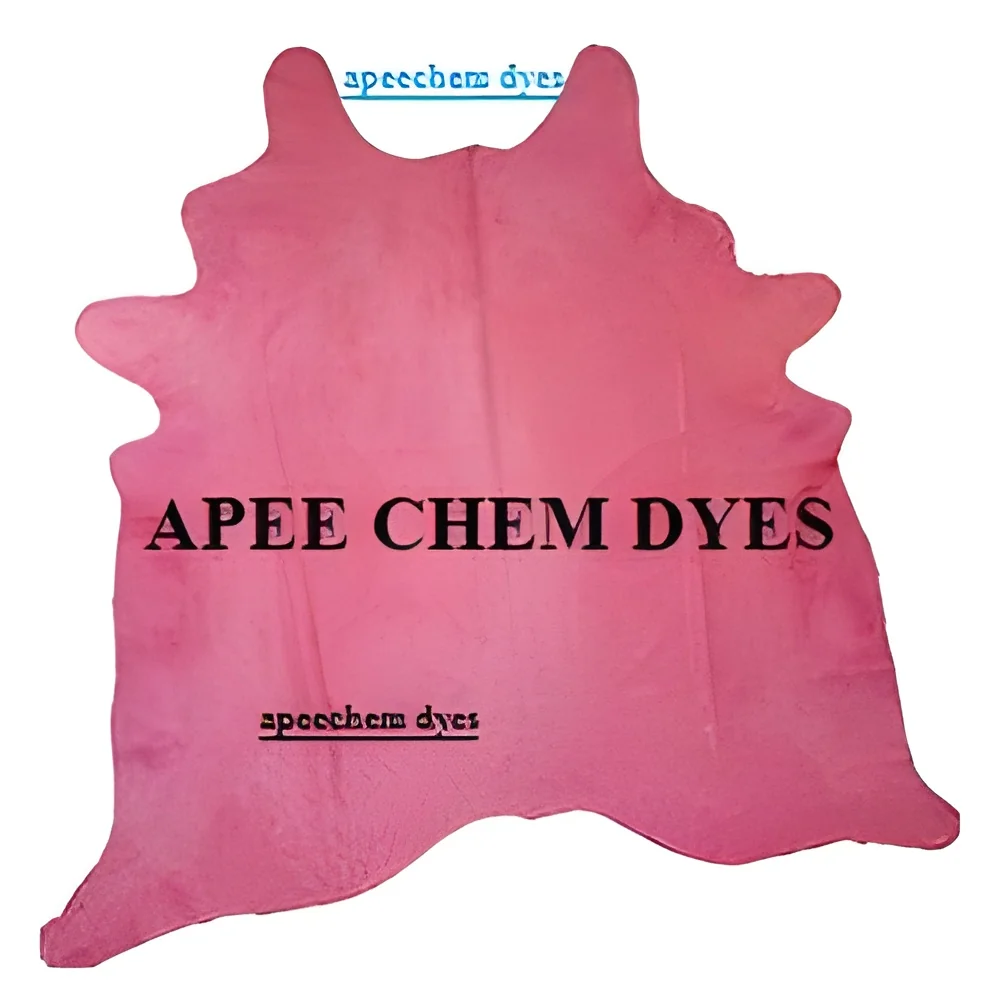
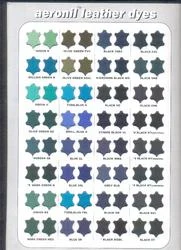
Leather dyes are specialized coloring agents used to impart color to leather materials. These dyes penetrate the leather fibers, ensuring that the color is absorbed deeply and remains vibrant over time. Leather dyes come in various formulations, including water-based, solvent-based, and oil-based options, each offering unique characteristics and applications.
The primary uses of leather dyes are found in industries such as fashion, automotive, and furniture manufacturing. In the fashion industry, they are used to color leather goods such as shoes, bags, and belts. In the automotive sector, leather dyes color upholstery, enhancing the aesthetics and durability of vehicle interiors. Furniture manufacturers use leather dyes to create appealing finishes on leather furniture, providing consumers with a range of color options to suit their tastes.
The leather dye market is significant due to the growing demand for customized and high-quality leather products. Industry innovations, such as eco-friendly and non-toxic dyes, are shaping market trends. As sustainability becomes increasingly important, manufacturers are exploring dyes that have a reduced environmental impact while maintaining performance and quality.
Key Features and Specifications
Leather dyes offer distinct features that make them suitable for a variety of applications. Understanding these specifications is crucial for businesses looking to source the right product.
Key specifications include:
1. Colorfastness
- Refers to the dye's ability to resist fading when exposed to light, water, and other environmental factors.
- Important for ensuring the longevity of the dyed leather.
2. Application Method
- Dyes can be applied using various methods, such as spraying, brushing, or dipping.
- Each method may require specific preparation and equipment.
3. Drying Time
- The time required for the dye to dry after application can vary.
- Critical for production timelines, especially in high-volume environments.
4. Coverage Area
- Indicates how much area can be covered with a certain volume of dye.
- Essential for estimating costs and material needs.
5. Toxicity Levels
- Some dyes may contain harmful chemicals; therefore, safety data sheets should be reviewed.
- Compliance with safety regulations is necessary for workplace safety.
6. Compatibility with Leather Types
- Different leather types may react differently to various dyes.
- Ensuring compatibility is vital for achieving the desired finish.
7. Shelf Life
- Refers to how long the dye can be stored without losing effectiveness.
- Important for inventory management and cost efficiency.
8. Environmental Compliance
- Many leather dyes are now formulated to comply with environmental standards.
- Ensures that products meet regulatory requirements for sustainability.
In summary, selecting leather dyes involves understanding their key features and specifications to ensure they meet both performance and regulatory needs.
Common Applications and Use Cases
Leather dyes are utilized across numerous industries, showcasing their versatility and importance.
1. Fashion Industry: Leather dyes are extensively used in the production of shoes, handbags, and belts. Designers often choose specific colors to match seasonal trends.
2. Automotive Industry: Vehicle manufacturers use leather dyes to color upholstery and interior details, enhancing the visual appeal and comfort of cars.
3. Furniture Manufacturing: Leather dyes are applied to sofas, chairs, and other furniture pieces to create custom finishes that appeal to consumers.
4. Sporting Goods: Leather dyes are frequently used in the production of sports equipment, such as gloves and balls, where color is essential for branding and aesthetics.
5. Crafting and DIY: Many hobbyists use leather dyes for personal projects, allowing for customization and creativity in handmade leather goods.
6. Upholstery Repair: Leather dyes are invaluable in repair work, allowing for color matching and restoration of worn or damaged leather items.
7. Leather Goods Manufacturing: Manufacturers utilize dyes to create a variety of leather products, ensuring consistent colors across production batches.
Product Variants and Subcategories
Leather dyes come in a diverse range of formulations and features, catering to different needs in the market.
Water-Based Dyes: These dyes are environmentally friendly and easy to clean up. They are often preferred for indoor applications due to their low odor and reduced toxicity. Water-based dyes provide a wide range of colors and are suitable for various leather types.
Solvent-Based Dyes: Known for their durability and resistance to fading, solvent-based dyes are ideal for outdoor applications. They penetrate deeply into leather, providing long-lasting color and protection against moisture.
Oil-Based Dyes: These dyes are suitable for achieving rich, deep colors and are often used in high-end leather goods. Oil-based dyes enhance the natural texture of leather while providing a protective finish.
Benefits and Advantages
Leather dyes offer several advantages that make them essential for various applications.
Key benefits include:
1. Durability: Leather dyes are designed to withstand wear and environmental factors, ensuring that the color lasts over time.
2. Versatility: With various formulations available, leather dyes can be used on different types of leather and for multiple applications.
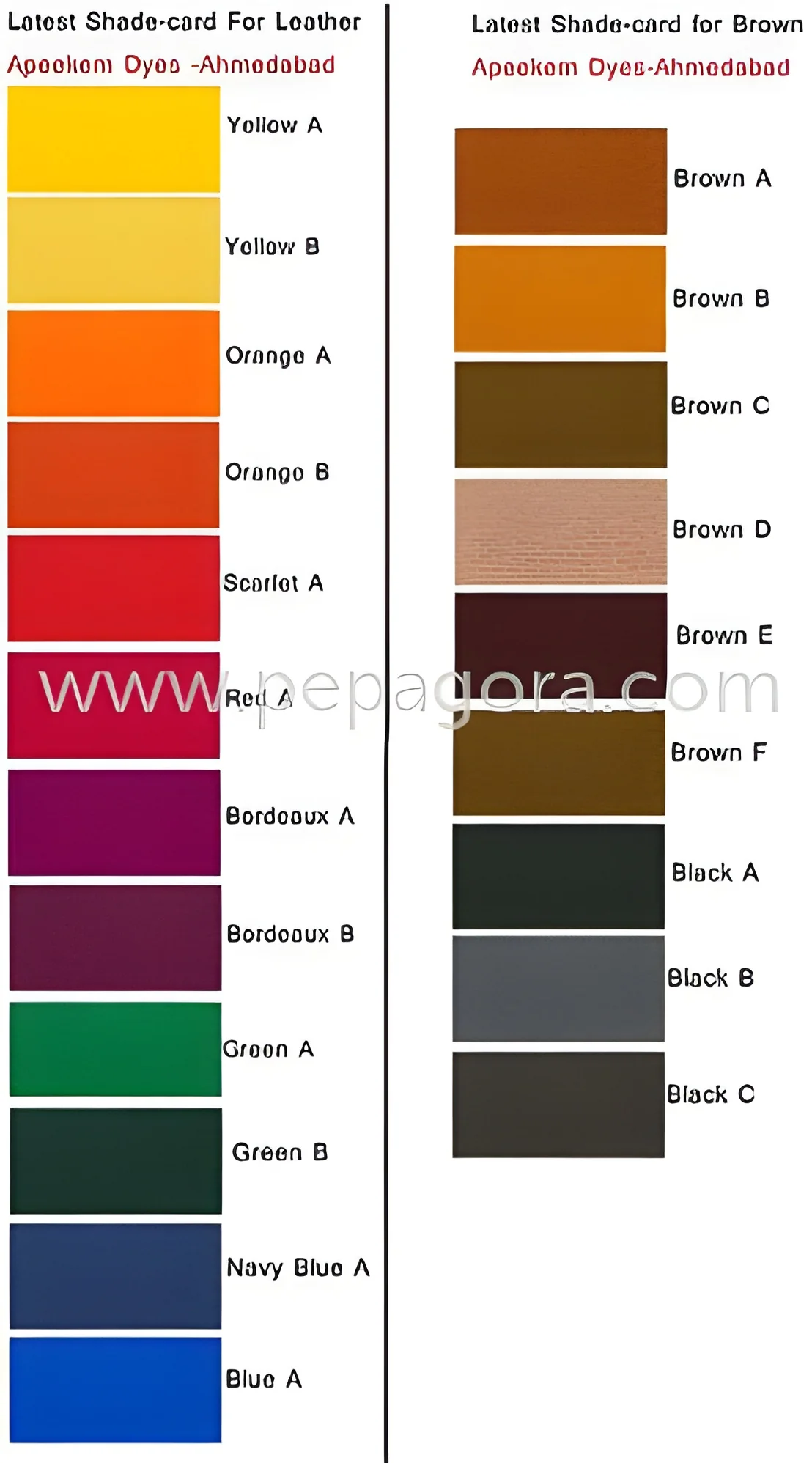
3. Customization: The availability of a wide range of colors allows businesses to create unique products tailored to customer preferences.
4. Eco-Friendly Options: Many suppliers now offer dyes that are non-toxic and environmentally friendly, aligning with sustainability goals.
5. Enhanced Aesthetics: Dyes can significantly improve the visual appeal of leather products, attracting consumers and increasing sales.
6. Cost-Effective Solutions: By providing the ability to refresh or change the color of leather goods, dyes can extend the life of products and reduce waste.
Buying Guide for B2B Buyers
When sourcing leather dyes, several factors should be considered to ensure the best choice for business needs.
1. Quality Assessment: Evaluate the quality of the dyes by requesting samples and reviewing technical data sheets. Look for information on colorfastness and application methods.
2. Supplier Verification: Research potential suppliers to ensure they have a solid reputation. Check for certifications and customer reviews to assess reliability.
3. Pricing and MOQ: Understand the pricing structure and minimum order quantities (MOQ) to determine budget requirements. Compare quotes from different suppliers to find the best deal.
4. Delivery and Lead Times: Inquire about delivery options and lead times. Timely delivery is crucial for maintaining production schedules and meeting customer demand.
5. Compliance Requirements: Ensure that the dyes meet relevant safety and environmental regulations. Familiarize yourself with local compliance standards to avoid any legal issues.
Compliance and Certifications
Compliance and certifications are vital for ensuring the quality and safety of leather dyes.
Relevant quality standards, such as ISO 9001, ensure that suppliers adhere to consistent quality management practices. These standards help guarantee that products meet customer expectations and regulatory requirements.
Industry certifications like CE indicate that the products comply with European safety standards. This certification is crucial for businesses exporting products to the European market.
Safety and testing requirements should also be considered when sourcing leather dyes. Suppliers must provide safety data sheets that detail the handling and usage of the dyes to ensure safe application.
Regional compliance considerations vary by location, and businesses should familiarize themselves with the specific regulations in their operating areas. This knowledge helps mitigate risks associated with non-compliance and enhances product safety.
Why Source Leather Dyes from Pepagora?
Pepagora provides a trusted platform for sourcing leather dyes, offering several key advantages that benefit B2B buyers.
Verified Supplier Network: Pepagora connects businesses with a network of verified suppliers, ensuring the quality and reliability of products. This network allows buyers to access a wide range of leather dyes tailored to their specific needs.
Streamlined RFQ Process: The request for quotation (RFQ) process on Pepagora is designed to be user-friendly, enabling buyers to easily compare prices and terms from multiple suppliers. This efficiency facilitates informed decision-making and helps secure the best deals.
Trade Assurance and Support: Pepagora offers trade assurance measures that protect buyers throughout the purchasing process. This support provides peace of mind, knowing that transactions are secure and that there is assistance available if issues arise.
Regional Coverage: With a strong presence in regions such as India, the GCC, and Southeast Asia, Pepagora ensures that buyers can source leather dyes from suppliers within their geographic area. This coverage enhances logistics efficiency and reduces shipping costs.
In conclusion, Pepagora stands out as a reliable platform for sourcing leather dyes, offering a comprehensive solution for businesses seeking quality products and excellent service.

 IN
IN