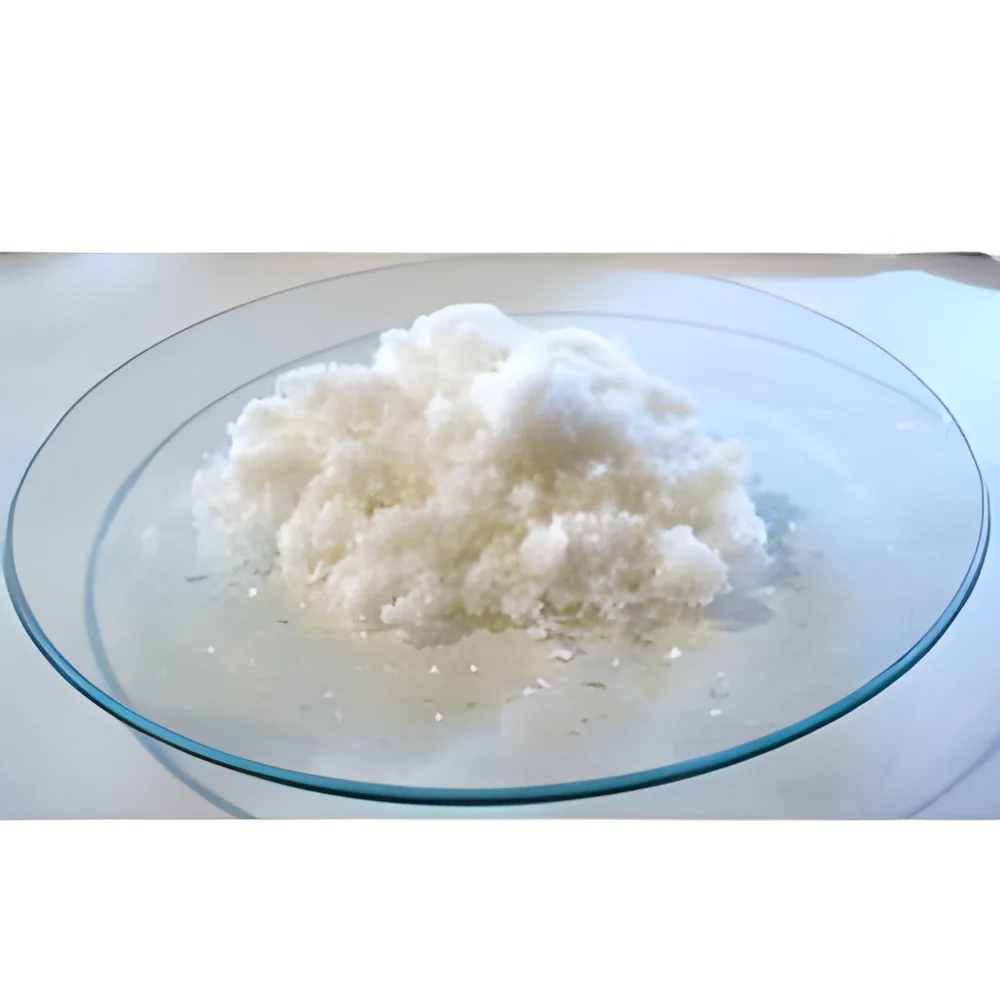
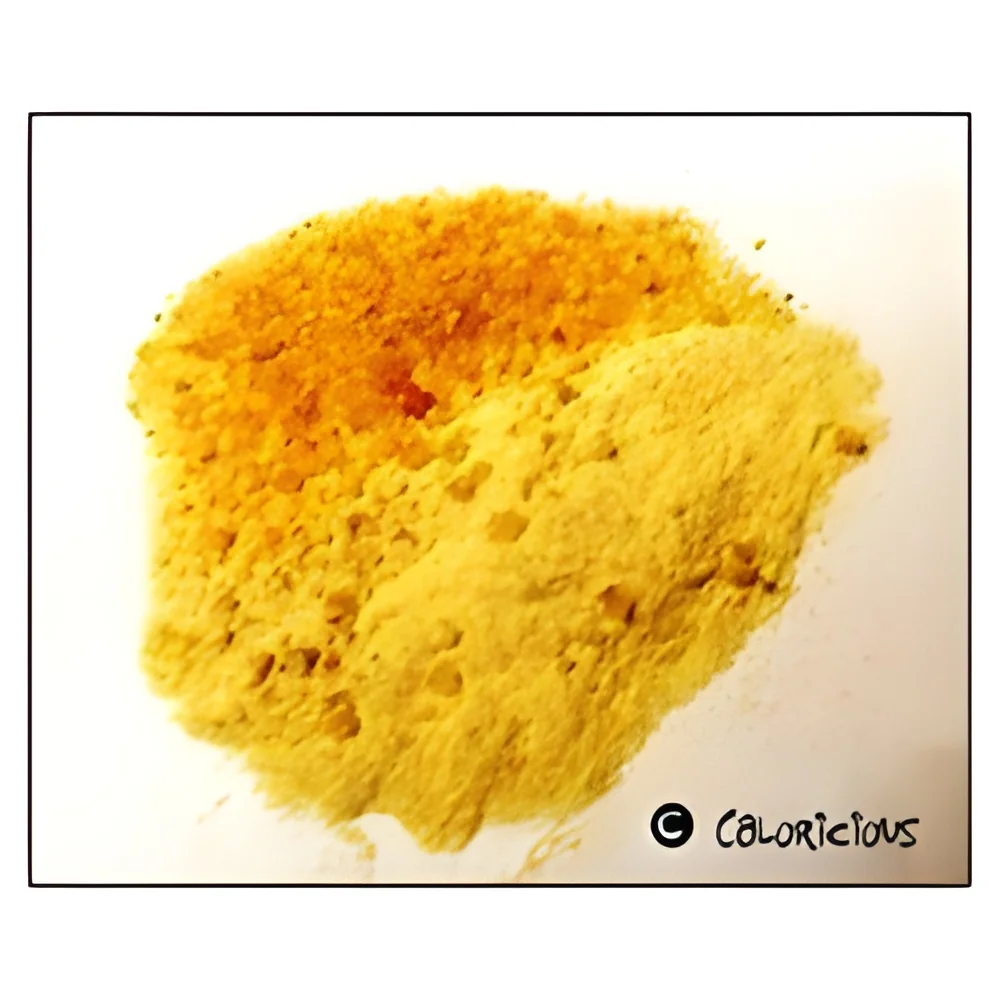
What are Food Grade Dyes?
Food grade dyes are color additives that are specifically manufactured for use in food products. These dyes are formulated to be safe for consumption and are used to enhance the visual appeal of various food items. They play a crucial role in food marketing and consumer preference by providing vibrant colors that can make products more attractive.
Primary applications of food grade dyes include use in beverages, candies, dairy products, and baked goods. These dyes can be derived from natural sources or synthesized chemically. Businesses across the food and beverage industry utilize these dyes to create consistent color in their products, ensuring that they meet consumer expectations and regulatory standards. The food dye market is influenced by trends in health and wellness, leading to an increased demand for natural colorants as businesses seek to meet consumer preferences for clean labeling.
The relevance of food grade dyes in the industry cannot be understated. With growing health consciousness among consumers and stricter regulations regarding food safety, manufacturers are adapting their practices. The market for food grade dyes is expanding as more companies recognize the importance of color in improving product appeal and meeting compliance requirements.
Key Features and Specifications
Food grade dyes come with several key features that make them suitable for use in the food industry. Understanding these specifications is vital for businesses looking to incorporate them into their products.
Key specifications include:
1. Type of Dye
- Natural or synthetic options available
- Varies in source and chemical structure
2. Color Stability
- Resistance to heat, light, and oxidation
- Ensures longevity of color during storage and processing
3. Solubility
- Ability to dissolve in water or oil
- Critical for application in various food products
4. pH Range
- Compatibility with acidic or alkaline environments
- Important for maintaining color integrity
5. Regulatory Compliance
- Must meet food safety standards set by authorities
- Includes certifications such as CE
6. Concentration
- Varies depending on the intended use
- Higher concentration may be needed for certain applications
In summary, food grade dyes are characterized by their type, stability, solubility, pH compatibility, compliance, and concentration. These features are essential for their effective use in food applications.
Common Applications and Use Cases
Food grade dyes serve a variety of industries beyond just food production. Their versatility allows them to be employed in numerous applications.
1. Food and Beverage Industry: Food grade dyes are widely used to enhance the visual appeal of snacks, soft drinks, and desserts, making them more enticing to consumers.
2. Dairy Products: These dyes can be used in cheese, yogurt, and ice cream to achieve consistent and appealing colors, enhancing product differentiation.
3. Bakery and Confectionery: In baked goods and candies, food grade dyes are used to create vibrant colors that attract consumers and improve the overall presentation.
4. Pharmaceuticals: Some food grade dyes are also utilized in pharmaceutical products to provide a visually appealing appearance, aiding in brand recognition.
5. Nutraceuticals: Dietary supplements may use food grade dyes to improve the attractiveness of capsules and tablets, helping to convey quality and effectiveness.
6. Cosmetics: Certain food grade dyes are suitable for cosmetic products, allowing for safe coloring that meets consumer safety standards.
7. Pet Food: Food grade dyes are also used in the production of pet food, enhancing the visual appeal of the product for consumers.
Product Variants and Subcategories
Food grade dyes come in various forms and types, allowing businesses to select the right option for their needs.
Liquid Food Grade Dyes: These dyes are easy to mix and blend into food products. They offer great versatility and can be used in various applications, including beverages and sauces.
Powdered Food Grade Dyes: This form is often preferred for dry mixes and baked goods. They provide concentrated color and can be stored easily.
Gel Food Grade Dyes: Ideal for use in icing and decorations, gel dyes offer intense colors and are easy to work with for creative applications.
Benefits and Advantages
Food grade dyes offer several advantages for manufacturers looking to enhance their products.
1. Enhanced Visual Appeal: Food grade dyes improve the look of products, making them more attractive to consumers and potentially increasing sales.
2. Consistency: Using food grade dyes helps maintain uniform color across batches, which is essential for brand consistency.
3. Versatility: These dyes can be used in a wide range of products, from beverages to baked goods, allowing businesses to innovate and diversify.
4. Compliance: Food grade dyes meet regulatory standards, ensuring that products are safe for consumption and suitable for marketing.
5. Customization: Many suppliers offer custom color solutions, enabling businesses to create unique product colors that stand out in the market.
6. Increased Marketability: Products that are visually appealing often perform better in competitive markets, driving consumer interest and boosting sales.
Buying Guide for B2B Buyers
When sourcing food grade dyes, it is essential to consider several factors to ensure the best choice for your business needs.
1. Quality Assessment: Look for suppliers that provide detailed information on the quality of their dyes, including sourcing and production processes. This ensures that the dyes meet safety and quality standards.
2. Supplier Verification: Conduct thorough research on potential suppliers to verify their credibility and reputation in the industry. Certifications and testimonials can provide insight into their reliability.
3. Pricing and MOQ: Understand the pricing structures and minimum order quantities (MOQ) set by suppliers. This helps in budgeting and ensures that you can meet production demands.
4. Delivery and Lead Times: Evaluate suppliers based on their ability to meet delivery schedules. Timely delivery is crucial for maintaining production schedules and fulfilling customer orders.
5. Compliance Requirements: Ensure that the food grade dyes you select comply with relevant regulations in your region. This is necessary to avoid legal issues and ensure customer safety.
Compliance and Certifications
Compliance is a critical aspect of the food grade dye industry. Manufacturers must adhere to several quality standards to ensure the safety and effectiveness of their products.
Relevant quality standards include ISO 9001, which focuses on quality management systems, and HACCP, which emphasizes food safety management. These standards help manufacturers implement effective processes to manage risks associated with food safety.
Additionally, industry certifications such as CE indicate that products meet European health, safety, and environmental protection standards. Compliance with these regulations not only enhances consumer trust but also facilitates market access in various regions.
Safety and testing requirements are also paramount. Food grade dyes must undergo rigorous testing to ensure they are safe for consumption and free from harmful substances. Regional compliance considerations vary, so it is essential to stay informed about local regulations governing food additives.
Why Source Food Grade Dyes from Pepagora?
Pepagora offers a trusted platform for sourcing food grade dyes, providing several key advantages for businesses.
Verified Supplier Network: Pepagora maintains a robust network of verified suppliers, ensuring that buyers can access high-quality food grade dyes that comply with industry standards.
Streamlined RFQ Process: The platform features an efficient request for quotation (RFQ) system that simplifies the process of obtaining quotes from multiple suppliers, saving time and effort for buyers.
Trade Assurance and Support: Pepagora provides trade assurance, protecting buyers against potential issues and ensuring a secure purchasing experience. This support is vital for building trust between buyers and suppliers.
Regional Coverage: With a strong presence in India, the GCC, and Southeast Asia, Pepagora is well-positioned to serve diverse markets. This geographic reach allows businesses to find suitable suppliers that meet their specific needs.

 IN
IN